Inquire: Call 0086-755-23203480, or reach out via the form below/your sales contact to discuss our design, manufacturing, and assembly capabilities.
Quote: Email your PCB files to Sales@pcbsync.com (Preferred for large files) or submit online. We will contact you promptly. Please ensure your email is correct.
Notes: For PCB fabrication, we require PCB design file in Gerber RS-274X format (most preferred), *.PCB/DDB (Protel, inform your program version) format or *.BRD (Eagle) format. For PCB assembly, we require PCB design file in above mentioned format, drilling file and BOM. Click to download BOM template To avoid file missing, please include all files into one folder and compress it into .zip or .rar format.
As wireless connectivity becomes essential for embedded systems and IoT applications, the transition from 2G to 4G LTE technology has opened new possibilities for remote monitoring, data transmission, and cellular communication. The SIM7600 Arduino combination represents a powerful solution for engineers developing cellular-connected projects, offering reliable 4G LTE connectivity where WiFi isn’t available.
With 2G networks shutting down across multiple regions including Australia, Canada, and parts of Europe, designers are rapidly migrating to 4G LTE modules like the SIM7600. This guide provides practical insights from a PCB design perspective, covering hardware interfaces, software libraries, real-world project implementations, and troubleshooting techniques that work.
The SIM7600 series represents SIMCom’s latest generation of multi-band LTE cellular modules designed specifically for IoT applications. These modules bridge the gap between legacy 2G/3G systems and modern 4G networks, providing backward compatibility while delivering significantly improved data speeds and network coverage.
Technical Specifications Overview
The SIM7600 comes in two main categories based on LTE performance capabilities:
Feature
SIM7600 (Cat-1)
SIM7600-H (Cat-4)
Downlink Speed
Up to 10 Mbps
Up to 150 Mbps
Uplink Speed
Up to 5 Mbps
Up to 50 Mbps
Form Factor
LCC (87 pins)
LCC (87 pins)
Operating Voltage
3.4V – 4.2V
3.4V – 4.2V
Peak Current
2A
2A
Operating Temperature
-40°C to +85°C
-40°C to +85°C
Supported Network Technologies
Technology
Frequency Support
LTE-FDD
Varies by region (B1/B2/B3/B4/B5/B7/B8/B20/B28)
LTE-TDD
B38/B39/B40/B41
WCDMA
850/900/1900/2100 MHz
GSM
850/900/1800/1900 MHz
The multi-band support allows for global deployment, but regional variants like SIM7600A (Americas), SIM7600E (Europe), and SIM7600G (Global) optimize frequency bands for specific markets.
Integrated GPS/GNSS Positioning
Beyond cellular connectivity, the SIM7600 integrates multi-constellation GNSS positioning supporting:
GPS (USA)
GLONASS (Russia)
BeiDou (China)
Galileo (Europe)
This built-in positioning capability eliminates the need for separate GPS modules in vehicle tracking, asset monitoring, and location-based IoT applications.
Hardware Interface Design for Arduino Integration
Power Supply Considerations
One of the most critical aspects of SIM7600 Arduino interfacing involves proper power supply design. The module can draw up to 2A during network registration and data transmission peaks, which exceeds typical USB port capabilities by 4x.
Power Supply Requirements:
Minimum supply voltage: 3.4V
Nominal supply voltage: 3.8V (recommended)
Maximum supply voltage: 4.2V
Peak current: 2A
Average current (idle): 25mA
From a PCB design perspective, the power supply circuit should include:
Low ESR capacitors (330μF to 470μF electrolytic + 100nF ceramic) placed close to VBAT pins
Power supply capable of sourcing sustained 2A current
Voltage monitoring circuit for under-voltage detection
Optional battery backup using 3.7V Li-ion cells
Many Arduino boards cannot provide the required current through their 5V or 3.3V rails. External power supplies or battery packs are mandatory for stable operation.
UART Serial Communication
The SIM7600 communicates with Arduino microcontrollers primarily through UART serial interface at 115200 baud rate (default). However, there’s a critical voltage level consideration:
Voltage Level Translation:
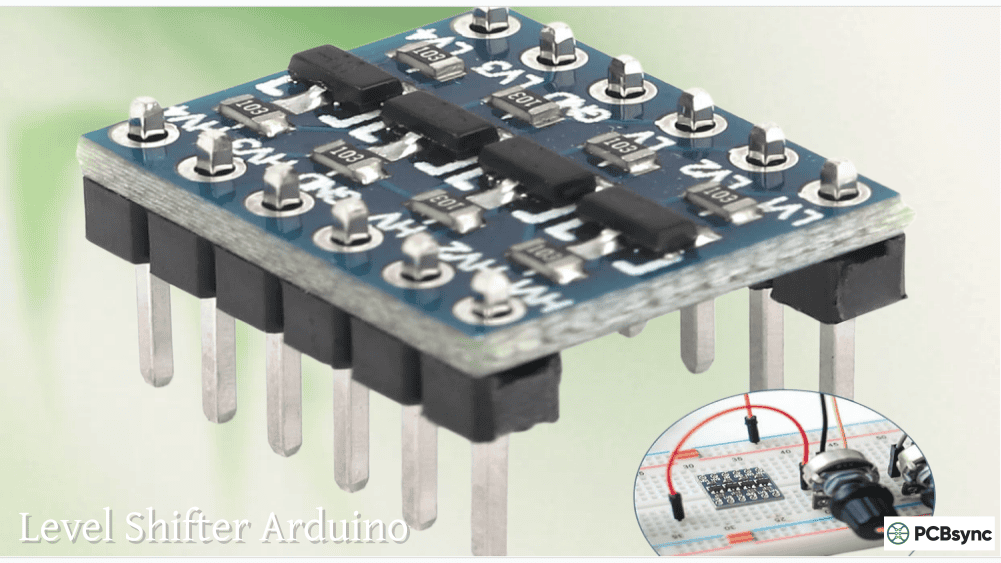
The SIM7600 RX/TX pins operate at 1.8V logic levels, while most Arduino boards use 3.3V or 5V logic. Direct connection will damage the module. Three solutions exist:
Diversity Antenna: Optional for improved reception
GPS/GNSS Antenna: Active antenna requiring 2.85V power supply
RF trace routing requires careful impedance control (50Ω) and proper ground plane design to minimize signal loss and EMI.
Arduino Software Libraries and Setup
TinyGSM Library – The Standard Solution
TinyGSM has emerged as the industry-standard Arduino library for cellular modules including SIM7600. This lightweight library provides standardized Arduino Client interface for GPRS/LTE data connections.
Key Features:
Small memory footprint (significantly smaller than Arduino GSM library)
Supports multiple modem types with unified API
Non-blocking architecture where practical
Built-in auto-bauding capability
Standard Arduino Client interface compatibility
Installation Process:
// Arduino IDE: Sketch > Include Library > Manage Libraries
// Search: “TinyGSM” and click Install
Basic TinyGSM Implementation:
#define TINY_GSM_MODEM_SIM7600 // Define modem type
#define TINY_GSM_RX_BUFFER 1024 // Set RX buffer size
#include <TinyGsmClient.h>
// Hardware Serial for ESP32
#define SerialAT Serial1
#define SerialMon Serial
// APN settings (carrier specific)
const char apn[] = “your-apn-here”;
const char gprsUser[] = “”;
const char gprsPass[] = “”;
TinyGsm modem(SerialAT);
TinyGsmClient client(modem);
void setup() {
SerialMon.begin(115200);
SerialAT.begin(115200);
// Restart modem
SerialMon.println(“Initializing modem…”);
modem.restart();
// Wait for network
SerialMon.print(“Waiting for network…”);
if (!modem.waitForNetwork()) {
SerialMon.println(” fail”);
while (true);
}
SerialMon.println(” OK”);
// Connect to GPRS
SerialMon.print(“Connecting to “);
SerialMon.print(apn);
if (!modem.gprsConnect(apn, gprsUser, gprsPass)) {
SerialMon.println(” fail”);
while (true);
}
SerialMon.println(” OK”);
}
AT Command Alternative Approach
For projects requiring more direct control or when TinyGSM doesn’t fit requirements, native AT commands provide complete module access.
Essential AT Commands:
Command
Function
Response
AT
Test connection
OK
ATI
Module information
Module details
AT+CPIN?
Check SIM status
+CPIN: READY
AT+CSQ
Signal quality
+CSQ: rssi,ber
AT+CREG?
Network registration
+CREG: status
AT+CGATT=1
Attach GPRS
OK
AT+CGDCONT=1,”IP”,”apn”
Set APN
OK
AT+CGACT=1,1
Activate PDP context
OK
Arduino Board Compatibility
Directly Compatible Boards:
Maduino Zero 4G LTE: ATSAMD21G18A-based, Arduino Zero compatible with integrated SIM7600
ESP32 boards: Popular choice due to dual-core processing and ample memory
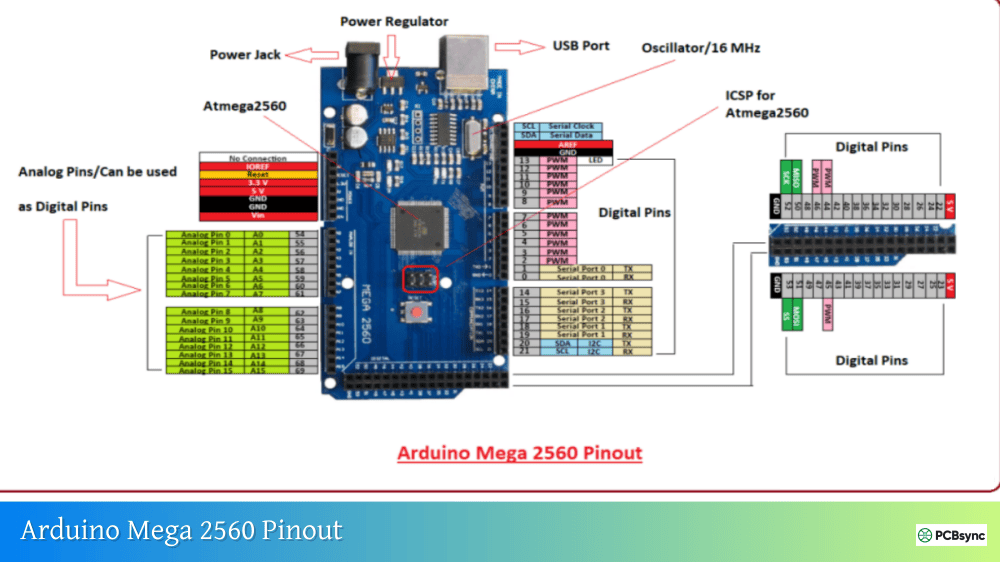
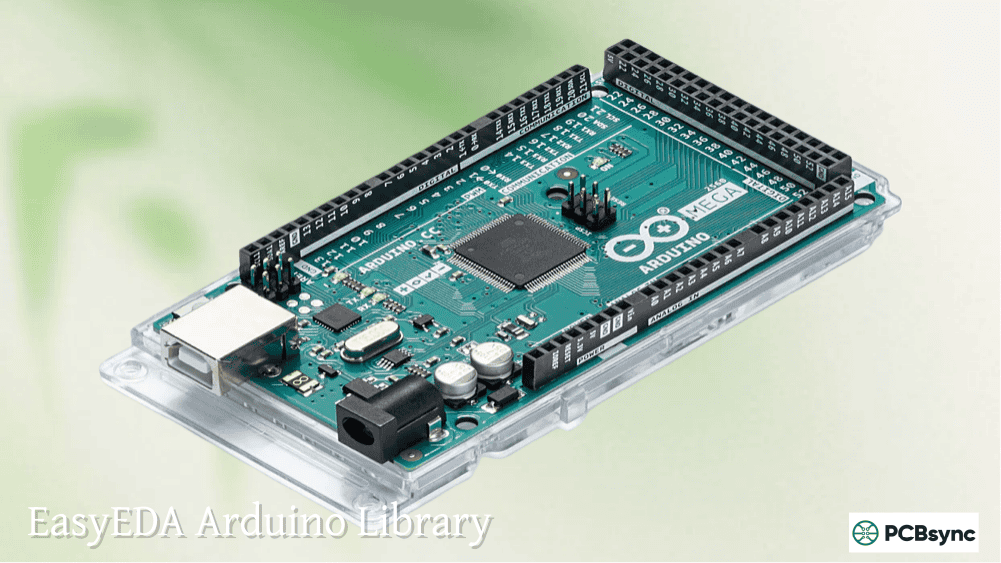
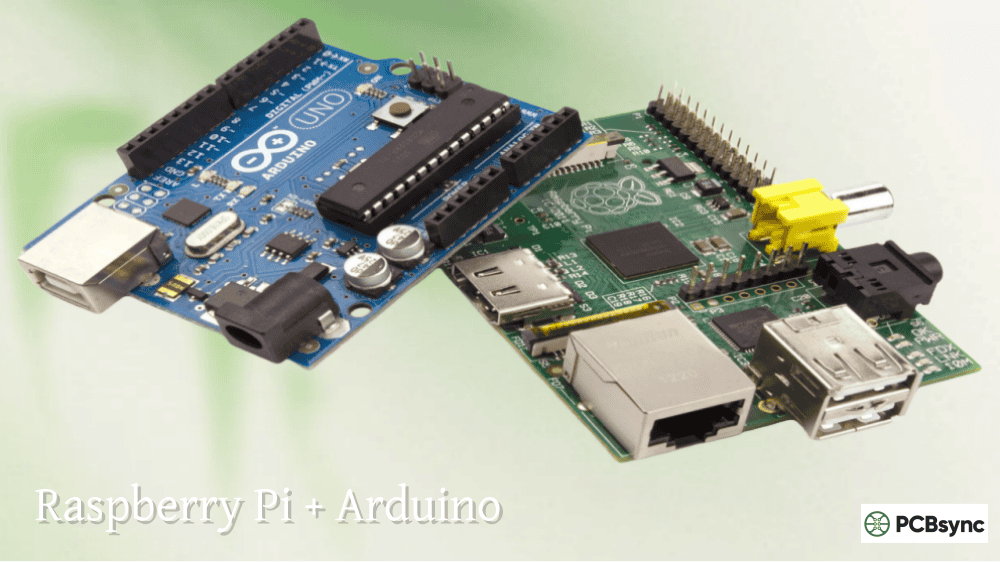
Arduino Mega 2560: Multiple hardware serial ports beneficial
sendData(“AT+HTTPACTION=0”, 2000, DEBUG); // GET request
sendData(“AT+HTTPTERM”, 1000, DEBUG);
Key Learning Points:
APN configuration varies by carrier
HTTP timeout handling is critical
Network registration can take 30-90 seconds on cold boot
Data transmission success should be verified with AT+HTTPACTION response codes
Project 2: MQTT-Based Sensor Network
MQTT protocol provides lightweight publish-subscribe messaging ideal for IoT applications. The SIM7600 includes built-in MQTT stack accessible through AT commands.
Correct APN configuration is critical for data connectivity:
North America:
AT&T: “phone”
T-Mobile: “fast.t-mobile.com”
Verizon: “vzwinternet”
Europe:
Vodafone: “internet”
Orange: “orange.fr”
O2: “mobile.o2.co.uk”
Asia-Pacific:
Airtel (India): “airtelgprs.com”
Telstra (Australia): “telstra.internet”
China Mobile: “cmnet”
Note: APN settings vary by carrier and plan type. Contact your carrier for accurate settings.
Online Communities and Support
Arduino Forum – Networking Section: Active community for GSM/LTE troubleshooting
SIMCom Support Portal: Official technical support and firmware updates
GitHub Issues: TinyGSM repository for library-specific questions
Element14 Community: Hardware design discussions and PCB layout reviews
Performance Optimization Tips
Minimizing Power Consumption
For battery-powered applications, power management becomes critical:
Sleep Mode Implementation:
// Enter minimum functionality mode
sendData(“AT+CFUN=0”, 1000, DEBUG);
// Use DTR pin for wake control
digitalWrite(DTR_PIN, HIGH); // Sleep
delay(60000); // Sleep period
digitalWrite(DTR_PIN, LOW); // Wake
Power Consumption Modes:
Mode
Current Draw
Wake Method
Active (transmitting)
1.5-2.0A
N/A
Idle (registered)
25mA
N/A
Sleep mode
3-5mA
DTR, incoming SMS/call
Power down
<1mA
PWRKEY pulse
Improving Data Throughput
Buffer Size Optimization:
#define TINY_GSM_RX_BUFFER 2048 // Increase for higher throughput
TCP/IP Socket Configuration:
Use larger packet sizes (1024-1460 bytes)
Minimize socket open/close cycles
Implement connection pooling for multiple requests
Consider UDP for applications tolerating packet loss
Reducing Connection Latency
Network registration and connection establishment can take significant time:
Optimization Strategies:
Keep connections alive: Maintain TCP/IP connection rather than reconnecting
Cache DNS results: Store resolved IP addresses when possible
Use IP addresses directly: Bypass DNS lookup entirely if practical
Implement fast dormancy: AT+CFDCFG for LTE power state management
Frequently Asked Questions (FAQs)
1. Can I use Arduino Uno with SIM7600 module?
Yes, but with significant limitations. Arduino Uno’s 2KB RAM restricts buffer sizes, and SoftwareSerial is required since Uno has only one hardware serial port (used by USB). Level shifting is mandatory since Uno operates at 5V. For production projects, consider upgrading to Arduino Mega, ESP32, or SAMD-based boards offering better performance and multiple hardware serial ports.
2. Why does my SIM7600 keep resetting randomly?
Random resets almost always indicate power supply issues. The SIM7600 draws up to 2A during peak transmission, which exceeds USB port capabilities (500mA). Solutions include using a dedicated 5V 2A power adapter, adding large capacitors (330-470μF) near the VBAT pins, or implementing a Li-ion battery backup. Verify stable voltage with AT+CBC command during transmission.
3. What’s the difference between SIM7600 and SIM7600-H modules?
The primary difference is LTE category performance: SIM7600 is LTE Cat-1 (10Mbps down/5Mbps up) while SIM7600-H is LTE Cat-4 (150Mbps down/50Mbps up). For most IoT applications sending small sensor data packets, Cat-1 performance suffices and costs less. Choose Cat-4 for applications requiring faster data transfer like image transmission or video streaming.
4. How do I determine the correct APN for my SIM card?
Contact your cellular carrier’s technical support or check their website for IoT/M2M APN settings. Alternatively, test the APN on a smartphone: Settings > Mobile Networks > Access Point Names. Note that consumer phone APNs may differ from IoT/M2M APNs. Some carriers require special IoT plans with static IP addresses.
5. Can TinyGSM library work with SIM7600 for HTTPS connections?
TinyGSM provides basic HTTP support through the SIM7600’s native AT commands. For HTTPS/SSL, additional implementation is needed using the SSLClient library wrapper or the module’s built-in SSL AT commands (AT+CSSLCFG, AT+SHSSL). The GitHub repository govorox/SSLClient provides Arduino compatibility for secure connections with cellular modules.
Conclusion
The SIM7600 Arduino combination delivers a robust solution for cellular IoT applications requiring 4G LTE connectivity. Successful implementation requires careful attention to power supply design, proper voltage level translation, and understanding of both hardware interfaces and software libraries. The transition from legacy 2G modules to LTE technology provides not only faster data speeds but also future-proof designs as cellular networks continue evolving.
For PCB engineers and embedded developers, the key success factors include adequate power supply provisioning, proper antenna design, correct serial communication setup, and leveraging established libraries like TinyGSM. While challenges exist around memory constraints on smaller Arduino boards and the complexity of AT command protocols, the extensive documentation and active community support make the SIM7600 an accessible choice for both prototyping and production deployments.
Whether building remote sensors, GPS trackers, environmental monitors, or industrial control systems, the SIM7600 provides the cellular connectivity backbone for reliable, long-range wireless communication in locations where traditional networking isn’t feasible.
Inquire: Call 0086-755-23203480, or reach out via the form below/your sales contact to discuss our design, manufacturing, and assembly capabilities.
Quote: Email your PCB files to Sales@pcbsync.com (Preferred for large files) or submit online. We will contact you promptly. Please ensure your email is correct.
Notes: For PCB fabrication, we require PCB design file in Gerber RS-274X format (most preferred), *.PCB/DDB (Protel, inform your program version) format or *.BRD (Eagle) format. For PCB assembly, we require PCB design file in above mentioned format, drilling file and BOM. Click to download BOM template To avoid file missing, please include all files into one folder and compress it into .zip or .rar format.