Inquire: Call 0086-755-23203480, or reach out via the form below/your sales contact to discuss our design, manufacturing, and assembly capabilities.
Quote: Email your PCB files to Sales@pcbsync.com (Preferred for large files) or submit online. We will contact you promptly. Please ensure your email is correct.
Notes: For PCB fabrication, we require PCB design file in Gerber RS-274X format (most preferred), *.PCB/DDB (Protel, inform your program version) format or *.BRD (Eagle) format. For PCB assembly, we require PCB design file in above mentioned format, drilling file and BOM. Click to download BOM template To avoid file missing, please include all files into one folder and compress it into .zip or .rar format.
The Seeeduino XIAO changed my approach to compact embedded designs. When I first held this thumb-sized development board, I couldn’t believe it packed a 32-bit ARM Cortex-M0+ processor into such a tiny package. After integrating the Seeeduino XIAO into multiple wearable and IoT projects, I’ve come to appreciate why this board has become a favorite among makers who need Arduino compatibility without the bulk.
This guide covers everything you need to know about the Seeeduino XIAO—from specifications and pinout to programming setup and practical applications.
The Seeeduino XIAO (now officially called Seeed Studio XIAO SAMD21) is an ultra-compact development board built around the Microchip ATSAMD21G18A-MU microcontroller. As the flagship model in Seeed Studio’s XIAO series, it delivers professional-grade performance in a form factor smaller than a postage stamp.
What makes the Seeeduino XIAO particularly appealing is its combination of powerful 32-bit processing, extensive I/O options, and Arduino IDE compatibility. Unlike 8-bit AVR-based boards, the SAMD21 architecture provides significantly more processing power while consuming less energy—ideal for battery-powered applications.
The board features castellated pads on all edges, making it easy to solder directly onto custom PCBs for production designs. This SMD-friendly design sets the Seeeduino XIAO apart from typical development boards intended only for prototyping.
Seeeduino XIAO Technical Specifications
Understanding the specifications helps you determine if the Seeeduino XIAO fits your project requirements.
Core Specifications Table
Feature
Specification
Microcontroller
ATSAMD21G18A-MU
Architecture
ARM Cortex-M0+ 32-bit
Clock Speed
48 MHz
Flash Memory
256 KB
SRAM
32 KB
Operating Voltage
3.3V
Input Voltage
5V (via USB or VIN)
Digital I/O Pins
11
Analog Input Pins
11 (10-bit ADC)
PWM Pins
10 (D1-D10)
DAC Output
1 (D0)
Dimensions
21mm × 17.8mm
Weight
~1.5g
The Seeeduino XIAO offers substantially more memory than ATmega-based Arduinos. With 256KB flash and 32KB SRAM, you can run complex programs that would never fit on an Arduino Uno’s 32KB flash and 2KB SRAM.
Seeeduino XIAO Pinout Guide
The Seeeduino XIAO packs impressive functionality into just 14 pins. Understanding the pinout is essential for successful projects.
Pin Functions Table
Pin
Digital
Analog
PWM
Special Function
D0/A0
Yes
ADC
No
DAC Output
D1/A1
Yes
ADC
Yes
–
D2/A2
Yes
ADC
Yes
–
D3/A3
Yes
ADC
Yes
–
D4/A4
Yes
ADC
Yes
I2C SDA
D5/A5
Yes
ADC
Yes
I2C SCL
D6/A6
Yes
ADC
Yes
UART TX
D7/A7
Yes
ADC
Yes
UART RX
D8/A8
Yes
ADC
Yes
SPI SCK
D9/A9
Yes
ADC
Yes
SPI MISO
D10/A10
Yes
ADC
Yes
SPI MOSI
Important Pinout Notes
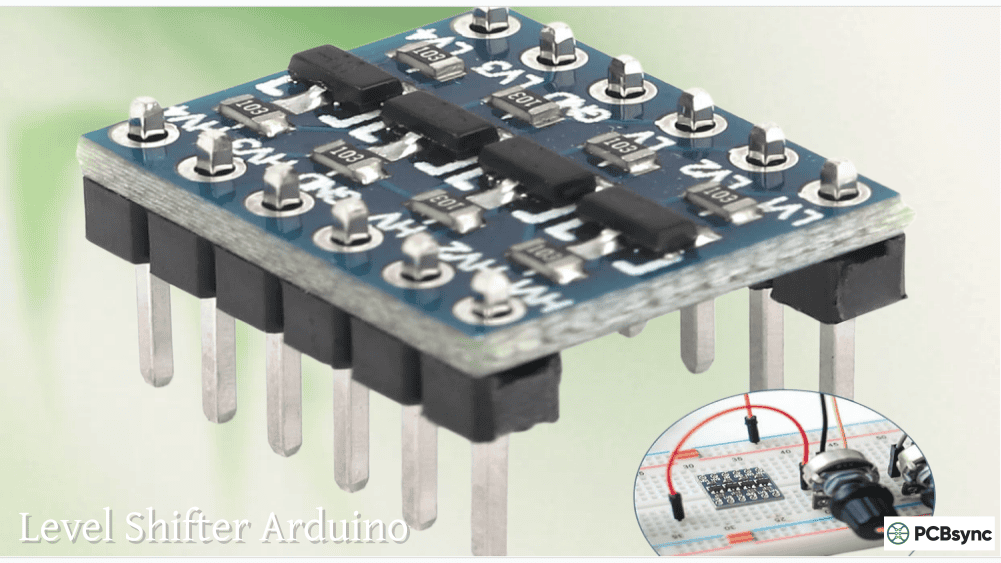
3.3V Logic Only: All I/O pins operate at 3.3V. Connecting 5V signals directly will damage the Seeeduino XIAO. Use level shifters when interfacing with 5V devices.
True DAC Output: Pin D0 features a genuine Digital-to-Analog converter, producing real analog voltages rather than PWM approximations. This is valuable for audio applications or precise voltage control.
Pin Current Limit: Each GPIO pin can source or sink approximately 7mA. For higher current loads, use external transistors or MOSFETs.
Interrupt Support: All pins support interrupts, but pins 5 and 7 cannot be used for interrupts simultaneously.
Back Side Connections
The Seeeduino XIAO includes additional pads on the back:
Pad
Function
3V3
3.3V regulated output
GND
Ground
5V
5V input/output
VIN
Alternative voltage input
SWDIO
Debug data
SWCLK
Debug clock
RST
Reset (short twice for bootloader)
Setting Up Seeeduino XIAO in Arduino IDE
Programming the Seeeduino XIAO requires adding board support to Arduino IDE.
Installation Steps
Step 1: Open Arduino IDE and navigate to File → Preferences
Step 4: Search for “Seeed SAMD” or “Seeeduino XIAO”
Step 5: Install “Seeed SAMD Boards” package
Step 6: Select Tools → Board → Seeeduino XIAO
Step 7: Select the appropriate COM port under Tools → Port
First Program: Blinking LED
The Seeeduino XIAO includes a built-in LED on pin 13 (LED_BUILTIN). However, note that the LED logic is inverted—pulling the pin LOW turns the LED ON.
void setup() {
pinMode(LED_BUILTIN, OUTPUT);
}
void loop() {
digitalWrite(LED_BUILTIN, LOW); // LED ON
delay(1000);
digitalWrite(LED_BUILTIN, HIGH); // LED OFF
delay(1000);
}
The Seeeduino XIAO also has RX and TX LEDs (pins 11 and 12) that you can control in your sketches.
Seeeduino XIAO Communication Interfaces
The SAMD21 architecture provides flexible serial communication options.
Communication Comparison Table
Interface
Pins
Speed
Notes
USB CDC
USB-C
Up to 12 Mbps
Native USB, no FTDI needed
UART
D6 (TX), D7 (RX)
Configurable
Hardware serial
I2C
D4 (SDA), D5 (SCL)
Up to 400 kHz
Wire library
SPI
D8 (SCK), D9 (MISO), D10 (MOSI)
Up to 12 MHz
Hardware SPI
USB Serial Communication
Unlike ATmega-based Arduinos that use a separate USB-to-serial chip, the Seeeduino XIAO implements USB natively through the SAMD21. This provides faster and more reliable serial communication.
Testing shows the Seeeduino XIAO achieves approximately 6.3 Mbps transfer rates when sending 64-byte buffers—significantly faster than traditional Arduino serial communication.
Seeeduino XIAO Reset and Bootloader
The Seeeduino XIAO lacks a physical reset button. Instead, use the RST pads on the board.
Reset Procedures
Single Reset: Short the RST pads once briefly. The board resets and runs your program.
Double Reset (Bootloader Mode): Short the RST pads twice quickly. The board enters bootloader mode, indicated by slowly flashing LEDs. In this mode, the Seeeduino XIAO appears as a USB storage device, and you can upload new code even if previous code crashed.
This double-reset feature is invaluable when your code prevents normal USB communication—a common situation during development.
Powering Your Seeeduino XIAO Projects
The Seeeduino XIAO offers multiple power options.
Power Options Table
Source
Voltage
Connection
USB-C
5V
USB connector
VIN Pad
5V
Back pad
5V Pad
5V
Back pad
3V3 Pad
3.3V
Back pad (direct to regulator)
Battery Power Considerations
Important Warning: The VIN and GND pads are NOT designed for direct battery connection. The Seeeduino XIAO lacks battery management circuitry for charging or protection.
For battery-powered projects, use an external battery management module (like TP4056) that provides:
Charge control
Over-discharge protection
Regulated output
Connect the battery module’s output to the XIAO’s 5V or 3V3 pin.
How does the Seeeduino XIAO compare to alternatives?
Comparison Table
Feature
Seeeduino XIAO
Arduino Nano
Adafruit QT Py
Processor
SAMD21 (32-bit)
ATmega328P (8-bit)
SAMD21 (32-bit)
Clock
48 MHz
16 MHz
48 MHz
Flash
256 KB
32 KB
256 KB
SRAM
32 KB
2 KB
32 KB
Size
21×17.8mm
45×18mm
22×18mm
USB
Native USB-C
Mini-USB (via FTDI)
Native USB-C
DAC
Yes
No
Yes
Price
~$5
~$5
~$8
The Seeeduino XIAO provides SAMD21 performance at Arduino Nano pricing, making it exceptional value for compact projects requiring more than 8-bit capability.
Seeeduino XIAO Project Applications
The Seeeduino XIAO excels in specific application areas.
Ideal Use Cases
Application
Why XIAO Works
Wearable Electronics
Tiny size, low power, PWM for LEDs
USB HID Devices
Native USB support, keyboard/mouse emulation
DIY Keyboards
Multiple I/O, USB HID, compact form factor
Sensor Nodes
I2C/SPI interfaces, sleep modes
Audio Projects
DAC output, 48 MHz processing
Rapid Prototyping
Castellated pads, breadboard compatible
The Seeeduino XIAO particularly shines in USB development—you can create custom keyboards, mice, MIDI controllers, or USB-to-TTL converters without additional hardware.
Programming Environments Beyond Arduino
While Arduino IDE is most common, the Seeeduino XIAO supports multiple programming environments.
Supported Platforms
Platform
Language
Notes
Arduino IDE
C/C++
Full library support
PlatformIO
C/C++
Professional tooling
CircuitPython
Python
Beginner-friendly
MicroPython
Python
Alternative Python option
CircuitPython makes the Seeeduino XIAO particularly accessible for beginners. Simply drag-and-drop Python files onto the board (which appears as a USB drive), and code runs immediately without compilation.
Seeeduino XIAO Resources
Here are essential resources for working with the Seeeduino XIAO:
Schematic and PCB files available on Seeed Studio Wiki
XIAO Series SOM Datasheet (PDF) for integration into custom designs
Community
Seeed Studio Forum for technical support
GitHub repositories with example projects
Seeeduino XIAO Frequently Asked Questions
Can I use 5V sensors with Seeeduino XIAO?
Not directly. The Seeeduino XIAO operates at 3.3V logic and is NOT 5V tolerant. Connecting 5V signals to any I/O pin will damage the board. For 5V sensors or devices, you must use a bidirectional logic level converter (like the TXB0108 or BSS138-based modules) between the sensor and XIAO pins.
Why does my Seeeduino XIAO disappear from the computer?
This typically happens when uploaded code crashes or enters an infinite loop before USB initialization completes. To recover, perform a double-reset: short the RST pads twice quickly to enter bootloader mode. The board will appear as a USB storage device, and you can upload new code through Arduino IDE.
How do I power Seeeduino XIAO with a battery?
Never connect a LiPo battery directly to the VIN pads—the board lacks battery management circuitry. Instead, use an external charging module (like TP4056 with protection) and connect its regulated 5V output to the XIAO’s 5V pad. This ensures safe charging and prevents over-discharge damage to your battery.
Is Seeeduino XIAO compatible with Arduino libraries?
Yes, most Arduino libraries work with the Seeeduino XIAO since it uses the SAMD architecture similar to Arduino MKR and Zero boards. However, libraries that depend on specific ATmega registers won’t function. Libraries designed for SAMD21 boards (MKR series, Feather M0) typically work without modification.
What’s the difference between Seeeduino XIAO and XIAO RP2040 or XIAO ESP32?
The Seeeduino XIAO (SAMD21) is the original XIAO board focused on Arduino compatibility and USB applications. The XIAO RP2040 uses a dual-core processor with more GPIO. The XIAO ESP32 variants add WiFi and Bluetooth connectivity. Choose SAMD21 for USB projects and maximum Arduino compatibility, RP2040 for processing power, or ESP32 for wireless applications.
Conclusion
The Seeeduino XIAO represents remarkable engineering—packing genuine 32-bit ARM processing power into an incredibly small package while maintaining full Arduino compatibility. At around $5, it offers professional-grade capabilities at hobby-friendly prices.
For projects where size matters—wearables, embedded systems, USB devices, or any application where a standard Arduino feels oversized—the Seeeduino XIAO delivers. Its native USB support, true DAC output, and castellated pads for direct PCB mounting make it suitable for both prototyping and production designs.
Start with simple projects to understand the board’s characteristics, then leverage its advanced features like USB HID emulation, DAC output, and low-power modes. The Seeeduino XIAO proves that powerful development boards don’t need to be large or expensive.
Inquire: Call 0086-755-23203480, or reach out via the form below/your sales contact to discuss our design, manufacturing, and assembly capabilities.
Quote: Email your PCB files to Sales@pcbsync.com (Preferred for large files) or submit online. We will contact you promptly. Please ensure your email is correct.
Notes: For PCB fabrication, we require PCB design file in Gerber RS-274X format (most preferred), *.PCB/DDB (Protel, inform your program version) format or *.BRD (Eagle) format. For PCB assembly, we require PCB design file in above mentioned format, drilling file and BOM. Click to download BOM template To avoid file missing, please include all files into one folder and compress it into .zip or .rar format.