Inquire: Call 0086-755-23203480, or reach out via the form below/your sales contact to discuss our design, manufacturing, and assembly capabilities.
Quote: Email your PCB files to Sales@pcbsync.com (Preferred for large files) or submit online. We will contact you promptly. Please ensure your email is correct.
Notes: For PCB fabrication, we require PCB design file in Gerber RS-274X format (most preferred), *.PCB/DDB (Protel, inform your program version) format or *.BRD (Eagle) format. For PCB assembly, we require PCB design file in above mentioned format, drilling file and BOM. Click to download BOM template To avoid file missing, please include all files into one folder and compress it into .zip or .rar format.
Rain Sensor Arduino: Complete Guide to Weather Detection Projects
Getting started with weather detection doesn’t have to be complicated. A rain sensor Arduino setup is one of those projects that looks impressive on your workbench but takes maybe 20 minutes to wire up. I’ve built dozens of these for irrigation systems, automatic window controllers, and even a prototype windshield wiper tester for a local auto shop. Let me walk you through everything you need to know.
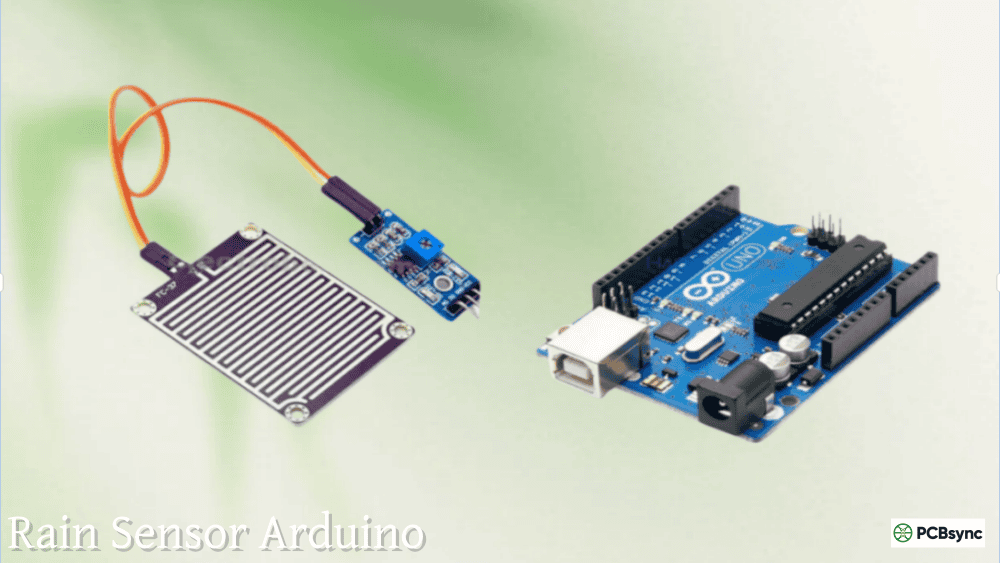
The rain sensor module you’ll find in most electronics stores consists of two separate PCBs. The first is the sensing pad (sometimes called the rain board), which has a series of interleaved copper traces etched onto an FR-4 substrate. The second board contains the signal conditioning circuitry built around an LM393 comparator IC.
When the sensing pad is dry, those copper traces maintain extremely high electrical resistance, somewhere around 1 MΩ. The moment water bridges those traces, resistance drops dramatically. More water means lower resistance, which translates to a lower output voltage. The control board reads this resistance change and converts it into both analog and digital signals that your Arduino can interpret.
Rain Sensor Module Working Principle
Think of the sensing pad as a variable resistor that changes based on wetness. The parallel copper traces act like open switches when dry. Water acts as a conductor between them, completing multiple circuits simultaneously. The more surface area covered by water, the more parallel paths for current flow, and the lower the overall resistance.
The LM393 comparator on the control board does two jobs. First, it provides a buffered analog output that varies proportionally with moisture level. Second, it compares that analog signal against a reference voltage set by the onboard potentiometer, giving you a clean digital HIGH or LOW output.
Common Rain Sensor Modules for Arduino Projects
Several rain sensor variants work well with Arduino boards. Here’s a comparison of what you’ll typically find:
Module
Operating Voltage
Output Types
Sensing Area
Key Feature
FC-37
3.3V – 5V
Analog + Digital
40mm x 50mm
Most common, affordable
YL-83
3.3V – 5V
Analog + Digital
40mm x 50mm
Compatible with FC-37
MH-RD
3.3V – 5V
Analog + Digital
40mm x 50mm
Nickel-plated traces
YL-38 Control Board
3.3V – 5V
Analog + Digital
N/A
Signal conditioning only
Most modules you’ll encounter are essentially interchangeable. The FC-37 and YL-83 designations often get used interchangeably by suppliers, and they’re functionally identical. What matters more is the quality of the copper traces and whether they have any anti-corrosion coating.
Rain Sensor Arduino Pin Configuration
Understanding the pinout saves troubleshooting time later. The control board typically has four pins on the Arduino side and two pins connecting to the sensing pad.
Control Board Pinout
Pin
Function
Connection
VCC
Power Supply
Arduino 5V or 3.3V
GND
Ground
Arduino GND
DO
Digital Output
Any digital pin
AO
Analog Output
Any analog pin (A0-A5)
Sensing Pad Pinout
The sensing pad has two pins marked + and – but honestly, polarity doesn’t matter here. These connect to the two corresponding pins on the control board, typically labeled the same way. The sensing pad is purely resistive, so reversing the connections won’t damage anything.
Building Your First Rain Sensor Arduino Project
Let’s get something working. This basic circuit will read both analog and digital values from the rain sensor and display them on the Serial Monitor.
Components Needed
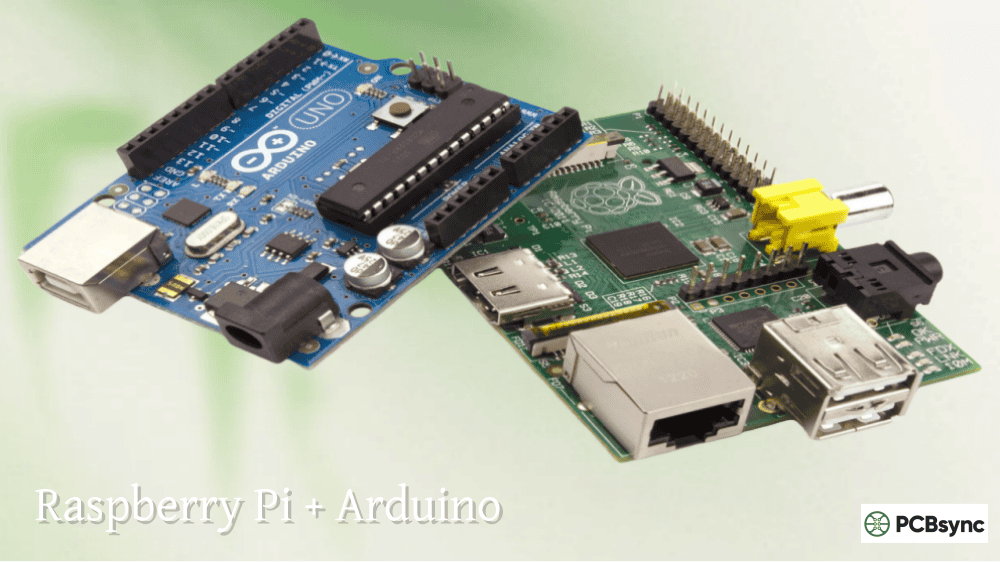
You’ll need an Arduino Uno (or Nano, they both work fine), a rain sensor module with control board, a handful of jumper wires, and optionally a buzzer if you want audio alerts. A breadboard makes prototyping easier but isn’t strictly necessary.
Circuit Connections
Wire the rain sensor to your Arduino as follows:
Rain Sensor Pin
Arduino Pin
VCC
5V
GND
GND
DO
D2
AO
A0
For adding a buzzer, connect the positive terminal to digital pin 3 and the negative terminal to GND. If your buzzer is passive, you might want a small resistor in series, though most active buzzers work fine connected directly.
Basic Arduino Rain Detection Code
Here’s a straightforward sketch that reads both outputs and triggers an alert when rain is detected:
#define RAIN_ANALOG A0
#define RAIN_DIGITAL 2
#define BUZZER 3
int analogValue;
int digitalValue;
void setup() {
Serial.begin(9600);
pinMode(RAIN_DIGITAL, INPUT);
pinMode(BUZZER, OUTPUT);
}
void loop() {
analogValue = analogRead(RAIN_ANALOG);
digitalValue = digitalRead(RAIN_DIGITAL);
Serial.print(“Analog: “);
Serial.print(analogValue);
Serial.print(” | Digital: “);
Serial.println(digitalValue);
if (digitalValue == LOW) {
digitalWrite(BUZZER, HIGH);
Serial.println(“Rain Detected!”);
} else {
digitalWrite(BUZZER, LOW);
}
delay(500);
}
The analog reading ranges from 0 (fully wet) to 1023 (completely dry). The digital output goes LOW when moisture exceeds the threshold set by the potentiometer on the control board.
Calibrating Your Rain Sensor Arduino Setup
Factory settings rarely match real-world conditions. Proper calibration ensures reliable detection without false alarms.
Adjusting Sensitivity
The small potentiometer on the control board sets the threshold for digital output. Turn it clockwise to increase sensitivity (detect smaller amounts of water) or counter-clockwise to decrease sensitivity. I usually calibrate with a spray bottle, adjusting until the digital output triggers with a few drops rather than complete saturation.
Reading and Interpreting Values
Analog values give you more granular information about moisture levels:
Analog Value Range
Condition
0 – 300
Heavy rain or submerged
301 – 500
Moderate rain
501 – 700
Light rain or mist
701 – 1023
Dry or minimal moisture
These ranges vary between sensors, so log your own readings under different conditions and adjust your code thresholds accordingly.
The basic detection circuit opens up numerous project possibilities. Here are implementations I’ve personally built or helped others construct.
Automatic Irrigation Controller
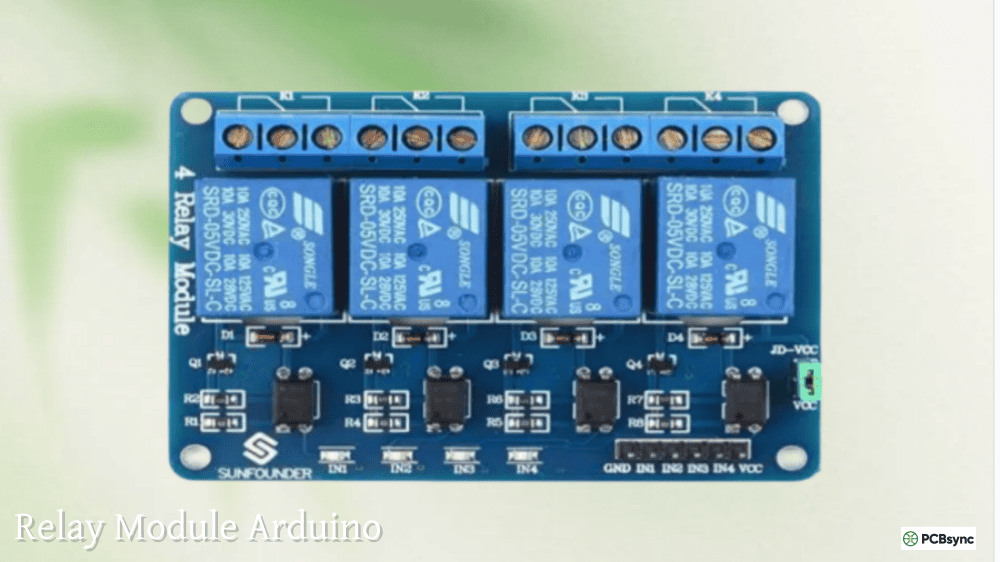
Connecting your rain sensor to a relay module lets you interrupt sprinkler systems during rainfall. The Arduino monitors the sensor and cuts power to irrigation valves when precipitation is detected. Farmers and hobbyist gardeners save significant water this way.
Smart Window Automation
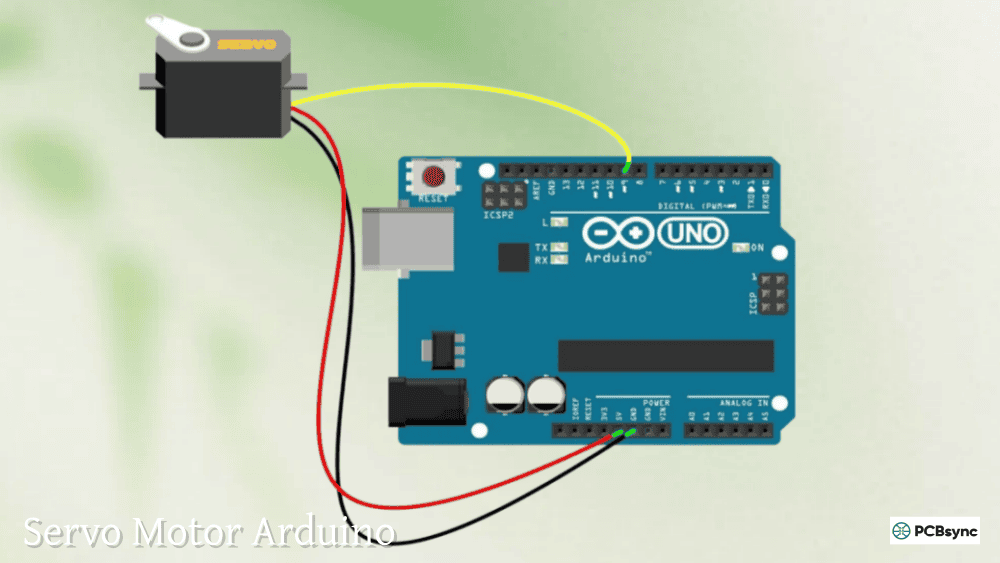
Motorized window actuators paired with a rain sensor create weather-responsive ventilation. When the sensor detects rain, a servo or linear actuator closes the window automatically. Home automation enthusiasts love this one for greenhouses and skylights.
Windshield Wiper Speed Controller
Automotive applications use rain intensity data to modulate wiper speed. By reading the analog output and mapping it to PWM values, you can drive a servo motor at varying speeds. Light mist triggers slow wiping while heavy rain activates rapid sweeps.
Weather Station Integration
Combining rain detection with temperature, humidity, and barometric pressure sensors creates a comprehensive weather monitoring system. Adding an ESP8266 or ESP32 module enables IoT connectivity, pushing data to cloud platforms for logging and analysis.
Extending Sensor Lifespan
Rain sensors face a harsh reality: the very thing they detect causes them to corrode. Copper traces exposed to moisture and electrical current undergo electrochemical degradation over time.
Power Management Technique
Instead of continuously powering the sensor, control the VCC pin through a digital output. Sample the sensor briefly, then cut power between readings. This dramatically reduces corrosion.
#define SENSOR_POWER 4
#define RAIN_ANALOG A0
void setup() {
Serial.begin(9600);
pinMode(SENSOR_POWER, OUTPUT);
}
void loop() {
digitalWrite(SENSOR_POWER, HIGH);
delay(100); // Allow sensor to stabilize
int reading = analogRead(RAIN_ANALOG);
digitalWrite(SENSOR_POWER, LOW);
Serial.println(reading);
delay(5000); // Check every 5 seconds
}
Physical Installation Tips
Mount the sensing pad at a slight angle, around 20 degrees, so water drains rather than pooling. Position the control board under cover where only the sensing pad gets wet. Some builders coat the back of the sensing pad with epoxy or conformal coating to prevent moisture from reaching the solder joints.
Advanced Rain Sensor Arduino Projects
Once you’ve mastered basic detection, consider these more sophisticated implementations.
Rain Intensity Classification System
Using analog readings and some threshold logic, you can classify rainfall intensity and display it on an LCD or OLED screen.
void classifyRain(int reading) {
if (reading < 300) {
lcd.print(“Heavy Rain”);
} else if (reading < 500) {
lcd.print(“Moderate Rain”);
} else if (reading < 700) {
lcd.print(“Light Rain”);
} else {
lcd.print(“No Rain”);
}
}
IoT Weather Monitoring with ESP8266
Pairing your rain sensor Arduino setup with an ESP8266 enables wireless data transmission. Push readings to ThingSpeak, Blynk, or your own server for remote monitoring and historical analysis.
Multi-Sensor Weather Station
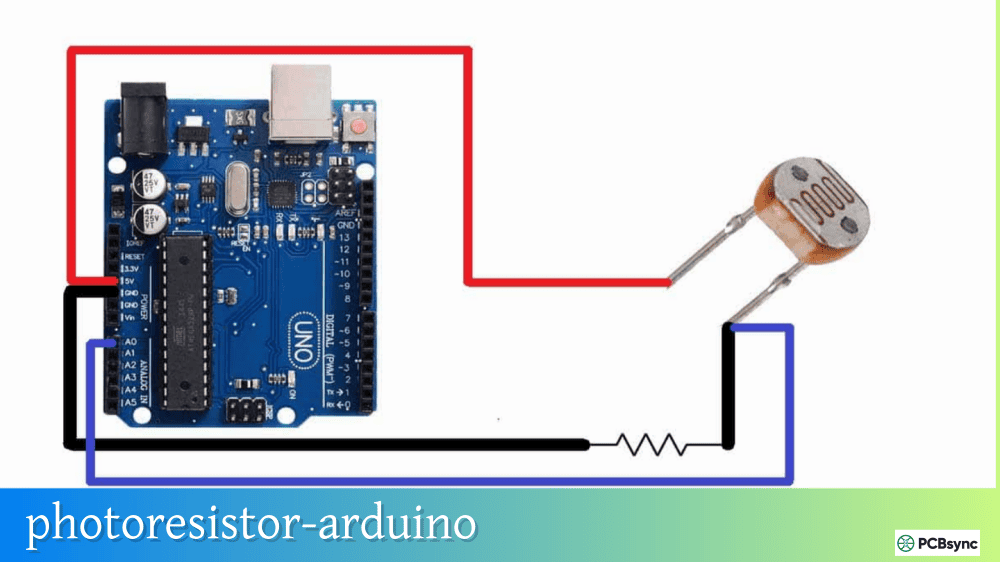
Combine the rain sensor with DHT11 (temperature/humidity), BMP180 (barometric pressure), and an LDR (light level) for comprehensive environmental monitoring. Display everything on a local web page served by an ESP32.
Troubleshooting Common Issues
After building plenty of these circuits, certain problems show up repeatedly.
Sensor Always Reads Wet
Check for condensation on the sensing pad. High humidity environments can cause false readings. Also verify your threshold potentiometer isn’t turned to maximum sensitivity. Clean the sensing pad with isopropyl alcohol if there’s contamination.
Erratic Readings
Loose connections cause intermittent signals. Reseat all jumper wires and check solder joints on the sensor module. Long wire runs between the sensing pad and control board can pick up noise, so keep them short.
Digital Output Not Changing
The potentiometer might be set outside your operating range. Adjust it while monitoring the analog output until the digital output behaves correctly. Also confirm you’re reading the correct pin in your code.
Useful Resources and Downloads
For those wanting to dive deeper into rain sensor Arduino projects, here are valuable references:
Resource
Description
Link
Arduino Official Documentation
Programming reference and tutorials
arduino.cc/reference
LM393 Datasheet
Comparator IC specifications
Available from Texas Instruments
FC-37 Library
Arduino library for rain sensors
Arduino Library Manager
ThingSpeak
IoT platform for data logging
thingspeak.com
Fritzing
Circuit diagram software
fritzing.org
TinkerCAD Circuits
Online simulation tool
tinkercad.com
Frequently Asked Questions
Can a rain sensor Arduino detect snow?
Yes, but with limitations. Snow must melt on the sensing pad to be detected. In cold conditions where snow remains frozen, the sensor won’t register moisture. Heating elements near the sensor can help with this, though they add complexity.
How long do rain sensor modules last?
With continuous power, expect 6-12 months before significant corrosion affects readings. Using the power management technique described earlier extends lifespan to 2-3 years or more. Higher-quality modules with nickel-plated traces last longer than basic copper versions.
What’s the difference between analog and digital output?
Digital output provides a simple yes/no rain detection based on the potentiometer threshold. Analog output gives a variable reading proportional to moisture level, allowing you to measure rain intensity. Most projects benefit from using both.
Can I use multiple rain sensors with one Arduino?
Absolutely. Each sensor needs its own analog and digital pins, but an Arduino Uno can handle several sensors simultaneously. For larger arrays, consider using an analog multiplexer or switching to an Arduino Mega with more I/O pins.
Does the rain sensor work with ESP32 or Raspberry Pi?
Yes, the same modules work with any microcontroller that has analog input capability. ESP32 boards have built-in ADC. Raspberry Pi requires an external ADC chip since its GPIO pins only support digital signals. Wiring remains essentially the same.
Wrapping Up
Building a rain sensor Arduino project teaches fundamental concepts that apply across countless applications. You learn about analog-to-digital conversion, threshold detection, power management, and environmental sensing, all from a simple two-dollar module and a few lines of code.
Start with the basic detection circuit, get comfortable reading values and interpreting them, then expand into whatever application interests you. Whether that’s keeping your garden optimally watered or building a full weather station that reports to your phone, the rain sensor gives you real-world feedback that makes embedded development genuinely satisfying.
Inquire: Call 0086-755-23203480, or reach out via the form below/your sales contact to discuss our design, manufacturing, and assembly capabilities.
Quote: Email your PCB files to Sales@pcbsync.com (Preferred for large files) or submit online. We will contact you promptly. Please ensure your email is correct.
Notes: For PCB fabrication, we require PCB design file in Gerber RS-274X format (most preferred), *.PCB/DDB (Protel, inform your program version) format or *.BRD (Eagle) format. For PCB assembly, we require PCB design file in above mentioned format, drilling file and BOM. Click to download BOM template To avoid file missing, please include all files into one folder and compress it into .zip or .rar format.