Inquire: Call 0086-755-23203480, or reach out via the form below/your sales contact to discuss our design, manufacturing, and assembly capabilities.
Quote: Email your PCB files to Sales@pcbsync.com (Preferred for large files) or submit online. We will contact you promptly. Please ensure your email is correct.
Notes: For PCB fabrication, we require PCB design file in Gerber RS-274X format (most preferred), *.PCB/DDB (Protel, inform your program version) format or *.BRD (Eagle) format. For PCB assembly, we require PCB design file in above mentioned format, drilling file and BOM. Click to download BOM template To avoid file missing, please include all files into one folder and compress it into .zip or .rar format.
PN532 NFC Arduino: Contactless Card Projects for PCB Engineers
As a PCB engineer who’s spent years working with various NFC modules, I can confidently say the PN532 has become my go-to choice for contactless card projects. When I first got my hands on this module three years ago, I was immediately impressed by its versatility and robust performance. Let me share what I’ve learned through countless prototypes and production designs.
The PN532 isn’t just another RFID reader gathering dust in your parts bin. This NFC controller from NXP brings professional-grade capabilities to your Arduino projects. Based on the 80C51 microcontroller core, it operates at 13.56 MHz and handles contactless communication with remarkable reliability.
Unlike the popular RC522 module that many hobbyists start with, the PN532 NFC Arduino module offers something the RC522 can’t match: true flexibility in communication protocols. You get three distinct modes—I2C, SPI, and UART (HSU)—all selectable via simple DIP switches on the board. This flexibility has saved me countless hours in projects where pin availability became a constraint.
Technical Specifications That Matter
Specification
Details
Operating Frequency
13.56 MHz
Communication Protocols
I2C, SPI, UART (HSU)
Supported Card Types
MIFARE Classic 1K/4K, ISO14443A/B, FeliCa
Maximum Data Rate
424 kbit/s (bidirectional)
Operating Distance
Up to 50mm (Reader/Writer mode)
Power Supply
2.7V to 5.5V
Current Consumption
~50mA during active reading
Memory
40KB ROM, 1KB RAM
The operating distance deserves special mention. In reader/writer mode, you’ll get a reliable 50mm range with ISO14443A cards. I’ve pushed this to nearly 100mm in card emulation mode with proper antenna tuning, though your mileage may vary depending on environmental factors.
Understanding Communication Modes for PN532 NFC Arduino
Here’s where the PN532 truly shines. Having worked with all three modes extensively, I can break down when each makes sense from a practical engineering standpoint.
I2C Mode Configuration
I2C has become my default choice for most projects. It’s simple, requires only two data lines (SDA and SCL), and leaves your other pins free for sensors or actuators.
DIP Switch Settings for I2C:
Switch 1: ON
Switch 2: OFF
The connections are straightforward:
PN532 Pin
Arduino Pin
VCC
5V
GND
GND
SDA
A4 (SDA)
SCL
A5 (SCL)
One gotcha I’ve learned the hard way: always verify your I2C pull-up resistors. Most PN532 modules include them, but some cheaper clones don’t. If your module won’t initialize, check for 4.7kΩ pull-ups on SDA and SCL.
SPI Mode for High-Speed Applications
When you need faster data transfer or when I2C is already saturated with other devices, SPI becomes your friend. I’ve used this mode in attendance systems where rapid card reads were critical.
DIP Switch Settings for SPI:
Switch 1: OFF
Switch 2: ON
PN532 Pin
Arduino Uno Pin
VCC
5V
GND
GND
SCK
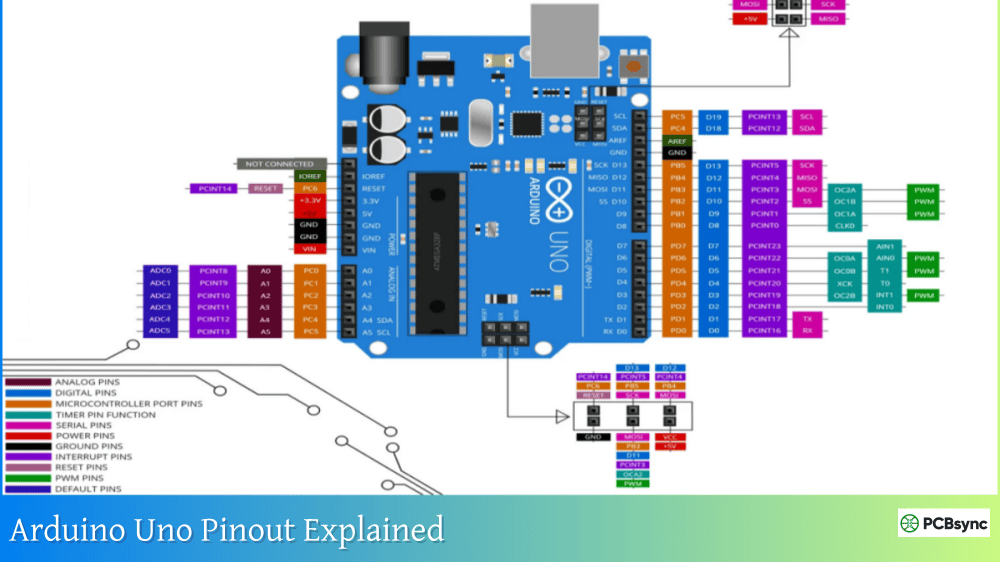
13 (SCK)
MISO
12 (MISO)
MOSI
11 (MOSI)
SS
10 (SS)
The SPI mode gives you better performance in noisy environments. In one industrial project, electromagnetic interference was wreaking havoc on I2C communication, but switching to SPI eliminated the issues completely.
UART (HSU) Mode Implementation
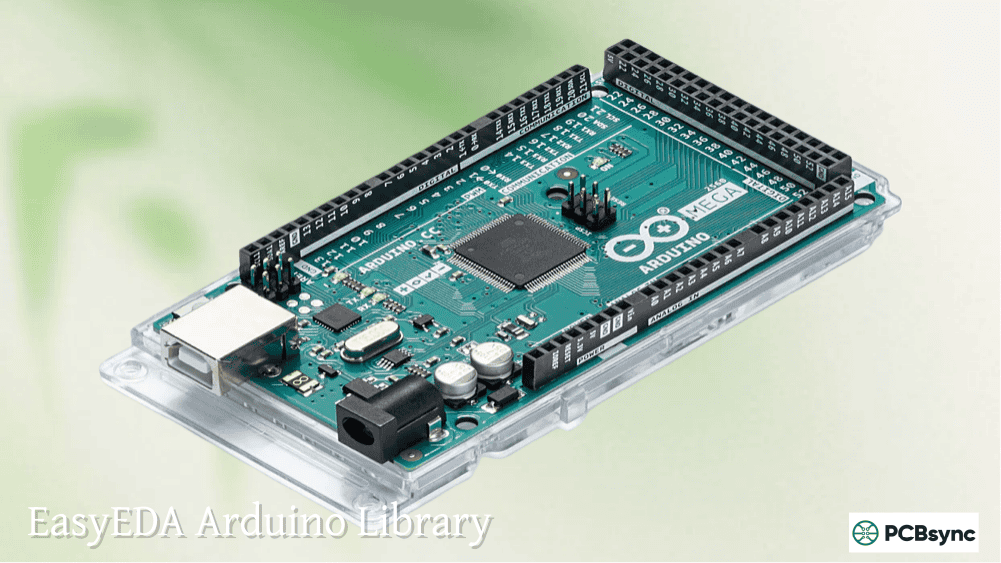
High-Speed UART mode is often overlooked, but it’s brilliant when you’re working with boards that have multiple serial ports, like the Arduino Mega. The 115200 baud rate provides excellent performance.
DIP Switch Settings for UART:
Switch 1: OFF
Switch 2: OFF
PN532 Pin
Arduino Pin
VCC
5V
GND
GND
TX
RX (Digital 2 or Serial1 RX)
RX
TX (Digital 3 or Serial1 TX)
Essential Libraries for PN532 NFC Arduino Projects
Getting the right libraries installed is half the battle. I’ve tested multiple libraries, and here’s what actually works reliably in production.
Primary Library Options
Adafruit PN532 Library – The industry standard. Rock-solid reliability, excellent documentation, and active maintenance. This is what I recommend for beginners.
Elechouse PN532 Library – Offers better UART support and includes some advanced features. I use this when the project specifically needs HSU mode optimization.
Library Comparison
Feature
Adafruit PN532
Elechouse PN532
I2C Support
Excellent
Excellent
SPI Support
Excellent
Excellent
UART/HSU Support
Basic
Advanced
NDEF Support
Requires separate library
Built-in
Documentation
Comprehensive
Good
Community Support
Large
Moderate
Installation Process
Through the Arduino Library Manager:
Open Arduino IDE
Navigate to Sketch → Include Library → Manage Libraries
Search “Adafruit PN532”
Click Install
For manual installation, download from GitHub and extract to your Arduino libraries folder. The Elechouse library actually contains four separate folders you’ll need to extract: PN532, PN532_SPI, PN532_HSU, and PN532_I2C.
Building Your First PN532 NFC Arduino Card Reader
Let me walk you through a basic implementation that I use as a starting point for most projects. This reads the UID from any compatible NFC card.
This code provides the foundation for virtually any NFC project. The firmware version check is crucial—it’s saved me from debugging non-existent code issues when the problem was actually a faulty module.
Advanced PN532 NFC Arduino Projects
Access Control System
Building access control systems represents the most common commercial application I’ve implemented with the PN532. Here’s a stripped-down version of production code:
In production environments, I always recommend moving beyond simple UID comparison. Implement MIFARE authentication and store encrypted data on the cards themselves. This prevents simple card cloning attacks.
Attendance Tracking with LCD Display
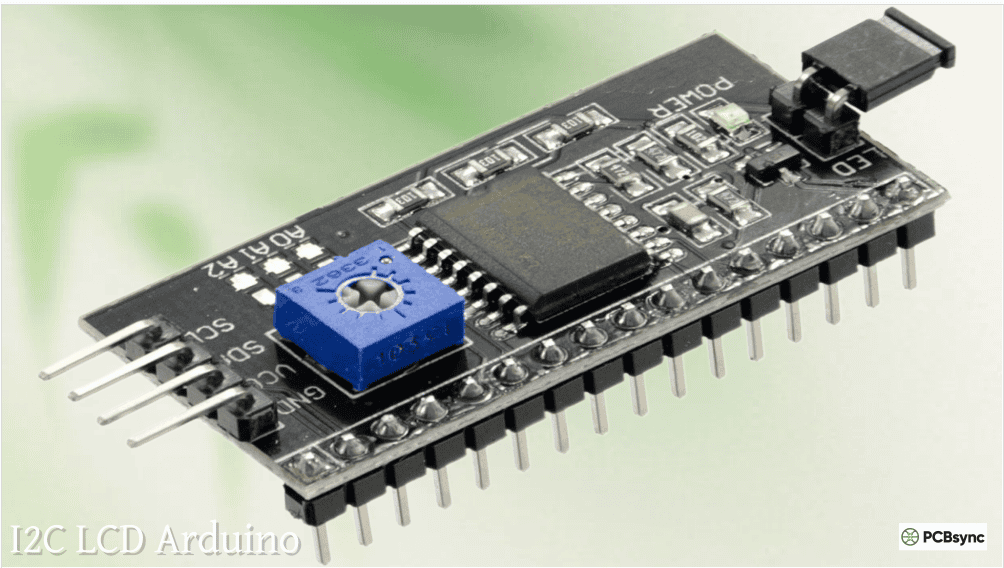
For educational institutions and small businesses, combining the PN532 with a 20×4 I2C LCD creates an effective attendance system:
#include <Wire.h>
#include <Adafruit_PN532.h>
#include <LiquidCrystal_I2C.h>
#define PN532_IRQ 2
#define PN532_RESET 3
Adafruit_PN532 nfc(PN532_IRQ, PN532_RESET);
LiquidCrystal_I2C lcd(0x27, 20, 4); // Change address to 0x3F if needed
After debugging hundreds of PN532 setups, I’ve compiled the most frequent issues:
Module Not Detected
Problem: Serial monitor shows “Didn’t find PN532 board”
Solutions:
Verify DIP switch settings match your selected mode
Check power supply – ensure stable 5V with adequate current
Confirm correct pin connections
Test with known-good jumper wires (seriously, bad wires cause 30% of my debugging time)
Verify I2C address with I2C scanner sketch (should be 0x24)
Inconsistent Card Reading
Problem: Cards detected intermittently
Solutions:
Check antenna connections – loose antenna traces are common on cheap modules
Keep cards stationary for 1-2 seconds during reading
Reduce environmental RF interference
Verify power supply doesn’t drop during read operations
Add 100µF capacitor across VCC and GND near the module
Wrong UID Length
Problem: Getting 7-byte UIDs when expecting 4-byte
Reality check: This isn’t actually a problem. MIFARE cards can have either 4-byte or 7-byte UIDs. Modern cards increasingly use 7-byte UIDs. Your code should handle both:
if (uidLength == 4 || uidLength == 7) {
// Valid UID, proceed
}
Writing Data to NFC Cards
Reading UIDs is just the beginning. The PN532 can write data to MIFARE Classic cards, enabling applications like electronic wallets or user preference storage.
Never write to sector trailer blocks (blocks 3, 7, 11, etc.) unless you know exactly what you’re doing. Corrupting these blocks can permanently brick your card.
Power Consumption and Battery Operation
For portable projects, understanding power characteristics is critical. I’ve measured the PN532 extensively:
Operating Mode
Current Draw
Idle (no card)
35-40 mA
Active Reading
50-55 mA
Deep Sleep
150-200 µA
Power Down
< 1 µA
For battery-powered projects, implement sleep modes between card reads. With proper power management, I’ve achieved weeks of operation on a 2000mAh battery.
Integration with Other Platforms
ESP32 Integration
The ESP32’s WiFi capabilities combined with PN532’s NFC reading creates powerful IoT solutions. I’ve built cloud-connected access systems using this combination:
Use I2C or UART (ESP32 has 3 UARTs)
Handle WiFi connection failures gracefully
Implement local caching of authorized UIDs
Use MQTT or HTTP for cloud synchronization
Raspberry Pi Projects
The PN532 works excellently with Raspberry Pi using Python libraries. Perfect for database-backed systems:
Find it under File → Examples → Wire → i2c_scanner
NFC Tools Mobile App
Available for Android/iOS
Great for verifying card data and UID
Can write NDEF records for testing
Best Practices from Production Experience
After deploying over 50 PN532-based systems, here are my hard-earned best practices:
PCB Design Considerations
Antenna placement: Keep the PN532 antenna area clear of ground planes
Decoupling: Use 100nF ceramic + 10µF electrolytic capacitors near VCC
Trace length: Minimize I2C/SPI trace lengths, especially above 10cm
Noise immunity: Add ferrite beads on power lines in noisy environments
Software Architecture
Timeout handling: Implement 2-second timeouts on card reads
Debouncing: Ignore cards for 1 second after successful read
Error logging: Log failed authentications and communication errors
Watchdog timers: Auto-restart on communication failures
Security Recommendations
Never rely solely on UID: UIDs can be cloned easily
Implement challenge-response: Use MIFARE authentication properly
Encrypt sensitive data: Don’t store plain text on cards
Key management: Change default keys on all cards
Multi-factor: Combine NFC with PIN for high-security applications
Frequently Asked Questions
What’s the maximum reliable reading distance for the PN532 NFC Arduino module?
In my testing, 40-50mm is the sweet spot for consistent reads with standard MIFARE cards. You can push to 80mm+ with larger antenna designs, but reliability drops significantly. Environmental factors like metal nearby drastically reduce range. For production systems, design for 30mm maximum to ensure reliability.
Can the PN532 work with my phone’s NFC?
Yes, absolutely. The PN532 supports peer-to-peer communication, allowing interaction with smartphones. However, the Arduino libraries don’t include phone-to-module communication by default. You’ll need to implement LLCP protocol or use NDEF formatted messages. I’ve built phone-based credential systems using this capability, though it requires more advanced programming.
Why does my PN532 NFC Arduino setup show different UID lengths?
Modern NFC cards use either 4-byte (older MIFARE Classic) or 7-byte (newer MIFARE DESfire, NTAG) UIDs. This is normal and expected. NXP switched to 7-byte UIDs as the 4-byte address space became exhausted. Your code should handle both lengths. In my access control systems, I store UIDs in hex string format to accommodate both sizes seamlessly.
Can I read credit cards or payment cards with the PN532?
While the PN532 can detect EMV payment cards, you cannot read useful payment information from them. Payment cards use encrypted communication and require specific keys that aren’t publicly available. Attempting to intercept payment data is illegal in most jurisdictions. The PN532 will only read the card’s UID, which isn’t useful for payment processing.
How do I choose between I2C, SPI, and UART modes for my PN532 NFC Arduino project?
I choose based on these factors: Use I2C when pin count matters and speed isn’t critical (most projects). Select SPI for maximum speed or when I2C bus is congested with other devices (industrial applications). Pick UART when working with boards like Arduino Mega that have spare serial ports, or when you need to isolate the PN532 from other I2C devices. In practice, I use I2C for 80% of projects—it’s simple and reliable.
Conclusion
The PN532 NFC Arduino combination delivers professional-grade contactless card reading capabilities at maker-friendly prices. From my perspective as someone who’s designed production systems with this module, its flexibility and reliability make it the top choice for serious NFC projects.
Start with basic UID reading, understand your chosen communication protocol thoroughly, and gradually build up to more complex applications. The beauty of the PN532 lies in its scalability—the same module that works for your benchtop prototype will perform reliably in a production access control system.
Remember that successful NFC projects depend as much on mechanical design and user interface as they do on electronics. Position readers at comfortable heights, provide clear feedback through LEDs or buzzers, and design for the reality that users won’t always present cards perfectly aligned.
Whether you’re building an attendance system for your makerspace or developing a commercial access control product, the PN532 NFC Arduino platform provides the foundation you need. Take the time to understand the fundamentals, and you’ll find it’s one of the most versatile tools in your embedded systems toolkit.
Inquire: Call 0086-755-23203480, or reach out via the form below/your sales contact to discuss our design, manufacturing, and assembly capabilities.
Quote: Email your PCB files to Sales@pcbsync.com (Preferred for large files) or submit online. We will contact you promptly. Please ensure your email is correct.
Notes: For PCB fabrication, we require PCB design file in Gerber RS-274X format (most preferred), *.PCB/DDB (Protel, inform your program version) format or *.BRD (Eagle) format. For PCB assembly, we require PCB design file in above mentioned format, drilling file and BOM. Click to download BOM template To avoid file missing, please include all files into one folder and compress it into .zip or .rar format.