Inquire: Call 0086-755-23203480, or reach out via the form below/your sales contact to discuss our design, manufacturing, and assembly capabilities.
Quote: Email your PCB files to Sales@pcbsync.com (Preferred for large files) or submit online. We will contact you promptly. Please ensure your email is correct.
Notes: For PCB fabrication, we require PCB design file in Gerber RS-274X format (most preferred), *.PCB/DDB (Protel, inform your program version) format or *.BRD (Eagle) format. For PCB assembly, we require PCB design file in above mentioned format, drilling file and BOM. Click to download BOM template To avoid file missing, please include all files into one folder and compress it into .zip or .rar format.
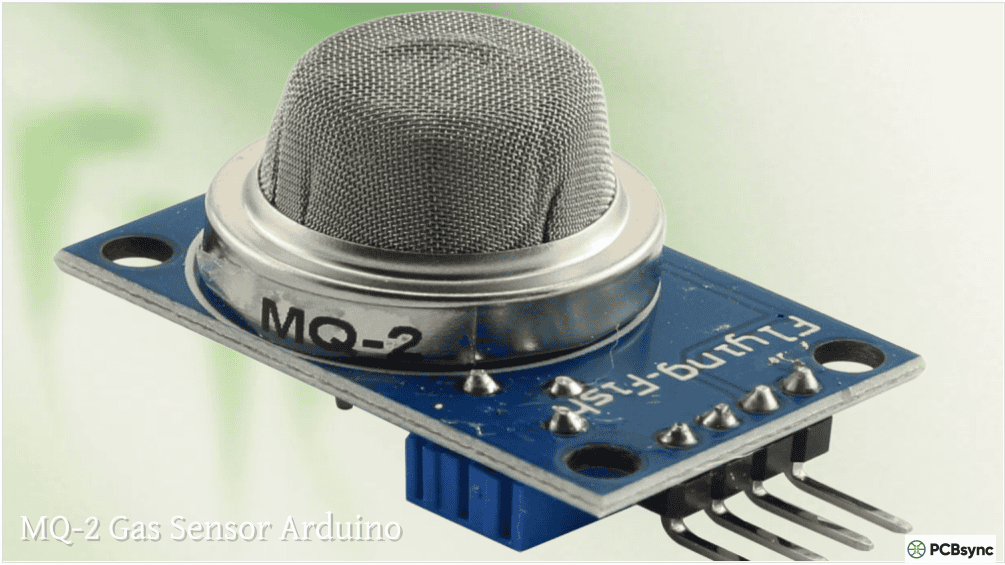
MQ-2 Gas Sensor Arduino: Complete Guide to Smoke and LPG Detection
If you’ve ever wondered how commercial gas leak detectors actually work, you’re about to find out. After spending countless hours debugging sensor circuits and calibrating these little modules, I can tell you the MQ-2 gas sensor paired with an Arduino is one of the most practical combinations you can use for home safety projects or industrial monitoring applications.
The MQ-2 gas sensor Arduino setup has become my go-to recommendation for anyone starting out with gas detection projects. Why? Because it strikes the right balance between cost, sensitivity, and ease of integration. Let me walk you through everything I’ve learned working with these sensors on real PCB designs.
The MQ-2 is a metal oxide semiconductor (MOS) gas sensor manufactured by companies like Hanwei and Winsen Electronics. Inside that small package sits a tin dioxide (SnO2) sensing element that changes its electrical resistance when exposed to combustible gases.
What makes this sensor particularly useful is its broad detection capability. A single MQ-2 gas sensor Arduino circuit can detect LPG, propane, methane, alcohol, hydrogen, smoke, and carbon monoxide. The detection range typically falls between 200 to 10,000 parts per million (ppm), which covers most household and industrial monitoring scenarios.
One thing worth noting from my experience: the MQ-2 cannot differentiate between gas types. When it detects something, you’ll know there’s a combustible gas present, but identifying the specific gas requires additional sensors or specialized equipment.
MQ-2 Gas Sensor Specifications
Before designing any circuit, I always reference the datasheet specifications. Here’s what you need to know:
Parameter
Specification
Operating Voltage
5V DC
Heating Power
~800mW
Detection Range
200-10,000 ppm
Preheat Time
24-48 hours (new sensor)
Operating Temp
-20°C to 50°C
Humidity Range
65% ±5% RH
Heater Resistance
33Ω ±5%
Load Resistance
2kΩ – 47kΩ
The 800mW heating power is significant. This sensor runs hot by design since the SnO2 element needs to reach 200-300°C to function properly. When laying out your PCB, keep this thermal characteristic in mind and allow adequate spacing from heat-sensitive components.
MQ-2 Module Pinout Configuration
Most MQ-2 modules you’ll encounter have four pins. Understanding each connection prevents the debugging headaches I’ve experienced on more than a few prototypes:
Pin
Name
Function
VCC
Power
5V DC input
GND
Ground
Circuit common
DO
Digital Output
HIGH/LOW based on threshold
AO
Analog Output
Variable voltage (0-5V)
The analog output provides a voltage proportional to gas concentration, making it ideal for continuous monitoring. The digital output uses an onboard comparator with a threshold adjustment potentiometer, useful when you only need to trigger an alarm at specific gas levels.
How the MQ-2 Sensor Works
Understanding the detection mechanism helps troubleshoot problems when your readings don’t make sense. The SnO2 sensing element operates on a simple chemical principle.
In clean air, oxygen molecules adsorb onto the heated tin dioxide surface. These oxygen molecules capture free electrons from the semiconductor material, creating a depletion region with high electrical resistance.
When combustible gases enter the sensor chamber, they react with the adsorbed oxygen. This reaction releases the captured electrons back into the semiconductor, reducing resistance. The greater the gas concentration, the lower the resistance, and the higher the output voltage from your Arduino’s analog read.
The stainless steel mesh enclosure serves dual purposes. First, it acts as an anti-explosion network preventing the internal heater from igniting flammable gases. Second, it filters dust and particulates that could contaminate the sensing element.
Wiring MQ-2 Gas Sensor to Arduino
The hardware connections are straightforward. I typically use the following configuration:
MQ-2 Pin
Arduino Pin
VCC
5V
GND
GND
AO
A0
DO
D8 (optional)
For analog readings, connect the AO pin to any analog input. The digital output connection is optional but useful for trigger-based applications where you want interrupt capability without continuous polling.
One common mistake I see: powering the MQ-2 from the Arduino’s onboard 5V regulator when also powering other components. The sensor’s 800mW power draw can cause voltage drops affecting reading stability. For reliable measurements, use an external regulated 5V supply.
Basic Arduino Code for MQ-2 Gas Detection
Here’s a tested code example that gets you up and running quickly:
#define MQ2_PIN A0
#define BUZZER_PIN 9
#define LED_PIN 13
#define THRESHOLD 400
int sensorValue;
void setup() {
Serial.begin(9600);
pinMode(BUZZER_PIN, OUTPUT);
pinMode(LED_PIN, OUTPUT);
Serial.println(“MQ-2 Gas Sensor Initializing…”);
delay(20000); // 20 second warm-up period
Serial.println(“Sensor ready”);
}
void loop() {
sensorValue = analogRead(MQ2_PIN);
Serial.print(“Sensor Value: “);
Serial.println(sensorValue);
if (sensorValue > THRESHOLD) {
digitalWrite(LED_PIN, HIGH);
digitalWrite(BUZZER_PIN, HIGH);
Serial.println(“WARNING: Gas detected!”);
} else {
digitalWrite(LED_PIN, LOW);
digitalWrite(BUZZER_PIN, LOW);
}
delay(1000);
}
The 20-second warm-up delay allows the heater to reach operating temperature. For a brand new sensor that hasn’t been powered recently, extend this to several minutes or even hours for accurate readings.
Calibrating Your MQ-2 Sensor
Calibration separates a toy project from a reliable detection system. The calibration process establishes your baseline resistance value (Ro) in clean air.
Finding the Ro Value
The Ro value represents sensor resistance at a known clean air condition. Use this calibration routine:
float ro = rs / 9.83; // Clean air factor for MQ-2
return ro;
}
void setup() {
Serial.begin(9600);
Serial.println(“Calibrating in clean air…”);
delay(60000); // Wait 1 minute for sensor to stabilize
float roSum = 0;
for(int i = 0; i < CALIBRATION_SAMPLES; i++) {
int raw = analogRead(MQ2_PIN);
float voltage = raw * (5.0 / 1023.0);
roSum += calculateRo(voltage);
delay(500);
}
float roAvg = roSum / CALIBRATION_SAMPLES;
Serial.print(“Calibration complete. Ro = “);
Serial.print(roAvg);
Serial.println(” kOhms”);
}
void loop() {
// Your detection code here
}
Record your Ro value and use it in your detection code. Different sensors will have different Ro values due to manufacturing tolerances.
Calculating Gas Concentration in PPM
Converting raw sensor values to actual ppm readings requires understanding the sensor’s characteristic curves from the datasheet. Each target gas has its own curve relating the Rs/Ro ratio to concentration.
The exponential regression coefficients for MQ-2 are:
Gas
Coefficient a
Coefficient b
H2
987.99
-2.162
LPG
574.25
-2.222
CO
36974
-3.109
Alcohol
3616.1
-2.675
Propane
658.71
-2.168
Smoke
3426
-2.44
The PPM calculation follows this formula:
PPM = a × (Rs/Ro)^b
Where Rs is the current sensor resistance and Ro is your calibrated clean air resistance.
Advanced PPM Measurement Code
Here’s a more complete implementation that calculates actual PPM values:
#define MQ2_PIN A0
#define RL_VALUE 10.0
// Calibrated Ro value (replace with your measured value)
float Ro = 4.5;
// Gas coefficients
float LPG_a = 574.25;
float LPG_b = -2.222;
float SMOKE_a = 3426;
float SMOKE_b = -2.44;
float CO_a = 36974;
float CO_b = -3.109;
float calculateRs(int rawValue) {
float voltage = rawValue * (5.0 / 1023.0);
return ((5.0 * RL_VALUE) / voltage) – RL_VALUE;
}
float calculatePPM(float ratio, float a, float b) {
Keep in mind these readings show potential concentrations assuming only one gas is present. In mixed gas environments, readings will be affected by cross-sensitivity.
Practical Applications for MQ-2 Gas Sensor Arduino Projects
Over the years, I’ve integrated MQ-2 sensors into various designs:
Home LPG Leak Detection
The most common application. Place the sensor near gas appliances or LPG cylinders. When gas concentration exceeds safe levels, trigger an audible alarm and SMS notification through a GSM module.
Kitchen Safety System
Mount the sensor above cooking areas to detect smoke from burnt food before it triggers your home smoke detector. Integrating with a ventilation control system can automatically activate exhaust fans.
Industrial Gas Monitoring
For workshop environments where propane, methane, or hydrogen might be present. Network multiple sensors with an ESP8266 or ESP32 for centralized monitoring and logging.
Vehicle Exhaust Detection
In enclosed garages or tunnels, MQ-2 sensors can monitor CO levels from vehicle exhaust, triggering ventilation systems before concentrations become hazardous.
Air Quality Logger
Combined with temperature and humidity sensors, create a comprehensive air quality monitoring station that logs data to an SD card or cloud platform.
MQ-2 Sensor Libraries for Arduino
Several libraries simplify working with MQ sensors:
The MQSensorsLib is my personal preference for projects requiring accurate PPM calculations. It handles the mathematical conversions and allows calibration parameter adjustments.
From debugging dozens of MQ-2 circuits, these issues appear most frequently:
Inconsistent Readings: Usually caused by insufficient preheat time. New sensors need 24-48 hours of continuous operation before readings stabilize. Even previously used sensors need 5-20 minutes of warm-up.
Always High Readings: Check your load resistor value. If it’s too high, the output will saturate. The potentiometer on module boards adjusts this sensitivity.
No Response to Gas: Verify the heater is actually heating. Measure current draw; it should be around 150-180mA at 5V. No current draw indicates a dead heater element.
Readings Drift Over Time: Environmental factors like temperature and humidity affect readings. Consider adding compensation using a DHT22 or BME280 sensor.
Sensor Degradation: MQ-2 sensors have limited lifespans, typically 2-3 years depending on exposure. Exposure to high concentrations of corrosive gases (H2S, SOx, Cl2) accelerates degradation.
Important Safety Considerations
Let me be direct about something: the MQ-2 is not a certified safety device. Do not rely on it as your primary protection against gas leaks in critical applications.
For life-safety installations, use certified commercial detectors that meet UL, CE, or equivalent standards. The MQ-2 is excellent for educational projects, early warning systems, and monitoring applications where false readings won’t cause harm.
When designing PCBs with MQ-2 sensors, maintain clearance from high-voltage traces and components. The sensor operates at elevated temperatures and handles flammable gases, so proper thermal management and isolation are essential.
Useful Resources and Downloads
Here are the resources I reference regularly when working with MQ-2 sensors:
Datasheets and Documentation
Winsen MQ-2 Official Datasheet: Contains sensitivity curves and electrical specifications
Pololu MQ-2 Technical Reference: Alternative documentation with application circuits
Arduino Libraries
MQSensorsLib GitHub Repository: Comprehensive library with calibration tools
Excel Calibration Spreadsheet: For calculating curve coefficients from measured data
Frequently Asked Questions
How long does an MQ-2 sensor need to warm up?
For accurate readings, new sensors require 24-48 hours of continuous operation to fully stabilize. After that initial burn-in, the sensor needs 5-20 minutes of warm-up time each time it’s powered on. The internal heater must reach operating temperature (200-300°C) before the SnO2 element responds correctly to gases.
Can the MQ-2 sensor detect carbon monoxide?
Yes, the MQ-2 can detect carbon monoxide, but it’s not optimized for CO detection. The sensor shows lower sensitivity to CO compared to LPG or propane. For dedicated carbon monoxide monitoring, the MQ-7 sensor provides better sensitivity and accuracy for CO-specific applications.
What is the difference between analog and digital output on MQ-2?
The analog output (AO) provides a continuous voltage between 0-5V proportional to gas concentration, allowing precise monitoring and PPM calculations. The digital output (DO) provides a binary HIGH/LOW signal based on a threshold set by the onboard potentiometer, useful for simple alarm triggers without microcontroller analog-to-digital conversion.
Why do my MQ-2 readings fluctuate so much?
Fluctuating readings typically result from insufficient preheat time, unstable power supply voltage, environmental factors like temperature and humidity changes, or electrical noise on the analog line. Ensure adequate warm-up time, use a stable regulated power supply, and consider adding a smoothing capacitor (0.1µF) on the analog output pin.
Can I use MQ-2 with 3.3V Arduino boards?
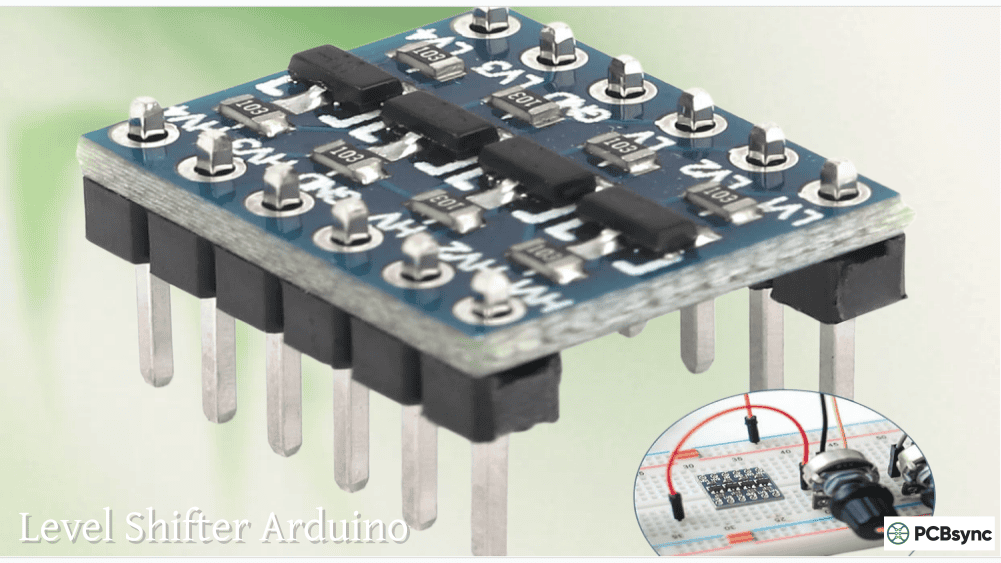
The MQ-2 heater requires 5V to reach proper operating temperature. However, the sensing circuit can work with 3.3V reference if you adjust the load resistor value accordingly. For 3.3V boards like ESP32 or ESP8266, use a voltage level shifter for the analog output or power the sensor module from 5V while scaling the analog output through a voltage divider before connecting to your 3.3V ADC input.
Final Thoughts
The MQ-2 gas sensor Arduino combination remains one of the most accessible entry points into environmental sensing. While it won’t replace certified safety equipment, understanding how these sensors work gives you practical skills applicable across many detection applications.
Start with the basic code examples, get comfortable with the warm-up and calibration processes, then progress to PPM calculations when you need quantitative measurements. Most importantly, test your designs thoroughly before deploying them in any situation where reliable detection matters.
The sensor’s limitations are real, but so is its utility in countless hobby and semi-professional applications. Treat it as a tool that requires understanding rather than a plug-and-play solution, and you’ll get reliable performance from your MQ-2 gas sensor Arduino projects.
Inquire: Call 0086-755-23203480, or reach out via the form below/your sales contact to discuss our design, manufacturing, and assembly capabilities.
Quote: Email your PCB files to Sales@pcbsync.com (Preferred for large files) or submit online. We will contact you promptly. Please ensure your email is correct.
Notes: For PCB fabrication, we require PCB design file in Gerber RS-274X format (most preferred), *.PCB/DDB (Protel, inform your program version) format or *.BRD (Eagle) format. For PCB assembly, we require PCB design file in above mentioned format, drilling file and BOM. Click to download BOM template To avoid file missing, please include all files into one folder and compress it into .zip or .rar format.