Inquire: Call 0086-755-23203480, or reach out via the form below/your sales contact to discuss our design, manufacturing, and assembly capabilities.
Quote: Email your PCB files to Sales@pcbsync.com (Preferred for large files) or submit online. We will contact you promptly. Please ensure your email is correct.
Notes: For PCB fabrication, we require PCB design file in Gerber RS-274X format (most preferred), *.PCB/DDB (Protel, inform your program version) format or *.BRD (Eagle) format. For PCB assembly, we require PCB design file in above mentioned format, drilling file and BOM. Click to download BOM template To avoid file missing, please include all files into one folder and compress it into .zip or .rar format.
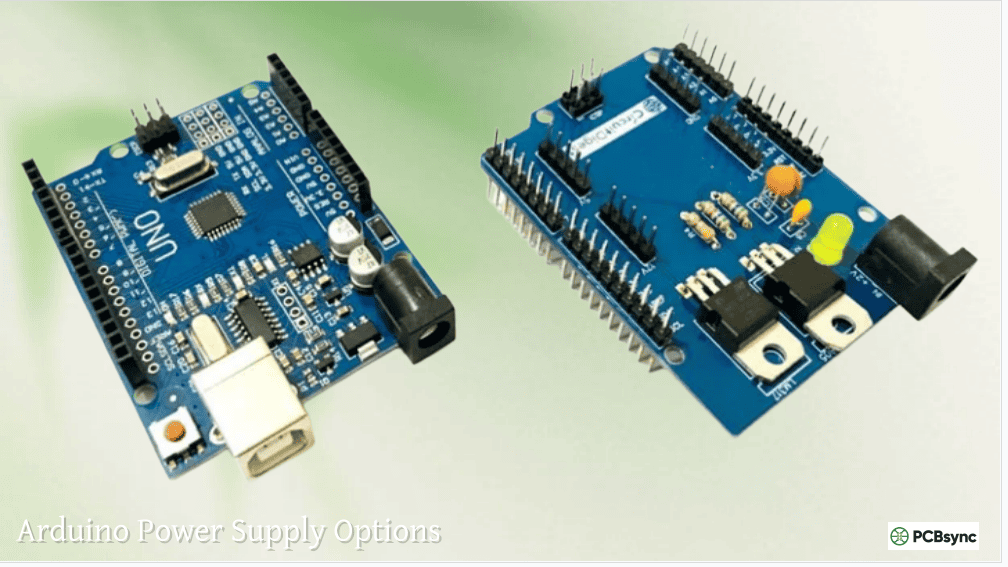
When I first encountered the Elegoo Uno R3 on Amazon, the price difference made me suspicious. Could a board costing one-third of the original really deliver the same performance? After testing dozens of both boards across various projects, I can share what actually matters in the Elegoo Uno R3 vs Arduino Uno debate.
The short answer: for most makers and beginners, the Elegoo Uno R3 performs identically to the genuine Arduino Uno. But there are nuances worth understanding before you buy—especially if you’re building something that needs to work reliably for years.
Elegoo is a Chinese electronics company founded in 2015 that manufactures Arduino-compatible boards and starter kits. They leverage Arduino’s open-source hardware designs (released under Creative Commons licensing) to produce boards using the same schematics as the original Arduino.
The Elegoo Uno R3 isn’t a counterfeit product—it’s a legitimate clone built from publicly available designs. Elegoo brands their boards with their own name and doesn’t pretend to be Arduino. This distinction matters because you’re not buying a knockoff; you’re buying a third-party implementation of an open-source design.
Elegoo Uno R3 vs Arduino Uno: Technical Specifications
Let’s examine the hardware specifications side by side:
Specification
Elegoo Uno R3
Arduino Uno R3
Microcontroller
ATmega328P
ATmega328P
Operating Voltage
5V
5V
Input Voltage (recommended)
7-12V
7-12V
Input Voltage (limit)
6-20V
6-20V
Digital I/O Pins
14 (6 PWM)
14 (6 PWM)
Analog Input Pins
6
6
DC Current per I/O Pin
20 mA
20 mA
Flash Memory
32 KB (0.5 KB bootloader)
32 KB (0.5 KB bootloader)
SRAM
2 KB
2 KB
EEPROM
1 KB
1 KB
Clock Speed
16 MHz
16 MHz
USB-to-Serial Chip
ATmega16U2
ATmega16U2
Price (board only)
$10-15
$25-30
The specifications are identical because both boards use the same design. The ATmega328P microcontroller, the heart of both boards, comes from the same Microchip (formerly Atmel) production lines regardless of who assembles the final board.
USB-to-Serial Chip: Why It Matters
One critical difference between Arduino clones involves the USB-to-serial converter chip. Many cheap clones use the CH340 chip instead of the ATmega16U2 found on genuine Arduinos.
ATmega16U2 vs CH340 Comparison
Feature
ATmega16U2
CH340
Driver Installation
Plug-and-play on all OS
Requires driver download
Mac Compatibility
Native support
Driver issues common
Linux Compatibility
Native support
Usually works
Windows Compatibility
Native support
Needs driver installation
DFU Mode Support
Yes
No
Firmware Upgradeable
Yes
No
Here’s where Elegoo differentiates itself from cheaper clones: the Elegoo Uno R3 uses the genuine ATmega16U2 chip, not the CH340. This means plug-and-play operation on Windows, Mac, and Linux without hunting for drivers. When I tested Elegoo boards on both my Windows workstation and MacBook, they were recognized immediately as “Arduino Uno” devices.
Some newer Elegoo boards use the CH340C variant, which still requires drivers but performs reliably once installed. Check the product listing carefully—boards labeled “ATmega16U2” cost slightly more but eliminate driver headaches entirely.
Build Quality Comparison
Having inspected both boards under magnification, here’s what I’ve observed:
PCB Quality
Aspect
Elegoo Uno R3
Arduino Uno R3
Solder Joint Quality
Good, occasional variation
Consistently excellent
Silkscreen Clarity
Clear, well-printed
Crisp and precise
PCB Substrate
Standard FR4
Standard FR4
Component Placement
Accurate
Accurate
Header Pin Alignment
Good
Excellent
USB Connector
Sturdy
Metal-shielded
The genuine Arduino boards exhibit marginally better fit and finish. Solder joints are more uniform, silkscreen printing is sharper, and the overall construction feels slightly more refined. However, these differences don’t affect functionality for typical projects.
Where build quality might matter: if you’re designing products for sale, prototyping commercial applications, or need absolute reliability in harsh environments, the genuine Arduino’s tighter quality control provides peace of mind.
Software Compatibility
Both boards work identically with the Arduino IDE. You don’t need special software, modified board definitions, or custom configurations for the Elegoo Uno R3.
Programming Steps
The process is identical for both boards:
Connect via USB cable
Open Arduino IDE
Select Tools → Board → Arduino Uno
Select the appropriate COM port
Upload your sketch
Every library, example sketch, and tutorial written for Arduino Uno works on the Elegoo Uno R3 without modification. The boards are functionally interchangeable from a software perspective.
Arduino Web Editor Limitation
One notable exception: Arduino’s cloud-based Web Editor and Arduino Create Agent only officially support genuine Arduino boards. School Chromebooks using Arduino for Education may not recognize third-party boards. For classroom environments relying on browser-based programming, genuine Arduinos may be necessary.
Price Comparison: Boards and Starter Kits
The price difference becomes more significant when comparing complete starter kits:
Product
Elegoo
Arduino
Board Only
$10-15
$25-30
Basic Starter Kit
$35-45
$90-100
Complete Kit (200+ components)
$45-60
Not available
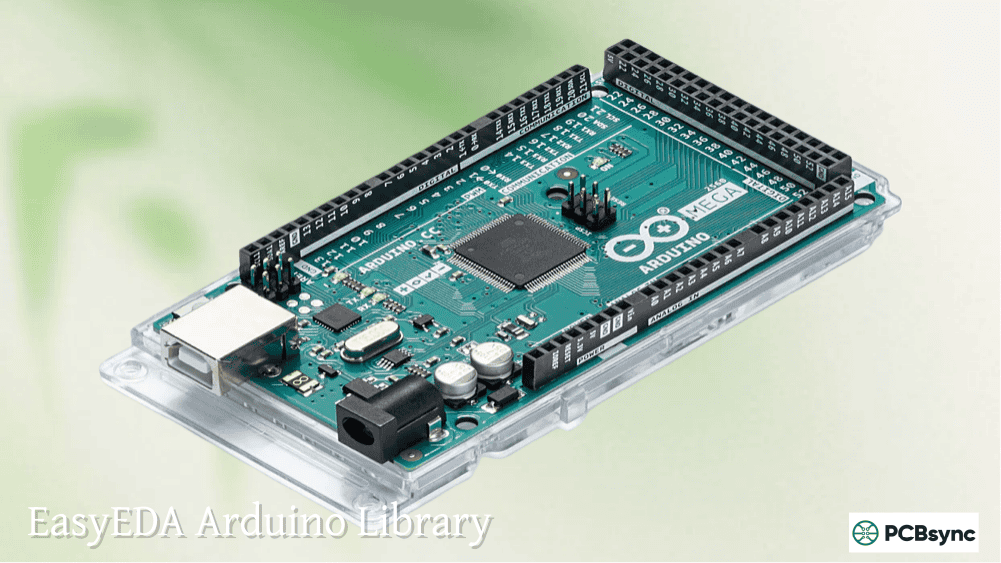
Mega 2560 Board
$15-20
$40-50
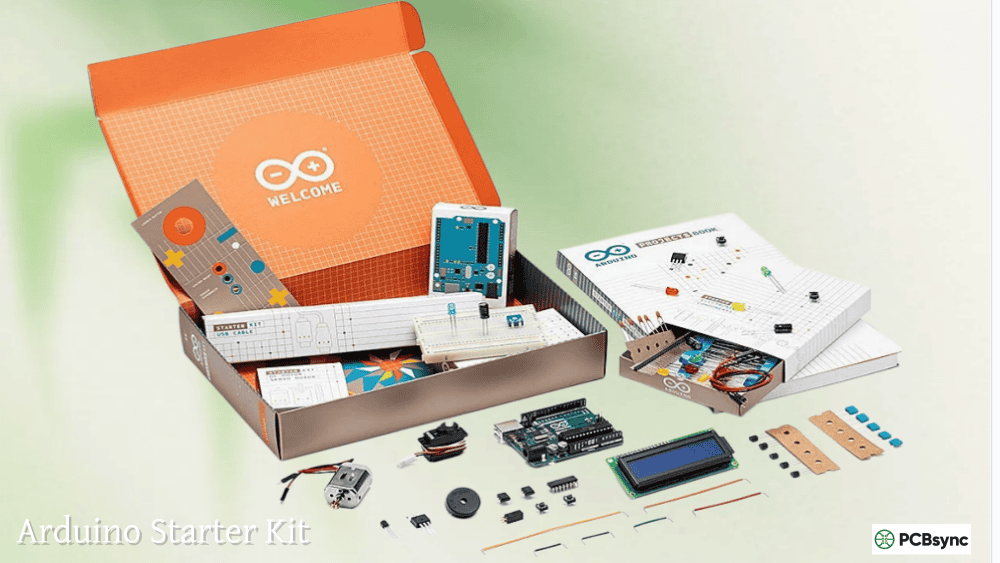
Elegoo’s starter kits typically include more components at lower prices. Their Super Starter Kit contains over 200 components—LEDs, resistors, sensors, motors, displays, and a comprehensive tutorial CD—for roughly half the cost of Arduino’s official starter kit with fewer components.
For budget-conscious beginners or educators purchasing multiple kits, the cost savings add up quickly.
When to Choose Elegoo Uno R3
The Elegoo Uno R3 makes sense for:
Learning and Education: Students and hobbyists benefit from lower costs without sacrificing functionality. You can buy three Elegoo boards for the price of one genuine Arduino.
Prototyping: When iterating through designs, cheaper boards reduce the sting of accidentally destroying one. I keep several Elegoo boards specifically for high-risk experiments.
Budget Projects: Personal projects where absolute reliability isn’t critical work perfectly with Elegoo boards.
Starter Kits: Elegoo’s complete kits offer exceptional value with comprehensive tutorials and abundant components.
The official Arduino Uno justifies its premium for:
Commercial Products: If you’re building products for sale, using genuine components demonstrates commitment to quality and simplifies compliance documentation.
Professional Development: Corporate environments often require purchasing from established vendors with proper support channels.
Supporting Open Source: Arduino invests revenue into developing new boards, improving the IDE, and maintaining the ecosystem everyone benefits from—including Elegoo.
Long-Term Projects: Mission-critical applications benefit from Arduino’s consistent quality control and component sourcing.
Educational Institutions: Schools using Arduino’s educational programs and cloud tools need genuine boards for full compatibility.
Real-World Reliability: What Engineers Report
After years of observing forum discussions and professional feedback, the consensus emerges:
Most Elegoo boards work flawlessly for years. Failure rates are slightly higher than genuine Arduinos, but not dramatically so. When problems occur, they typically involve:
USB connector durability (use care when plugging/unplugging)
Minor component variations (usually invisible in practice)
Elegoo’s customer service reportedly responds quickly to defective units, often sending replacements without requiring returns.
Elegoo Uno R3 vs Arduino Uno: Resources
Resource
Description
Source
Arduino IDE
Official programming software
arduino.cc
Arduino Documentation
Tutorials and reference
docs.arduino.cc
ATmega328P Datasheet
Microcontroller specifications
Microchip website
Elegoo Tutorials
Kit-specific lessons
elegoo.com/download
Arduino Forum
Community support
forum.arduino.cc
CH340 Drivers
For CH340-based boards
Manufacturer website
Frequently Asked Questions
Is the Elegoo Uno R3 the same as Arduino Uno?
Functionally, yes. Both use identical microcontrollers (ATmega328P), the same pin layout, and work with the same software. The Elegoo Uno R3 is built from Arduino’s open-source design files, making it electrically equivalent. The differences are brand, build quality consistency, and price.
Can I use Arduino tutorials with an Elegoo board?
Absolutely. Every Arduino tutorial, library, and example sketch works identically on Elegoo boards. In the Arduino IDE, simply select “Arduino Uno” as your board type—no special configuration needed. The boards are software-compatible by design.
Why is the Elegoo Uno R3 so much cheaper than Arduino?
Several factors contribute: manufacturing in China reduces labor costs, Elegoo doesn’t invest in R&D (they use existing open-source designs), and their business model relies on volume sales with thinner margins. Arduino’s higher prices also fund continued development of new boards and the free IDE software everyone uses.
Does Elegoo use genuine ATmega328P chips?
Yes, the ATmega328P chips are sourced from legitimate channels. Microchip (the manufacturer) produces these chips in large quantities, and they’re readily available to any electronics manufacturer. Some very cheap clones use counterfeit chips, but established brands like Elegoo use authentic components.
Should beginners buy Elegoo or Arduino?
For most beginners, Elegoo offers better value. The lower price means less financial risk while learning, and the included starter kit tutorials are well-designed for newcomers. If budget isn’t a concern and you want guaranteed support, Arduino is the safer choice. Either way, the learning experience is identical.
Shield and Accessory Compatibility
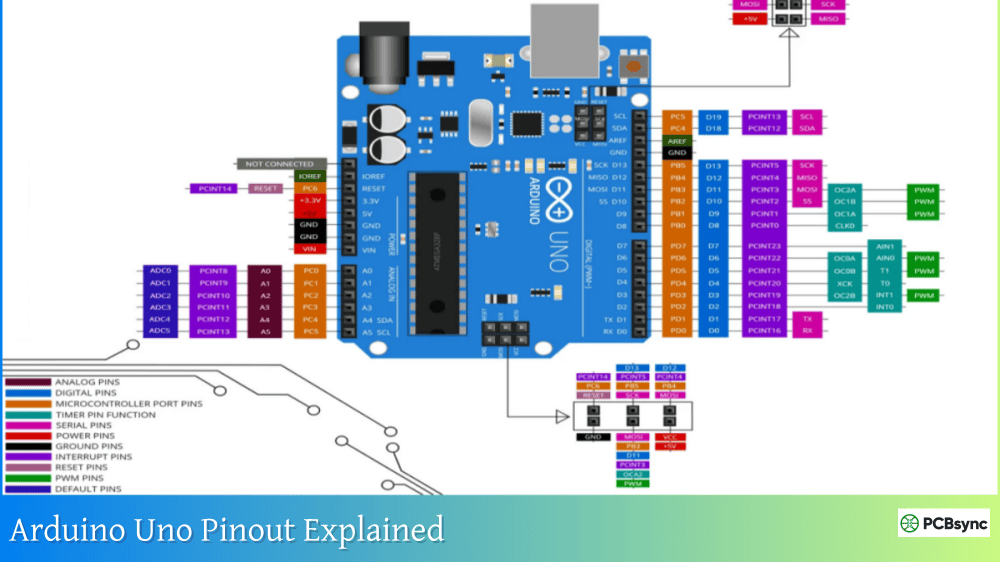
Both boards share identical physical dimensions and pin spacing, ensuring full compatibility with Arduino shields and accessories.
Shield Type
Elegoo Compatibility
Arduino Compatibility
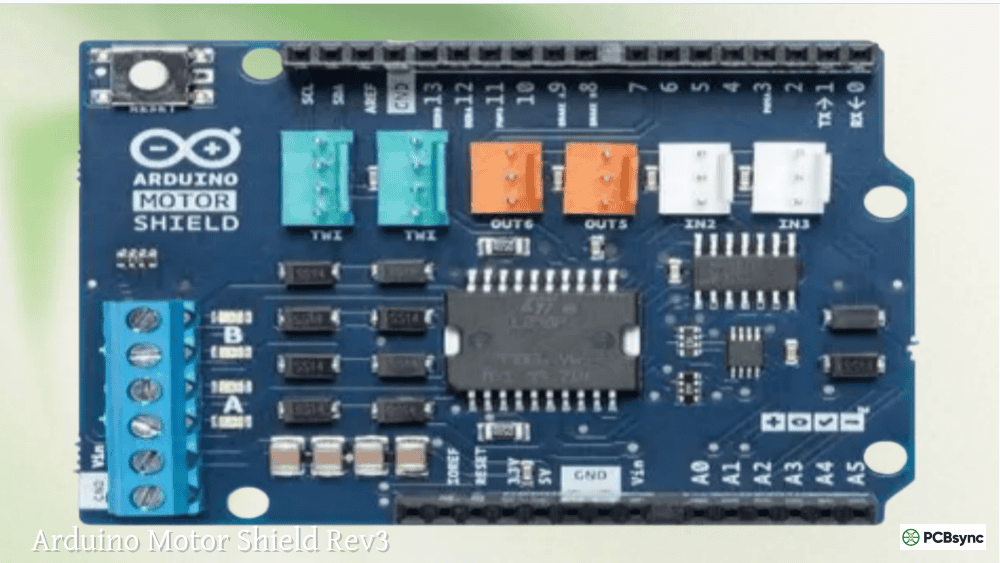
Motor Shields
Full
Full
Ethernet Shields
Full
Full
LCD Shields
Full
Full
Sensor Shields
Full
Full
Prototype Shields
Full
Full
WiFi Shields
Full
Full
I’ve tested Elegoo boards with shields from Adafruit, SparkFun, and various Chinese manufacturers without encountering compatibility issues. The standardized Arduino form factor ensures interchangeability regardless of board manufacturer.
Conclusion: Making Your Decision
The Elegoo Uno R3 vs Arduino Uno comparison ultimately comes down to priorities. If you value maximum savings and don’t mind slightly variable build quality, Elegoo delivers genuine functionality at budget prices. If you prefer premium construction, want to support open-source development, or need official compatibility guarantees, the genuine Arduino justifies its cost.
For my personal projects, I use both. Elegoo boards handle prototyping and experiments where cost matters. Genuine Arduinos go into finished projects that need to work reliably for years. This hybrid approach gives me the best of both worlds—affordable experimentation and premium reliability when it counts.
Whatever you choose, you’ll be working with the same capable platform that has introduced millions of people to electronics and programming. The ATmega328P doesn’t care what logo is printed on the PCB.
Inquire: Call 0086-755-23203480, or reach out via the form below/your sales contact to discuss our design, manufacturing, and assembly capabilities.
Quote: Email your PCB files to Sales@pcbsync.com (Preferred for large files) or submit online. We will contact you promptly. Please ensure your email is correct.
Notes: For PCB fabrication, we require PCB design file in Gerber RS-274X format (most preferred), *.PCB/DDB (Protel, inform your program version) format or *.BRD (Eagle) format. For PCB assembly, we require PCB design file in above mentioned format, drilling file and BOM. Click to download BOM template To avoid file missing, please include all files into one folder and compress it into .zip or .rar format.