Inquire: Call 0086-755-23203480, or reach out via the form below/your sales contact to discuss our design, manufacturing, and assembly capabilities.
Quote: Email your PCB files to Sales@pcbsync.com (Preferred for large files) or submit online. We will contact you promptly. Please ensure your email is correct.
Notes: For PCB fabrication, we require PCB design file in Gerber RS-274X format (most preferred), *.PCB/DDB (Protel, inform your program version) format or *.BRD (Eagle) format. For PCB assembly, we require PCB design file in above mentioned format, drilling file and BOM. Click to download BOM template To avoid file missing, please include all files into one folder and compress it into .zip or .rar format.
BME180 Arduino: Complete Guide to Air Quality & Environmental Sensing
If you’ve been searching for “BME180 Arduino” projects, you’re not alone. This is one of the most common search queries from makers and engineers looking to build environmental monitoring systems. Here’s the thing though: there isn’t actually a sensor called BME180. What exists are the BMP180, BME280, and BME680 from Bosch Sensortec, and understanding which one you need can save you hours of debugging and frustration.
I’ve been designing environmental monitoring PCBs for industrial clients for years, and the naming confusion between these sensors costs hobbyists and professionals alike unnecessary headaches. This guide will clear up the confusion and get you building functional air quality monitoring systems with your Arduino.
Understanding the Bosch Environmental Sensor Family
Before diving into wiring diagrams and code, let’s sort out what sensors actually exist and what each one measures. Bosch Sensortec manufactures a family of environmental sensors that evolved over time:
Sensor Model
Temperature
Pressure
Humidity
Air Quality (VOC)
Price Range
BMP180
✓
✓
✗
✗
$2-4
BMP280
✓
✓
✗
✗
$2-5
BME280
✓
✓
✓
✗
$4-8
BME680
✓
✓
✓
✓
$10-15
The BMP180 was the original workhorse, great for weather stations and altitude tracking. The BME280 added humidity sensing. The BME680 takes it further with a metal-oxide (MOX) gas sensor for detecting volatile organic compounds, making it the go-to choice for actual air quality monitoring.
Why Users Search for BME180 Arduino
The “BME180” search term typically comes from one of three situations: mixing up the “P” and “E” in sensor names, combining features mentally from different sensors, or remembering a partial model number from a past project. If you’re looking for air quality sensing specifically, you need the BME680. If you just want temperature and pressure (like for a weather station or altimeter), the BMP180 or BMP280 will do the job at lower cost.
BME680: The Real Air Quality Sensor for Arduino
Since this guide focuses on air quality and environmental sensing, let’s concentrate on the BME680. This sensor packs four measurement capabilities into a single 3mm × 3mm package:
BME680 Technical Specifications
Parameter
Specification
Operating Voltage
1.71V to 3.6V
Interface
I2C (up to 3.4 MHz), SPI (up to 10 MHz)
Temperature Range
-40°C to +85°C
Temperature Accuracy
±1.0°C
Pressure Range
300 to 1100 hPa
Pressure Accuracy
±1.0 hPa
Humidity Range
0 to 100% RH
Humidity Accuracy
±3% RH
Gas Sensor
MOX-based VOC detection
Current Consumption
0.15µA (sleep), up to 12mA (gas measurement)
I2C Address
0x77 (default), 0x76 (SDO to GND)
The MOX sensor detects volatile organic compounds including formaldehyde from paints and furniture, ethanol, acetone, cleaning product fumes, and carbon monoxide. It outputs a resistance value that changes based on VOC concentration in the air.
BME680 Pinout and Arduino Wiring
Most BME680 breakout modules come with onboard voltage regulators and level shifters, making them compatible with 5V Arduino boards. Here’s the standard pinout:
BME680 Pin
Function
Arduino Uno Pin
VCC
Power Supply (3.3-5V)
5V
GND
Ground
GND
SCL
I2C Clock
A5
SDA
I2C Data
A4
SDO
Address Select
Leave floating (0x77) or GND (0x76)
CS
Chip Select (SPI mode)
Not connected for I2C
Wiring Diagram Notes
The I2C connection only needs four wires. Most breakout boards have built-in 10kΩ pull-up resistors on SDA and SCL, so you don’t need external ones. If you’re using a bare BME680 chip without a breakout board, add 4.7kΩ pull-ups to 3.3V on both I2C lines.
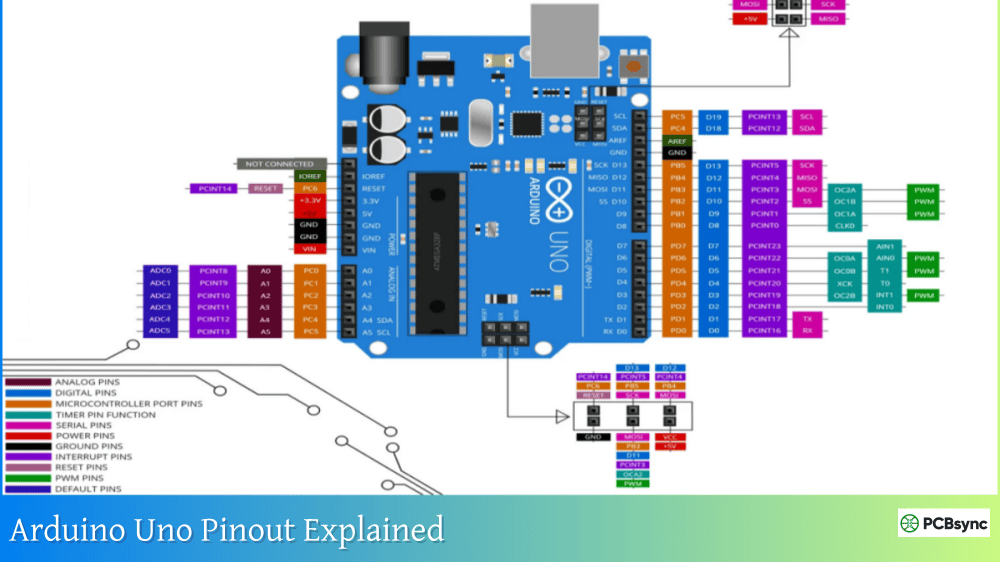
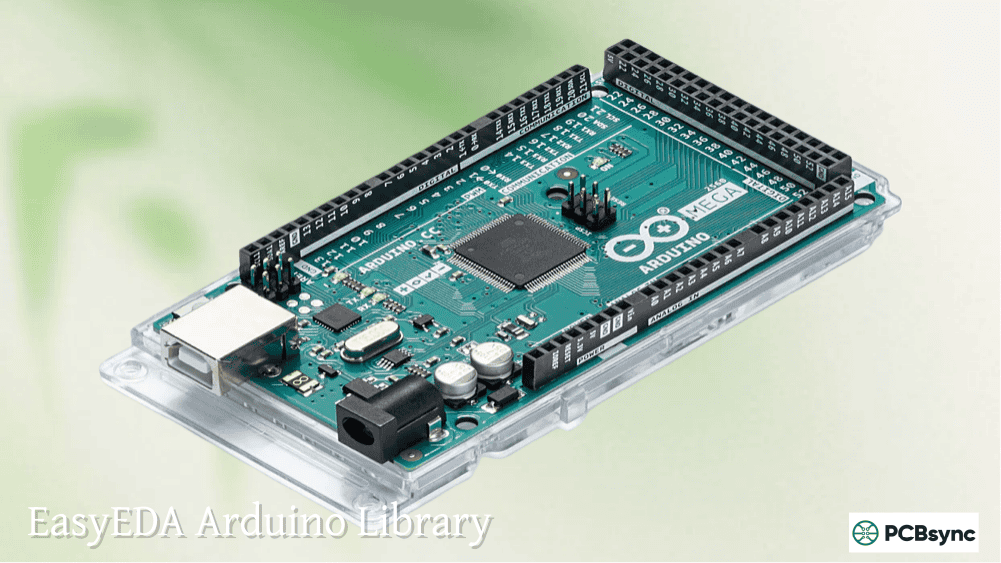
For Arduino Mega, use pins 20 (SDA) and 21 (SCL). For Arduino Leonardo, use pins 2 (SDA) and 3 (SCL). The ESP32 and ESP8266 work great too since they have native I2C support and 3.3V logic.
Installing Required Arduino Libraries
The BME680 needs two libraries from Adafruit. Open the Arduino IDE and navigate to Sketch → Include Library → Manage Libraries. Search for and install:
Adafruit BME680 Library – The main driver library
Adafruit Unified Sensor – Required dependency for sensor abstraction
Alternatively, Bosch provides their own BSEC library that calculates an Indoor Air Quality (IAQ) index. The BSEC library is more complex but gives you processed air quality values instead of raw resistance readings. Note that BSEC requires more memory and won’t fit on basic Arduino Uno boards, so use ESP32 or Arduino Mega for that approach.
Basic BME680 Arduino Code
Here’s a working sketch that reads all four parameters and displays them on the Serial Monitor:
The gas sensor outputs resistance in Ohms, not a direct air quality index. In clean air, you’ll see higher resistance values (typically 50-500 kΩ). When VOCs are present, the resistance drops. The relationship isn’t linear, and it depends on humidity and temperature.
For a true Indoor Air Quality (IAQ) index ranging from 0 (excellent) to 500 (extremely polluted), you need to either implement your own calibration algorithm or use Bosch’s BSEC library.
Calibration and Burn-In Requirements
Here’s something many tutorials skip: the BME680 gas sensor requires significant burn-in time before giving reliable readings.
Initial Burn-In
When you first receive the sensor, run it continuously for 48 hours. This stabilizes the MOX layer and establishes baseline resistance values. Skipping this step leads to wildly inconsistent readings.
Daily Warm-Up
Even after initial burn-in, the gas sensor needs 30 minutes of operation each time you power it on before the readings stabilize. The heater inside the sensor must reach thermal equilibrium, and the metal oxide surface needs time to interact properly with ambient gases.
Temperature Compensation
The gas sensor’s resistance is affected by ambient temperature and humidity. The BME680 conveniently measures both, allowing you to implement compensation algorithms. Bosch’s BSEC library handles this automatically, which is one reason it’s preferred for production air quality monitors.
Building an Air Quality Monitor With Display
Let’s build something more practical: an air quality monitor with an OLED display. You’ll need:
Arduino board (Uno, Nano, or ESP32)
BME680 sensor module
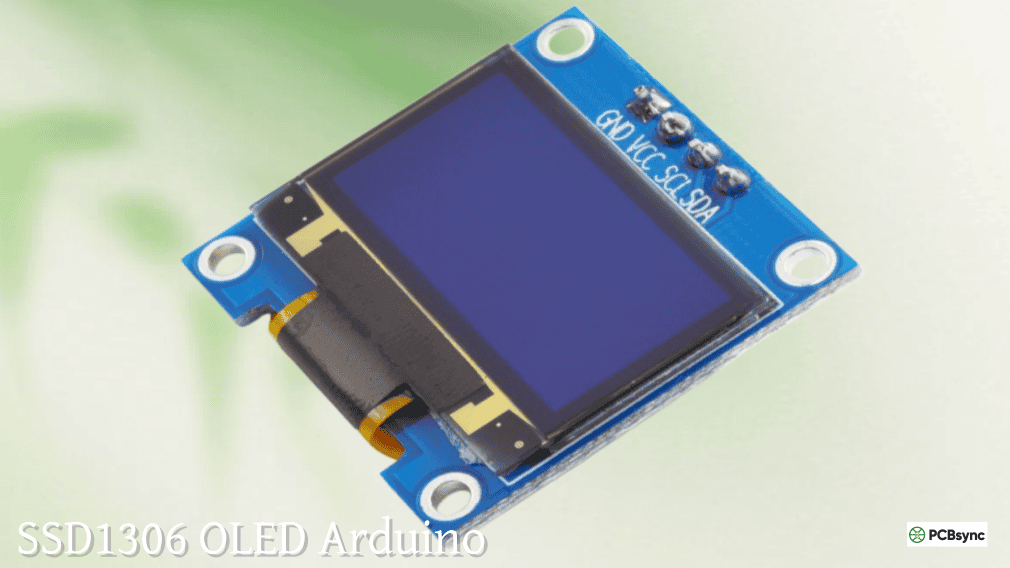
0.96″ I2C OLED display (SSD1306)
Breadboard and jumper wires
Wiring Multiple I2C Devices
Both the BME680 and SSD1306 OLED use I2C, so they share the same SDA and SCL lines:
Component
VCC
GND
SDA
SCL
BME680
5V
GND
A4
A5
OLED Display
5V
GND
A4
A5
The OLED typically uses address 0x3C, while the BME680 uses 0x77, so there’s no address conflict.
Comparing BMP180 vs BME280 vs BME680 for Your Project
Not every project needs full air quality monitoring. Here’s my recommendation based on application:
Application
Recommended Sensor
Why
Weather Station
BME280
Temperature, humidity, pressure – all you need
Drone Altimeter
BMP280
Fast response, low power, altitude only
Smart Home Climate
BME280
Humidity matters for HVAC control
Indoor Air Quality
BME680
VOC detection is essential
Industrial Monitoring
BME680 + dedicated gas sensors
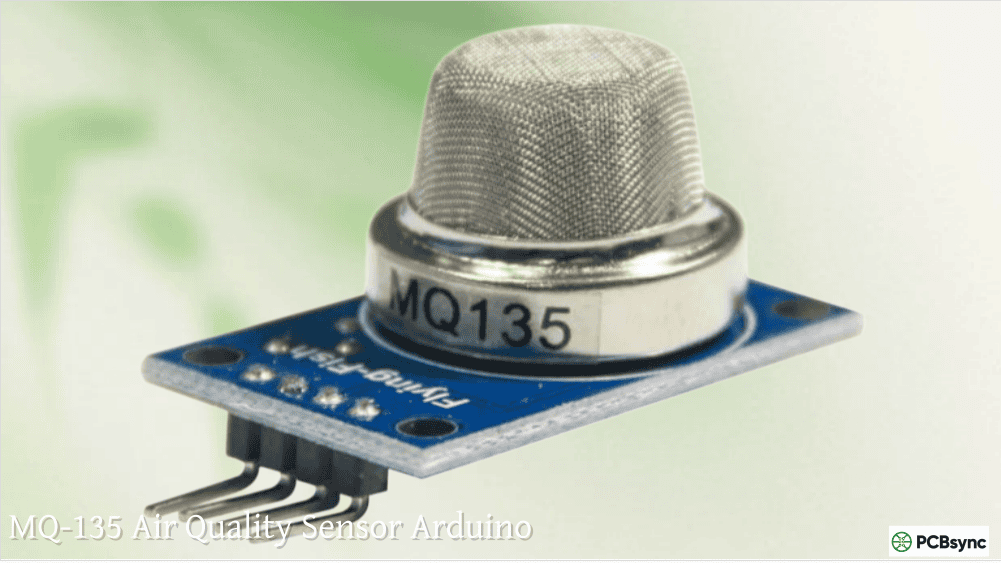
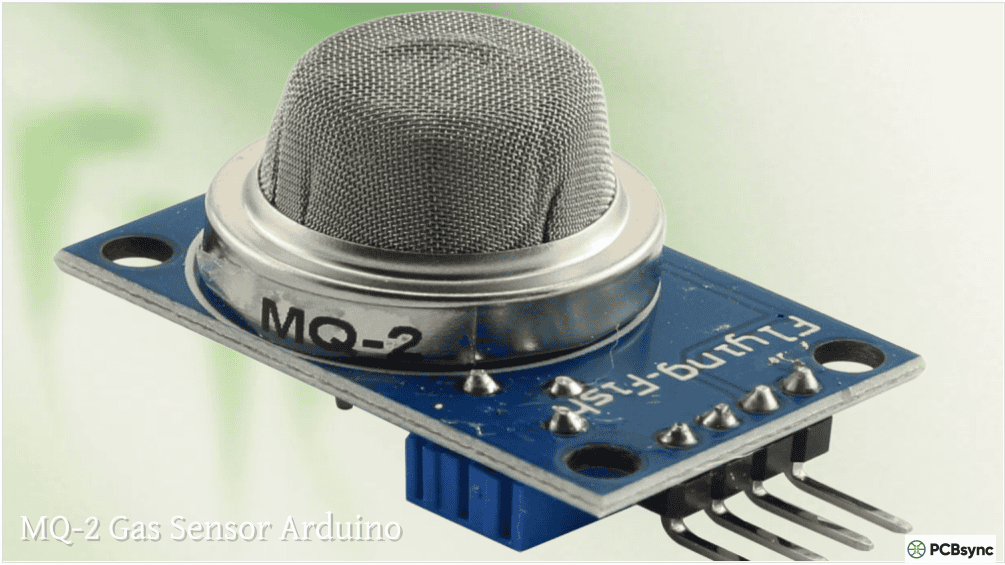
BME680 for general VOCs, MQ series for specific gases
The BME680 costs about twice what a BME280 does. If you don’t need VOC sensing, save the money and use BME280. If air quality is your goal, the BME680 is the minimum viable sensor, though professional applications often pair it with dedicated CO2 sensors like the MH-Z19 or SCD40.
Common Problems and Troubleshooting
Sensor Not Detected
Check your I2C connections. Run an I2C scanner sketch to verify the sensor responds at address 0x76 or 0x77. If you’re getting no response, verify your wiring, especially SDA/SCL. Some cheap modules have mislabeled pins.
Temperature Reads 2-3°C High
This is normal with the BME680. The internal heater for the gas sensor raises the chip temperature above ambient. Apply a fixed offset (typically -2°C) in your code, or mount the sensor away from your main PCB with adequate ventilation.
Gas Readings Are Unstable
The sensor needs the 48-hour burn-in period plus 30-minute warm-up time discussed earlier. Also check that you’re not sampling too frequently. Give at least 3 seconds between gas measurements to let the sensor re-stabilize.
Getting BMP280 Instead of BME280
This is a notorious problem when buying from cheap suppliers. The packages look identical, but BMP280 can’t measure humidity. Check the chip markings: BME280 has “U” in the marking code, BMP280 has “K”. The BME280 chip is also slightly more square in shape.
Useful Resources and Downloads
Here are the official resources I keep bookmarked for environmental sensor projects:
No, there is no sensor called BME180. This is a common confusion between the BMP180 (pressure/temperature only) and BME280 (pressure/temperature/humidity). If you need air quality sensing, you want the BME680, which adds VOC gas detection to the feature set.
Can the BME680 measure CO2 directly?
No. The BME680’s gas sensor detects volatile organic compounds collectively, not specific gases like CO2. Bosch’s BSEC algorithm can estimate an “equivalent CO2” (eCO2) value based on VOC correlation, but it’s not a direct measurement. For actual CO2 monitoring, use a dedicated NDIR sensor like the MH-Z19 or SCD30.
Why do my BME680 gas readings fluctuate so much?
Gas sensor readings are inherently variable because they respond to any VOC in the environment, including human breath, cooking odors, cleaning products, and even outdoor air changes. Ensure you’ve completed the 48-hour burn-in period and allow 30 minutes warm-up time after each power-on. Using software averaging over multiple readings also helps smooth the output.
Can I use multiple BME680 sensors on one Arduino?
Yes, but it requires some planning. Each BME680 has a configurable I2C address (0x76 or 0x77 via the SDO pin), so you can connect two sensors directly. For more than two, you’ll need an I2C multiplexer like the TCA9548A. Alternatively, use SPI mode where each sensor gets its own chip select pin.
Which is better for a home weather station: BME280 or BME680?
For a pure weather station measuring temperature, humidity, and pressure, the BME280 is sufficient and more cost-effective. The BME680’s gas sensor adds air quality monitoring, which is useful indoors but less relevant for outdoor weather applications. The BME680 also consumes more power due to its heated gas sensor, which matters in battery-powered deployments.
Final Thoughts on Environmental Sensing With Arduino
The Bosch environmental sensor family provides excellent options for Arduino-based monitoring projects. While the “BME180” doesn’t exist, understanding the actual product lineup helps you choose the right tool for your application. For basic weather data, stick with the BME280. For indoor air quality and VOC detection, the BME680 is your sensor.
Remember that air quality sensing requires patience. Give your BME680 proper burn-in time, implement appropriate warm-up delays in your code, and consider using Bosch’s BSEC library if you need calculated IAQ values rather than raw resistance readings. With proper setup, these sensors deliver reliable environmental data for years.
Got questions about sensor selection or running into issues with your environmental monitoring project? Drop a comment below with your specific setup and symptoms.
Inquire: Call 0086-755-23203480, or reach out via the form below/your sales contact to discuss our design, manufacturing, and assembly capabilities.
Quote: Email your PCB files to Sales@pcbsync.com (Preferred for large files) or submit online. We will contact you promptly. Please ensure your email is correct.
Notes: For PCB fabrication, we require PCB design file in Gerber RS-274X format (most preferred), *.PCB/DDB (Protel, inform your program version) format or *.BRD (Eagle) format. For PCB assembly, we require PCB design file in above mentioned format, drilling file and BOM. Click to download BOM template To avoid file missing, please include all files into one folder and compress it into .zip or .rar format.