Inquire: Call 0086-755-23203480, or reach out via the form below/your sales contact to discuss our design, manufacturing, and assembly capabilities.
Quote: Email your PCB files to Sales@pcbsync.com (Preferred for large files) or submit online. We will contact you promptly. Please ensure your email is correct.
Notes: For PCB fabrication, we require PCB design file in Gerber RS-274X format (most preferred), *.PCB/DDB (Protel, inform your program version) format or *.BRD (Eagle) format. For PCB assembly, we require PCB design file in above mentioned format, drilling file and BOM. Click to download BOM template To avoid file missing, please include all files into one folder and compress it into .zip or .rar format.
When I first started designing IoT-enabled PCBs five years ago, getting mobile app connectivity working reliably was a nightmare. You’d spend weeks coding custom apps, debugging Bluetooth stacks, and dealing with platform-specific quirks. Then Blynk came along and changed everything. As a PCB engineer who’s integrated Blynk into dozens of commercial and hobbyist projects, I can tell you it’s become an indispensable tool for rapid prototyping and production deployment.
This guide walks you through everything you need to know about Blynk Arduino integration, from basic LED control to complex multi-sensor systems. Whether you’re designing your first IoT device or optimizing an existing product, you’ll find practical insights drawn from real-world implementations.
Blynk is a low-code IoT platform that creates a bridge between your Arduino hardware and mobile devices through a drag-and-drop app interface. Unlike traditional IoT approaches that require separate app development, Blynk provides pre-built widgets that communicate with your hardware through a cloud server or local server setup.
The architecture consists of three main components: the Blynk app running on your smartphone, the Blynk Cloud server handling data routing, and the Blynk library running on your Arduino. The Arduino communicates via WiFi, Ethernet, Bluetooth, or GSM modules, sending sensor data and receiving control commands in real-time.
From an engineering standpoint, Blynk handles the heavy lifting of secure data transmission, authentication, and cross-platform compatibility. This lets you focus on the hardware design and sensor integration rather than wrestling with mobile app development frameworks.
Hardware Requirements and Component Selection
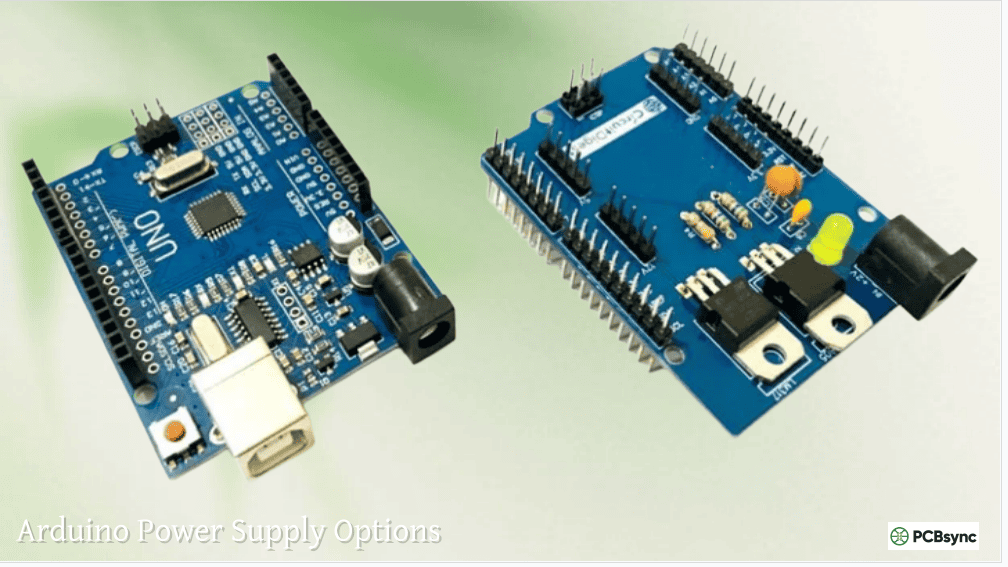
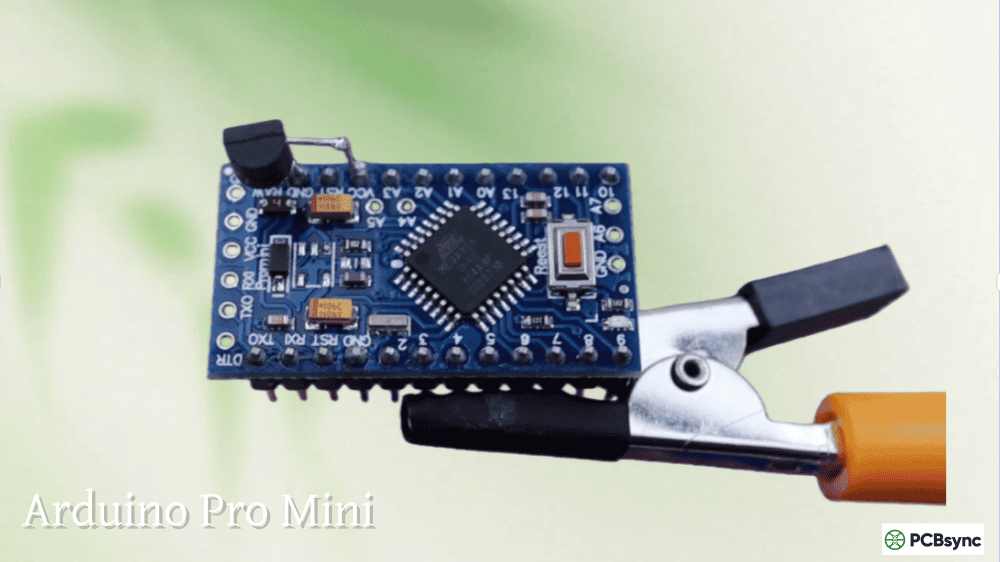
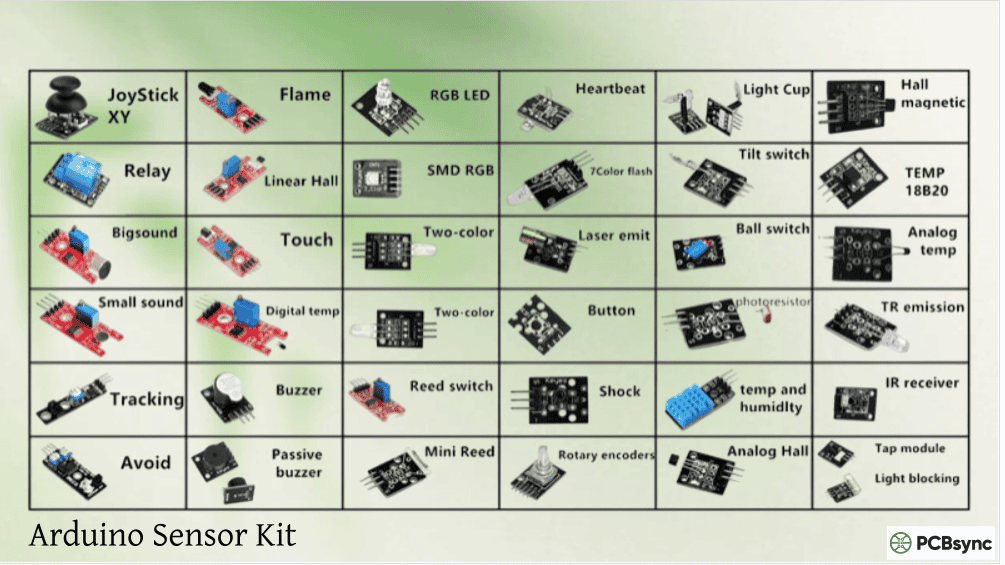
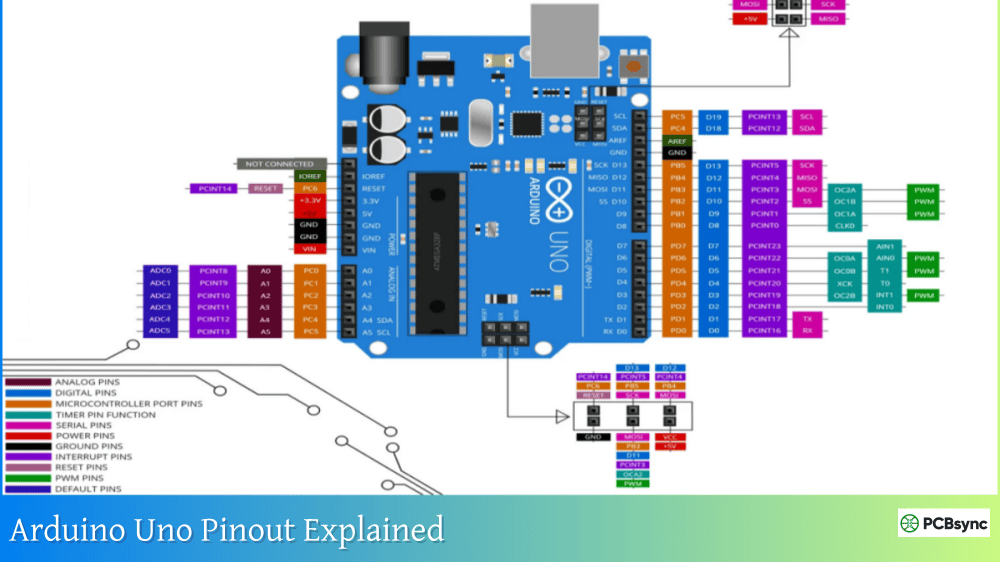
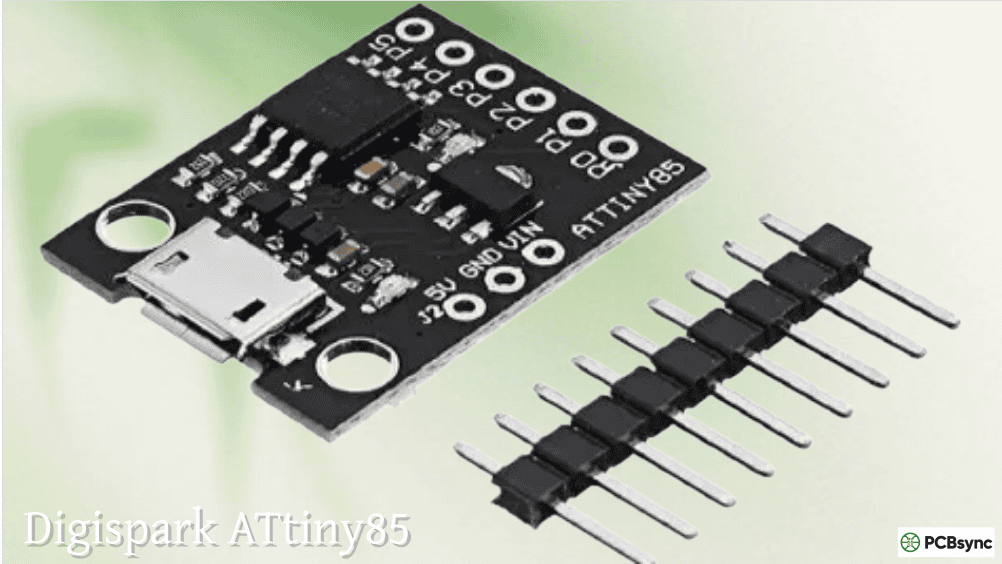
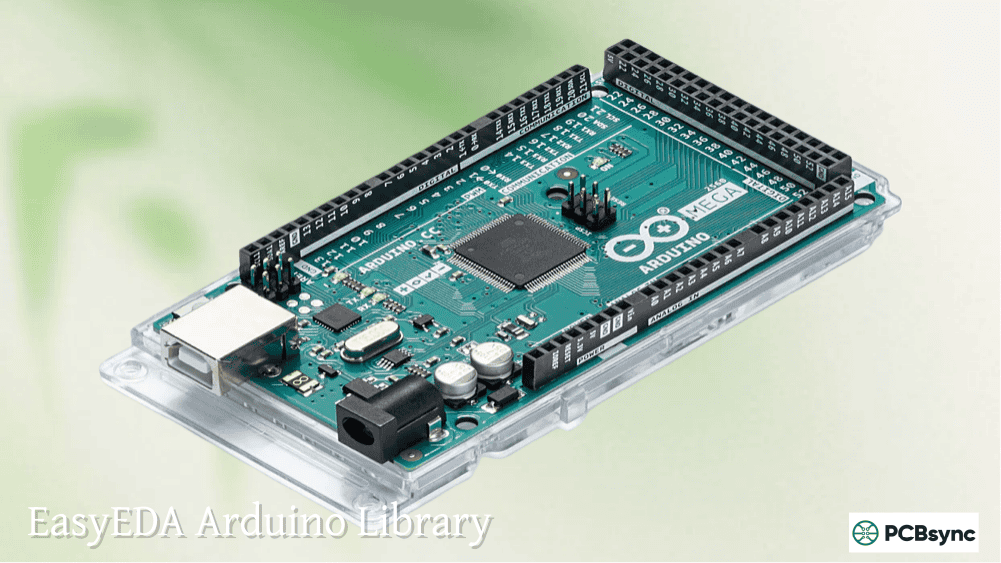
Getting started with Blynk Arduino projects requires careful component selection. Here’s what you’ll need from a hardware perspective:
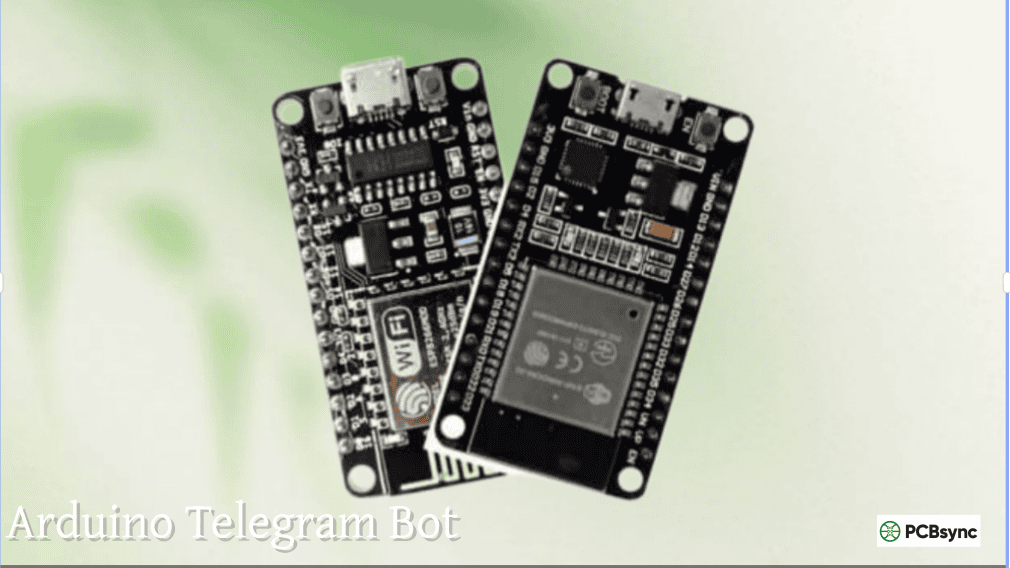
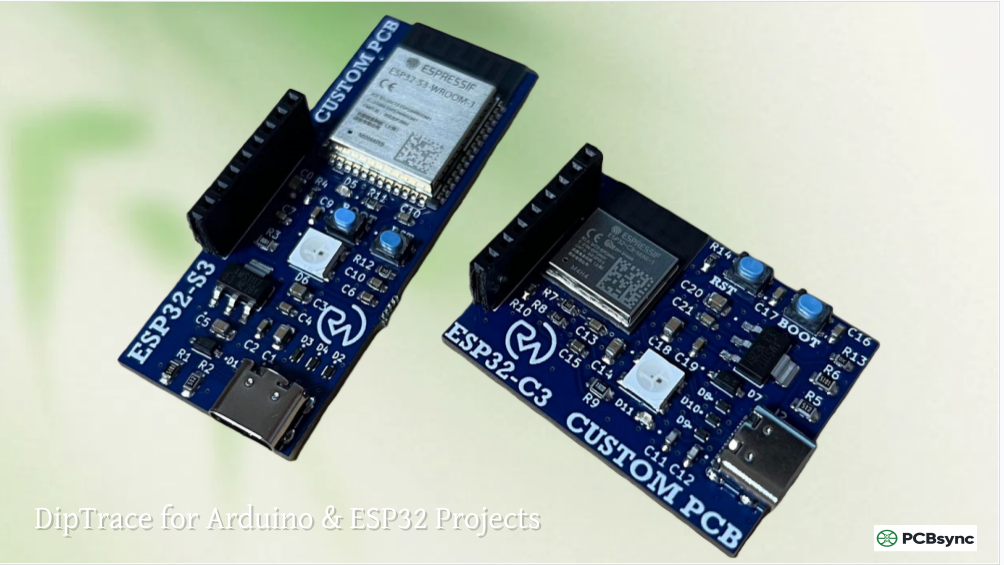
The ESP32 and ESP8266 modules have become my go-to choices because they integrate WiFi directly, eliminating the need for separate shields. This reduces PCB real estate, lowers BOM costs, and simplifies the signal integrity considerations in your board layout.
When designing your PCB, pay attention to antenna placement for WiFi modules. Keep the antenna area clear of ground planes and components, and route sensitive analog signals away from high-frequency digital traces. I’ve debugged too many projects where poor antenna placement caused intermittent connectivity issues.
Setting Up Your Blynk Arduino Environment
Before diving into projects, you need to configure your development environment properly. Install the Blynk library through the Arduino IDE Library Manager or download it directly from the Blynk GitHub repository. The library supports numerous Arduino boards and connectivity options out of the box.
Create a Blynk account and install the Blynk app on your smartphone. You’ll receive an authentication token via email for each project you create. This token is crucial – it’s essentially the security key that links your hardware to your specific Blynk app instance.
Here’s a basic connection template that I use as a starting point for most projects:
#define BLYNK_TEMPLATE_ID “YourTemplateID”
#define BLYNK_DEVICE_NAME “YourDeviceName”
#define BLYNK_AUTH_TOKEN “YourAuthToken”
#include <WiFi.h>
#include <BlynkSimpleEsp32.h>
char ssid[] = “YourNetworkName”;
char pass[] = “YourPassword”;
void setup() {
Serial.begin(115200);
Blynk.begin(BLYNK_AUTH_TOKEN, ssid, pass);
}
void loop() {
Blynk.run();
}
The Blynk.run() function must be called frequently in your main loop. Avoid using delay() functions that block execution for extended periods, as this prevents Blynk from processing incoming commands. Use the built-in Blynk timer instead for periodic tasks.
Essential Blynk Arduino Projects
Home Automation Control System
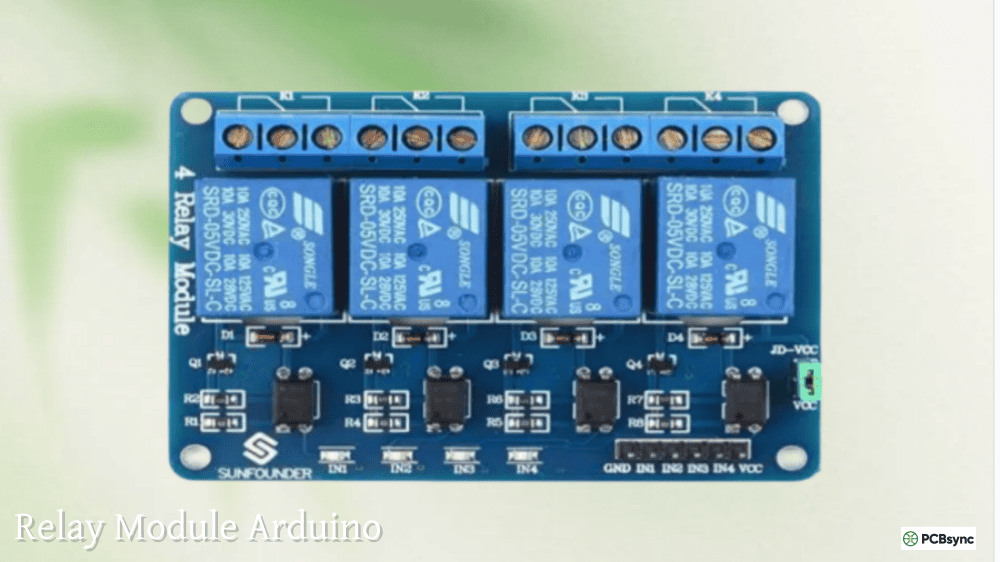
The most popular application I’ve seen is home automation. You can control lights, fans, and appliances from anywhere with internet connectivity. The key is properly rating your relay modules and implementing safety cutoffs.
Feature
Implementation Details
Virtual Pin Assignment
Light Control
5V relay module with optoisolator
V1 (Digital Output)
Fan Speed
PWM control through MOSFET
V2 (Slider Widget)
Temperature Monitor
DHT22 sensor
V3 (Value Display)
Door Lock
Servo motor with position feedback
V4 (Button Widget)
Power Consumption
ACS712 current sensor
V5 (Gauge Widget)
When implementing relay control, always use optoisolated relay modules to prevent electrical noise from coupling back into your Arduino. I’ve seen non-isolated designs cause random resets and corrupt data transmission. Also, add flyback diodes across inductive loads like motors and solenoids.
Environmental Monitoring Station
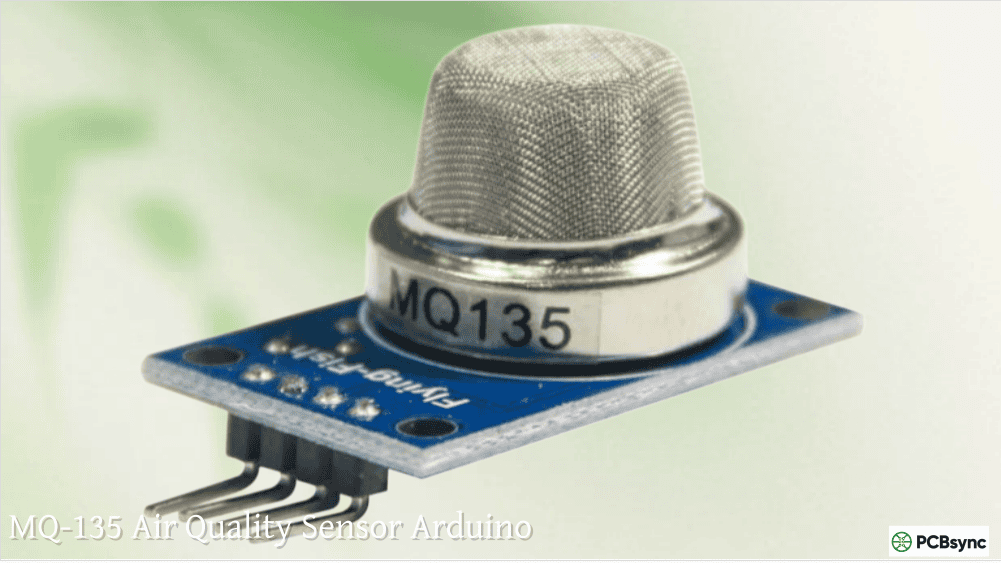
Another project that showcases Blynk’s capabilities is a multi-sensor environmental station. You can monitor temperature, humidity, air pressure, and air quality simultaneously, with data logged to the Blynk cloud for historical analysis.
The DHT22 provides decent accuracy for most applications, but if you need better precision, consider the SHT31 or BME680 sensors. These communicate via I2C, making PCB routing simpler since you only need two signal lines regardless of how many sensors you add.
For outdoor installations, weatherproof your enclosure properly and use conformal coating on your PCB. Temperature cycling and moisture are the biggest reliability concerns I’ve encountered in deployed systems.
Smart Garden Irrigation Controller
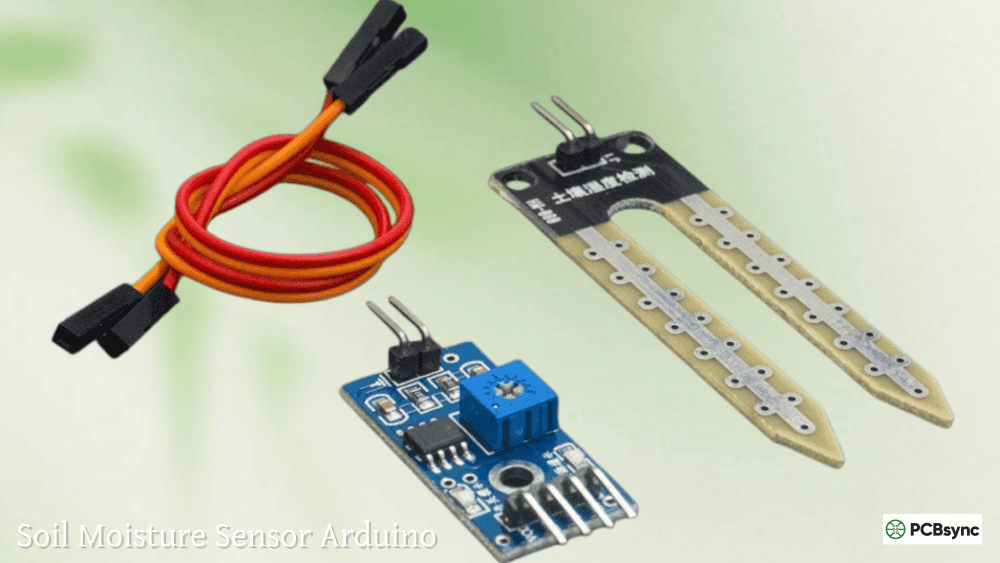
Automated watering systems benefit greatly from remote monitoring and control. You can check soil moisture levels and trigger watering cycles from your phone, preventing over or under-watering.
The capacitive soil moisture sensors work better than resistive types because they don’t corrode. Connect them to analog pins and calibrate them in both dry and saturated soil to establish your threshold values. A 12V solenoid valve controlled through a relay handles the actual water flow.
Implement safety features in your code – set maximum watering duration limits and moisture level checks before activating pumps. I always add a manual override button directly on the device for emergency situations where connectivity might be lost.
Remote Robot Control
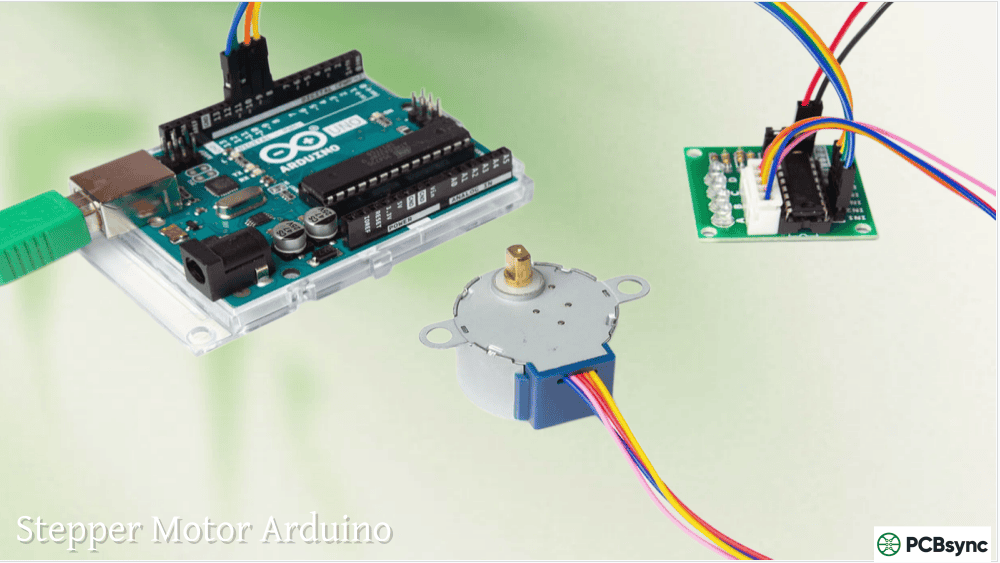
For robotics applications, Blynk provides joystick widgets that map perfectly to motor control systems. Use L298N or similar H-bridge modules for DC motors, ensuring you select ones with adequate current ratings for your motors.
The joystick widget sends X and Y coordinates that you map to motor speeds and directions. Add acceleration limiting in your code to prevent sudden jerky movements that can damage mechanical components or cause the robot to tip over.
Security Monitoring System
Integrate motion sensors, door/window contacts, and cameras for a complete security solution. The PIR motion sensor connects to a digital input pin, while magnetic reed switches monitor door states.
Implement notification logic carefully to avoid spam. Use Blynk notifications only for important events, not every minor sensor trigger. Add a simple state machine that requires motion to be detected for several seconds before sending an alert, filtering out false positives.
Advanced Blynk Arduino Techniques
Virtual Pin Architecture
Understanding virtual pins is crucial for advanced projects. Unlike physical pins tied to specific GPIO, virtual pins are software-defined endpoints that you map to any functionality. This abstraction lets you perform complex processing before sending or receiving data.
Use BLYNK_WRITE(vPin) functions to handle incoming data from the app and BLYNK_READ(vPin) functions to send data when the app requests it. This event-driven architecture keeps your code clean and responsive.
For projects with multiple sensors, create separate virtual pins for each data stream. Group related controls together using tabs in the Blynk app for better user experience.
Local Server Implementation
While the Blynk Cloud works well for most applications, running a local Blynk server gives you complete control and eliminates internet dependency. This is critical for industrial applications or locations with unreliable internet.
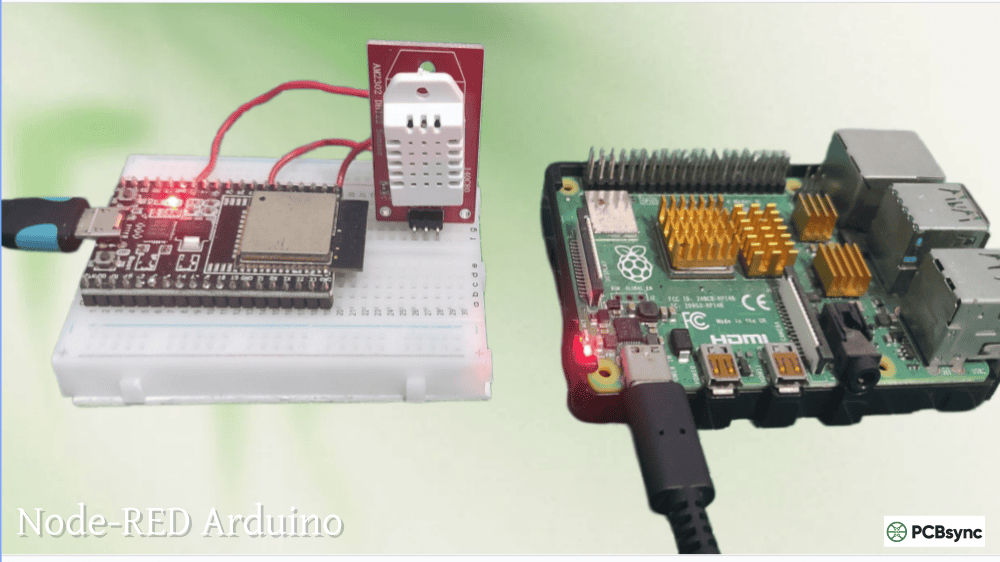
The local server runs on a Raspberry Pi or any Linux machine. Download the server JAR file, configure it with your settings, and point your Arduino code to your local server IP instead of Blynk’s cloud servers. All app functionality remains identical.
I run local servers for commercial clients who need guaranteed uptime and don’t want their production systems dependent on external cloud services. The trade-off is you’re responsible for server maintenance and backups.
Data Logging and Analytics
Blynk provides SuperChart widgets for visualizing historical data. Enable data logging on specific virtual pins in the app, and Blynk automatically stores values. You can then display time-series graphs showing temperature trends, power consumption patterns, or any other logged parameters.
For more detailed analysis, export your data to CSV format and process it externally. I often feed Blynk data into Python scripts for machine learning applications or generate PDF reports for clients.
The most frequent issue is connection failures. Start by verifying your WiFi credentials and ensuring your router allows the Arduino’s MAC address. ESP8266 and ESP32 only support 2.4GHz networks, not 5GHz.
Check signal strength in your deployment location. If the RSSI value is below -80dBm, consider relocating your device or adding a WiFi extender. Metal enclosures significantly attenuate RF signals – factor this into your mechanical design.
Authentication Failures
Double-check your auth token matches exactly between your code and the Blynk app. Regenerating tokens in the app requires updating your code accordingly. Keep a spreadsheet tracking which tokens correspond to which physical devices for multi-device deployments.
Widget Update Lag
If widgets respond slowly, you’re likely calling Blynk.virtualWrite() too frequently. The Blynk server rate-limits requests to prevent abuse. Update critical controls immediately, but batch non-critical sensor readings to once per second or slower.
Use local variables to track state changes and only send updates to Blynk when values actually change, not on every loop iteration.
Power Supply Issues
Many mysterious problems trace back to inadequate power supplies. The ESP32 can draw 500mA+ during WiFi transmission bursts. Use a proper regulated supply rated for at least 1A. Don’t power from USB while also driving relays or motors – they’ll cause voltage drops that reset your microcontroller.
Add bulk capacitors near your power input (100-1000µF) and ceramic bypass capacitors near IC power pins (0.1µF). This filters noise and provides energy storage for current spikes.
PCB Design Considerations for Blynk Projects
When designing production PCBs for Blynk-enabled devices, several factors impact reliability:
Component Placement: Position WiFi modules away from switching power supplies and motor drivers. Keep antennas at board edges with no ground plane underneath. Place connectors along one edge for easier enclosure integration.
Ground Plane Management: Use solid ground planes but cut out sections under antennas. Connect analog and digital grounds at a single point if mixing sensitive sensors with noisy digital circuits.
Trace Routing: Keep WiFi RF traces short and impedance-controlled if possible. Route sensor signals away from high-frequency digital traces. Use differential pairs for USB data lines if implementing USB connectivity.
Power Distribution: Design your power tree carefully. Use separate regulators for analog sensors versus digital circuitry if precision matters. Add LC filters between noisy and quiet sections.
ESD Protection: Add TVS diodes on exposed connectors and antenna feeds. User-accessible ports need robust ESD protection to survive real-world handling.
Useful Resources and Downloads
Official Blynk Resources
Blynk Documentation: docs.blynk.io – Comprehensive API reference and examples
Blynk Community Forum: community.blynk.cc – Active community for troubleshooting
Hackaday.io: Detailed project logs with code and schematics
Frequently Asked Questions
Q: Can I use Blynk Arduino projects commercially without licensing fees?
A: Blynk offers free accounts for personal projects with limitations on devices and data retention. Commercial applications require paid plans. Always review current licensing terms as they’ve evolved. For production deployments, I recommend their business tier which includes custom branding and priority support.
Q: What’s the maximum distance for Blynk Arduino WiFi control?
A: Distance isn’t the limiting factor – internet connectivity is. As long as both your Arduino and smartphone have internet access, control works globally. Local WiFi range depends on your router and obstacles, typically 30-100 meters indoors. For extended range, consider ESP32 with external antennas or ESP-NOW for mesh networking between multiple ESP devices before one connects to the internet.
Q: How secure is Blynk Arduino communication?
A: Blynk uses SSL/TLS encryption for data transmission and token-based authentication. Each device requires a unique auth token that acts like a password. For industrial applications, running your own local Blynk server behind a firewall adds another security layer. Never share your auth tokens publicly or commit them to public GitHub repositories.
Q: Can Blynk Arduino work without internet connectivity?
A: Not in its standard configuration – Blynk requires cloud server communication. However, you can run a local Blynk server on your network that works without external internet. This maintains full functionality as long as your Arduino and phone connect to the same local network. Alternatively, consider Bluetooth Low Energy connectivity using Blynk’s BLE functionality for truly offline control.
Q: What happens to my Blynk Arduino project if the server goes down?
A: Your device continues running its programmed logic, but remote control becomes unavailable. Implement failsafe behaviors in your code for critical applications – like defaulting to safe states if connectivity is lost for extended periods. The local server option eliminates dependency on Blynk’s cloud infrastructure. I always add hardware override buttons for critical functions that must work regardless of connectivity status.
Conclusion
Blynk Arduino integration has fundamentally changed how we approach IoT prototyping and deployment. What used to take months of mobile app development now happens in hours. From a PCB engineer’s perspective, the ability to iterate rapidly on control interfaces without firmware changes dramatically accelerates product development cycles.
The platform’s flexibility supports everything from simple LED blinkers to complex industrial monitoring systems. Success comes down to proper hardware selection, clean PCB design, and understanding Blynk’s architecture rather than fighting against it.
Start with simple projects to grasp the fundamentals, then expand into multi-sensor systems as your confidence grows. The Blynk community is incredibly helpful when you hit roadblocks – don’t hesitate to ask questions and share your projects.
Remember that while Blynk handles the connectivity layer beautifully, you’re still responsible for robust hardware design. Proper power supply design, ESD protection, and signal integrity considerations make the difference between prototypes that work on your bench and products that survive in the field.
The future of Blynk Arduino projects is exciting, with increasing support for edge computing, machine learning integration, and advanced automation features. Whether you’re building one-off hobby projects or designing production IoT devices, Blynk remains an essential tool in the modern engineer’s toolkit.
Inquire: Call 0086-755-23203480, or reach out via the form below/your sales contact to discuss our design, manufacturing, and assembly capabilities.
Quote: Email your PCB files to Sales@pcbsync.com (Preferred for large files) or submit online. We will contact you promptly. Please ensure your email is correct.
Notes: For PCB fabrication, we require PCB design file in Gerber RS-274X format (most preferred), *.PCB/DDB (Protel, inform your program version) format or *.BRD (Eagle) format. For PCB assembly, we require PCB design file in above mentioned format, drilling file and BOM. Click to download BOM template To avoid file missing, please include all files into one folder and compress it into .zip or .rar format.