Inquire: Call 0086-755-23203480, or reach out via the form below/your sales contact to discuss our design, manufacturing, and assembly capabilities.
Quote: Email your PCB files to Sales@pcbsync.com (Preferred for large files) or submit online. We will contact you promptly. Please ensure your email is correct.
Notes: For PCB fabrication, we require PCB design file in Gerber RS-274X format (most preferred), *.PCB/DDB (Protel, inform your program version) format or *.BRD (Eagle) format. For PCB assembly, we require PCB design file in above mentioned format, drilling file and BOM. Click to download BOM template To avoid file missing, please include all files into one folder and compress it into .zip or .rar format.
Building an Arduino weather station is more than just a weekend hobby project. As a PCB engineer who has designed commercial environmental monitoring systems for agricultural applications, smart buildings, and industrial facilities, I can tell you that the skills you develop creating a weather station form the foundation for professional IoT systems. This comprehensive guide will take you from selecting the right sensors to deploying a production-quality weather monitoring system with cloud connectivity.
Understanding Weather Station Fundamentals
A weather station measures environmental parameters to provide insights into atmospheric conditions. Professional meteorological stations cost thousands of dollars, but an Arduino weather station can achieve impressive accuracy at a fraction of the cost while teaching you invaluable embedded systems engineering.
Modern Arduino weather stations typically measure five core parameters: temperature, humidity, barometric pressure, rainfall, and wind speed. Advanced implementations add UV index, air quality (particulate matter and VOCs), light intensity, and wind direction. The key to building a reliable system is understanding sensor specifications, implementing proper calibration, and designing robust circuitry.
Component selection critically impacts your weather station’s accuracy, reliability, and cost. Here’s my professional breakdown of sensor options:
Temperature and Humidity Sensors Comparison
Sensor Model
Temperature Range
Temp Accuracy
Humidity Range
Humidity Accuracy
Interface
Price
Best For
DHT11
0°C to 50°C
±2°C
20% to 80%
±5% RH
1-Wire
$2-3
Beginners, indoor
DHT22 (AM2302)
-40°C to 80°C
±0.5°C
0% to 100%
±2% RH
1-Wire
$5-8
General purpose
BME280
-40°C to 85°C
±1°C
0% to 100%
±3% RH
I2C/SPI
$8-12
Professional, includes pressure
SHT31
-40°C to 125°C
±0.2°C
0% to 100%
±2% RH
I2C
$10-15
High precision
Si7021
-40°C to 125°C
±0.4°C
0% to 100%
±3% RH
I2C
$7-10
Low power applications
From a PCB design perspective, I consistently recommend the BME280 for Arduino weather stations. This sensor combines temperature, humidity, and barometric pressure measurement in a single package with excellent accuracy and I2C communication. The three-in-one integration reduces component count, simplifies PCB layout, and minimizes total system cost.
Barometric Pressure Sensors
BMP280 vs BME280 Technical Comparison:
The confusion between these sensors is common, especially when purchasing online. Here’s the critical difference: BMP280 measures only temperature and pressure, while BME280 adds humidity measurement. Both use identical pinouts and similar code, but you’ll often receive BMP280 when ordering BME280 from budget suppliers.
Physical identification method: Check the chip marking on the sensor IC. BME280 devices show “???U?” format where U indicates BME280. BMP280 shows “???K?” format where the final character is W, N, U, or P (KW, KN, KU, KP are all BMP280 variants).
Feature
BMP280
BME280
Pressure Range
300-1100 hPa
300-1100 hPa
Pressure Accuracy
±1 hPa
±1 hPa
Altitude Accuracy
±1 meter
±1 meter
Humidity Sensing
No
Yes (±3% RH)
Temperature Range
-40°C to 85°C
-40°C to 85°C
I2C Address
0x76 or 0x77
0x76 or 0x77
Current Consumption
2.7 µA @ 1Hz
3.6 µA @ 1Hz
Price
$3-5
$8-12
Engineering recommendation: If budget allows, always choose BME280. The additional humidity sensor provides valuable data for calculating dew point, heat index, and absolute humidity—critical parameters for agricultural and HVAC applications.
Additional Sensors for Advanced Stations
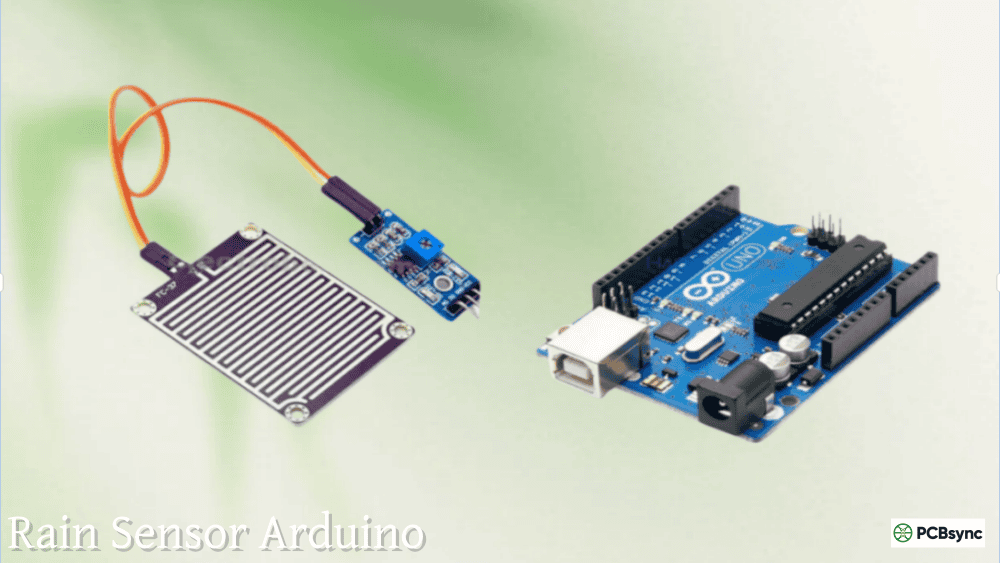
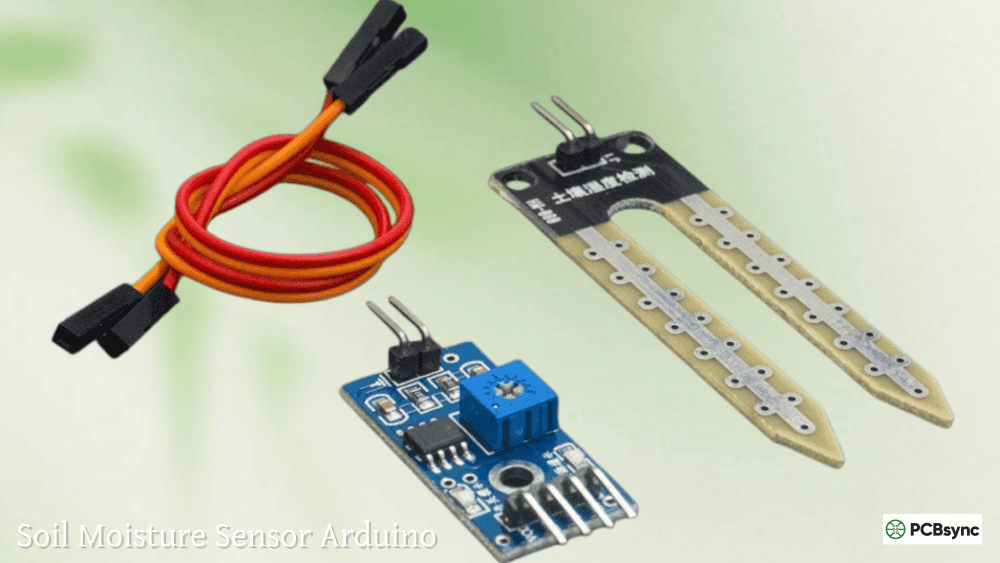
Rain Sensor Options:
Basic capacitive rain sensor ($2-4): Simple water detection, analog output
Tipping bucket rain gauge ($15-30): Precise rainfall measurement in mm/hour
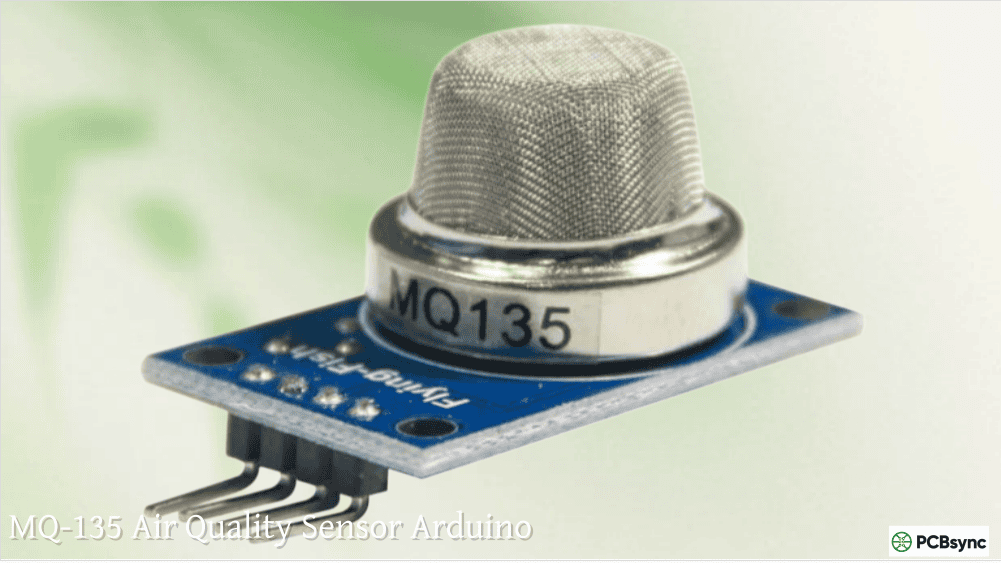
MQ135 (general air quality): $3-5, analog output, requires calibration
PMS5003 (particulate matter): $15-25, UART, accurate PM2.5/PM10
CCS811 (VOC/eCO2): $10-18, I2C, indoor air quality
Complete Arduino Weather Station Circuit Design
Basic Weather Station Schematic
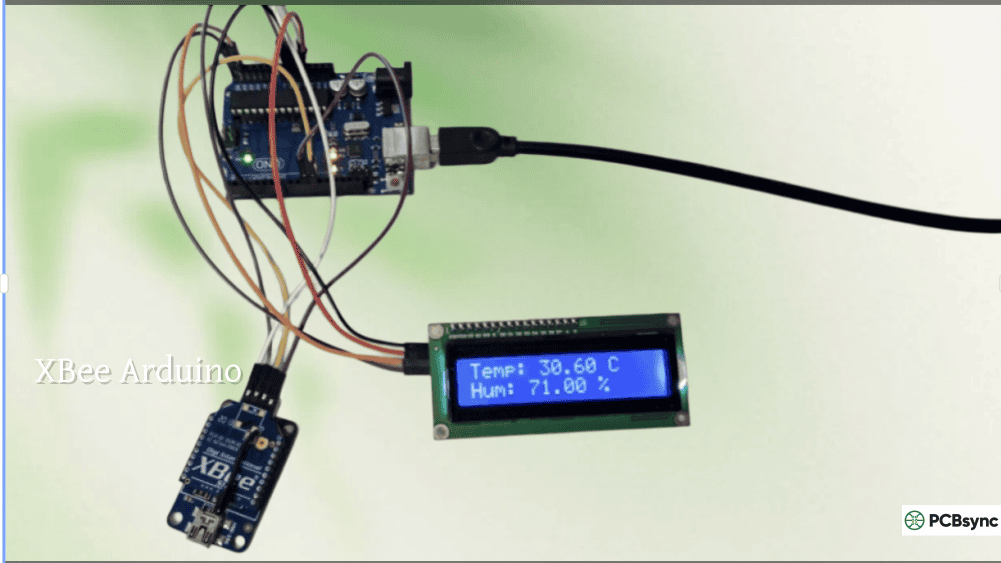
For a fundamental Arduino weather station measuring temperature, humidity, and pressure, here’s the professional circuit design:
Component connections for BME280 sensor:
BME280 Module → Arduino Uno
VCC (or VIN) → 3.3V or 5V
GND → GND
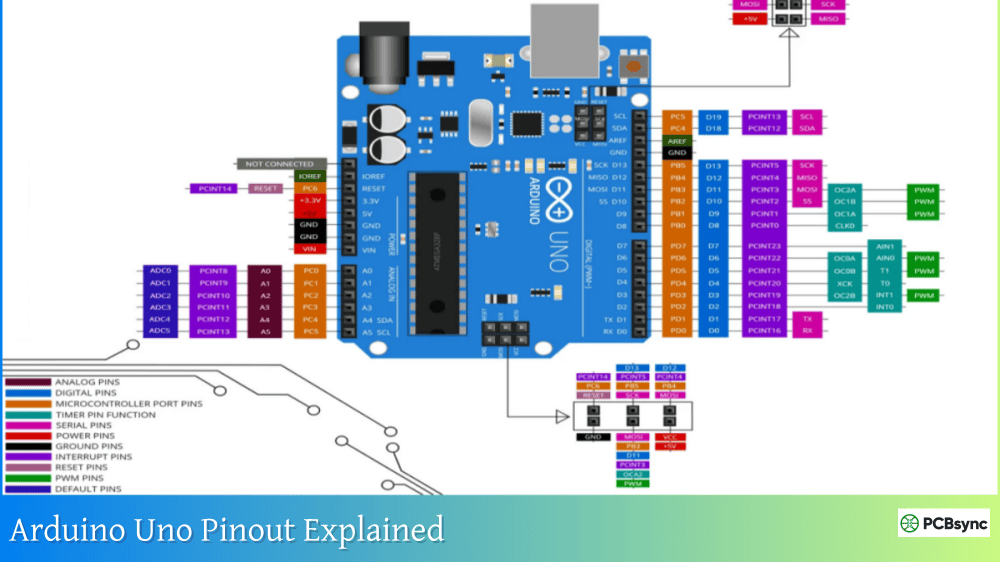
SCL → A5 (SCL)
SDA → A4 (SDA)
Display options and connections:
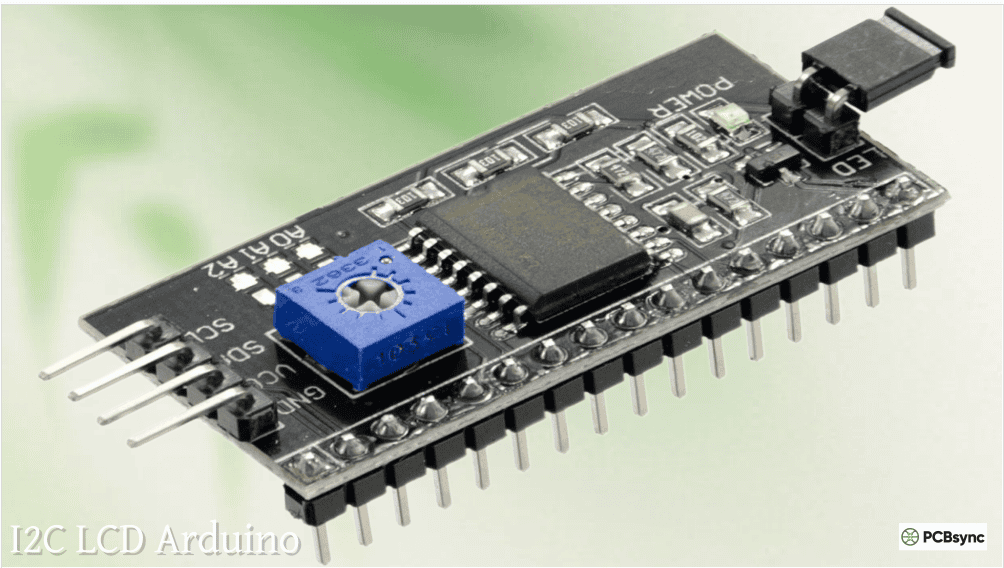
16×2 LCD (I2C):
LCD I2C Module → Arduino Uno
VCC → 5V
GND → GND
SDA → A4
SCL → A5
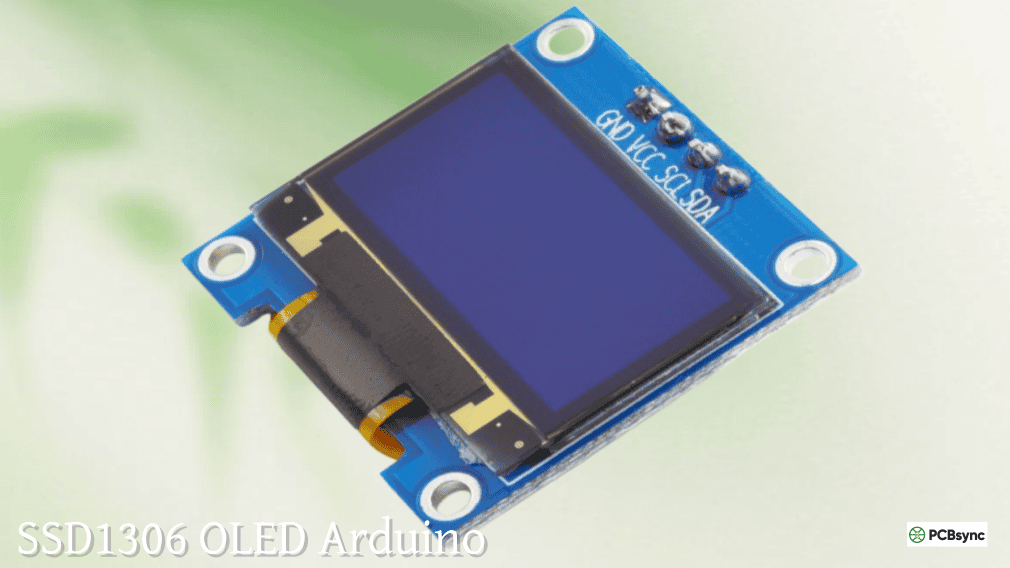
0.96″ OLED (I2C):
OLED Display → Arduino Uno
VCC → 5V (or 3.3V depending on module)
GND → GND
SDA → A4
SCL → A5
Critical PCB design considerations:
When designing custom PCBs for weather stations, I always implement these professional practices:
I2C pull-up resistors: Most breakout boards include 10kΩ pull-ups, but verify with a multimeter. Multiple I2C devices on the same bus can create parallel resistance too low for reliable communication. Calculate total parallel resistance and add external 2.2kΩ resistors if needed.
Power supply filtering: Add 100nF ceramic capacitors close to each sensor’s VCC pin. Include a 10µF electrolytic capacitor at the Arduino’s 5V pin for bulk decoupling. This prevents voltage sags during sensor readings.
Ground plane integrity: Use a solid ground plane on PCBs. Star grounding topology minimizes ground loops that introduce measurement errors in analog sensors.
Outdoor sensor protection: For external sensors, implement TVS diodes on signal lines for ESD protection. Add series resistors (1kΩ-10kΩ) to limit current during voltage spikes.
Advanced Circuit: Wireless Weather Station with IoT
For a production-quality wireless Arduino weather station with cloud connectivity:
Additional components required:
Component
Purpose
Connection
Notes
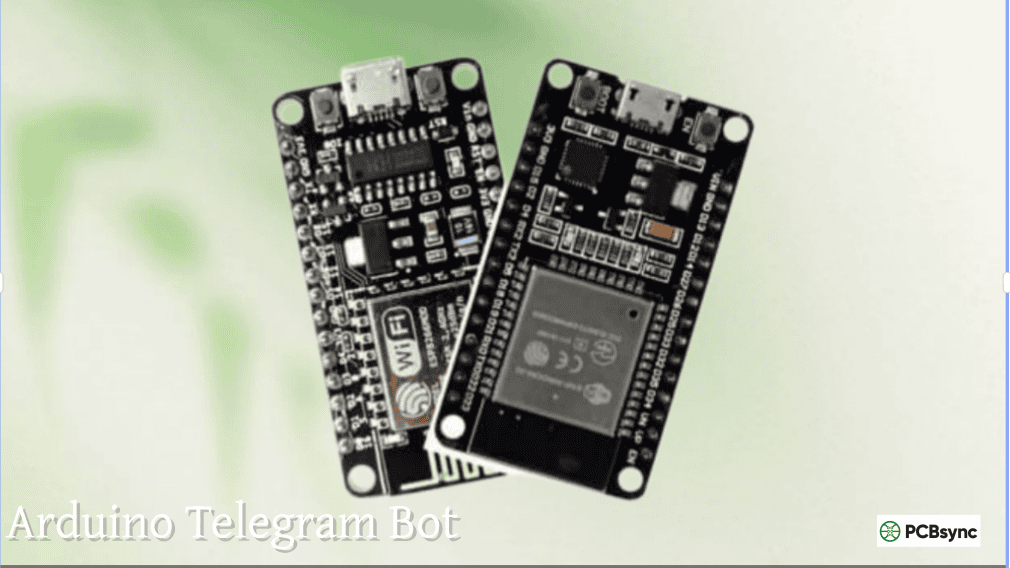
ESP8266 NodeMCU
WiFi connectivity
UART (TX/RX) or standalone
Can replace Arduino as main controller
ESP32
WiFi + Bluetooth
Multiple I2C/SPI
Better for advanced projects
NRF24L01+
2.4GHz wireless
SPI
For local wireless without internet
DS3231 RTC
Real-time clock
I2C
Maintains time without power
MicroSD module
Data logging
SPI
Local storage backup
Solar panel + charger
Outdoor power
Via voltage regulator
For remote deployment
Power consumption optimization:
For battery-powered outdoor stations, implement deep sleep modes:
Professional weather stations require reliable data storage for analysis and trend identification. Here are implementation options:
MicroSD Card Data Logging
#include <SPI.h>
#include <SD.h>
const int chipSelect = 10; // CS pin for SD module
File dataFile;
void setup() {
// Initialize SD card
if (!SD.begin(chipSelect)) {
Serial.println(“SD card initialization failed!”);
return;
}
Serial.println(“SD card initialized”);
}
void logData(float temp, float hum, float pres) {
dataFile = SD.open(“weather.csv”, FILE_WRITE);
if (dataFile) {
// Create timestamp (requires RTC module for accurate time)
unsigned long timestamp = millis();
// Write CSV format
dataFile.print(timestamp);
dataFile.print(“,”);
dataFile.print(temp);
dataFile.print(“,”);
dataFile.print(hum);
dataFile.print(“,”);
dataFile.println(pres);
dataFile.close();
Serial.println(“Data logged to SD card”);
} else {
Serial.println(“Error opening file”);
}
}
Cloud Platform Comparison
Platform
Free Tier
Update Rate
Data Retention
API Features
Best For
ThingSpeak
3 channels
15 sec min
Unlimited
MATLAB analysis
Prototyping, education
Blynk
Limited widgets
1 sec
Limited
Mobile app
IoT dashboards
Ubidots
3 devices
1 sec
1 month
Advanced viz
Commercial lite
Arduino IoT Cloud
2 things
Variable
Unlimited
Arduino IDE integration
Arduino ecosystem
AWS IoT Core
12 months free
Real-time
Pay-as-go
Full AWS suite
Enterprise
Engineering recommendation: Start with ThingSpeak for prototyping due to its simplicity and MATLAB integration for advanced analysis. Migrate to Arduino IoT Cloud for production deployment when you need better integration with Arduino hardware.
if (currentPressure > 1023) return “Settled fine”;
else if (currentPressure > 1013) return “Fine weather”;
else return “Becoming fine”;
} else if (pressureChange < -1.5) {
if (currentPressure < 1003) return “Stormy”;
else if (currentPressure < 1013) return “Rain likely”;
else return “Becoming unsettled”;
} else {
return “No significant change”;
}
}
Solar-Powered Operation
Component sizing for solar system:
Daily energy consumption: 65mA × 24h × 5V = 7.8Wh
Solar panel: 6V 2W minimum (accounting for inefficiency)
Battery: 3.7V 2000mAh Li-ion with TP4056 charging module
Voltage regulation: Step-up converter to 5V for Arduino
Useful Resources and Downloads
Arduino Libraries
Essential libraries for weather stations:
Adafruit BME280: Environmental sensing
DHT sensor library: Temperature/humidity for DHT11/22
Adafruit BMP280: Pressure-only sensor
ThingSpeak: Cloud data platform
SD library: Data logging to microSD
RTClib: Real-time clock functionality
RF24: NRF24L01 wireless communication
Download from Arduino Library Manager or:
GitHub: Adafruit/Adafruit_BME280_Library
GitHub: adafruit/DHT-sensor-library
GitHub: mathworks/thingspeak-arduino
Cloud Platform Setup Guides
ThingSpeak Account Setup:
Create account at thingspeak.com
Create new channel with fields for your sensors
Note Channel ID and Write API Key
Configure visualization widgets
Arduino IoT Cloud:
Create account at create.arduino.cc
Configure “Thing” with variables
Link Arduino device
Auto-generate code template
PCB Design Files
Open-source weather station designs:
GitHub: g6ejd/ESP32-e-Paper-Weather-Display
GitHub: 3KUdelta/Solar_WiFi_Weather_Station
Hackaday.io: Search “Arduino weather station PCB”
Data Analysis Tools
Excel/Google Sheets templates:
Weather data analysis spreadsheet
Pressure trend visualization
Humidity comfort zones
Python scripts for analysis:
pandas library for data processing
matplotlib for graphing
Jupyter notebooks for interactive analysis
Calibration Resources
NOAA weather station siting guidelines
WMO (World Meteorological Organization) standards
Local airport weather data for reference
Salt solution RH calibration guide
Frequently Asked Questions
What’s the difference between BMP280 and BME280 sensors?
The critical difference is humidity measurement capability. BMP280 measures only temperature and barometric pressure with ±1°C and ±1 hPa accuracy. BME280 adds a calibrated humidity sensor providing ±3% RH accuracy. Both sensors use identical I2C addresses (0x76 or 0x77), similar code libraries, and the same physical pinout. When buying online, especially from budget suppliers, you often receive BMP280 labeled as BME280. Verify by checking the chip marking: BME280 shows “???U?” format while BMP280 shows “???K?” format where ? represents other characters. For weather stations, BME280 is worth the extra $3-5 cost because humidity data enables calculating dew point, heat index, and comfort levels—essential for comprehensive weather monitoring.
How accurate is an Arduino weather station compared to commercial units?
Arduino weather stations using quality sensors like BME280 achieve surprising accuracy for their cost. Commercial weather stations costing $150-300 typically use similar sensors with accuracy of ±0.5-1°C for temperature, ±2-3% for humidity, and ±1 hPa for pressure. High-end meteorological equipment ($1000+) achieves ±0.1°C, ±1% RH, and ±0.3 hPa. The main differences aren’t sensor accuracy but calibration quality, weatherproof construction, and long-term stability. Proper calibration (ice bath for temperature, salt solutions for humidity, altitude correction for pressure) brings Arduino stations within 0.5°C and 2% RH of expensive commercial units. For enthusiast weather monitoring, educational purposes, and agricultural applications, Arduino weather stations provide excellent value. Professional meteorology or research applications requiring NIST-traceable calibration still require commercial equipment.
Can I power my Arduino weather station with solar panels?
Yes, solar power is highly effective for outdoor Arduino weather stations, especially in remote locations. Calculate daily power consumption first: Arduino Uno draws ~45mA, plus sensors ~20mA, totaling 65mA. Over 24 hours at 5V, that’s 7.8Wh daily. Account for charging inefficiency (70-80%) and cloudy days (3-5 day autonomy), requiring roughly 30-40Wh battery capacity. A 3.7V 8000mAh Li-ion battery (29.6Wh) provides adequate storage. Size solar panels for your location’s daily sun hours—6V 2W panel works in most climates. Use TP4056 charging module for Li-ion charging, and a step-up converter (boost converter) to provide stable 5V to Arduino. For maximum efficiency, implement ESP8266 or ESP32 with deep sleep mode, reducing consumption to 20µA between readings. This extends battery life from days to weeks, allowing smaller solar panels (1W) and batteries (2000mAh). Add maximum power point tracking (MPPT) for optimal charging efficiency.
How do I connect my Arduino weather station to the internet for remote monitoring?
Three main approaches exist for internet connectivity. First, WiFi using ESP8266 or ESP32 modules: Connect to Arduino via serial (TX/RX pins) or use ESP as standalone controller. ESP boards have built-in WiFi and cost $5-10. Second, cellular using SIM800L or SIM7000 GSM modules: Sends data via cellular network, useful for remote locations without WiFi, costs $8-15 plus data plan. Third, LoRa (Long Range) using RFM95 modules: Sends to gateway connected to internet, range up to 10km in open areas, costs $6-12. For cloud platforms, ThingSpeak offers easiest integration—just HTTP GET requests with your API key. Arduino IoT Cloud provides native integration with automatic code generation. Blynk offers mobile app interface with real-time widgets. All require WiFi connection to upload data. Typical update interval is 60 seconds (1-minute) to balance data resolution with bandwidth costs. Implement error handling and connection retry logic for reliable operation during network outages.
What enclosure should I use for an outdoor Arduino weather station?
Proper enclosure design critically affects measurement accuracy. Never seal sensors in airtight boxes—temperature readings will be 5-10°C too high from self-heating and solar radiation. Professional approach: Use white IP65 enclosure ($12-20) with added ventilation holes covered by fine mesh to prevent insects. Mount temperature/humidity sensors in a radiation shield—commercial Stevenson screen costs $50-200, but DIY alternatives work well: stack of white plates creating shaded, ventilated chamber, or multi-walled PVC pipe with drilled holes. Position enclosure 1.2-2 meters above ground (standard meteorological height) away from heat sources (buildings, concrete, asphalt). Rain sensors mount separately at 45° angle for drainage. Wind sensors require open mounting 3m high on a mast. For permanent installations, use UV-resistant ABS plastic enclosures. Gore-Tex patches ($2-5) make excellent breathable vent covers—allow air circulation while blocking water. Paint enclosure white even if already light-colored; professional weather stations use highly reflective white paint to minimize solar heating. Include desiccant packs inside to absorb condensation. Test placement by comparing readings to local weather service data; adjust height and shading until readings match within sensor tolerance.
Conclusion
Building an Arduino weather station bridges theoretical electronics knowledge with practical embedded systems engineering. The project encompasses sensor integration, data acquisition, wireless communication, power management, and mechanical design—skills directly applicable to professional IoT development.
Start with a basic indoor station measuring temperature, humidity, and pressure using a BME280 sensor and LCD display. This foundation teaches I2C communication, sensor calibration, and data presentation. Expand gradually: add SD card logging for historical analysis, implement WiFi connectivity for remote monitoring, integrate rain and wind sensors for comprehensive weather data, and deploy solar power for autonomous operation.
The key to a successful Arduino weather station isn’t just making it work, but making it reliable. Proper calibration ensures accuracy, weatherproof enclosures protect electronics, power management enables long-term operation, and robust code handles errors gracefully. These professional engineering practices transform a hobby project into a dependable monitoring system.
Whether you’re a student learning embedded systems, a hobbyist exploring IoT, or an engineer prototyping commercial products, the Arduino weather station provides an ideal platform for developing real-world skills. The combination of affordable components, extensive community support, and practical applications makes it one of the most valuable projects in the maker ecosystem.
Start building today—monitor your local microclimate, contribute to citizen science weather networks, optimize agricultural irrigation, or simply satisfy your curiosity about environmental conditions. The investment in components is minimal, but the knowledge gained from designing, building, calibrating, and deploying a complete Arduino weather station is invaluable for anyone pursuing a career in embedded systems engineering.
Inquire: Call 0086-755-23203480, or reach out via the form below/your sales contact to discuss our design, manufacturing, and assembly capabilities.
Quote: Email your PCB files to Sales@pcbsync.com (Preferred for large files) or submit online. We will contact you promptly. Please ensure your email is correct.
Notes: For PCB fabrication, we require PCB design file in Gerber RS-274X format (most preferred), *.PCB/DDB (Protel, inform your program version) format or *.BRD (Eagle) format. For PCB assembly, we require PCB design file in above mentioned format, drilling file and BOM. Click to download BOM template To avoid file missing, please include all files into one folder and compress it into .zip or .rar format.