Inquire: Call 0086-755-23203480, or reach out via the form below/your sales contact to discuss our design, manufacturing, and assembly capabilities.
Quote: Email your PCB files to Sales@pcbsync.com (Preferred for large files) or submit online. We will contact you promptly. Please ensure your email is correct.
Notes: For PCB fabrication, we require PCB design file in Gerber RS-274X format (most preferred), *.PCB/DDB (Protel, inform your program version) format or *.BRD (Eagle) format. For PCB assembly, we require PCB design file in above mentioned format, drilling file and BOM. Click to download BOM template To avoid file missing, please include all files into one folder and compress it into .zip or .rar format.
Arduino Uno vs Nano vs Mega: Which Board Should You Choose?
After spending over a decade working with microcontrollers in PCB design and embedded systems, I’ve lost count of how many times engineers and hobbyists have asked me the same question: “Should I go with an Uno, Nano, or Mega for my project?” The answer isn’t one-size-fits-all, and picking the wrong board can mean redesigning your entire system halfway through development. That’s expensive and frustrating.
In this comparison of Arduino Uno vs Nano vs Mega, I’ll break down the specifications, trade-offs, and real-world applications to help you make the right choice from day one. Whether you’re building a simple LED controller or a complex 3D printer, understanding these three boards will save you time, money, and headaches.
Arduino isn’t a single microcontroller. It’s an entire family of development boards built around Atmel AVR processors. The platform gained massive popularity because it lowered the barrier to entry for embedded development. You don’t need to deal with complicated toolchains or expensive programmers. Just plug in a USB cable, fire up the Arduino IDE, and start coding.
The Uno, Nano, and Mega are three of the most widely used boards in this ecosystem. They share the same programming environment and core philosophy, but each targets different project requirements. All three operate at 5V logic levels, which makes them compatible with most sensors and modules you’ll find in the hobby market.
Arduino Uno vs Nano vs Mega: Quick Specifications Comparison
Before diving into the details, here’s a side-by-side breakdown of the key specifications. I’ve pulled these numbers directly from official Arduino documentation and verified them against the boards sitting on my workbench.
Specification
Arduino Uno
Arduino Nano
Arduino Mega 2560
Microcontroller
ATmega328P
ATmega328P
ATmega2560
Operating Voltage
5V
5V
5V
Clock Speed
16 MHz
16 MHz
16 MHz
Flash Memory
32 KB (0.5KB bootloader)
32 KB (2KB bootloader)
256 KB (8KB bootloader)
SRAM
2 KB
2 KB
8 KB
EEPROM
1 KB
1 KB
4 KB
Digital I/O Pins
14 (6 PWM)
14 (6 PWM)
54 (15 PWM)
Analog Input Pins
6
8
16
Serial Ports (UART)
1
1
4
Board Dimensions
68.6 x 53.4 mm
45 x 18 mm
101.52 x 53.3 mm
USB Connector
Type-B
Mini-USB / USB-C
Type-B
Shield Compatible
Yes
No
Yes
Approximate Price
$20-25
$15-22
$35-45
Arduino Uno: The Industry Standard for Learning and Prototyping
The Arduino Uno is the board most people think of when they hear “Arduino.” It’s been the flagship product for years, and there’s good reason for that. The Uno strikes a balance between capability and simplicity that makes it ideal for education, prototyping, and projects with moderate I/O requirements.
What Makes the Uno Special
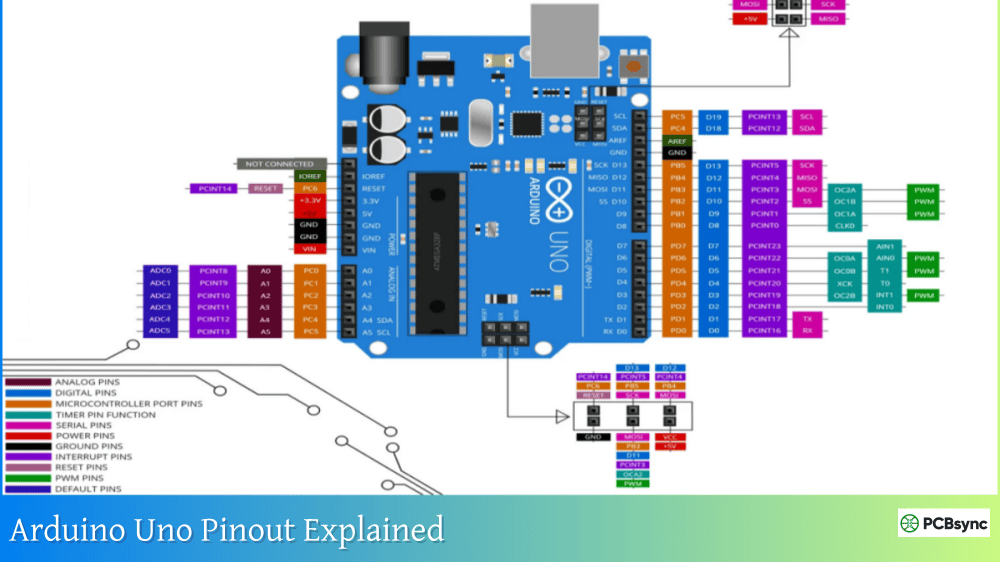
The Uno uses the ATmega328P microcontroller running at 16 MHz. You get 14 digital I/O pins, 6 of which support PWM output. The 6 analog inputs are sufficient for most sensor applications. What really sets the Uno apart is its form factor and shield compatibility.
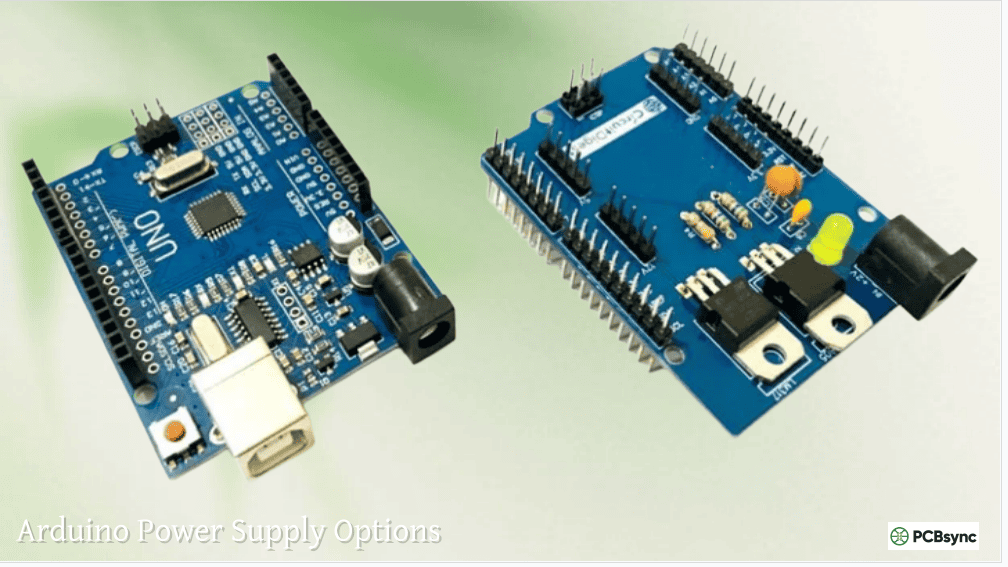
Those rows of female headers along the edges follow a standardized layout. Hundreds of expansion shields exist for the Uno, covering everything from motor control to Ethernet connectivity to GPS tracking. If you’re prototyping and want to quickly test different peripherals, the Uno’s shield ecosystem is unmatched.
The board also features a removable DIP-package microcontroller. If you fry the chip (it happens), you can pop it out and replace it for a few dollars instead of buying an entire new board. This repairability matters when you’re learning and accidents are part of the process.
Uno Limitations to Consider
The Uno’s generous size becomes a problem when space is constrained. At 68.6 x 53.4 mm, it’s not fitting inside a wearable device or a compact enclosure. The older USB Type-B connector is bulky, though reliable.
With only 32 KB of flash memory and 2 KB of SRAM, complex programs with multiple libraries can run into memory limits. I’ve seen beginners get frustrated when their sketch compiles fine but crashes at runtime because they’ve exhausted SRAM with string operations.
Ideal Use Cases for Arduino Uno
The Uno excels in these scenarios:
Educational projects and learning embedded programming
Desktop prototyping where size doesn’t matter
Projects requiring quick shield swapping and experimentation
Applications needing moderate I/O (temperature monitors, basic robotics, LED controllers)
Situations where you want maximum community support and tutorials
Arduino Nano: Maximum Capability in Minimum Space
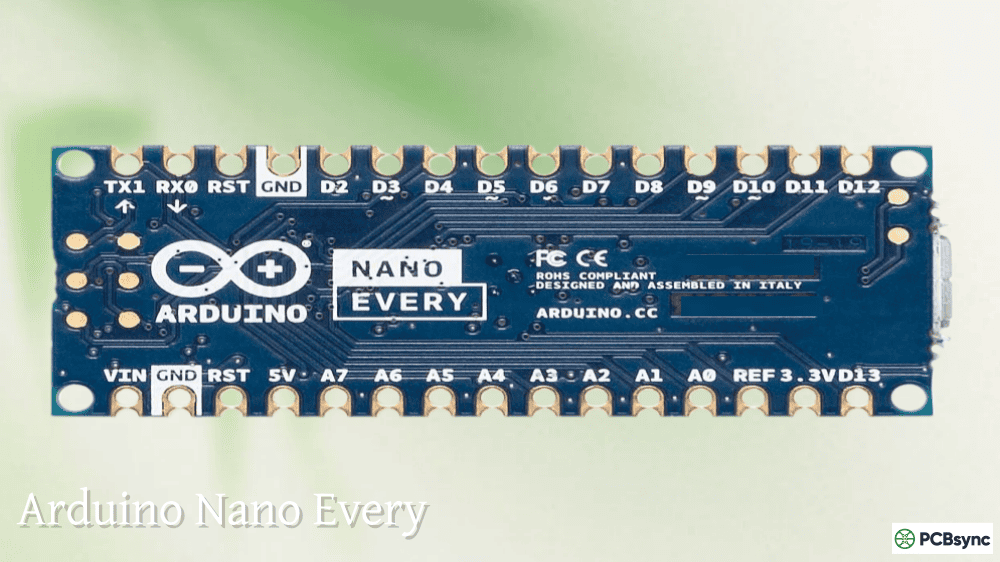
The Arduino Nano is essentially an Uno that went on a diet. It packs the same ATmega328P processor and nearly identical capabilities into a board roughly one-quarter the size. For projects where every millimeter counts, the Nano is often the only practical choice.
Nano Form Factor Advantages
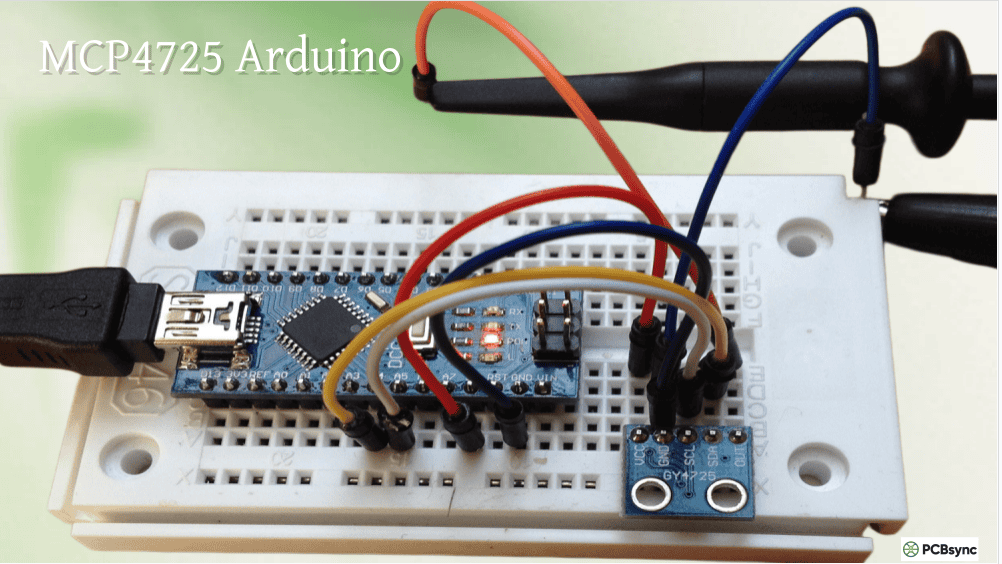
The Nano measures just 45 x 18 mm and weighs about 7 grams. Those dimensions make it breadboard-friendly by design. The pin headers are arranged so the board plugs directly into a standard breadboard, leaving rails accessible on both sides.
This form factor opens up applications the Uno simply can’t address. Wearable electronics, quadcopter flight controllers, embedded sensors in tight enclosures, and custom PCB integration all become feasible with the Nano. When you’re designing a product rather than a prototype, size matters enormously.
The Nano actually provides 8 analog inputs compared to the Uno’s 6. Those two extra channels can make a difference in sensor-heavy applications.
Trade-offs with the Nano
The compact size comes with sacrifices. The most significant is losing shield compatibility. The Nano’s pin layout doesn’t match standard Arduino shields, so you’ll need to wire peripherals manually or design custom carrier boards.
Earlier Nano versions used Mini-USB connectors, which are increasingly obsolete. Newer versions have switched to USB-C, improving durability and availability of cables. Check which version you’re buying.
The Nano lacks a DC barrel jack, limiting your power input options. You’re generally powering through USB or the VIN pin. For battery-operated projects, this is fine. For workshop prototyping with bench supplies, it’s slightly less convenient.
When to Choose Arduino Nano
The Nano makes sense when:
Physical size is a primary constraint
You’re embedding the controller permanently in a project
Breadboard prototyping is your workflow
Budget matters and you don’t need shield expansion
You’re designing a custom PCB and want a socketed microcontroller module
Arduino Mega 2560: Power and Expansion for Complex Projects
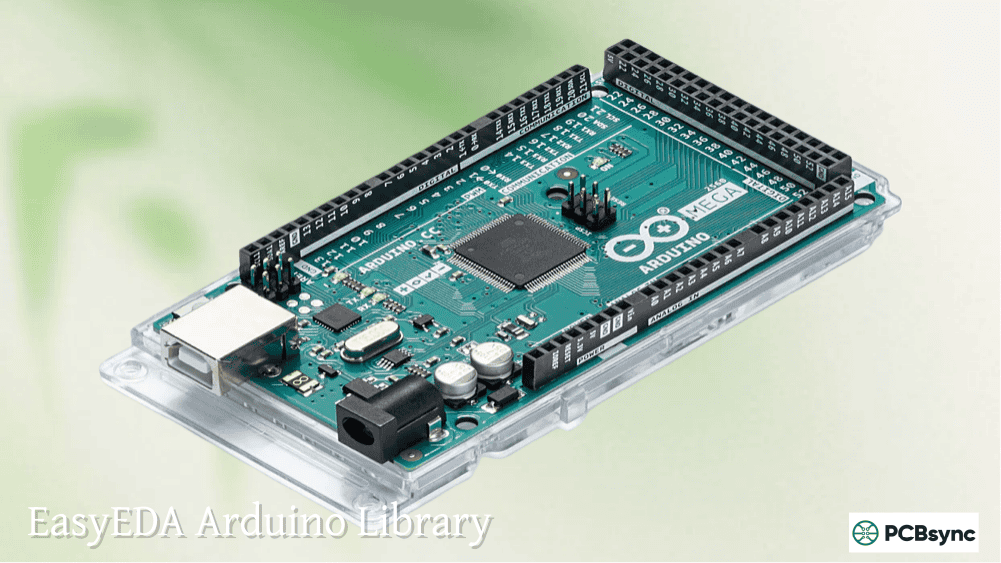
When your project outgrows the Uno’s capabilities, the Mega 2560 steps in. It’s the heavyweight of this comparison, offering dramatically more I/O, memory, and communication interfaces. The 3D printing and CNC communities have made the Mega their standard controller for good reason.
Mega Hardware Capabilities
The ATmega2560 processor provides 256 KB of flash memory, eight times what the Uno offers. SRAM increases to 8 KB, and EEPROM to 4 KB. These aren’t just bigger numbers on a spec sheet. They translate directly to running larger programs with more variables, buffers, and library instances simultaneously.
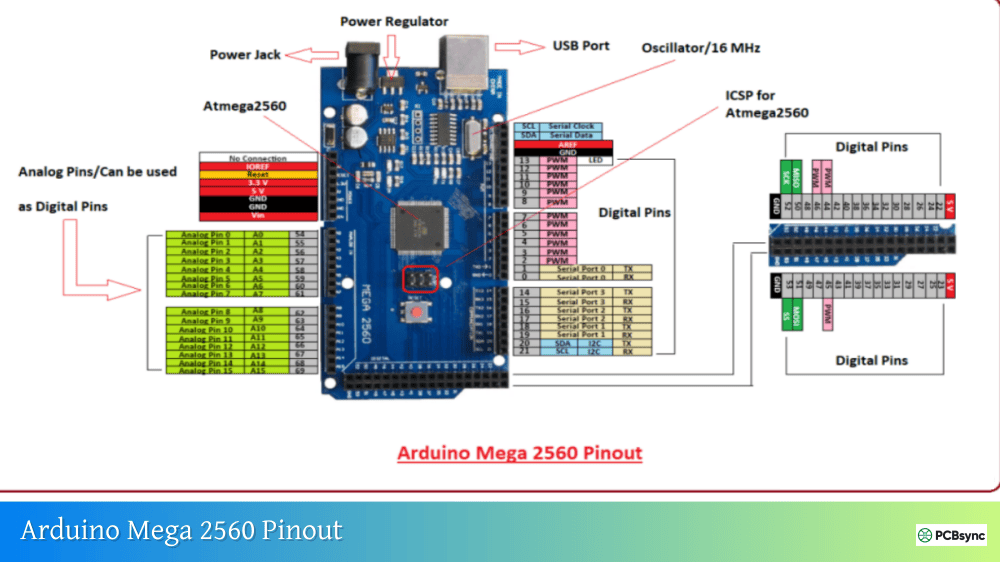
The I/O expansion is substantial. You get 54 digital pins with 15 PWM channels and 16 analog inputs. Four hardware serial ports (UARTs) allow simultaneous communication with multiple devices. For applications like controlling a 3D printer (where you’re managing stepper motors, heating elements, temperature sensors, and a display all at once), this parallel communication capability is essential.
Mega Size Considerations
The Mega measures 101.52 x 53.3 mm, making it the largest board in this comparison. It’s roughly 50% longer than the Uno. This size limits portable applications but provides ample mounting options for stationary projects.
Despite its size, the Mega maintains compatibility with most Uno shields. The pin headers on one end follow the standard Arduino layout, so shields designed for the Uno typically work. The extended row of pins just adds more capability without breaking compatibility.
What the Mega Does Best
The Mega 2560 is the right choice for:
3D printers and CNC machines running Marlin or similar firmware
Robotics projects with many motors, sensors, and actuators
Data logging systems requiring multiple serial inputs
LED installations with hundreds of individually addressable LEDs
Home automation hubs managing multiple zones and devices
Any application requiring more than 20 I/O pins
Processing Power Comparison: Understanding What Clock Speed Really Means
All three boards run at 16 MHz. This often confuses people. If the clock speeds are identical, how is the Mega “more powerful”?
The answer lies in memory, not raw processing speed. Each instruction executes at the same rate across all three boards. But the Mega can store larger programs, maintain more variables in RAM, and handle more simultaneous peripherals through its additional hardware serial ports.
Memory Type
Uno/Nano
Mega
Impact
Flash (Program)
32 KB
256 KB
Larger sketches with more libraries
SRAM (Variables)
2 KB
8 KB
More runtime data, larger arrays
EEPROM (Storage)
1 KB
4 KB
More persistent settings
If your sketch compiles under 32 KB and uses minimal RAM, you won’t see performance differences between these boards. The distinction matters when you’re pushing limits.
Shield and Peripheral Compatibility
Shield compatibility influences how quickly you can prototype. Here’s the breakdown:
Compatibility
Uno
Nano
Mega
Standard Arduino Shields
Full
None
Most
Breadboard Mounting
Awkward
Direct
No
Custom PCB Integration
Moderate
Excellent
Limited
Click Boards
With adapter
Native
With adapter
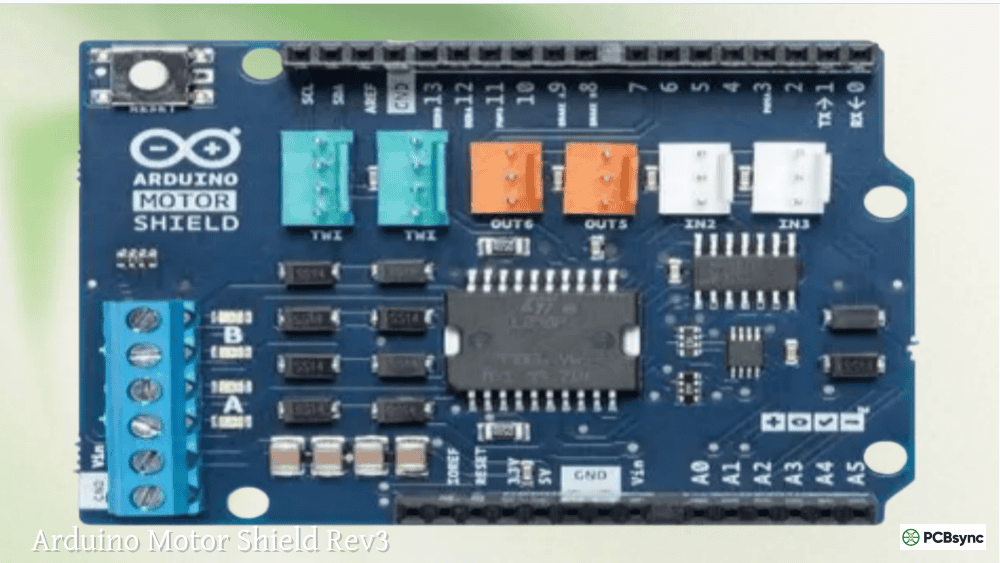
The Uno’s standardized header layout spawned an entire industry of plug-and-play expansion boards. Motor shields, LCD shields, Ethernet shields, prototyping shields—if you can imagine the functionality, someone probably made a shield for it.
The Nano abandons this ecosystem in favor of direct breadboard compatibility. For many engineers, this trade-off makes sense. Breadboards allow faster iteration than swapping shields, and you’re not locked into someone else’s design choices.
The Mega maintains shield compatibility while adding rows of additional pins. It’s the best of both worlds for complex builds.
Theory is useful, but let’s get practical. Based on projects I’ve designed and reviewed over the years, here’s when I reach for each board:
Projects That Call for Arduino Uno
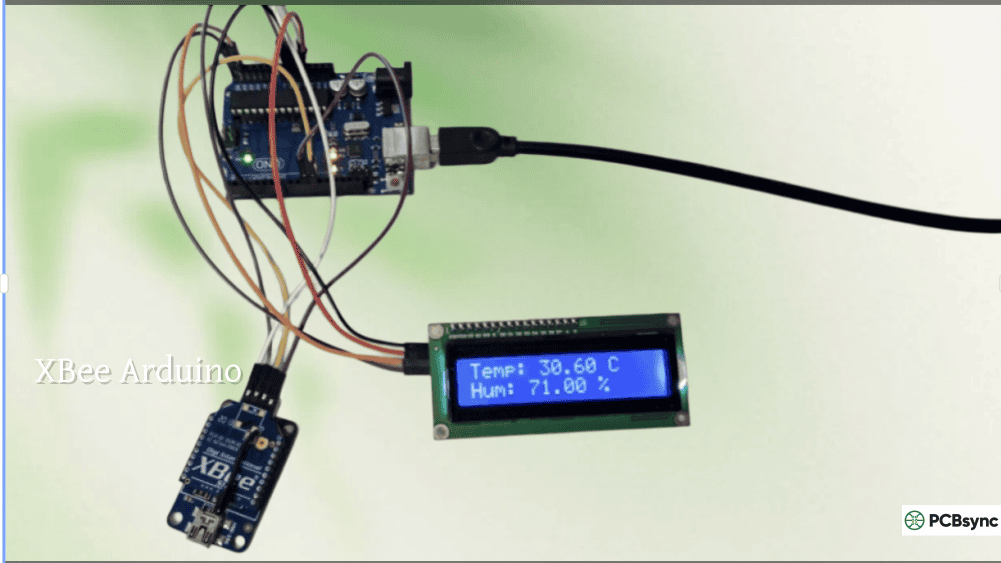
Weather Station with LCD Display: The Uno handles a DHT22 temperature/humidity sensor, BMP180 barometric pressure sensor, and 16×2 LCD without breaking a sweat. Shield compatibility lets you add an SD card logger quickly.
Basic Robotics Platform: A two-motor robot with ultrasonic sensors and IR line followers fits comfortably within the Uno’s I/O budget. Motor shields make wiring straightforward.
Home Security Sensors: PIR motion sensors, door/window contact switches, and a buzzer alarm work well on the Uno. The form factor suits wall-mounted enclosures.
Projects That Call for Arduino Nano
Quadcopter Flight Controller: Size and weight matter in aircraft. The Nano provides enough I/O for IMU sensors, ESC signals, and receiver input while keeping the frame lightweight.
Wearable Health Monitor: Heart rate sensors and accelerometers fit the Nano’s I/O, and the small form factor enables integration into wristbands or clothing.
Automotive Diagnostics Tool: An OBD-II reader needs to fit in a car’s cramped spaces. The Nano handles CAN bus communication through an MCP2515 module while remaining portable.
Projects That Call for Arduino Mega
3D Printer Controller: Running Marlin firmware to manage five stepper motors, heating elements, thermistors, endstops, and an LCD display requires the Mega’s extensive I/O and memory.
LED Video Wall: Hundreds of WS2812B LEDs need significant RAM for frame buffers. The Mega’s 8 KB SRAM prevents flickering and enables smooth animations.
Aquaponics System: Monitoring pH, dissolved oxygen, temperature, water level, and controlling pumps, aerators, and lighting across multiple grow beds requires more I/O than the Uno provides.
Cost Analysis: Getting Value From Your Budget
Pricing varies by source and authenticity. Official Arduino boards cost more than clones but offer quality assurance and support the open-source project. Here’s what to expect:
Board
Official Price
Clone Price
Value Proposition
Uno
$25-28
$5-12
Best tutorial support
Nano
$22-25
$3-8
Lowest per-project cost
Mega
$42-48
$10-18
Cheapest per-pin
For learning, I recommend starting with an official Uno. The documentation quality and guaranteed compatibility reduce frustration when troubleshooting.
For production or multiple prototypes, quality clones from reputable sellers (like those using genuine FTDI or CH340G USB chips) offer significant savings without reliability concerns.
Common Mistakes and How to Avoid Them
After reviewing hundreds of beginner projects, certain mistakes appear repeatedly:
Choosing the Mega for Simple Projects: The Mega isn’t “better” than the Uno for basic applications. It’s bigger, more expensive, and uses more power. If you don’t need the extra I/O or memory, you’re wasting resources.
Ignoring Shield Compatibility with Nano: Engineers plan a Nano-based project, then realize they wanted to use a shield. Know your peripheral strategy before committing to a form factor.
Underestimating Memory Usage: String manipulation, multiple libraries, and large arrays consume SRAM fast. Test memory usage with the Arduino IDE’s compiler output and consider the Mega if you’re consistently over 70% usage on an Uno.
Not Planning for Power: The Nano’s lack of a barrel jack and the Mega’s higher current draw need consideration. Verify your power supply strategy before finalizing the design.
Useful Resources for Arduino Development
These resources have proven valuable across hundreds of projects:
Official Documentation
Arduino Official Site: https://www.arduino.cc/
Arduino Language Reference: https://www.arduino.cc/reference/en/
Frequently Asked Questions About Arduino Uno vs Nano vs Mega
Can I use the same code on Arduino Uno, Nano, and Mega?
In most cases, yes. All three boards use the same Arduino IDE and share compatible libraries. Code written for the Uno typically runs on the Nano without modification since they use the same ATmega328P processor. The Mega uses a different processor (ATmega2560), but the Arduino abstraction layer handles most differences automatically. You may need to adjust pin assignments if your code references pins that don’t exist on a particular board.
Is Arduino Nano better than Uno for beginners?
The Uno is generally better for beginners despite the Nano’s lower price. The Uno’s larger form factor makes connections easier to visualize and debug. Shield compatibility lets beginners quickly test peripherals without wiring mistakes. The extensive tutorial ecosystem around the Uno means finding help for specific problems is easier. Start with the Uno, then move to the Nano when you understand the platform and have specific size requirements.
Why do 3D printers use Arduino Mega instead of Uno?
3D printers require controlling multiple stepper motors (usually 4-5), reading multiple temperature sensors, managing heating elements, processing LCD input, and reading SD cards simultaneously. This demands more I/O pins than the Uno provides (54 digital vs 14) and more memory for the complex Marlin firmware (256 KB vs 32 KB). The Mega’s four serial ports also allow simultaneous communication with displays and computers without conflicts.
What are the main differences between Arduino Nano and Mega?
The Nano is small (45 x 18 mm), breadboard-compatible, and uses the ATmega328P with 32 KB flash and 14 digital pins. The Mega is large (101.52 x 53.3 mm), shield-compatible, and uses the ATmega2560 with 256 KB flash and 54 digital pins. Choose the Nano for compact projects with modest I/O needs. Choose the Mega for complex projects requiring many pins, large programs, or multiple serial communications.
Can Arduino Mega replace both Uno and Nano in all projects?
Technically yes, but practically no. The Mega can run any code that works on Uno or Nano, and its pin count covers any I/O requirement. However, the Mega’s physical size prevents use in compact applications where the Nano fits. Its higher cost ($42-48 vs $15-25) makes it wasteful for simple projects. Its greater power consumption drains batteries faster in portable applications. Match the board to your project requirements rather than defaulting to the most capable option.
Making Your Final Decision
Choosing between Arduino Uno vs Nano vs Mega comes down to matching board capabilities to project requirements. There’s no universally “best” board, only the best board for your specific application.
Choose the Arduino Uno when you’re learning, prototyping with shields, building moderate-complexity projects, or want maximum community support.
Choose the Arduino Nano when size matters, you’re embedding the controller in a final product, working on a breadboard, or designing a custom PCB.
Choose the Arduino Mega when you need extensive I/O, running memory-intensive firmware, building 3D printers or CNC machines, or managing multiple serial peripherals.
The good news is that Arduino’s standardized programming environment means switching boards later isn’t catastrophic. You’ll adjust pin definitions and possibly rethink your enclosure, but your code investment carries forward. Start with what makes sense for your current project, learn from the experience, and make different choices when future projects demand them.
That’s how engineers work. We make informed decisions with available information, then iterate based on results. Pick a board, build something, and learn what works for your workflow. The specifications I’ve outlined here give you the foundation. The rest comes from hands-on experience that no comparison article can replace.
Inquire: Call 0086-755-23203480, or reach out via the form below/your sales contact to discuss our design, manufacturing, and assembly capabilities.
Quote: Email your PCB files to Sales@pcbsync.com (Preferred for large files) or submit online. We will contact you promptly. Please ensure your email is correct.
Notes: For PCB fabrication, we require PCB design file in Gerber RS-274X format (most preferred), *.PCB/DDB (Protel, inform your program version) format or *.BRD (Eagle) format. For PCB assembly, we require PCB design file in above mentioned format, drilling file and BOM. Click to download BOM template To avoid file missing, please include all files into one folder and compress it into .zip or .rar format.