Inquire: Call 0086-755-23203480, or reach out via the form below/your sales contact to discuss our design, manufacturing, and assembly capabilities.
Quote: Email your PCB files to Sales@pcbsync.com (Preferred for large files) or submit online. We will contact you promptly. Please ensure your email is correct.
Notes: For PCB fabrication, we require PCB design file in Gerber RS-274X format (most preferred), *.PCB/DDB (Protel, inform your program version) format or *.BRD (Eagle) format. For PCB assembly, we require PCB design file in above mentioned format, drilling file and BOM. Click to download BOM template To avoid file missing, please include all files into one folder and compress it into .zip or .rar format.
Arduino Uno R3: Complete Beginner’s Guide (Pinout, Specs & First Project)
As a PCB engineer who has worked with countless development boards over the past decade, I can tell you that the Arduino Uno R3 remains the gold standard for learning embedded systems. Whether you’re a hobbyist looking to build your first blinking LED project or an engineering student preparing for a career in electronics, understanding this board inside and out is absolutely essential.
In this comprehensive guide, I’ll walk you through everything you need to know about the Arduino Uno R3—from its technical specifications and pinout diagram to building your very first project. By the end of this article, you’ll have the confidence to start creating your own electronic projects.
The Arduino Uno R3 is a microcontroller development board based on the ATmega328P chip manufactured by Microchip (formerly Atmel). Released in 2011 as the third revision of the original Uno, it quickly became the most popular Arduino board in the entire family—and for good reason.
“Uno” means “one” in Italian, and this board was named to mark the release of Arduino Software (IDE) 1.0. The R3 designation indicates it’s the third revision, which introduced several improvements over earlier versions including the ATmega16U2 chip for USB-to-serial conversion and additional pins near the AREF and RESET headers.
What makes the Arduino Uno R3 stand out is its perfect balance between simplicity and capability. The board features a socketed DIP (Dual In-line Package) microcontroller, which means if you accidentally fry the chip (it happens to all of us), you can pop it out and replace it for a few dollars rather than buying an entirely new board.
Arduino Uno R3 Technical Specifications
Before diving into any microcontroller project, I always review the specifications to ensure the board can handle my requirements. Here’s a complete breakdown of the Arduino Uno R3 specs:
Core Specifications Table
Parameter
Specification
Microcontroller
ATmega328P
Operating Voltage
5V
Input Voltage (Recommended)
7-12V
Input Voltage (Limit)
6-20V
Digital I/O Pins
14 (6 PWM capable)
Analog Input Pins
6
DC Current per I/O Pin
20mA (40mA max)
DC Current for 3.3V Pin
50mA
Flash Memory
32KB (0.5KB bootloader)
SRAM
2KB
EEPROM
1KB
Clock Speed
16MHz
USB Connector
USB Type-B
Board Dimensions
68.6mm x 53.4mm
Weight
Approximately 25g
Processor Details
The ATmega328P at the heart of the Arduino Uno R3 is an 8-bit AVR microcontroller running at 16MHz. The “328P” designation breaks down as follows: 32 represents 32KB of flash memory, 8 indicates the 8-bit architecture, and P stands for “Pico-power” (reduced power consumption under certain conditions).
The processor includes:
Two 8-bit timers
One 16-bit timer
One watchdog timer
Six PWM channels
10-bit ADC (Analog-to-Digital Converter) with 6 channels
Memory Architecture
Understanding the memory structure is crucial when developing more complex projects:
Memory Type
Size
Purpose
Flash Memory
32KB
Stores your program code
SRAM
2KB
Runtime variables and stack
EEPROM
1KB
Non-volatile data storage
The bootloader occupies 0.5KB of flash memory, leaving you with 31.5KB for your sketches. While this might seem limited compared to modern computers, it’s plenty for most beginner and intermediate projects.
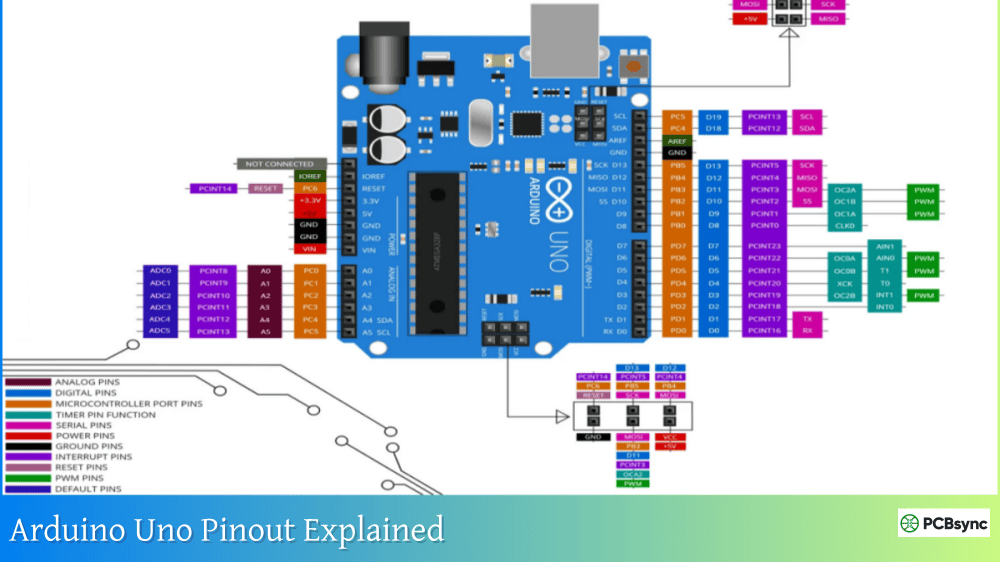
Arduino Uno R3 Pinout Diagram Explained
The pinout is where things get interesting. Understanding each pin’s function is essential for connecting sensors, actuators, and other components correctly.
Power Pins
Pin
Function
Description
VIN
Voltage Input
External power source (7-12V recommended)
5V
Regulated Output
Provides 5V from regulator or USB
3.3V
Regulated Output
Provides 3.3V (50mA max)
GND
Ground
Common ground reference (5 pins total)
IOREF
Reference Voltage
Indicates operating voltage to shields
RESET
Reset Pin
Low pulse resets the microcontroller
The Arduino Uno R3 can be powered through the USB connection, the barrel jack (2.1mm center-positive plug), or the VIN pin. The board automatically selects the higher voltage source between USB and external power.
Digital Pins (D0-D13)
The 14 digital pins can function as inputs or outputs using the pinMode(), digitalWrite(), and digitalRead() functions. They operate at 5V logic levels and can source or sink up to 20mA (recommended) or 40mA (absolute maximum).
Pin
Special Function
Details
D0 (RX)
Serial Receive
Hardware serial input
D1 (TX)
Serial Transmit
Hardware serial output
D2
External Interrupt 0
INT0 trigger
D3 ~
External Interrupt 1, PWM
INT1 trigger, Timer2 PWM
D4
–
General purpose I/O
D5 ~
PWM
Timer0 PWM output
D6 ~
PWM
Timer0 PWM output
D7
–
General purpose I/O
D8
–
General purpose I/O
D9 ~
PWM
Timer1 PWM output
D10 ~
PWM, SPI SS
Timer1 PWM, SPI Slave Select
D11 ~
PWM, SPI MOSI
Timer2 PWM, SPI Master Out
D12
SPI MISO
SPI Master In
D13
SPI SCK, Built-in LED
SPI Clock, onboard LED
The tilde (~) symbol on pins 3, 5, 6, 9, 10, and 11 indicates PWM (Pulse Width Modulation) capability. PWM is essential for controlling motor speeds, LED brightness, and generating analog-like signals.
Analog Pins (A0-A5)
The six analog input pins use a 10-bit ADC to convert analog voltages (0-5V) into digital values (0-1023). This gives you a resolution of approximately 4.88mV per step (5V/1024).
Pin
Alternate Function
Description
A0
–
Analog input channel 0
A1
–
Analog input channel 1
A2
–
Analog input channel 2
A3
–
Analog input channel 3
A4
SDA (I2C)
Analog input / I2C data
A5
SCL (I2C)
Analog input / I2C clock
The analog pins can also function as digital I/O pins (D14-D19) when needed, giving you flexibility in your designs.
Communication Protocols
The Arduino Uno R3 supports three main communication protocols:
UART (Serial): Pins D0 (RX) and D1 (TX) provide hardware serial communication. The ATmega16U2 chip handles USB-to-serial conversion, allowing you to communicate with your computer.
I2C (TWI): Pins A4 (SDA) and A5 (SCL) support the I2C protocol for connecting multiple devices on a two-wire bus. Common I2C devices include OLED displays, real-time clocks, and various sensors.
SPI: Pins D10 (SS), D11 (MOSI), D12 (MISO), and D13 (SCK) form the SPI bus for high-speed communication with devices like SD cards, TFT displays, and some sensors.
Key Components on the Arduino Uno R3 Board
Beyond the pins, understanding the board’s components helps with troubleshooting and advanced projects.
ATmega328P Microcontroller
The main processor sits in a 28-pin DIP socket, making it easily replaceable. This socketed design is unique to the Uno among popular Arduino boards and is one reason it’s recommended for beginners.
ATmega16U2 USB Interface
Unlike earlier boards that used FTDI chips, the Uno R3 uses an ATmega16U2 microcontroller programmed as a USB-to-serial converter. This provides better performance and allows advanced users to modify the USB behavior.
Voltage Regulator
The NCP1117 (or similar) voltage regulator converts the input voltage (7-12V recommended) to a stable 5V for the microcontroller and components. Using voltages outside the recommended range can cause the regulator to overheat or provide unstable power.
Crystal Oscillator
A 16MHz ceramic resonator provides the clock signal for the ATmega328P. While less precise than a crystal, it’s adequate for most applications and keeps costs down.
Reset Button
Pressing the reset button restarts your program from the beginning. This is useful during development and debugging.
Power and Status LEDs
The board includes several indicator LEDs:
ON LED: Indicates power is supplied to the board
TX/RX LEDs: Flash during serial communication
L LED (Pin 13): Connected to digital pin 13 for testing
ICSP Headers
Two 6-pin ICSP (In-Circuit Serial Programming) headers are provided—one for the ATmega328P and another for the ATmega16U2. These allow direct programming without the bootloader and are used for burning the bootloader onto new chips.
Arduino Uno R3 vs Other Arduino Boards
Choosing the right Arduino board depends on your project requirements. Here’s how the Uno R3 compares to other popular options:
Feature
Arduino Uno R3
Arduino Nano
Arduino Mega 2560
Microcontroller
ATmega328P
ATmega328P
ATmega2560
Operating Voltage
5V
5V
5V
Digital I/O Pins
14
14
54
Analog Input Pins
6
8
16
PWM Pins
6
6
15
Flash Memory
32KB
32KB
256KB
SRAM
2KB
2KB
8KB
EEPROM
1KB
1KB
4KB
Clock Speed
16MHz
16MHz
16MHz
USB Connector
Type-B
Mini-USB
Type-B
Size
68.6 x 53.4mm
45 x 18mm
101.5 x 53.3mm
Shield Compatible
Yes
No
Yes
Price Range
~$25-28
~$20-25
~$35-40
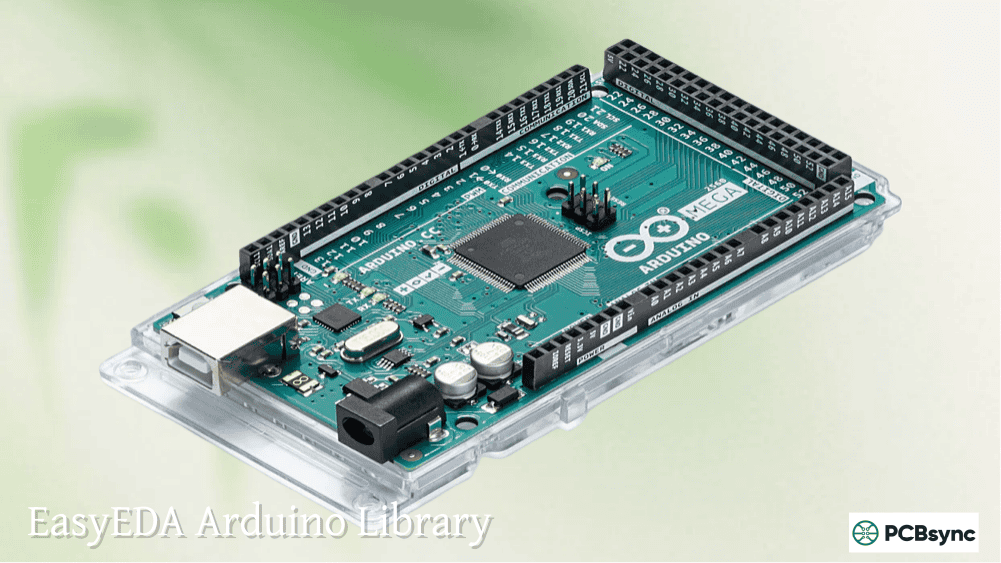
The Arduino Uno R3 is ideal for beginners because of its extensive documentation, shield compatibility, and replaceable microcontroller. The Nano offers the same processing power in a smaller package for breadboard projects, while the Mega provides more I/O and memory for complex applications like 3D printers and robotics.
Setting Up Your Arduino Uno R3
Before building your first project, you need to set up the development environment.
Installing the Arduino IDE
The Arduino IDE (Integrated Development Environment) is free software used to write, compile, and upload code to your board.
Download the latest version from the official Arduino website (arduino.cc). The IDE is available for Windows, macOS, and Linux. Installation is straightforward—run the installer and follow the prompts.
Connecting Your Board
Connect the Arduino Uno R3 to your computer using a USB Type-B cable (the same type used by many printers). The board should power on, indicated by the green ON LED.
In the Arduino IDE:
Go to Tools → Board and select “Arduino Uno”
Go to Tools → Port and select the COM port assigned to your Arduino
On Windows, you might see something like “COM3” or “COM4.” On macOS and Linux, it typically appears as “/dev/tty.usbmodem” or “/dev/ttyUSB0.”
Verifying the Connection
Upload the Blink example to verify everything works:
Go to File → Examples → 01.Basics → Blink
Click the Upload button (right arrow icon)
Wait for “Done uploading” message
If successful, the LED connected to pin 13 will blink on and off every second. Congratulations—you’ve just uploaded your first Arduino program!
Your First Arduino Uno R3 Project: LED Blink
Let’s build a simple LED blinking circuit from scratch to understand the fundamentals.
Components Needed
Component
Quantity
Description
Arduino Uno R3
1
Development board
LED (5mm)
1
Any color
Resistor
1
220Ω (Red-Red-Brown)
Breadboard
1
Mini or half-size
Jumper Wires
2
Male-to-male
Understanding the Circuit
An LED (Light Emitting Diode) is a polarized component, meaning current can only flow in one direction. The longer leg is the anode (positive), and the shorter leg is the cathode (negative).
The resistor limits current to protect both the LED and the Arduino pin. Using Ohm’s Law (V = IR) with a 5V supply, typical LED forward voltage of 2V, and target current of 15mA:
R = (5V – 2V) / 0.015A = 200Ω
A 220Ω resistor is the closest common value and works perfectly.
Circuit Connections
Insert the LED into the breadboard with legs in different rows
Connect one end of the 220Ω resistor to the LED’s anode (long leg)
Connect the other end of the resistor to digital pin 9 on the Arduino
Connect the LED’s cathode (short leg) to a GND pin on the Arduino
The Code
/*
* LED Blink – Your First Arduino Project
* Turns an LED on for one second, then off for one second, repeatedly.
*/
// Define the pin connected to the LED
const int ledPin = 9;
// Setup runs once when you power on or reset the board
void setup() {
// Configure ledPin as an output
pinMode(ledPin, OUTPUT);
}
// Loop runs continuously
void loop() {
digitalWrite(ledPin, HIGH); // Turn the LED on (5V)
delay(1000); // Wait for 1 second (1000 milliseconds)
digitalWrite(ledPin, LOW); // Turn the LED off (0V)
delay(1000); // Wait for 1 second
}
Uploading and Testing
Connect your Arduino Uno R3 to your computer
Open the Arduino IDE and paste the code above
Select the correct board and port under Tools
Click Upload (or press Ctrl+U)
Watch your LED blink!
Experimenting Further
Try modifying the code to create different patterns:
Change the delay values to make the LED blink faster or slower
Create an SOS pattern using Morse code timing
Add a second LED on a different pin for alternating blinks
Common Beginner Mistakes and How to Avoid Them
After years of teaching Arduino to newcomers, I’ve seen these mistakes repeatedly:
Connecting LEDs without resistors: This can instantly damage the LED or the Arduino pin. Always calculate and use appropriate current-limiting resistors.
Exceeding pin current limits: Each digital pin can safely provide 20mA. Drawing more current, especially from multiple pins simultaneously, can damage the microcontroller.
Powering motors directly from Arduino: Motors require more current than the Arduino can provide. Use motor drivers or relays for anything beyond small hobby motors.
Forgetting to set pinMode: Pins default to input mode. If your outputs aren’t working, verify you’ve used pinMode(pin, OUTPUT) in setup().
Using pins 0 and 1 while using Serial: These pins are shared with the USB serial connection. Avoid using them for other purposes when serial communication is needed.
Incorrect wiring polarity: Always double-check your connections before powering on. Reversed polarity on the power supply or components like electrolytic capacitors can cause permanent damage.
Not using bypass capacitors: When working with sensors or other sensitive components, adding 100nF bypass capacitors close to the power pins helps filter noise and prevents erratic behavior.
Troubleshooting Your Arduino Uno R3
Even experienced engineers encounter issues. Here’s how to diagnose and fix common problems:
Board Not Detected by Computer
If your Arduino Uno R3 doesn’t appear in the port menu, try these steps in order:
First, verify the USB cable works. Many USB cables are charge-only and lack data lines. Test with a different cable that you know supports data transfer.
Second, check if the green power LED illuminates when connected. If not, the cable or USB port might be faulty. Try a different USB port, preferably one directly connected to the motherboard rather than through a hub.
Third, on Windows, open Device Manager and look for unknown devices or exclamation marks under “Ports (COM & LPT)” or “Other devices.” You may need to install drivers manually for clone boards using the CH340 chip.
Fourth, on macOS or Linux, open Terminal and run “ls /dev/tty.*” to list serial ports. Your Arduino should appear as something like “/dev/tty.usbmodem” or “/dev/ttyUSB0.”
“avrdude: stk500_recv(): programmer is not responding” – This usually indicates a communication problem. Press the reset button just before the IDE shows “Uploading…” Sometimes the timing helps establish connection.
“avrdude: ser_open(): can’t open device” – The selected port is incorrect or in use by another program. Close any Serial Monitor windows and other applications that might be using the port.
“Sketch too big” – Your program exceeds the available 32KB flash memory. Optimize your code by removing unused libraries, reducing string usage, and using PROGMEM for constant data.
Unexpected Behavior or Random Resets
If your Arduino behaves erratically or resets unexpectedly, consider these causes:
Power supply issues are the most common culprit. If you’re powering external components through the Arduino, the onboard regulator might be overloaded. Use an external power supply for motors, servos, or multiple LEDs.
Floating inputs can cause random readings. Always use pull-up or pull-down resistors on unused input pins, or enable the internal pull-ups with pinMode(pin, INPUT_PULLUP).
Ground loops occur when different ground paths create voltage differences. Ensure all grounds are connected at a single point, especially when using external power supplies.
Electromagnetic interference from motors, relays, or long wires can cause issues. Use shielded cables, add decoupling capacitors, and keep signal wires away from power wires.
Advanced Tips for Arduino Uno R3 Development
Once you’ve mastered the basics, these advanced techniques will improve your projects:
Optimizing Memory Usage
With only 2KB of SRAM, memory management matters. Use the F() macro for string literals to store them in flash memory instead of SRAM:
Serial.println(F(“This string is stored in flash, saving SRAM”));
Choose appropriate data types. Use byte (0-255) instead of int (16-bit) when possible. Avoid floating-point math when integer arithmetic will suffice, as float operations are slow on 8-bit processors.
Utilizing Direct Port Manipulation
For time-critical applications, direct port manipulation is much faster than digitalWrite() and digitalRead(). Instead of writing to individual pins, you can set entire ports at once:
PORTD = B11111111; // Set all pins on PORTD HIGH simultaneously
PORTD = B00000000; // Set all pins on PORTD LOW
This technique is essential for applications requiring precise timing, such as generating custom waveforms or implementing communication protocols.
Using Interrupts Effectively
External interrupts on pins 2 and 3 allow your Arduino to respond immediately to events without constantly checking pins in your loop. This is crucial for capturing button presses, reading encoders, or responding to sensor triggers:
Keep interrupt service routines short and fast. Set flags or increment counters within the ISR, then handle the processing in your main loop.
Implementing Low Power Modes
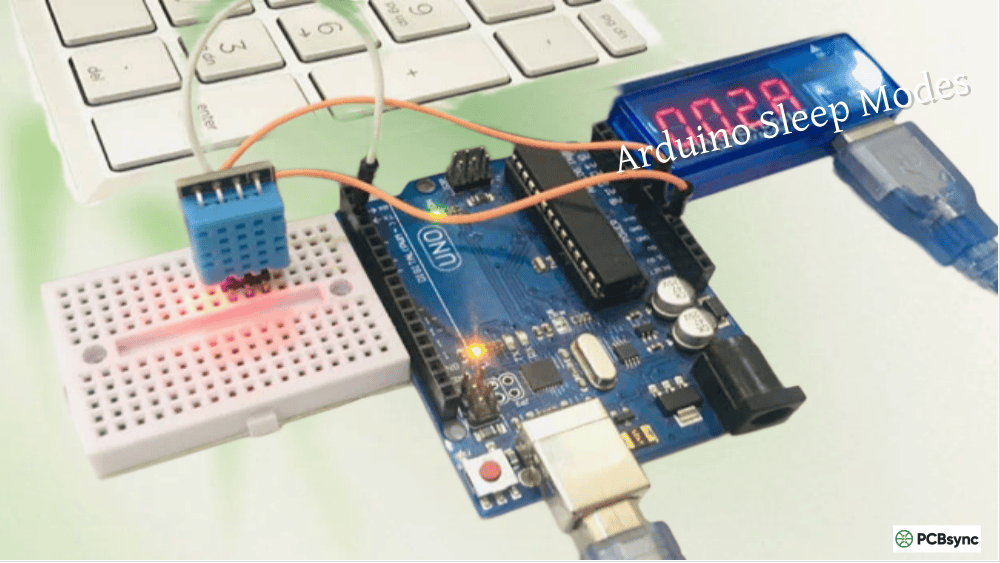
For battery-powered projects, the ATmega328P offers several sleep modes that dramatically reduce power consumption. The AVR/sleep.h library provides functions to put the processor to sleep and wake it with interrupts:
#include <avr/sleep.h>
set_sleep_mode(SLEEP_MODE_PWR_DOWN);
sleep_enable();
sleep_mode();
In power-down mode, the Arduino Uno R3 draws just a few microamps, extending battery life from hours to months.
Expanding Your Arduino Uno R3 with Shields
One of the Arduino Uno R3’s greatest advantages is shield compatibility. Shields are stackable boards that add functionality without complex wiring.
Popular Shields for Beginners
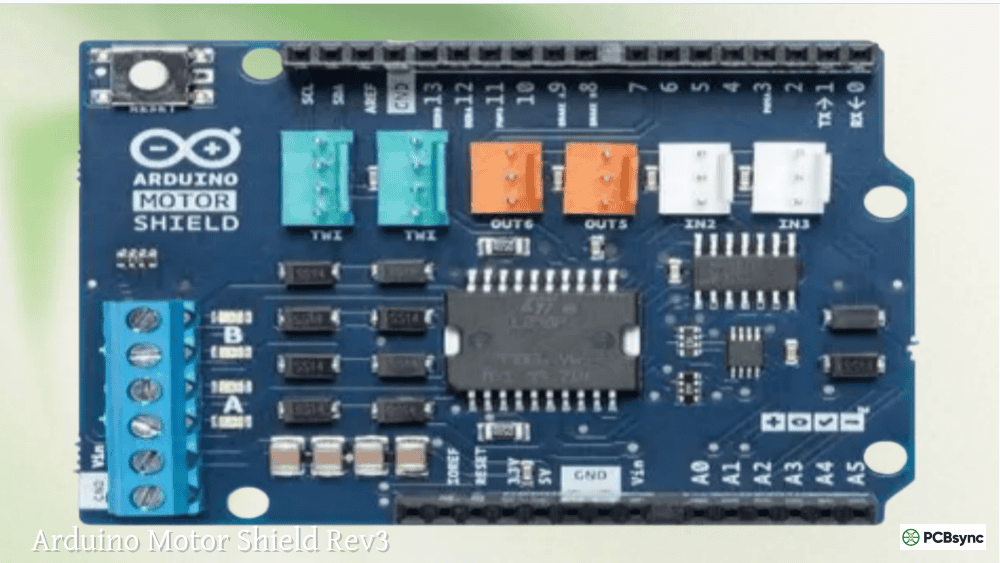
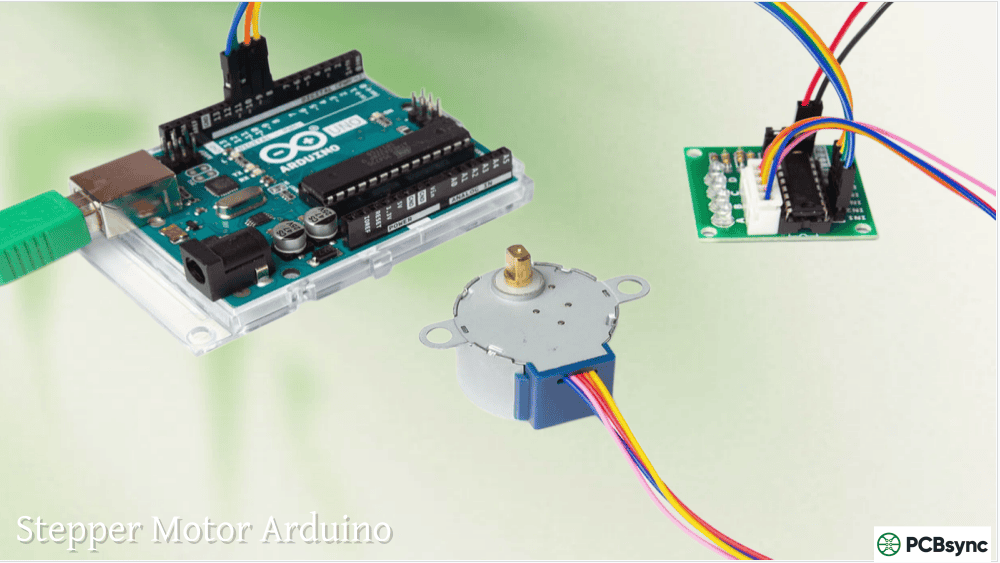
Motor Shield: Controls DC motors and stepper motors with high current capability. Essential for robotics projects.
Ethernet Shield: Adds wired network connectivity for IoT applications and web servers.
WiFi Shield: Provides wireless connectivity, though many developers now prefer ESP8266 or ESP32-based solutions.
LCD Shield: Combines a 16×2 character LCD with buttons for creating menu-driven interfaces.
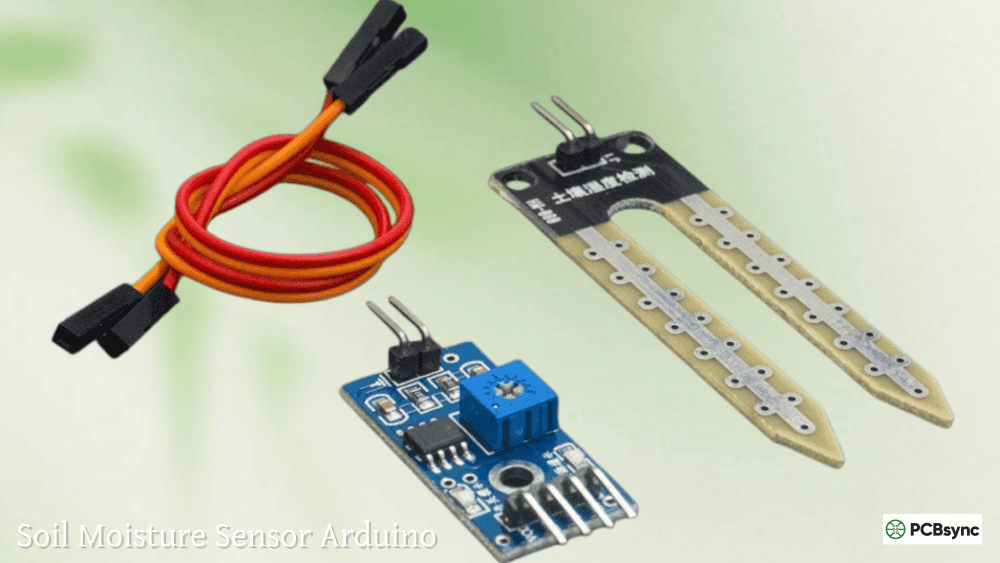
Sensor Shield: Breaks out all pins to 3-pin headers (Signal, VCC, GND) for easy sensor connections.
Data Logger Shield: Includes an SD card slot and real-time clock for recording sensor data over time.
When stacking shields, be aware that some shields use the same pins and may conflict. Always check the pin mapping documentation before combining shields.
Next Project Ideas After LED Blink
Ready to advance beyond blinking LEDs? Here are progressive project ideas:
Temperature Monitor: Use a TMP36 or DS18B20 sensor to read and display temperature on the Serial Monitor or an LCD.
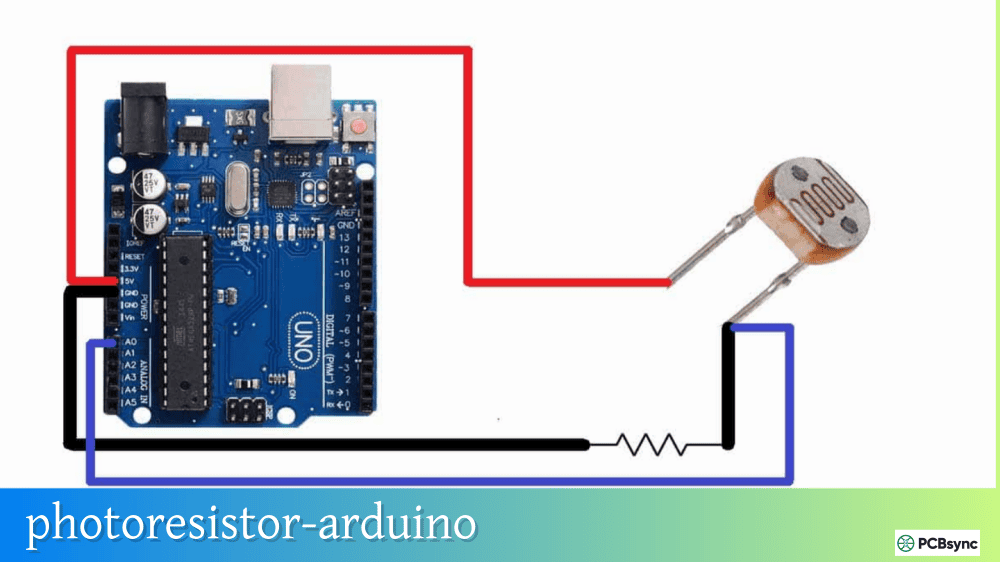
Light-Sensitive Night Light: Combine a photoresistor (LDR) with an LED to create a light that automatically turns on when it gets dark.
Ultrasonic Distance Meter: The HC-SR04 sensor measures distances using sound waves—perfect for obstacle detection or parking sensors.
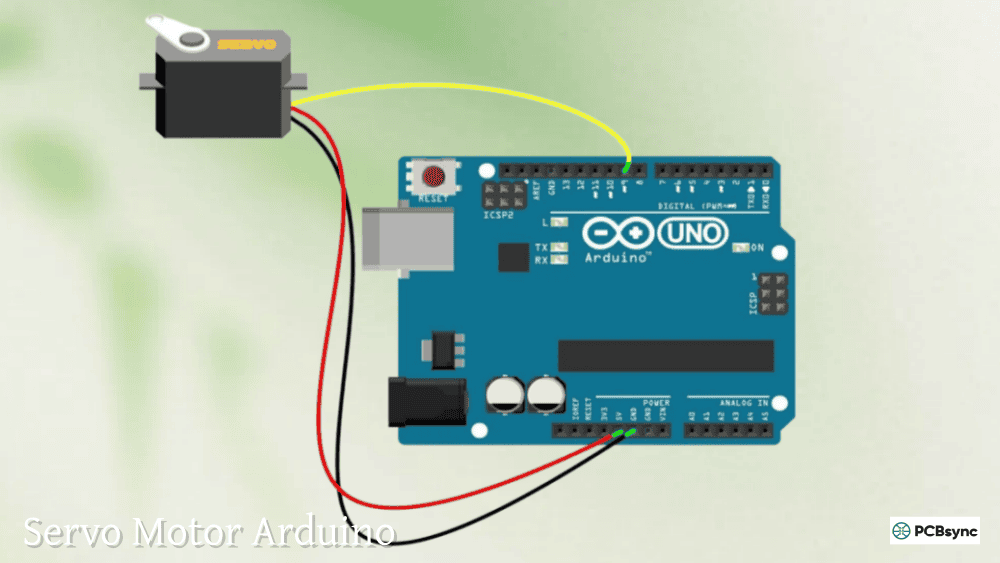
Servo-Controlled Pan-Tilt System: Learn PWM control by moving servos based on potentiometer inputs or predefined sequences.
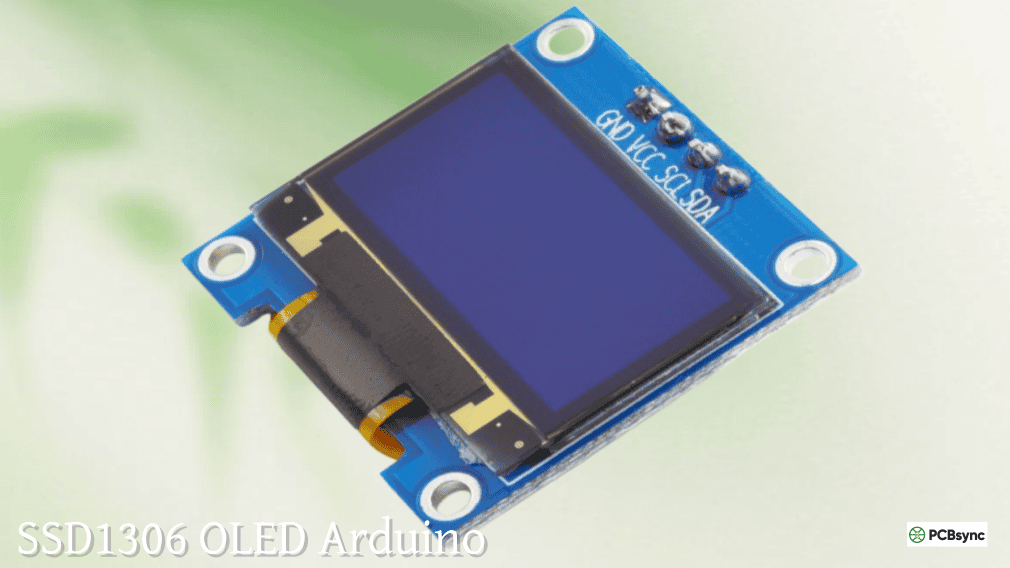
I2C OLED Display Projects: Connect a small OLED display via I2C to create visual interfaces for your projects.
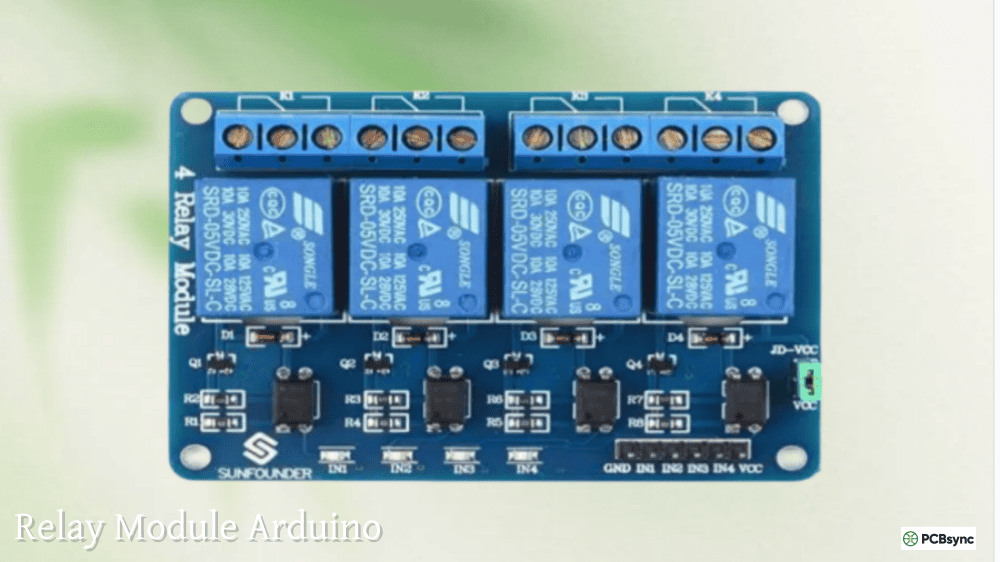
Simple Home Automation: Control lights and appliances using relay modules triggered by sensors or buttons.
Each project builds on previous knowledge while introducing new concepts and components. Document your progress, and don’t be afraid to modify projects to suit your interests.
Useful Resources for Arduino Uno R3 Development
Here are valuable resources I recommend to all my students:
Official Resources
Resource
URL
Description
Arduino Documentation
docs.arduino.cc
Official tutorials and reference
Arduino Project Hub
projecthub.arduino.cc
Community project showcase
Arduino Forum
forum.arduino.cc
Community support and discussions
Arduino Store
store.arduino.cc
Official boards and accessories
Datasheets and Technical Documents
Document
Purpose
ATmega328P Datasheet
Complete microcontroller specifications
Arduino Uno R3 Schematic
Official circuit design
Arduino Uno R3 Pinout PDF
High-resolution pin diagram
Arduino Language Reference
Programming function documentation
Recommended Learning Platforms
For structured learning, consider Tinkercad Circuits for simulation, which lets you build and test Arduino projects virtually before purchasing components. Additionally, the Arduino website’s getting started guide and example sketches provide an excellent foundation.
Frequently Asked Questions About Arduino Uno R3
Can I power the Arduino Uno R3 with a battery?
Yes, you can power the Arduino Uno R3 with batteries in several ways. A 9V battery connected to the barrel jack works well for portable projects, though it will drain relatively quickly. For longer runtime, consider a 4xAA battery holder (6V) connected to the VIN and GND pins, or a USB power bank connected to the USB port. The recommended input voltage range is 7-12V for stable operation.
What’s the difference between Arduino Uno R3 and Arduino Uno R4?
The Arduino Uno R4, released in 2023, uses a more powerful 32-bit Renesas RA4M1 ARM Cortex-M4 processor running at 48MHz. It offers more memory (256KB flash, 32KB SRAM), higher ADC resolution (14-bit vs 10-bit), and comes in two variants—the R4 Minima and R4 WiFi. However, the R3 remains popular due to its extensive library support, shield compatibility, and lower cost.
How do I know if my Arduino Uno R3 is genuine or a clone?
Genuine Arduino boards feature the Arduino logo, official branding, and typically use teal-colored PCBs with high-quality solder joints. Clone boards often use different colors (commonly blue), may have different chip labels, and generally cost significantly less. While quality clones work fine for learning, genuine boards provide better support and quality control.
Can the Arduino Uno R3 handle multiple sensors simultaneously?
Absolutely. The Arduino Uno R3 can read multiple sensors by connecting them to different pins. Analog sensors use A0-A5, digital sensors use D2-D13, and I2C sensors share A4/A5 but have unique addresses. The main limitations are the number of available pins, available memory for your program, and ensuring you don’t exceed current limits.
Is the Arduino Uno R3 still worth learning in 2024 and beyond?
Definitely. Despite newer boards being available, the Arduino Uno R3 remains the most documented and supported development board in existence. The skills you learn transfer directly to other Arduino boards and even different microcontroller platforms. Many professional projects still use the ATmega328P at their core, making this knowledge directly applicable to real-world engineering.
Conclusion
The Arduino Uno R3 has earned its reputation as the best entry point into embedded systems and electronics. Its thoughtful design, extensive documentation, and forgiving nature make it perfect for beginners, while its capabilities are sufficient for many intermediate and professional applications.
Now that you understand the Arduino Uno R3’s specifications, pinout, and have completed your first project, you’re ready to explore more complex builds. Start with simple projects—temperature monitors, light sensors, and motor control—then gradually work your way up to more ambitious creations like robots, home automation systems, and IoT devices.
The most important thing is to start building. Each project teaches you something new, and before you know it, you’ll be designing your own custom Arduino-based solutions. Welcome to the world of embedded systems—your journey has just begun.
Inquire: Call 0086-755-23203480, or reach out via the form below/your sales contact to discuss our design, manufacturing, and assembly capabilities.
Quote: Email your PCB files to Sales@pcbsync.com (Preferred for large files) or submit online. We will contact you promptly. Please ensure your email is correct.
Notes: For PCB fabrication, we require PCB design file in Gerber RS-274X format (most preferred), *.PCB/DDB (Protel, inform your program version) format or *.BRD (Eagle) format. For PCB assembly, we require PCB design file in above mentioned format, drilling file and BOM. Click to download BOM template To avoid file missing, please include all files into one folder and compress it into .zip or .rar format.