Inquire: Call 0086-755-23203480, or reach out via the form below/your sales contact to discuss our design, manufacturing, and assembly capabilities.
Quote: Email your PCB files to Sales@pcbsync.com (Preferred for large files) or submit online. We will contact you promptly. Please ensure your email is correct.
Notes: For PCB fabrication, we require PCB design file in Gerber RS-274X format (most preferred), *.PCB/DDB (Protel, inform your program version) format or *.BRD (Eagle) format. For PCB assembly, we require PCB design file in above mentioned format, drilling file and BOM. Click to download BOM template To avoid file missing, please include all files into one folder and compress it into .zip or .rar format.
Arduino Smart Home: IoT Automation Projects That Transform Your Living Space
Walking into your home after a long day, the lights automatically adjust to your preferred ambiance, the temperature is perfect, and your favorite music starts playing. This isn’t science fiction anymore. With Arduino microcontrollers and some creativity, you can build this smart home ecosystem yourself, and it’s more accessible than you might think.
As a PCB engineer who has worked on hundreds of embedded systems projects, I’ve seen firsthand how Arduino has democratized home automation. What once required expensive proprietary systems and professional installation can now be achieved with off-the-shelf components costing less than a dinner for two. The real power isn’t just in the cost savings though—it’s in the customization and learning experience.
Arduino smart home automation represents the intersection of hardware, software, and practical problem-solving. Unlike commercial smart home systems that lock you into specific ecosystems, Arduino-based solutions give you complete control over every aspect of your home automation.
What Makes Arduino Ideal for Smart Home Projects
Arduino boards are particularly well-suited for home automation because they strike an optimal balance between capability and simplicity. The platform offers sufficient processing power for most automation tasks while maintaining low power consumption. More importantly, the Arduino ecosystem provides extensive library support for virtually every sensor and actuator you might need.
The open-source nature of Arduino means you’re never locked into proprietary protocols. Your temperature sensor from one project can work seamlessly with your lighting controller from another. This modularity is exactly what home automation needs—flexibility to grow and adapt as your requirements change.
Core Components Every Arduino Smart Home Needs
Building your Arduino smart home requires understanding the essential building blocks. These components form the foundation of virtually every automation project.
Component Type
Primary Function
Common Examples
Typical Cost
Microcontroller
Central processing and control
Arduino Uno, Nano, Mega 2560
$15-35
Connectivity Module
Internet/network access
ESP8266, ESP32, WiFi Shield
$5-15
Relay Modules
High-power device switching
2/4/8-channel relay boards
$5-12
Sensors
Environmental monitoring
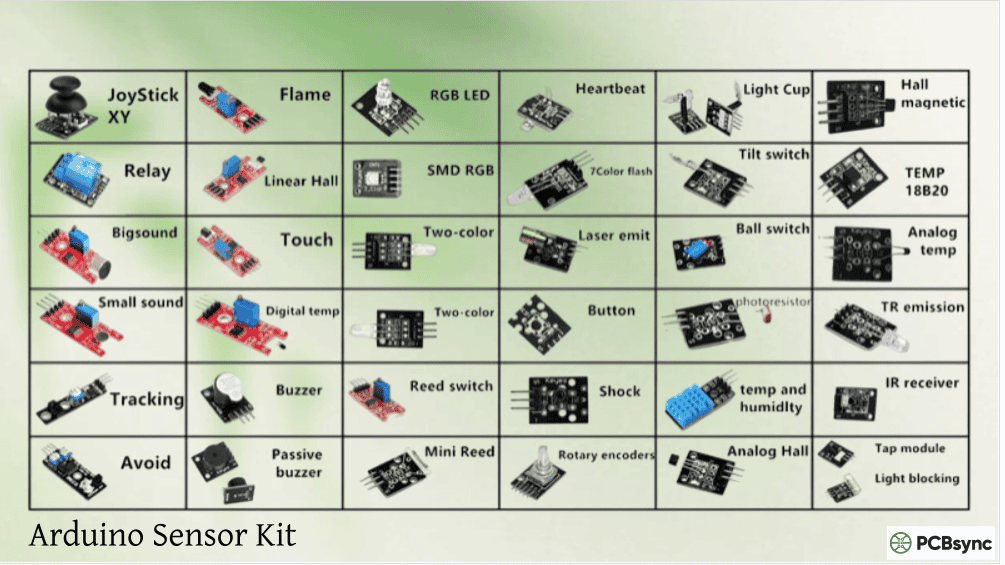
DHT11/22, PIR, LDR, ultrasonic
$1-8 each
Power Supply
System power delivery
5V/12V adapters, batteries
$6-15
Enclosures
Physical protection
Plastic project boxes
$3-10
The microcontroller acts as the brain, processing inputs from sensors and making decisions about when to activate outputs through relay modules. Connectivity modules enable remote control and monitoring, while sensors provide the environmental awareness that makes your system truly intelligent.
Essential Arduino Smart Home Projects for Beginners
Starting with foundational projects helps you understand the principles before tackling more complex systems. These beginner-friendly projects teach crucial concepts while delivering real practical value.
Smart Lighting Control System
Lighting control is the gateway drug of home automation. It’s simple enough for beginners but offers enough complexity to teach valuable lessons about relay control, wireless communication, and user interface design.
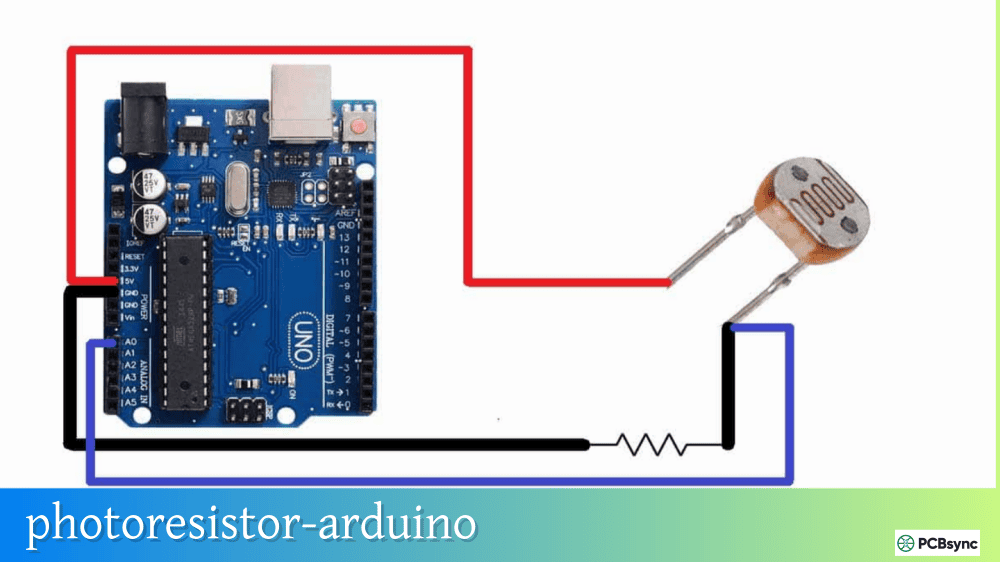
The basic setup connects Arduino to a relay module that switches your lights. Add an ESP8266 WiFi module, and suddenly you can control those lights from your smartphone anywhere in the world. Include a light-dependent resistor (LDR), and your system automatically adjusts lighting based on ambient conditions.
From a PCB design perspective, proper isolation between your low-voltage Arduino circuits and high-voltage lighting circuits is critical. Always use optically-isolated relay modules and follow local electrical codes. The relay module should have at least 2kV isolation between control and load sides.
Temperature and Climate Monitoring
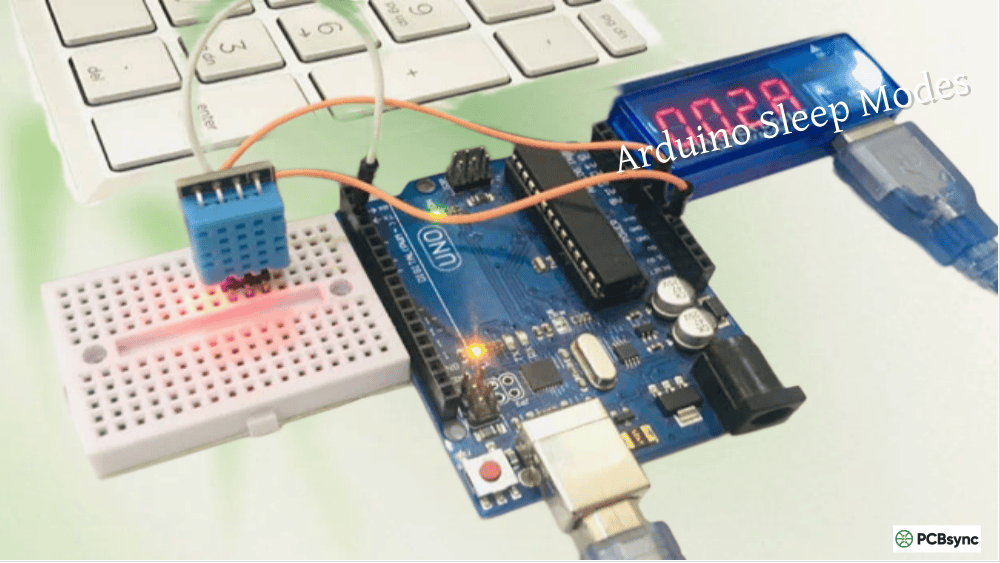
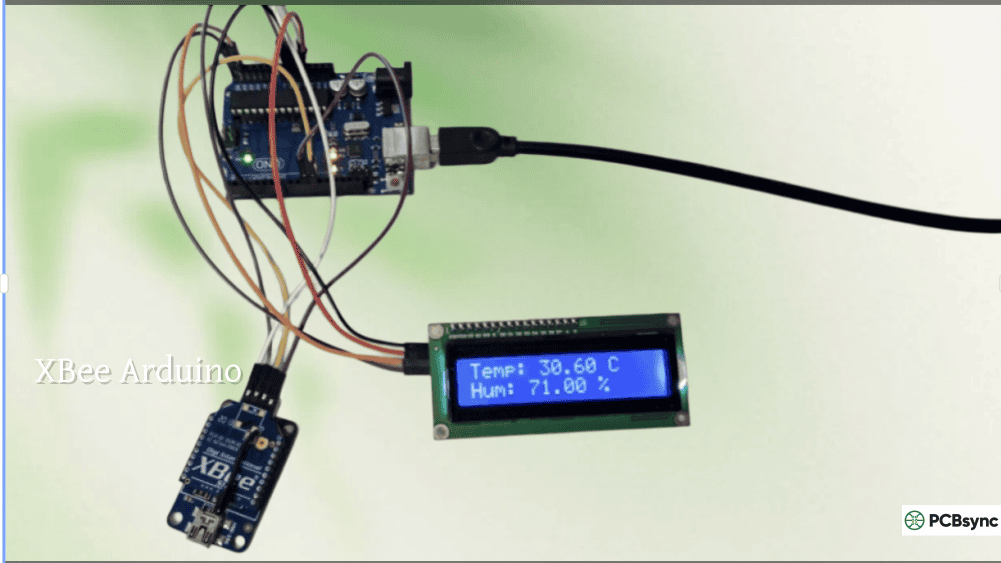
Climate monitoring builds upon lighting control by introducing analog sensor reading and data logging. A DHT11 or DHT22 sensor provides temperature and humidity data, which your Arduino processes and displays on an LCD screen or sends to a cloud platform.
This project teaches you about analog-to-digital conversion, sensor calibration, and data persistence. You’ll learn why sensor placement matters—mounting your temperature sensor directly on the Arduino will give you artificially high readings from the processor’s heat output.
Many beginners make the mistake of polling sensors too frequently. DHT sensors, for instance, should only be read every 2 seconds at most. More frequent polling doesn’t give you more accurate data; it just consumes processing cycles and can actually damage the sensor over time.
Automated Plant Watering System
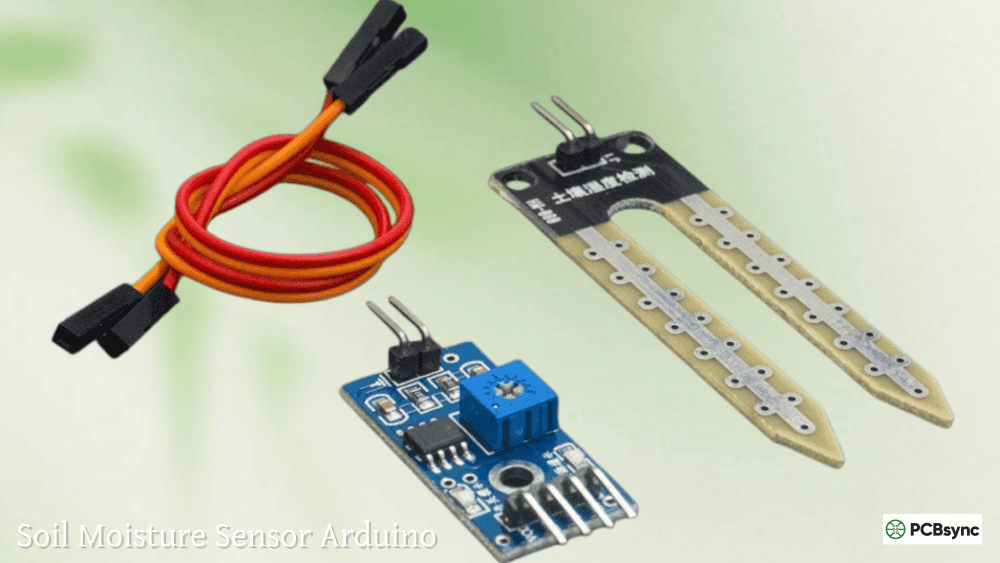
Plant watering systems demonstrate closed-loop control—the Arduino makes decisions based on sensor feedback. A soil moisture sensor monitors wetness levels, and when moisture drops below your threshold, the Arduino activates a water pump through a relay.
This project introduces concepts of hysteresis (the dead zone between on and off thresholds that prevents rapid cycling) and timing sequences. You’ll learn why simply checking if moisture is low isn’t enough—you need to track how long you’ve been watering and implement safety timeouts.
From a hardware standpoint, soil moisture sensors are notoriously unreliable if left powered continuously. The DC voltage causes electrolysis that corrodes the sensor probes. Professional implementations only power the sensor during measurement, extending sensor life from weeks to years.
Intermediate Arduino Smart Home Automation Projects
Once you’ve mastered the basics, intermediate projects integrate multiple systems and introduce more sophisticated control algorithms.
Voice-Controlled Multi-Room System
Voice control represents a significant step up in complexity. Integrating Arduino IoT Cloud with Amazon Alexa or Google Assistant requires understanding cloud APIs, secure authentication, and webhook processing.
The architecture typically places an ESP32 or ESP8266 board as the bridge between your Arduino control system and the cloud service. Voice commands travel from your smart speaker to the cloud service, which triggers webhooks to your IoT Cloud account, which then updates variables that your Arduino monitors.
Feature
Implementation Method
Technical Consideration
Voice Recognition
Cloud-based API
Requires stable internet connection
Multi-room Control
Individual device IDs
Proper device naming convention essential
Feedback Status
Real-time variable sync
Minimize update frequency to reduce data costs
Offline Fallback
Local button/IR control
Always maintain manual override capability
Security deserves special attention in voice-controlled systems. Never expose your Arduino directly to the internet. Always use the IoT Cloud as a secure intermediary that handles authentication and authorization.
Security System with Motion Detection
A proper security system combines PIR motion sensors, door/window reed switches, and notification systems. The Arduino monitors multiple sensor inputs simultaneously and executes different responses based on which sensors trigger.
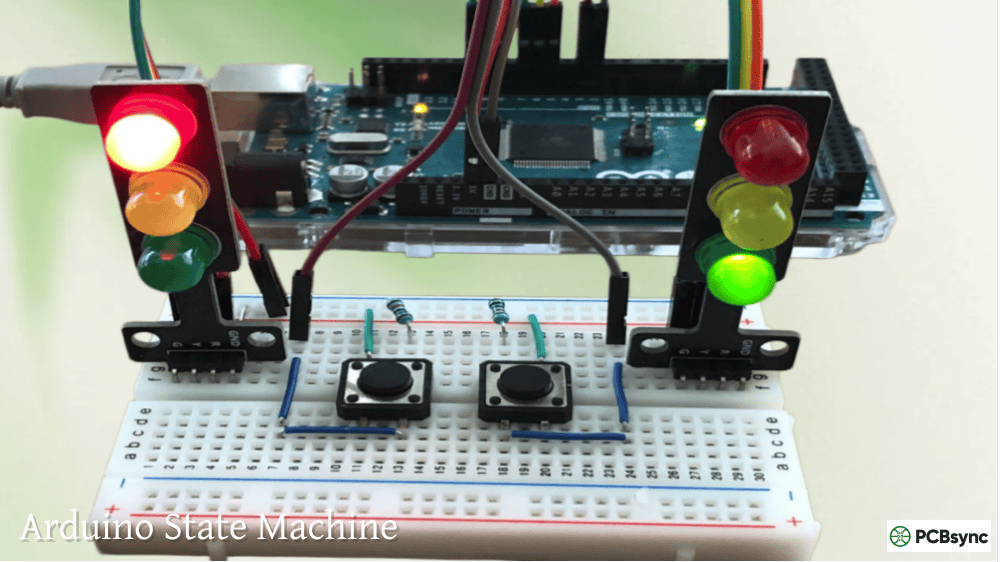
State machine programming becomes essential here. Your system needs distinct states: armed, disarmed, alarm, and perhaps a delay state for entry/exit. Each state responds differently to sensor inputs and transitions to other states based on specific conditions.
False alarm reduction is where engineering meets user experience. A single PIR trigger shouldn’t immediately sound the alarm. Implement confirmation logic—require two sensors to trigger within a time window, or use a short delay that allows legitimate users to disarm the system.
Smart Door Lock with RFID Access
Electronic door locks teach you about fail-safe versus fail-secure design philosophy. A fail-safe lock opens when power is lost (prioritizing escape in emergencies), while fail-secure locks remain locked during power failure (prioritizing security).
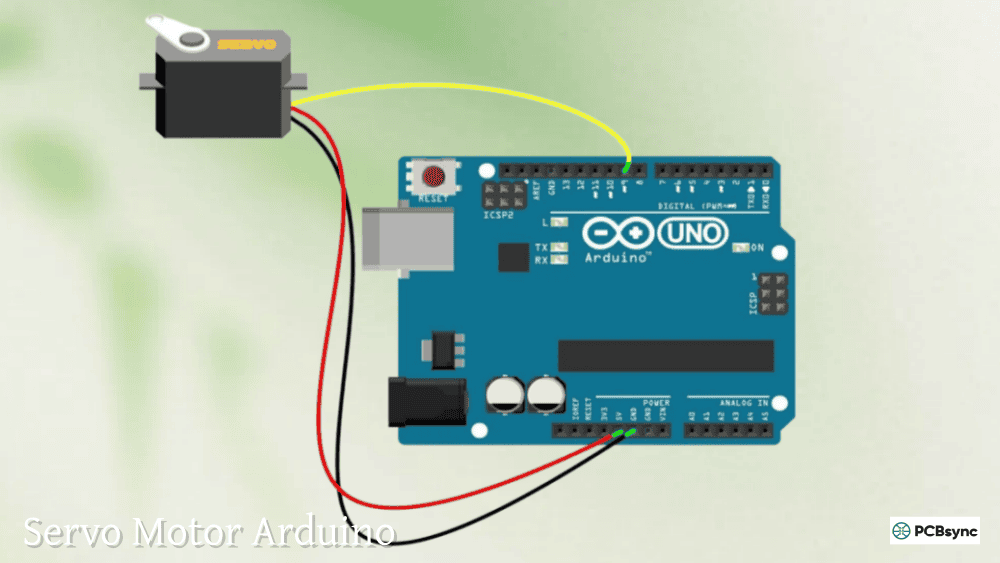
Your RFID-based access control reads tag IDs, checks them against an authorized list stored in EEPROM, and controls a servo motor or electronic strike plate. The implementation seems straightforward until you consider the edge cases: what happens if power fails mid-unlock? How do you handle mechanical jam detection? What prevents replay attacks?
Battery backup isn’t optional for security systems. A proper implementation includes a rechargeable lithium battery that automatically takes over during power outages and alerts you when battery capacity drops below safe levels.
Advanced Arduino Smart Home Projects
Advanced projects push Arduino’s capabilities while teaching you about system architecture, data analysis, and robust error handling.
Complete Home Energy Monitoring
Energy monitoring requires precise current sensing, often using ACS712 Hall effect sensors or non-invasive CT clamps. These measure current flow in your electrical circuits, which combined with known voltage lets you calculate real-time power consumption.
The challenge isn’t measuring current—it’s doing so accurately across a wide dynamic range. A circuit might draw 0.1A in standby or 10A under full load. Your ADC resolution, sampling rate, and calibration must handle this 100:1 range while maintaining accuracy.
Data logging introduces storage constraints. Arduino Uno’s 2KB of RAM and 32KB of program memory won’t store months of energy data. You’ll need external storage (SD card) or cloud logging. The decision between local and cloud storage involves trade-offs: local provides privacy and works without internet, while cloud enables remote monitoring and sophisticated analysis.
Multi-Zone HVAC Control
HVAC control is among the most complex Arduino smart home projects because it involves multiple temperature zones, damper control, and sophisticated scheduling algorithms. Each room has its own temperature sensor, and motorized dampers control airflow to individual zones.
The control algorithm uses proportional-integral-derivative (PID) logic rather than simple on/off control. PID control gradually adjusts output based on current error, accumulated error over time, and rate of error change. This eliminates the temperature overshoot and oscillation common with simple thermostats.
Mechanical reliability becomes critical in HVAC systems that cycle thousands of times annually. Use relays rated for your actual switching frequency, and design for graceful degradation—if one zone’s damper fails, other zones should continue functioning.
Integration with Home Assistant Platform
Home Assistant represents the culmination of smart home knowledge—a unified platform that coordinates all your Arduino devices through MQTT protocol. Each Arduino device publishes its state and subscribes to command topics, creating a decentralized system that’s both robust and flexible.
The architecture uses JSON payloads for rich data exchange. Instead of simple on/off commands, you can send complex instructions: “set bedroom light to 65% brightness with warm white color temperature.” Home Assistant’s automation engine can then create sophisticated scenarios that coordinate multiple devices.
Arduino IoT Cloud transforms your local projects into internet-connected systems without the complexity of setting up web servers and databases.
Setting Up Arduino IoT Cloud
The setup process begins with creating a “Thing”—Arduino’s abstraction for a connected device. You define variables (boolean for switches, float for temperatures, string for text data) that represent your device’s state. The cloud automatically generates skeleton code that handles WiFi connection, authentication, and bidirectional synchronization.
Setup Step
Requirements
Time Required
Account Creation
Valid email address
2 minutes
Device Configuration
Compatible Arduino board
5 minutes
Network Setup
WiFi credentials
3 minutes
Variable Definition
Understanding of data types
10 minutes
Dashboard Creation
Widget selection and placement
15 minutes
Code Upload
Arduino IDE with cloud libraries
10 minutes
The free tier provides sufficient resources for learning and small projects—you get 5 devices, 100MB storage, and reasonable API call limits. The paid Maker plan ($6.99/month) expands to 25 devices and removes most restrictions.
Dashboard Design and Widget Selection
Dashboard design affects both usability and system performance. Each widget type serves specific purposes: switches for binary control, sliders for analog values, charts for trend visualization, and gauges for real-time monitoring.
Widget update frequency directly impacts data usage and battery life. A temperature gauge refreshing every second is overkill—temperature changes slowly, so 5-minute updates suffice. Save high-frequency updates for things that matter: security sensors, real-time energy monitoring, or manual control interfaces.
Color coding provides instant status understanding. Use green for normal operation, yellow for warnings, and red for alarms. Keep dashboard layouts consistent across projects—this isn’t the place for creativity. Users should instantly understand what they’re looking at without referring to documentation.
Implementing Over-The-Air Updates
OTA updates separate hobby projects from professional deployments. The ability to fix bugs or add features without physical access to the device transforms maintainability.
Arduino IoT Cloud’s OTA implementation handles the complexity: it downloads new firmware, verifies integrity, flashes the microcontroller, and automatically reboots. If the update fails, the device reverts to the previous working firmware—no bricked devices.
Security considerations are paramount. OTA updates could theoretically install malicious code, so the cloud uses encrypted channels and cryptographic verification. Never implement custom OTA without similar protections—the convenience isn’t worth the security risk.
Component Selection and Sourcing Guide
Choosing quality components affects reliability more than any other factor. As someone who has debugged countless failed projects, I can tell you that saving $2 on a cheap relay module will cost you days of troubleshooting.
Microcontroller Board Selection
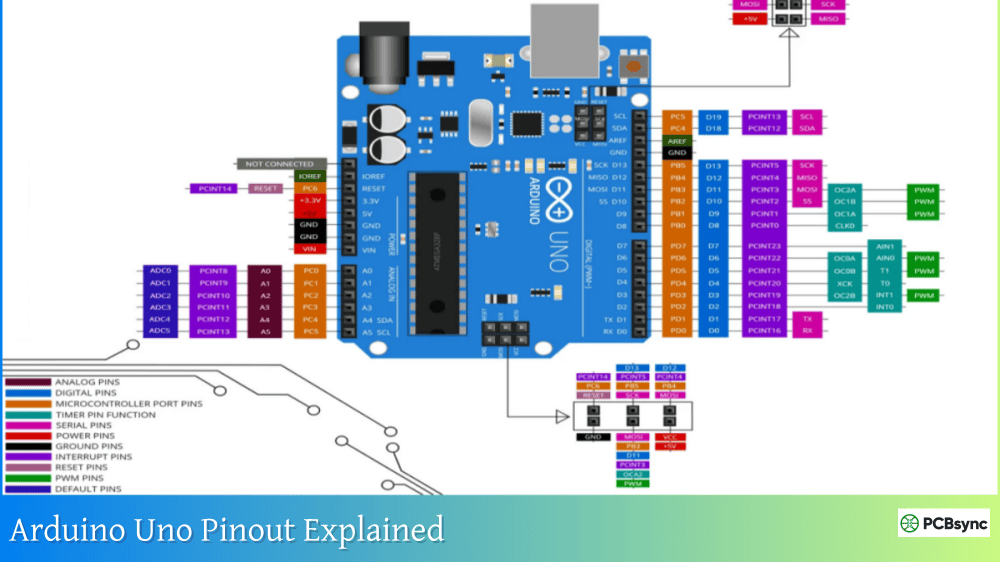
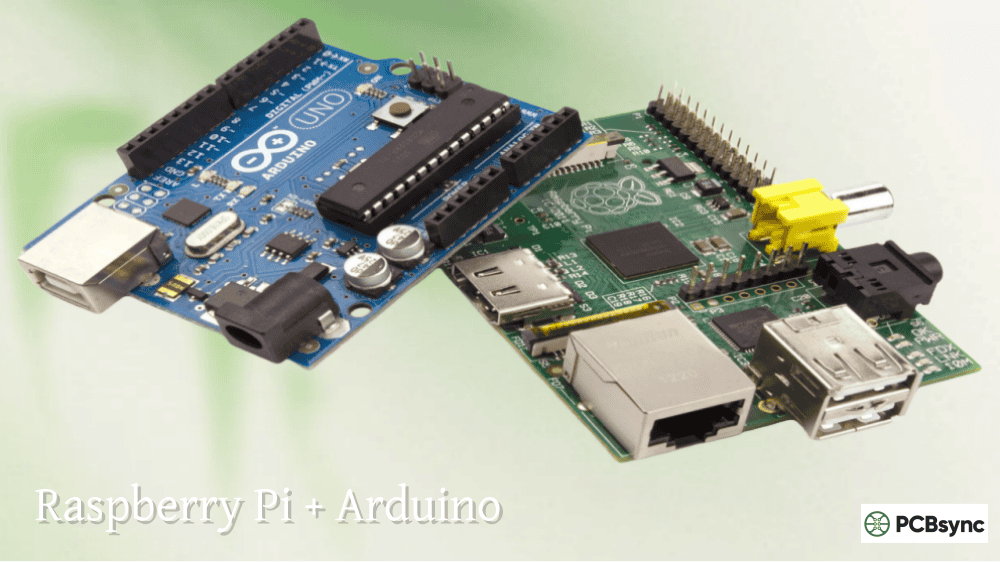
Arduino Uno remains the standard recommendation for learning. Its through-hole form factor makes prototyping straightforward, and the massive community means every problem you encounter has been solved before. The Uno’s ATmega328P has enough capability for most home automation tasks.
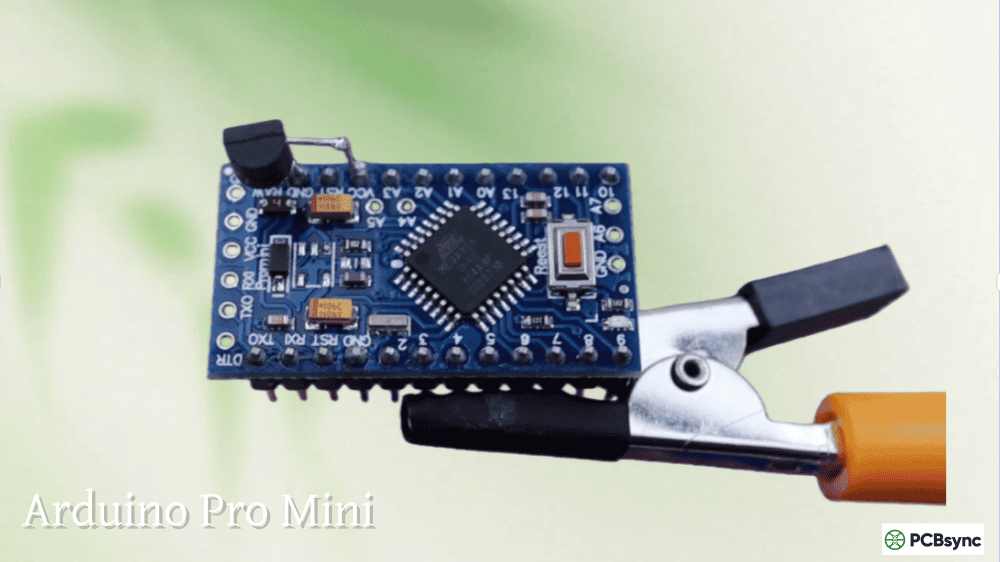
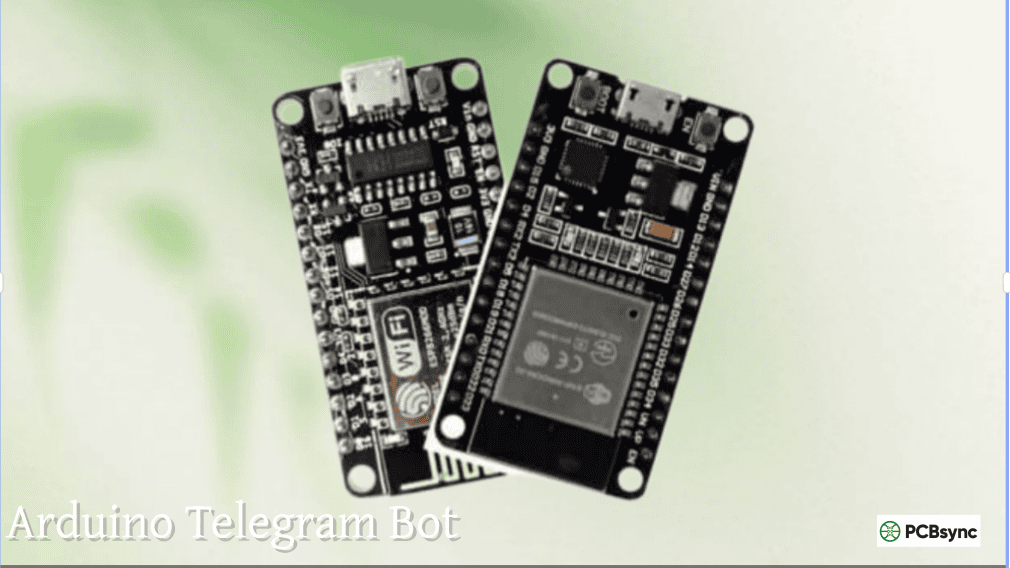
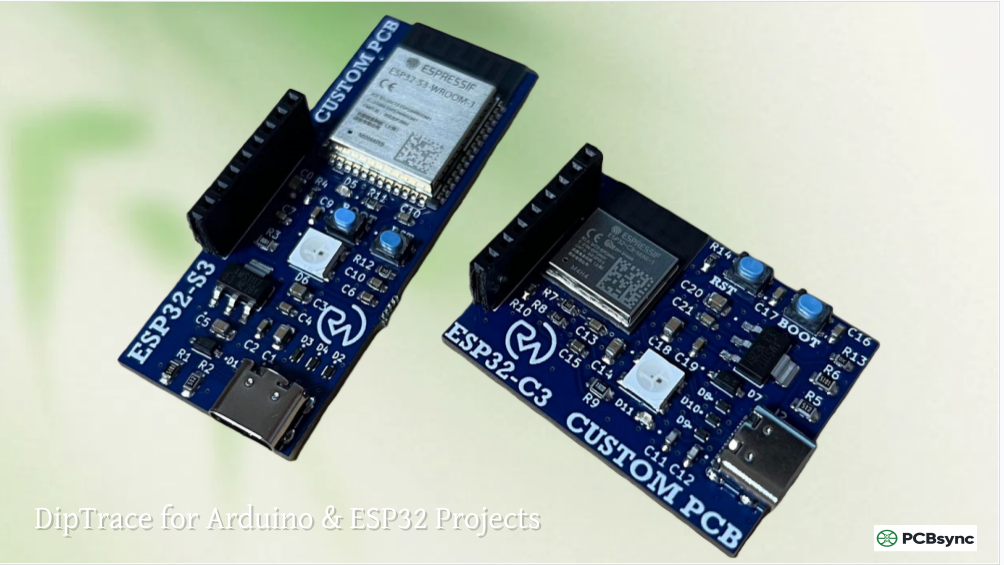
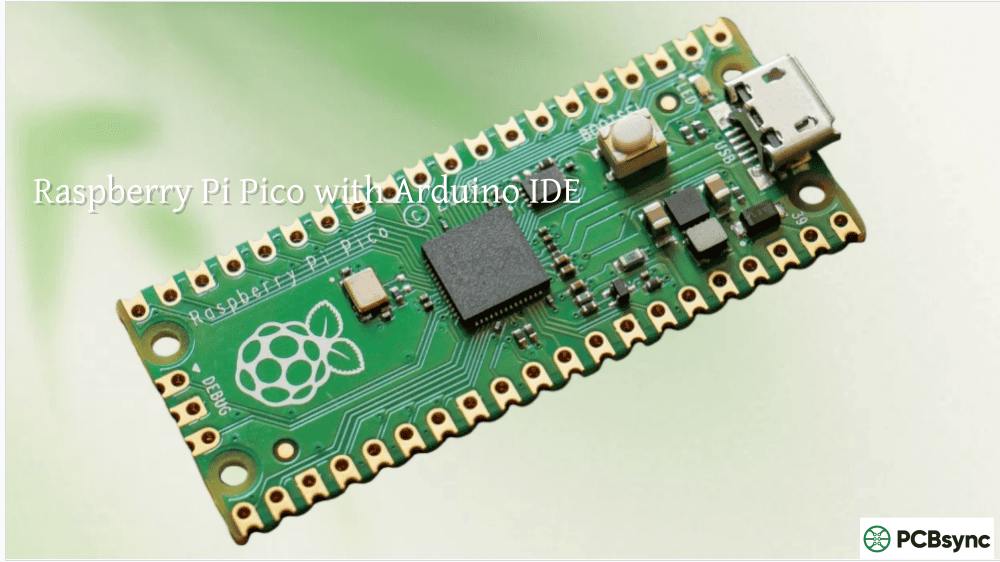
For WiFi-enabled projects, ESP32-based boards offer unbeatable value. They’re faster than traditional Arduinos, include both WiFi and Bluetooth, and cost less. The Arduino Nano ESP32 gives you Arduino compatibility with ESP32 capability in a compact package.
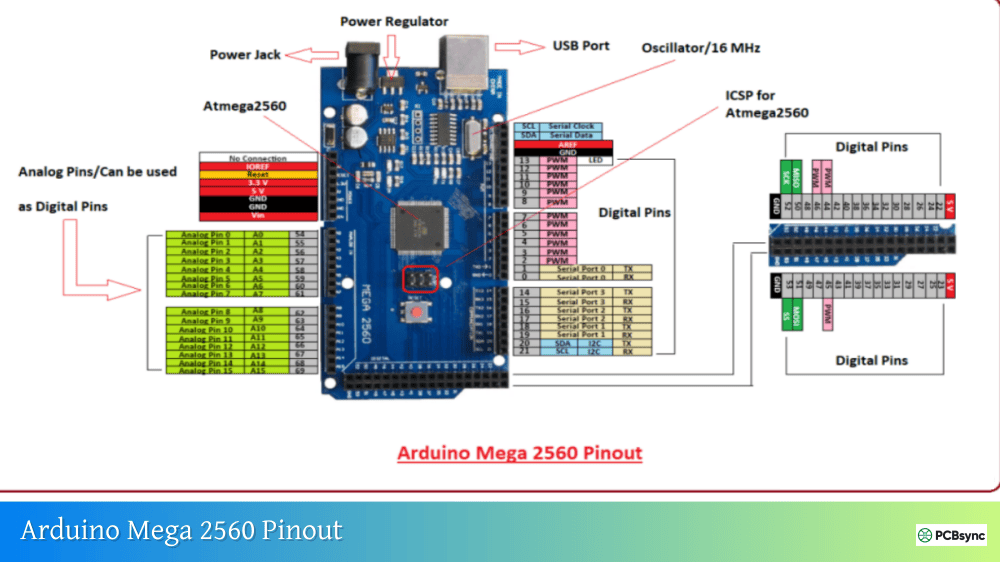
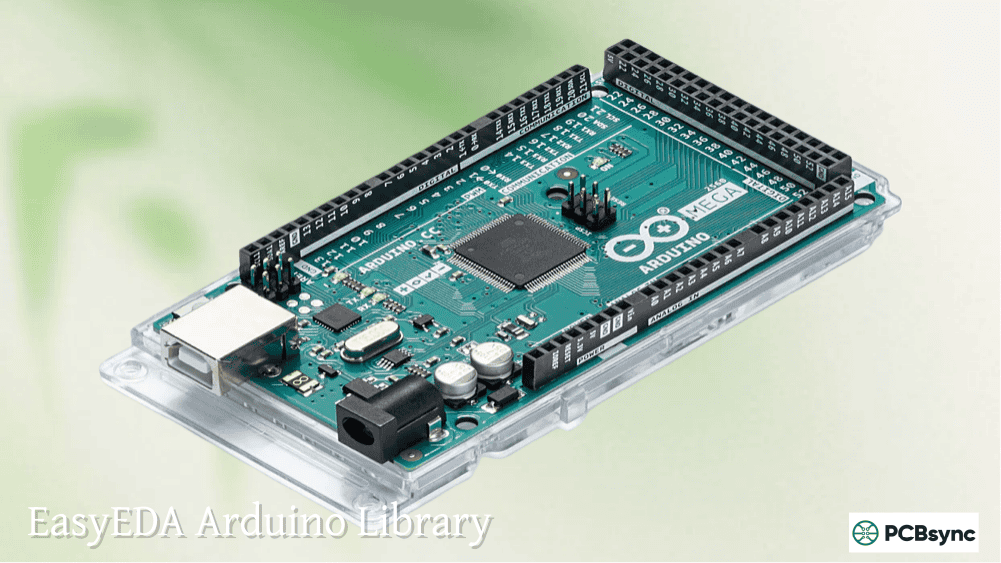
Arduino Mega 2560 becomes necessary when you need many GPIO pins—security systems with dozens of sensors or lighting controllers managing 20+ channels. The Mega’s 54 digital pins and 16 analog inputs provide ample connectivity.
Relay Module Considerations
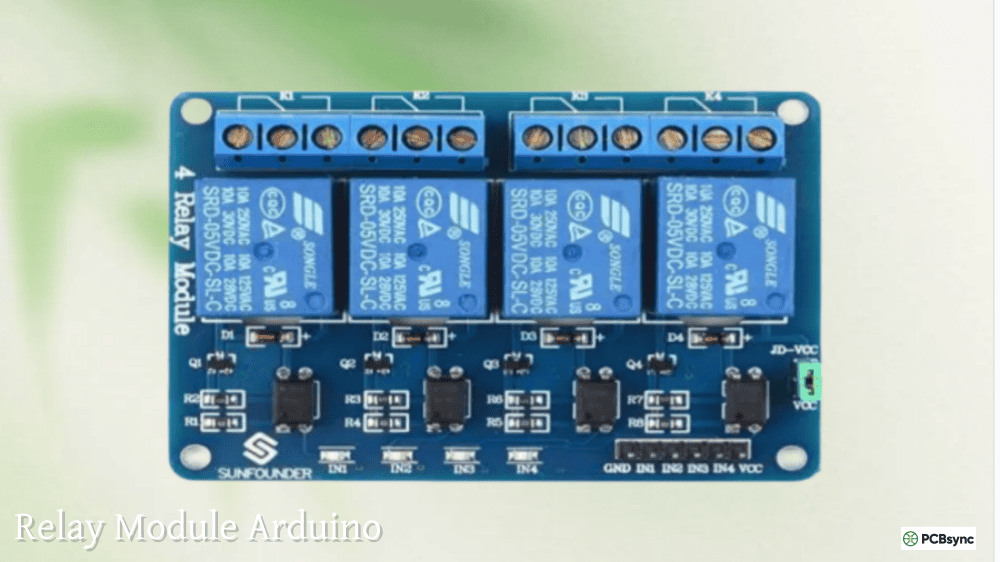
Relay selection requires understanding three specifications: coil voltage, contact rating, and isolation type. Coil voltage must match your Arduino’s logic level—use 5V coils for Arduino Uno, 3.3V for ESP32-based systems.
Contact rating determines what you can safely switch. Most home automation uses 10A relays, sufficient for lights and small appliances. Never exceed 80% of the rated current in continuous operation—heat build-up reduces relay life.
Optoisolated relays provide the best protection. The optical coupling prevents electrical noise and voltage spikes from damaging your Arduino. Active-low trigger logic (relay activates on LOW signal) offers better noise immunity than active-high.
Sensor Quality and Calibration
DHT11 sensors are ubiquitous but inaccurate—expect ±2°C temperature and ±5% humidity errors. DHT22 offers better accuracy (±0.5°C, ±2% humidity) for minimal cost increase. For critical applications, consider BME280 sensors with ±0.5°C temperature, ±3% humidity, and atmospheric pressure sensing.
PIR motion sensors vary wildly in sensitivity and false-trigger rate. Quality sensors include Fresnel lenses that focus infrared radiation and adjustable potentiometers for sensitivity tuning. Cheap sensors lack these features and trigger from air currents and sunlight.
Current sensors require careful selection based on measurement range. ACS712 comes in 5A, 20A, and 30A versions. Choose the smallest range that accommodates your maximum current—sensitivity decreases as range increases. Always mount current sensors away from strong magnetic fields to prevent measurement errors.
Common Challenges and Troubleshooting
Every Arduino smart home builder encounters similar obstacles. Understanding these challenges upfront saves enormous frustration.
Power Supply Issues
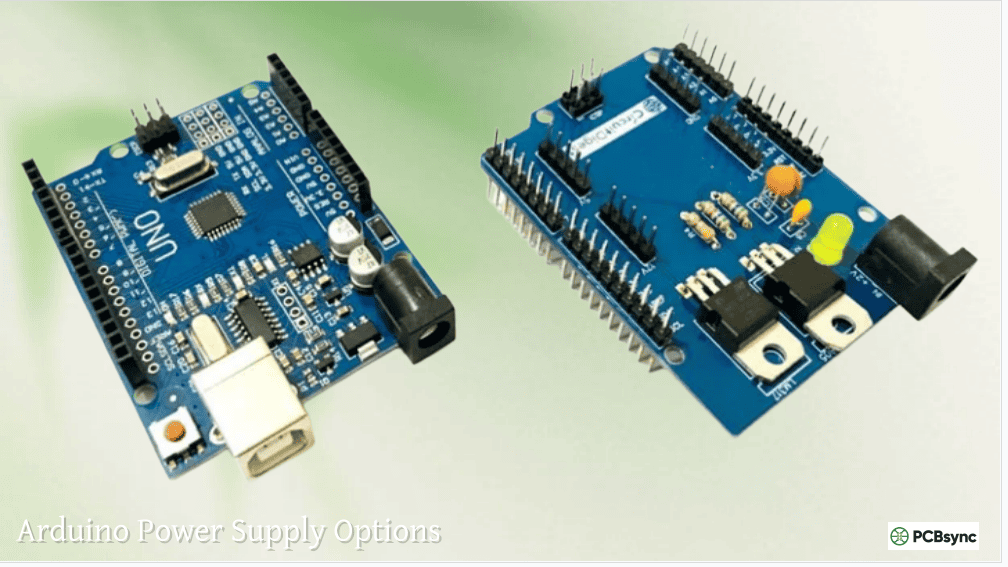
Inadequate power causes mysterious behavior: intermittent operation, unexpected resets, sensor miscalibrations. Arduino boards can draw 50mA, but your total system current includes all connected components—WiFi modules alone can draw 200-300mA during transmission.
The classic symptom is random resets when activating relays or motors. Inductive loads create voltage spikes that propagate through your power supply. Solutions include dedicated power supplies for high-current loads, bulk capacitors (1000µF) near power-hungry components, and flyback diodes across relay coils.
USB power seems convenient but limits you to 500mA—barely enough for Arduino plus a WiFi module. For projects with multiple sensors and relays, use a dedicated 5V power supply rated for 2-3A. Wall adapters are cheap, and proper power prevents countless headaches.
WiFi Connectivity Reliability
WiFi dropout is the bane of IoT projects. ESP modules are particularly sensitive to weak signals. When your Arduino is buried in a metal enclosure inside a closet, don’t be surprised when it loses connection.
Implement automatic reconnection logic—don’t assume WiFi stays connected forever. Check connection status before transmitting, and implement exponential backoff when connection fails. The first retry happens after 1 second, second after 2 seconds, fourth after 4 seconds, up to a maximum of 60 seconds between attempts.
Static IP assignment improves connection reliability compared to DHCP. Your router takes time to assign DHCP leases, and some routers have buggy DHCP implementations. Static IPs eliminate this entire class of problems.
Electromagnetic Interference
Relay switching creates electrical noise that can corrupt serial communication and cause sensor misreadings. Symptoms include garbled serial output, random sensor value spikes, and occasional microcontroller resets.
Physical separation helps but isn’t always sufficient. Run relay control wires separately from sensor wires—don’t bundle them together. Use shielded cable for long sensor runs, with the shield connected to ground at the Arduino end only.
Software debouncing complements hardware solutions. For switches and buttons, ignore state changes that occur within 50ms of previous changes—mechanical bounce generates these rapid transitions. Median filtering works well for analog sensors: take 5 readings, discard the highest and lowest, and average the middle three.
Memory Management
Arduino Uno’s 2KB RAM seems generous until you start storing strings, arrays, and buffers. String concatenation in loops is memory leak territory—each concatenation allocates new memory without freeing old memory.
Use the F() macro to store strings in program memory rather than RAM: Serial.println(F(“Status message”)); This single technique can free hundreds of bytes of RAM.
Watch for buffer overflows in serial communication. If you’re receiving data faster than you’re processing it, the buffer fills and data gets lost. Implement flow control or increase processing speed.
Security Best Practices
Home automation security isn’t optional—these systems control physical access to your home and personal spaces.
Network Security
Never expose Arduino devices directly to the internet. Always place them behind a firewall and use a secure cloud service or VPN for remote access. Forwarding ports to your Arduino is invitation for hackers.
Change default passwords immediately. Arduino IoT Cloud requires password changes, but many other systems ship with hardcoded credentials. Create unique, strong passwords for every device and service.
Implement certificate-based authentication when possible. Password-based authentication can be brute-forced; certificate-based authentication requires possession of a secret key file that’s computationally infeasible to guess.
Physical Security
Lock boxes containing smart home controllers aren’t paranoia—they’re prudent. Someone with physical access can upload new firmware, extract stored credentials, or simply steal the device.
Don’t store WiFi passwords or API keys in plain text in code. Arduino’s EEPROM can store credentials separately from code, making it harder for someone with code access to compromise your network.
Implement tamper detection for security-critical applications. Reed switches on enclosure lids can trigger alerts if someone opens your security system’s control box.
Update and Patch Management
OTA updates aren’t just convenience—they’re security necessity. Vulnerabilities are discovered constantly, and manual updates to deployed devices rarely happens in practice.
Subscribe to security advisories for libraries you use. ESP32 Arduino core, for instance, has had multiple WiFi security vulnerabilities patched over the years. Staying current prevents exploitation of known vulnerabilities.
Cost Analysis and Budget Planning
Understanding true project costs prevents budget overruns and abandoned projects.
Typical Project Cost Breakdown
Project Complexity
Components Cost
Development Time
Total Investment
Basic (1-2 sensors)
$30-50
5-10 hours
$80-150
Intermediate (3-5 devices)
$80-150
20-40 hours
$300-600
Advanced (whole-home)
$300-800
100-200 hours
$1500-3000
These estimates assume you already own basic tools (soldering iron, multimeter, computer). If you’re starting from scratch, add $100-200 for tools.
The time investment includes learning, prototyping, testing, and refinement. First projects take longer—subsequent projects benefit from accumulated knowledge and reusable code.
Comparing to Commercial Solutions
Commercial smart home systems cost $500-2000 for basic installations, with professional installation adding $200-500. Monthly cloud service fees add $10-30. Annual costs reach $600-1200 including installation and services.
Arduino-based systems have higher time investment but lower monetary cost. A DIY whole-home system might cost $500 in components but require 200 hours of work. At $25/hour implied labor value, that’s $5000—much higher than commercial systems.
The calculation changes when you value learning and customization. The knowledge gained from building your own system enables endless future modifications and repairs. Commercial systems remain black boxes that you can’t understand or modify.
Useful Resources and Downloads
Code Libraries and Examples
Arduino’s official library repository contains thousands of pre-written libraries for sensors, communication protocols, and cloud services. Start with the Arduino IoT Cloud library, which handles all cloud connectivity details.
GitHub hosts countless Arduino smart home projects with complete source code. Search for “arduino home automation” to find projects matching your needs. Always review code before using it—understanding what you’re running prevents security vulnerabilities and helps you learn.
Circuit Simulation Tools
Tinkercad Circuits allows circuit design and Arduino code simulation in a web browser—perfect for testing concepts before buying hardware. The simulator shows real-time Arduino execution and lets you debug logic before dealing with physical hardware limitations.
Fritzing creates professional circuit diagrams and PCB layouts. While its component library isn’t exhaustive, the included parts cover most home automation needs. Export Gerber files from Fritzing for PCB manufacturing.
PCB Manufacturing Services
When your project graduates from breadboard to permanent installation, custom PCBs provide reliability and professional appearance. PCBWay, JLCPCB, and AllPCB offer prototype quantities (10-20 boards) for under $10 including shipping.
Design considerations for home automation PCBs:
Maintain 2mm spacing between high-voltage and low-voltage traces
Add mounting holes that align with standard project boxes
Learning Platforms
Arduino’s official Project Hub showcases thousands of projects with complete tutorials, code, and shopping lists. Filter by difficulty level and category to find projects matching your skill level.
YouTube channels like GreatScott, Andreas Spiess, and How To Mechatronics produce excellent Arduino content. Their production quality and technical accuracy make complex topics accessible.
Frequently Asked Questions
Q: Do I need programming experience to build Arduino smart home projects?
No programming experience is required, though basic understanding helps. Arduino uses a simplified C++ syntax that’s beginner-friendly. Start with the built-in examples in Arduino IDE to learn fundamental concepts. Most projects require only 50-200 lines of code, and you’ll find example code for virtually every sensor and module. Copy existing examples, modify them for your needs, and gradually build understanding.
Q: Can Arduino smart home systems work without internet connection?
Absolutely. Arduino systems can operate entirely offline using Bluetooth for local control or function autonomously based on sensor inputs. Internet connectivity is only required for remote monitoring and control. Design your system with local controls (switches, IR remotes) as fallback options. Many builders prefer hybrid systems that work independently but sync to cloud when available.
Q: How do I expand my Arduino smart home over time?
Start with a single room or function—lighting control or temperature monitoring. Once that works reliably, add another room or feature. Use consistent wiring schemes and code structures across projects, making integration easier. The Arduino IoT Cloud allows multiple devices to share a dashboard, providing unified control as your system grows. Modular design is key—each subsystem should function independently.
Q: Are Arduino smart home projects safe for controlling high-voltage devices?
Yes, when proper safety measures are followed. Never directly connect Arduino to 110V/220V circuits—always use properly rated relay modules with adequate isolation. Follow local electrical codes and consider having licensed electricians verify high-voltage connections. Use GFCI outlets for devices in wet locations. The relay module’s datasheet specifies maximum current and voltage—never exceed these ratings.
Q: What’s the difference between Arduino IoT Cloud and other platforms like Blynk or Home Assistant?
Arduino IoT Cloud integrates tightly with Arduino IDE and provides the simplest setup for beginners. It handles all backend infrastructure, security, and mobile app generation automatically. Blynk offers more customizable mobile interfaces but requires deeper configuration knowledge. Home Assistant provides the most powerful automation engine and device integration but has a steeper learning curve. For beginners, start with Arduino IoT Cloud and migrate to Home Assistant later if you need its advanced features.
Conclusion: Your Smart Home Journey Starts Here
Building an Arduino smart home isn’t just about automation—it’s about understanding and controlling your environment at a fundamental level. The knowledge you gain transcends home automation. Understanding sensors, microcontrollers, and IoT protocols opens doors to countless other applications: weather stations, robotics, agricultural automation, scientific instrumentation.
Start small. Build a single-room lighting controller. Get it working reliably. Then add temperature monitoring. Then add another room. Each addition teaches new lessons and reinforces previous knowledge. Don’t try to automate everything at once—that path leads to abandoned projects gathering dust on shelves.
The Arduino community represents one of technology’s most welcoming spaces. When you encounter problems (you will), dozens of people have likely solved the same issue and documented their solutions. Forums, GitHub repositories, and YouTube channels overflow with helpful information.
Your smart home is uniquely yours. Commercial systems force everyone into the same mold, but Arduino-based systems adapt to your specific needs, preferences, and living space. That customization is Arduino’s ultimate advantage—you’re not buying someone else’s vision of a smart home; you’re building your own.
The best time to start was yesterday. The second-best time is now. Order an Arduino Uno and a few sensors. Download the Arduino IDE. Write your first blink sketch. Each small step moves you closer to a home that responds intelligently to your needs and preferences. The journey from blinking LED to fully automated home is measured not in difficulty but in persistence—one project, one sensor, one line of code at a time.
Inquire: Call 0086-755-23203480, or reach out via the form below/your sales contact to discuss our design, manufacturing, and assembly capabilities.
Quote: Email your PCB files to Sales@pcbsync.com (Preferred for large files) or submit online. We will contact you promptly. Please ensure your email is correct.
Notes: For PCB fabrication, we require PCB design file in Gerber RS-274X format (most preferred), *.PCB/DDB (Protel, inform your program version) format or *.BRD (Eagle) format. For PCB assembly, we require PCB design file in above mentioned format, drilling file and BOM. Click to download BOM template To avoid file missing, please include all files into one folder and compress it into .zip or .rar format.