Inquire: Call 0086-755-23203480, or reach out via the form below/your sales contact to discuss our design, manufacturing, and assembly capabilities.
Quote: Email your PCB files to Sales@pcbsync.com (Preferred for large files) or submit online. We will contact you promptly. Please ensure your email is correct.
Notes: For PCB fabrication, we require PCB design file in Gerber RS-274X format (most preferred), *.PCB/DDB (Protel, inform your program version) format or *.BRD (Eagle) format. For PCB assembly, we require PCB design file in above mentioned format, drilling file and BOM. Click to download BOM template To avoid file missing, please include all files into one folder and compress it into .zip or .rar format.
If you’ve ever struggled with a rats’ nest of jumper wires on your breadboard while connecting multiple sensors to your Arduino, you know the frustration. The Arduino Sensor Shield V5 solves this headache by providing organized, labeled connections that transform chaotic prototyping into clean, professional setups. As someone who’s debugged countless PCB designs and sensor integrations, I can tell you this shield isn’t just convenient—it’s a legitimate engineering tool that belongs in every maker’s arsenal.
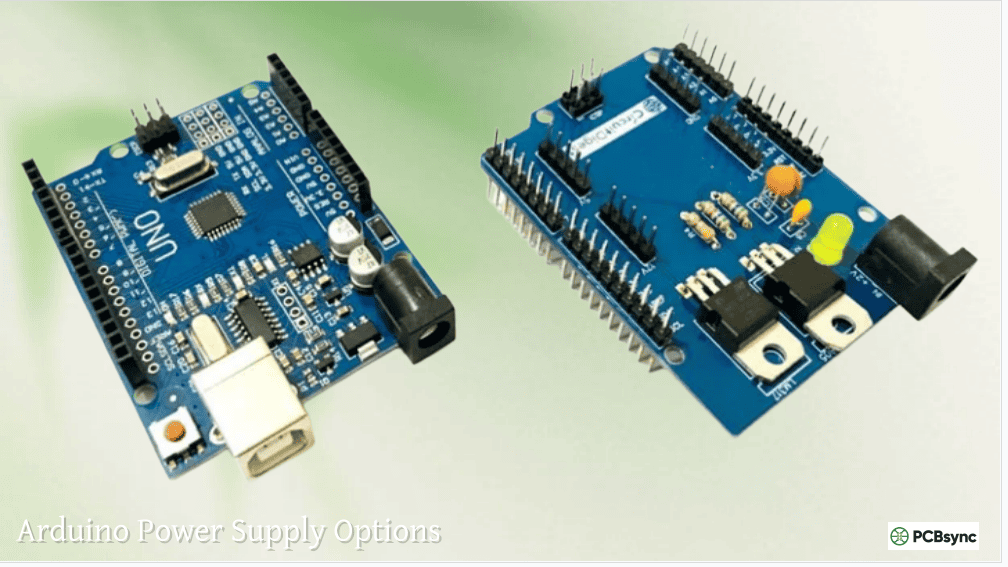
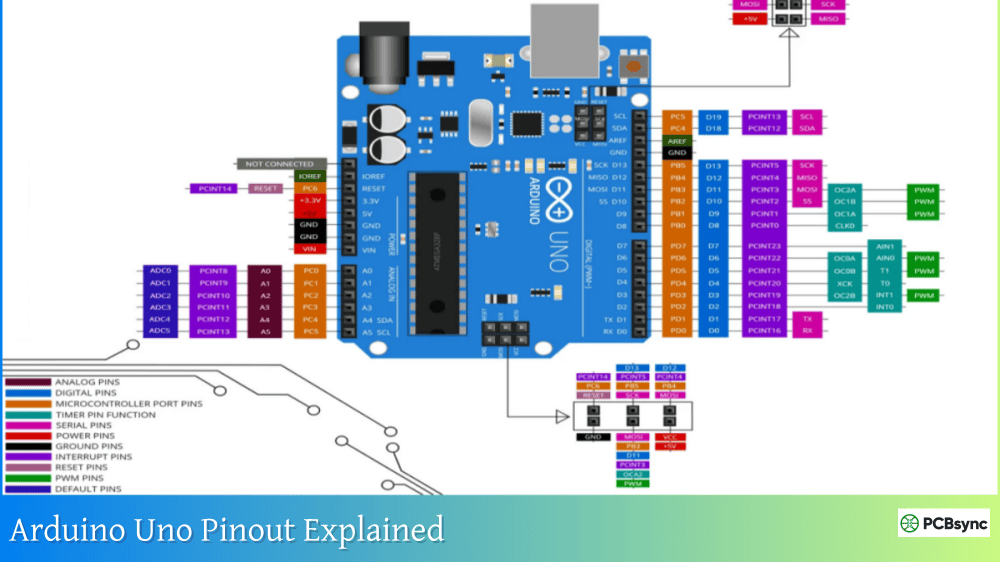
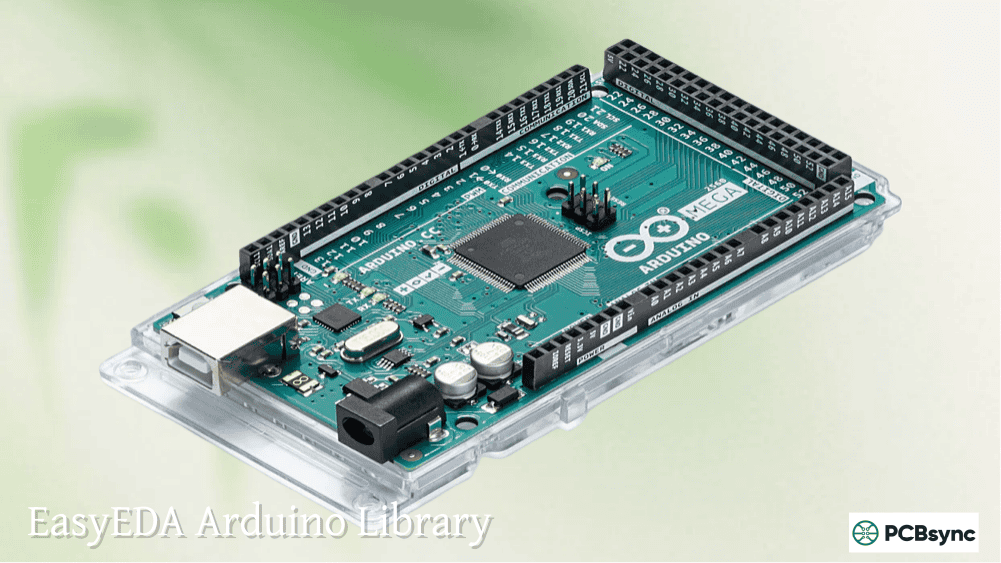
The Arduino Sensor Shield V5 is an expansion board that stacks directly onto Arduino UNO, Mega 2560, and similar form-factor boards. Think of it as a breakout board that organizes every I/O pin into standardized 3-pin headers (Ground, VCC, Signal), eliminating the need for breadboards in most sensor projects.
The shield converts your Arduino’s pin headers into a sensor-ready interface with dedicated power rails, communication buses (I2C, SPI, Serial), and even specialized connectors for LCD displays and servo motors. For PCB engineers and hobbyists alike, it’s essentially a signal distribution board with intelligent power management built in.
Key Specifications and Features
Technical Overview
Specification
Details
Compatible Boards
Arduino UNO R3, Arduino Mega 2560, similar form-factor boards
Pin Configuration
All digital (D0-D13) and analog (A0-A5) pins broken out to 3-pin headers
Power Options
5V from Arduino or external power (5-7V) via screw terminal
Communication Interfaces
I2C, SPI, Serial (UART), APC220 wireless
Special Connectors
LCD parallel interface, SD card interface, Bluetooth module, ultrasonic sensor
Dimensions
Approximately 57mm x 57mm
Power Management
SEL jumper for independent servo power control
What Makes V5 Different
From an engineering standpoint, the V5 iteration addressed several critical issues from the V4 design. The most significant improvement is the external power connector with jumper-controlled power distribution—a feature that prevents voltage sag when driving multiple servos, which can otherwise cause brownout resets on your Arduino.
The shield also includes an accessible reset button, bringing the onboard LED to shield level for visibility, and importantly, most manufacturers have fixed a PCB layout issue where ground pins on the LCD parallel interface weren’t properly connected.
Understanding the Pin Layout and Connections
Digital I/O Headers (D0-D13)
The digital pins are organized in rows of three-pin headers running across the shield. Each set follows the G-V-S pattern:
Pin Label
Function
Voltage Source
G
Ground
Common ground
V
VCC Power
Controlled by SEL jumper (5V Arduino or external)
S
Signal
Digital I/O (D0 through D13)
The AREF (Analog Reference) pin is also accessible on this header row, which is crucial when you need precise ADC measurements with custom reference voltages.
Analog I/O Headers (A0-A5)
Similar to digital pins, analog inputs get the same three-pin treatment:
Pin Label
Function
Notes
G
Ground
Dedicated ground per pin
V
VCC Power
Hardwired to Arduino 5V (always)
S
Analog Signal
Can also function as digital I/O
Engineering Note: The analog VCC pins are permanently connected to the Arduino’s 5V rail. This design choice prioritizes signal integrity for sensors, as analog measurements are particularly sensitive to power supply noise.
The Critical SEL Jumper Explained
The SEL (Select) jumper is the most important component on the Arduino Sensor Shield V5 from a power management perspective. Understanding its function prevents damage to your setup.
SEL Jumper Installed (Default)
When the jumper is in place:
Digital pins’ VCC (V) connects to Arduino’s 5V
Suitable for low-power sensors and digital I/O
No external power should be connected to screw terminal
Maximum current limited by Arduino’s regulator (typically 500mA)
SEL Jumper Removed
When the jumper is removed:
Digital pins’ VCC disconnects from Arduino 5V
External power from screw terminal supplies VCC to D0-D13
Analog pins remain on Arduino 5V (isolated)
Allows servo motors with separate 5-6V power supply
Power Configuration Table
Configuration
SEL Jumper
External Power
Digital VCC Source
Analog VCC Source
Use Case
Config 1
Installed
None
Arduino 5V
Arduino 5V
Standard sensors, minimal load
Config 2
Installed
Connected
DAMAGE RISK
DAMAGE RISK
NEVER USE
Config 3
Removed
Connected
External supply
Arduino 5V
Multiple servos, high-current loads
Config 4
Removed
None
No power
Arduino 5V
Diagnostic/testing mode
Critical Warning: Configuration 2 will short your external power supply directly to the Arduino’s 5V rail, potentially damaging both your Arduino and power supply. Always remove the SEL jumper before connecting external power.
Specialized Communication Interfaces
I2C Interface
The I2C bus is broken out to a dedicated 4-pin header:
Pin
Function
GND
Ground
VCC
5V power
SDA
I2C data line (A4 on UNO)
SCL
I2C clock line (A5 on UNO)
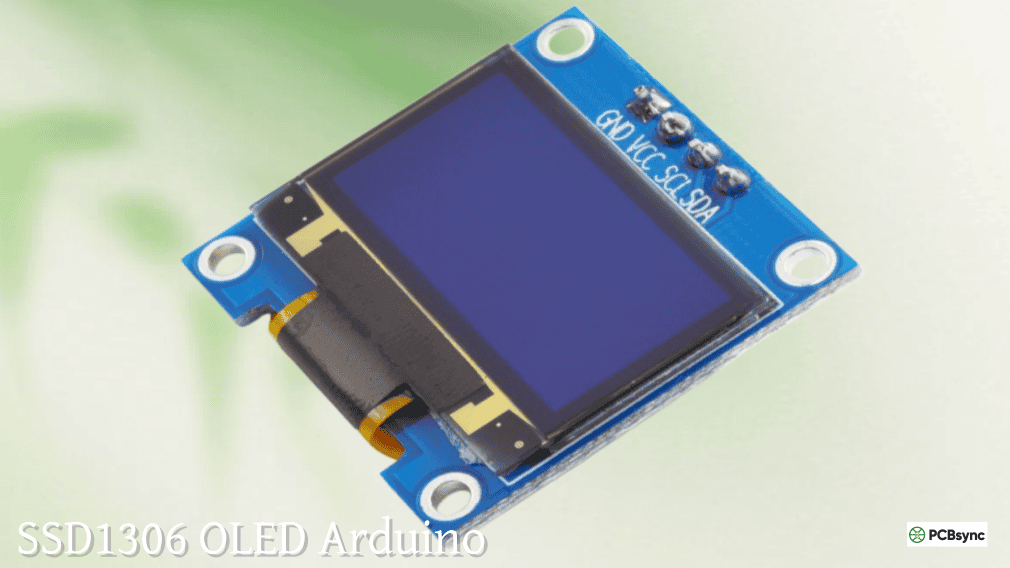
This header simplifies connecting I2C devices like real-time clocks, OLED displays, and sensor modules. You can daisy-chain multiple I2C devices using this single interface.
SPI Interface
For high-speed communication with SD cards and SPI sensors:
Pin
Arduino Pin
Function
GND
Ground
Common ground
VCC
5V
Power supply
D10
Digital 10
Chip Select (CS) for SD card
D11
Digital 11
MOSI (Master Out Slave In)
D12
Digital 12
MISO (Master In Slave Out)
D13
Digital 13
SCK (Serial Clock)
LCD Parallel Interface
The shield includes a 16-pin parallel interface for directly connecting character LCDs (16×2, 20×4, etc.) without additional jumpers:
LCD Pin
Shield Pin
Function
RS
D8
Register Select
EN
D9
Enable
D4
D4
Data bit 4
D5
D5
Data bit 5
D6
D6
Data bit 6
D7
D7
Data bit 7
Additional connections for VSS, VDD, contrast adjustment (V0), and backlight are provided on the same header.
Step-by-Step Connection Guide
Basic Sensor Connection
Identify Your Sensor Type
Check if it’s digital or analog
Note the required voltage (most are 5V)
Determine the signal type (single wire, I2C, SPI)
Choose the Appropriate Header
Digital sensors: Use D0-D13 headers
Analog sensors: Use A0-A5 headers
I2C devices: Use dedicated I2C header
SPI devices: Use SPI header
Connect Using 3-Wire Cables
Match sensor GND to shield G
Match sensor VCC to shield V
Match sensor signal to shield S
Pro Tip: Color-code your jumper wires (black for ground, red for power, yellow/green/blue for signals) to simplify debugging during development.
Connecting Multiple Servos
Servo motors draw significant current, often exceeding Arduino’s onboard regulator capacity. Here’s the proper setup:
Remove the SEL Jumper
Physically remove the jumper cap from the SEL header
This isolates digital VCC from Arduino power
Connect External Power Supply
Use 5-6V regulated supply (1A minimum for 3-4 servos)
Connect positive to VCC terminal
Connect negative to GND terminal
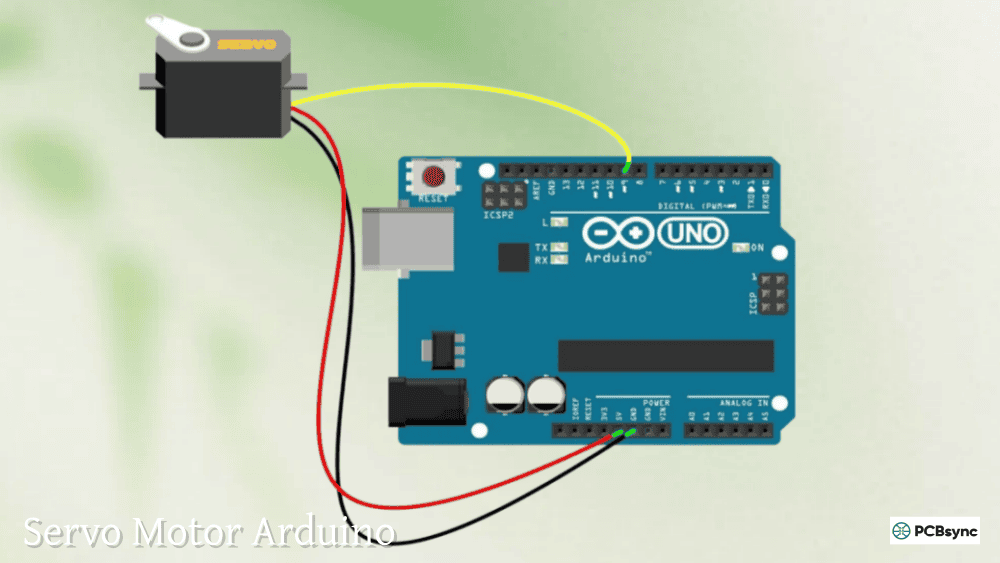
Connect Servos to Digital Headers
Servo ground (brown/black) → G pin
Servo power (red) → V pin
Servo signal (orange/yellow/white) → S pin
Use D2-D13 for servo control (avoid D0/D1 used by Serial)
Power Sequence
Connect Arduino USB or external power first
Then connect servo external power
Never hot-swap the SEL jumper with power connected
LCD Connection Using Parallel Interface
The parallel LCD interface is one of the most underutilized features of the Arduino Sensor Shield V5. Here’s how to wire a standard 16×2 LCD:
Required Components:
16×2 or 20×4 character LCD
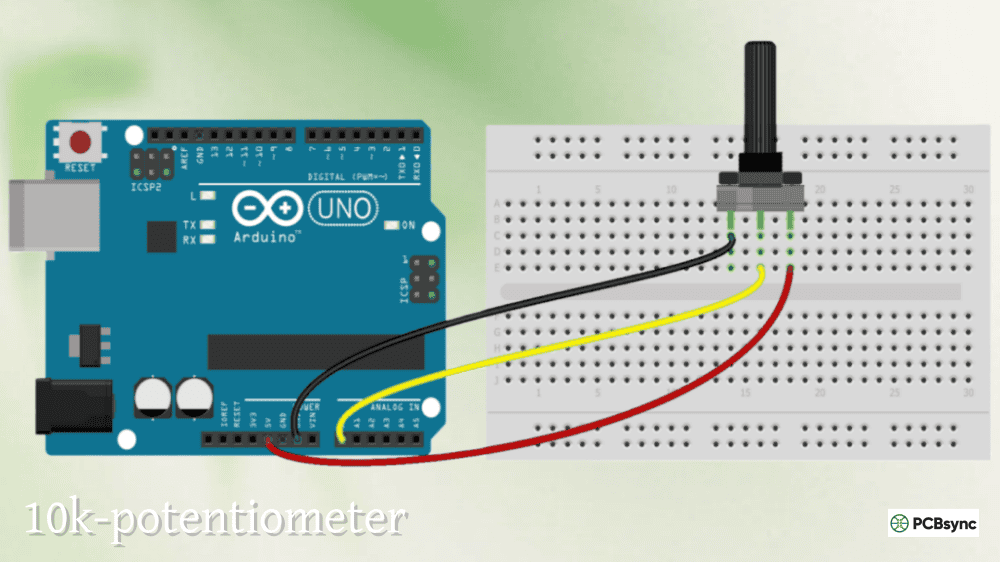
10kΩ potentiometer (for contrast)
12 female-to-female jumper wires
Connection Steps:
Power and Ground
LCD Pin 1 (VSS) → Shield GND
LCD Pin 2 (VDD) → Shield 5V
LCD Pin 15 (LED+) → Shield 5V
LCD Pin 16 (LED-) → Shield GND
Contrast Control
Potentiometer leg 1 → Shield GND
Potentiometer leg 2 (wiper) → LCD Pin 3 (V0)
Potentiometer leg 3 → Shield 5V
Data and Control Lines
LCD Pin 4 (RS) → Shield D8
LCD Pin 5 (RW) → Shield GND (write mode)
LCD Pin 6 (EN) → Shield D9
LCD Pin 11 (D4) → Shield D4
LCD Pin 12 (D5) → Shield D5
LCD Pin 13 (D6) → Shield D6
LCD Pin 14 (D7) → Shield D7
Code Setup:
#include <LiquidCrystal.h>
// Initialize library with pin numbers
LiquidCrystal lcd(8, 9, 4, 5, 6, 7);
void setup() {
lcd.begin(16, 2); // 16 columns, 2 rows
lcd.print(“Shield V5 Test”);
}
void loop() {
lcd.setCursor(0, 1);
lcd.print(“Time: “);
lcd.print(millis() / 1000);
delay(100);
}
Common Problems and Solutions
Problem 1: Sensors Not Powering Up
Symptoms:
No LED indicators on sensor modules
Inconsistent readings
Random resets
Engineering Analysis: This typically indicates insufficient current delivery or voltage sag.
Solutions:
Check SEL jumper configuration matches your setup
Measure voltage at VCC pins with multimeter (should read 4.75-5.25V)
Remove power-hungry devices and test incrementally
Add external power supply for loads exceeding 300mA
Problem 2: Servo Jitter or Arduino Resets
Symptoms:
Servos move erratically
Arduino resets when servos move
Brown-out detector triggers
Root Cause: Servos create current spikes during movement, causing voltage drops that trigger Arduino reset.
Solutions:
Always use external power for servos (SEL jumper removed)
Add 470µF-1000µF electrolytic capacitor across external power terminals
Ensure power supply can deliver 500mA per servo minimum
Keep servo signal wires short (under 15cm) to reduce noise
Problem 3: LCD Display Shows Blocks or Garbage
Symptoms:
Random characters
Full blocks on entire display
No visible characters
Diagnosis and Fixes:
Symptom
Likely Cause
Solution
All blocks
Contrast too high
Adjust potentiometer
Backlight only
Code not uploaded or wrong pins
Verify pin definitions in code
Random characters
Loose connections
Check all jumper wire connections
Nothing visible
No power or contrast too low
Check 5V supply and adjust pot
Problem 4: Ground Pin Issues
Some counterfeit or older shields have a PCB layout defect where ground pins on the LCD parallel interface aren’t properly connected to the ground plane.
Verification:
Set multimeter to continuity mode
Test between any G pin and LCD parallel interface ground pins
If no continuity, you’ve found the issue
Fix:
Solder a jumper wire between LCD interface ground pin and any working G pin
Alternatively, connect display ground directly to Arduino GND pin
Arduino Circuit Designer: Online simulation and testing
Datasheets and Schematics
Most manufacturers don’t publish full schematics for the Arduino Sensor Shield V5, but reverse-engineering shows it’s essentially a passive breakout with:
Direct pin-to-header connections
SEL jumper controlling MOSFET switch for VCC distribution
Basic protection diodes on power rails
Pull-up resistors on I2C lines (typically 4.7kΩ)
For custom PCB designs, consider these values as starting points for your own sensor interface boards.
Real-World Project Examples
Home Automation Controller
Components:
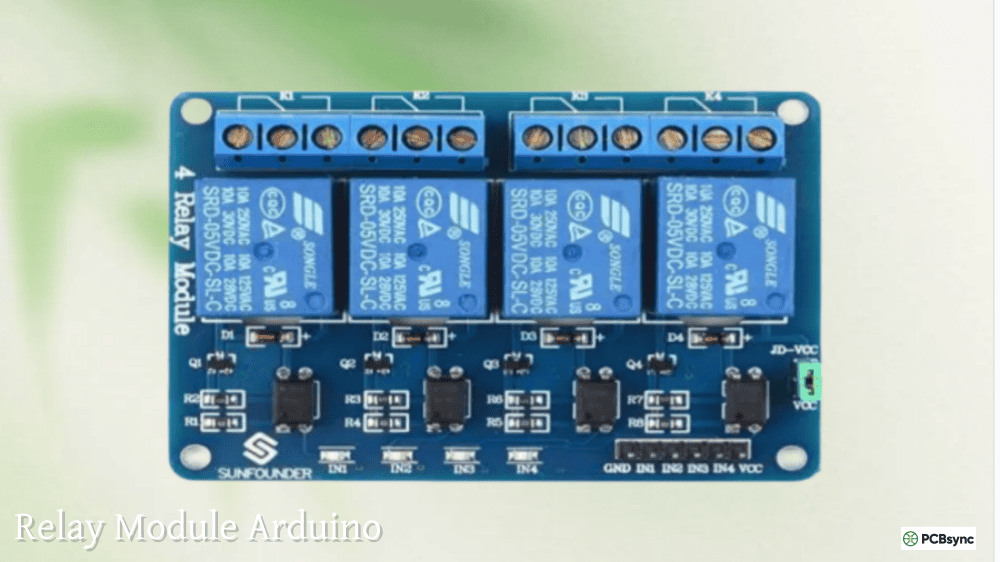
4x relay modules (D2-D5) for appliance control
DHT22 temperature sensor (D7) for HVAC logic
PIR motion sensor (D8) for presence detection
RTC module via I2C for scheduling
LCD display via parallel interface for status
Power Strategy:
Relays on external 5V 2A supply (SEL removed)
Sensors on Arduino 5V for stability
Arduino powered by wall adapter (9V 1A)
Agricultural Monitoring Station
Sensor Array:
Soil moisture sensors (A0-A2, three zones)
LDR light sensor (A3)
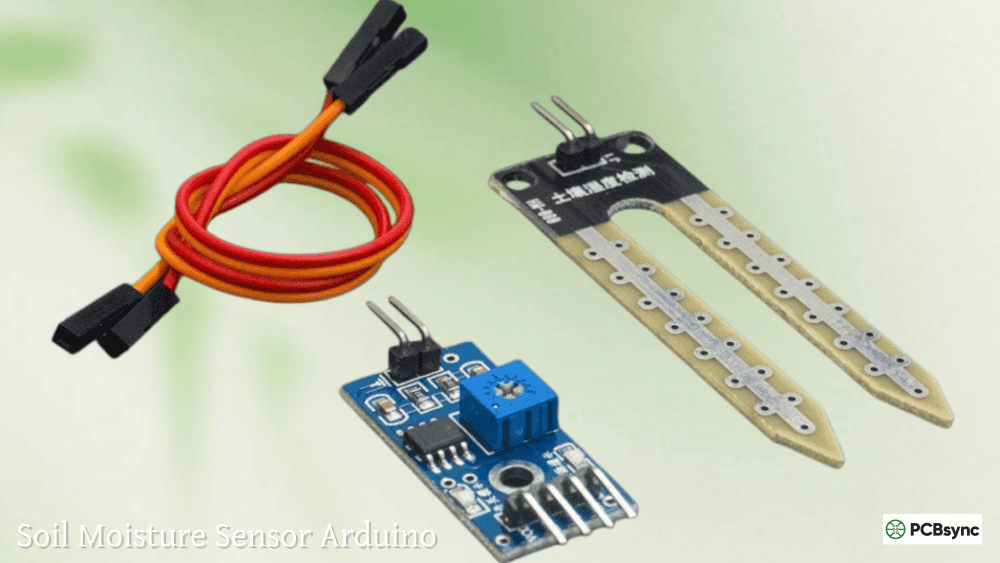
Water level sensor (A4)
BMP180 pressure sensor (I2C)
DS18B20 temperature probes (D10-D12)
Servo for shade control (D3)
This demonstrates the shield handling 10+ sensors simultaneously—exactly what it was designed for.
Educational Robotics Platform
Used in STEM education, the shield simplifies wiring for students:
No breadboard confusion
Color-coded zones (analog/digital/communication)
Standardized connections across projects
Easy to troubleshoot (each sensor independent)
Frequently Asked Questions
1. Can I stack another shield on top of the Arduino Sensor Shield V5?
Generally no. The Sensor Shield V5 uses extended pin headers that make it a top-layer shield. However, you can access the underlying Arduino pins through the shield’s pass-through headers if you need to add components. For applications requiring multiple shields, consider using the Arduino Mega 2560 which provides additional pins that can be accessed without stacking.
2. What’s the maximum current I can draw from the shield?
This depends on your power configuration. If using Arduino’s onboard 5V (SEL jumper installed), you’re limited to approximately 500mA total across all sensors and devices. With the SEL jumper removed and external power connected, your limit becomes the external power supply’s rating, though the screw terminals are rated for about 2A continuous. For heavy loads, upgrade to terminal blocks with higher current ratings.
3. Why do my analog sensor readings fluctuate wildly?
Analog readings are sensitive to several factors. First, check your power supply stability—voltage fluctuations directly affect ADC readings. Second, add a small delay (10-50ms) between analogRead() calls to allow the ADC to settle. Third, implement averaging: take 10 readings and use the median value. Fourth, verify you’re not creating ground loops by having sensors powered from multiple sources. Finally, check if nearby servos or motors are injecting noise—separate their power completely from sensor power.
4. Can I use 3.3V sensors with the Arduino Sensor Shield V5?
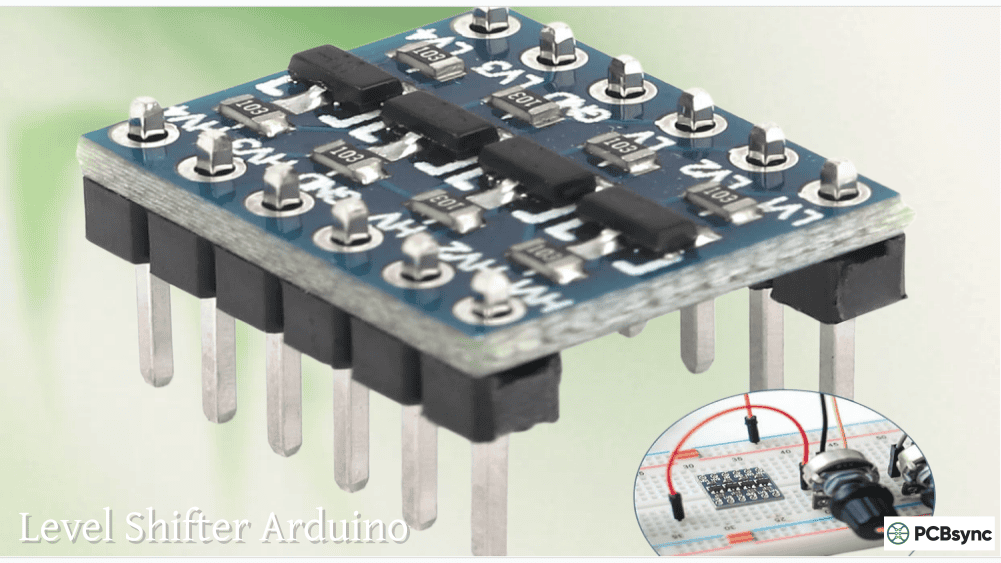
The shield itself doesn’t provide 3.3V power, so you’ll need to add a separate 3.3V regulator. More critically, connecting 5V signals to 3.3V sensor inputs can damage the sensor. You must use level shifters (like the 74LVC245) for bidirectional communication or voltage dividers for simple one-way signals. For I2C devices, most 3.3V sensors are 5V tolerant, but verify your specific component’s datasheet before connecting.
5. How do I prevent my Arduino from resetting when I connect external power?
Arduino resets occur when voltage drops below the brown-out detection threshold (typically 4.5V). This happens when high-current devices draw power and cause voltage sag. The solution is proper power management: always remove the SEL jumper before connecting external power for high-current devices, add bulk capacitance (470µF-1000µF) across the power terminals, and ensure your external supply can deliver the required current with headroom. A 2A supply for 1A total load works better than a 1A supply running at capacity.
Conclusion
The Arduino Sensor Shield V5 transforms prototyping from a tangled mess into an organized, professional setup. For PCB engineers, it’s a reference design showing good power distribution practices. For hobbyists, it removes barriers to building complex multi-sensor projects.
The key to success lies in understanding the power management system—particularly the SEL jumper’s role. With this knowledge, you can confidently build everything from simple sensor monitors to complex robotics platforms.
Whether you’re debugging a prototype or teaching a workshop, the Arduino Sensor Shield V5 proves that sometimes the best engineering solution is simply better organization. Stack it onto your Arduino, connect your sensors, and spend your time writing code instead of troubleshooting wiring.
Inquire: Call 0086-755-23203480, or reach out via the form below/your sales contact to discuss our design, manufacturing, and assembly capabilities.
Quote: Email your PCB files to Sales@pcbsync.com (Preferred for large files) or submit online. We will contact you promptly. Please ensure your email is correct.
Notes: For PCB fabrication, we require PCB design file in Gerber RS-274X format (most preferred), *.PCB/DDB (Protel, inform your program version) format or *.BRD (Eagle) format. For PCB assembly, we require PCB design file in above mentioned format, drilling file and BOM. Click to download BOM template To avoid file missing, please include all files into one folder and compress it into .zip or .rar format.