Inquire: Call 0086-755-23203480, or reach out via the form below/your sales contact to discuss our design, manufacturing, and assembly capabilities.
Quote: Email your PCB files to Sales@pcbsync.com (Preferred for large files) or submit online. We will contact you promptly. Please ensure your email is correct.
Notes: For PCB fabrication, we require PCB design file in Gerber RS-274X format (most preferred), *.PCB/DDB (Protel, inform your program version) format or *.BRD (Eagle) format. For PCB assembly, we require PCB design file in above mentioned format, drilling file and BOM. Click to download BOM template To avoid file missing, please include all files into one folder and compress it into .zip or .rar format.
Arduino Security System: Complete Guide to Motion & Door Sensors
Building an Arduino security system has become one of the most practical DIY electronics projects for homeowners, hobbyists, and PCB engineers looking to implement cost-effective perimeter protection. After designing and deploying security systems across residential and commercial installations, I can tell you that understanding sensor integration, power management, and notification systems is essential for creating a reliable security solution.
This comprehensive guide covers everything from basic motion detection to advanced multi-sensor systems with smartphone notifications, all based on real-world implementation experience.
An Arduino security system combines microcontroller processing with various sensors to detect unauthorized entry, motion, or environmental changes. Unlike expensive commercial systems that lock you into monthly subscriptions and proprietary hardware, Arduino-based security provides complete control, customization, and zero recurring costs.
The fundamental advantage comes from Arduino’s flexibility. You can start with a simple door sensor, then expand to include motion detectors, cameras, GSM notifications, and even integrate with existing home automation systems. This modular approach allows systems to grow with your security needs without replacing the entire infrastructure.
Core Components for Arduino Security Systems
Essential Hardware Requirements
Component
Purpose
Typical Model
Price Range
Arduino Board
Main controller
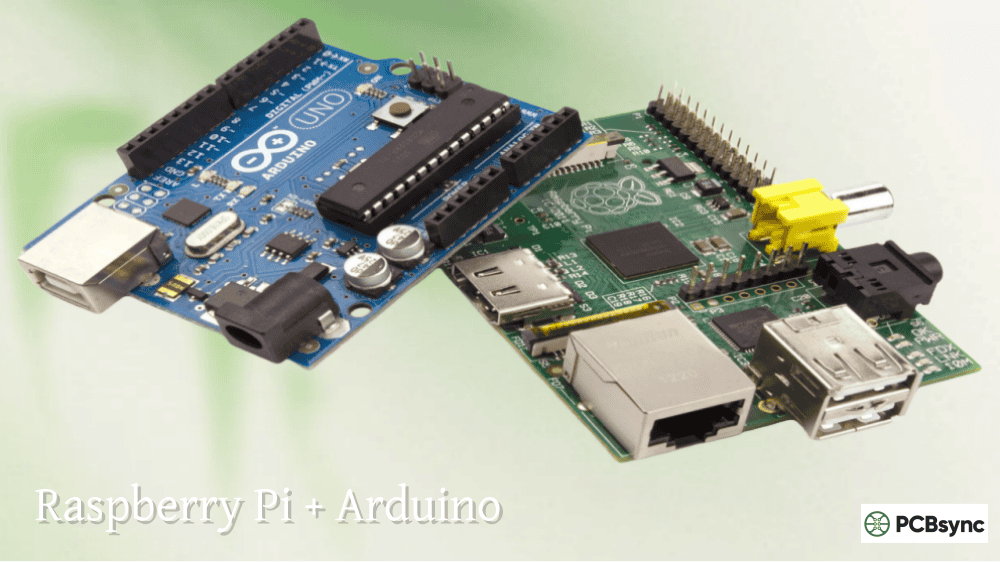
Uno, Nano, Mega
$3-$25
PIR Motion Sensor
Detect movement
HC-SR501, HC-SR505
$1-$5
Door/Window Sensors
Entry detection
Magnetic reed switches
$0.50-$2 each
Buzzer/Siren
Audible alarm
Active/Passive piezo
$1-$15
Keypad
System arming/disarming
4×4 matrix keypad
$2-$5
GSM Module (Optional)
SMS notifications
SIM800L, SIM900A
$5-$15
WiFi Module (Optional)
Internet connectivity
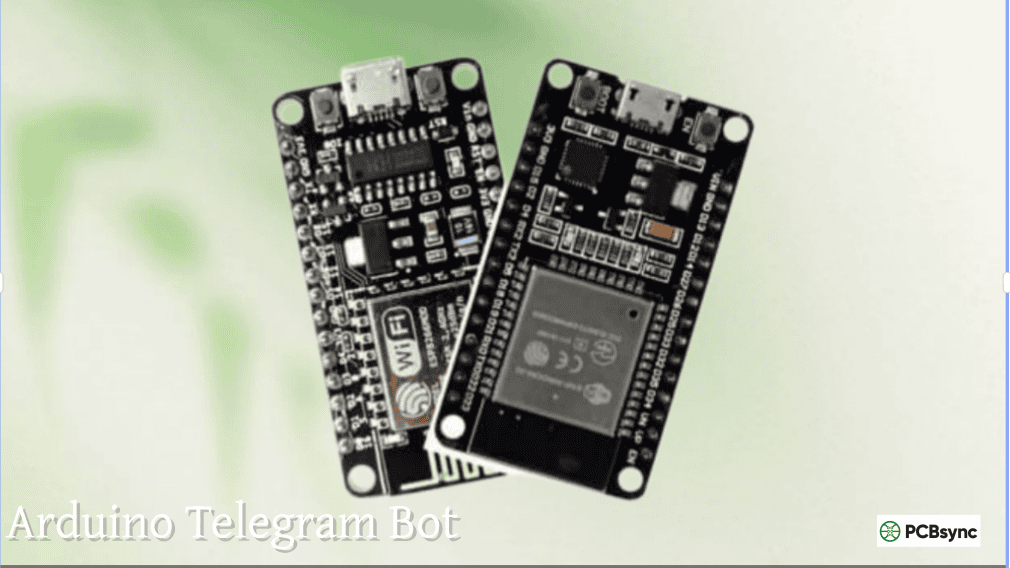
ESP8266, ESP32
$3-$10
Power Supply
System power
5V-12V adapter
$5-$10
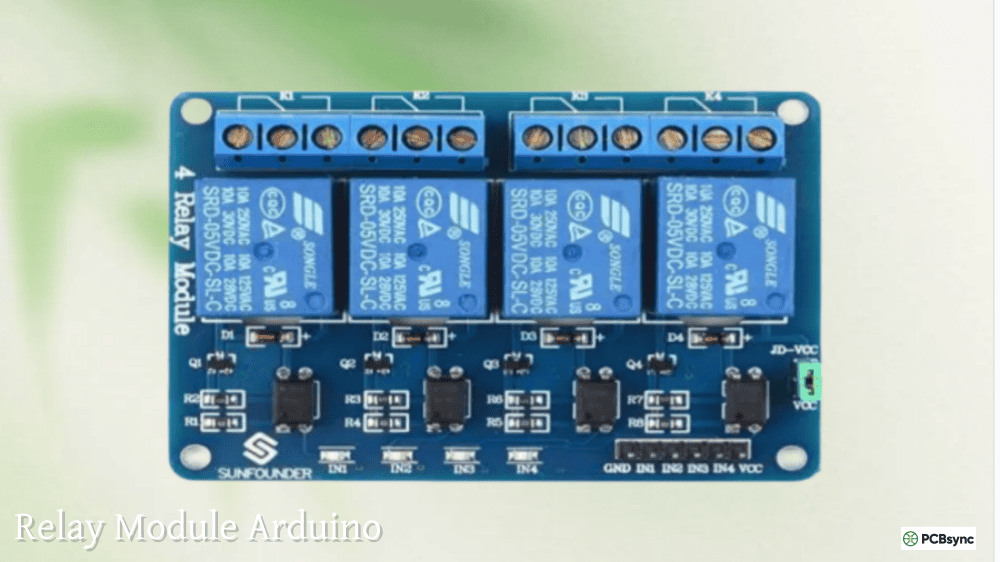
Relay Module
Control high-power devices
1-channel or 4-channel
$2-$8
Understanding PIR Motion Sensors
Passive Infrared (PIR) sensors form the backbone of most Arduino security systems. These sensors detect changes in infrared radiation within their field of view, making them perfect for detecting human movement.
How PIR Sensors Work:
PIR sensors contain pyroelectric materials that generate electrical signals when exposed to infrared radiation changes. The sensor element is split into two halves that work differentially. When a warm body (like a human) moves across the detection zone, one half sees more IR radiation than the other, creating a voltage difference that triggers the output.
Key PIR Sensor Specifications:
Parameter
Typical Range
Adjustable?
Detection Range
3-7 meters
Yes (sensitivity pot)
Detection Angle
100-120 degrees
Fixed by lens
Trigger Delay
5 seconds – 5 minutes
Yes (time delay pot)
Operating Voltage
3.3V – 5V
No
Output Signal
Digital HIGH/LOW
No
Warm-up Time
30-60 seconds
No
From field experience, the HC-SR501 PIR module offers the best balance of sensitivity, adjustability, and reliability for security applications. The onboard potentiometers allow fine-tuning sensitivity and trigger duration without code changes.
Magnetic Door and Window Sensors
Reed switches provide simple but highly effective entry detection. These sensors consist of two components: a switch with metal contacts and a magnet.
Operating Principle:
The reed switch contains two ferromagnetic contacts sealed in a glass envelope. When the magnet approaches (door closed), the contacts close. When the magnet moves away (door opens), the contacts open. This simple mechanism provides extremely reliable operation with no power consumption.
Installation Best Practices:
Alignment Critical: Mount the magnet on the moving part (door/window) and switch on the fixed frame. Maximum gap when closed should be under 20mm.
Wire Routing: Run wires through door frames when possible. For surface mounting, use cable raceways to prevent wire damage.
Multiple Zones: Group sensors by location (front door, back door, windows) using separate Arduino pins for zone identification.
Normally Closed vs. Normally Open: Use normally closed (NC) configurations for security applications. A cut wire triggers an alarm rather than disabling the sensor.
Building Your First Arduino Security System
Basic Motion Detection System
Let’s start with a foundational motion-activated alarm system:
Required Components:
Arduino Uno
HC-SR501 PIR sensor
Active buzzer (or piezo buzzer)
LED indicator
220Ω resistor
Breadboard and jumper wires
Circuit Connections:
Component Pin
Arduino Pin
Notes
PIR VCC
5V
Power
PIR GND
GND
Ground
PIR OUT
D2
Digital input
Buzzer (+)
D8
Through transistor if needed
Buzzer (-)
GND
Ground
LED (+)
D13
Through 220Ω resistor
LED (-)
GND
Ground
Complete Working Code:
// Arduino Security System – Basic Motion Detection
// PCB Engineer’s Edition – Optimized for reliability
const int PIR_PIN = 2; // PIR sensor digital output
const int BUZZER_PIN = 8; // Buzzer control pin
const int LED_PIN = 13; // Status LED
int motionState = LOW; // Current motion state
int previousState = LOW; // Previous motion state
unsigned long motionStartTime = 0;
const unsigned long ALARM_DURATION = 5000; // 5 second alarm
Professional security installations benefit immensely from remote notifications. GSM modules enable Arduino systems to send SMS alerts without requiring WiFi infrastructure.
GSM Module Comparison:
Module
Network
Features
Power Draw
Best For
SIM800L
2G GSM
SMS, calls
500mA peaks
Budget builds
SIM900A
2G GSM
SMS, calls, GPRS
2A peaks
Reliable SMS
SIM7600
4G LTE
SMS, calls, data
2.5A peaks
Future-proof
Critical Implementation Notes:
Power Supply: GSM modules draw 2A during transmission. Use dedicated 4A power supplies—Arduino’s onboard regulator cannot handle this load.
Antenna Connection: Always connect the antenna before powering on. Transmitting without an antenna damages the RF circuitry.
SIM Card Requirements: Use a SIM card without PIN lock. Configure the correct APN for GPRS data if needed.
GSM Alert Implementation:
#include <SoftwareSerial.h>
SoftwareSerial gsmSerial(7, 8); // RX, TX to GSM module
String phoneNumber = “+1234567890”; // Your phone number
void setup() {
Serial.begin(9600);
gsmSerial.begin(9600);
delay(5000); // Wait for GSM module boot
// Test GSM communication
gsmSerial.println(“AT”);
delay(1000);
// Set SMS text mode
gsmSerial.println(“AT+CMGF=1”);
delay(1000);
}
void sendSMSAlert(String message) {
Serial.println(“Sending SMS alert…”);
gsmSerial.print(“AT+CMGS=\””);
gsmSerial.print(phoneNumber);
gsmSerial.println(“\””);
delay(1000);
gsmSerial.print(message);
delay(100);
gsmSerial.write(26); // Ctrl+Z to send
delay(5000);
Serial.println(“SMS sent”);
}
void loop() {
if (motionDetected) {
sendSMSAlert(“SECURITY ALERT: Motion detected in living room!”);
}
}
WiFi Integration with ESP8266
For locations with reliable WiFi, ESP8266 or ESP32 modules provide internet connectivity for email notifications, cloud logging, or smartphone app integration.
WiFi Notification Advantages:
No monthly cellular costs
Faster data transmission
Integration with services like IFTTT, Blynk, or custom web servers
Professional installations require uninterrupted operation during power outages. Implementing battery backup ensures security coverage continues even when mains power fails.
Battery Backup Options:
Solution
Capacity
Runtime
Cost
Complexity
9V battery
500mAh
2-4 hours
Low
Very simple
18650 Li-ion
2500-3500mAh
12-24 hours
Low
Simple
LiPo pack
5000-10000mAh
2-4 days
Medium
Moderate
Lead acid
7-12Ah
1-2 weeks
Medium
Simple
UPS module
Varies
Seamless
High
Plug-and-play
Automatic Switchover Circuit:
Use a diode-based OR configuration for automatic battery backup:
Wall Adapter (12V) —[Diode 1N4007]—+
|—-> Arduino VIN
Battery (12V) ———[Diode 1N4007]–+
When wall power is present, it powers the Arduino and charges the battery through a charging module. When wall power fails, the battery seamlessly takes over through its diode.
Low-Power Optimization
For battery-powered installations, power optimization extends operational lifetime significantly:
Power Reduction Strategies:
Sleep Modes: Use Arduino’s sleep functions to reduce idle current from 50mA to 0.5mA
LED Indicators: Use LEDs only during alerts, not continuous operation
Sensor Selection: Choose low-power PIR sensors (15μA vs. 65mA for standard modules)
Efficient Regulators: Replace Arduino’s linear regulator with switching regulators for 85%+ efficiency
Troubleshooting Common Issues
False Alarm Prevention
False alarms undermine security system credibility. Here’s how to minimize them:
PIR Sensor False Triggers:
Cause
Solution
Direct sunlight
Shield sensor or relocate away from windows
HVAC vents
Mount away from heating/cooling outlets
Moving curtains
Adjust sensitivity, use pet-immune sensors
Insects/spiders
Clean lens regularly, seal enclosure
Electrical interference
Add capacitor to power supply, use shielded cables
Door Sensor Issues:
Intermittent triggers: Check for loose wiring connections, use strain relief
Magnet misalignment: Verify gap is under 20mm when closed, mark correct positions
Vibration sensitivity: Add debounce delays in code (50-100ms typically sufficient)
System Reliability Improvements
Professional deployments require robust error handling:
// Watchdog timer implementation
#include <avr/wdt.h>
void setup() {
wdt_enable(WDTO_8S); // 8 second watchdog
// … rest of setup
}
void loop() {
wdt_reset(); // Reset watchdog – system alive
// Your security code here
// If loop hangs, watchdog resets Arduino after 8 seconds
}
Status Monitoring:
Implement heartbeat signals to verify system operation:
unsigned long lastHeartbeat = 0;
const unsigned long HEARTBEAT_INTERVAL = 3600000; // 1 hour
void loop() {
if (millis() – lastHeartbeat > HEARTBEAT_INTERVAL) {
sendStatusMessage(“System operational – All sensors active”);
lastHeartbeat = millis();
}
}
Advanced Security Features
Camera Integration
Adding visual verification transforms basic alarm systems into comprehensive security solutions:
Camera Options:
ESP32-CAM: Budget solution with WiFi, 2MP camera
ArduCAM: Higher resolution, Arduino-compatible
Raspberry Pi Camera: Superior image quality, requires Pi integration
Motion-Triggered Photography:
// ESP32-CAM trigger example
void captureAndSend() {
camera_fb_t *fb = esp_camera_fb_get();
if (!fb) {
Serial.println(“Camera capture failed”);
return;
}
// Send image via email or upload to cloud storage
sendPhotoEmail(fb->buf, fb->len);
esp_camera_fb_return(fb);
}
Multi-Zone Monitoring
Large installations benefit from zone-based detection:
// Zone management structure
struct SecurityZone {
String name;
int sensorPin;
bool armed;
unsigned long lastTrigger;
};
SecurityZone zones[] = {
{“Front Entrance”, 2, true, 0},
{“Back Door”, 3, true, 0},
{“Garage”, 4, true, 0},
{“Windows”, 5, true, 0}
};
void checkZones() {
for (int i = 0; i < 4; i++) {
if (zones[i].armed && digitalRead(zones[i].sensorPin) == HIGH) {
triggerZoneAlarm(zones[i].name);
zones[i].lastTrigger = millis();
}
}
}
Remote Access and Control
Modern security systems benefit from remote monitoring capabilities:
Blynk.notify(message); // Push notification to phone
}
Real-World Installation Case Studies
Residential Home Security
Project Requirements:
Monitor 3 doors and 6 windows
Motion detection in hallways
SMS alerts to homeowner
Battery backup for 48 hours
Budget: $150
Implementation:
Arduino Mega (more I/O pins)
9x magnetic reed switches
2x PIR sensors (hallway coverage)
SIM900A GSM module
12V 7Ah sealed lead acid battery
UPS-style automatic switchover
Results: System operated flawlessly for 18 months with zero false alarms after initial sensitivity tuning. Battery backup maintained operation during three power outages, with SMS notifications confirming system status.
Small Business Perimeter Security
Project Requirements:
After-hours intrusion detection
Integration with existing alarm siren
Email alerts with photos
Remote arming/disarming
Budget: $300
Implementation:
ESP32-CAM for photo capture
4x PIR sensors covering entry points
Relay module for controlling existing siren
Blynk app for remote control
Cloud image storage via Dropbox API
Results: Prevented two break-in attempts in first six months. ESP32-CAM provided clear photos of attempted entries, assisting police investigation. Remote disarm feature eliminated false alarms from cleaning crew.
Useful Resources and Downloads
Essential Arduino Libraries
Library
Purpose
Installation
Keypad.h
Matrix keypad support
Arduino Library Manager
LiquidCrystal.h
LCD display control
Built-in Arduino
SoftwareSerial.h
Additional serial ports
Built-in Arduino
ESP_Mail_Client
Email functionality
Arduino Library Manager
Blynk
IoT remote control
Arduino Library Manager
Component Sources
Reliable Suppliers:
Arduino Boards: Official Arduino.cc, Adafruit, SparkFun
Can Arduino security systems replace professional installations?
For basic home security, DIY Arduino systems provide excellent protection at a fraction of commercial system costs. However, professional systems include insurance benefits, 24/7 monitoring centers, and certified installation that may be required for business or regulatory compliance. Arduino systems work best for homeowners wanting customization, zero monthly fees, and complete control over their security infrastructure.
What’s the maximum number of sensors one Arduino can handle?
Arduino Uno has 14 digital pins and 6 analog pins. Using multiplexers or I2C expanders, you can monitor 50+ sensors from a single Arduino. Practically, I recommend keeping individual Arduino units to 10-15 sensors to maintain code simplicity and troubleshooting ease. For larger installations, distribute sensors across multiple Arduino boards communicating via I2C or wireless protocols.
How do I prevent my security system from being disabled?
Implement multiple layers of protection: (1) Hide the Arduino in a locked enclosure, (2) Use tamper switches that trigger alarms if the enclosure is opened, (3) Implement battery backup so cutting power doesn’t disable the system, (4) Use encrypted wireless communication for remote sensors, and (5) Send periodic “heartbeat” status messages so you know if the system goes offline. Professional installations should consider cellular backup in case WiFi is compromised.
Which is better for notifications: GSM or WiFi?
GSM modules provide independence from internet infrastructure and work during internet outages, making them more reliable for critical security alerts. However, they require SIM cards (sometimes with monthly costs) and consume more power. WiFi modules are cheaper to operate long-term, offer faster data transmission for images/video, but depend on your internet connection. For maximum reliability, implement both with automatic failover to cellular when WiFi fails.
How can I reduce false alarms from PIR motion sensors?
False alarm reduction requires both hardware and software solutions. Adjust the PIR sensor’s sensitivity potentiometer to reduce range if covering too much area. Mount sensors away from heat sources, direct sunlight, and HVAC vents. In code, implement confirmation delays—require motion to persist for 2-3 seconds before triggering. For pet-friendly systems, mount PIR sensors 6-8 feet high angled downward, or use specialized pet-immune PIR sensors designed to ignore animals under 40 pounds.
Conclusion
Building an Arduino security system combines practical electronics skills with real-world problem-solving. Whether you’re protecting a single room or monitoring an entire property, Arduino’s flexibility enables customized solutions that commercial systems cannot match.
The key to successful implementation lies in starting simple and expanding gradually. Begin with a basic motion detector, validate its operation, then add door sensors, notifications, and advanced features as you gain confidence. This iterative approach prevents overwhelming complexity while building practical experience with each component.
Remember that security is about layers. No single sensor or technology provides perfect protection. Combining motion detection, entry sensors, audible alarms, and remote notifications creates redundant security that significantly deters intruders and provides peace of mind.
The most valuable aspect of Arduino security systems isn’t just cost savings—it’s the knowledge and control you gain over your own security infrastructure. When you understand exactly how your system works, you can maintain it, troubleshoot it, and adapt it to changing needs without depending on proprietary hardware or expensive service contracts.
Start with the basic motion detection circuit, experiment with the code, and gradually build toward your ideal security solution. Your investment in learning these fundamentals will provide benefits far beyond a single project.
Inquire: Call 0086-755-23203480, or reach out via the form below/your sales contact to discuss our design, manufacturing, and assembly capabilities.
Quote: Email your PCB files to Sales@pcbsync.com (Preferred for large files) or submit online. We will contact you promptly. Please ensure your email is correct.
Notes: For PCB fabrication, we require PCB design file in Gerber RS-274X format (most preferred), *.PCB/DDB (Protel, inform your program version) format or *.BRD (Eagle) format. For PCB assembly, we require PCB design file in above mentioned format, drilling file and BOM. Click to download BOM template To avoid file missing, please include all files into one folder and compress it into .zip or .rar format.