Inquire: Call 0086-755-23203480, or reach out via the form below/your sales contact to discuss our design, manufacturing, and assembly capabilities.
Quote: Email your PCB files to Sales@pcbsync.com (Preferred for large files) or submit online. We will contact you promptly. Please ensure your email is correct.
Notes: For PCB fabrication, we require PCB design file in Gerber RS-274X format (most preferred), *.PCB/DDB (Protel, inform your program version) format or *.BRD (Eagle) format. For PCB assembly, we require PCB design file in above mentioned format, drilling file and BOM. Click to download BOM template To avoid file missing, please include all files into one folder and compress it into .zip or .rar format.
Arduino Plant Watering: Automatic Irrigation System for Smart Gardens
Building an Arduino Plant Watering system transforms basic gardening into intelligent horticulture. Whether you’re maintaining houseplants while traveling, managing a greenhouse, or optimizing water consumption in your garden, an Arduino-based automatic irrigation controller delivers precise, reliable watering without constant human intervention.
As a PCB engineer who’s designed dozens of environmental monitoring systems, I’ve learned that successful automated watering requires more than just connecting a pump to a sensor. Proper sensor selection, relay circuit design, and calibration procedures determine whether your plants thrive or struggle. This comprehensive guide covers everything from component selection to troubleshooting common failures I’ve encountered in real-world deployments.
An Arduino Plant Watering system consists of four essential subsystems: moisture sensing to measure soil conditions, control logic to make watering decisions, power switching to activate pumps, and optional monitoring to track system performance. The Arduino microcontroller serves as the “brain,” continuously reading sensor data and controlling water delivery based on programmable thresholds.
Why Automate Plant Watering
Manual watering creates inconsistencies that stress plants. You might water too frequently (causing root rot) or too infrequently (causing wilt and stunted growth). Automated systems maintain optimal moisture levels regardless of weather, travel schedules, or forgetfulness. For commercial growers, this translates directly to improved yields and reduced labor costs. For hobbyists, it means healthier plants and peace of mind during vacations.
From an engineering perspective, automated irrigation also enables data collection. By logging moisture levels, watering frequency, and environmental conditions, you gain insights into plant water requirements that would be impossible to obtain through manual observation alone. I’ve seen systems that reduce water consumption by 40% compared to manual watering simply by eliminating overwatering.
Essential Components for Arduino Plant Watering
Let me break down the components you’ll need, focusing on specifications that actually matter for system reliability and longevity.
Core Components Comparison
Component
Recommended Model
Key Specifications
Typical Cost
Arduino Board
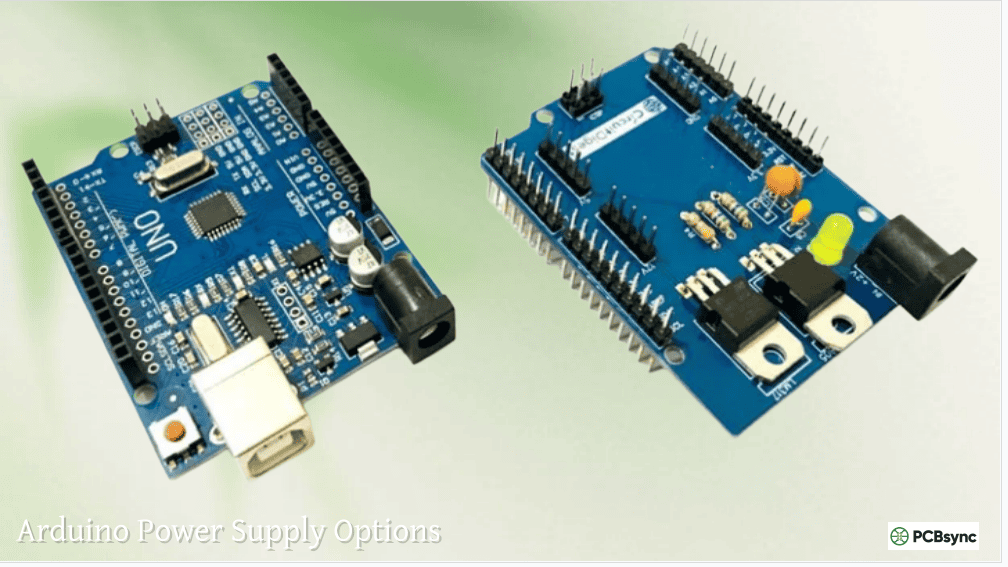
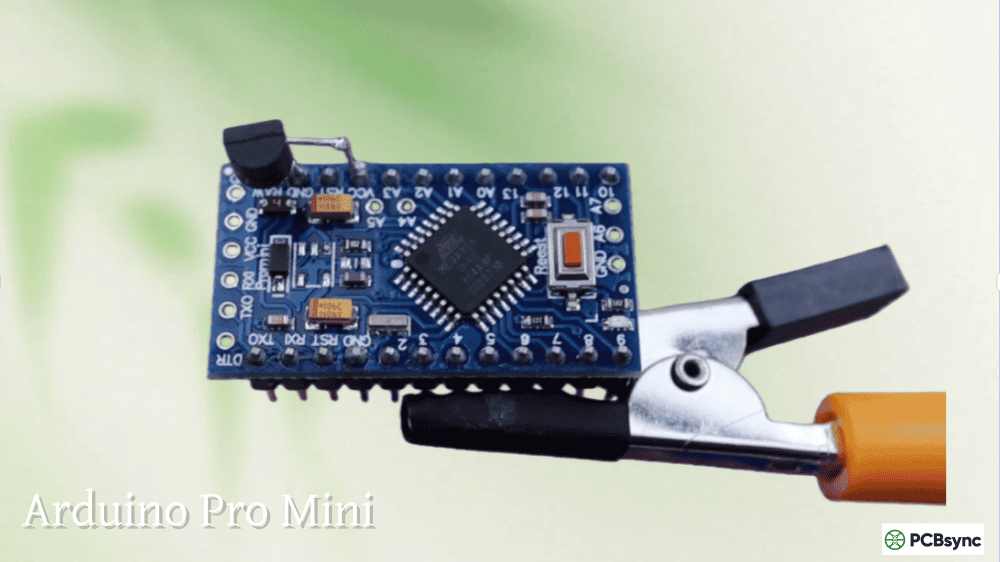
Uno, Nano, Pro Mini
ATmega328P, 5V operation
$3-$25
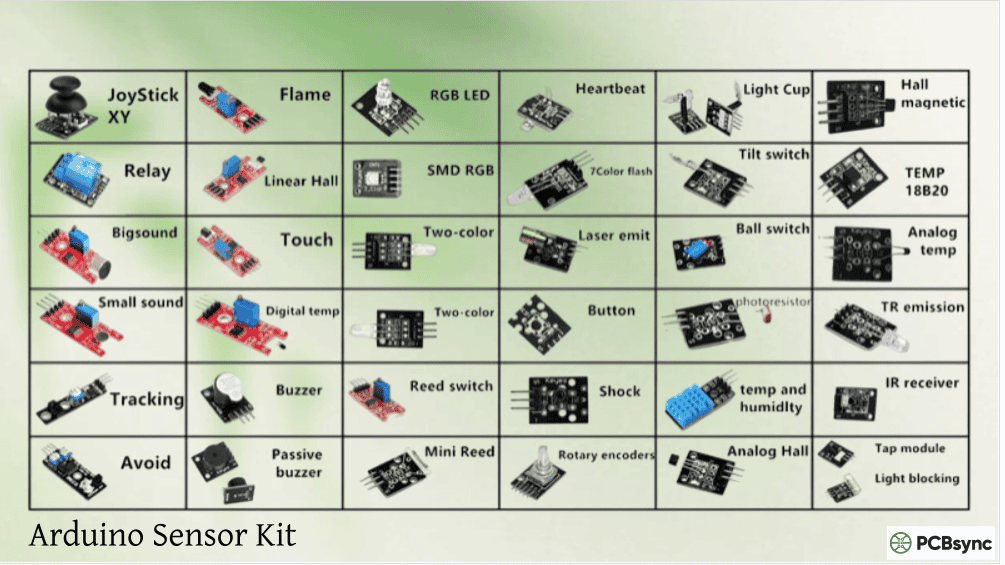
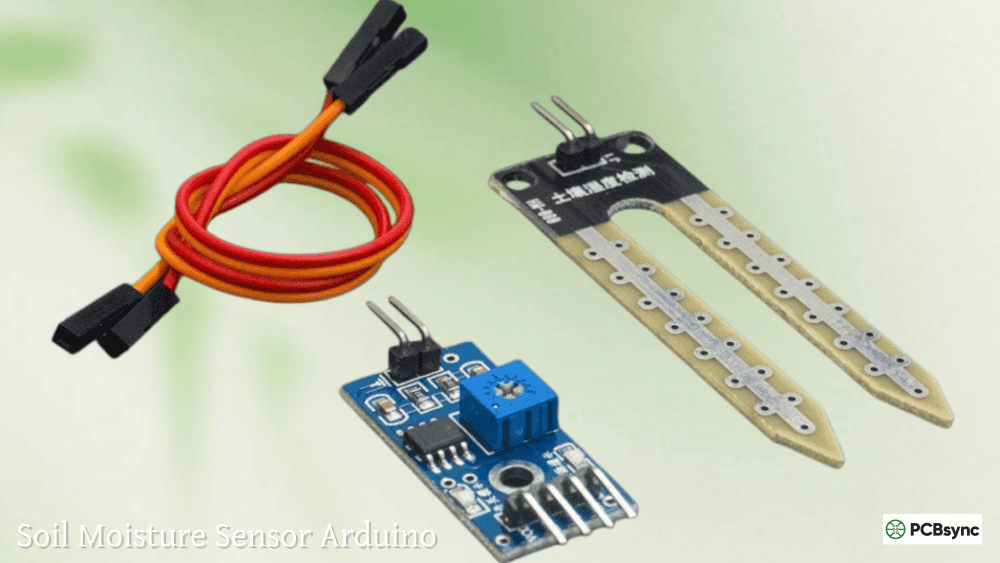
Soil Moisture Sensor
Capacitive (v1.2 or v2.0)
Analog output, corrosion resistant
$2-$8
Relay Module
Single or multi-channel
5V coil, 10A contacts minimum
$2-$10
Water Pump
Submersible DC pump
3-12V, 120-240 L/hr flow rate
$3-$15
Power Supply
Wall adapter or batteries
Match pump voltage requirements
$5-$12
Tubing
Vinyl or silicone
4-6mm ID, food-grade
$0.50/meter
Water Container
Reservoir or tank
1-10L depending on plant count
$5-$20
Selecting the Right Soil Moisture Sensor
This single component choice determines system reliability more than any other. There are two fundamental types, each with distinct advantages and critical limitations:
Resistive Sensors (FC-28 style): These use two exposed metal probes to measure electrical resistance through the soil. As moisture increases, resistance decreases because water conducts electricity better than dry soil. They’re incredibly cheap ($1-2) but have fatal flaws for long-term deployment.
The exposed metal electrodes corrode rapidly through electrolysis—I’ve seen complete electrode failure in as little as 3-4 weeks of continuous operation. The corrosion isn’t just cosmetic; it dramatically alters calibration. A sensor that triggers watering at reading “400” when new might trigger at “600” after two months, resulting in overwatering.
Additionally, resistive sensors measure ionic conductivity rather than actual moisture content. Fertilizer concentration affects readings significantly. I’ve measured 30% variation in sensor output from the same soil moisture level just by changing fertilizer concentration.
Capacitive Sensors (Recommended): These measure the soil’s dielectric constant—essentially how well it stores electrical charge. As water content increases, the dielectric constant rises, changing the capacitance between two insulated plates. The key advantage: no exposed electrodes means no corrosion.
Quality capacitive sensors (look for v1.2 or v2.0 models) last 2-3 years in continuous soil contact. They’re less affected by fertilizer and provide more linear response across the moisture range. The extra $3-5 cost pays for itself within weeks by eliminating calibration drift and replacement cycles.
From a PCB design perspective, capacitive sensors require proper conformal coating protection. Cheaper clones skimp on this coating, leading to moisture ingress and PCB delamination. I always recommend the DFRobot Gravity series or similar industrial-grade sensors for serious applications.
Relay Module Selection and Circuit Protection
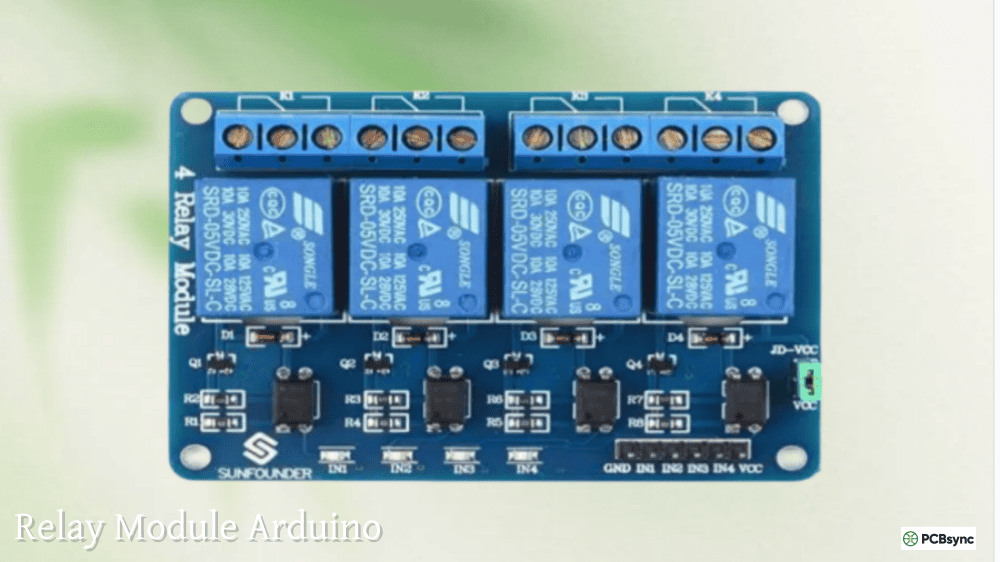
The relay serves as an electrically isolated switch between the Arduino’s 5V logic and the pump’s power circuit, which might operate at 12V or higher. This electrical isolation is critical—it prevents pump electrical noise from damaging your Arduino and allows safe switching of higher voltages.
Single vs. Multi-Channel Relays: Single-channel modules ($2-3) work perfectly for basic systems with one pump. Multi-channel modules (2, 4, or 8 channels at $5-15) enable controlling multiple pumps for different plant zones or adding features like LED indicators and alarm outputs.
Critical Specifications: The relay coil voltage must match your Arduino’s logic level (typically 5V). The contact rating must exceed your pump’s current draw with safety margin. A 3W pump drawing 250mA at 12V should use a relay rated for at least 1A, preferably 2A. This headroom prevents contact welding during switching inrush current spikes.
Flyback Diode Protection: Most quality relay modules include flyback diodes across the relay coil to suppress voltage spikes when the coil de-energizes. If your module lacks this diode (check the schematic), add a 1N4007 diode yourself. I’ve diagnosed countless mysterious Arduino resets caused by relay kickback voltage resetting the microcontroller.
Water Pump Considerations
Pump selection depends on your water source configuration and required flow rate. There are three common approaches, each with engineering tradeoffs:
Submersible DC Pumps (Most Common): These sit directly in your water reservoir and pump water through tubing to your plants. Typical specifications: 3-12V DC, 100-300 L/hr flow rate, 1-3 meter maximum head height. They’re quiet, require no priming, and are widely available.
The primary limitation is head height—if your reservoir sits more than 1-2 meters below your plants, the pump may struggle or fail. Always check the pump’s head pressure specifications. A “120 L/hr” pump might only deliver 60 L/hr at 1 meter head.
Peristaltic Pumps: These use rollers to compress flexible tubing, pushing liquid forward without the liquid touching pump internals. They’re ideal for nutrient solutions or fertilizer injection because they’re completely clean and self-priming. However, they’re more expensive ($15-30) and have lower flow rates (50-100 mL/min typical).
Solenoid Valves (Gravity Feed): If your reservoir can be elevated above your plants, a simple solenoid valve replaces the pump. These are extremely reliable, silent, and power-efficient. The Arduino opens the valve and gravity delivers water. The limitation: requires 1-2 meters elevation difference and careful flow rate tuning with inline valves.
Circuit Design and Wiring
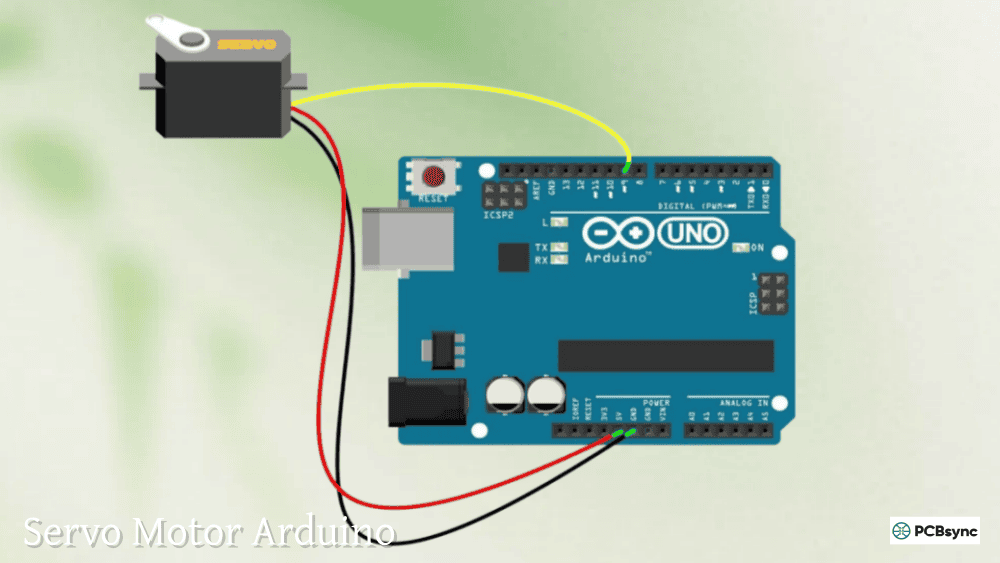
The electrical connections for an Arduino plant watering system are straightforward, but precise wiring prevents failures. Let me walk through the circuit from a systems engineering perspective.
Relay Module IN (signal) → Arduino D7 (digital output)
Relay and Pump Circuit:
Pump positive (+) wire → Relay NO (Normally Open) terminal
Relay COM (Common) terminal → Power supply positive (+)
Pump negative (-) wire → Power supply negative (-)
Power supply GND → Arduino GND (common ground essential)
Critical Wiring Notes: All ground connections must be common—Arduino GND, power supply GND, and relay GND must connect together. Floating grounds cause erratic behavior and sensor misreads.
Use wire gauge appropriate for current: 22-24 AWG for signal wires, 18-20 AWG for pump power wires. Undersized power wiring causes voltage drops that trigger Arduino brownouts.
Keep sensor signal wires away from pump power wires. I run them on opposite sides of the enclosure to minimize electrical interference. Twisted pair wiring for the sensor reduces noise pickup in environments with fluorescent lighting or other EMI sources.
Power Supply Design
The Arduino and relay typically draw 50-100mA combined. Add your pump’s current draw (check specifications or measure with a multimeter). If using a 12V, 300mA pump, total system current is ~400mA. Use a power supply rated for at least 600mA (1.5× safety factor).
For portable/outdoor installations, battery power becomes necessary. A 12V, 7Ah sealed lead-acid battery can run a typical system for 50-80 hours between charges, depending on watering frequency. Adding a small solar panel (5-10W) extends this to indefinite operation.
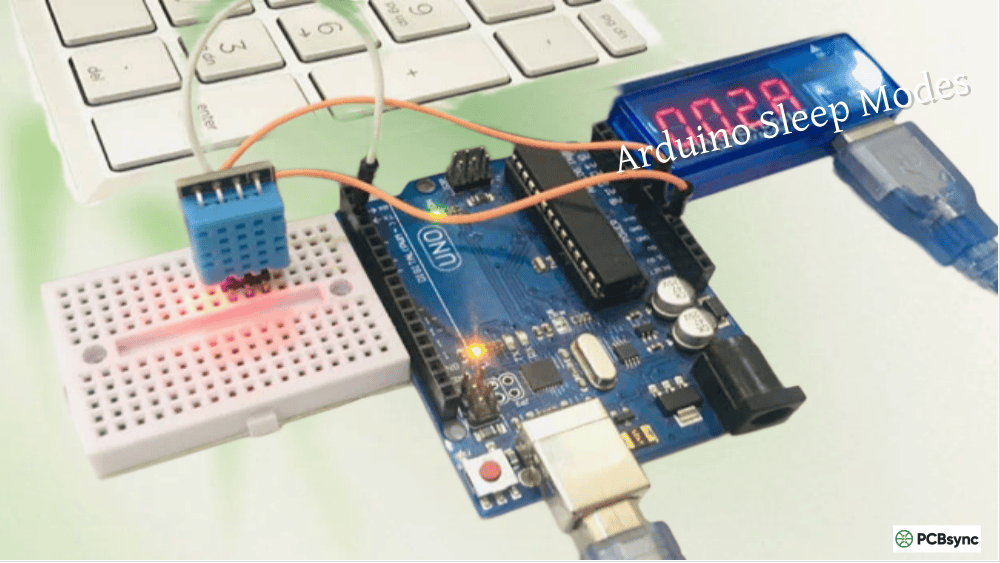
Low-Power Optimization: The Arduino Uno draws 45-50mA continuously. An Arduino Pro Mini in sleep mode draws only 0.5-2mA. For battery-powered systems, I use the Pro Mini with sleep modes between sensor readings, extending battery life by 10-20×. The code wakes every 30-60 minutes to check moisture, waters if needed, then returns to sleep.
Software Programming and Logic
The software determines when and how long to water. While simple threshold-based systems work, incorporating timing logic and fail-safes prevents disasters like pumps running dry or floors flooding.
Basic System Logic Flow
1. Initialize system (set pin modes, establish communication)
2. Read soil moisture sensor value
3. Convert analog reading (0-1023) to percentage (0-100%)
4. Check if moisture percentage < threshold (e.g., 30%)
5. If YES:
– Turn relay ON (activate pump)
– Water for fixed duration (e.g., 5 seconds)
– Turn relay OFF
– Wait for soil saturation (30-60 seconds)
6. If NO:
– Keep relay OFF
– Log status (optional)
7. Wait before next reading (e.g., 10 minutes)
8. Return to step 2
Calibration Procedures
Raw sensor readings mean nothing without calibration. A sensor reading “450” in your potting soil might represent completely different moisture than “450” in sandy loam. Here’s the calibration procedure I use:
Air Calibration (Dry Reference): Remove sensor from soil and let it dry completely for 30 minutes. Record the analog reading—this is your “0% moisture” reference. Typical values: 500-650 for capacitive sensors.
Water Calibration (Wet Reference): Submerge the sensor in water (only the sensing portion, not electronics). Record the reading—this is your “100% moisture” reference. Typical values: 250-350 for capacitive sensors.
The Arduino map() function linearly scales sensor readings between your calibrated endpoints. For more accurate results across the full range, create a 3-5 point calibration curve using known soil moisture levels (oven-dry, field capacity, saturation, etc.).
Threshold Determination
Different plants require different soil moisture levels. Here are typical thresholds I use based on plant type:
Plant Type
Ideal Moisture %
Water Threshold
Stop Threshold
Succulents/Cacti
10-25%
Below 15%
Above 25%
Tropical Plants
40-60%
Below 35%
Above 65%
Vegetables
50-70%
Below 45%
Above 75%
Herbs
30-50%
Below 25%
Above 55%
Start conservatively (lower thresholds) and adjust based on plant response over 1-2 weeks. Overwatering kills more plants than underwatering, and recovery from drought stress is faster than recovery from root rot.
Advanced Features
Dual-Threshold Control: Instead of a single threshold, use separate “start watering” and “stop watering” thresholds. This hysteresis prevents rapid on-off cycling if moisture hovers near the threshold. Water when moisture drops below 30%, but don’t stop until it reaches 60%.
Time-Based Lockout: Prevent excessive watering by enforcing minimum time between watering cycles. Even if moisture drops below threshold, don’t water more than once every 2-4 hours. This allows water to distribute through the soil before re-measuring.
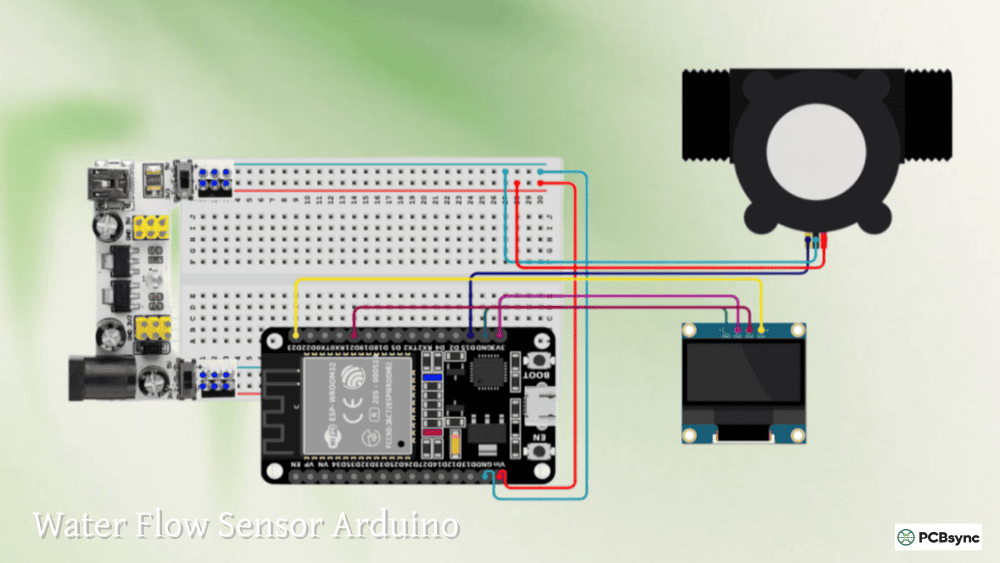
Water Volume Metering: Instead of time-based watering (pump on for 5 seconds), measure actual water delivered using a flow sensor. This compensates for pump performance variations and provides data logging of water consumption.
Multi-Zone Control: Use an array of sensors and multiple relays/pumps to independently control different plant zones. This is essential when growing plants with different water requirements in the same system.
Physical installation requires as much attention as the electronics. Poorly placed sensors or pumps cause systematic errors that no amount of code tuning can fix.
Sensor Placement Strategy
Soil moisture isn’t uniform throughout a pot or bed. The sensor location dramatically affects readings:
Radial Position: Place sensors midway between the plant stem and pot edge. Too close to the center misses dry zones at the perimeter. Too close to the edge reads artificially dry from evaporation and drainage.
Depth Position: Insert sensors to 1/2 to 2/3 of the root depth. Surface readings fluctuate wildly from evaporation. Deeper readings are more stable but may miss critical surface drying.
Orientation: Vertical insertion provides averaged reading across depths. Horizontal insertion at a specific depth provides depth-specific data. For most applications, 45° angle insertion balances both needs.
Physical Protection: The “maximum insertion line” marked on sensors exists for a reason—it indicates the waterproofing limit. Submerging beyond this line causes internal moisture contamination and sensor failure. I’ve seen dozens of failures from ignoring this marking.
Pump and Tubing Setup
Pump Positioning: Submersible pumps must remain fully submerged during operation. Running dry destroys the seals and bearings within seconds. Position the pump at least 5cm from the reservoir bottom to avoid sucking sediment. Add a coarse filter sock if using rainwater or outdoor collection.
Tubing Routes: Minimize tubing length and bends. Each 90° elbow reduces flow by approximately 10%. Total tubing runs should stay under 2-3 meters for small DC pumps. Secure tubing with zip ties every 30-50cm to prevent siphoning when the pump stops.
Drip Points: Where water exits the tubing matters enormously. Concentrated dripping in one spot creates channels, allowing water to run straight through without saturating root zones. I use:
Drip stakes: Inserted into soil, these distribute water radially from underground
Splitters: Divide one tube into 4-8 smaller tubes for distributed delivery
Drip rings: Circular tubing with multiple small holes, placed around the plant base
Enclosure Design
The Arduino and relay must be protected from moisture while remaining accessible for maintenance. I’ve built dozens of systems and learned these lessons:
Weatherproof Enclosures: Use IP65-rated boxes for outdoor installations. The IP rating indicates dust and water protection level—IP65 resists water jets from any direction. $10-15 buys adequate protection that prevents costly electronics replacement.
Ventilation: Electronics generate heat. Sealed enclosures in direct sun can reach 60-70°C, exceeding component ratings and causing premature failure. Add passive vents with mesh screening, or for critical applications, add a small 12V fan on a thermostat.
Cable Glands: Every wire entering the enclosure should pass through a proper cable gland. These rubber grommets compress around the wire, creating a waterproof seal. Drilling holes and running bare wire invites disaster the first time rain falls.
Mounting Location: Elevate enclosures at least 30-50cm above ground level to avoid splash water and ground moisture. Mount on the shaded side of walls or under eaves to minimize temperature extremes.
Troubleshooting Common Problems
Let me share the most frequent failures I’ve encountered and how to diagnose them systematically.
Sensor Reads Constant Value
Problem: Sensor always reads same value (often 1023 or 0) regardless of soil moisture.
Diagnosis:
Check sensor VCC and GND connections with multimeter—should read 5V
Measure sensor output voltage with multimeter while changing moisture
Verify sensor signal wire connected to analog pin (A0-A5), not digital pin
Code logic errors: Add debug output to trace program flow
Electromagnetic interference: Add 100nF capacitor across relay coil, separate sensor and power wiring
Overwatering or Underwatering
Problem: Plants show signs of water stress despite system operation.
Diagnosis:
Re-calibrate sensor with known dry and wet references
Verify threshold values match actual plant requirements
Check that watering duration delivers appropriate water volume
Examine soil drainage—poor drainage causes saturation regardless of watering
Solutions:
Threshold too high/low: Adjust based on plant species requirements
Watering duration incorrect: Measure actual water delivered per cycle
Sensor placement wrong: Relocate to position that represents root zone
Soil quality poor: Amend soil or transplant to better medium
Advanced Integration and Features
Once the basic system runs reliably, several enhancements transform it from functional to sophisticated.
IoT Connectivity for Remote Monitoring
Adding WiFi capability via ESP8266, ESP32, or Arduino with WiFi shield enables remote monitoring and control. Popular platforms include:
Blynk: Mobile app with drag-and-drop interface creation. Display moisture graphs, receive watering notifications, manually trigger watering cycles. Free tier supports small projects; $5/month for advanced features.
Arduino IoT Cloud: Official Arduino solution with straightforward cloud integration. Create dashboards, set schedules, receive alerts. Particularly well-integrated with newer Arduino boards (MKR WiFi 1010, Nano 33 IoT).
ThingSpeak: Excellent for data logging and visualization. Free tier provides 3 million messages/year—far more than needed for moisture logging. MATLAB integration enables advanced data analysis.
From a PCB engineer’s perspective, adding WiFi increases power consumption significantly. ESP8266 draws 70-170mA during transmission. For battery-powered systems, use deep sleep modes and wake only for critical data transmission or user requests.
DHT22 (Temperature/Humidity): Adjust watering schedules based on ambient conditions. Higher temperatures and lower humidity increase evapotranspiration, requiring more frequent watering. I’ve programmed systems that reduce watering interval from 12 hours to 8 hours when temperature exceeds 30°C.
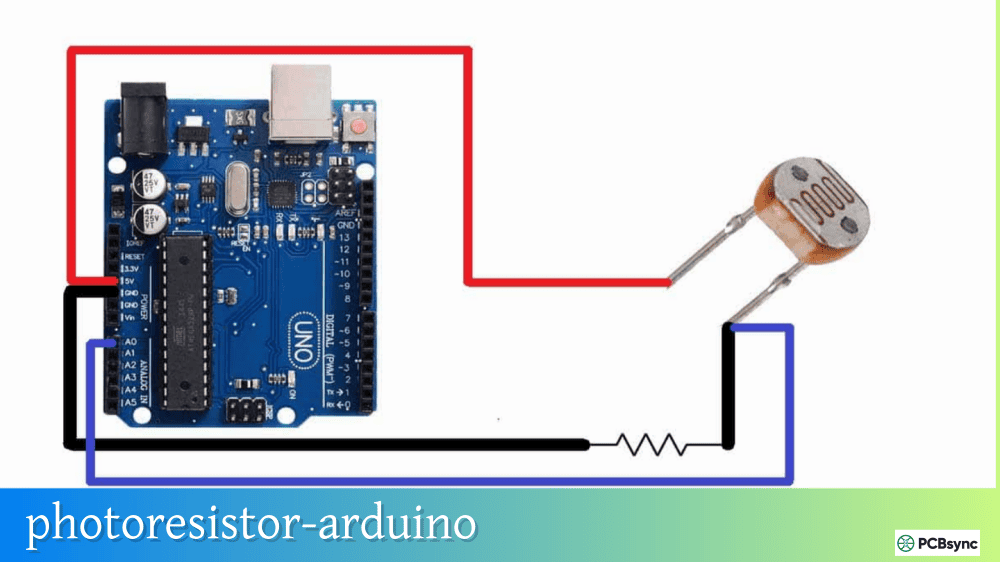
Light Sensors (LDR or BH1750): Detect day/night cycles for scheduling. Watering during peak sun causes excessive evaporation and leaf burn from water droplets. Schedule watering for early morning (6-8 AM) or evening (after 6 PM).
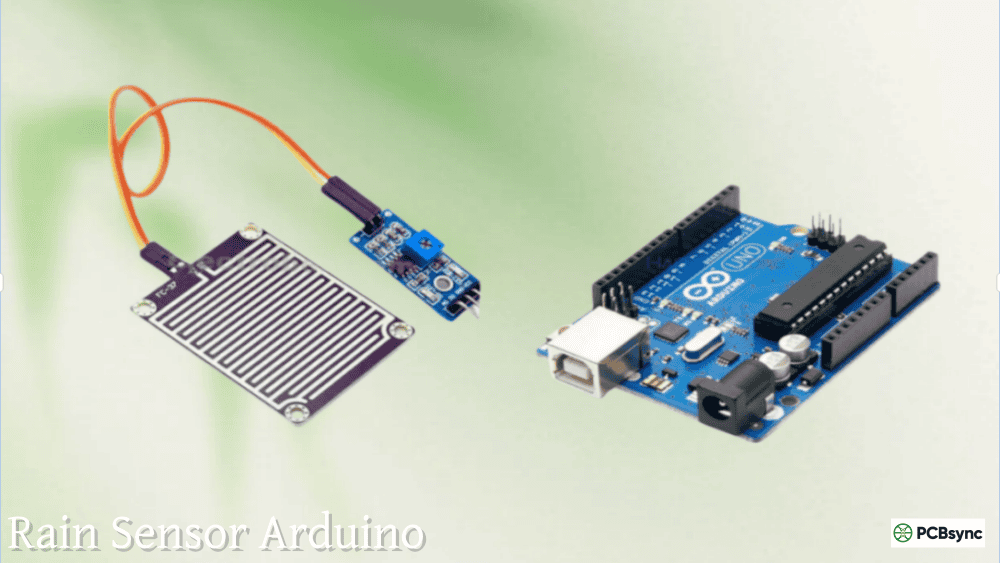
Water Level Sensors: Monitor reservoir levels and alert when refill is needed. Ultrasonic sensors (HC-SR04) provide non-contact measurement. Float switches offer simpler binary “full/empty” indication. Both prevent dry-running pumps.
Data Logging with SD Cards
Adding an SD card module enables persistent data storage for analysis:
This data reveals patterns: how quickly soil dries, how environmental conditions affect moisture, whether watering durations are appropriate. I’ve used logged data to discover that certain plants needed 30% more water than expected, while others were being overwatered by 40%.
Multi-Plant Management
Professional greenhouses don’t water all plants identically. Create zones with independent sensors and pumps:
Zone Architecture:
Zone 1: Succulents (low moisture threshold)
Zone 2: Tropical plants (high moisture threshold)
Zone 3: Vegetables (medium moisture, high volume)
Zone 4: Seedlings (constant moderate moisture)
Each zone operates independently with appropriate thresholds and watering schedules. Use a relay board with 4-8 channels and multiple sensors. The Arduino scans all sensors and controls each zone separately.
Cost Analysis and ROI
Let’s examine the economics realistically, comparing DIY Arduino systems to commercial alternatives.
The real value isn’t just cost savings—it’s customization. Commercial systems offer limited threshold adjustment and no data logging. DIY systems adapt precisely to your plants and environment.
Multi-Zone System Costs
For 4-zone system:
Additional sensors (×3): $15
4-channel relay: $8
Additional pumps (×3): $18
Larger power supply: $12
Total additional: $53
Complete 4-zone system: $97
Commercial 4-Zone Equivalent: $250-$400
Savings: 61-75%
The scaling economics favor DIY increasingly as zone count increases. Commercial systems charge premium prices for multi-zone capability that costs only $10-15 in additional Arduino hardware.
Useful Resources and Downloads
Software Libraries
Library
Description
Installation
Standard Arduino Core
Built-in functions for GPIO control
Pre-installed with Arduino IDE
Blynk Library
IoT cloud integration
Library Manager: Search “Blynk”
DHT Sensor Library
Temperature/humidity sensors
Library Manager: Search “DHT sensor library”
SD Card Library
Data logging to SD cards
Pre-installed with Arduino IDE
ESP8266WiFi / WiFi
WiFi connectivity
Board-specific, auto-installed
Code Examples and Projects
GitHub Repositories:
arduino-plant-watering-basic: Simple single-plant system with comments
multi-zone-irrigation: Advanced system with 4 zones and scheduling
iot-plant-monitor: Blynk integration with mobile app control
greenhouse-automation: Complete environmental control including watering
Arduino Project Hub:
“Automatic Plant Watering” by circuitdigest: Complete beginner tutorial
“Smart Plant Watering with Arduino IoT Cloud”: Cloud integration guide
“Multi-Plant Irrigation System”: Scalable design for multiple plants
Component Suppliers
Electronics:
Adafruit: Quality sensors with excellent documentation, US-based
Amazon: Fast shipping, wide selection, read reviews carefully
Automation Direct: Industrial pumps and valves, professional grade
Dripworks: Drip irrigation specialists, extensive tubing and fittings
Learning Resources
YouTube Channels:
“The Nerd Musician”: Excellent Arduino tutorials for beginners
“GreatScott!”: PCB design and electronics fundamentals
“Hoocho”: Hydroponics automation, greenhouse systems
Documentation:
Arduino Official Documentation: docs.arduino.cc
Adafruit Learning System: learn.adafruit.com
SparkFun Tutorials: learn.sparkfun.com
Frequently Asked Questions
Can I use one Arduino to water multiple plants with different water requirements?
Yes absolutely, and it’s one of the best applications for Arduino plant watering systems. Use multiple soil moisture sensors (one per plant or zone) and multiple relay channels to control individual pumps or valves. The Arduino scans each sensor and applies zone-specific thresholds. For example, your succulents might water at 20% moisture while tropical plants water at 40% moisture, all managed by the same microcontroller. The Arduino Uno has 6 analog inputs (A0-A5), supporting up to 6 independent zones with appropriate relay configuration.
How often should I calibrate the soil moisture sensors?
Calibration frequency depends on sensor type and quality. Capacitive sensors in good-quality potting soil maintain calibration for 3-6 months. Resistive sensors deteriorate rapidly—recalibrate monthly if you’re using them. Signs that recalibration is needed include: watering occurring too frequently or too rarely despite unchanged code, visible corrosion on sensor probes, or sudden changes in sensor readings without environmental changes. I recommend quarterly calibration checks: compare sensor readings against manual soil moisture assessment (finger test or second calibrated sensor) and adjust thresholds if needed.
What happens if the water reservoir runs empty?
Running a submersible pump dry destroys it within 30-60 seconds from overheating and seal damage. Prevention is essential: add a water level sensor (ultrasonic HC-SR04 or float switch) to detect low reservoir levels. Program the Arduino to disable watering when water level is insufficient and trigger an alert (LED, buzzer, or mobile notification). For critical applications, I use a secondary water source with automatic switchover, or simply a larger reservoir that requires refilling less frequently. Most small systems use 2-5 liters per week; a 10-liter reservoir provides 2-4 week buffer.
Can this system work outdoors year-round?
Yes, with proper weatherproofing and temperature considerations. The electronics must be in an IP65 or better rated enclosure to survive rain and humidity. The sensors themselves tolerate outdoor conditions well—capacitive sensors are designed for soil contact. The limitations are temperature: Arduino boards operate from 0-85°C officially, but plastic components and batteries perform poorly below freezing. In cold climates, either bring the system indoors for winter or use heated enclosures. The pumps also freeze—use frost-resistant tubing and drain the system before freezing temperatures if leaving it outdoors.
How much water gets delivered per watering cycle?
This depends entirely on your pump specifications and watering duration. A typical small DC pump flows 120 liters per hour, which is 2 liters per minute or 33mL per second. If you program a 5-second watering pulse, approximately 165mL gets delivered. To measure accurately, run the pump for a timed interval into a measuring cup, then calculate: flow_rate = volume_measured / time_seconds. Adjust watering duration based on this measurement and your plant’s requirements. Small houseplants might need 50-100mL per watering, while large outdoor containers might need 500-1000mL. Start conservatively (shorter duration) and increase if soil stays too dry.
Conclusion: Building Smarter Garden Systems
After designing and deploying dozens of Arduino plant watering systems, I can confidently say automated irrigation is one of the most rewarding Arduino applications. The combination of practical utility, visible results, and educational value makes it perfect for beginners and experienced makers alike.
The key to success is starting simple and iterating. Begin with a single plant, basic threshold control, and manual monitoring. Once that system runs reliably for 2-3 weeks, add features: additional plants, environmental sensors, IoT connectivity, data logging. Each addition teaches new skills and improves system performance.
From a PCB engineering perspective, these systems demonstrate fundamental concepts: analog sensing, digital control, power switching, and systems integration. The troubleshooting skills you develop—systematic diagnosis, signal tracing, power analysis—transfer directly to more complex embedded systems projects.
The plants benefit obviously, but so do you. You’ll develop practical electronics skills, save money compared to commercial systems, and gain the satisfaction of building something genuinely useful. Start with the basic components listed here, follow the wiring carefully, and don’t be discouraged by initial challenges. Every successful automated watering system began with a breadboard prototype and someone willing to learn.
Build something that keeps your plants healthy, and you’ll never look at gardening or Arduino the same way again.
Inquire: Call 0086-755-23203480, or reach out via the form below/your sales contact to discuss our design, manufacturing, and assembly capabilities.
Quote: Email your PCB files to Sales@pcbsync.com (Preferred for large files) or submit online. We will contact you promptly. Please ensure your email is correct.
Notes: For PCB fabrication, we require PCB design file in Gerber RS-274X format (most preferred), *.PCB/DDB (Protel, inform your program version) format or *.BRD (Eagle) format. For PCB assembly, we require PCB design file in above mentioned format, drilling file and BOM. Click to download BOM template To avoid file missing, please include all files into one folder and compress it into .zip or .rar format.