Inquire: Call 0086-755-23203480, or reach out via the form below/your sales contact to discuss our design, manufacturing, and assembly capabilities.
Quote: Email your PCB files to Sales@pcbsync.com (Preferred for large files) or submit online. We will contact you promptly. Please ensure your email is correct.
Notes: For PCB fabrication, we require PCB design file in Gerber RS-274X format (most preferred), *.PCB/DDB (Protel, inform your program version) format or *.BRD (Eagle) format. For PCB assembly, we require PCB design file in above mentioned format, drilling file and BOM. Click to download BOM template To avoid file missing, please include all files into one folder and compress it into .zip or .rar format.
I’ve been designing PCBs and embedded systems for over a decade, and one question keeps popping up in forums, client meetings, and even my own workshop: Arduino Mega vs Uno—which board should I actually use?
The honest answer? It depends entirely on what you’re building. I’ve seen hobbyists waste money on a Mega for a simple LED project, and I’ve watched engineers pull their hair out trying to squeeze complex code into an Uno’s limited memory. Both mistakes are entirely avoidable once you understand what each board brings to the table.
Let me break down the real differences between these two boards and help you figure out exactly when you need to step up to more power—and when you don’t.
Understanding the Core Differences Between Arduino Mega and Uno
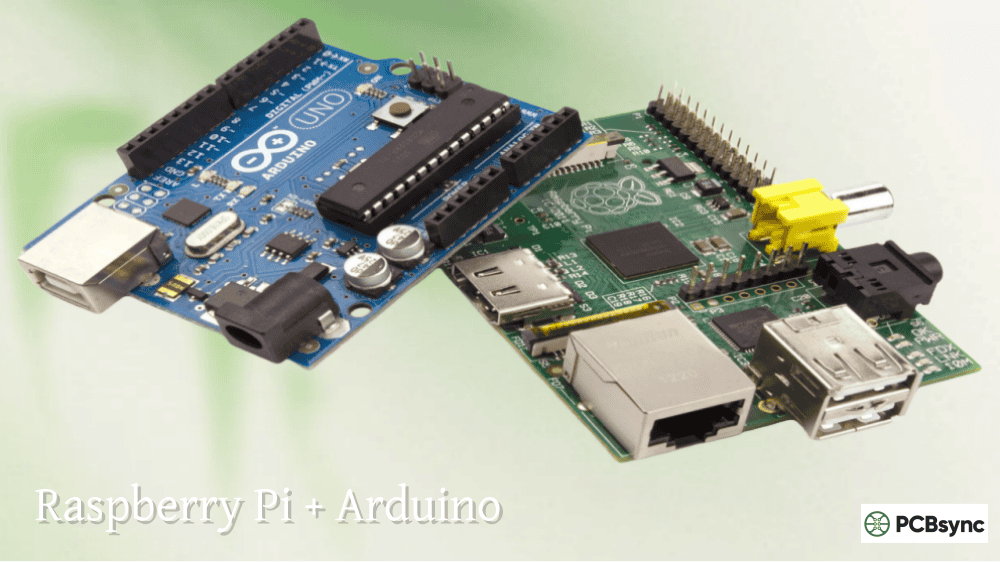
Before we dive into specific scenarios, let’s establish what we’re working with. Both boards are built on Atmel’s AVR architecture and run at the same 16 MHz clock speed, but that’s where the similarities largely end.
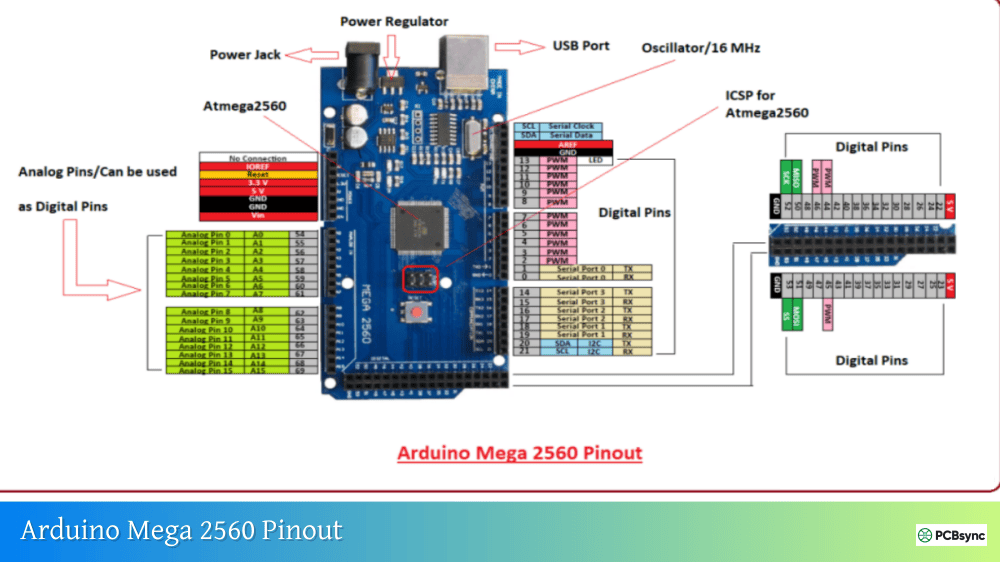
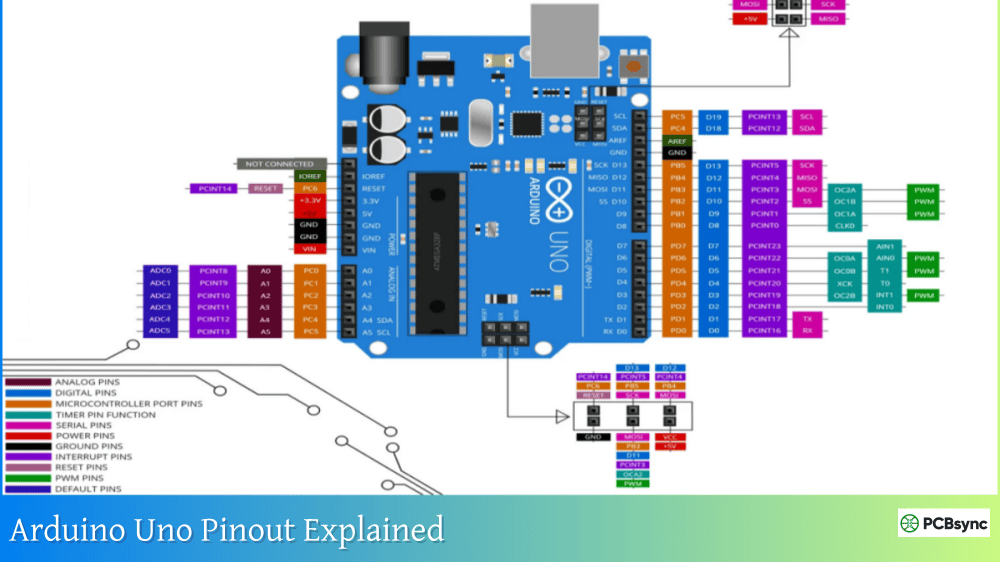
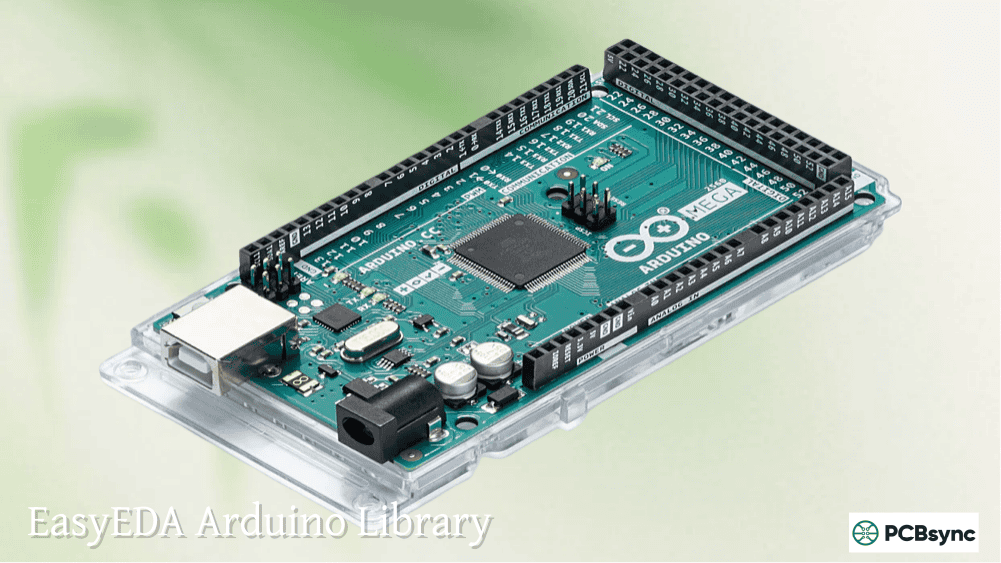
The Arduino Uno uses the ATmega328P microcontroller—a workhorse chip that’s been the backbone of countless maker projects since 2010. The Mega 2560, on the other hand, packs the ATmega2560, a significantly beefier processor designed for applications that demand more resources.
Think of it this way: the Uno is your reliable sedan that handles daily driving perfectly, while the Mega is the pickup truck you bring out when you’ve got serious hauling to do.
Arduino Mega vs Uno: Technical Specifications Compared
Here’s a side-by-side breakdown of the hardware specs that actually matter when you’re designing a project:
Specification
Arduino Uno R3
Arduino Mega 2560
Microcontroller
ATmega328P
ATmega2560
Operating Voltage
5V
5V
Clock Speed
16 MHz
16 MHz
Digital I/O Pins
14 (6 PWM)
54 (15 PWM)
Analog Input Pins
6
16
Flash Memory
32 KB
256 KB
SRAM
2 KB
8 KB
EEPROM
1 KB
4 KB
Serial Ports (UART)
1
4
Board Dimensions
68.6 x 53.4 mm
101.6 x 53.3 mm
Weight
25g
37g
Typical Price
$20-28
$35-45
The numbers tell part of the story, but the real question is: what do these differences mean in practice?
When the Arduino Uno Is the Right Choice
Learning and Prototyping
If you’re just getting started with microcontrollers, the Uno remains the gold standard for good reason. The documentation is exhaustive, community support is unmatched, and virtually every Arduino tutorial you’ll find online uses an Uno. There’s something to be said for having access to thousands of working code examples that you can plug and play without modification.
Simple Automation Projects
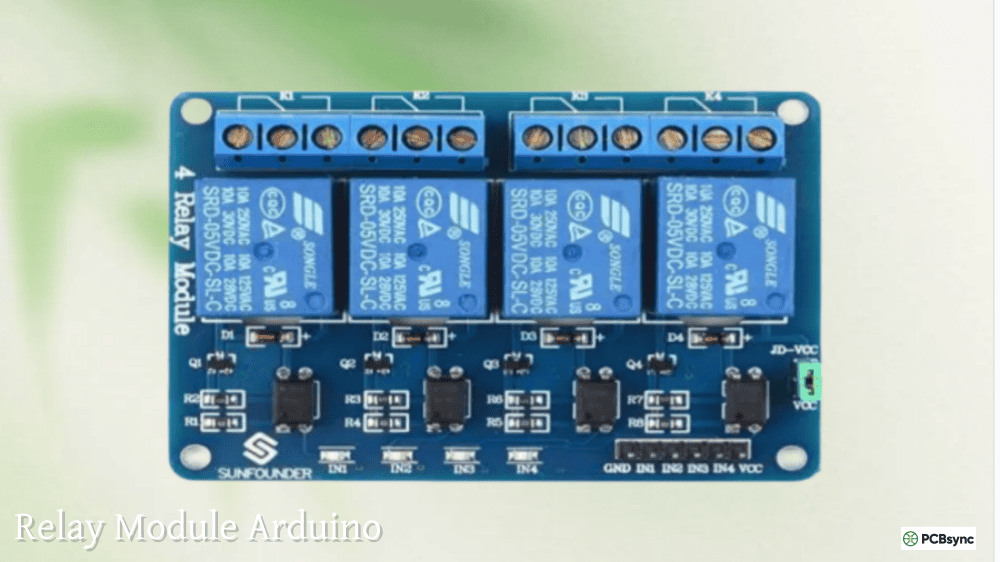
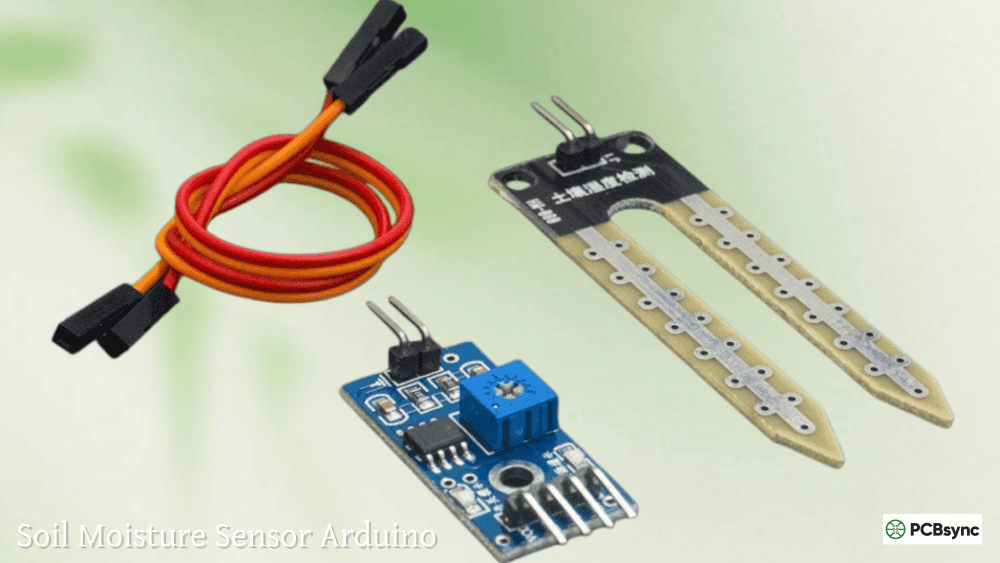
Home automation sensors, temperature monitors, basic motor control, LED lighting projects—the Uno handles these without breaking a sweat. I recently built a greenhouse monitoring system with three soil moisture sensors, a DHT22 temperature/humidity sensor, and a relay module for watering control. The Uno ran it flawlessly with memory to spare.
Budget-Conscious Builds
When you’re building multiple units or working within tight budget constraints, that $10-15 price difference per board adds up quickly. For educational settings or large-scale deployments of simple sensors, the Uno makes financial sense.
Space-Constrained Enclosures
At roughly 2/3 the size of the Mega, the Uno fits into smaller project enclosures. This matters when you’re designing something that needs to sit inside a control panel or mount behind a wall plate.
When You Need to Upgrade to Arduino Mega
Running Out of I/O Pins
This is the most straightforward reason to choose the Mega. With 54 digital pins compared to the Uno’s 14, the Mega opens up possibilities that simply aren’t feasible otherwise.
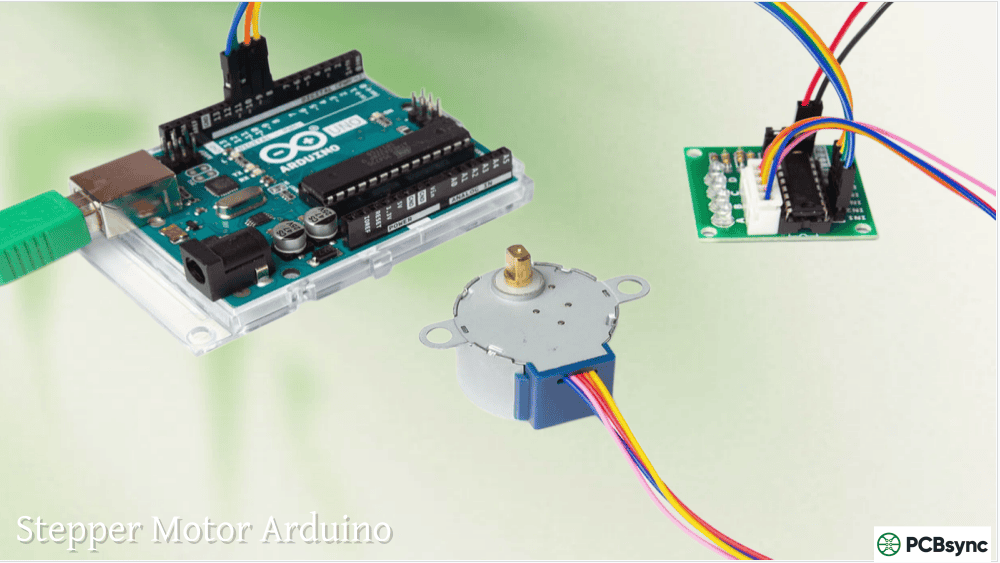
Consider a project I worked on last year: a custom CNC controller that needed to drive four stepper motors (8 pins minimum), read six limit switches (6 pins), control spindle speed (1 PWM pin), manage coolant relays (2 pins), interface with an LCD display (6 pins), and connect to an emergency stop circuit. That’s 23 pins before adding any expansion features. The Uno couldn’t handle it; the Mega barely noticed.
Memory-Intensive Applications
When the Arduino IDE warns you about “Low memory available, stability problems may occur,” you’ve got three options: optimize your code aggressively, strip out features, or switch to a Mega.
I’ve found the 2 KB SRAM limit on the Uno becomes a genuine constraint when you’re working with:
Large arrays or lookup tables
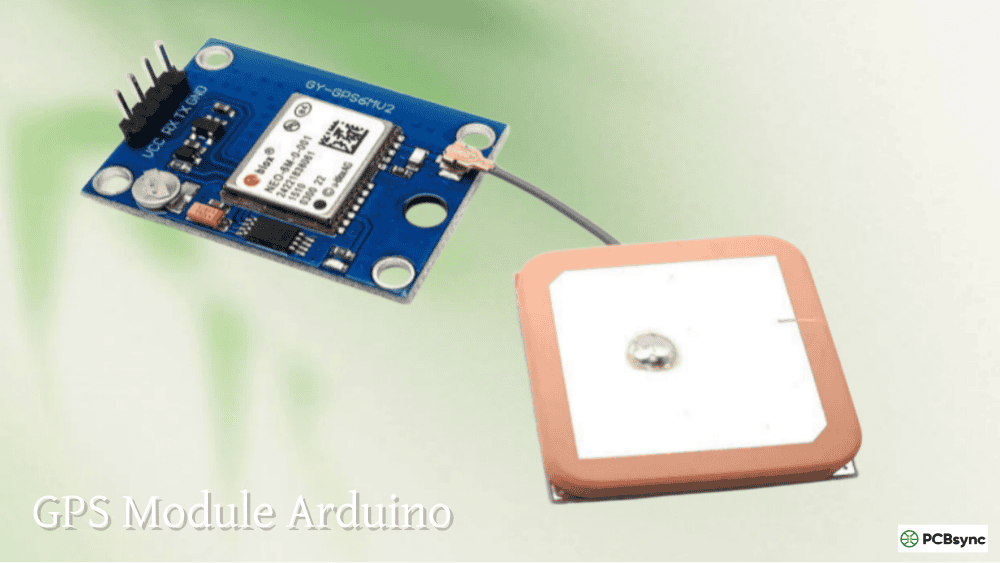
String-heavy applications (like parsing GPS data)
Multiple libraries loaded simultaneously
Graphics displays with frame buffers
Web server implementations
The Mega’s 8 KB of SRAM and 256 KB of Flash provide breathing room that eliminates these headaches.
Multiple Serial Device Communication
This one catches a lot of engineers off guard. The Uno has one hardware serial port, and it’s shared with your USB connection for programming. Want to connect a GPS module, a Bluetooth adapter, and maintain debugging capability? You’re stuck using software serial, which introduces timing issues and consumes processing overhead.
The Mega solves this elegantly with four independent hardware serial ports. Connect your GPS to Serial1, your Bluetooth to Serial2, and keep Serial (USB) free for debugging. No software hacks, no timing conflicts.
3D Printers and CNC Machines
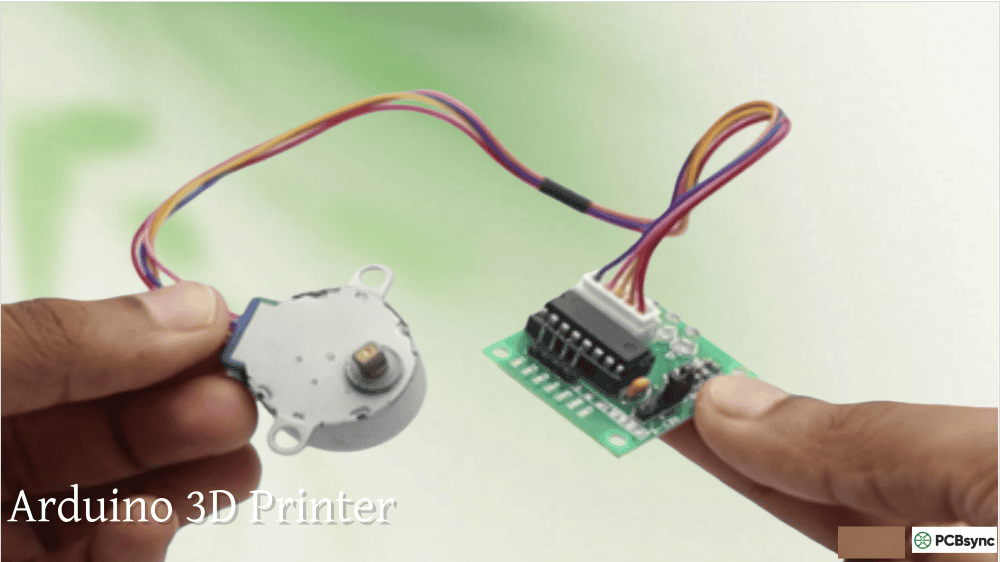
There’s a reason the RAMPS (RepRap Arduino Mega Pololu Shield) became the industry standard for DIY 3D printers. Running Marlin firmware on a machine that controls multiple stepper motors, heaters, thermistors, endstops, and potentially a display requires resources that exceed what the Uno can provide.
If you’re building any kind of motion control system—3D printer, laser cutter, CNC router—start with the Mega. Don’t waste time trying to make an Uno work; it won’t.
Real-World Project Examples: Arduino Mega vs Uno
Let me share some practical scenarios from my own experience:
Here’s something that causes confusion: will my Uno code run on a Mega?
The short answer is yes—with caveats. Code written for the Uno will generally compile and run on the Mega without modification. The pin numbers 0-13 and analog A0-A5 exist on both boards in compatible locations, and most shields designed for the Uno will physically plug into a Mega and function correctly.
However, there are some gotchas:
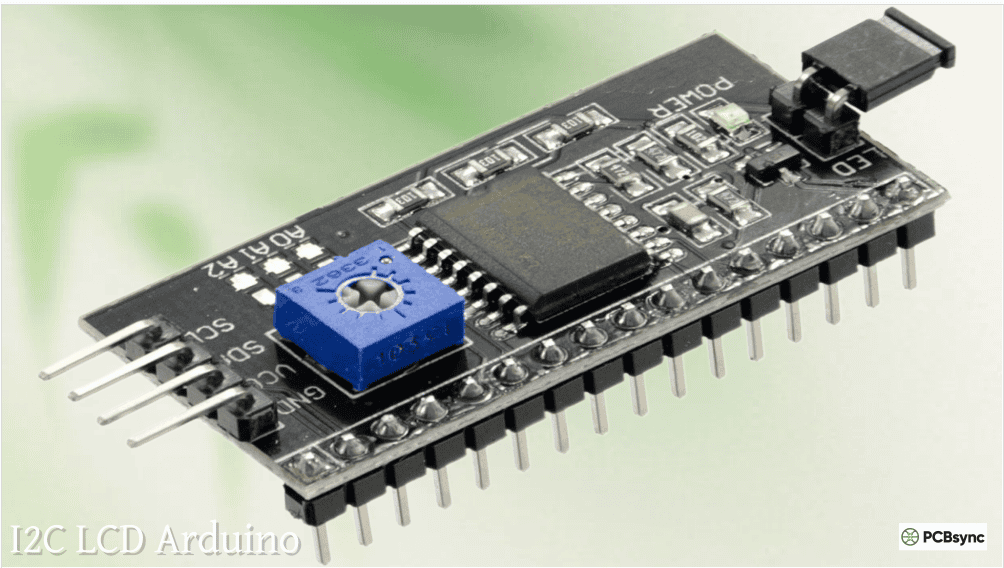
I2C Pin Location: On the Uno, I2C (SDA/SCL) pins are on A4 and A5. On the Mega, they’re on dedicated pins 20 and 21. Some shields expect the Uno’s layout and won’t work without jumper wires.
Pin-Specific Features: Certain pins have hardware capabilities that don’t translate directly. Interrupts, for example, are available on different pins between the two boards.
Library Assumptions: Some libraries make board-specific assumptions. Always verify library compatibility before switching platforms mid-project.
Making the Decision: A Practical Framework
After years of recommending boards to clients and students, I’ve developed a simple decision framework:
Start with the Uno when:
You’re learning Arduino for the first time
Your project uses fewer than 10 digital pins
You’re not connecting multiple serial devices
Budget is a significant constraint
Your code doesn’t heavily use libraries or string manipulation
Choose the Mega when:
You need more than 14 digital I/O pins
You’re getting memory warnings during compilation
Your project requires multiple hardware serial ports
You’re building any type of CNC or 3D printer
You want room to expand features later
Consider neither when:
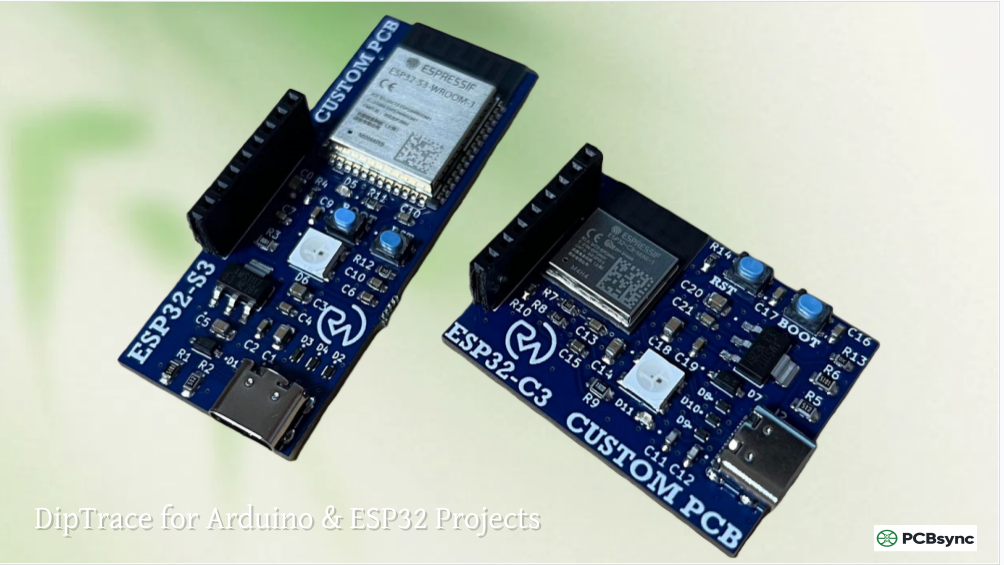
You need WiFi or Bluetooth (look at ESP32 or Arduino boards with built-in wireless)
You need 32-bit processing power (consider Arduino Due or modern ARM-based boards)
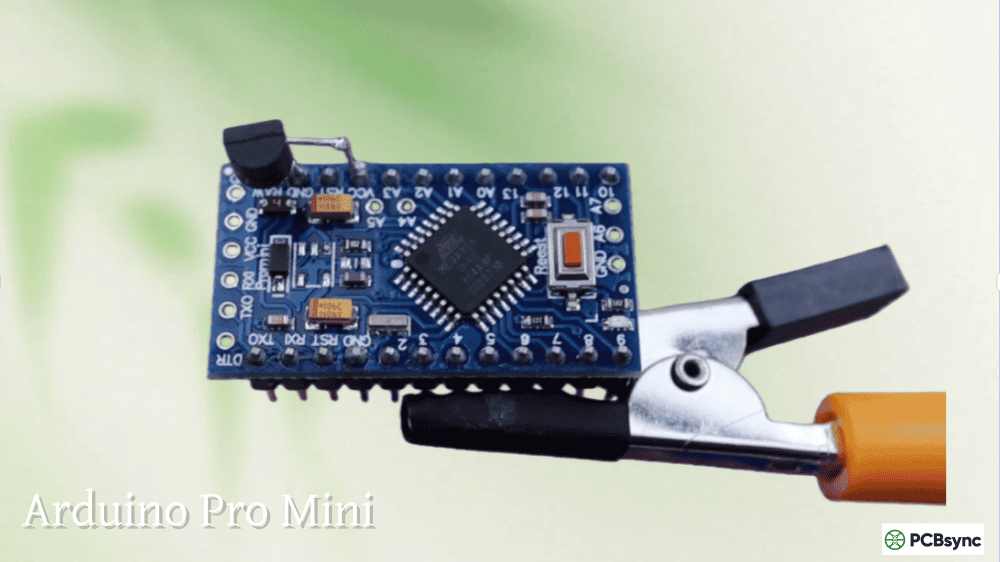
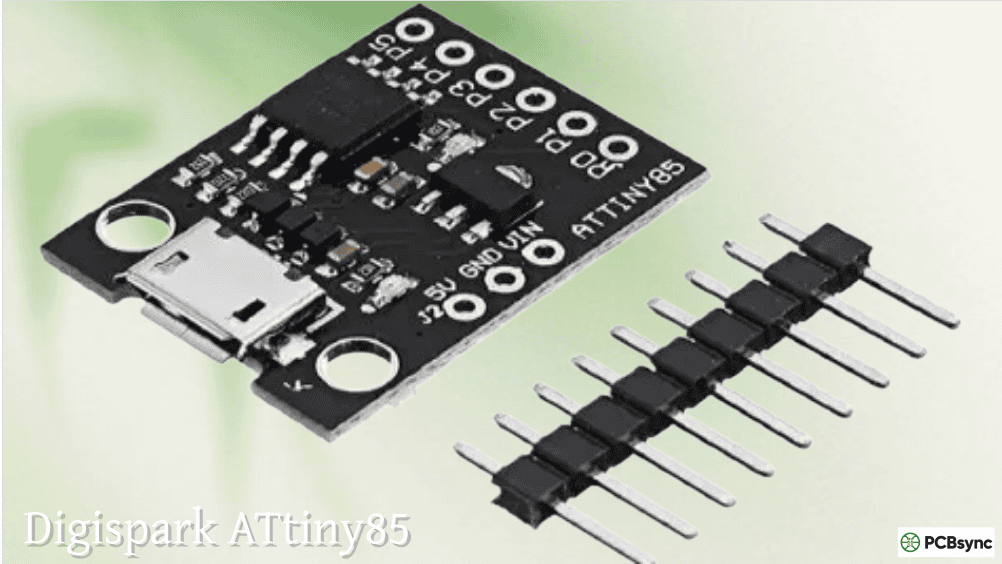
Size is absolutely critical (Arduino Nano or Pro Mini might serve better)
Yes, most shields designed for the Uno are physically and electrically compatible with the Mega. The main row of headers (digital 0-13, analog 0-5, power) occupy the same positions on both boards. The notable exception involves I2C communication—if your shield uses I2C, verify it can work with the Mega’s dedicated SDA/SCL pins (20/21) rather than the Uno’s A4/A5 arrangement.
Is the Arduino Mega faster than the Uno?
Not in terms of raw clock speed—both run at 16 MHz. However, the Mega’s additional SRAM means certain operations involving large data sets or multiple variables will execute more efficiently since there’s no need for the processor to swap data in and out of limited memory. For processing-intensive applications, you won’t notice a speed difference, but memory-bound applications will run smoother on the Mega.
Should I just buy the Mega to be safe?
I understand the temptation, but I’d advise against it if you’re genuinely starting out. The Uno forces you to write efficient code and understand resource constraints—skills that will serve you well regardless of what platform you eventually work on. Start with an Uno, hit its limitations naturally, then upgrade when you have a specific reason to do so. You’ll be a better engineer for it.
Why is the Arduino Mega more expensive than the Uno?
The price difference reflects hardware costs: the ATmega2560 chip costs more than the ATmega328P, and the larger PCB with more I/O headers adds manufacturing expense. The approximately $15-20 premium gets you 8x the Flash memory, 4x the SRAM, nearly 4x the I/O pins, and 4x the serial ports. For projects that need these resources, it’s money well spent.
Can I run Marlin firmware on an Arduino Uno?
Technically, there’s a stripped-down version called “Marlin Lite” that some have made work, but I strongly advise against it. Modern Marlin requires resources that exceed the Uno’s capacity, and attempting to run it results in missing features, instability, and frustration. For any 3D printer project, the Mega 2560 is the minimum viable platform.
Final Thoughts
The Arduino Mega vs Uno decision ultimately comes down to matching your board’s capabilities to your project’s requirements. There’s no universally “better” choice—only the right choice for what you’re building.
For most beginners and simple projects, the Uno delivers everything you need at a lower price point. When your ambitions outgrow its capabilities, the Mega stands ready with the expanded resources to bring more complex visions to life.
My recommendation? Keep one of each on your workbench. Start prototypes on the Uno, and migrate to the Mega only when you hit genuine constraints. Your projects will run leaner, your code will be more efficient, and you’ll develop an intuition for resource management that serves you well across all embedded development.
Inquire: Call 0086-755-23203480, or reach out via the form below/your sales contact to discuss our design, manufacturing, and assembly capabilities.
Quote: Email your PCB files to Sales@pcbsync.com (Preferred for large files) or submit online. We will contact you promptly. Please ensure your email is correct.
Notes: For PCB fabrication, we require PCB design file in Gerber RS-274X format (most preferred), *.PCB/DDB (Protel, inform your program version) format or *.BRD (Eagle) format. For PCB assembly, we require PCB design file in above mentioned format, drilling file and BOM. Click to download BOM template To avoid file missing, please include all files into one folder and compress it into .zip or .rar format.