Inquire: Call 0086-755-23203480, or reach out via the form below/your sales contact to discuss our design, manufacturing, and assembly capabilities.
Quote: Email your PCB files to Sales@pcbsync.com (Preferred for large files) or submit online. We will contact you promptly. Please ensure your email is correct.
Notes: For PCB fabrication, we require PCB design file in Gerber RS-274X format (most preferred), *.PCB/DDB (Protel, inform your program version) format or *.BRD (Eagle) format. For PCB assembly, we require PCB design file in above mentioned format, drilling file and BOM. Click to download BOM template To avoid file missing, please include all files into one folder and compress it into .zip or .rar format.
When you’re working on embedded systems that need cellular connectivity, the Arduino GSM Shield becomes your gateway to mobile networks. As a PCB engineer who’s integrated these shields into numerous production designs, I can tell you that understanding the GSM shield’s capabilities goes far beyond just plugging it into an Arduino board. This shield transforms your microcontroller projects into fully functional cellular devices capable of SMS messaging, voice calls, and internet connectivity through GPRS networks.
What Makes the Arduino GSM Shield Essential for IoT Projects
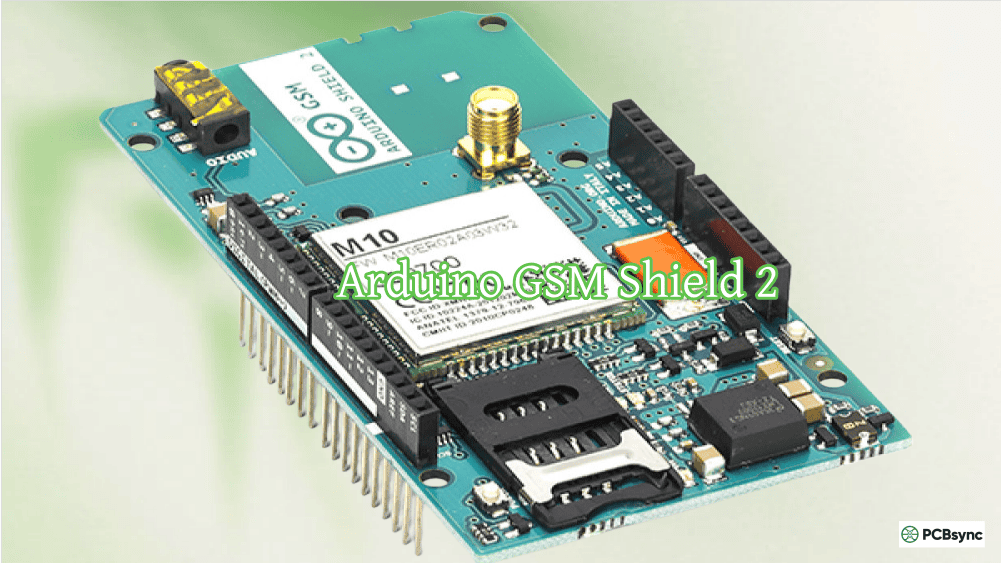
The Arduino GSM Shield isn’t just another expansion board—it’s a complete cellular modem that communicates over 2G networks. The shield uses either the Quectel M10 modem (in official Arduino shields) or the popular SIM900 module (in third-party variants). Both operate as quad-band GSM/GPRS modems supporting frequencies at 850MHz, 900MHz, 1800MHz, and 1900MHz, giving you worldwide coverage wherever GSM networks exist.
From the network operator’s perspective, your Arduino GSM Shield appears identical to a mobile phone. From your Arduino’s perspective, it functions as a standard modem that accepts AT commands. This dual nature makes the shield incredibly versatile for machine-to-machine communication, remote monitoring systems, and automated alert mechanisms.
Technical Architecture of GSM Shields
The shield communicates with Arduino boards through UART serial communication. The default configuration uses digital pins 2 and 3 for software serial, though hardware modifications allow different pin assignments for Mega, Leonardo, and Yun boards. Pin 2 connects to the modem’s TX (transmit) line, while pin 3 connects to RX (receive). The modem’s power key connects to digital pin 7, allowing software control of the power state.
Most GSM shields support baud rates from 1200 bps up to 115200 bps. The SIM900 variant includes auto-baud detection, meaning the communication speed automatically matches whatever rate you use for your first AT command after reset. This feature simplifies initial setup considerably.
Power Requirements and Electrical Considerations
This is where many beginners run into trouble, and where careful PCB design becomes critical. GSM modules demand significant current—up to 2 amperes during transmission peaks. That’s far more than the USB connection can provide, and attempting to power a GSM shield through USB will result in brownouts, reset loops, and unreliable operation.
Power Supply Specifications
Component
Voltage
Current (Typical)
Current (Peak)
Notes
Arduino Uno
5V
50mA
200mA
Can use onboard regulator
GSM Modem
12V or 5V
100-300mA
2A
Requires external power supply
Recommended PSU
12V
–
2A minimum
Regulated, filtered supply essential
Battery Backup
12V
–
3Ah minimum
Optional but recommended
Most shields include a large orange or blue electrolytic capacitor (typically 1000-2200µF) specifically to handle these current spikes. This capacitor stores charge during idle periods and releases it during transmission bursts. When designing enclosures or modifying shields, ensure adequate ventilation around this component as it can generate heat.
The SIM900 shield offers a clever feature: it provides a regulated 4.1V output that can power the Arduino itself, even when the module is in standby mode. This allows single-supply designs, though you still need robust 12V input for reliable GSM operation.
Hardware Setup and Pin Configuration
Getting the hardware configuration right saves countless debugging hours. The shield mounts directly onto Arduino Uno boards without modification. For Mega, Leonardo, and Yun boards, you need to reroute the communication signals.
Pin Remapping for Different Arduino Boards
Arduino Board
Default GSM RX Pin
Required Jumper Wire
Pin to Bend
Uno
Pin 2
None required
None
Leonardo/Yun
Pin 8
Connect Pin 2 to Pin 8
Bend Pin 2 header
Mega 2560
Pin 10
Connect Pin 2 to Pin 10
Bend Pin 2 header
Due
Not supported
–
–
The physical process involves connecting a jumper wire between the GSM shield’s pin 2 and the target interrupt-capable pin, then carefully bending the pin 2 header to prevent it from making contact with the Arduino socket. This prevents signal conflicts while routing data to the proper interrupt pin.
SIM Card Requirements and Network Setup
Every GSM shield requires a SIM card from a mobile operator. The shield accepts mini-SIM format cards (25mm × 15mm). Newer micro-SIM and nano-SIM cards need adapters to fit properly. Some shields came bundled with Telefonica/Movilforum SIM cards designed for machine-to-machine applications with roaming capabilities across Americas and Europe.
When selecting a SIM card for your project, consider these factors:
The card must support 2G GSM networks. Many modern carriers have shut down 2G service in favor of 4G and 5G. In the United States, for example, AT&T discontinued 2G in 2017, and T-Mobile followed suit in 2022. Always verify 2G availability in your deployment region.
Most SIM cards include a four-digit PIN for security. You’ll need this PIN in your code to establish network connection. If you lose the PIN, contact your carrier. Some providers supply a PUK (PIN Unlock Code) that allows PIN reset through AT commands—the GSM library includes PIN management examples demonstrating this process.
For GPRS internet access, obtain the Access Point Name (APN) and credentials from your mobile operator. These parameters vary by carrier and sometimes by plan type.
AT Commands: The Foundation of GSM Communication
AT commands form the control language for GSM modules. While the GSM library abstracts many operations, understanding AT commands helps with troubleshooting and implementing custom functionality. The “AT” prefix derives from “attention”—every command begins with these two characters.
Essential AT Commands for GSM Operations
Command
Function
Example Response
Use Case
AT
Test connectivity
OK
Verify module responds
AT+CMGF=1
Set SMS text mode
OK
Enable human-readable SMS
AT+CMGS=”+1234567890″
Send SMS to number
> (prompt)
SMS transmission
AT+CMGR=1
Read SMS from location 1
+CMGR: “REC READ”,”+1234567890″…
Retrieve received messages
ATD+1234567890;
Dial voice call
OK
Initiate phone call
AT+CSQ
Check signal quality
+CSQ: 18,0
Signal strength (0-31 range)
AT+CGATT?
Check GPRS attachment
+CGATT: 1
Verify data connection
The signal quality command (AT+CSQ) returns values from 0 to 31, where higher numbers indicate stronger signals. Values below 10 suggest poor coverage that may cause connection failures. I recommend including signal strength checks in production code and implementing automatic reconnection logic when quality degrades.
Building Real-World Projects with GSM Shields
The practical applications of GSM shields extend across industrial monitoring, home automation, vehicle tracking, and emergency alert systems. Let me walk through several proven project categories based on actual deployment experience.
Remote Monitoring and Control Systems
GSM shields excel at controlling equipment from anywhere cellular service reaches. A typical implementation monitors sensors and controls relays based on SMS commands or automated logic.
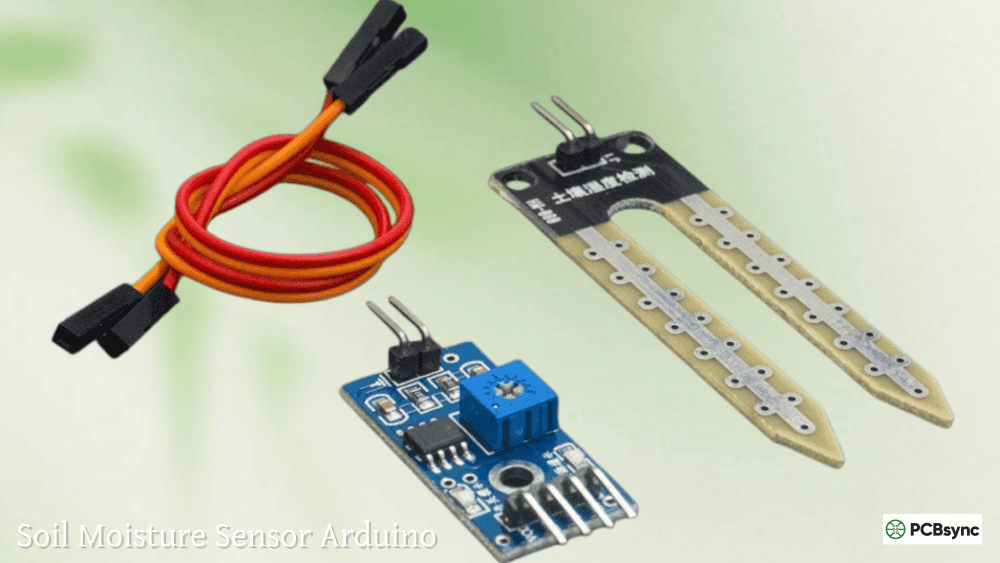
For agricultural applications, consider irrigation control systems. The Arduino reads soil moisture sensors and weather data, then activates pumps through relays. When moisture drops below threshold, the system sends status SMS to farm managers. Operators can manually trigger watering cycles by texting specific commands to the SIM card installed in the shield.
Industrial equipment monitoring follows similar patterns. Temperature sensors watch machinery, transmitting alerts when parameters exceed safe ranges. The system can initiate emergency shutdowns and simultaneously notify maintenance personnel. This architecture proved reliable in food processing facilities where temperature control is critical for food safety compliance.
Security and Alarm Systems
GSM-based security systems provide several advantages over traditional landline dialers. The cellular connection can’t be defeated by cutting phone lines, and the systems work anywhere cellular coverage exists—perfect for remote warehouses, construction sites, or vacation properties.
A complete security implementation typically includes:
Passive infrared (PIR) motion sensors detect movement in protected zones. When triggered, the Arduino activates sirens through relay modules and initiates a sequence of phone calls to multiple numbers. If the first number doesn’t answer, the system automatically tries alternate contacts. Magnetic reed switches on doors and windows detect unauthorized entry points.
The system arms and disarms via SMS commands with password protection. You text “ARM 1234” to activate or “DISARM 1234” to deactivate, where 1234 represents your security code. The Arduino verifies both the sending number (caller ID) and password before executing commands, providing two-factor authentication.
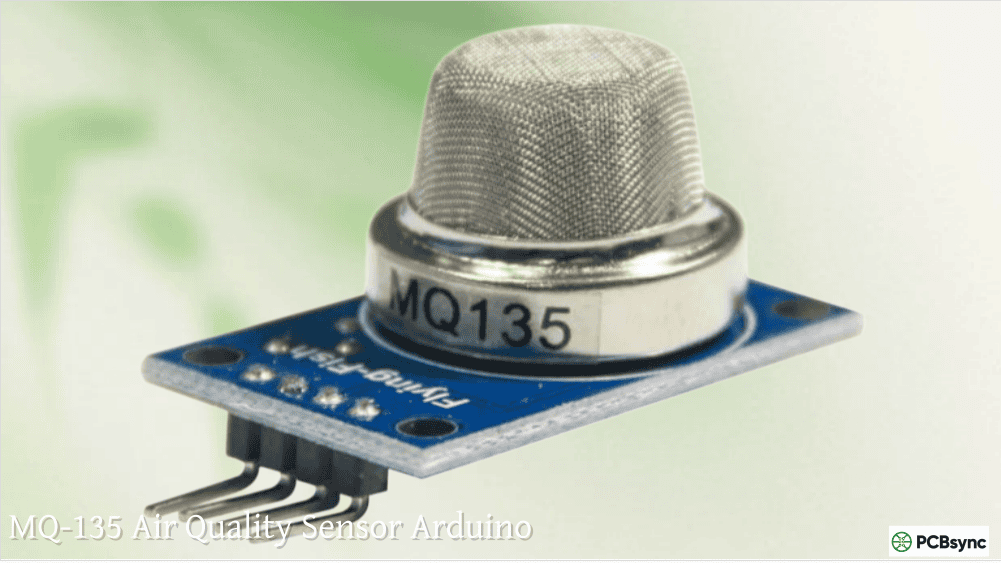
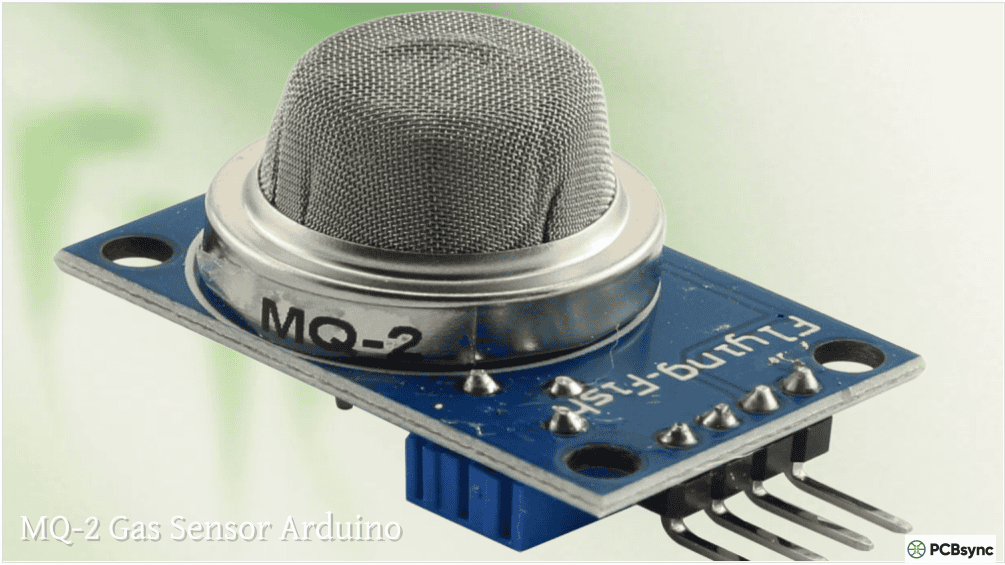
Gas leak detection integrates naturally into these systems. MQ-series gas sensors detect combustible gases, smoke, or carbon monoxide. Detection triggers immediate voice calls rather than just SMS, ensuring emergency notifications can’t be ignored.
GPS Tracking and Fleet Management
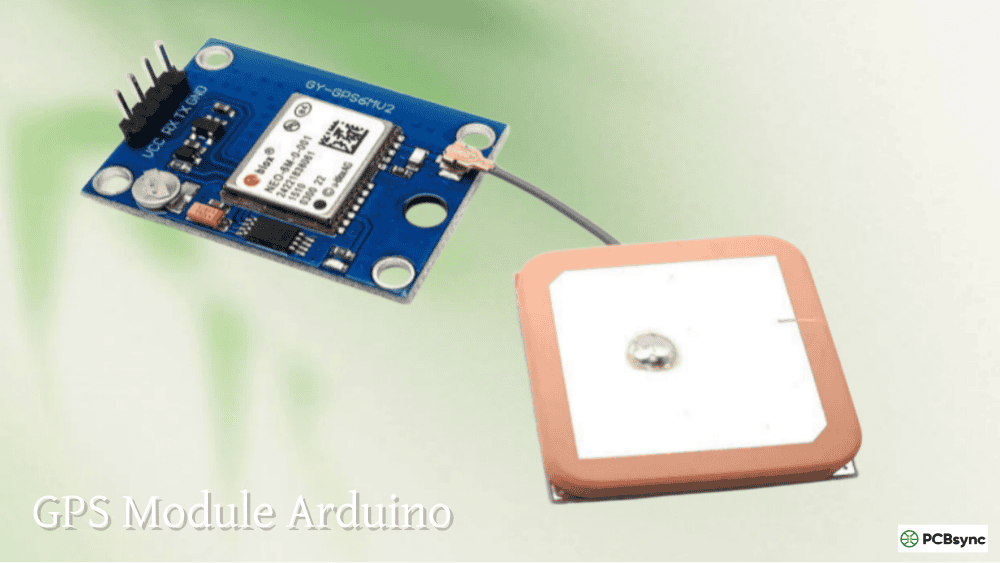
Combining GSM shields with GPS modules creates powerful tracking solutions. The GPS module determines precise coordinates while the GSM shield transmits location data either on-demand via SMS or continuously to cloud servers via GPRS.
For vehicle tracking, the system logs GPS coordinates with timestamps. Operators text commands to receive current location formatted as Google Maps links. The Arduino responds with SMS containing latitude and longitude that open directly in mapping applications when clicked.
More sophisticated implementations upload tracking data to web servers through HTTP POST requests over GPRS. This enables real-time fleet monitoring dashboards showing all vehicles simultaneously. The server-side application stores historical routes for analysis and generates geofencing alerts when vehicles enter or exit designated areas.
Programming the GSM Shield
The Arduino GSM library simplifies development considerably. Include the library, initialize the modem with your PIN, and call high-level functions for common operations. However, understanding what happens behind the scenes helps debug issues and optimize performance.
Software Serial vs Hardware Serial
The GSM shield typically uses SoftwareSerial, reserving the hardware UART for uploading code and serial monitor debugging. This works well but imposes limitations. SoftwareSerial can become unreliable above 57600 baud and doesn’t support simultaneous transmit/receive operations.
For production designs with heavy data throughput, consider using hardware serial. Connect the GSM shield’s RX/TX to Arduino pins 0 and 1, but this prevents serial monitor use during operation. You’ll need to disconnect the shield when uploading new code or use ICSP programming.
Some developers use a third UART on Mega boards dedicated to GSM communication while preserving both USB debugging and hardware serial for GPS modules or other peripherals.
Initialization Sequence
Proper initialization prevents timeout errors and failed connections. The sequence typically follows this pattern:
Power on the GSM module by toggling the power key pin. The module requires approximately two seconds for boot completion. Send AT commands to verify responsiveness—keep trying with timeouts until you receive “OK” responses. This handles cases where the module wasn’t fully powered off before reset.
Register on the network by sending the PIN with the AT+CPIN command. Wait for network registration, which can take 5-30 seconds depending on signal strength. Poll the AT+CREG command until it returns registered status. Only after successful registration should you attempt SMS or data operations.
Configure SMS text mode (AT+CMGF=1) rather than PDU mode. Text mode proves far simpler for human-readable messages, while PDU mode offers better efficiency for binary data transmission.
Common Integration Challenges and Solutions
After working with dozens of GSM shield implementations, certain problems recur frequently. Here’s how to address them:
Power Supply Issues
Symptom: The shield resets during calls or SMS transmission, or the “Net” LED blinks rapidly then goes dark.
Solution: Insufficient power supply causes most GSM shield failures. Measure your power supply under load—it should maintain 11.5V minimum even during 2A draws. Add bulk capacitance (2200µF or greater) close to the GSM module’s power input. Use short, heavy gauge wires for power connections to minimize voltage drops. Consider switching power supplies rather than linear regulators to reduce heat and improve efficiency.
AT Command Communication Failures
Symptom: Sending AT commands through serial monitor produces no response or garbled characters.
Solution: Verify baud rate matches between code and serial monitor—19200 is standard for most SIM900 modules. Ensure line ending is set to “Carriage return” or “Both NL & CR” in the serial monitor. Check RX/TX aren’t swapped—shield TX goes to Arduino RX and vice versa. Add delays between AT commands to allow processing time; I recommend minimum 100ms delays, with longer delays (1000ms+) after commands that modify settings.
Network Registration Problems
Symptom: The shield powers on successfully but never connects to the network.
Solution: Verify 2G service availability in your area—many carriers have discontinued 2G networks. Check the SIM card is activated and has available credit/service. Ensure the SIM PIN is correct in your code. Position the antenna properly—GSM signals don’t penetrate metal enclosures well. Try the same SIM in a regular phone to verify it connects successfully.
Essential Resources and Downloads
Software Libraries and Tools
Arduino GSM Library: Included with Arduino IDE 1.0.4 and later. Provides classes for GSM (network connection), GSM_SMS (messaging), GSMVoiceCall (phone calls), and GPRS (internet connectivity).
SoftwareSerial Library: Standard Arduino library for creating additional serial ports on digital pins.
AT Command References:
SIM900 AT Command Manual: Comprehensive reference for all supported commands
M10 Hardware Design Manual: Quectel’s official documentation for the official Arduino shield modem
Tera Term/PuTTY: Terminal emulators for direct AT command testing. Connect the GSM module to a PC via USB-to-TTL adapter for standalone testing before Arduino integration.
Network Signal Apps: Mobile applications that display nearby cell towers and signal strength help optimize antenna placement during installation.
SIM Card Testers: Hardware tools that verify SIM functionality, remaining credit, and network parameters outside the Arduino environment.
Practical Implementation Tips from Production Experience
Based on deploying GSM shields in commercial products, these practices improve reliability:
Implement watchdog timers to recover from firmware hangs. GSM operations occasionally timeout or enter undefined states—watchdog resets restore operation automatically.
Add status LED indicators for power, network connection, and activity states. This proves invaluable during field installation when serial debugging isn’t available.
Design PCB layouts with dedicated voltage regulators for GSM shields rather than sharing Arduino’s onboard regulator. Provide separate ground planes to isolate high-current GSM switching noise from sensitive analog circuits.
Include battery backup systems for critical applications. A 12V sealed lead-acid battery charged through a simple circuit maintains operation during power failures.
Program automatic reconnection logic. If network registration fails or disconnects, the code should automatically retry at increasing intervals rather than requiring manual reset.
Store critical configuration (phone numbers, passwords, APN settings) in EEPROM rather than hardcoding in sketches. This enables field configuration updates without reprogramming.
Frequently Asked Questions
Q: Can I use 3G or 4G SIM cards with the Arduino GSM Shield?
A: The shield only supports 2G GSM networks regardless of what SIM card you insert. Most modern SIM cards are multi-standard and will work in 2G mode, but many carriers have shut down 2G service. Always verify 2G availability in your deployment region before committing to GSM shield-based designs. For 3G/4G connectivity, consider newer shields based on SIM7600 or similar modules.
Q: How many SMS messages can I send per day with the GSM shield?
A: The shield itself has no message limits—restrictions come from your cellular carrier’s plan. Consumer plans typically allow unlimited messages, but may rate-limit automated sending. M2M (machine-to-machine) plans from carriers specifically support high-volume automated messaging without restrictions. Some implementations I’ve deployed send hundreds of messages daily without issues, while others hit carrier rate limits around 200-300 messages per hour.
Q: What’s the maximum distance for GSM shield communication?
A: Distance doesn’t limit GSM shields—coverage depends entirely on cellular network availability. Theoretically, you can control a device anywhere on Earth with GSM service. I’ve personally managed systems where operators in the United States controlled equipment in remote African locations via SMS. The practical limitation is signal strength at the installation site—if a regular mobile phone gets service there, the shield should work.
Q: Can the Arduino GSM Shield work in areas with poor cellular coverage?
A: Marginal coverage causes reliability issues. The shield needs signal strength values (AT+CSQ) above 10 for stable operation. In weak signal areas, add external GSM antennas mounted outdoors or elevated above obstructions. Some deployments use directional antennas pointed toward known cell towers. Alternatively, consider cellular signal boosters (legal in most regions for fixed installations) that amplify signals for the entire installation area.
Q: Is it possible to receive incoming calls and SMS simultaneously?
A: The GSM module can’t process voice calls and SMS operations simultaneously—it handles one communication type at a time. However, the module buffers incoming SMS during voice calls and delivers them once the call completes. Design your code to check for both missed calls and new messages after completing each operation. For applications requiring simultaneous voice and data, investigate dual-SIM solutions or separate modules for each function.
Conclusion
The Arduino GSM Shield bridges the gap between microcontroller projects and global cellular networks. Whether you’re building security systems, remote monitoring solutions, or IoT devices, understanding the shield’s electrical requirements, communication protocols, and integration challenges ensures successful deployments.
The key to reliable GSM shield operation lies in proper power supply design, careful attention to pin configurations, and robust software that handles network variability gracefully. Start with simple SMS projects, gradually adding complexity as you master the AT command set and library functions.
For PCB engineers and embedded developers, the GSM shield represents proven technology that, despite using older 2G networks, continues serving critical applications where simplicity, low power consumption, and global compatibility matter more than high-speed data transfer. Just verify 2G network availability in your target regions before committing to production designs.
Meta Description: Complete guide to Arduino GSM Shield for PCB engineers: hardware setup, power requirements, AT commands, real-world projects, troubleshooting, and essential resources for mobile network integration.
Inquire: Call 0086-755-23203480, or reach out via the form below/your sales contact to discuss our design, manufacturing, and assembly capabilities.
Quote: Email your PCB files to Sales@pcbsync.com (Preferred for large files) or submit online. We will contact you promptly. Please ensure your email is correct.
Notes: For PCB fabrication, we require PCB design file in Gerber RS-274X format (most preferred), *.PCB/DDB (Protel, inform your program version) format or *.BRD (Eagle) format. For PCB assembly, we require PCB design file in above mentioned format, drilling file and BOM. Click to download BOM template To avoid file missing, please include all files into one folder and compress it into .zip or .rar format.