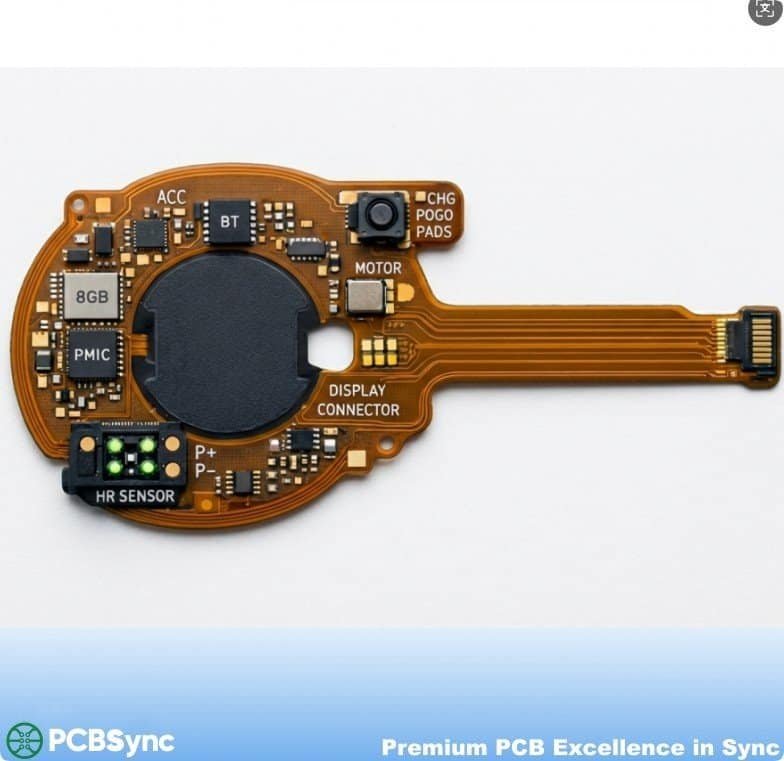
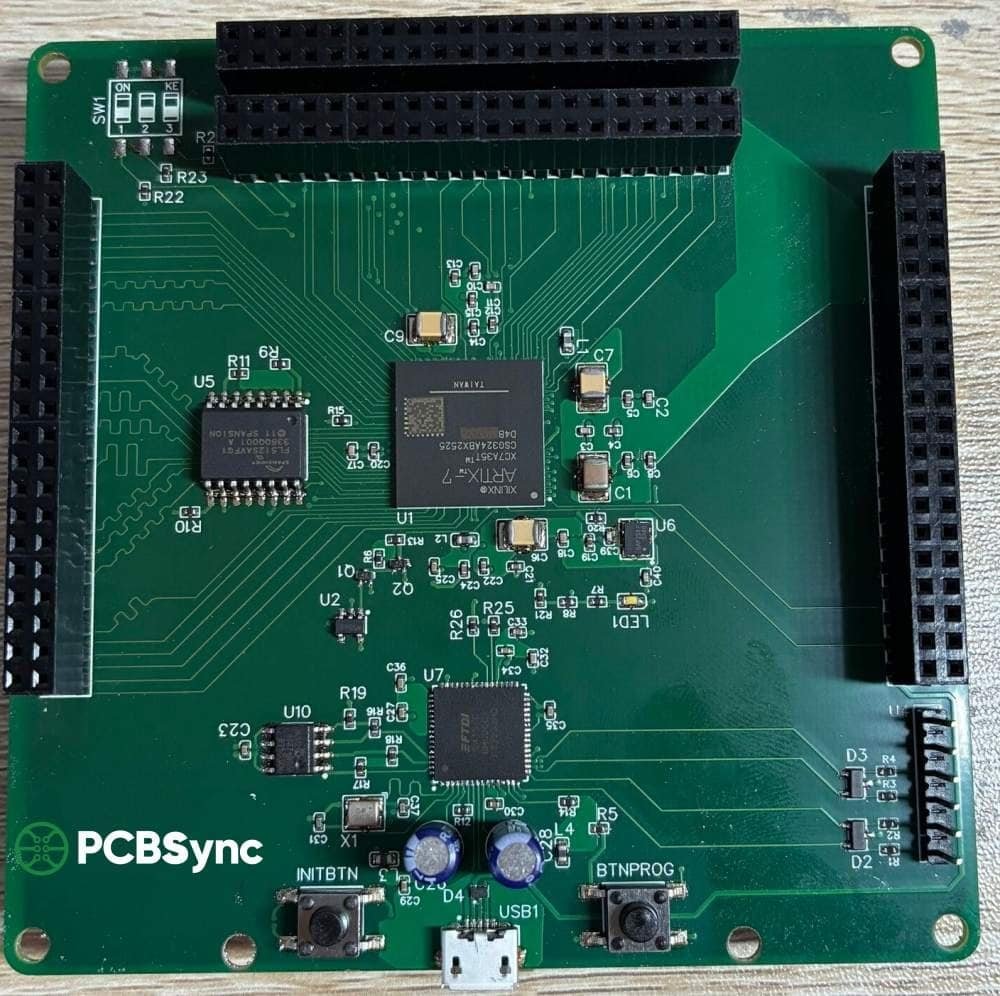
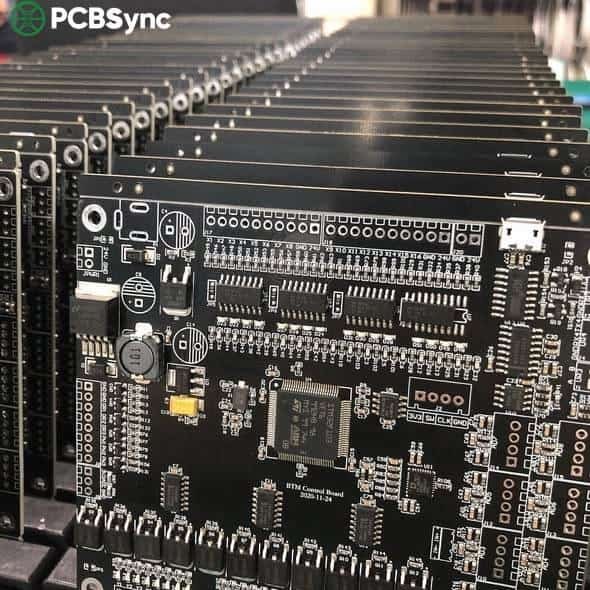
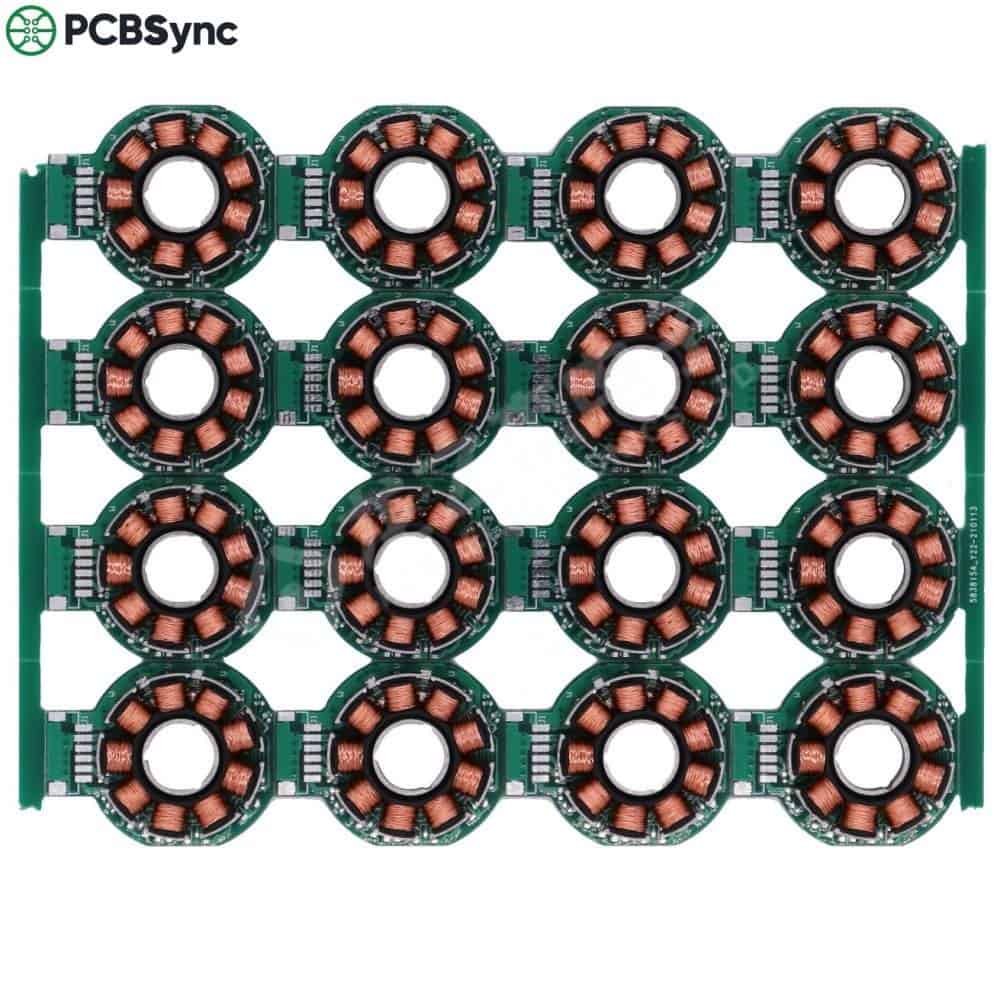
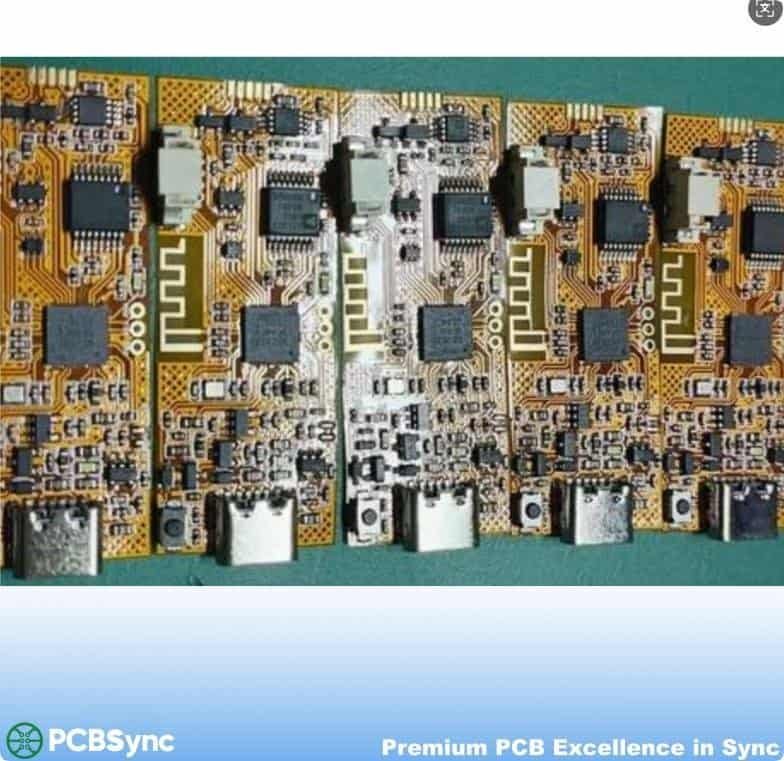
When your project demands circuits that can bend, fold, or fit into tight spaces, standard rigid boards just won’t cut it. That’s where PCBSync’s flexible PCB assembly comes in. We’ve been working with flex circuits long enough to know they’re not just “bendy boards”—they require a completely different approach to get right.
Our team handles everything from single-layer flex designs to complex multi-layer rigid-flex combinations. We’re talking about circuits that can withstand thousands of flex cycles without cracking or losing connection. The assembly process matters here more than people realize. Those delicate copper traces need careful handling, proper support during soldering, and components that can actually survive the flexing.
We use specialized equipment designed specifically for flexible materials. Standard pick-and-place machines can damage flex substrates, so we’ve invested in tools that work with these materials rather than against them. Our technicians understand how different polyimide thicknesses behave, which adhesives work for various applications, and how to reinforce areas that need it without adding unnecessary bulk.
Quality control for flex PCBs isn’t the same as rigid boards either. We perform dynamic flex testing to ensure your assemblies will hold up in real-world conditions. If your product goes into medical devices, wearables, or aerospace applications, you need assemblies that won’t fail after a few thousand bends.
What sets our service apart is the consultation aspect. Flex PCB design can be tricky—put components in the wrong spot and you’ll have cracking issues down the line. We review your design files and flag potential problems before production starts. Sometimes a small tweak in component placement or a reinforcement in a high-stress area makes the difference between a product that lasts and one that fails in the field.
Whether you need a prototype run or full production volumes, we maintain the same attention to detail throughout the process.