Inquire: Call 0086-755-23203480, or reach out via the form below/your sales contact to discuss our design, manufacturing, and assembly capabilities.
Quote: Email your PCB files to Sales@pcbsync.com (Preferred for large files) or submit online. We will contact you promptly. Please ensure your email is correct.
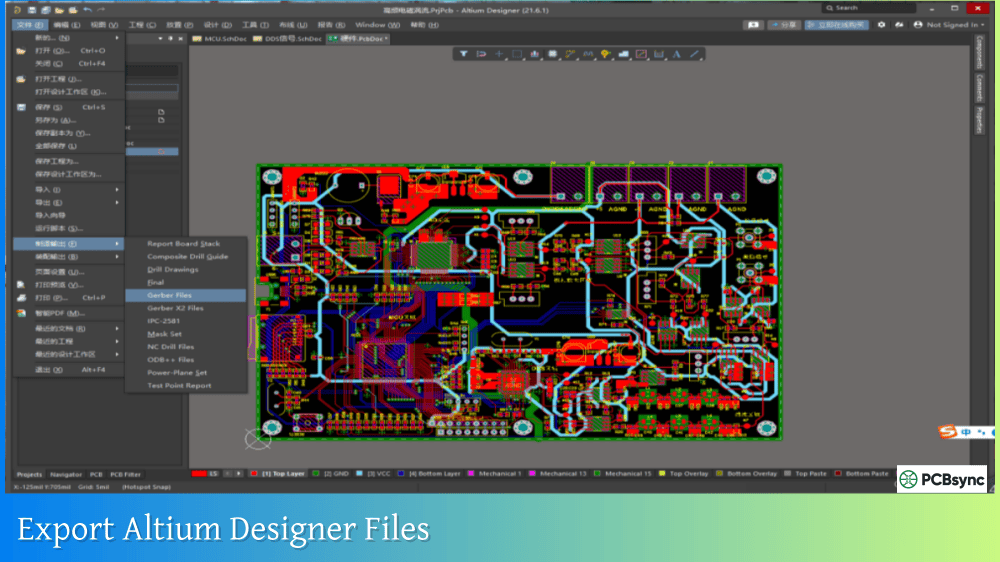
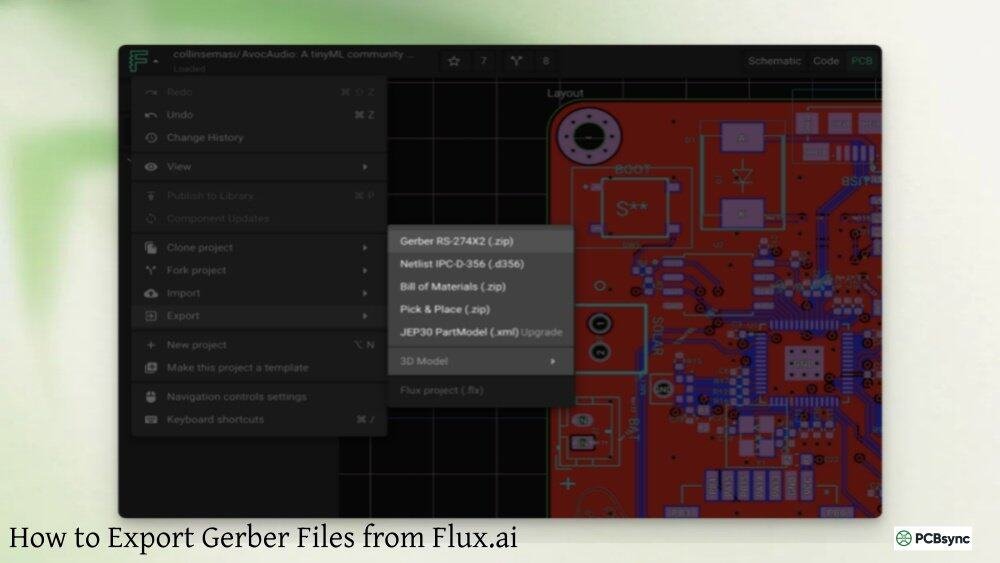
Notes: For PCB fabrication, we require PCB design file in Gerber RS-274X format (most preferred), *.PCB/DDB (Protel, inform your program version) format or *.BRD (Eagle) format. For PCB assembly, we require PCB design file in above mentioned format, drilling file and BOM. Click to download BOM template To avoid file missing, please include all files into one folder and compress it into .zip or .rar format.
How to Verify Gerber Files Before Manufacturing: Essential PCB Engineer’s Checklist
Every experienced PCB engineer has a story about the board that got away—the design that looked perfect in the CAD tool but arrived from manufacturing with missing drill holes, misaligned solder mask, or that one critical inner layer completely wrong. After spending weeks perfecting your design, the last thing you want is to discover export errors when your boards arrive. Learning how to verify Gerber files before manufacturing is what separates smooth production runs from expensive respins. This comprehensive guide walks through the systematic verification process that catches problems before they become costly mistakes.
Gerber files serve as the universal language between your PCB design software and the fabrication house. They represent every copper layer, solder mask, silkscreen, paste mask, and board outline in a format that manufacturing equipment can interpret directly. The challenge is that the export process from CAD to Gerber isn’t always perfect. Incorrect settings, missing layers, coordinate format mismatches, and aperture problems can all corrupt your manufacturing data without triggering any warnings in your design tool.
These problems rarely appear as errors in your design software because they occur during the export process, not during design. The only reliable way to catch them is systematic verification of the actual Gerber files you’re sending to manufacturing.
Essential Gerber File Verification Checklist
Before uploading files to any fabricator, work through this comprehensive checklist to ensure your manufacturing package is complete and correct.
Step 1: Verify File Completeness
The first verification step confirms that all required files are present in your export package.
Drill files are the most frequently omitted component. Many CAD tools require a separate export step for Excellon drill data, making it easy to forget. Without drill files, your board arrives as a solid piece with no holes whatsoever.
Board outlines often get missed because some CAD packages don’t export them by default. Without a defined board edge, the fabricator cannot route individual boards from the production panel.
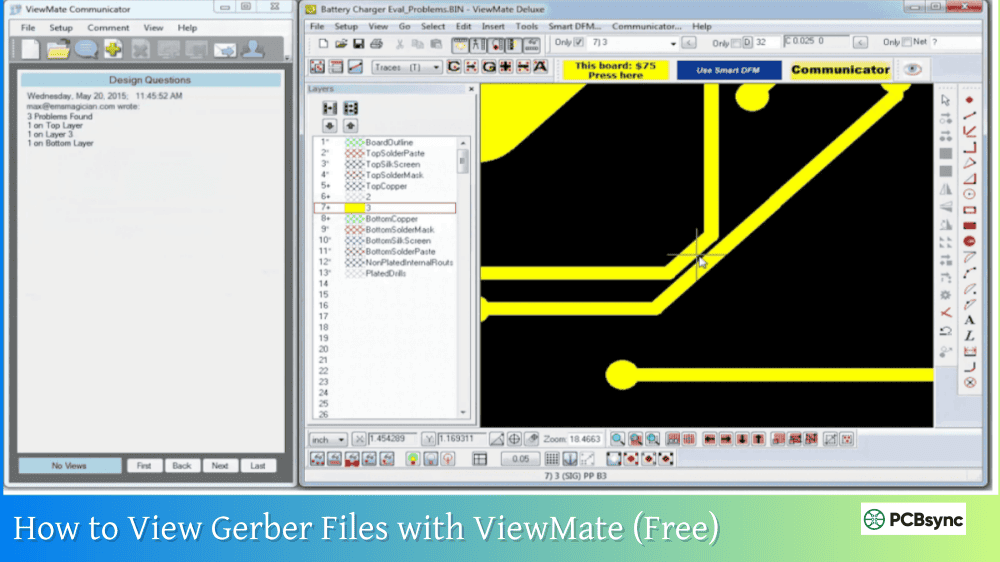
Step 2: Load Files in a Gerber Viewer
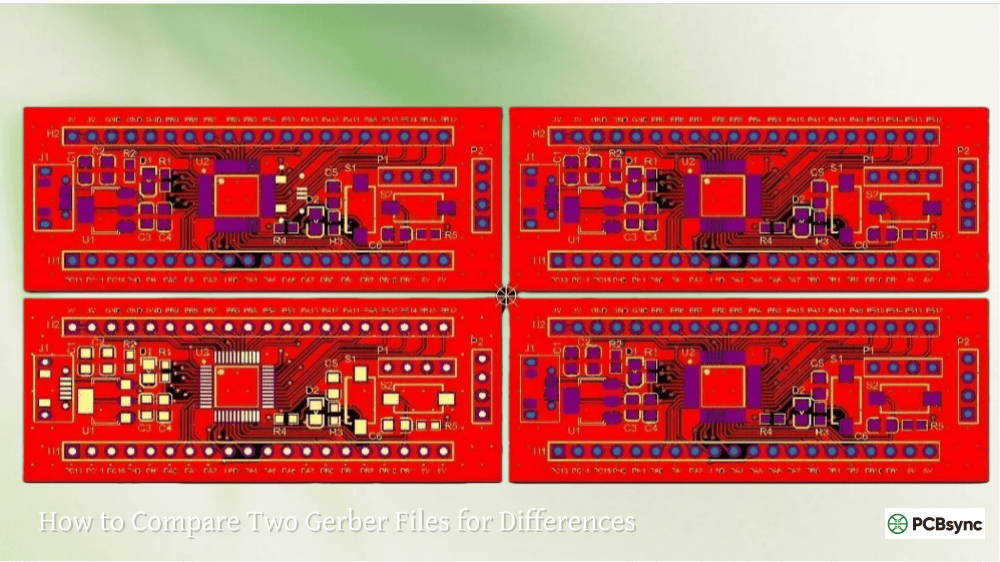
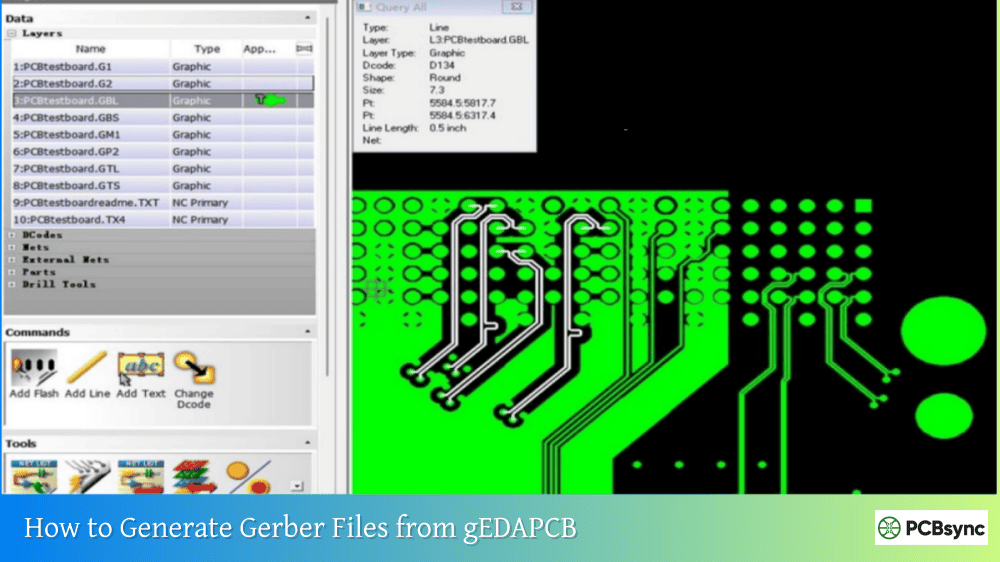
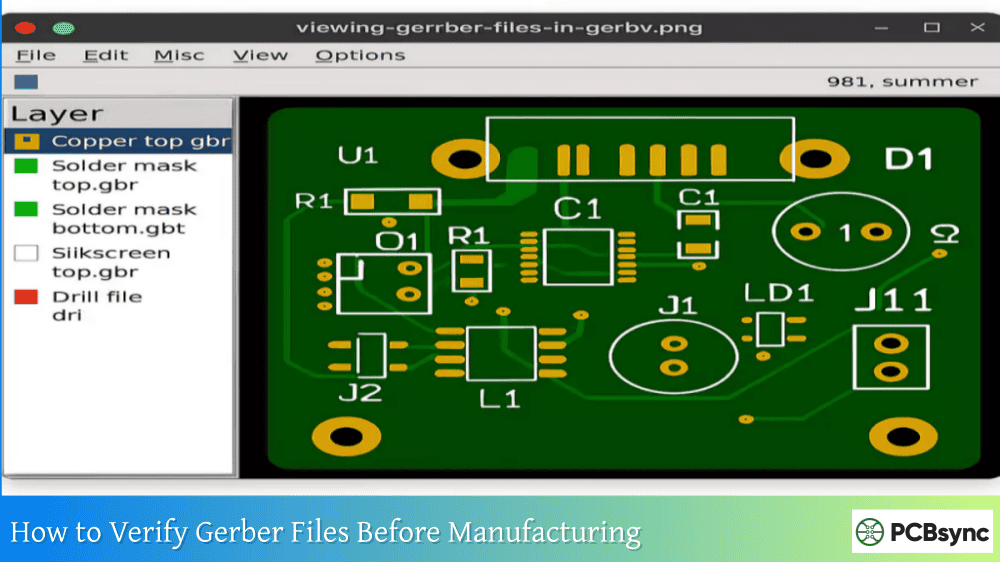
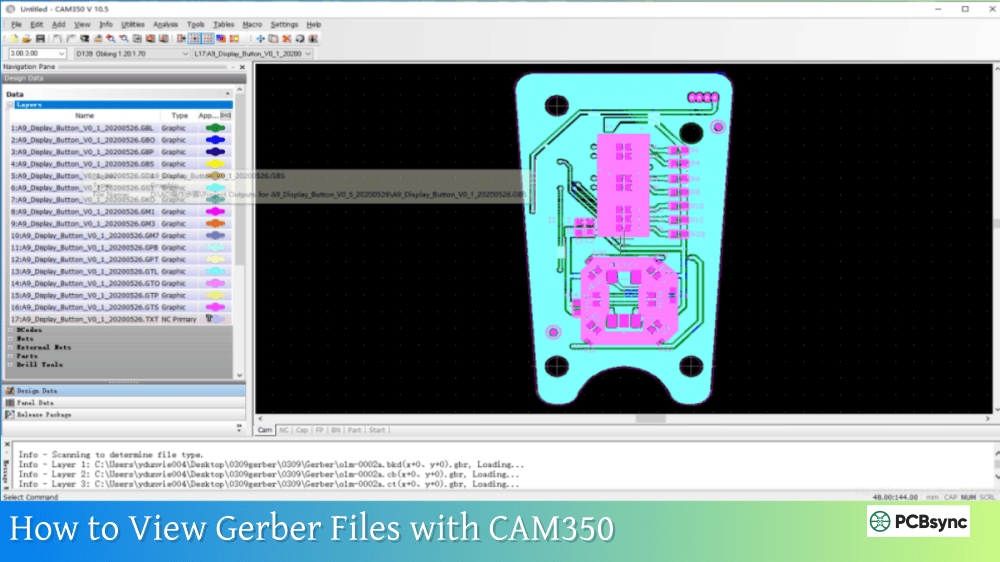
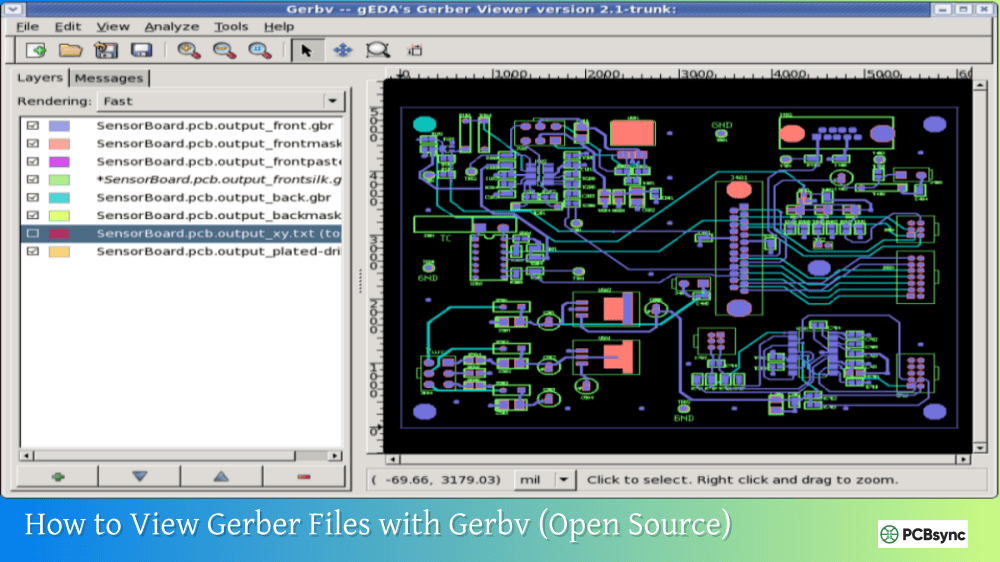
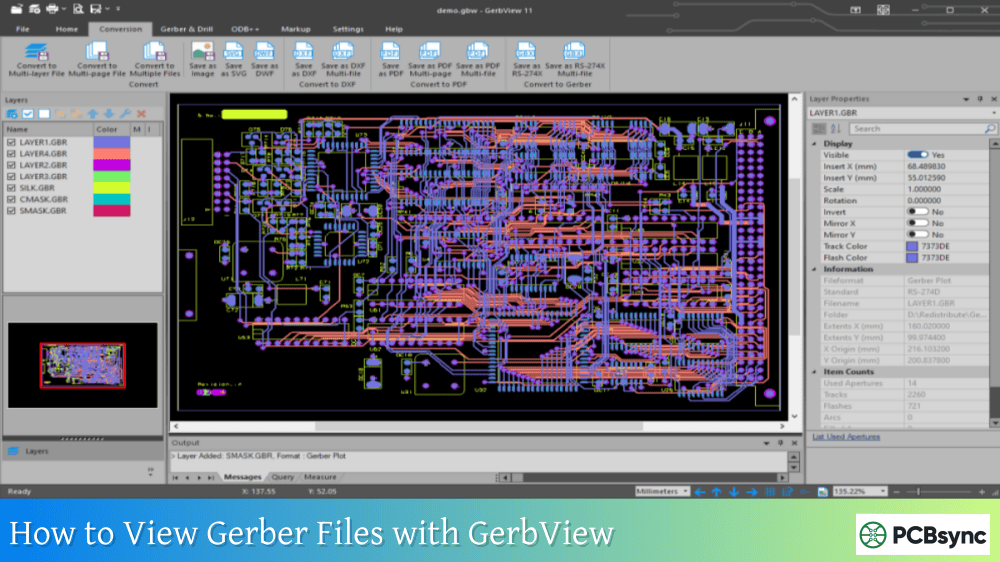
Visual inspection catches problems that automated checks might miss. Load your complete Gerber package into a viewer application and systematically examine each layer.
Start with a composite view showing all layers overlaid. The board should look recognizable as your design. If something appears drastically wrong—missing sections, scrambled data, or empty layers—you have a fundamental export problem that requires investigation in your CAD tool.
Toggle through each layer individually. Every copper layer should show complete trace routing without obvious gaps or missing sections. Solder mask layers should show clearances around all pads. Silkscreen should display readable text positioned away from solderable surfaces.
Step 3: Verify Drill-to-Copper Alignment
Drill alignment is the single most critical verification step. Misaligned drill files result in boards with holes that don’t line up with pads—a completely useless outcome that requires a full respin.
How to check drill alignment:
Load both the drill file and copper layers simultaneously in your viewer. Zoom in on several via and through-hole pad locations across the board. The drill hits should appear perfectly centered within the copper pads.
Signs of alignment problems:
Symptom
Likely Cause
Solution
All holes offset same direction
Coordinate origin mismatch
Verify origin settings in CAD export
Holes offset by factor of 10x or 25x
Unit mismatch (mil vs inch vs mm)
Match coordinate units between exports
Holes scaled incorrectly
Coordinate format mismatch (2:4 vs 2:5)
Align decimal format settings
Random hole positions
Corrupted drill file
Re-export drill data
Coordinate format verification:
Most drill alignment problems stem from format mismatches. Common formats include 2:4 (two digits left, four right of decimal), 2:5, and 3:3. If your Gerber files use 2:4 format but your drill file uses 2:5, holes will appear at incorrect positions. Check your CAD software’s export settings to ensure consistency.
Step 4: Inspect Solder Mask Registration
Solder mask defines which copper surfaces remain exposed for soldering. Incorrect mask openings create assembly problems ranging from difficult soldering to complete component failure.
Solder mask verification points:
All SMD pads should have mask openings that fully expose the copper pad plus a small clearance (typically 2-4 mils per side). Through-hole pads should have appropriately sized openings.
Via holes may be tented (covered with mask) or exposed depending on your design intent. Verify that the mask treatment matches your specifications.
No trace copper should be inadvertently exposed. Traces passing between fine-pitch component leads are particularly vulnerable to mask registration errors.
Common solder mask problems:
Issue
Visual Symptom
Impact
Missing pad openings
Pads appear covered by mask
Cannot solder components
Excessive clearance
Large gaps between pads
Potential solder bridging
Exposed traces
Traces visible outside pad areas
Corrosion risk, shorts during assembly
Solder mask slivers
Thin mask strips between pads
Mask peeling, debris
Step 5: Check Silkscreen Placement
Silkscreen provides component identification and assembly guidance. While silkscreen errors don’t affect electrical functionality, they create assembly problems and make debugging difficult.
Silkscreen verification checklist:
Reference designators should be readable and positioned near their associated components without overlapping pads or vias. Component polarity markers (pin 1 dots, cathode bands) should be clearly visible.
No silkscreen should overlap exposed copper surfaces. Ink on solderable pads can contaminate solder joints and cause reliability problems.
Text should have adequate line width for legible printing. Most fabricators require minimum 5-6 mil line width for reliable silkscreen reproduction.
Step 6: Verify Board Outline Integrity
The board outline tells the fabricator where to cut individual boards from the production panel. Missing or ambiguous outlines cause manufacturing delays while engineers clarify your intent.
Board outline requirements:
The outline should form a single, closed path defining the exact board perimeter. Multiple overlapping outline segments confuse CNC routing equipment.
Internal cutouts (if present) should be clearly defined with appropriate tool paths. Verify that cutout dimensions accommodate routing tool diameter.
Mounting holes and edge features should align with mechanical requirements. Compare outline dimensions against your mechanical drawings.
Step 7: Run Automated DFM Analysis
Design for Manufacturability analysis catches subtle problems that visual inspection might miss. Many online tools provide free DFM checking that identifies issues based on typical fabrication capabilities.
The final verification step confirms that your exported Gerbers accurately represent your design intent.
Layer-by-layer comparison:
Open your original design in your CAD tool alongside the Gerber viewer. Verify that each layer matches by spot-checking critical features: component footprints match expected pad patterns, routing matches your layout, via positions are correct, and board dimensions are accurate.
If your viewer supports netlist import (IPC-D-356 format), load the netlist and verify connectivity. This check confirms that electrical connections in the Gerber data match your schematic intent, catching shorts and opens that might not be visually obvious.
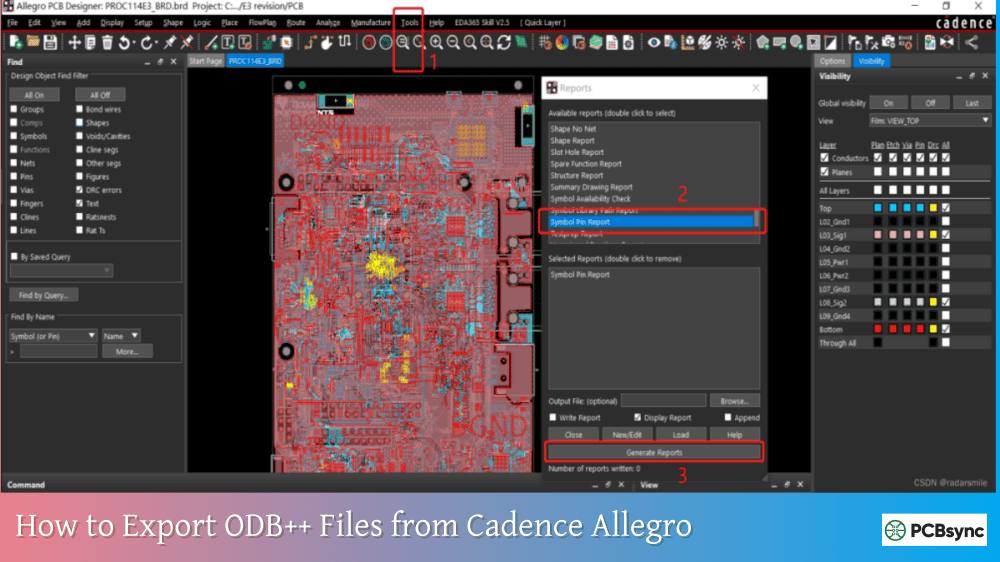
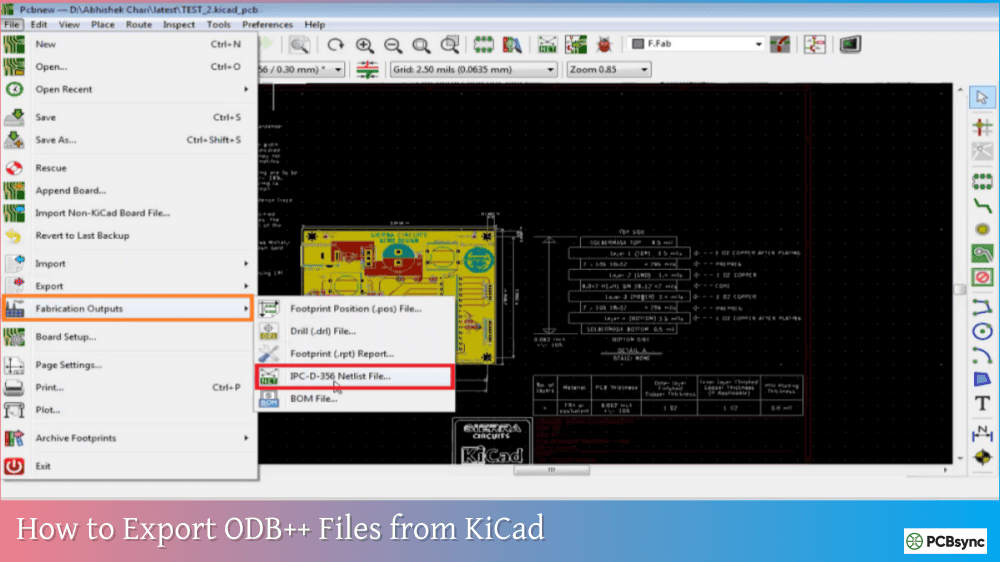
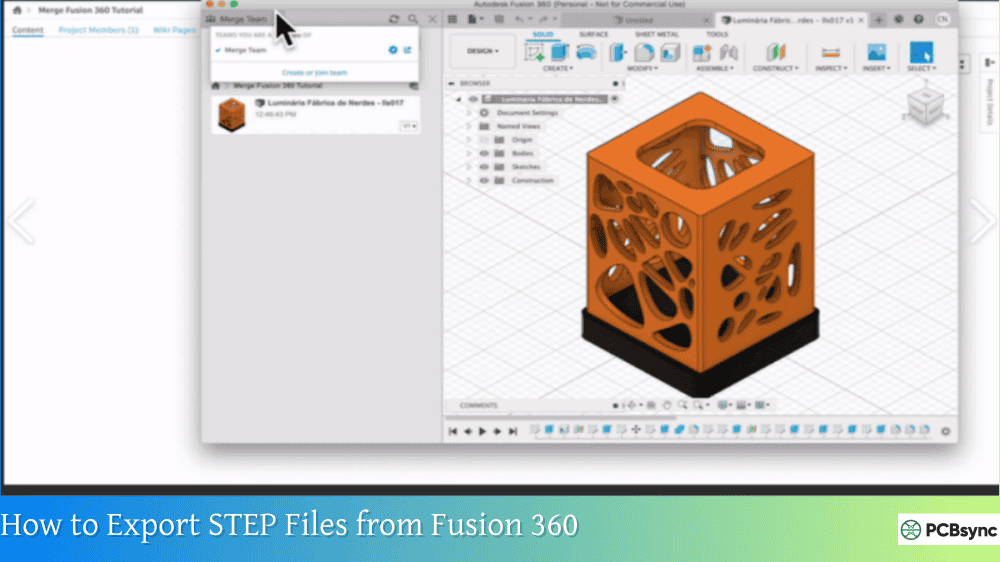
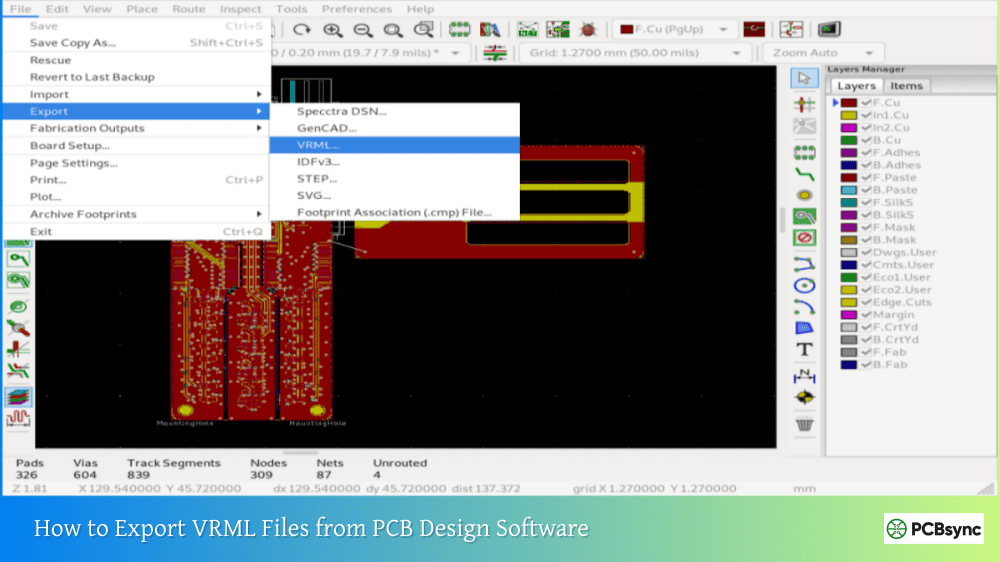
Read more How to convert PCB Files in different Design software:
What’s the most common Gerber file problem that causes manufacturing delays?
Missing or misaligned drill files cause the majority of manufacturing holds. The drill file is often exported separately from other Gerbers, making it easy to forget. Even when included, coordinate format mismatches between drill and copper data create systematic offset problems where every hole appears shifted from its intended position. Always verify drill-to-copper alignment as your first inspection step after loading files into a viewer. A quick zoom on several pad locations catches this problem in seconds, potentially saving days of delay.
How do I know if my Gerber files are in the correct format?
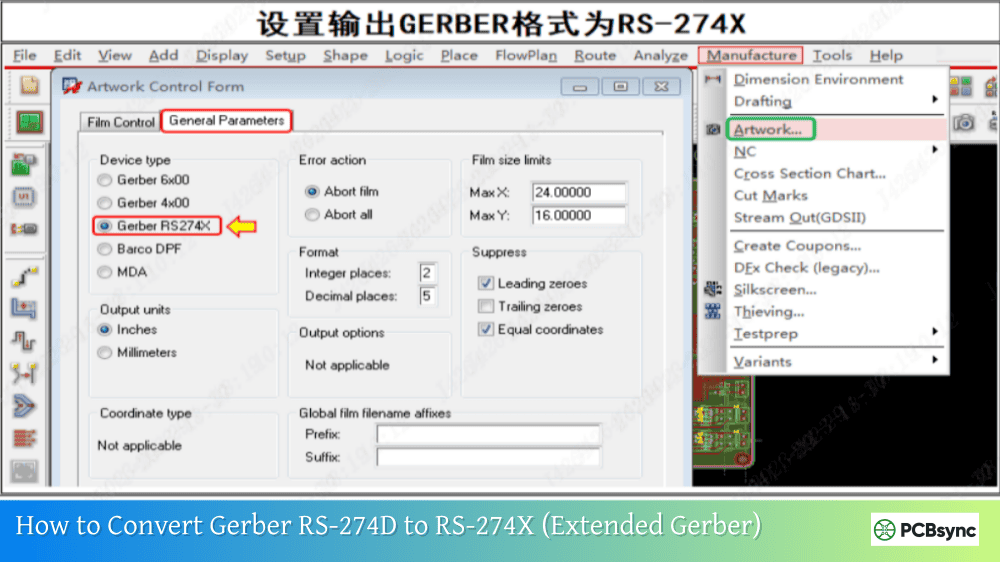
Modern manufacturing requires RS-274X (Extended Gerber) format, which embeds aperture definitions directly within each file. You can verify format by opening a Gerber file in any text editor—RS-274X files contain %ADD commands near the beginning that define aperture shapes and sizes. If your files lack these embedded definitions and require a separate aperture file, they’re likely older RS-274D format. Most CAD tools default to RS-274X export, but double-check your settings. Some fabricators accept ODB++ or IPC-2581 formats as alternatives, which include richer data than traditional Gerbers.
Should I verify Gerber files myself if my manufacturer offers free DFM review?
Absolutely verify files yourself before submission. While manufacturer DFM reviews catch problems, they happen after you’ve placed an order, potentially causing delays while you fix issues and resubmit. Manufacturing delays cascade through project schedules and can push back product launches. By verifying files independently first, you catch obvious problems immediately, submit clean files, and reduce the chance of holds. Think of manufacturer DFM as a safety net, not a substitute for your own verification. The five minutes spent checking files locally saves potentially days of back-and-forth communication.
What verification steps are most important for multilayer PCBs?
For multilayer boards, layer sequence verification becomes critical in addition to standard checks. Inner layer misordering creates completely wrong connectivity—imagine layer 2 and layer 3 swapped in a four-layer board with different power planes on each. Verify layer stackup by examining layer names in your viewer and confirming they match your intended sequence. Also pay extra attention to blind and buried vias, ensuring drill files correctly specify which layer pairs each via connects. Include a clear stackup diagram in your fabrication notes to eliminate any ambiguity about layer ordering.
How can I catch problems that don’t show up in visual inspection?
Automated DFM analysis catches subtle problems that visual inspection misses. Issues like insufficient annular ring (where drill holes are too close to pad edges), acid traps (acute copper angles that trap etchant), and spacing violations between different nets aren’t obvious when looking at layers individually. Use online DFM tools like HQDFM or desktop software like FAB 3000 to run comprehensive rule checks against typical manufacturing capabilities. Also consider netlist verification if your tools support it—loading an IPC-D-356 netlist alongside Gerber data lets software verify that copper connectivity matches your electrical design intent.
Best Practices for Gerber File Verification
Two decades of sending boards to fabrication have taught me several habits that consistently prevent problems:
Create a verification checklist and use it every time. Don’t rely on memory. Keep a written checklist specific to your workflow and work through it systematically before every order. Rushing past verification because “this is just a minor revision” is exactly when mistakes slip through.
Verify on a different computer than you designed on. This catches font issues, missing library elements, and other problems that might not manifest on your development machine where everything is installed.
Print composite views at 1:1 scale. For boards with through-hole components, print the top copper layer at actual size and physically place components on the printout. This catches footprint errors that aren’t obvious on screen.
Check the obvious things first. Before diving into detailed DFM analysis, confirm that you can see all expected layers, the board looks generally correct, and drill holes align with pads. Most manufacturing problems stem from basic export errors, not subtle rule violations.
Keep verification records. Save screenshots or reports from your Gerber verification process. When questions arise during manufacturing, having documentation of what you verified speeds resolution.
Communicate special requirements explicitly. Don’t assume the fabricator will infer your intent from the Gerber data alone. Include a fabrication drawing specifying layer stackup, materials, surface finish, and any special requirements. Clear documentation prevents assumptions that might not match your needs.
Taking the time to verify Gerber files before manufacturing represents one of the highest-return activities in the entire PCB design process. A few minutes of careful inspection prevents days of manufacturing delays, avoids expensive respins, and ensures your boards arrive ready to populate and test. Make verification a non-negotiable part of your workflow, and you’ll ship more boards that work the first time.
Inquire: Call 0086-755-23203480, or reach out via the form below/your sales contact to discuss our design, manufacturing, and assembly capabilities.
Quote: Email your PCB files to Sales@pcbsync.com (Preferred for large files) or submit online. We will contact you promptly. Please ensure your email is correct.
Notes: For PCB fabrication, we require PCB design file in Gerber RS-274X format (most preferred), *.PCB/DDB (Protel, inform your program version) format or *.BRD (Eagle) format. For PCB assembly, we require PCB design file in above mentioned format, drilling file and BOM. Click to download BOM template To avoid file missing, please include all files into one folder and compress it into .zip or .rar format.