Inquire: Call 0086-755-23203480, or reach out via the form below/your sales contact to discuss our design, manufacturing, and assembly capabilities.
Quote: Email your PCB files to Sales@pcbsync.com (Preferred for large files) or submit online. We will contact you promptly. Please ensure your email is correct.
Notes: For PCB fabrication, we require PCB design file in Gerber RS-274X format (most preferred), *.PCB/DDB (Protel, inform your program version) format or *.BRD (Eagle) format. For PCB assembly, we require PCB design file in above mentioned format, drilling file and BOM. Click to download BOM template To avoid file missing, please include all files into one folder and compress it into .zip or .rar format.
How to Use Online Gerber Viewer Tools: Complete Guide for PCB Verification
There’s a moment every PCB designer knows well—you’ve finished your design, exported the Gerber files, and you’re ready to send them to the fabricator. But then doubt creeps in. Did the export capture everything correctly? Are the drill holes aligned with the pads? Is the solder mask properly registered? Before committing to manufacturing, you need to verify those files, and online Gerber viewer tools have become the fastest, most convenient way to do exactly that. No software installation, no license fees, just upload your files and start inspecting. This guide covers everything you need to know about using online Gerber viewer tools effectively.
Why Online Gerber Viewer Tools Matter for PCB Design
Online Gerber viewer tools solve a fundamental problem in PCB manufacturing: verifying that what your CAD software exported matches what you actually designed. The Gerber format is the industry standard for communicating PCB data to manufacturers, but the export process can introduce errors. Coordinate format mismatches, missing layers, incorrect apertures, and misaligned drill data are common issues that only become apparent when you view the actual Gerber files rather than the original design.
Benefits of Browser-Based Gerber Viewers
Advantage
Description
No Installation
Access from any computer with a web browser
Cross-Platform
Works on Windows, Mac, Linux, and mobile devices
Always Updated
Provider maintains the software, no manual updates
Free Access
Most tools offer core viewing features at no cost
Quick Verification
Drag-and-drop interface enables rapid file checks
Shareable Links
Some tools generate shareable URLs for team review
The convenience factor alone makes online Gerber viewers invaluable. When you’re working on a client’s machine, traveling, or simply want to avoid cluttering your system with specialized software, browser-based tools deliver immediate results.
Top Online Gerber Viewer Tools Compared
Not all online Gerber viewers offer the same capabilities. Some focus purely on visualization, while others include measurement tools, DFM analysis, and integration with PCB ordering systems.
Each tool has its strengths. For quick visual checks without creating an account, GerbLook and Paragon Robotics excel. For comprehensive DFM analysis before ordering, HQDFM provides the deepest manufacturing insights. For professional sharing and collaboration, Altium 365 Viewer offers the most polished experience.
How to Use Online Gerber Viewer Tools Step by Step
The workflow for online Gerber viewers follows a consistent pattern across most platforms, though specific features vary.
Step 1: Prepare Your Gerber Files
Before uploading, organize your Gerber files properly:
Package all files together. Most online viewers accept ZIP or RAR archives containing your complete Gerber set. Include all copper layers, solder mask, silkscreen, paste mask, board outline, and drill files in a single archive.
Use standard naming conventions. While many viewers auto-detect layer types, clear filenames help prevent misassignment. Common conventions include:
Layer Type
Typical Extensions
Top Copper
.GTL, .TOP, .CMP
Bottom Copper
.GBL, .BOT, .SOL
Top Solder Mask
.GTS, .TSM
Bottom Solder Mask
.GBS, .BSM
Top Silkscreen
.GTO, .TSK
Bottom Silkscreen
.GBO, .BSK
Board Outline
.GKO, .GM1, .GML
Drill Files
.DRL, .XLN, .TXT
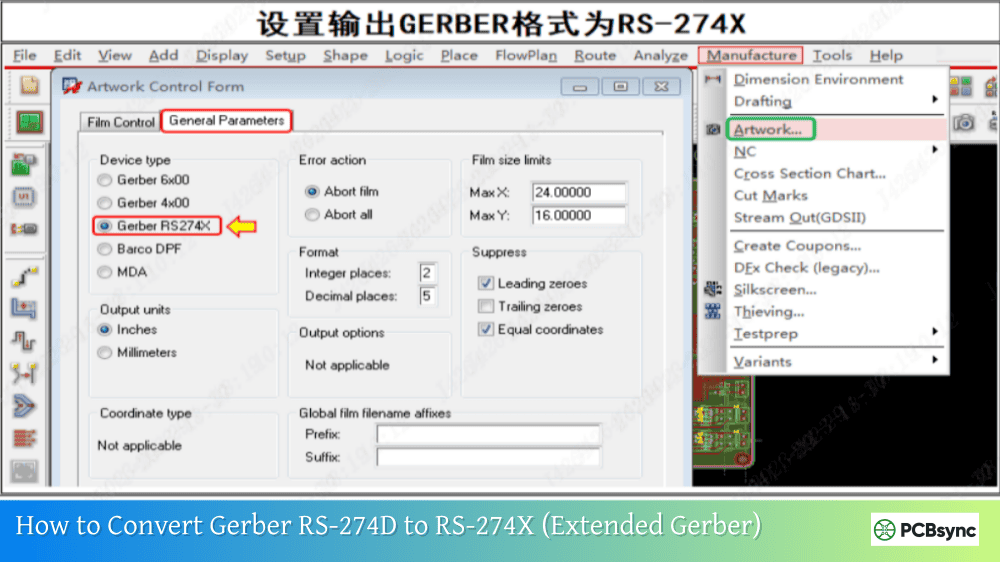
Verify format compatibility. Most modern CAD tools export RS-274X (Extended Gerber) by default. Older RS-274D format requires separate aperture files and has limited online viewer support.
Step 2: Upload Files to the Viewer
Navigate to your chosen online Gerber viewer and locate the upload interface. Most tools offer drag-and-drop functionality—simply drag your ZIP file onto the designated area. Alternatively, click the upload button and browse to select your file.
File size considerations: Most online viewers accept files up to 10-50 MB. For complex multilayer designs with large polygon fills, ensure your archive stays within limits by checking your CAD export settings for appropriate resolution.
Processing time: Simple two-layer boards typically render within seconds. Complex designs with many layers and dense routing may require 30-60 seconds for complete processing.
Step 3: Verify Layer Recognition
After upload, the viewer displays your board with layers auto-assigned. This is a critical checkpoint—verify that:
The correct number of layers appears in the layer panel. A four-layer board should show four copper layers plus mask, silk, and drill data.
Layer assignments match your design intent. If the viewer misidentifies your bottom copper as top copper, colors and overlays will be incorrect.
Drill files loaded successfully. Missing drill data is one of the most common export problems, and catching it here prevents manufacturing delays.
Reassigning layers manually: If auto-detection fails, most viewers allow manual layer assignment. Click on the layer entry and select the correct layer type from a dropdown menu.
Step 4: Navigate and Inspect the Design
With layers loaded, use the viewer’s navigation tools to examine your design:
Zoom controls: Mouse wheel or pinch gestures zoom in and out. Double-click often fits the entire board to the viewport.
Pan navigation: Click and drag to move around the board. Some viewers use middle-mouse-button drag for panning.
Layer visibility toggles: Enable or disable individual layers to isolate specific elements. Viewing top copper alone helps identify trace routing issues without visual clutter from other layers.
Key Areas to Inspect in Online Gerber Viewers
Inspection Area
What to Look For
Copper-to-Drill Alignment
Pads centered on drill holes, no systematic offset
Solder Mask Openings
Adequate clearance around pads, no missing openings
Silkscreen Placement
Text readable, no overlap with exposed copper
Board Outline
Continuous path, corners properly defined
Via Coverage
Tented or exposed as intended by design
Trace Continuity
No unexpected breaks or gaps in routing
Step 5: Use Measurement Tools
Most online Gerber viewers include basic measurement capabilities:
Point-to-point distance: Click two locations to measure the distance between them. Useful for verifying pad pitch, trace spacing, and component placement accuracy.
Coordinate readout: Hover over any point to see X/Y coordinates. Helps verify that features align with expected grid positions.
Unit selection: Toggle between millimeters, inches, and mils depending on your design conventions.
Running DFM Checks in Online Gerber Viewers
Design for Manufacturability analysis catches problems that visual inspection alone might miss. Advanced online Gerber viewers like HQDFM perform automated checks against manufacturing constraints.
Interpreting DFM results: Online tools typically categorize issues as errors (must fix), warnings (should review), or info (informational only). Address all errors before ordering. Evaluate warnings based on your manufacturer’s actual capabilities—what triggers a warning for budget fabricators may be routine for advanced shops.
Downloading DFM reports: Tools like HQDFM generate downloadable PDF reports summarizing all detected issues. Attach these reports to your fabrication package to demonstrate due diligence and facilitate communication with manufacturers.
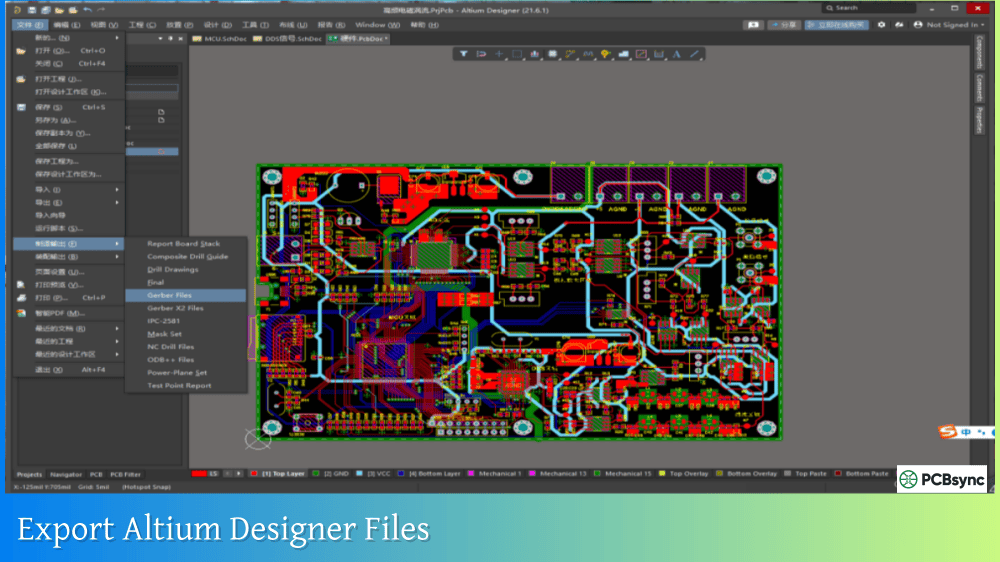
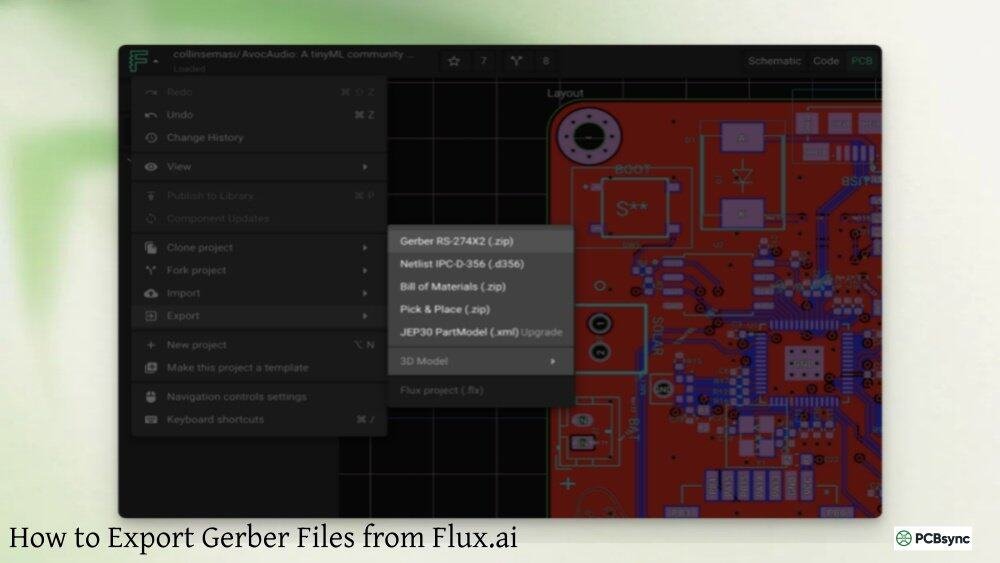
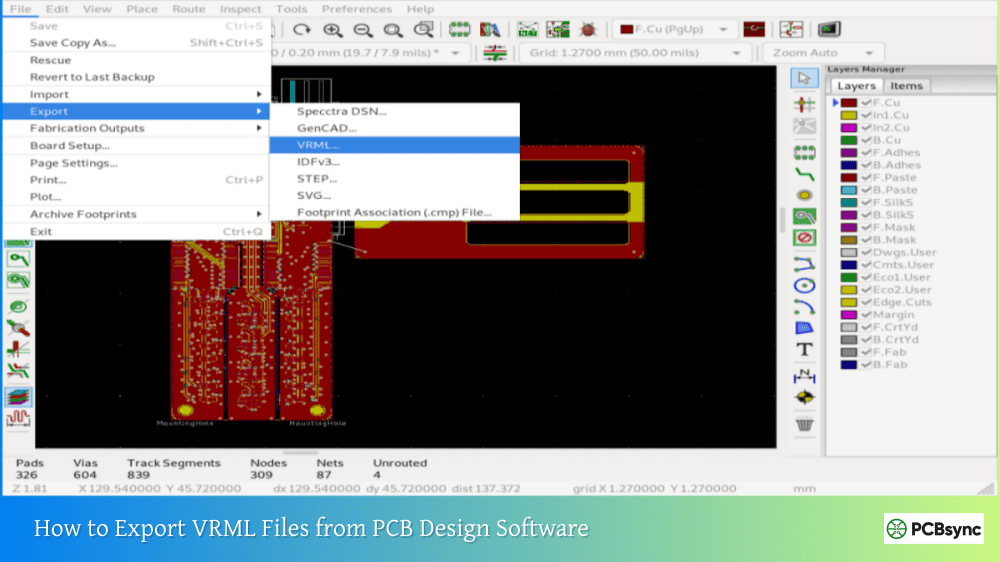
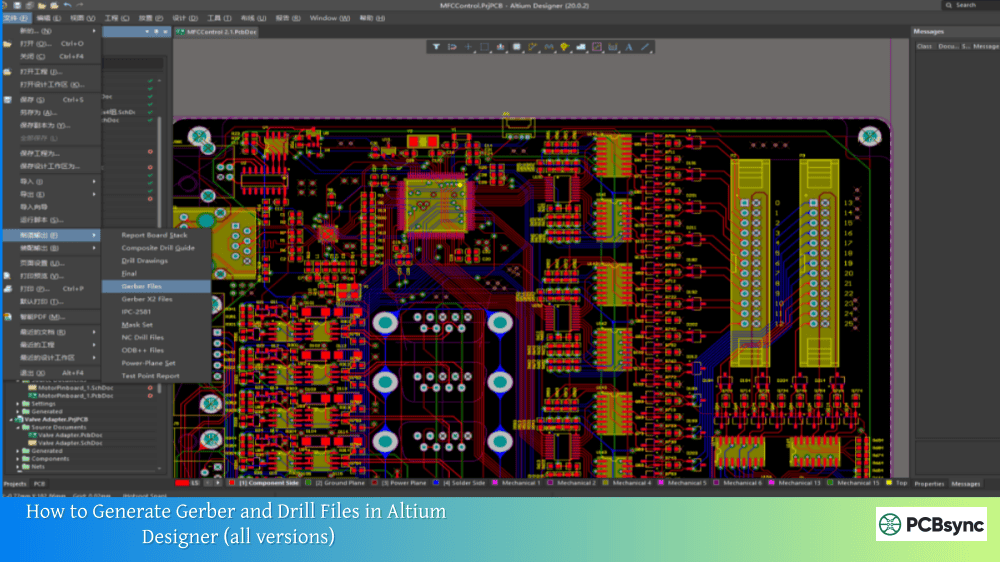
Read more How to convert PCB Files in different Design software:
Uploading design files to online services raises legitimate security questions, particularly for proprietary or export-controlled designs.
Security Practices for Online Gerber Viewers
Understand data handling policies. Reputable services state that uploaded files are processed temporarily and deleted after your session ends. Altium 365 Viewer explicitly removes files when you close your browser tab. HQDFM claims files are kept strictly confidential.
Use client-side processing when available. Some viewers, like Paragon Robotics, process files entirely in your browser using JavaScript. No data leaves your machine, eliminating server-side exposure entirely.
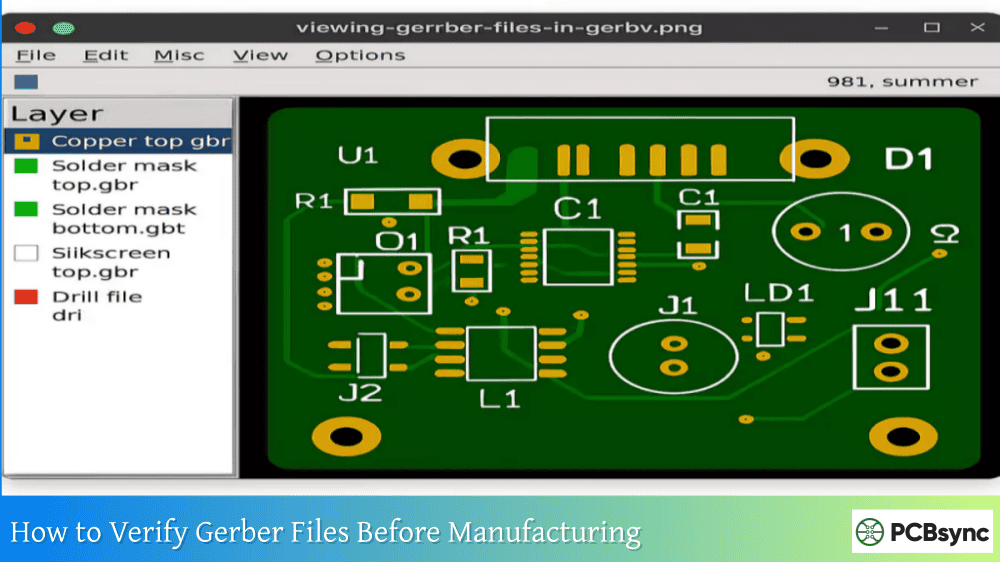
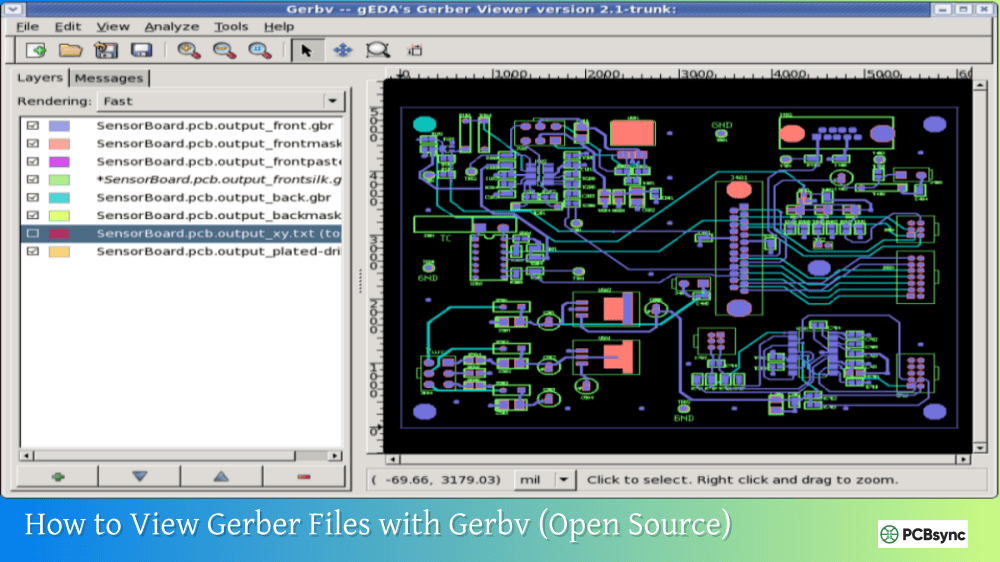
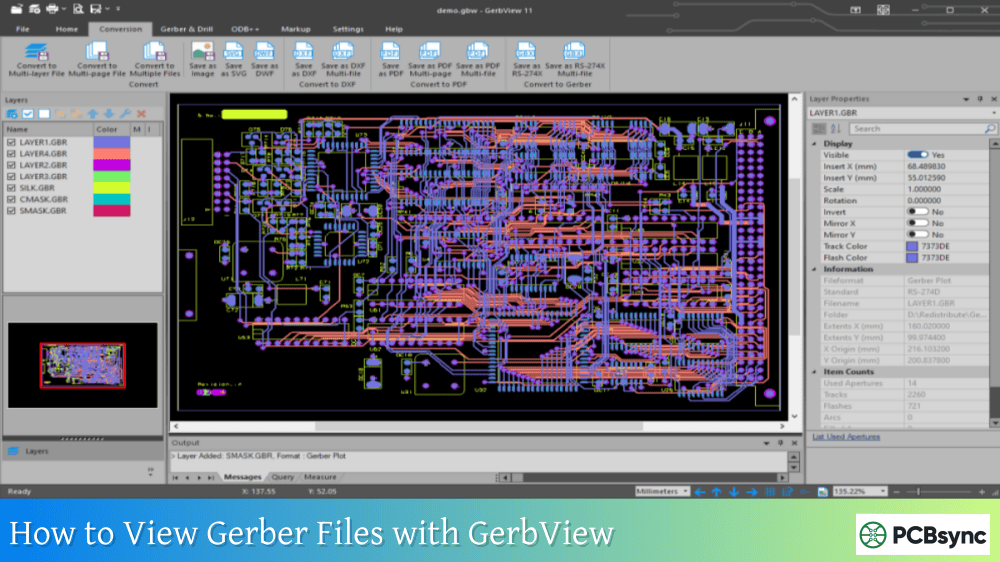
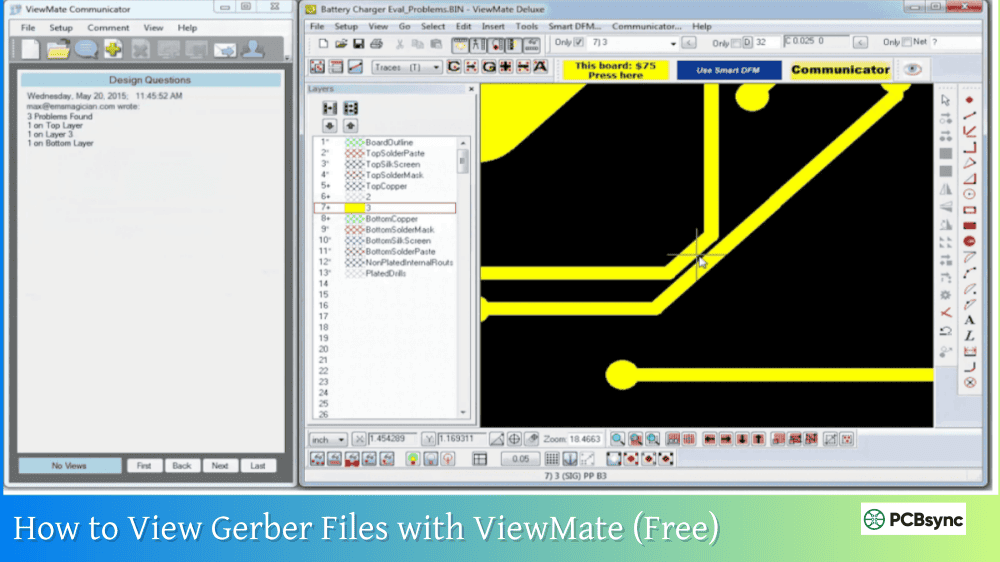
Avoid uploading sensitive designs. For ITAR-controlled, export-restricted, or highly proprietary designs, use offline viewers like ViewMate or Gerbv instead of online tools. The convenience of browser-based viewing isn’t worth the compliance risk for regulated products.
Check for HTTPS. Ensure the viewer URL begins with https:// to confirm encrypted data transmission.
Troubleshooting Common Online Viewer Problems
Even straightforward tools occasionally encounter issues. Here are solutions to frequent problems:
Files Won’t Upload or Process
Check file size. Compress oversized archives or reduce Gerber export resolution in your CAD tool.
Verify file format. Ensure you’re uploading RS-274X Gerber, not proprietary CAD formats. Online viewers cannot read .brd, .pcb, or other native design files directly.
Try a different browser. Some viewers perform better in Chrome than Firefox, or vice versa. Clear browser cache if uploads stall repeatedly.
Layers Display Incorrectly
Reassign layers manually. Auto-detection sometimes fails with non-standard filenames.
Check for missing files. If a layer appears blank, the corresponding Gerber file may not have been included in your archive.
Verify polarity settings. Negative layers (like solder mask) should show clearances, not coverage. If masks appear inverted, check your CAD export settings.
Drill Holes Not Visible
Confirm drill file format. Excellon format is standard, but coordinate format settings (leading/trailing zero suppression) must match between Gerber and drill exports.
Check for separate tool files. Some drill exports require accompanying tool definition files specifying hole diameters.
Useful Resources for Online Gerber Viewing
Popular Online Gerber Viewer Tools
Tool
URL
Best For
HQDFM
nextpcb.com/free-online-gerber-viewer
DFM analysis with manufacturing insights
JLCPCB Viewer
jlcpcb.com/RGE
Quick verification before JLCPCB orders
Altium 365 Viewer
altium.com/viewer
Professional sharing and 3D visualization
GerbLook
gerblook.org
Simple, fast rendering without signup
EasyEDA Viewer
gerber-viewer.easyeda.com
Color customization and image export
PCBWay Viewer
pcbway.com/project/OnlineGerberViewer
Integration with PCBWay ordering
Paragon Robotics
paragonrobotics.com/free-tools/gerber-viewer
Client-side processing for privacy
Gerber-Viewer.com
gerber-viewer.com
ODB++ and format conversion
Desktop Alternatives for Offline Viewing
Software
Platform
Cost
Notes
ViewMate
Windows
Free
Industry standard, RS-274D support
Gerbv
Linux/Windows/Mac
Free
Open source, lightweight
KiCad GerbView
All platforms
Free
Bundled with KiCad suite
ZofzPCB
Windows
Free
Advanced 3D visualization
CAM350
Windows
Commercial
Professional CAM editing
Frequently Asked Questions
Are online Gerber viewer tools safe for proprietary designs?
Most reputable online Gerber viewers process files temporarily and delete them after your session. Services like Paragon Robotics process files entirely in your browser, meaning data never leaves your computer. However, for highly sensitive designs involving trade secrets, export-controlled technology, or competitive intellectual property, using offline desktop viewers eliminates any cloud-based exposure. Always review the privacy policy of any online service before uploading confidential design data, and consider whether the convenience justifies any potential risk for your specific situation.
Can online Gerber viewers edit my files or fix errors?
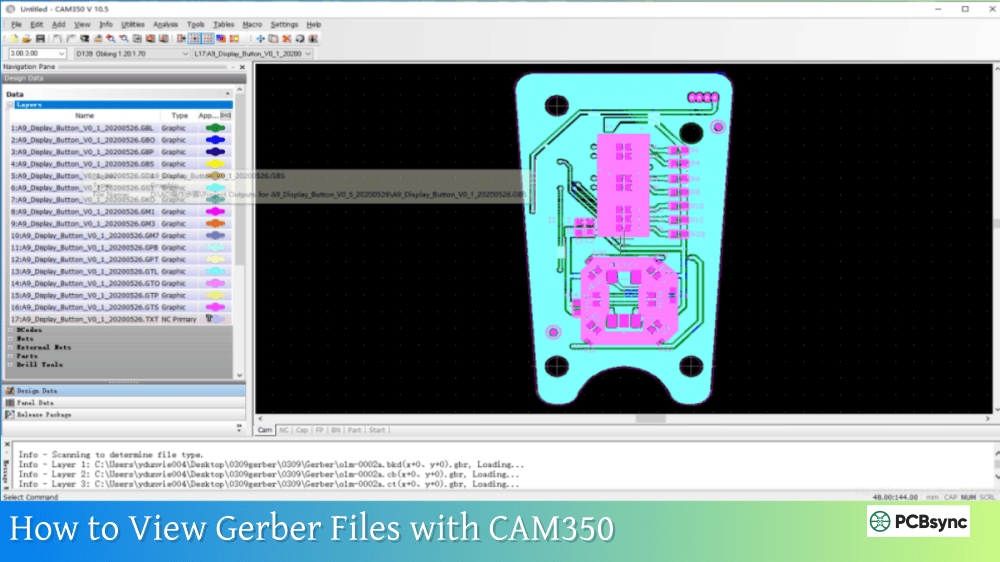
Online Gerber viewers are designed for inspection and verification, not editing. When you identify problems using an online viewer, you need to return to your original PCB design software (KiCad, Altium, Eagle, etc.) to make corrections, then re-export the Gerber files. Some professional desktop tools like CAM350 and ViewMate Pro can edit Gerber data directly, but browser-based viewers focus on visualization and DFM analysis rather than modification capabilities. The workflow is: view online, fix in CAD, re-export, verify again.
Why do my drill holes appear offset from the pads in the online viewer?
Drill-to-pad offset is typically caused by coordinate format mismatches between your Gerber and Excellon drill exports. The most common issue involves leading or trailing zero suppression settings that differ between file types. Check your CAD software’s export settings to ensure both Gerber and drill files use identical coordinate formats (typically 2:4 or 2:5 for inches, 3:3 for metric). Also verify that both exports use the same units (inches or millimeters) and the same origin point. A systematic offset affecting all holes points to format settings; random offsets suggest a more serious export problem requiring investigation.
What file formats do online Gerber viewers support?
Most online Gerber viewers support RS-274X (Extended Gerber), which is the current industry standard that includes embedded aperture definitions. Some tools also support Gerber X2 (the newer format with embedded metadata), ODB++ (intelligent manufacturing format), and native KiCad .kicad_pcb files. Excellon drill files are supported by most viewers for displaying hole data. Older RS-274D format, which requires separate aperture files, has limited online support—ViewMate desktop software remains the best option for legacy files. Always export RS-274X from modern CAD tools to ensure maximum compatibility with online viewers.
How accurate are the DFM checks in online Gerber viewers?
Online DFM checks catch common manufacturing issues but aren’t as comprehensive as professional CAM software used by fabricators. Free online tools typically check 20-30 basic rules including minimum trace width, spacing, annular ring, and silkscreen conflicts. These checks use generic industry parameters that may not match your specific manufacturer’s capabilities. A board that passes online DFM checks might still trigger warnings at a fabricator with tighter tolerances, while a board with online warnings might be perfectly acceptable at a shop with advanced equipment. Use online DFM as a first-pass filter to catch obvious problems, but don’t rely on it as definitive manufacturing clearance.
Best Practices for Online Gerber Verification
Years of sending boards to fabrication have taught me several habits that consistently prevent problems:
Always view Gerbers, never assume exports are correct. CAD tools occasionally produce malformed output, especially after software updates or when using unusual features. The five minutes spent viewing files online has saved me countless hours of dealing with manufacturing delays and respins.
Check drill alignment first. If drills don’t align with pads, nothing else matters. This is the single most common export problem and should be your first verification step in any online viewer.
Toggle layers systematically. Don’t just glance at the composite view. Isolate each layer and examine it individually. Problems hiding under other layers become obvious when viewed alone.
Compare top and bottom. For double-sided boards, verify that corresponding features on opposite sides align properly. Flip between top and bottom views to check registration.
Use manufacturer-specific viewers when ordering. If you’re ordering from JLCPCB, use their viewer. For NextPCB, use HQDFM. These tools are tuned to each manufacturer’s capabilities and order flow, reducing friction when you place the order.
Save viewer screenshots for documentation. Most online viewers let you export images. Include these in your manufacturing package as visual references for the fabricator.
Run DFM before every production order. Even if the design passed DFM last time, re-run the checks. You may have made changes, or your target manufacturer may have different capabilities than you assumed.
Online Gerber viewer tools have democratized PCB verification. What once required expensive CAM software is now available free in any web browser. Take advantage of these tools to catch errors early, communicate clearly with manufacturers, and ship boards that work the first time.
Inquire: Call 0086-755-23203480, or reach out via the form below/your sales contact to discuss our design, manufacturing, and assembly capabilities.
Quote: Email your PCB files to Sales@pcbsync.com (Preferred for large files) or submit online. We will contact you promptly. Please ensure your email is correct.
Notes: For PCB fabrication, we require PCB design file in Gerber RS-274X format (most preferred), *.PCB/DDB (Protel, inform your program version) format or *.BRD (Eagle) format. For PCB assembly, we require PCB design file in above mentioned format, drilling file and BOM. Click to download BOM template To avoid file missing, please include all files into one folder and compress it into .zip or .rar format.