Inquire: Call 0086-755-23203480, or reach out via the form below/your sales contact to discuss our design, manufacturing, and assembly capabilities.
Quote: Email your PCB files to Sales@pcbsync.com (Preferred for large files) or submit online. We will contact you promptly. Please ensure your email is correct.
Notes: For PCB fabrication, we require PCB design file in Gerber RS-274X format (most preferred), *.PCB/DDB (Protel, inform your program version) format or *.BRD (Eagle) format. For PCB assembly, we require PCB design file in above mentioned format, drilling file and BOM. Click to download BOM template To avoid file missing, please include all files into one folder and compress it into .zip or .rar format.
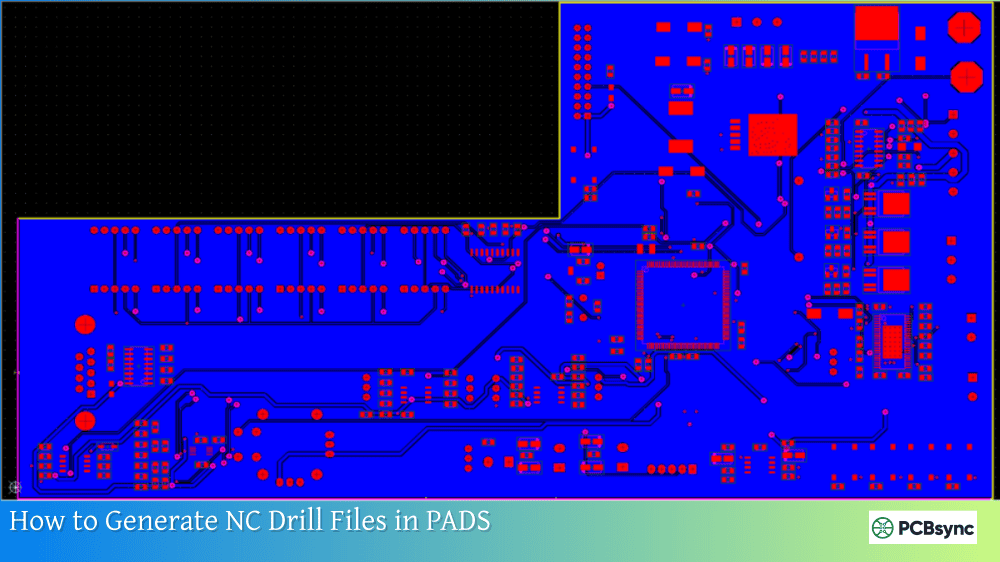
How to Generate NC Drill Files in PADS: Complete Guide for PCB Engineers
Generating manufacturing files from PADS has always been one of those tasks that trips up engineers who are otherwise comfortable with the software. The CAM output process in PADS works differently than most other PCB design tools, and getting the drill file settings to match your Gerber settings requires careful attention to detail.
After working with PADS across multiple product versions, from the older Mentor Graphics releases through current Siemens PADS editions, I have learned that drill file problems almost always trace back to mismatched settings between Gerber outputs and NC drill outputs. This guide walks through the complete process of generating NC drill files in PADS that manufacturers will accept without questions.
Understanding NC Drill Files and Their Role in Manufacturing
NC drill files provide CNC drilling machines with precise instructions about where to place holes on your PCB. The “NC” stands for Numeric Control, referring to the computer systems that operate modern drilling equipment. These files work alongside your Gerber files to give manufacturers everything they need to fabricate your board.
Unlike Gerber files that describe copper patterns, solder masks, and silkscreen layers as image data, NC drill files contain coordinate data and tool specifications. Each hole position gets recorded with X and Y coordinates, along with information about which drill bit size to use.
Components of an NC Drill File
Element
Description
Example
Header
Machine setup commands and format definitions
M48, INCH
Tool Table
Drill bit sizes assigned to tool numbers
T01C0.0350
Coordinate Data
X and Y positions for each hole
X8500Y4800
Tool Select
Commands to change drill bits
T01, T02
End Command
Signals program completion
M30
The Excellon format dominates the PCB industry because Excellon Automation held the leading position in drilling equipment for decades. Their proprietary format became the de facto standard that nearly all CAD software supports.
PADS CAM Output System Overview
PADS handles manufacturing outputs through its CAM (Computer-Aided Manufacturing) system. Unlike some tools that separate Gerber and drill generation into completely different workflows, PADS manages all CAM documents through a unified interface.
This unified approach offers advantages when you need to ensure consistent settings across all output types. However, it also means you must navigate through the same menus for both Gerber and drill configuration, paying close attention to which document type you are editing.
The NC Drill document type specifically generates Excellon-format files that drilling machines can read directly.
Step-by-Step Process to Generate NC Drill Files in PADS
The drill file generation process in PADS involves defining a CAM document, configuring output settings, and running the generation. Getting each step right ensures your manufacturer receives usable files.
Accessing the CAM Document Interface
Open your completed PCB design in PADS Layout. Before generating any manufacturing files, verify your design passes DRC checks by running Tools → Verify Design.
Navigate to File → CAM to open the CAM output interface. This opens the Define CAM Documents dialog where you manage all manufacturing outputs.
Look for any existing drill document in the document list. If your design already has a drill document defined from previous work, select it and click Edit. For new designs without an existing drill document, click Add to create one.
Creating a New NC Drill Document
In the Add Document or Edit Document dialog, configure the following settings:
Enter a descriptive name in the Document Name field, such as “NC Drill” or “Drill Data.”
Select NC Drill from the Document Type dropdown list. This tells PADS to generate Excellon-format output rather than Gerber artwork.
The layer selection for drill documents differs from Gerber layers. PADS automatically includes all drilled holes based on your padstack definitions rather than requiring manual layer selection.
Configuring Device Setup for Excellon Output
Click the Device Setup button to access the NC Drill Setup window. This is where the critical format settings live.
Setting
Location
Recommended Value
Format
Excellon tab
2:4 (inches) or 3:3 (metric)
Units
Excellon tab
Match your Gerber units
Zero Suppression
Excellon tab
Leading (most compatible)
Coordinates
Excellon tab
Absolute
Output Style
Excellon tab
Excellon
The format setting defines coordinate precision. The notation 2:4 means two integer digits and four decimal digits, giving you 0.0001 inch resolution. For metric designs, 3:3 format provides 0.001mm resolution.
Select the Excellon tab within Device Setup to access these format options. PADS may offer other output styles, but Excellon provides the broadest manufacturer compatibility.
Critical Setting: Matching Gerber and Drill Parameters
The single most common cause of drill file problems involves mismatched settings between Gerber files and drill files. When these parameters differ, your drill holes appear offset from pads when the manufacturer loads the files.
Parameter
Must Match
Units
Inches or Millimeters
Format
Same integer:decimal ratio
Zero Suppression
Same suppression type
Coordinates
Both Absolute or both Relative
Before generating drill files, open your Gerber (Photo) document settings and note the exact configuration. Then configure your drill document with identical values.
Generating the Drill File
After configuring all settings, click OK to close the Device Setup dialog, then OK again to close the Edit Document dialog.
Back in the Define CAM Documents window, select your drill document and click Run. PADS processes the design and generates the drill file in your specified CAM output directory.
Check the generation log for any warnings or errors. PADS typically displays a completion message indicating successful generation.
Understanding Zero Suppression in PADS Drill Output
Zero suppression reduces file size by removing unnecessary zeros from coordinate values. However, misunderstanding this setting causes significant problems when manufacturers interpret your files differently than intended.
Zero Suppression Options Explained
Option
Effect
Example Coordinate
None
All zeros retained
X007500Y003200
Leading
Remove zeros before first digit
X7500Y3200
Trailing
Remove zeros after last digit
X0075Y0032
Leading zero suppression removes zeros from the beginning of coordinates. A coordinate like X007500 becomes X7500. Most manufacturers expect leading zero suppression and interpret files accordingly.
Trailing zero suppression removes zeros from the end. This can cause serious misinterpretation because X007500 becomes X00750 or even X0075 depending on the actual value. Many Gerber viewers and manufacturer systems assume leading suppression by default.
For maximum compatibility, use Leading zero suppression unless your manufacturer specifically requests otherwise.
Working with Plated and Non-Plated Holes
PCB designs typically contain both plated through-holes (PTH) for electrical connections and non-plated through-holes (NPTH) for mounting hardware. PADS can generate separate or combined drill files for these hole types.
Configuring Hole Types in Padstacks
PADS defines hole plating in the padstack editor. When creating or editing a padstack:
Access the padstack properties through Setup → Pad Stacks.
Select the padstack you want to modify.
Look for the Plated checkbox in the hole definition section.
Check the box for plated holes (vias, component pins) or uncheck for non-plated holes (mounting holes).
Separate vs Combined Drill Files
Approach
Advantages
Disadvantages
Separate files
Clear distinction for manufacturing
More files to manage
Combined file
Simpler file package
May require manufacturer to separate
Most manufacturers prefer receiving separate files for plated and non-plated holes because these require different manufacturing processes. Plated holes go through electroplating steps that non-plated holes skip entirely.
Check your PADS Device Setup for options to generate separate files based on hole type.
Verifying Drill Files Before Manufacturing
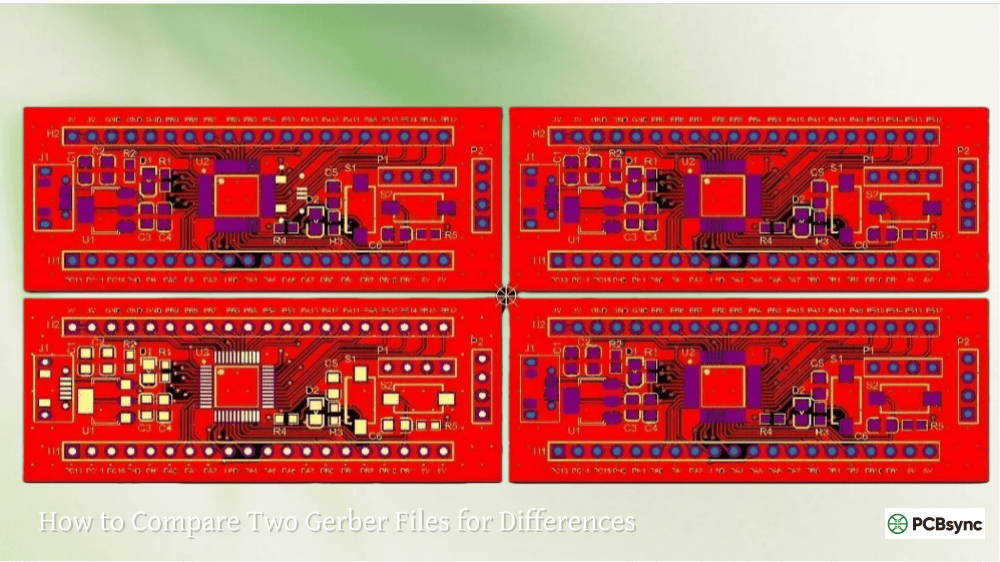
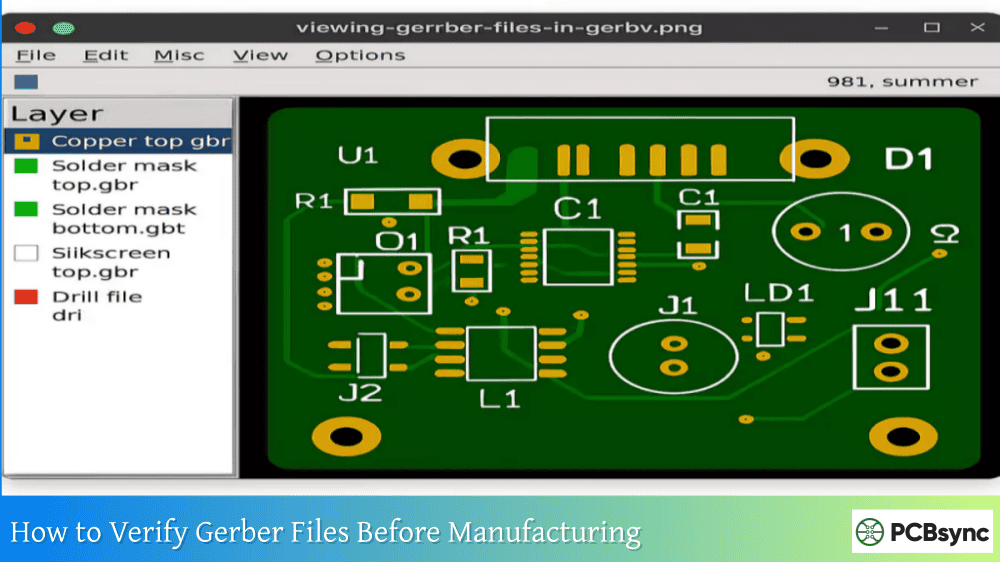
Never submit drill files to manufacturing without verification. PADS-generated files may work perfectly, but confirming alignment with Gerber layers catches problems before they become expensive mistakes.
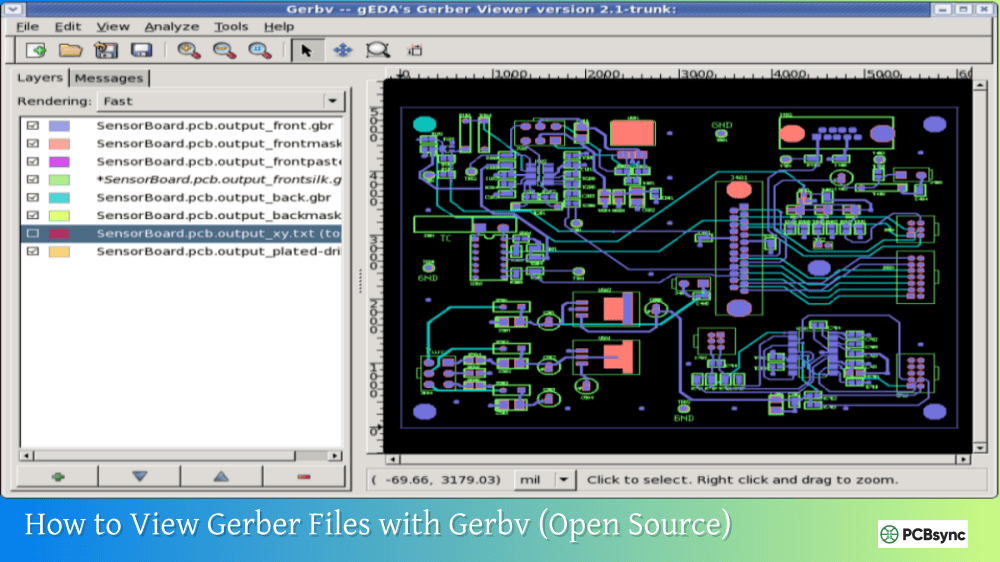
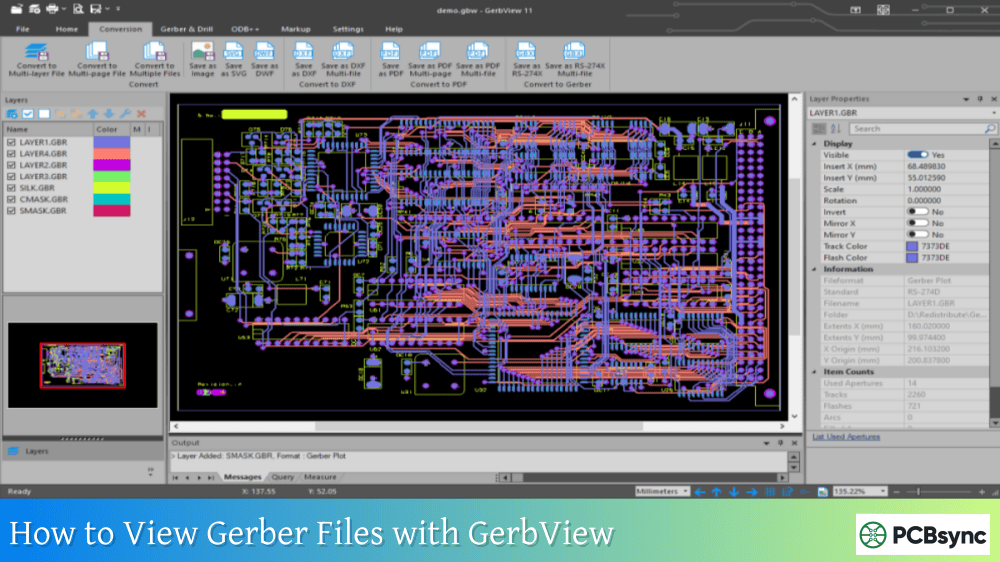
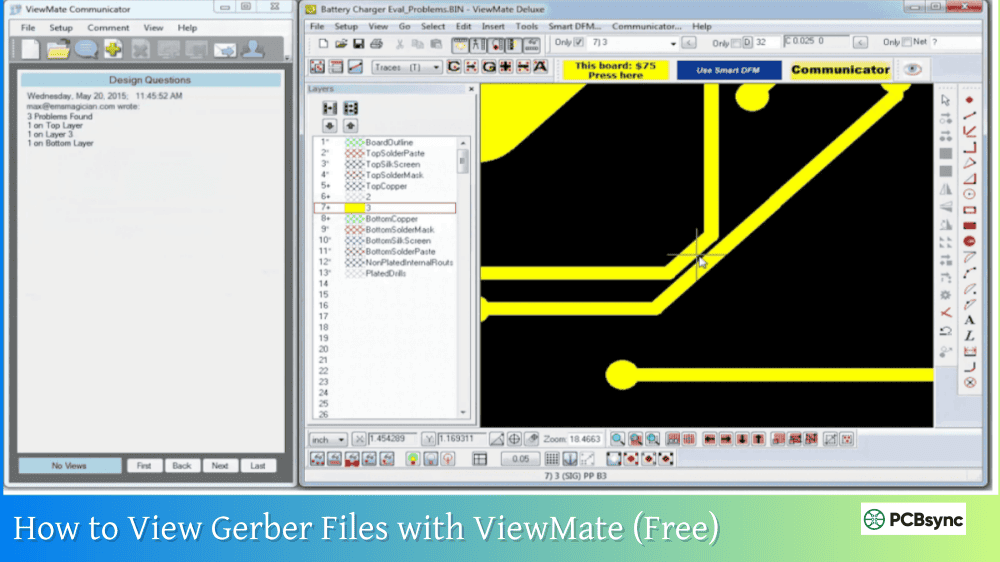
Recommended Gerber Viewers for Verification
Viewer
Platform
Key Features
Gerbv
Windows, Linux, macOS
Free, open source, excellent Excellon support
ViewMate
Windows
Professional features, industry standard
ZofzPCB
Windows
3D visualization, drill alignment checking
CAM350
Windows
Professional CAM software
Online viewers
Web-based
No installation, quick checks
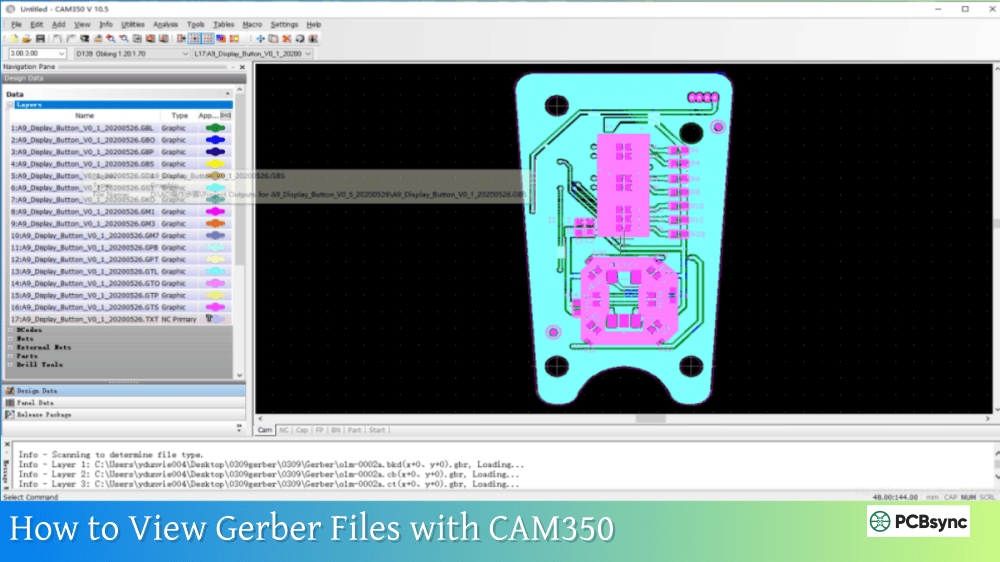
Load all your Gerber layers and the drill file into a viewer. Enable transparency so you can see drill holes overlaid on copper layers.
Zoom into several pad locations and verify that drill holes appear centered on pads. Check via holes on both inner and outer layers. Look for any systematic offset that would indicate mismatched settings.
Common Verification Points
Check
What to Look For
Hole centering
Drills centered on all pads
Hole count
Total matches design intent
Hole sizes
Tool table lists correct diameters
Board outline
Drills within outline boundaries
Scale
No 10x or 0.1x scaling errors
A scale error of 10x is the telltale sign of format mismatch, where the viewer interprets coordinates with one fewer or one more decimal place than intended.
Read more How to convert PCB Files in different Design software:
Even experienced engineers encounter drill file issues. Understanding common problems helps you diagnose and fix issues quickly.
Problem: Drill Holes Offset from Pads
This almost always indicates mismatched settings between Gerber and drill outputs. Check that both use identical values for units, format, zero suppression, and coordinate origin.
Also verify that your board origin is set consistently. PADS uses the design origin for coordinate calculations, and different origin positions between Gerber and drill generation cause offsets.
Problem: Holes Appear Scaled Incorrectly
When holes appear bunched together or spread apart by a factor of 10, the format setting differs from what the viewer expects. A 2:4 file viewed as 2:3 causes 10x scaling errors.
Regenerate the drill file with explicit format specification in the header. Enable verbose header output in PADS if available.
Problem: Missing Holes in Drill File
Check that all padstacks in your design have proper drill definitions. Padstacks without drill specifications generate no hole data.
Also verify that you selected the correct document type. Generating a Gerber (Photo) document instead of NC Drill produces image data rather than coordinate data.
Problem: Manufacturer Cannot Read File
Some older PADS versions generate drill files without complete headers. The header should include tool definitions (T01C0.035, etc.) and format specifications (INCH or METRIC).
Open your drill file in a text editor and verify the header section exists between M48 and % markers.
File Organization for Manufacturing Submission
PADS generates many auxiliary files during CAM processing. Sending all files to your manufacturer creates confusion. Package only the necessary files.
PADS may use .pho extensions for all Gerber files rather than the Protel-style extensions most manufacturers expect. While extension names are technically just labels, renaming files to standard conventions reduces confusion.
Files to Exclude
Do not include log files, report files, or intermediate outputs. PADS generates numerous auxiliary files that confuse manufacturer systems or create ambiguity about which files to use.
Useful Resources for PADS Users
Having reliable resources available accelerates troubleshooting and helps you stay current with best practices.
Most manufacturers provide PADS-specific guidance because the software’s naming conventions and default settings often require adjustment.
Gerber Viewer Downloads
Tool
URL
Gerbv
gerbv.github.io
ViewMate
pentalogix.com
ZofzPCB
zofzpcb.com
Frequently Asked Questions
What file extension should PADS drill files use?
PADS typically generates drill files with extensions like .drl, .ncd, or .tap depending on your configuration. The extension itself does not affect file content or compatibility. Most manufacturers accept any extension as long as the file contains valid Excellon-format data. If your manufacturer requests a specific extension, simply rename the file after generation. The important factor is the file content and format, not the extension label.
Why do my drill holes appear offset from pads in the Gerber viewer?
Offset drill holes almost always indicate mismatched settings between your Gerber files and drill file. The most common culprits are different units (inches vs millimeters), different coordinate origins (absolute vs relative), or different zero suppression settings. Go back to your PADS CAM configuration and verify that every parameter matches exactly between your Photo documents and NC Drill document. Regenerate both file types after making corrections.
Should I generate separate drill files for plated and non-plated holes?
Yes, generating separate files is recommended. Plated and non-plated holes require different manufacturing processes. Plated holes undergo electroplating operations while non-plated holes skip these steps. Separate files make the distinction clear and reduce the chance of manufacturing errors. Check your PADS Device Setup for options to generate separate outputs based on hole plating type. If PADS combines them, note which holes are which in your manufacturing notes.
What format setting should I use for NC drill files in PADS?
For imperial units, use 2:4 format which provides 0.0001 inch resolution. For metric units, use 3:3 format which provides 0.001mm resolution. These formats offer sufficient precision for typical PCB manufacturing while maintaining broad compatibility with manufacturer equipment. Always match your drill format to your Gerber format. If you used 2:4 for Gerbers, use 2:4 for drills. Mismatched formats cause scaling errors that result in holes appearing 10x too close or too far apart.
How do I verify that my PADS drill file is correct before sending to manufacturing?
Download a free Gerber viewer like Gerbv and load both your Gerber files and drill file. Enable layer transparency and zoom into several pad locations. Verify that drill holes appear perfectly centered on copper pads. Check multiple locations across the board, including corners and dense areas. Compare the total hole count against your design. Open the drill file in a text editor and verify the header contains tool definitions and format specifications. This verification takes only minutes but prevents costly manufacturing errors.
Best Practices for Reliable Drill Output
Developing consistent habits around drill file generation prevents problems and speeds up your manufacturing workflow.
Create a CAM template with your preferred settings configured. PADS allows saving CAM configurations that you can reuse across projects.
Always verify settings before each manufacturing run. Even if you used the same template, regenerating files can reset parameters to defaults.
Document your settings in a text file included with manufacturing data. If problems arise, this information helps troubleshoot quickly.
Use leading zero suppression unless your manufacturer specifically requires something different. Leading suppression has the broadest compatibility.
Match every parameter between Gerber and drill outputs. Different settings between these file types cause the majority of drill file problems.
Verify files in a standalone viewer before every submission. Never assume files are correct just because they generated without errors.
Generating proper NC drill files in PADS becomes routine once you understand the critical importance of matching settings between Gerber and drill outputs. The extra attention to configuration detail saves significant time and money compared to discovering problems after boards arrive from manufacturing.
Inquire: Call 0086-755-23203480, or reach out via the form below/your sales contact to discuss our design, manufacturing, and assembly capabilities.
Quote: Email your PCB files to Sales@pcbsync.com (Preferred for large files) or submit online. We will contact you promptly. Please ensure your email is correct.
Notes: For PCB fabrication, we require PCB design file in Gerber RS-274X format (most preferred), *.PCB/DDB (Protel, inform your program version) format or *.BRD (Eagle) format. For PCB assembly, we require PCB design file in above mentioned format, drilling file and BOM. Click to download BOM template To avoid file missing, please include all files into one folder and compress it into .zip or .rar format.