Inquire: Call 0086-755-23203480, or reach out via the form below/your sales contact to discuss our design, manufacturing, and assembly capabilities.
Quote: Email your PCB files to Sales@pcbsync.com (Preferred for large files) or submit online. We will contact you promptly. Please ensure your email is correct.
Notes: For PCB fabrication, we require PCB design file in Gerber RS-274X format (most preferred), *.PCB/DDB (Protel, inform your program version) format or *.BRD (Eagle) format. For PCB assembly, we require PCB design file in above mentioned format, drilling file and BOM. Click to download BOM template To avoid file missing, please include all files into one folder and compress it into .zip or .rar format.
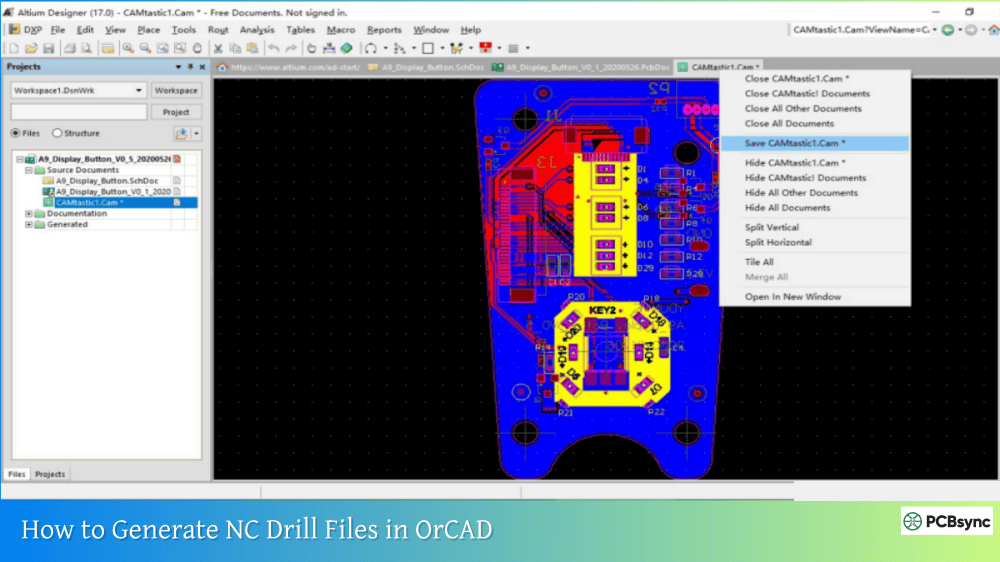
How to Generate NC Drill Files in OrCAD: Complete Guide for PCB Engineers
Creating proper NC drill files in OrCAD remains one of the most commonly misunderstood aspects of PCB manufacturing preparation. Unlike simpler EDA tools, OrCAD PCB Editor does not output drill files in the industry-standard Excellon format by default. This catches many engineers off guard, especially those transitioning from tools like KiCad or Eagle where drill generation feels more straightforward.
Having worked extensively with OrCAD across multiple design projects, I can tell you that most drill file problems stem from not configuring the NC Parameters correctly before generating the output. This guide covers everything you need to know about creating NC drill files in OrCAD that your manufacturer will accept without questions or delays.
NC drill files contain coordinate data and tool specifications that tell CNC drilling machines exactly where to place holes on your PCB and what diameter each hole should be. The term “NC” stands for Numeric Control, referring to the computerized control systems that operate modern drilling equipment.
OrCAD PCB Editor generates drill files in a format that may not be immediately compatible with all PCB manufacturers unless you explicitly enable the Enhanced Excellon format option. The Excellon format has become the de facto industry standard because it originated from Excellon Automation, a company that dominated the PCB drilling equipment market for decades.
Key Components of NC Drill Files
Component
Description
Example
Header Section
Contains machine setup commands and tool definitions
M48, M72 (inch mode)
Tool Table
Lists drill bit diameters assigned to tool numbers
T01C0.0236
Coordinate Data
X and Y positions for each hole
X7477Y3900
Tool Select Codes
Commands to change drill bits
T01, T02, T03
End of File
Signals completion of drilling program
M30
When you generate drill files correctly, manufacturers can load these files directly into their CNC equipment without manual intervention or format conversion.
Configuring NC Parameters Before Drill Generation
The most critical step that many OrCAD users skip is configuring the NC Parameters before attempting to generate drill files. OrCAD stores these settings in a parameter file called nc_param.txt, which the software references during drill file creation.
Accessing the NC Parameters Dialog
Navigate to the NC Parameters through one of these menu paths depending on your OrCAD version:
OrCAD Version
Menu Path
OrCAD PCB Editor (newer versions)
Export → NC Parameters
OrCAD PCB Designer
Manufacture → NC → NC Parameters
Allegro PCB Editor
Manufacture → NC → NC Parameters
The parameters dialog contains several sections that control how your drill file gets formatted. Getting these settings right determines whether your manufacturer can use the file directly or needs to request corrections.
Essential NC Parameter Settings
Parameter
Recommended Setting
Purpose
Output File Code
ASCII
Modern standard, more readable than EIA
Enhanced Excellon Format
Enabled (checked)
Required for most manufacturers
Format
2.4 or 2.5
Coordinate precision
Output Units
Inches or Metric
Match your design units
Zero Suppression
Leading or Trailing
Controls coordinate formatting
Coordinates
Absolute
Standard for most applications
The Enhanced Excellon Format checkbox is absolutely essential. By default, OrCAD does not enable this option, which results in drill files that many manufacturers cannot process correctly. This single setting causes more manufacturing delays than almost any other OrCAD configuration issue.
Step-by-Step Process to Generate NC Drill Files
Once your parameters are configured, generating the actual drill files involves a straightforward sequence of steps. Make sure your design passes DRC checks before generating manufacturing outputs.
Complete Drill File Generation Workflow
Open your PCB design file (.brd) in OrCAD PCB Editor. Verify your design is complete and all routing is finished.
Access the NC Parameters dialog first. In newer OrCAD versions, go to Export → NC Parameters. In older versions, use Manufacture → NC → NC Parameters.
Enable Enhanced Excellon Format in the Excellon format section. Set the Format to 2.4 (two integer places, four decimal places) for standard precision. Select ASCII for the output file code. Choose your preferred zero suppression method.
Click Close or OK to save the parameters. OrCAD writes these settings to the nc_param.txt file in your working directory.
Open the NC Drill dialog by going to Export → NC Drill (or Manufacture → NC → NC Drill in older versions).
Review the settings in the NC Drill dialog:
Setting
Description
Root File Name
Base name for output files, defaults to design name
Auto Tool Select
Enables automatic tool numbering (T01, T02, etc.)
Separate Files for Plated/Non-plated
Creates distinct files for different hole types
Optimize Drill Head Travel
Reduces drilling time by organizing coordinates
Enable Auto Tool Select to insert proper tool codes into the drill file. Without this option, OrCAD generates M00 stop codes for manual tool changing, which most modern equipment does not expect.
Click the Drill button to generate the NC drill file. OrCAD creates the file in your project directory with a .drl extension by default.
Understanding OrCAD Drill File Output Structure
OrCAD generates several files during the drill output process. Understanding what each file contains helps you identify which files to send to your manufacturer.
OrCAD Drill Output Files Explained
File Extension
File Name Pattern
Contents
Send to Manufacturer?
.drl
designname-1-4.drl
NC drill coordinates and tool data
Yes
.drl (non-plated)
designname-np-1-4.drl
Non-plated hole coordinates
Yes, if present
.dts
designname.dts
Drill tool statistics summary
Optional
nc_param.txt
nc_param.txt
Parameter settings used
No
.tap
thruhole.tap
Alternative drill format
Yes, if .drl missing
The file naming convention includes layer information. For example, designname-1-4.drl indicates holes drilled from layer 1 (TOP) to layer 4 (BOTTOM) on a four-layer board. If your design includes blind or buried vias, OrCAD generates separate drill files for each layer pair.
Read more How to convert PCB Files in different Design software:
PCB designs typically contain both plated through-holes (PTH) and non-plated through-holes (NPTH). Plated holes have copper barrel plating for electrical connections, while non-plated holes serve mechanical purposes like mounting.
Configuring Hole Types in Padstack Editor
OrCAD defines hole plating status in the Padstack Editor. To modify a hole type:
Open the padstack you want to modify using Setup → Padstacks or by right-clicking on a pad and selecting Modify Design Padstack.
Navigate to the Drill tab in the Padstack Editor.
Select Plated or Non-plated under the hole type options.
Set appropriate drill tolerance values if required.
Save the padstack and update your design.
Generating Separate Drill Files
Option
Result
Separate Files for Plated/Non-plated enabled
Two files: designname.drl and designname-np.drl
Combined output
Single file with all holes
Most manufacturers prefer receiving separate files for plated and non-plated holes because these require different manufacturing processes. Plated holes go through electroplating steps that non-plated holes skip.
Creating the Drill Legend and Table
A drill legend provides visual documentation showing drill symbols, hole sizes, quantities, and types. While not strictly required for manufacturing, including a drill legend helps manufacturers verify they interpreted your drill file correctly.
Generating the Drill Legend
Access the drill legend command through Manufacture → Create Drill Table (OrCAD) or Manufacture → NC → Drill Legend (Allegro).
Select a template file that matches your preferred units (default-mm.dlt, default-mil.dlt, or default-in.dlt).
Configure legend options:
Option
Description
Legend Title
Text appearing at top of drill chart
Layer Pair
Creates legends for each drilled layer combination
By Layer
Alternative format for microvia technology
Include Counterdrill
Adds counterbore/countersink information
Click OK to generate the legend. A rectangle representing the drill table attaches to your cursor.
Place the legend on your board drawing, typically within the fabrication drawing area outside the board outline.
Customizing the Drill Table
If you need to modify drill symbols or table formatting, use Manufacture → Customize Drill Table (OrCAD) before generating the legend. This allows you to:
Assign unique symbols to each drill size using the Autogenerate Symbols option.
Modify text sizes and character types.
Adjust drill tolerance display values.
For boards with blind or buried vias, OrCAD generates multiple drill tables that initially stack on top of each other. Use Edit → Move with Groups selected in the Find Pane to separate and arrange these tables.
Handling Blind and Buried Vias
Complex multilayer designs often require blind vias (connecting outer layer to inner layer) or buried vias (connecting inner layers only). These require special attention during drill file generation because each layer pair needs its own drill file.
Defining Blind and Buried Vias
Before generating drill files, you must define your blind and buried via padstacks using Setup → Define B/B Vias (OrCAD).
Field
Purpose
BBVia Padstack
Name for the new via (recommend including layer numbers)
Padstack to Copy
Base padstack to copy geometry from
Start Layer
First layer the via connects
End Layer
Last layer the via connects
After defining blind/buried vias, add them to your constraint set through Setup → Constraints so they become available during routing.
Drill File Output for Complex Layer Structures
Via Type
Drill File Naming
Example
Through-hole
designname-1-4.drl
All layers (1 through 4)
Blind (top)
designname-1-2.drl
Layer 1 to Layer 2
Buried
designname-2-3.drl
Layer 2 to Layer 3
Blind (bottom)
designname-3-4.drl
Layer 3 to Layer 4
When generating drill files for HDI designs, select the Layer Pair option in the NC Drill dialog to ensure OrCAD creates separate files for each via span.
Troubleshooting Common OrCAD Drill File Problems
Even experienced engineers encounter issues with OrCAD drill output. These problems typically stem from incorrect parameter settings or missing configuration steps.
Common Issues and Solutions
Problem
Likely Cause
Solution
Manufacturer cannot read drill file
Enhanced Excellon Format not enabled
Enable in NC Parameters before generating
Holes appear scaled incorrectly
Format mismatch (2.3 vs 2.4)
Match format settings with manufacturer requirements
Missing holes in drill file
Wrong layer pair selected
Verify layer pair settings in NC Drill dialog
Drill file not in ZIP package
File generated in different directory
Check project directory, file has .drl extension
Hole count mismatch
Duplicate vias at same location
Check for overlapping vias in design
Non-plated holes treated as plated
Padstack not configured correctly
Edit padstack drill properties
Verifying Drill Files Before Submission
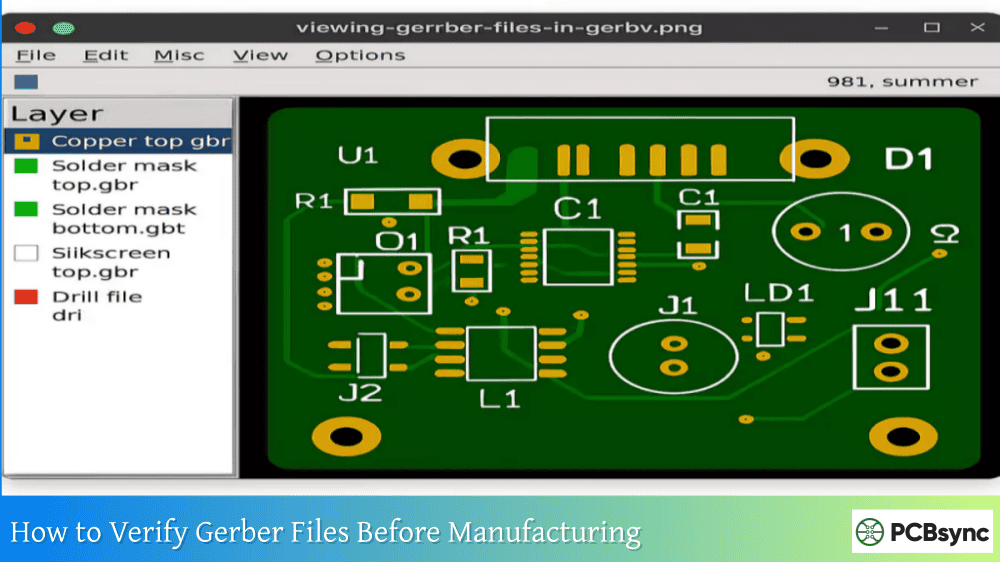
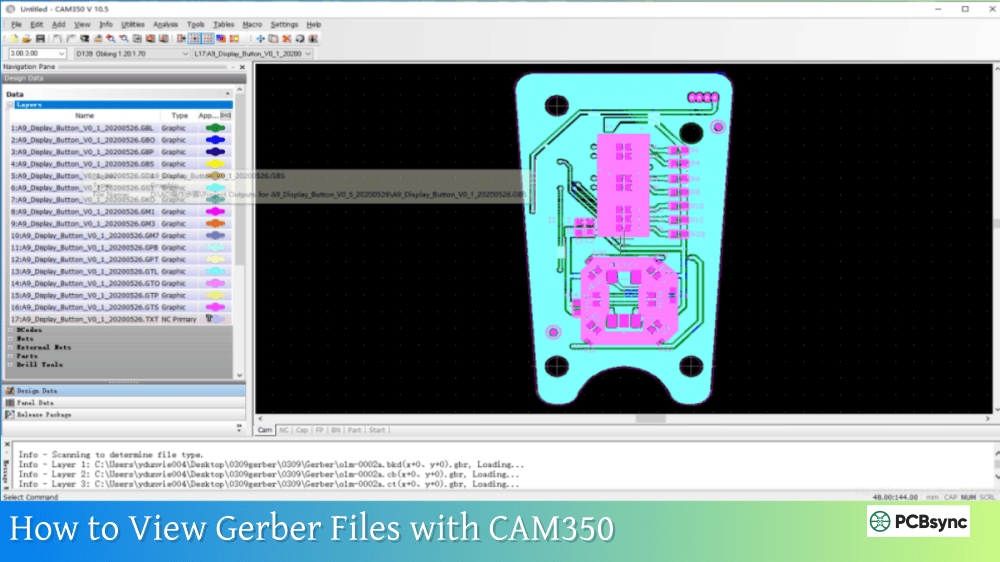
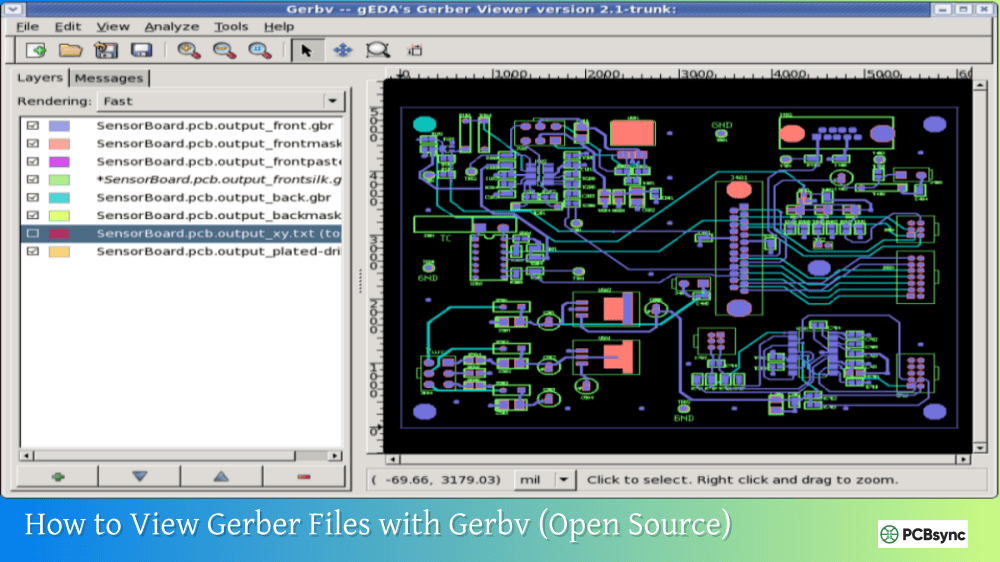
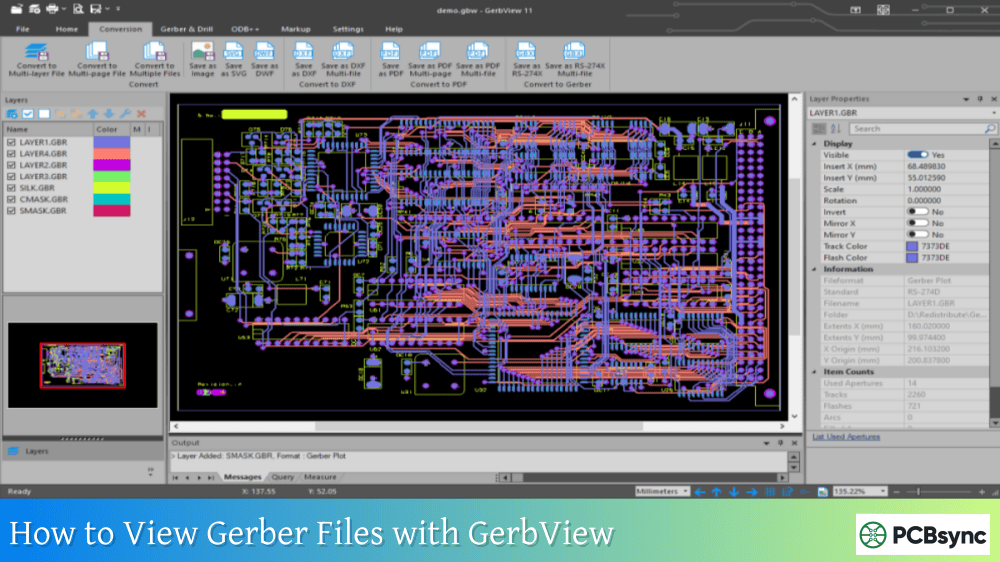
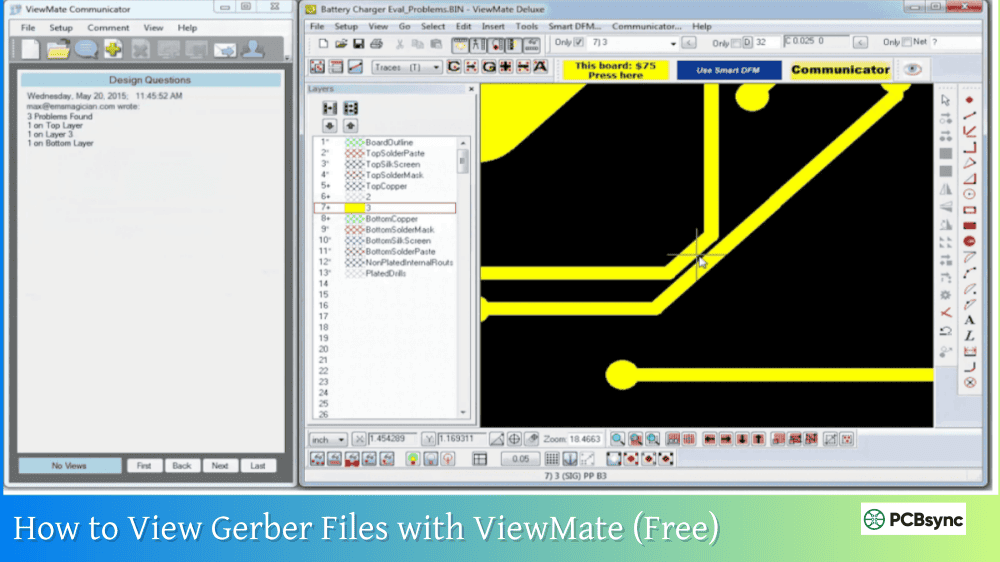
Always verify your drill files using a standalone Gerber viewer before sending to manufacturing. OrCAD PCB Editor includes a built-in viewer accessible through Manufacture → Artwork (viewing artwork files), but for comprehensive verification, use dedicated tools.
Load your drill file along with all Gerber layers and check that holes align correctly with pads on copper layers. Zoom into critical areas like fine-pitch BGA breakouts where misalignment would be most visible.
File Naming and Organization for Manufacturing
OrCAD generates all output files in your project directory, which can become cluttered with log files and intermediate outputs. Proper file organization prevents confusion and manufacturing delays.
OrCAD often outputs Gerber files with .art or .pho extensions rather than the Protel-style extensions most manufacturers expect. While file extensions are technically just labels, renaming files to standard conventions can prevent processing confusion.
Package only the necessary manufacturing files into a single ZIP archive. Do not include log files, parameter files, or the design database itself.
Useful Resources for OrCAD Users
Having reliable resources available makes troubleshooting easier and helps you stay current with best practices.
Official Documentation and Support
Resource
URL
Description
Cadence OrCAD Documentation
cadence.com/support
Official manuals and tutorials
Cadence Community Forums
community.cadence.com
User discussions and expert answers
EMA Design Automation Training
ema-eda.com/courses
Free OrCAD walk-through courses
Parallel Systems Application Notes
parallel-systems.co.uk
Detailed technical notes
PCB Manufacturer Resources
Manufacturer
Resource
OSH Park
docs.oshpark.com/design-tools/cadence-allegro
Seeed Studio
seeedstudio.com/blog (OrCAD export guides)
PCBWay
pcbway.com/helpcenter
JLCPCB
jlcpcb.com/help
Most PCB manufacturers provide OrCAD-specific export guides because the software’s default settings often need adjustment for proper output.
Frequently Asked Questions
Why does OrCAD generate multiple drill files for my design?
OrCAD creates separate drill files for each unique layer pair that contains drilled holes. A simple two-layer board generates one file for TOP-to-BOTTOM holes. A four-layer board with blind vias might generate three or four files: through-holes (1-4), blind top (1-2), buried (2-3), and blind bottom (3-4). Each file goes to the manufacturer, who processes them in sequence during fabrication. This separation exists because different layer pairs require different drilling sequences in the manufacturing process.
What is the difference between thruhole.tap and designname.drl files?
Both files contain NC drill data in Excellon format, but they use different naming conventions from different OrCAD workflows. The thruhole.tap file comes from the older OrCAD Layout Plus software, while designname.drl is the standard output from OrCAD PCB Editor and Allegro. Most manufacturers accept either format. If you see both files, the .drl file from newer OrCAD versions typically contains more complete header information with Enhanced Excellon format enabled.
How do I fix the Enhanced Excellon Format option when it keeps reverting to disabled?
OrCAD stores NC parameters in the nc_param.txt file in your working directory. If this file gets overwritten or deleted, settings revert to defaults. To maintain your settings: save the configured nc_param.txt file to a template location, set up your environment variables to point to this location, or configure the parameters as part of your design template so every new project starts with correct settings. You can also set default values in Setup → User Preferences → Manufacturing → Drilling.
Can I combine plated and non-plated holes into a single drill file?
Yes, by unchecking the Separate Files for Plated/Non-plated option in the NC Drill dialog. However, most manufacturers prefer separate files because plated and non-plated holes undergo different manufacturing processes. Plated holes require electroplating operations that non-plated holes skip. Keeping them separate reduces the chance of manufacturing errors and allows fab houses to optimize their process flow.
Why are my drill coordinates appearing in the wrong positions when viewed in a Gerber viewer?
Coordinate position errors usually result from mismatched format settings between OrCAD and your viewer. Check that both use the same Format (2.4 vs 2.5), units (inches vs metric), and zero suppression (leading vs trailing). OrCAD defaults may differ from your viewer’s defaults. Also verify that your Gerber files and drill file use the same coordinate origin. In OrCAD, the origin is typically set at the lower-left corner of the board outline. If different outputs use different origins, they will appear offset from each other.
Best Practices for Consistent Manufacturing Results
Developing consistent habits around drill file generation prevents problems and reduces back-and-forth communication with manufacturers.
Create a template design with correct NC Parameters already configured. Start new projects from this template rather than from scratch.
Always generate drill files as part of your complete manufacturing output process. The separation between Gerber generation and drill generation in OrCAD makes it easy to forget the drill file.
Verify outputs in a standalone Gerber viewer before every manufacturing submission. Even if you generated files successfully last time, design changes may have introduced issues.
Include an IPC-356 netlist with your manufacturing package. This file allows manufacturers to verify your Gerber and drill data against an independent reference, catching errors earlier in the process.
Document your OrCAD version and settings in a readme file included with manufacturing data. If problems arise, this information helps troubleshoot compatibility issues quickly.
Generating proper NC drill files in OrCAD becomes straightforward once you understand the critical role of the Enhanced Excellon Format setting and establish a consistent workflow. The extra minutes spent configuring parameters correctly saves days of manufacturing delays and prevents costly re-spins.
Inquire: Call 0086-755-23203480, or reach out via the form below/your sales contact to discuss our design, manufacturing, and assembly capabilities.
Quote: Email your PCB files to Sales@pcbsync.com (Preferred for large files) or submit online. We will contact you promptly. Please ensure your email is correct.
Notes: For PCB fabrication, we require PCB design file in Gerber RS-274X format (most preferred), *.PCB/DDB (Protel, inform your program version) format or *.BRD (Eagle) format. For PCB assembly, we require PCB design file in above mentioned format, drilling file and BOM. Click to download BOM template To avoid file missing, please include all files into one folder and compress it into .zip or .rar format.