Inquire: Call 0086-755-23203480, or reach out via the form below/your sales contact to discuss our design, manufacturing, and assembly capabilities.
Quote: Email your PCB files to Sales@pcbsync.com (Preferred for large files) or submit online. We will contact you promptly. Please ensure your email is correct.
Notes: For PCB fabrication, we require PCB design file in Gerber RS-274X format (most preferred), *.PCB/DDB (Protel, inform your program version) format or *.BRD (Eagle) format. For PCB assembly, we require PCB design file in above mentioned format, drilling file and BOM. Click to download BOM template To avoid file missing, please include all files into one folder and compress it into .zip or .rar format.
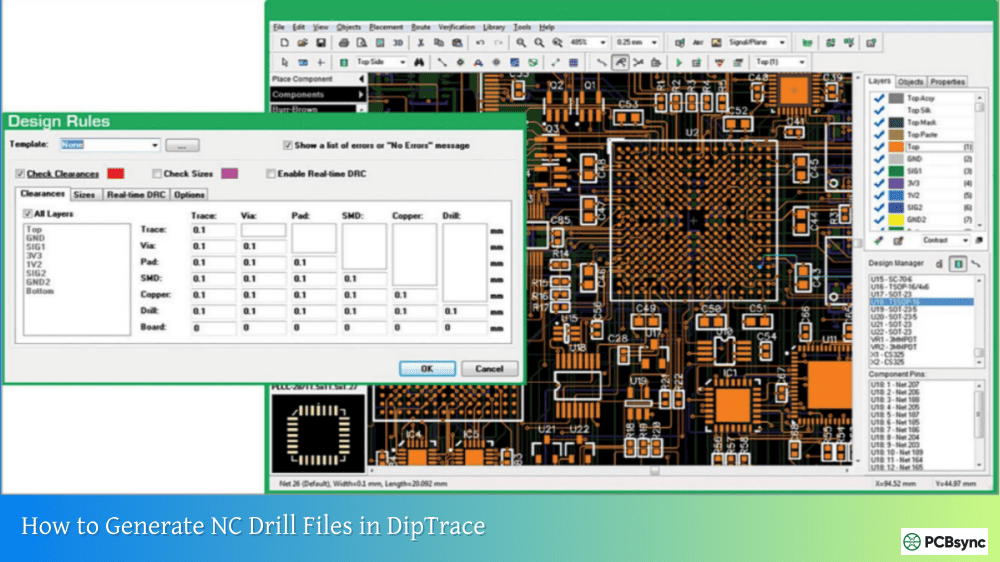
How to Generate NC Drill Files in DipTrace: Complete Guide for PCB Engineers
DipTrace handles drill file generation separately from Gerber export, which catches many first-time users off guard. Unlike some tools that bundle everything together, DipTrace requires you to explicitly export N/C Drill files as a distinct step. After working with DipTrace across multiple projects from simple two-layer boards to complex multilayer designs with blind and buried vias, I have found that understanding the separate export workflow prevents the most common manufacturing rejections.
This guide covers everything you need to know about generating NC drill files in DipTrace that manufacturers will accept without revision requests.
DipTrace exports drill data in standard Excellon format, the industry-standard format that nearly all PCB manufacturers accept. The software names this export function “N/C Drill” in its menus, with the slash indicating Numeric Control drilling operations.
An Excellon file is essentially a text file containing tool definitions (drill bit sizes) and coordinate data (where to drill). DipTrace generates clean, well-formatted Excellon files with embedded tool information, which most manufacturer systems parse correctly.
What NC Drill Files Contain
Element
Description
Example
Tool Table
Drill bit size definitions
T01C0.0354 (0.9mm drill)
Header
Format and unit declarations
M48, INCH or METRIC
Coordinates
X and Y hole positions
X+017315Y+009190
Tool Changes
Commands to switch drill bits
T01, T02, T03
End Command
Program termination
M30
DipTrace automatically generates properly formatted headers with tool definitions embedded, eliminating the common problem of missing tool tables that plagues some other design tools.
DipTrace Drill File Export Location
Unlike Gerber export which you access through File → Export → Gerber, drill file export has its own menu path:
File → Export → N/C Drill
This separation exists because Gerber files and drill files serve different purposes in manufacturing. Gerber files describe image data for photoplotting copper layers, masks, and silkscreen. Drill files provide coordinate data for CNC drilling machines.
Many new DipTrace users forget this second export step and submit incomplete manufacturing packages. Always verify you have both Gerber and drill files before sending to your manufacturer.
Step-by-Step NC Drill File Generation in DipTrace
The drill export process in DipTrace involves accessing the export dialog, configuring tool assignments, and selecting the appropriate options for your design.
Accessing the N/C Drill Export Dialog
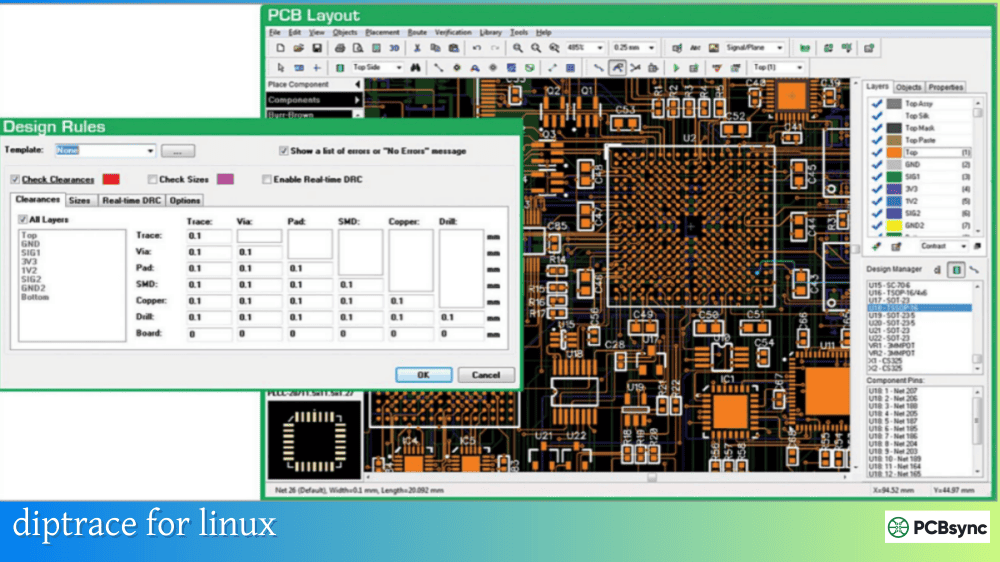
Open your completed PCB design in DipTrace PCB Layout. Before exporting, verify your design passes DRC by running Verification → Design Rules Check.
Navigate to File → Export → N/C Drill. The Export N/C Drill dialog opens, displaying a preview of your drill hits and configuration options.
Understanding the Export Dialog Options
Option
Purpose
Recommended Setting
Objects
Select which hole types to include
Pads and Vias enabled
Manufacturing
Through or Blind/Buried selection
Based on design type
Plating
Plated or Non-plated holes
Export separately for clarity
Units
Inch or Metric output
Match your Gerber units
Layer Pairs
For blind/buried via designs
Select appropriate pairs
The preview window shows all holes that will be included in the export based on your current selections. If the preview appears empty, check that you have not inadvertently filtered out all hole types.
Assigning Tool Numbers
DipTrace requires tool assignment before export. Each unique hole size in your design needs a tool number (T01, T02, T03, etc.).
Click the Auto button to automatically assign tool numbers to all hole sizes. DipTrace sorts holes by size and assigns sequential tool numbers starting from T01.
The tool list displays all unique hole sizes with their assigned numbers. You can manually adjust assignments if needed, though automatic assignment works correctly for most designs.
Generating the Drill File
After configuring options and assigning tools, click Export to generate the file. DipTrace prompts you for a filename and location.
By default, DipTrace names the drill file “Through.drl” for through-hole designs. For designs with blind or buried vias, additional files generate with layer pair indicators in the filename.
Save the drill file in the same directory as your Gerber files to keep all manufacturing data together.
Drill File Format Settings in DipTrace
DipTrace exports drill files in standard Excellon format with sensible defaults. Understanding these format settings helps when troubleshooting compatibility issues.
DipTrace Default Format Parameters
Parameter
DipTrace Default
Notes
Format
2:4 (inches) or 3:3 (metric)
Standard precision
Zero Suppression
Leading
Most compatible option
Coordinates
Absolute
Easier verification
Units
Matches design units
Inches or Millimeters
Tool Definition
Embedded in header
TnnC format
DipTrace handles format specification automatically based on your design units. If your PCB layout uses metric units, the drill file exports in metric with 3:3 format (three digits before decimal, three after). Imperial designs export with 2:4 format.
Matching Drill and Gerber Settings
For proper alignment between drill hits and copper pads, your drill file units must match your Gerber file units. DipTrace typically handles this automatically since both exports derive from the same design file.
If you encounter alignment issues, verify that both exports use the same unit system. Mixing metric drill files with imperial Gerber files causes scaling errors by a factor of 25.4.
Working with Plated and Non-Plated Holes
Most PCB designs contain both plated holes (for electrical connections) and non-plated holes (for mounting hardware). DipTrace allows you to export these separately or combined.
In the Export N/C Drill dialog, use the Plating dropdown to select which hole types to include. Export plated and non-plated holes to separate files with clear filenames.
Example filenames:
Through_Plated.drl
Through_NonPlated.drl
This separation helps manufacturers process holes correctly since plated holes require electroplating while non-plated holes skip this step.
Pad/Via Holes Option Importance
DipTrace has a critical setting that affects whether holes appear correctly in manufacturing. The “Pad/Via Holes” option in Gerber export determines copper removal under drill hits.
Ensure this option is configured correctly:
For plated holes: Copper should remain under the drill hit
For non-plated holes: Copper may be removed depending on design intent
Incorrect settings here cause manufacturers to plate holes that should not be plated, or leave unplated holes that need connections.
Handling Blind and Buried Vias
Multilayer designs with blind or buried vias require special attention during drill export. Each unique layer pair generates its own drill file.
Understanding Layer Pairs
Via Type
Description
Drill File Naming
Through
Spans all layers (1 to bottom)
Through.drl
Blind Top
Top to inner layer (e.g., 1-2)
1-2.drl
Blind Bottom
Bottom to inner layer (e.g., 3-4)
3-4.drl
Buried
Inner layers only (e.g., 2-3)
2-3.drl
DipTrace automatically identifies layer pairs present in your design. When you select blind/buried options in the export dialog, the software generates appropriate files for each pair.
Exporting Blind/Buried Via Drill Files
In the Export N/C Drill dialog:
Select “Blind” or “Buried” under Manufacturing type
Choose the specific layer pair from the dropdown
Click Export and save with a descriptive filename
Repeat for each layer pair in your design
Alternatively, use the “Export All” button introduced in recent DipTrace versions. This automatically generates drill files for all identified layer pairs in your design.
Common Blind Via Export Issues
Some users report that blind via drill files contain unexpected holes or appear empty. This typically occurs when:
Via layer assignments are incorrect in the design
The wrong layer pair is selected during export
Vias were not properly defined as blind/buried type
If holes appear missing, open the via properties in your design and verify the layer span settings match your intended structure.
Verifying Drill Files Before Manufacturing
Never submit drill files without verification. DipTrace-generated files typically work correctly, but confirming alignment with Gerber layers prevents expensive manufacturing errors.
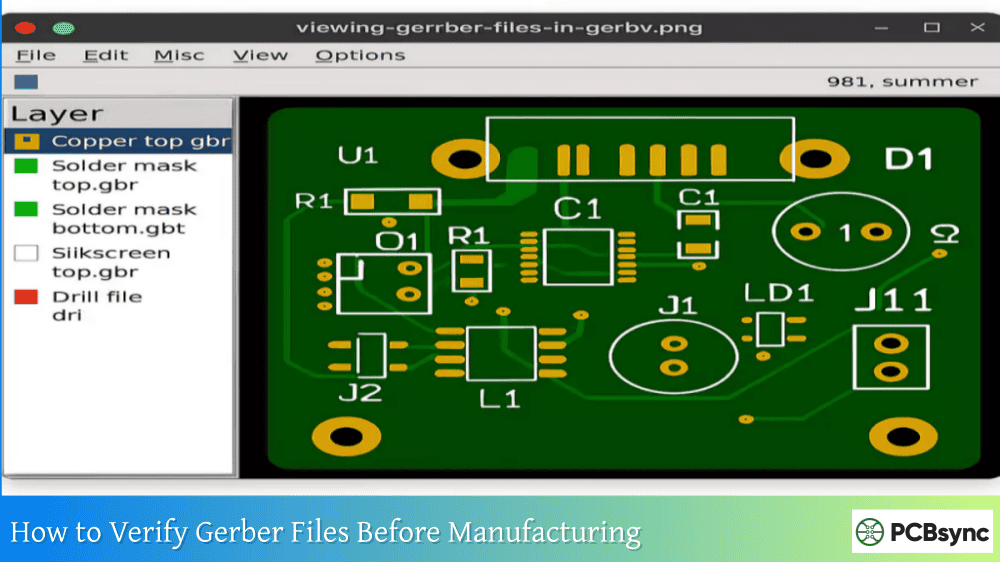
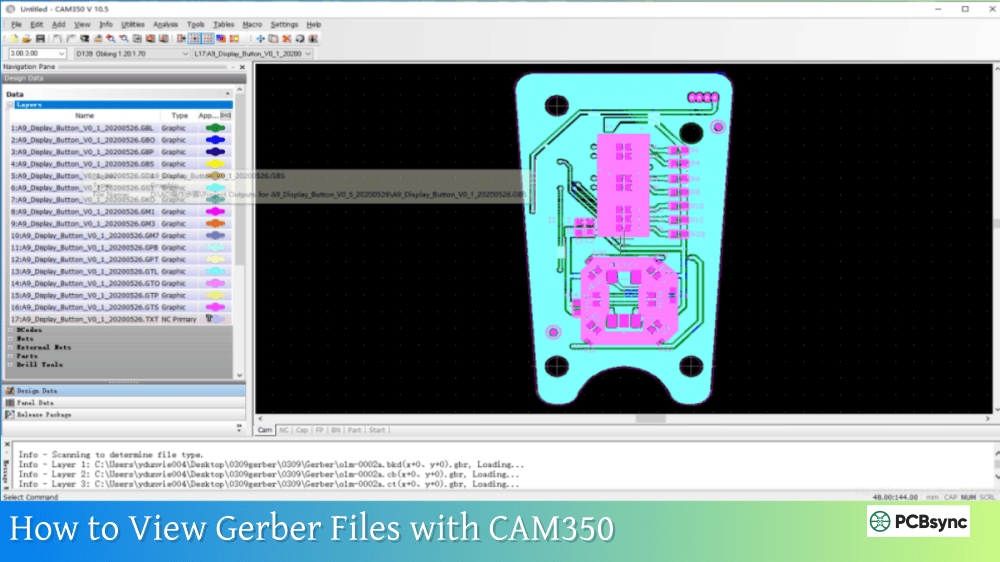
Recommended Gerber Viewers
Viewer
Platform
Key Features
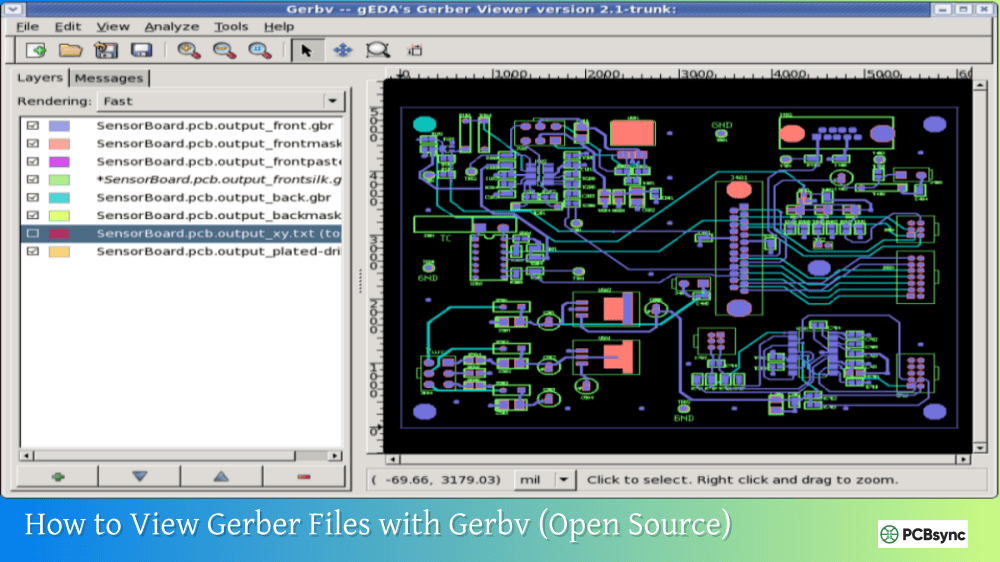
Gerbv
Windows, Linux, macOS
Free, open source
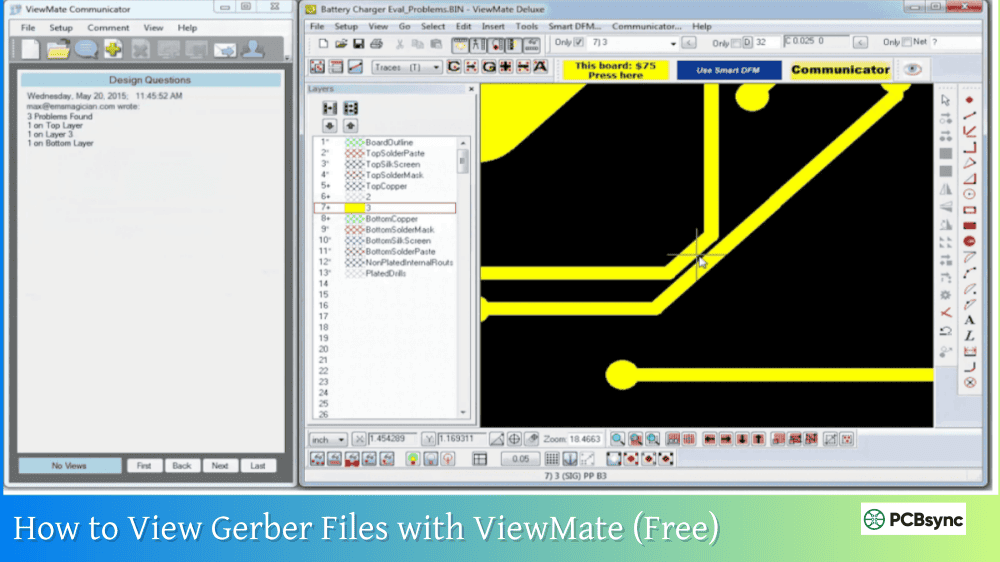
ViewMate
Windows
Professional features
ZofzPCB
Windows
3D visualization
GC-Prevue
Windows
Industry standard CAM
Online viewers
Web-based
No installation needed
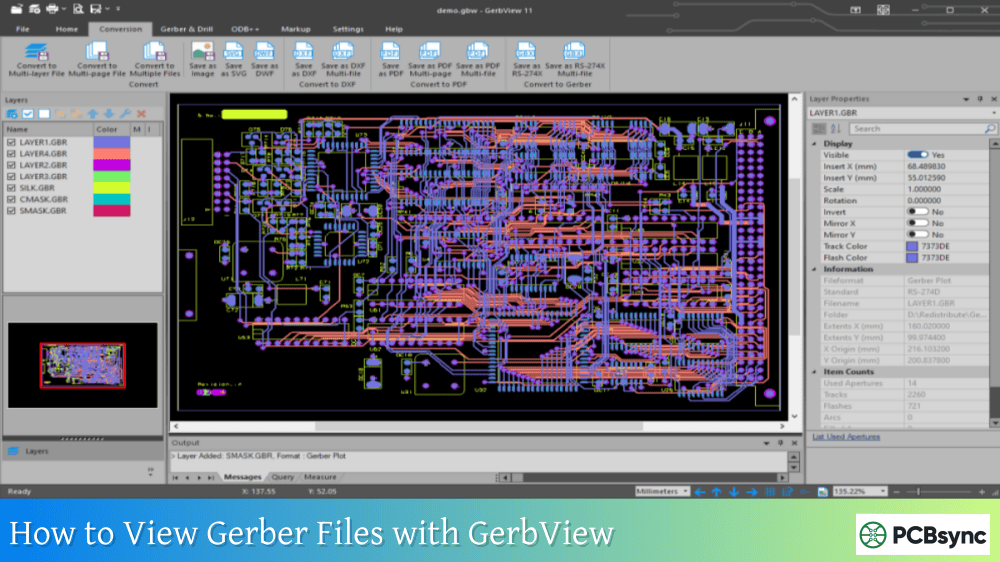
Load your Gerber files and drill file together in a viewer. Enable transparency and zoom into pad locations to verify drill hits center correctly on copper pads.
Verification Checklist
Check
What to Look For
Alignment
Drills centered on all pads
Hole count
Total matches expected design count
Tool sizes
Correct diameters in tool table
Coverage
All vias and pads have drill hits
Scale
No 10x or 0.1x scaling errors
A systematic visual check of several pad locations across your board catches most export errors before they reach manufacturing.
Troubleshooting Common DipTrace Drill Problems
Experience with DipTrace has revealed several recurring issues that trip up users during drill file generation.
Problem: Empty Drill Preview
When the N/C Drill export preview shows no holes despite having pads and vias in your design, check these settings:
Setting
Cause
Solution
Objects filter
Pads or Vias disabled
Enable both Pads and Vias
Manufacturing type
Wrong type selected
Match to your actual design
Plating filter
Too restrictive
Select appropriate plating type
Layer pair
Wrong pair selected
Choose correct layer combination
If all settings appear correct and the preview remains empty, try restarting DipTrace. Some users report display glitches that resolve after restart.
Problem: Missing Holes in Export
When some holes appear in the design but not in the exported drill file:
Check each missing hole’s properties in the PCB layout
Verify the hole is not accidentally set as blind/buried when it should be through
Confirm the hole has a valid size assigned
Re-export after verifying properties
DipTrace may not export holes with incomplete or invalid property assignments.
Problem: Manufacturer Cannot Read File
If your manufacturer reports format issues with the drill file:
Verify they support Excellon format (nearly universal)
Check for unit mismatch (metric vs imperial)
Confirm the file extension is acceptable (.drl, .txt, or .exc)
Request their specific format requirements
Some manufacturers prefer specific file extensions. DipTrace uses .drl by default, but you can rename to .txt or other extensions if required.
Problem: Holes Misaligned with Pads
When drill hits appear offset from copper pads:
Cause
Solution
Unit mismatch
Ensure Gerber and drill use same units
Origin difference
Export both from same design state
Scale factor
Check for metric/imperial confusion
Regenerate both Gerber and drill files from the same design file without making changes between exports.
Read more How to convert PCB Files in different Design software:
Package all files into a single ZIP archive. Most manufacturers accept this format directly for quoting and production.
Manufacturer-Specific Requirements
Manufacturer
Drill File Notes
JLCPCB
Accepts default DipTrace .drl format
PCBWay
Standard Excellon format works
OSH Park
Prefers .drl extension
Dirty PCBs
Accepts .txt or .drl extension
iTead Studio
May require rename to .txt
Check your manufacturer’s documentation for specific file naming requirements. Most accept DipTrace’s default output without modification.
Useful Resources for DipTrace Users
Official DipTrace Resources
Resource
URL
DipTrace Official Site
diptrace.com
User Forum
diptrace.com/forum
Tutorials
diptrace.com/tutorials
Support Request
diptrace.com/support/request-support
Gerber Viewer Downloads
Tool
Source
Gerbv
gerbv.github.io
ViewMate
pentalogix.com
ZofzPCB
zofzpcb.com
Manufacturer File Guides
Manufacturer
Documentation
JLCPCB
jlcpcb.com/help
PCBWay
pcbway.com/blog/help_center
OSH Park
docs.oshpark.com
Frequently Asked Questions
Why does DipTrace export drill files separately from Gerber files?
DipTrace separates drill and Gerber exports because these files serve fundamentally different purposes in manufacturing. Gerber files contain image data that photoplotters use to create copper patterns, solder masks, and silkscreen. Drill files contain coordinate data that CNC drilling machines use to create holes. Keeping these exports separate gives you explicit control over each file type and helps ensure you do not forget either critical component of your manufacturing package. Access drill export through File → Export → N/C Drill after completing your Gerber export.
What format does DipTrace use for drill files?
DipTrace exports drill files in standard Excellon format, which is the de facto industry standard accepted by virtually all PCB manufacturers worldwide. The files include embedded tool definitions in the header section, so you do not need to provide a separate tool table file. DipTrace automatically formats files as 2:4 for imperial units (two integer digits, four decimal digits) or 3:3 for metric units, with leading zero suppression and absolute coordinates. These defaults match what most manufacturers expect and process correctly.
How do I export separate files for plated and non-plated holes?
In the Export N/C Drill dialog, use the Plating dropdown menu to filter hole types. First, select “Plated” and export with a filename like “Plated_Through.drl”. Then reopen the export dialog, select “Non-plated”, and export with a filename like “NonPlated_Through.drl”. This separation helps manufacturers process holes correctly since plated holes require electroplating while non-plated holes skip this step entirely. Clear filenames prevent any confusion about which file contains which hole types.
Why is my drill preview showing empty when I have holes in my design?
An empty drill preview typically indicates filtering settings that exclude all holes. Check the Objects section to ensure both Pads and Vias are enabled. Verify the Manufacturing type matches your design (Through for standard through-holes). Check the Plating selection matches holes in your design. Also verify you have selected the correct layer pair if working with blind or buried vias. If settings appear correct but the preview remains empty, try restarting DipTrace as display glitches occasionally occur.
Can DipTrace generate drill files for blind and buried vias?
Yes, DipTrace fully supports drill file generation for blind and buried vias. When exporting, select the appropriate manufacturing type (Blind or Buried) and choose the specific layer pair from the dropdown menu. DipTrace generates separate drill files for each layer pair since manufacturing requires drilling these holes at different stages of the fabrication process. Recent DipTrace versions include an “Export All” button that automatically generates drill files for all identified layer pairs in your design, simplifying the export process for complex multilayer boards.
Best Practices for Reliable Drill Export
Following consistent practices prevents problems and ensures manufacturers receive usable files.
Before Exporting
Run DRC to verify all holes have proper clearances and valid definitions. Check via properties to confirm layer span assignments match your intended stackup.
During Export
Use the Auto button to assign tools rather than manual assignment. This prevents errors from mistyped tool numbers. Always verify the preview shows the expected holes before clicking Export.
After Export
Load both Gerber and drill files into a viewer to verify alignment. Check that the drill file is not empty by opening it in a text editor and confirming coordinate data exists after the header section.
Package all files into a single ZIP archive with clear, descriptive filenames. Include a readme file if your design uses blind or buried vias to help manufacturers understand the layer structure.
Generating NC drill files in DipTrace becomes routine once you remember the separate export step and understand the filtering options. The software produces clean, manufacturer-ready Excellon files that work with virtually any PCB fabrication house.
Inquire: Call 0086-755-23203480, or reach out via the form below/your sales contact to discuss our design, manufacturing, and assembly capabilities.
Quote: Email your PCB files to Sales@pcbsync.com (Preferred for large files) or submit online. We will contact you promptly. Please ensure your email is correct.
Notes: For PCB fabrication, we require PCB design file in Gerber RS-274X format (most preferred), *.PCB/DDB (Protel, inform your program version) format or *.BRD (Eagle) format. For PCB assembly, we require PCB design file in above mentioned format, drilling file and BOM. Click to download BOM template To avoid file missing, please include all files into one folder and compress it into .zip or .rar format.