Inquire: Call 0086-755-23203480, or reach out via the form below/your sales contact to discuss our design, manufacturing, and assembly capabilities.
Quote: Email your PCB files to Sales@pcbsync.com (Preferred for large files) or submit online. We will contact you promptly. Please ensure your email is correct.
Notes: For PCB fabrication, we require PCB design file in Gerber RS-274X format (most preferred), *.PCB/DDB (Protel, inform your program version) format or *.BRD (Eagle) format. For PCB assembly, we require PCB design file in above mentioned format, drilling file and BOM. Click to download BOM template To avoid file missing, please include all files into one folder and compress it into .zip or .rar format.
How to Generate NC Drill Files in Cadence Allegro: Complete PCB Engineer’s Guide
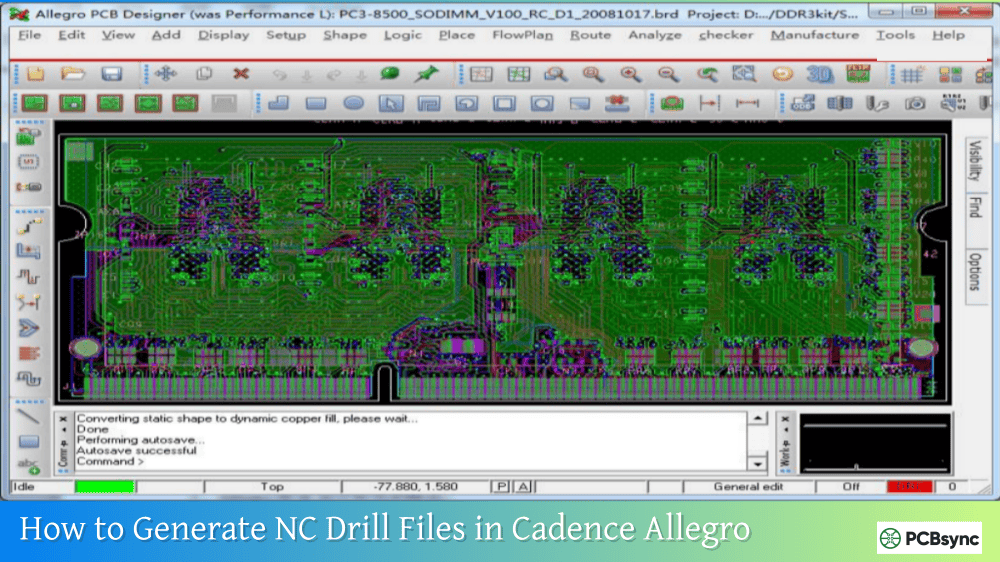
Cadence Allegro handles drill file generation differently than most other PCB design tools, and this catches many engineers off guard. The default output format in Allegro is not standard Excellon, which means manufacturers often reject drill files that appear to generate successfully. After years of working with Allegro across multiple versions, I have learned that the key to reliable drill file generation lies in configuring NC Parameters before touching the NC Drill dialog.
This guide covers the complete process of generating NC drill files in Cadence Allegro that manufacturers will accept without questions or rework requests.
Unlike Altium Designer or KiCad where drill file generation follows a straightforward path, Cadence Allegro takes a more modular approach. The software separates NC parameter configuration from the actual drill file generation, requiring you to visit multiple dialogs to produce manufacturer-ready output.
Allegro stores drill information based on padstack definitions. Every via and through-hole component in your design references a padstack that contains hole size, plating status, and layer span information. The NC Drill command extracts this data and formats it according to your parameter settings.
Key Components of Allegro Drill Output
Component
Purpose
File Extension
NC Drill File
Hole coordinates and tool table
.drl, .tap
NC Route File
Slot and cutout routing paths
.rou
Drill Legend
Visual representation for fab drawing
Placed in design
nc_param.txt
Parameter metadata file
.txt
Drill Statistics
Hole count summary
.dts
The .drl or .tap file is what manufacturers need for CNC drilling machines. The other files provide supporting information but are not directly read by drilling equipment.
Critical First Step: Configuring NC Parameters
Before generating any drill files in Allegro, you must configure the NC Parameters. This step is essential because Allegro’s default settings produce files that most manufacturers cannot use directly.
Access NC Parameters through Manufacture → NC → NC Parameters (in Allegro) or Export → NC Parameters (in OrCAD PCB Editor).
NC Parameters Dialog Settings
Parameter
Recommended Setting
Reason
Code
ASCII
Modern standard, better compatibility
Enhanced Excellon Format
Enabled
Creates proper header with tool definitions
Auto Tool Select
Enabled
Inserts tool codes in data section
Output Units
Match Gerber units
Prevents scaling misalignment
Format
2.4 (inches) or 3.3 (metric)
Industry standard precision
Zero Suppression
Leading
Most compatible option
Coordinates
Absolute
Easier verification
Separate Files for Plated/Non-plated
Enabled
Required by most manufacturers
The Enhanced Excellon Format setting deserves special attention. When disabled, Allegro generates a non-standard drill file format that many Gerber viewers and manufacturer systems cannot interpret correctly. Enable this option to produce files with proper M48 headers, tool definitions in TnnC.xxx format, and INCH/METRIC declarations.
Why Enhanced Excellon Format Matters
Standard Allegro drill output without Enhanced Excellon Format lacks critical header information:
Information
Without Enhanced Excellon
With Enhanced Excellon
File header
Missing or minimal
M48 to % complete header
Tool definitions
Separate file required
Embedded TnnC.xxx format
Unit declaration
Ambiguous
Explicit INCH or METRIC
Zero suppression
Undefined
LZ or TZ specified
Manufacturers receiving files without proper headers often guess at format settings, leading to scaled holes or misaligned positions.
Step-by-Step NC Drill File Generation in Allegro
With NC Parameters configured correctly, the actual drill file generation becomes straightforward.
Accessing the NC Drill Dialog
Navigate to Manufacture → NC → NC Drill in Allegro PCB Editor. In OrCAD PCB Editor, the path is Export → NC Drill.
The NC Drill dialog presents several options that control output file generation.
Configuring the NC Drill Dialog
Option
Description
Recommended Setting
Root File Name
Base filename for output
Design name or meaningful identifier
Auto Tool Select
Insert tool codes in drill data
Enable
Drilling Output
Layer Pair or By Layer
Layer Pair for standard designs
Include Backdrill
Generate backdrill files
Enable if design uses backdrilling
Include Counterdrill
Include counterbore/countersink
Enable if design uses these features
Optimize Drill Head Travel
Reorder holes for efficiency
Optional, manufacturer may re-optimize
Generating the Drill Files
Click the Parameters button to verify NC Parameters settings one more time. Close the Parameters dialog, then click the Drill button.
Allegro generates drill files in your design directory. The filename follows the pattern: designname-l1-l2.drl where l1 and l2 indicate the layer span.
For designs with separate plated and non-plated holes, you will see additional files with “-np-” in the filename indicating non-plated holes.
Working with Blind and Buried Vias
Multilayer designs with blind or buried vias require special attention during drill file generation. Each unique layer pair that contains drilled holes generates its own drill file.
For a six-layer board with blind vias from L1-L2 and L5-L6, plus buried vias from L2-L5 and through-holes from L1-L6, Layer Pair output generates four separate drill files.
Naming Convention for Multiple Drill Files
Layer Span
Plated Filename
Non-Plated Filename
L1 to L6 (through)
designname-1-6.drl
designname-np-1-6.drl
L1 to L2 (blind top)
designname-1-2.drl
designname-np-1-2.drl
L5 to L6 (blind bottom)
designname-5-6.drl
designname-np-5-6.drl
L2 to L5 (buried)
designname-2-5.drl
designname-np-2-5.drl
Provide all drill files to your manufacturer along with clear documentation about which file corresponds to which layer pair.
Creating the Drill Legend and Drill Table
A drill legend provides visual reference for hole sizes on your fabrication drawing. Allegro separates drill legend creation from drill file generation.
Generating the Drill Legend
Navigate to Manufacture → NC → Drill Legend in Allegro or Manufacture → Create Drill Table in OrCAD.
The Drill Legend dialog offers several customization options:
Option
Description
Template File
Controls legend appearance
Legend Title
Text appearing above the legend
By Hole Size
Sort order for hole listing
Include Backdrill
Show backdrill information
Non-plated First
List non-plated holes before plated
Click OK and the legend attaches to your cursor. Place it in a clear area of your fabrication drawing layer.
For designs with blind or buried vias, multiple drill legends generate and stack on top of each other. Use Edit → Move with Groups selected in the Find pane to separate them.
Customizing Drill Legend Content
Access Manufacture → NC → Drill Customization to modify drill table appearance before generation. This dialog allows changes to:
Setting
Purpose
Character types
Font selection
Character sizes
Text height
Drill tolerance
Displayed tolerance values
Column visibility
Show/hide specific columns
Verifying Drill Files Before Manufacturing
Never send drill files to manufacturing without verification. Allegro-generated files require checking to ensure they align correctly with Gerber layers and contain accurate hole information.
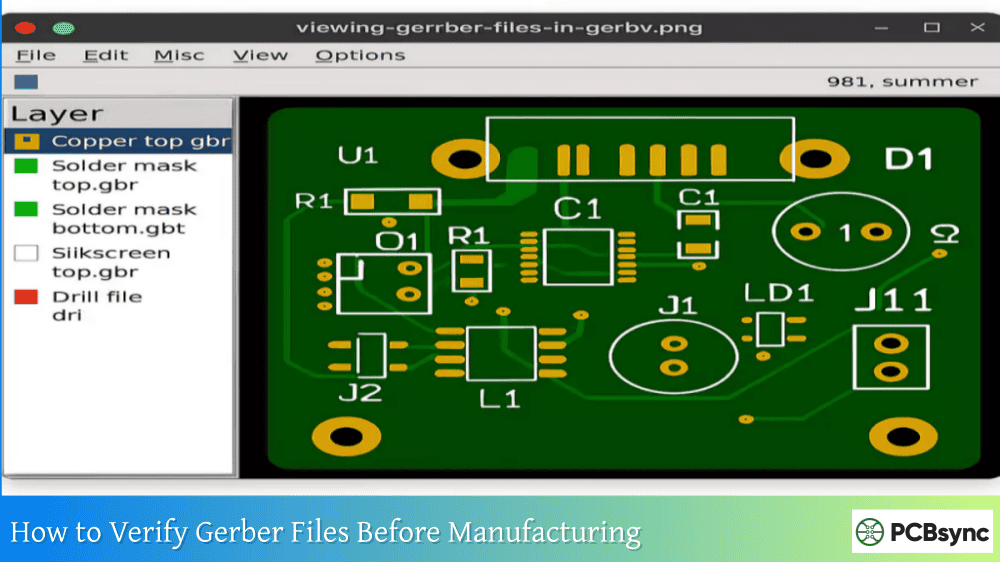
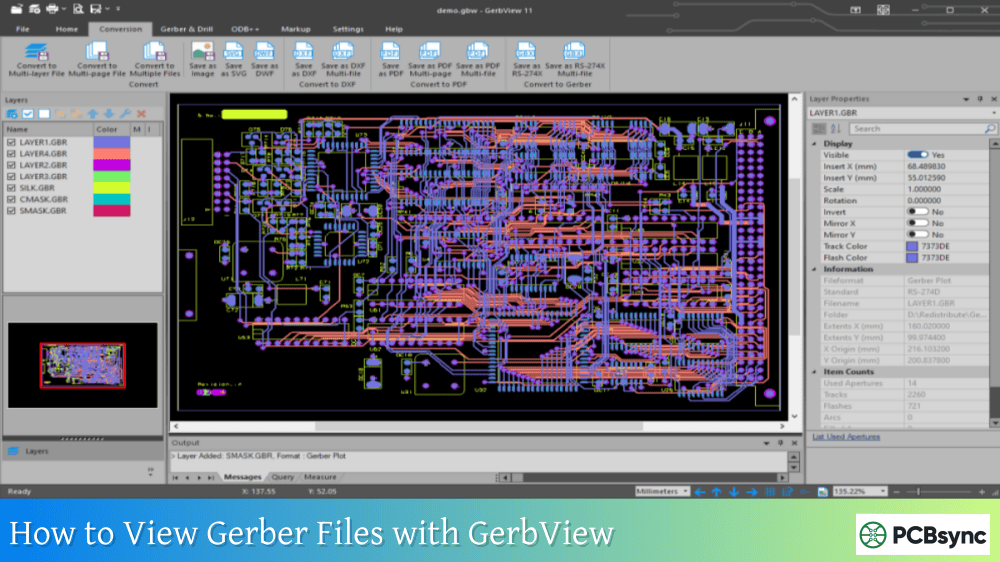
Recommended Gerber Viewers
Viewer
Platform
Key Features
GC-Prevue
Windows
Professional tool, excellent format support
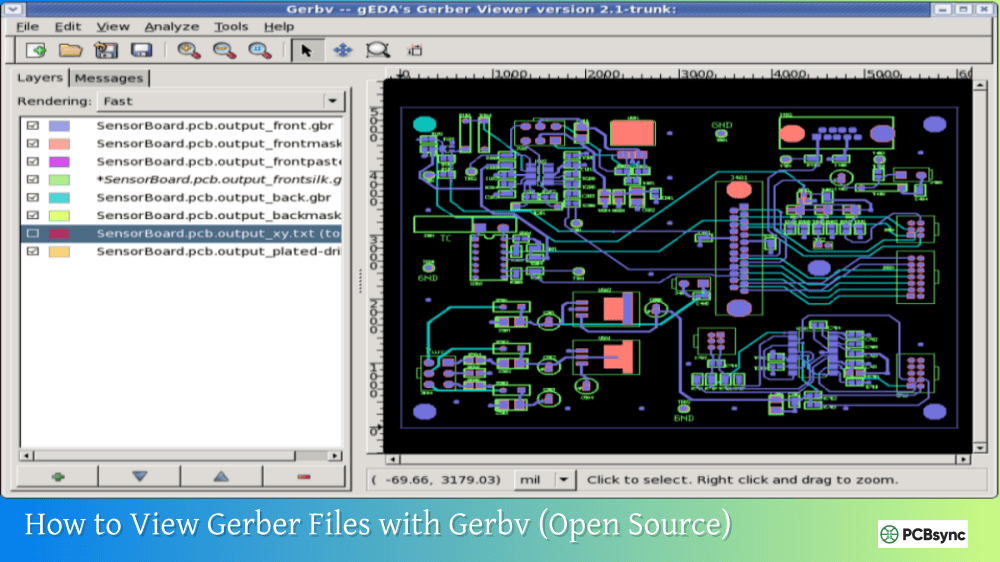
Gerbv
Windows, Linux, macOS
Free, open source
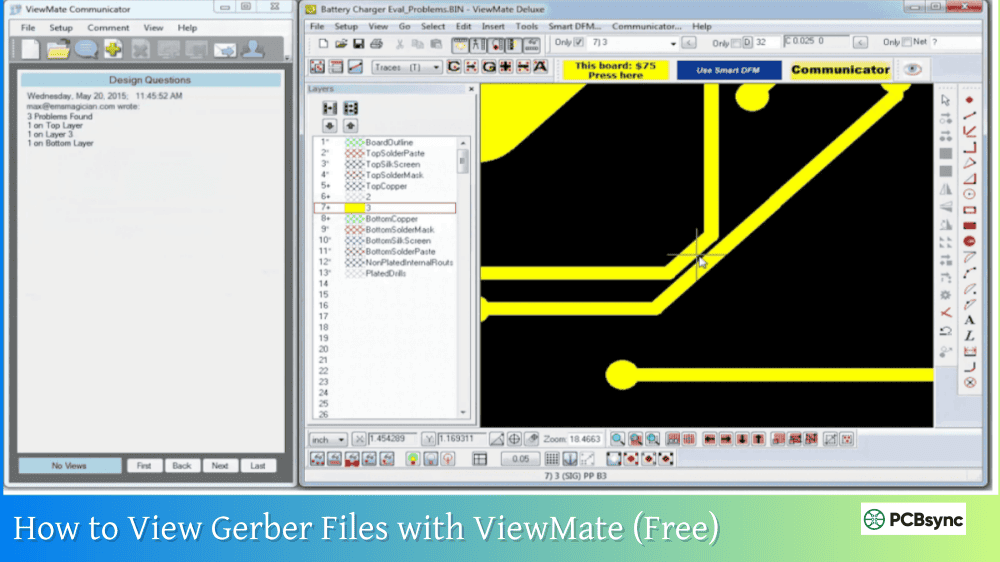
ViewMate
Windows
Industry standard, free version available
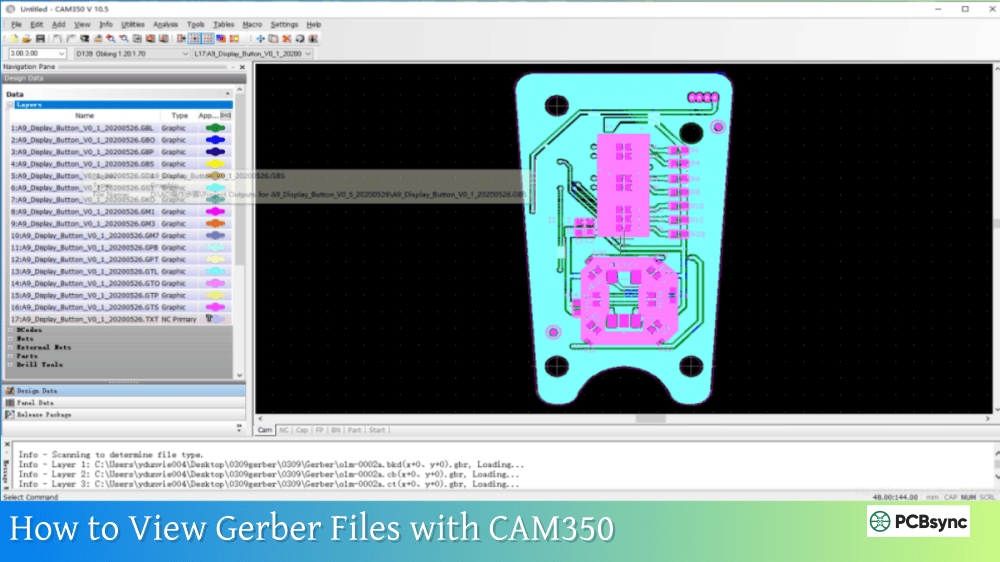
CAM350
Windows
Professional CAM software
ZofzPCB
Windows
3D visualization
Load your Gerber files first, then add the drill file. Enable layer transparency and zoom into pad locations to verify alignment.
Verification Checklist
Check
What to Look For
Hole centering
All drill hits centered on pads
Scale
No 10x or 0.1x scaling errors
Hole count
Total matches design
Tool table
Correct sizes listed
Layer alignment
No systematic offset
Plating separation
PTH and NPTH in correct files
Scale errors of exactly 10x or 2.54x (metric/imperial confusion) indicate format mismatch between Gerber and drill settings.
Read more How to convert PCB Files in different Design software:
Years of experience with Allegro have revealed recurring issues that frustrate engineers and delay manufacturing.
Problem: Drill Holes Offset from Pads
This almost always traces back to mismatched settings between Gerber artwork and NC drill output.
Parameter
Check In Gerber
Check In NC Drill
Units
General Parameters → Output Unit
NC Parameters → Output Units
Format
General Parameters → Format
NC Parameters → Format
Zero Suppression
Film Control settings
NC Parameters → Zero Suppression
Coordinates
Usually Absolute
NC Parameters → Coordinates
Both dialogs must use identical values for alignment.
Problem: Manufacturer Cannot Read Drill File
The Enhanced Excellon Format option is probably disabled. Access NC Parameters and enable this setting, then regenerate drill files.
Also verify that Auto Tool Select is enabled. Without this option, tool codes may not appear in the drill data section where equipment expects them.
Problem: Missing Slot or Cutout Data
NC Drill only generates circular hole data. For slots, oblong holes, and board cutouts, you need NC Route output.
Navigate to Manufacture → NC → NC Route (Allegro) or Export → NC Route (OrCAD) to generate routing data. Both drill and route files are required for complete manufacturing data.
Problem: Holes Appearing as Dots in Gerber Viewer
Some viewers require external tool table files to display drill sizes. Allegro generates an nc_tools_auto.txt file containing tool definitions. If your viewer cannot read the embedded tool table, import this file manually.
Also check that you selected Enhanced Excellon Format, which embeds tool sizes in the TnnC.xxx format within the drill file header.
Problem: Wrong Number of Drill Files Generated
For blind and buried via designs, Allegro generates separate files for each layer pair. If you expected one file but received multiple, your design likely contains vias that span different layer combinations.
Review your via definitions in the constraint manager and padstack editor to understand which layer pairs exist in your design.
Understanding Allegro Drill File Output Structure
Allegro generates multiple files during NC drill output. Understanding each file’s purpose helps you provide correct data to manufacturers.
Files Generated by NC Drill Command
File
Extension
Contents
Needed by Manufacturer
Drill data
.drl, .tap
Hole coordinates and tool codes
Yes
Tool auto file
nc_tools_auto.txt
Tool size assignments
Sometimes
Drill statistics
.dts
Hole count summary
No
NC parameters
nc_param.txt
Export settings record
No
Send only the .drl or .tap files to manufacturing unless they specifically request tool table files. The metadata files serve as references for your own records.
Files Generated by NC Route Command
File
Extension
Contents
Needed by Manufacturer
Route data
.rou
Slot and milling paths
Yes (if slots exist)
If your design contains slots or milled cutouts, you must generate and provide both drill and route files.
Best Practices for Reliable Drill Output
Following consistent practices prevents problems and reduces manufacturing delays.
Before Starting Drill Generation
Run Manufacture → NC → Drill Customization to verify that all padstacks have proper drill definitions. Missing drill information in padstacks causes holes to not appear in output.
Check your constraint manager for via definitions that may span unexpected layer pairs.
During Configuration
Match every parameter between Gerber General Parameters and NC Parameters. Document your settings in a text file for future reference and troubleshooting.
Enable Enhanced Excellon Format and Auto Tool Select in every case unless your manufacturer explicitly requests otherwise.
After Generation
Verify files in an independent Gerber viewer before sending to manufacturing. Check alignment, scale, and hole count against your design.
Create a readme file documenting which drill file corresponds to which layer pair for multilayer designs with blind or buried vias.
Useful Resources for Allegro Users
Official Cadence Resources
Resource
Description
Cadence Online Support
Technical documentation and knowledge base
Cadence Community Forums
User discussions and expert responses
Allegro PCB Editor Help
Built-in documentation
Manufacturer-Specific Guides
Manufacturer
Documentation URL
OSH Park
docs.oshpark.com/design-tools/cadence-allegro
PCBWay
pcbway.com/blog/help_center
Seeed Fusion
seeedstudio.com/blog (Allegro export guide)
Sierra Circuits
protoexpress.com/blog
Gerber Viewer Downloads
Tool
Source
Gerbv
gerbv.github.io
ViewMate
pentalogix.com
GC-Prevue
graphicode.com
Frequently Asked Questions
Why does Allegro generate multiple drill files for my design?
Allegro creates separate drill files for each unique layer pair in your design. If you have through-holes spanning layers 1-4 and blind vias spanning layers 1-2, you get two drill files. The filename includes the layer numbers (designname-1-4.drl and designname-1-2.drl) to identify which file contains which holes. Additionally, if you enabled separate files for plated and non-plated holes, each layer pair generates two files, one for PTH and one for NPTH. This separation is actually preferred by manufacturers because different hole types require different processing steps.
What is the difference between NC Drill and NC Route in Allegro?
NC Drill generates coordinate data for circular holes only. This covers vias, component through-holes, and mounting holes. NC Route generates path data for non-circular features like slots, oblong holes, and board cutouts. If your design contains any slots or milled features, you must generate both NC Drill and NC Route files and provide both to your manufacturer. The NC Route command is accessed through Manufacture → NC → NC Route and produces .rou files.
Why does my manufacturer say the drill file format is wrong?
The most common cause is that Enhanced Excellon Format was not enabled in NC Parameters before generating drill files. Allegro’s default output uses a non-standard format that many manufacturer systems cannot interpret. Open NC Parameters (Manufacture → NC → NC Parameters), enable Enhanced Excellon Format and Auto Tool Select, then regenerate your drill files. Also verify that your units, format, and zero suppression settings match your Gerber artwork settings.
How do I match drill file settings to Gerber settings in Allegro?
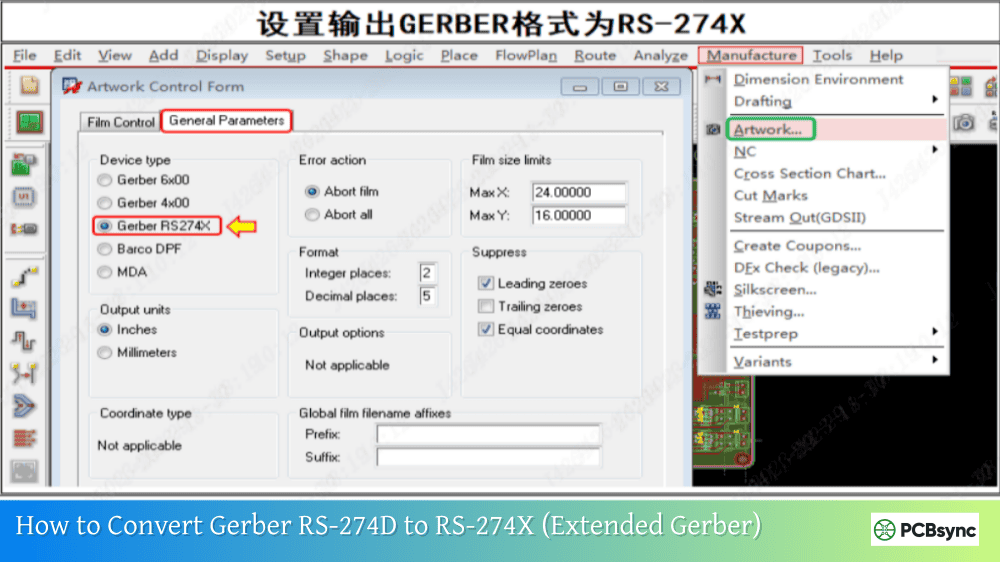
Access both the Gerber settings (Manufacture → Artwork → General Parameters tab) and NC Parameters (Manufacture → NC → NC Parameters) and verify that identical values appear for: Output Units (inches or metric), Format (2.4 for inches, 3.3 for metric), Zero Suppression (Leading recommended), and Coordinate type (Absolute recommended). Mismatched settings between these two dialogs cause the most common drill alignment problems that manufacturers report.
Can I generate a single drill file for a design with blind and buried vias?
No, and you should not want to. Blind and buried vias require sequential lamination and drilling operations that occur at different stages of fabrication. Manufacturers need separate drill files for each layer pair so they can process each drilling operation at the correct point in the build sequence. Allegro automatically generates these separate files when you select Layer Pair output. Provide all generated drill files to your manufacturer along with documentation identifying which layers each file addresses. The filenames include layer numbers to assist with identification.
Working with NC Route for Slots and Cutouts
Allegro separates slot and milling data from circular drill holes. When your design contains oblong pads, slots, or internal cutouts, NC Drill alone will not capture this information.
When NC Route is Required
Feature
NC Drill
NC Route
Round holes
Yes
No
Oblong holes
No
Yes
Slots
No
Yes
Board cutouts
No
Yes
Internal routing
No
Yes
Access NC Route through Manufacture → NC → NC Route. Configure parameters similarly to NC Drill, ensuring units and format match your other manufacturing files.
The generated .rou file uses the same Excellon format commands but includes G01 (linear) and G02/G03 (arc) movements to define milling paths. Manufacturers need both .drl and .rou files when your design includes any routed features.
Conclusion
Generating NC drill files in Cadence Allegro requires attention to parameter configuration that other PCB design tools handle automatically. The critical steps involve enabling Enhanced Excellon Format and Auto Tool Select in NC Parameters, matching all settings with your Gerber artwork configuration, and understanding that separate files generate for different layer pairs and hole types.
Take time to verify drill files in an independent Gerber viewer before manufacturing submission. The few minutes spent on verification saves days of delay when manufacturers cannot process incorrectly formatted files.
With proper configuration, Allegro produces drill files that any manufacturer can use directly without questions or format interpretation problems.
Inquire: Call 0086-755-23203480, or reach out via the form below/your sales contact to discuss our design, manufacturing, and assembly capabilities.
Quote: Email your PCB files to Sales@pcbsync.com (Preferred for large files) or submit online. We will contact you promptly. Please ensure your email is correct.
Notes: For PCB fabrication, we require PCB design file in Gerber RS-274X format (most preferred), *.PCB/DDB (Protel, inform your program version) format or *.BRD (Eagle) format. For PCB assembly, we require PCB design file in above mentioned format, drilling file and BOM. Click to download BOM template To avoid file missing, please include all files into one folder and compress it into .zip or .rar format.