Inquire: Call 0086-755-23203480, or reach out via the form below/your sales contact to discuss our design, manufacturing, and assembly capabilities.
Quote: Email your PCB files to Sales@pcbsync.com (Preferred for large files) or submit online. We will contact you promptly. Please ensure your email is correct.
Notes: For PCB fabrication, we require PCB design file in Gerber RS-274X format (most preferred), *.PCB/DDB (Protel, inform your program version) format or *.BRD (Eagle) format. For PCB assembly, we require PCB design file in above mentioned format, drilling file and BOM. Click to download BOM template To avoid file missing, please include all files into one folder and compress it into .zip or .rar format.
How to Generate Gerber Files in ZenitPCB: A Complete Guide for PCB Engineers
After designing dozens of boards using various EDA tools, I’ve found ZenitPCB to be one of the most straightforward options for hobbyists and students who need professional-quality Gerber output without the steep learning curve. This guide walks you through the entire process of generating manufacturing-ready Gerber files in ZenitPCB, from initial setup to final verification.
Gerber files serve as the universal language between PCB designers and manufacturers. Think of them as the blueprint that tells fabrication houses exactly how to build your board. Every copper trace, drill hole, solder mask opening, and silkscreen marking gets encoded into these files.
The format originated from Gerber Scientific Instrument Company back in the 1960s when they developed vector photoplotters. Today, the RS-274X (Extended Gerber) format has become the industry standard, embedding all aperture information directly into each file. This eliminates the confusion that plagued the older RS-274D format, which required separate aperture files.
When you send your PCB design to a manufacturer like JLCPCB, PCBWay, or any local fab house, they expect Gerber files. Without them, your beautifully designed circuit stays trapped in your CAD software.
Understanding ZenitPCB Suite Components
Before diving into Gerber generation, it helps to understand what ZenitPCB offers. The suite includes four integrated tools:
Component
Purpose
Key Features
ZenitCapture
Schematic design
Symbol libraries, netlist export, multi-page schematics
The typical workflow moves from schematic capture to netlist generation, then into the layout editor where you’ll eventually export your Gerber files. Having the built-in GerberView tool means you can verify your output without installing third-party software.
Prerequisites Before Generating Gerber Files in ZenitPCB
Getting manufacturing-ready files requires more than just clicking export. Here’s what you need to complete first:
Design Rule Check Completion
Run the online DRC (Design Rule Check) before exporting anything. ZenitPCB’s built-in checker will flag violations like clearance issues, unconnected nets, and silkscreen overlapping pads. Manufacturers will reject files with obvious DRC errors, so fix these first.
Layer Stack Verification
Confirm your layer configuration matches your manufacturing intent. ZenitPCB supports single-sided and double-sided designs with up to 800 pins in the free version. Make sure each layer contains the correct data before export.
Board Outline Definition
Your board outline must be clearly defined. Without it, manufacturers cannot determine the physical dimensions or how to panelize your design. Check that your outline forms a closed shape with no gaps.
Step-by-Step Guide to Generate Gerber Files in ZenitPCB
The actual export process in ZenitPCB follows a logical sequence. Here’s how to get it done:
Step 1: Open Your PCB Project
Launch ZenitPCB Layout and open your completed PCB design file. Make sure all components are properly placed and all routing is finished. Any floating traces or unconnected pins will appear in your Gerber output.
Step 2: Access the Gerber Output Menu
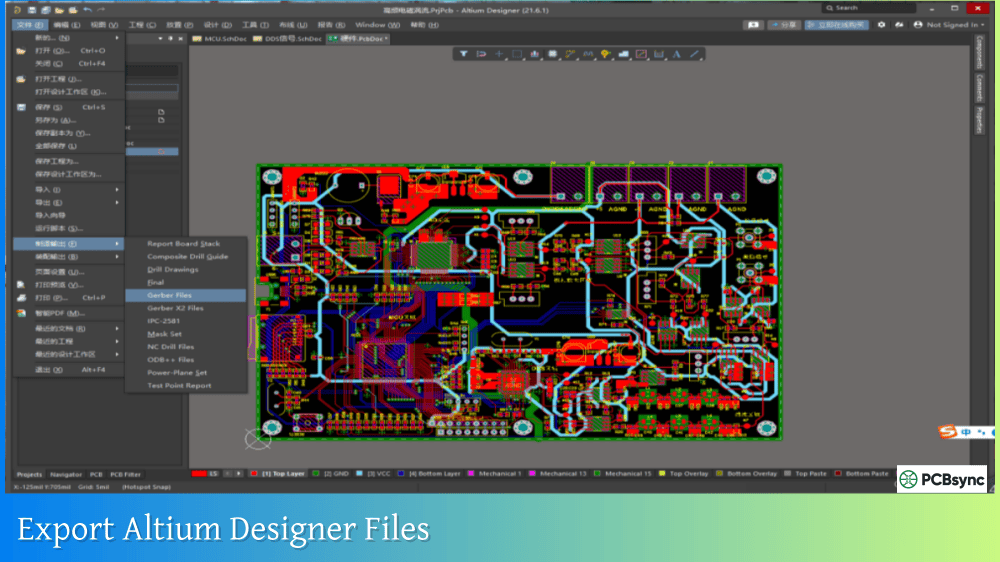
Navigate to the File menu and locate the Gerber output option. ZenitPCB uses the Gerber 274X format by default, which is exactly what modern manufacturers expect. This embedded aperture format keeps all layer information self-contained.
Step 3: Configure Layer Selection
The layer selection dialog lets you choose which layers to export. For a standard two-layer board, you’ll typically need:
Layer Type
File Extension
Description
Top Copper
.GTL
Top signal layer with all traces and pads
Bottom Copper
.GBL
Bottom signal layer
Top Solder Mask
.GTS
Defines areas where solder mask is removed
Bottom Solder Mask
.GBS
Bottom side solder mask definition
Top Silkscreen
.GTO
Component outlines and reference designators
Bottom Silkscreen
.GBO
Bottom side markings
Board Outline
.GKO or .GM1
Physical board boundary
Step 4: Set Units and Precision
ZenitPCB allows configuration in millimeters (minimum 0.01mm) or mils (minimum 0.001 inches). Match your unit setting to whatever you used during design. Most manufacturers accept either, but consistency prevents conversion errors.
The coordinate precision typically uses 2:4 or 3:3 format (integer:decimal digits). Higher precision means larger files but more accurate representation of your design geometry.
Step 5: Generate the Gerber Files
Click the generate button to create your Gerber files. ZenitPCB will process each selected layer and output individual files to your specified directory. The process usually completes within seconds for typical hobby-sized boards.
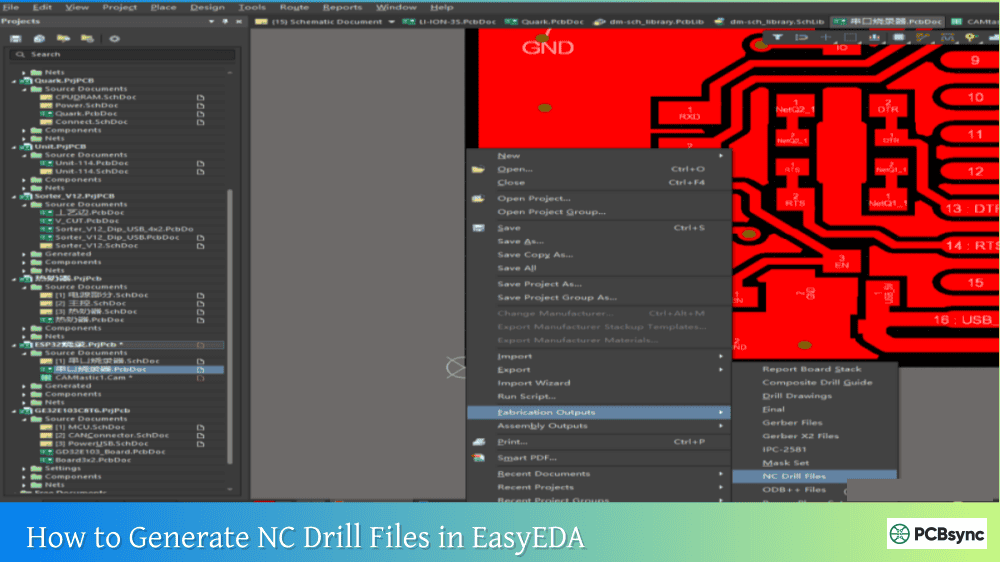
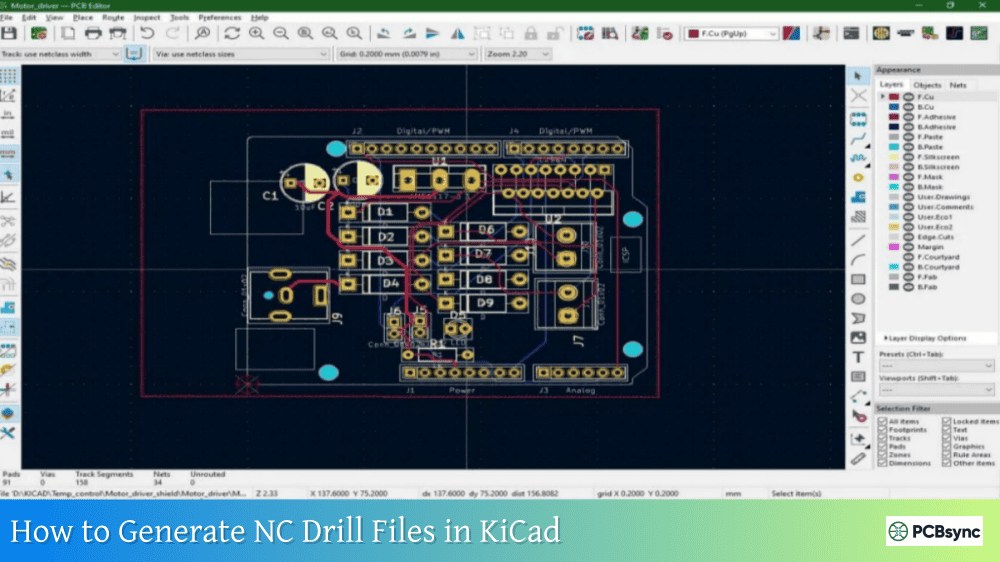
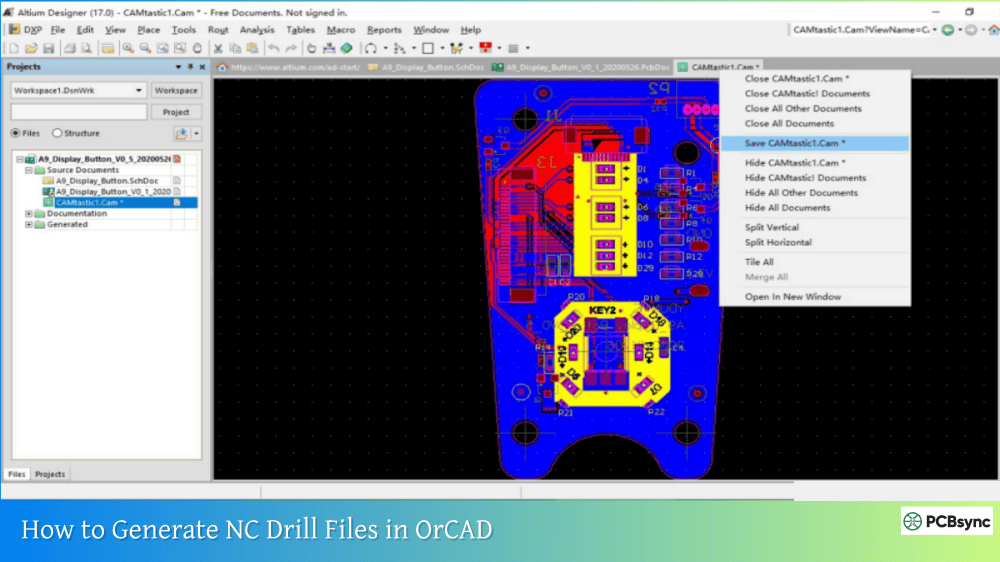
Step 6: Generate NC Drill Files
Gerber files don’t include drill information—you need separate NC Drill (Excellon) files. Access the NCDrill output option, typically in the same menu area. Configure the drill file to include:
Plated through-holes (PTH)
Non-plated through-holes (NPTH)
Via holes
Mounting holes
Slot information (if applicable)
The drill file uses Excellon format and typically has a .DRL or .TXT extension.
Gerber File Types Explained for ZenitPCB Users
Understanding what each file contains helps you verify your output. Here’s a breakdown:
Copper Layers
These files define all conductive patterns including traces, pads, and copper pours. The top copper layer (.GTL) shows everything visible from the component side, while bottom copper (.GBL) shows the solder side.
Solder Mask Layers
Solder mask files use negative logic—filled areas indicate where the mask should be removed, exposing copper. This exposes pads for soldering while protecting traces from oxidation and solder bridges.
Silkscreen Layers
Also called legend layers, these contain component outlines, reference designators (R1, C2, U3), and any text you’ve added. Good silkscreen design helps during assembly and troubleshooting.
Paste Layers
If you’re doing SMT assembly with solder paste stencils, paste layers define the stencil openings. These typically match your solder mask openings but may be slightly smaller to control paste volume.
Mechanical and Outline Layers
The board outline defines your PCB shape. Any cutouts, v-scores, or special mechanical features should also appear here. Some designers include a separate keepout layer.
Best Practices for ZenitPCB Gerber Generation
After working with numerous manufacturers, I’ve learned these practices prevent costly mistakes:
Always Verify Before Sending
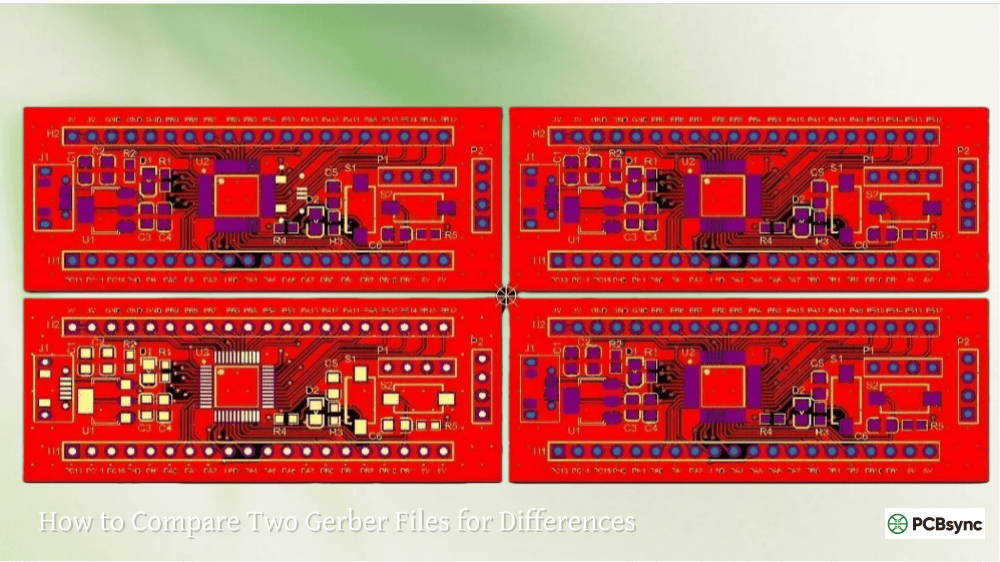
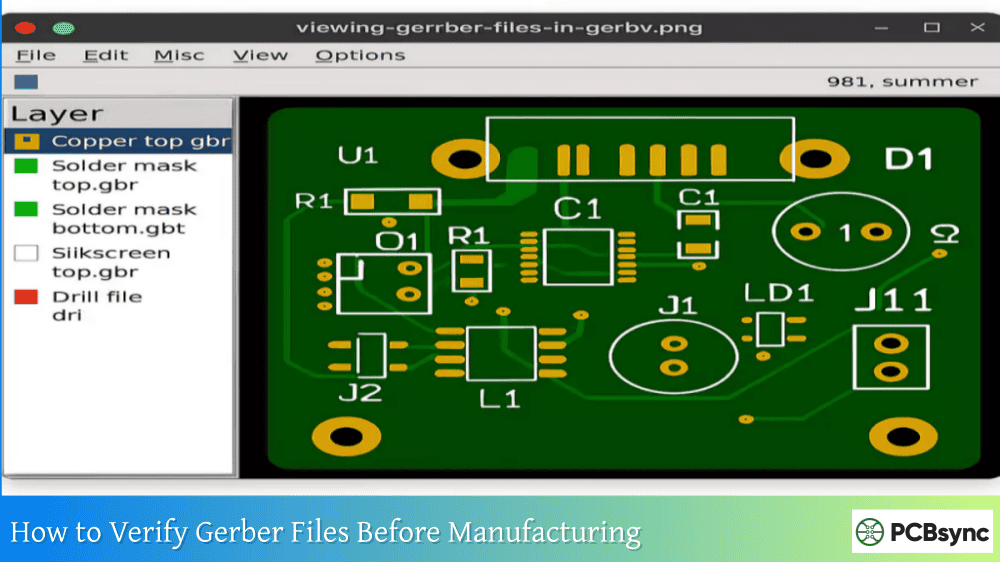
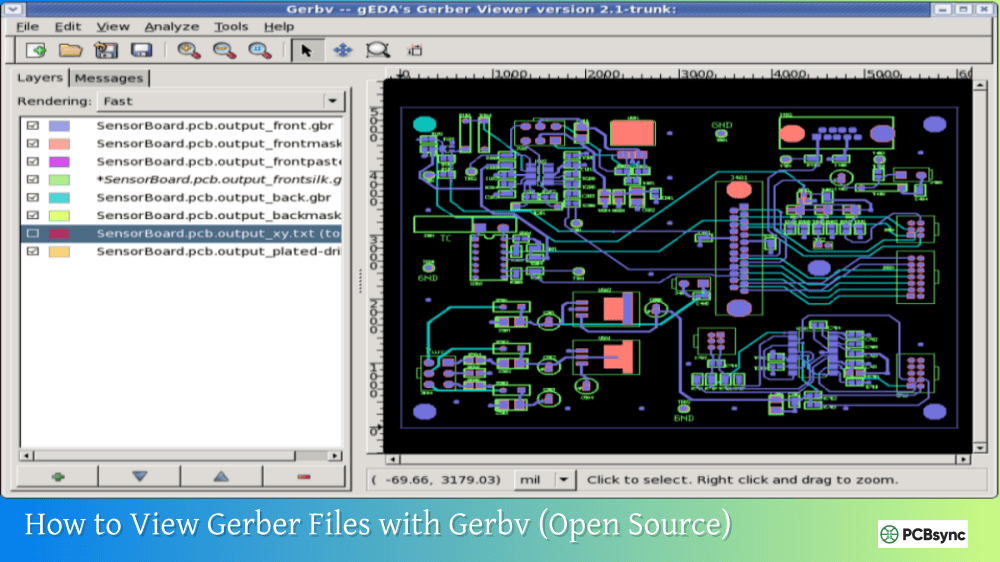
Use ZenitPCB GerberView or an external viewer like Gerbv (free and open-source) to inspect every layer. Stack all layers together and check for alignment issues. Verify that drill holes align with pads.
Include a README File
Create a simple text file listing all included files with descriptions. Mention any special requirements like controlled impedance, specific materials, or surface finish. This helps CAM engineers understand your intent.
Package Files Correctly
Combine all Gerber and drill files into a single ZIP archive. Most manufacturers have online Gerber viewers that automatically extract and process ZIP files. Keep file names clear and descriptive.
Check Manufacturer Requirements
Different fabricators have different preferences. Some want specific file extensions, others prefer certain coordinate formats. JLCPCB, for instance, publishes detailed requirements for optimal results.
Common Gerber Generation Issues in ZenitPCB
Even experienced designers encounter these problems:
Drill File Offset
If your Gerber viewer shows drill holes shifted from pad centers, the coordinate format doesn’t match between Gerber and drill files. Regenerate both using the same unit and precision settings.
Missing Board Outline
Manufacturers can’t cut your board without an outline layer. If your outline doesn’t export properly, check that you’ve drawn it on the correct mechanical layer and that it forms a completely closed path.
Silkscreen Over Pads
Text or component outlines overlapping exposed copper will be rejected or removed by manufacturers. Check that your silkscreen clears all pad openings by an adequate margin.
Negative Layer Issues
Inner plane layers sometimes export in negative format where filled areas indicate copper removal. Verify your manufacturer can handle negative layers, or export in positive format.
Comparing ZenitPCB Gerber Output to Other Software
ZenitPCB offers streamlined Gerber export compared to more complex tools:
Feature
ZenitPCB
KiCad
Altium
Gerber Format
RS-274X
RS-274X/X2
RS-274X/X2
Built-in Viewer
Yes
No (requires plugin)
Yes
Export Complexity
Low
Medium
High
Batch Export
Limited
Yes
Yes
Price
Free
Free
Commercial
Learning Curve
Easy
Moderate
Steep
Frequently Asked Questions
What Gerber format does ZenitPCB support?
ZenitPCB generates Gerber RS-274X files, which is the extended format with embedded aperture definitions. This format is universally accepted by PCB manufacturers worldwide and eliminates the need for separate aperture files that the older RS-274D format required.
Can I generate multi-layer Gerber files in ZenitPCB?
ZenitPCB primarily supports single and double-sided PCB designs. For complex multi-layer boards with four or more layers, you’d need to consider more advanced tools like KiCad or Altium. However, for typical hobby and educational projects, two layers cover most requirements.
How do I verify my Gerber files before sending to manufacturers?
Use the included ZenitPCB GerberView tool to inspect each layer individually and as a stack. Alternatively, free viewers like Gerbv or online tools from manufacturers like JLCPCB provide additional verification. Check alignment, drill locations, and layer registration carefully.
What drill file format does ZenitPCB generate?
ZenitPCB outputs NC Drill files in Excellon format, which is the standard for CNC drilling machines. The file includes tool definitions, hole sizes, and coordinate positions. Make sure to include this file with your Gerber package since manufacturers need both.
Why are my drill holes offset from the pads in the Gerber viewer?
This typically happens when the coordinate precision or units differ between your Gerber and drill files. Regenerate both file types using identical settings. If the problem persists, try switching between leading zero suppression options.
Advanced Tips for Professional Gerber Output
Beyond the basic export process, these techniques will elevate your manufacturing results:
Optimizing Copper Pour Generation
Copper pours (ground planes or power planes) can significantly affect your Gerber file size and manufacturing quality. Before exporting, ensure your pours are properly connected to the appropriate nets. ZenitPCB’s copper plane feature creates solid fills, but verify that thermal relief connections on through-hole pads allow proper soldering.
When reviewing the Gerber output, copper pours should appear as uniform filled regions without gaps or artifacts. If you notice strange patterns, regenerate the pour in your design before re-exporting.
Managing Silkscreen Clarity
A well-designed silkscreen layer makes assembly and debugging much easier. In ZenitPCB, take time to position reference designators so they remain readable after manufacturing. Keep text at least 0.15mm (6 mils) away from solder mask openings to prevent the manufacturer from trimming your labels.
Recommended silkscreen text specifications:
Parameter
Minimum Value
Preferred Value
Text Height
0.8mm
1.0mm
Line Width
0.15mm
0.2mm
Spacing from Pads
0.15mm
0.25mm
Font
Sans-serif
Arial or similar
Handling Special Features
If your design includes slots, oval holes, or cutouts, verify these appear correctly in your drill and outline files. ZenitPCB supports slot output alongside standard drill files. Check that your manufacturer can process slot data—most modern fabs handle it without issues, but it’s worth confirming.
For non-rectangular board shapes, your outline layer becomes critical. Complex outlines with internal cutouts require careful verification. Use the Gerber viewer to trace the entire board boundary and confirm it forms a continuous, closed path.
Read more How to convert PCB Files in different Design software:
Understanding Manufacturer Requirements for ZenitPCB Files
Different fabrication houses have varying requirements. Here’s what major manufacturers typically expect:
JLCPCB Requirements
JLCPCB accepts Gerber RS-274X files in ZIP format. They provide an online Gerber viewer that previews your board before ordering. Their system automatically detects layer functions based on file extensions, so using standard extensions (.GTL, .GBL, .GTS, etc.) ensures smooth processing.
PCBWay Specifications
PCBWay similarly accepts RS-274X format and provides detailed feedback if issues are detected. They recommend including a clear board outline layer and specifying any special requirements (controlled impedance, gold fingers, etc.) in your order notes.
AllPCB Guidelines
For AllPCB and similar services, the standard Gerber package works well. They appreciate clearly labeled files and a complete layer stack without missing elements.
Troubleshooting Gerber Generation Problems in ZenitPCB
When things go wrong, systematic troubleshooting saves time:
Problem: Empty or Incomplete Layer Files
If a generated Gerber file appears empty in the viewer, the layer likely has no data assigned to it in your design. Return to ZenitPCB Layout and verify that the layer actually contains design elements. Sometimes designers accidentally place elements on wrong layers.
Problem: Aperture Warnings
Modern RS-274X format handles apertures automatically, but if you encounter warnings about undefined apertures, check that your design doesn’t use custom shapes that ZenitPCB cannot represent. Standard pads and traces should export without issues.
Problem: File Size Anomalies
Extremely large Gerber files (megabytes for simple boards) suggest a problem with copper pour generation or complex geometry. Simplify decorative elements or graphics that might be creating excessive data.
Unusually small files might indicate missing data. Compare file sizes between layers—copper layers should generally be larger than silkscreen layers.
Problem: Import Failures at Manufacturer
If a manufacturer’s system rejects your files, ask for specific error messages. Common issues include:
Mixed units between files
Corrupt or truncated files
Missing drill file
Unsupported file extensions
Regenerate the affected files and verify them in an independent viewer before resubmitting.
ZenitPCB Workflow Integration
For the smoothest experience, integrate Gerber generation into your overall design workflow:
Pre-Export Checklist
Create a checklist you follow before every export:
Run DRC and fix all errors
Verify all nets are connected
Check board outline is closed
Review silkscreen placement
Confirm copper pours are generated
Save your design file
Note any special manufacturing requirements
Post-Export Verification
After generating files:
Open each file in GerberView
Stack all layers and check alignment
Verify drill holes center on pads
Check board outline matches intended dimensions
Confirm silkscreen doesn’t overlap pads
Review solder mask openings
File Management
Develop consistent naming and organization habits:
Use descriptive folder names including project name and revision
Include a dated README with any special notes
Keep the original ZenitPCB project file alongside Gerbers
Archive successful Gerber packages for reference
When to Consider Alternatives to ZenitPCB
ZenitPCB excels for simpler designs, but recognize its limitations:
The 800-pin limit restricts complex designs. If your projects routinely exceed this, consider transitioning to KiCad (free and open-source) or commercial options like Altium Designer.
Multi-layer boards beyond two layers require different tools. ZenitPCB focuses on single and double-sided designs, which covers most hobbyist needs but may not suit advanced applications.
Automated routing features are limited in ZenitPCB. For dense boards requiring autorouting, other tools provide more sophisticated algorithms.
Despite these limitations, ZenitPCB remains excellent for learning PCB design fundamentals and producing quality boards for straightforward projects.
Final Thoughts on ZenitPCB Gerber Generation
Generating proper Gerber files marks the transition from design to physical reality. ZenitPCB makes this process accessible for hobbyists and students while maintaining the professional standards manufacturers expect. Take the time to verify your output using the built-in GerberView or external tools, and always include all necessary files in a properly organized package.
The key to success lies in methodical preparation: complete your DRC, verify your layer stack, generate all required files, and inspect everything before uploading to your chosen manufacturer. With ZenitPCB’s straightforward interface and RS-274X output, you’re well-equipped to turn your designs into real circuit boards.
Whether you’re building your first LED blinker or prototyping a more ambitious project, the Gerber generation process remains consistent. Master it once, and you’ll confidently produce manufacturing-ready files for every future design.
Inquire: Call 0086-755-23203480, or reach out via the form below/your sales contact to discuss our design, manufacturing, and assembly capabilities.
Quote: Email your PCB files to Sales@pcbsync.com (Preferred for large files) or submit online. We will contact you promptly. Please ensure your email is correct.
Notes: For PCB fabrication, we require PCB design file in Gerber RS-274X format (most preferred), *.PCB/DDB (Protel, inform your program version) format or *.BRD (Eagle) format. For PCB assembly, we require PCB design file in above mentioned format, drilling file and BOM. Click to download BOM template To avoid file missing, please include all files into one folder and compress it into .zip or .rar format.