Inquire: Call 0086-755-23203480, or reach out via the form below/your sales contact to discuss our design, manufacturing, and assembly capabilities.
Quote: Email your PCB files to Sales@pcbsync.com (Preferred for large files) or submit online. We will contact you promptly. Please ensure your email is correct.
Notes: For PCB fabrication, we require PCB design file in Gerber RS-274X format (most preferred), *.PCB/DDB (Protel, inform your program version) format or *.BRD (Eagle) format. For PCB assembly, we require PCB design file in above mentioned format, drilling file and BOM. Click to download BOM template To avoid file missing, please include all files into one folder and compress it into .zip or .rar format.
How to Generate Gerber Files from Siemens Xpedition (Formerly Mentor Graphics)
As a PCB engineer with years of hands-on experience in the electronics manufacturing industry, I can tell you that getting your Gerber files right is absolutely critical. One mistake in your fabrication output can cost you weeks of delays and thousands of dollars in re-spins. Siemens Xpedition (formerly Mentor Graphics Xpedition) is one of the most powerful enterprise PCB design tools available today, but its comprehensive feature set means the Gerber generation process requires careful attention to detail.
This guide walks you through the complete process of generating manufacturing-ready Gerber files from Xpedition, covering everything from initial setup to verification and troubleshooting.
Understanding Gerber Files and Why They Matter in PCB Manufacturing
Before diving into the Xpedition workflow, let’s establish why Gerber files are so crucial. Gerber files serve as the universal language between PCB designers and manufacturers. They’re essentially 2D vector image files that describe each layer of your circuit board in precise detail.
What Information Do Gerber Files Contain?
Every Gerber file package you send to your fabricator needs to include specific layer information:
When generating Gerber files from Xpedition, you’ll need to select the appropriate format. Here’s what you need to know:
RS-274X (Extended Gerber) – The Industry Standard
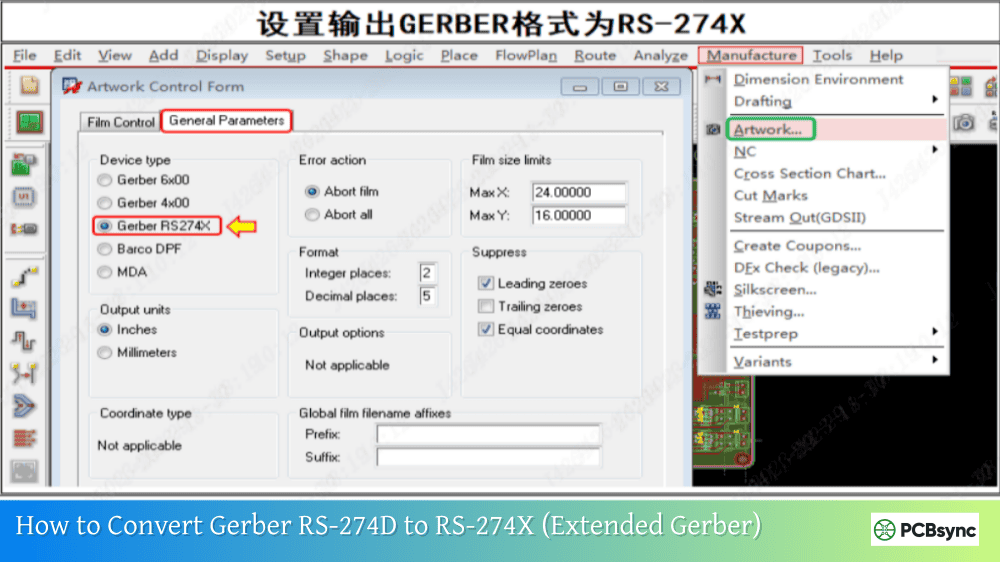
RS-274X is the format you should be using in virtually all cases. Unlike the older RS-274D format, RS-274X embeds aperture definitions directly within each file, making it self-describing and eliminating the need for separate aperture files.
Key advantages of RS-274X include embedded apertures that eliminate separate aperture tables, accurate polygon and plane handling, reduced CAM operator interpretation, and cleaner, faster manufacturing setup.
Gerber X2 and X3 – Enhanced Formats
Gerber X2 builds on RS-274X by adding metadata about layer functions, copper types, and other manufacturing details. If your fabricator supports X2, consider using it for even clearer communication. Gerber X3 takes this further by integrating fabrication, assembly, and component placement information.
Step-by-Step Guide to Generating Gerber Files in Xpedition
Now let’s walk through the actual process in Siemens Xpedition. The specific menu locations may vary slightly depending on your Xpedition version, but the general workflow remains consistent.
Step 1: Verify Your Design is Complete
Before generating any output files, ensure your design passes all necessary checks. This pre-output verification phase is often underestimated but can save you significant time and money.
Run Your Design Rule Check (DRC): Execute a comprehensive DRC and address any violations before proceeding. Even minor violations can translate to manufacturing defects. Pay particular attention to clearance violations, minimum trace width infractions, and acid trap warnings.
Verify Your Stackup Definition: Your stackup should be correctly defined in the design with accurate layer thicknesses, dielectric constants, and copper weights. This information directly impacts impedance calculations and manufacturing requirements. In Xpedition, access the stackup editor to review and confirm all layer parameters.
Confirm Net Connectivity: All nets should be properly routed with no open connections or unintentional stubs. Use Xpedition’s connectivity verification tools to identify any routing issues. Unrouted nets will appear in your output files but won’t function as intended.
Check Board Outline Definition: Your board outline must be clearly defined on the appropriate mechanical or outline layer. This defines the physical boundaries for routing and V-scoring during panel fabrication. Missing or incorrectly placed outlines are among the most common causes for manufacturing holds.
Step 2: Access the Output Generation Menu
In Xpedition Layout, navigate to the Output menu. From here, you’ll find options for generating various manufacturing outputs including Gerber artwork, NC drill files, ODB++, and fabrication documentation.
Understanding Xpedition’s Output Architecture: Xpedition organizes manufacturing outputs into logical categories. The Gerber output option handles all layer artwork, while NC Drill handles hole data. The system allows you to create output configurations that can be saved and reused across multiple projects, which is invaluable for maintaining consistency in your manufacturing data packages.
Output Profiles and Templates: Consider creating standard output profiles for your commonly used fabricators. Each manufacturer may have slightly different preferences for file naming, format settings, or data organization. By saving these as profiles, you can switch between fabricator requirements without manually reconfiguring every setting.
Step 3: Configure Gerber Output Settings
When you select Gerber output, Xpedition presents a configuration dialog where you specify your output parameters.
Format Settings to Configure:
Parameter
Recommended Setting
Notes
Format
RS-274X (Extended Gerber)
Industry standard, self-contained
Units
Millimeters or Inches
Match your design units
Coordinate Format
2:5 (inches) or 3:4 (mm)
Provides adequate precision
Zero Suppression
Leading or Trailing
Be consistent across all files
Data Origin
Absolute
Ensures layer registration
Step 4: Select Layers for Export
Xpedition allows you to select which design layers to include in your Gerber output. At minimum, you should include all copper layers (top, bottom, and inner), solder mask layers (top and bottom), silkscreen layers (as needed), solder paste layers (for assembly), and your board outline layer.
Understanding Layer Types in Xpedition:
Xpedition uses a sophisticated layer system that distinguishes between electrical layers (carrying signals and power), mask layers (defining solder mask openings and paste application), mechanical layers (board outline, keepout zones, dimensions), and documentation layers (fabrication notes, assembly drawings).
When selecting layers for Gerber output, ensure you’re selecting the correct layer types. A common mistake is including documentation layers that are intended for drawing sheets rather than fabrication artwork.
Inner Layer Considerations for Multilayer Boards:
For multilayer PCBs, pay careful attention to inner layer output. Plane layers (ground and power) typically need to output as negative images where the copper is represented by the absence of artwork. Signal inner layers output as positive images like outer layers. Verify your polarity settings match your manufacturer’s expectations.
Step 5: Configure Layer-Specific Settings
For each layer, you can specify output options including mirroring (typically for bottom layers when required by your fabricator), polarity (positive or negative), scaling (usually 1:1), and rotation (usually 0°).
When to Use Mirroring:
Bottom-side layers sometimes require mirroring depending on your fabricator’s process. This ensures the artwork appears correctly when viewed from the top of the board. However, many modern CAM systems handle this automatically, so consult your fabricator before enabling mirroring to avoid double-mirrored output.
Polarity Settings Explained:
Positive polarity means what you see in the design is what gets plated with copper. Negative polarity inverts this relationship, meaning drawn areas represent copper removal. Most signal layers use positive polarity, while internal plane layers often use negative polarity to represent clearances around pins and vias.
Step 6: Generate NC Drill Files
Gerber files alone don’t include drilling information. You must separately generate NC drill files (also called Excellon files) that specify hole locations, sizes, and whether holes are plated or non-plated.
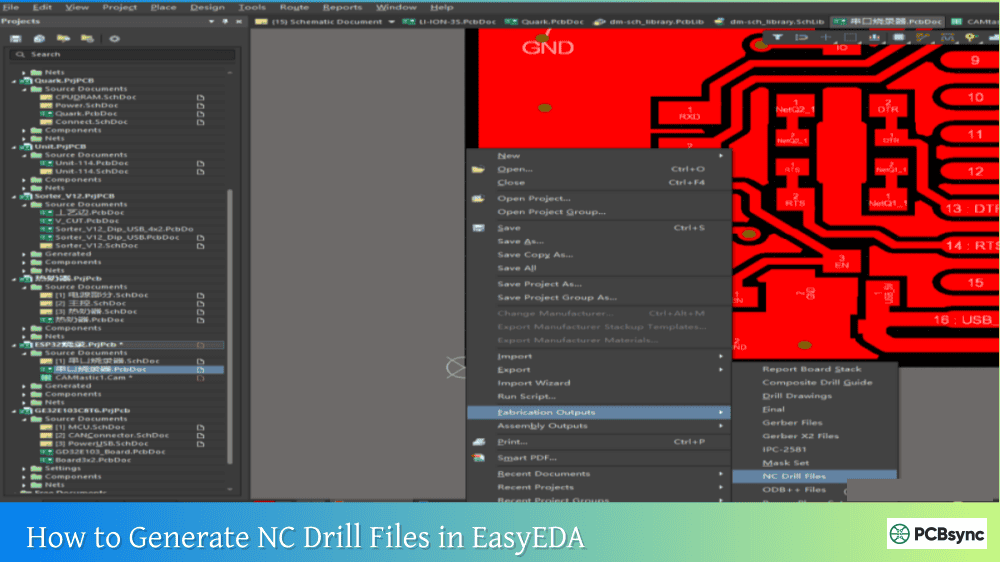
In Xpedition, access the NC Drill output option from the Output menu. Configure drill file settings including units, format, and zero suppression to match your Gerber settings. Select the appropriate drill spans for through-holes, blind vias, and buried vias as applicable. Generate separate files for plated and non-plated holes if your design requires both.
Step 7: Review Output File Names
Xpedition generates output files with default naming conventions. The default extension for Gerber files is typically .gbr, though you can configure layer-specific extensions if your manufacturer prefers a different naming scheme.
Generating ODB++ as an Alternative to Gerber
While Gerber files remain the most widely accepted format, Xpedition also supports ODB++ output, which Mentor Graphics (now Siemens) developed as a more comprehensive data exchange format.
Why Consider ODB++ Output?
ODB++ packages all manufacturing data into a single hierarchical file structure, including layer artwork, drill data, component placement, bill of materials, stackup information, and netlist data for testing.
Many manufacturers, especially those using Valor NPI or similar CAM systems, prefer ODB++ because it reduces interpretation errors and speeds up their front-end process.
Generating ODB++ from Xpedition
Navigate to Output and then ODB++ in Xpedition. Configure your output options including job name, output directory, and data levels (fabrication vs. assembly). Generate the output, which creates a compressed file structure containing all manufacturing data.
Verifying Your Gerber Files Before Submission
Never send Gerber files to manufacturing without verifying them first. This critical step catches errors before they become expensive problems. I’ve seen countless cases where a simple five-minute verification would have prevented weeks of delay and thousands of dollars in scrap boards.
Using a Gerber Viewer
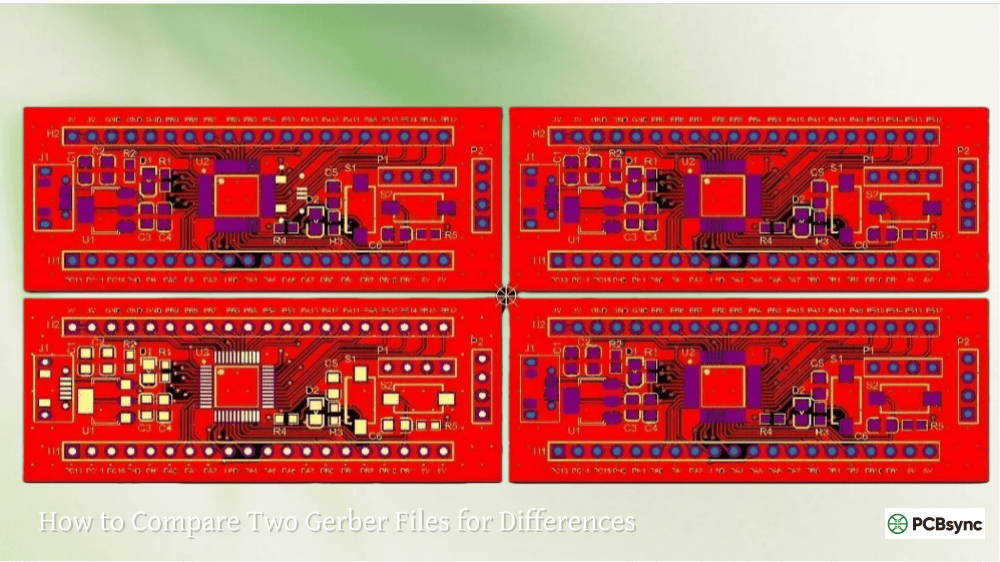
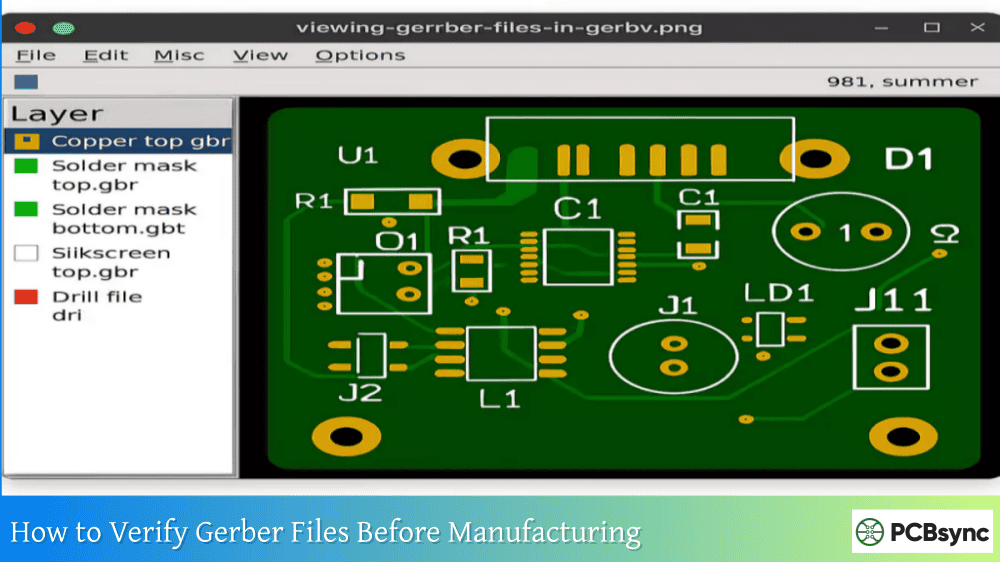
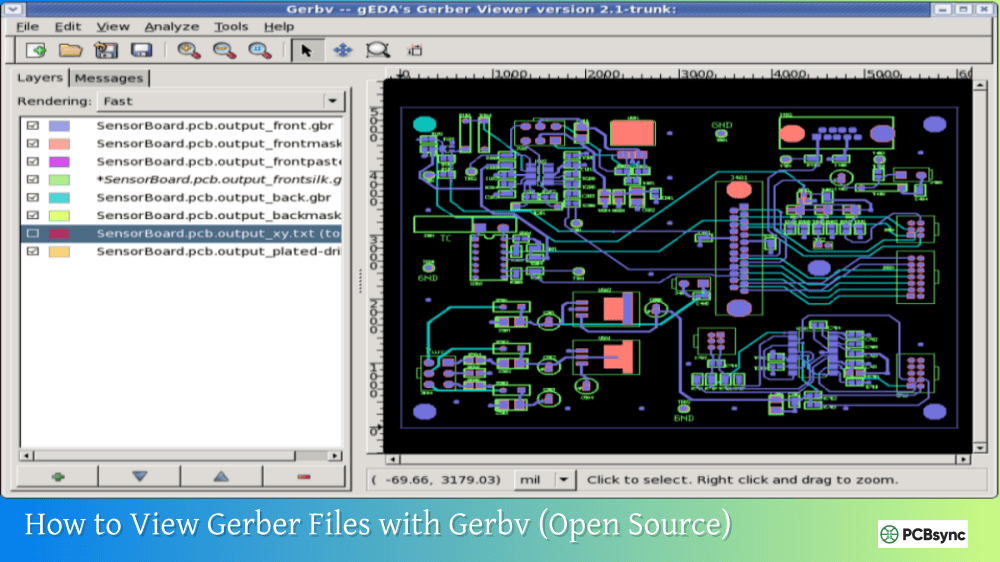
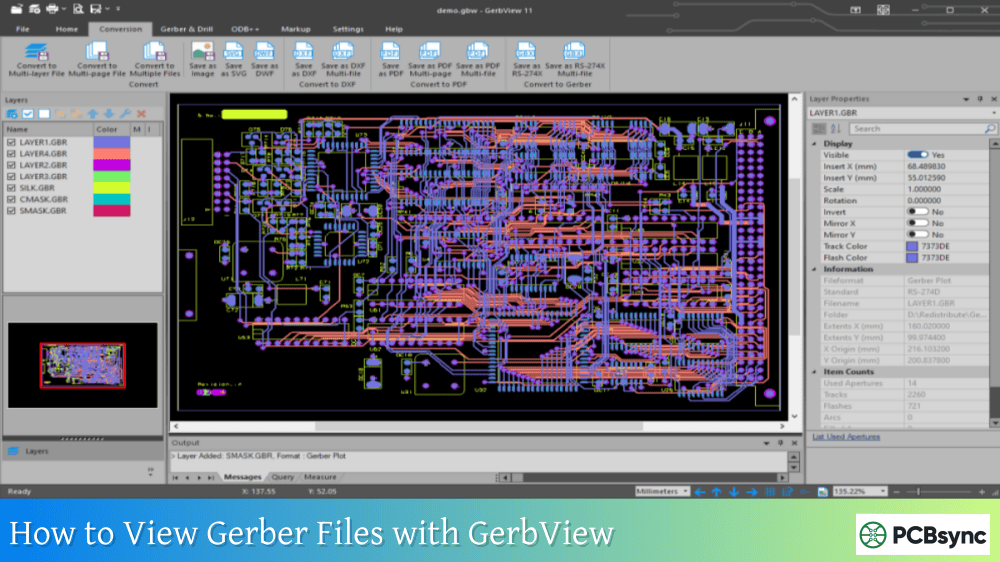
Load your generated Gerber files into a dedicated viewer to check for missing or misaligned layers, correct aperture definitions, proper board outline definition, expected copper features on each layer, and correct drill hit locations.
Step-by-Step Verification Process:
Start by loading all your Gerber files and your drill file into the viewer. Most viewers can overlay multiple files, allowing you to see how layers relate to each other.
First, check layer-to-layer registration by toggling between layers. Pads, vias, and fiducials should align perfectly across all layers. Any offset indicates a problem with your output origin settings.
Next, examine your drill-to-pad alignment. Load your drill file overlaid on a copper layer and verify that drill hits are centered on pads and via lands. Misaligned drills can break out of annular rings, causing opens or reliability issues.
Review your solder mask against your copper layers. Mask openings should properly clear all pads that need to be exposed for soldering while covering traces and vias that should be protected.
Finally, check your silkscreen against both solder mask and pad openings. Silkscreen that overlaps exposed copper can contaminate solder joints and should be adjusted in your design before regenerating outputs.
Common Verification Checks
Check
What to Look For
Layer Registration
All layers align to the same origin
Board Outline
Present and correctly defined
Copper Coverage
No unexpected voids or missing features
Drill Alignment
Drill hits center on pads and vias
Text Readability
Silkscreen text is legible and complete
Aperture Accuracy
Pads and traces match expected sizes
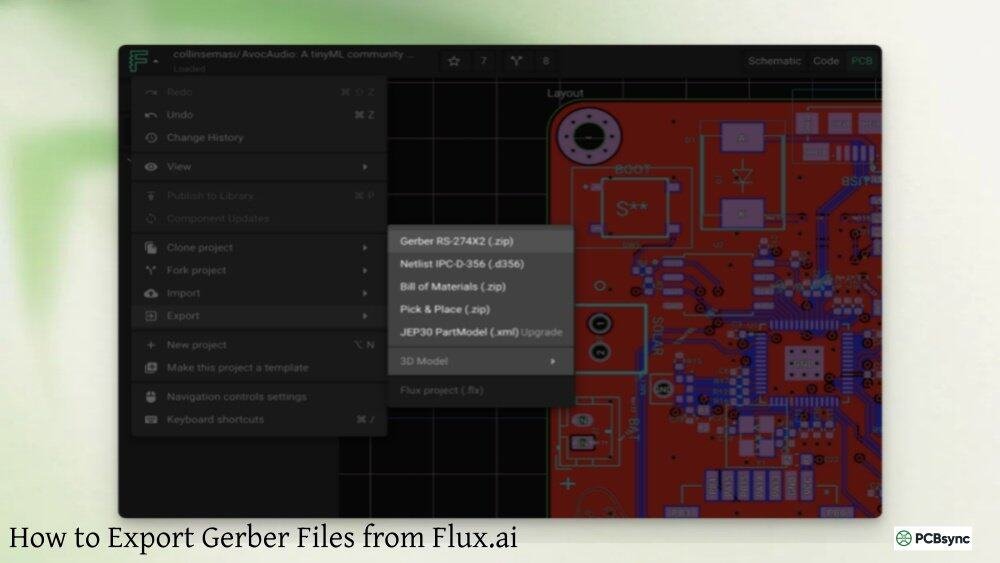
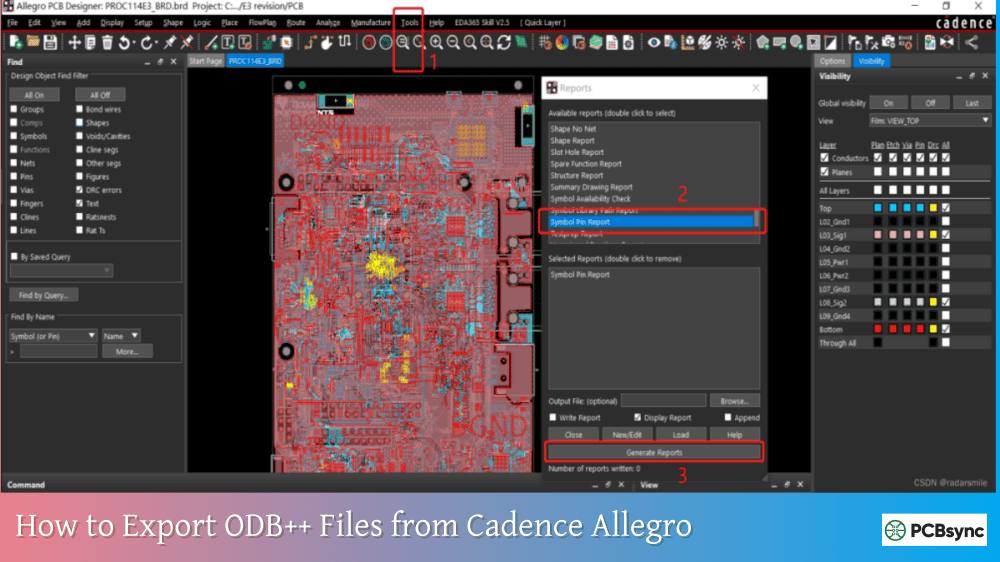
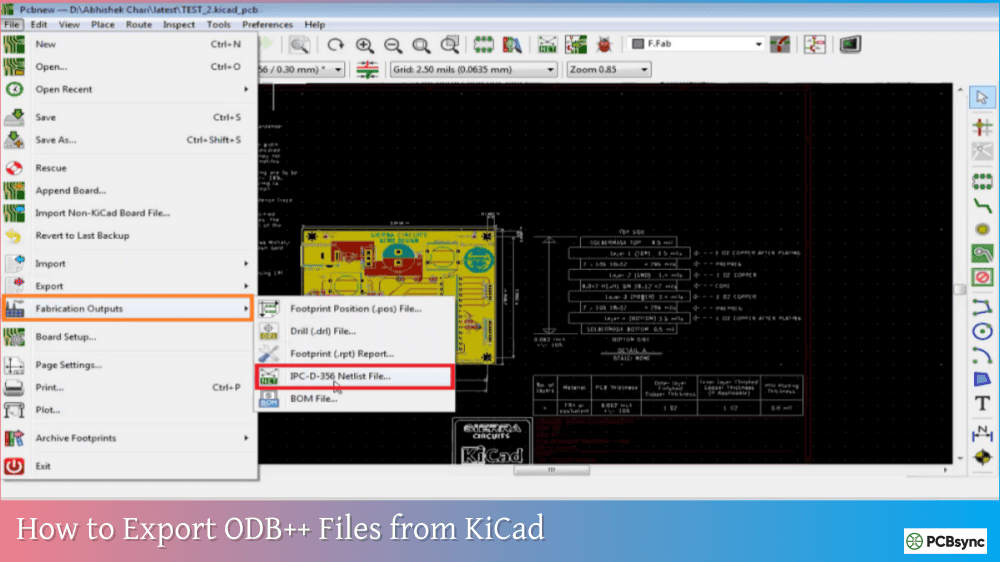
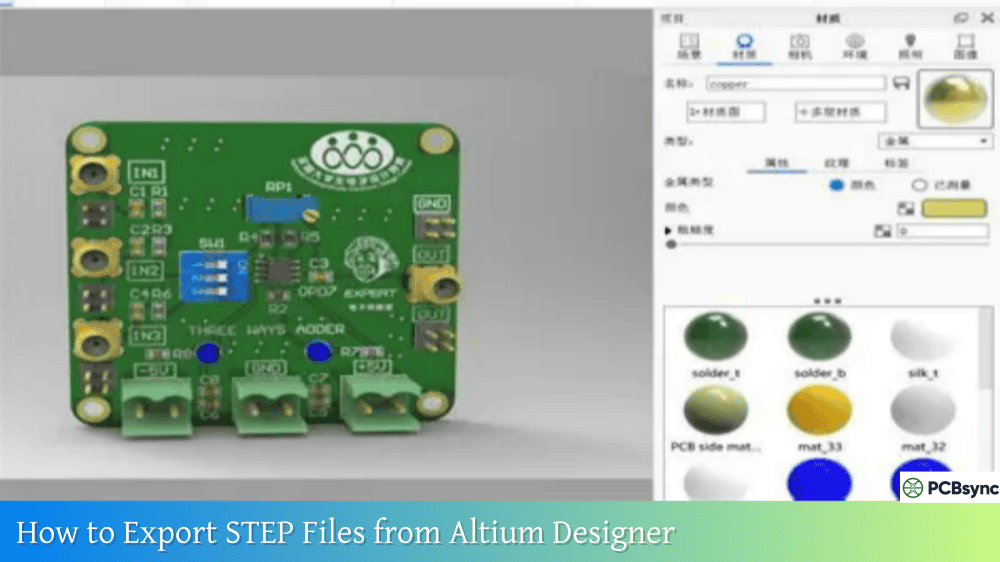
Read more How to convert PCB Files in different Design software:
Beyond basic Gerber generation, there are several advanced topics that experienced engineers should consider for production-ready outputs.
Panelization Considerations
For volume production, boards are typically manufactured on larger panels containing multiple copies of your design. While some fabricators handle panelization themselves, others may require you to provide panelized Gerber files.
Xpedition supports panel creation through its CAM documentation tools. When creating panelized outputs, include panel rails with tooling holes for automated handling, fiducial marks for pick-and-place machine alignment, V-score or tab-route lines for board separation, and test coupons for impedance verification if required.
Assembly Output Files
If you’re ordering PCB assembly services along with fabrication, you’ll need additional files beyond the basic Gerber package. These include centroid or pick-and-place files specifying component X-Y coordinates and rotation, assembly drawings showing component placement and polarity, a bill of materials (BOM) listing all components, and paste stencil files (included in your Gerber package as paste layers).
Xpedition can generate all these outputs from the same Output menu, ensuring consistency between your fabrication and assembly data.
Common Gerber Generation Problems and Solutions
Even experienced engineers encounter issues when generating Gerber files. Here are the most common problems I’ve seen and how to fix them.
Missing Board Outline
The board outline is essential for your fabricator to know where to route individual boards from the panel. If your outline is missing, ensure it’s defined on the correct layer in Xpedition and that this layer is included in your Gerber output selection.
Unregistered Layers
When layers don’t align properly, it usually indicates inconsistent origin settings. Verify all layers use the same absolute origin point in your output configuration.
Empty or Zero-Byte Files
If Xpedition generates empty files, check that the corresponding design layer actually contains data. This sometimes happens with unused inner layers or paste layers on boards with only through-hole components.
Vectorized Pads Instead of Flash Pads
Some configurations cause pads to output as collections of vectors rather than single flash apertures. This increases file size and can cause issues at the CAM stage. Check your aperture settings to ensure pads are being flashed.
Incorrect Drill File Format
Drill files must match the format expectations of your manufacturer’s equipment. The most common issues involve unit mismatches (inches vs. mm) and zero suppression settings. Always verify these match your Gerber file settings.
Best Practices for Production-Ready Gerber Output
Based on my experience and industry feedback, here are practices that consistently lead to smooth manufacturing handoffs.
Always include a fabrication drawing or README file that specifies layer stackup order, material requirements, copper weights, surface finish, solder mask color, and any special instructions.
Use consistent file naming conventions that clearly identify each layer’s purpose. Many fabricators have specific naming preferences, so check their documentation.
Package all files together in a single ZIP archive including all Gerber files, NC drill files, the fabrication drawing, and any assembly files if ordering PCBA services.
Run DFM (Design for Manufacturability) checks before generating outputs. Xpedition’s integration with Valor NPI makes this straightforward for users with those licenses. DFM analysis can identify issues like insufficient annular rings, trace spacing violations, acid traps, and slivers that might pass your design rules but cause manufacturing problems.
Leverage Xpedition’s Valor NPI Integration:
One of Xpedition’s significant advantages is its tight integration with Valor NPI for automated DFM analysis. If your organization has access to this capability, use it before every fabrication output. The analysis checks your design against actual manufacturing capabilities and flags potential issues before they become costly problems. Common checks include minimum feature sizes for your target technology class, silk-to-pad conflicts that can obscure component markings, copper balance analysis for even plating, and thermal relief patterns for hand soldering compatibility.
Communicate with your manufacturer about their preferred file formats and any special requirements before generating your final output package. Many fabricators have specific preferences that can streamline their CAM process and potentially reduce your turnaround time or cost.
Useful Resources for Xpedition Users
Here are resources that will help you master Gerber generation and get the most out of your Xpedition installation.
Official Siemens Resources
Resource
Description
URL
Siemens Xpedition Resources
White papers, webinars, technical docs
eda.sw.siemens.com/en-US/pcb/xpedition/resources/
Xcelerator Academy
On-demand training courses
training.plm.automation.siemens.com
Siemens Support Community
Forums and knowledge base
community.sw.siemens.com
Xpedition Layout Browser
Free viewer for sharing designs
resources.sw.siemens.com
Free Gerber Viewers
Tool
Platform
Features
Gerbv
Windows, Linux
Open-source, RS-274X support
GerberLogix
Windows
Free for non-commercial use
KiCad GerbView
Cross-platform
Included with KiCad suite
ZofzPCB
Windows
3D visualization
NextPCB HQDFM
Online
DFM analysis included
interCAD Reader
Windows
Gerber and ODB++ support
Industry Standards Documentation
For deep technical understanding, refer to the Ucamco Gerber Format Specification (the definitive RS-274X reference), the ODB++ Specification from the ODB++ Solutions Alliance, and IPC-2581 Standard for alternative intelligent formats.
Frequently Asked Questions
What file format should I use when generating Gerber files from Xpedition?
Use RS-274X (Extended Gerber) format in virtually all cases. It’s the industry standard and embeds aperture definitions within each file, eliminating the need for separate aperture tables. If your manufacturer supports Gerber X2, consider using it for additional metadata that can improve CAM processing.
Can I use ODB++ instead of Gerber files from Xpedition?
Yes, Xpedition fully supports ODB++ output, and many manufacturers actually prefer it because it packages all manufacturing data into a single comprehensive file structure. However, always confirm your fabricator accepts ODB++ before relying on it exclusively. Some smaller shops still require traditional Gerber files.
How do I know if my Gerber files are correct before sending them to the manufacturer?
Always verify your Gerber files using a dedicated Gerber viewer before submission. Check that all layers align correctly, the board outline is properly defined, copper features appear as expected, and drill hits are correctly positioned. Free viewers like Gerbv, GerberLogix, or the NextPCB online viewer work well for this verification step.
What causes layers to be misaligned in my Gerber output?
Layer misalignment typically results from inconsistent origin settings during output generation. Ensure all layers use the same absolute origin point in your Gerber configuration. Also verify your design doesn’t have layers at different datum alignments, which would require manual CAM adjustment.
Do I need to generate drill files separately from Gerber files in Xpedition?
Yes, drill information is not included in Gerber files. You must generate NC drill files (Excellon format) separately through Xpedition’s output options. Make sure your drill file settings (units, format, zero suppression) are consistent with your Gerber settings to ensure proper registration.
Conclusion
Generating proper Gerber files from Siemens Xpedition is a critical skill for any PCB engineer working with this powerful platform. By following the steps outlined in this guide, verifying your outputs before submission, and maintaining clear communication with your manufacturer, you’ll minimize the risk of costly errors and delays.
Remember that the key to successful fabrication output lies in attention to detail during configuration, thorough verification before submission, and consistent file packaging and documentation. Take the time to establish a solid output workflow, and you’ll find that manufacturing handoffs become routine rather than stressful.
Whether you’re generating traditional Gerber files or leveraging ODB++ for more comprehensive data transfer, Xpedition provides the tools you need for professional-quality manufacturing output. The investment in learning these processes pays dividends in reduced re-spins and faster time-to-market for your designs.
Inquire: Call 0086-755-23203480, or reach out via the form below/your sales contact to discuss our design, manufacturing, and assembly capabilities.
Quote: Email your PCB files to Sales@pcbsync.com (Preferred for large files) or submit online. We will contact you promptly. Please ensure your email is correct.
Notes: For PCB fabrication, we require PCB design file in Gerber RS-274X format (most preferred), *.PCB/DDB (Protel, inform your program version) format or *.BRD (Eagle) format. For PCB assembly, we require PCB design file in above mentioned format, drilling file and BOM. Click to download BOM template To avoid file missing, please include all files into one folder and compress it into .zip or .rar format.