Inquire: Call 0086-755-23203480, or reach out via the form below/your sales contact to discuss our design, manufacturing, and assembly capabilities.
Quote: Email your PCB files to Sales@pcbsync.com (Preferred for large files) or submit online. We will contact you promptly. Please ensure your email is correct.
Notes: For PCB fabrication, we require PCB design file in Gerber RS-274X format (most preferred), *.PCB/DDB (Protel, inform your program version) format or *.BRD (Eagle) format. For PCB assembly, we require PCB design file in above mentioned format, drilling file and BOM. Click to download BOM template To avoid file missing, please include all files into one folder and compress it into .zip or .rar format.
How to Export ODB++ Files from Zuken CR-8000: Complete Guide
Zuken CR-8000 provides comprehensive ODB++ export capabilities across multiple modules within its enterprise PCB design suite. Unlike some EDA tools that require third-party translators, CR-8000 includes native ODB++ output as part of its manufacturing preparation workflow through both Design Force and DFM Center.
Having worked with CR-8000 across various product development environments, the integrated approach to manufacturing output generation represents one of the platform’s key strengths. This guide walks through the complete process of exporting ODB++ files from CR-8000, covering both single board designs and panelized production data.
CR-8000 consists of four core modules, each serving a specific role in the design-through-manufacturing flow. Understanding this architecture helps clarify where ODB++ export fits into your workflow.
CR-8000 Module Overview
Module
Primary Function
ODB++ Capability
System Planner
System-level planning and partitioning
No direct output
Design Gateway
Schematic capture and verification
No direct output
Design Force
PCB layout and analysis
Direct ODB++ export
DFM Center
Manufacturing preparation and output
Full ODB++ export with panelization
Design Force and DFM Center are the two modules capable of generating ODB++ output. Design Force handles single-board exports directly from design data, while DFM Center provides full manufacturing preparation including panelization and extended output options.
DFM Elements is the lighter-weight option that shares the same database as Design Force, while DFM Center provides more comprehensive manufacturing preparation capabilities. Both support ODB++ output.
Exporting ODB++ from Design Force
Design Force allows direct ODB++ export from your PCB design data without requiring an intermediate manufacturing file. This streamlined workflow was introduced in CR-8000 2014, eliminating the previous requirement to first create manufacturing design data (.fpr file) before generating output.
Accessing the ODB++ Export
From within Design Force, access the manufacturing output functions through the File menu or Output ribbon tab. Navigate to the manufacturing output options where ODB++ is listed alongside other supported formats.
The export dialog presents configuration options for controlling the output format and content. Most settings can remain at defaults for standard designs, but verify layer mapping if your design uses non-standard layer naming.
Step-by-Step Export from Design Force
Open your completed PCB design in Design Force. Before exporting, ensure the design passes DRC and all layer configurations are finalized.
Access the output functions through the File menu structure. Select ODB++ from the available manufacturing output formats.
Configure the output directory and compression settings in the export dialog. Review layer mapping to ensure all design layers map correctly to ODB++ layer types.
Execute the export to generate the ODB++ package. Design Force creates the complete ODB++ directory structure containing all fabrication and assembly data.
Exporting ODB++ from DFM Center
DFM Center provides the most comprehensive ODB++ export capabilities in CR-8000, particularly for panelized production data. This module is designed specifically for manufacturing preparation and output generation.
DFM Center Capabilities
Function
Description
Panelization
Create manufacturing panels from single or multiple board designs
Manufacturing DRC
Apply fabricator-specific design rules
Post-processing
Add manufacturing features like copper flooding
CAM output
Generate ODB++, IPC-2581, Gerber, and drill files
Documentation
Create fabrication and assembly drawings
Panel Design and ODB++ Export
DFM Center excels at generating ODB++ output from panelized designs. Manufacturing panels can contain single or multiple board designs arranged for production efficiency.
Configure these parameters based on your manufacturer’s requirements. Most fabricators prefer TGZ-compressed ODB++ with full net and component data included.
Manufacturing Verification Before Export
Check
Purpose
Tool
Layer alignment
Verify registration
DFM Center preview
Panel clearances
Check rail and child spacing
Manufacturing DRC
Drill accuracy
Confirm hole data
Drill report
Net integrity
Validate connectivity
Design comparison
DFM Center’s integration with the Design Force database allows direct comparison between CAM output and source design data, ensuring nothing is lost during the export process.
ODB++ Output Structure from CR-8000
Understanding the ODB++ structure helps verify that exports contain all necessary data for manufacturing.
CR-8000’s ODB++ export integrates with various third-party analysis and simulation tools.
Supported Analysis Tool Imports
Tool
Vendor
Import Method
ADS Layout
Keysight
Direct ODB++ import
SIwave
ANSYS
EDB flow or ODB++
HyperLynx
Siemens
ODB++ import
Polar Speedstack
Polar Instruments
Layer stackup exchange
The Keysight ADS integration is particularly well-documented, with Zuken and Keysight collaborating on ensuring high-fidelity data transfer for signal integrity analysis.
Data Flow for SI/PI Analysis
Step
Action
Data Format
1
Complete PCB design
CR-8000 native
2
Export manufacturing data
ODB++
3
Import to analysis tool
ODB++ or native link
4
Run SI/PI simulation
Analysis tool native
Verifying ODB++ Output
Always verify ODB++ exports before sending to manufacturing.
Free ODB++ Viewers
Viewer
Source
Features
ODB++ Viewer
Siemens (odbplusplus.com)
Full layer viewing, measurements
ZofzPCB
zofzpcb.com
3D visualization
interCAD Reader
intercad.com
Gerber and ODB++ comparison
Altium PCB Viewer
altium.com
Browser-based viewing
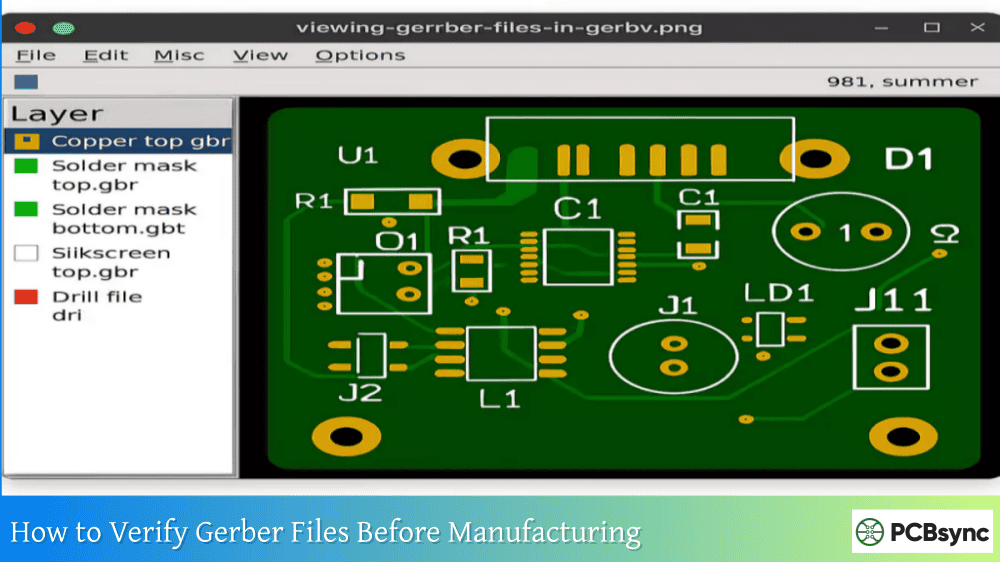
The official ODB++ Viewer from Siemens is free to download and provides comprehensive verification capabilities.
Download the ODB++ Viewer from odbplusplus.com/design/download/odb-viewer. Import your exported TGZ file and systematically verify each layer matches your design intent.
Troubleshooting Common Export Issues
Several issues can occur during CR-8000 ODB++ export.
Export Failures
Issue
Cause
Solution
Missing layers
Layer not included in output
Check layer selection in export dialog
Empty output
No data in selected scope
Verify design contains data
Permission error
Write access denied
Check output folder permissions
License error
ODB++ module not licensed
Verify license configuration
Data Integrity Issues
Issue
Cause
Solution
Missing nets
Net export disabled
Enable net data in export options
Wrong polarity
Incorrect layer type
Verify layer mapping settings
Missing components
Component export disabled
Include component data in export
Outline problems
Board edge definition
Check outline layer assignment
Comparison with Source Data
DFM Elements uses the same database as Design Force, allowing direct comparison between exported CAM data and source design. Use this capability to identify any discrepancies before releasing data to manufacturing.
Comparing ODB++ and IPC-2581 from CR-8000
CR-8000 supports both ODB++ and IPC-2581 output formats. Understanding the differences helps you choose the appropriate format.
Format Comparison
Aspect
ODB++
IPC-2581
Governance
Siemens (proprietary)
IPC consortium (open)
Industry adoption
Wide CAM support
Growing adoption
File structure
Directory-based
Single XML file
Panel support
Full
Full
Net data
Complete
Complete
Component data
Complete
Complete
When to Use Each Format
Scenario
Recommended Format
Manufacturer requests ODB++
ODB++
Manufacturer requests IPC-2581
IPC-2581
Wire harness integration
IPC-2581 (E3.series compatibility)
Unknown manufacturer preference
ODB++ (wider support)
Open standard requirement
IPC-2581
CR-8000 Design Force and DFM Elements can export IPC-2581 (revB) data from either single board designs or panel data.
Useful Resources
Zuken Documentation
Resource
Description
CR-8000 User Manual
Complete software documentation
DFM Center Guide
Manufacturing output procedures
Zuken Support Portal
Technical support and downloads
Zuken Tech Tips Blog
Practical usage guidance
ODB++ Resources
Resource
URL
ODB++ Viewer Download
odbplusplus.com/design/download/odb-viewer
ODB++ Specification
odbplusplus.com
Siemens ODB++ Portal
eda.sw.siemens.com/en-US/pcb/odb-plus-plus
Third-Party Tools
Tool
Purpose
Source
ZofzPCB
3D ODB++ viewing
zofzpcb.com
interCAD Reader
ODB++ and Gerber comparison
intercad.com
Altium PCB Viewer
Browser-based viewing
altium.com
Frequently Asked Questions
Can I export ODB++ directly from Design Force without DFM Center?
Yes, CR-8000 Design Force supports direct ODB++ export from design data since version 2014. Previously, users had to first create manufacturing design data (.fpr file) before generating ODB++ output, but this requirement was removed. Design Force can now export ODB++ directly, though DFM Center provides additional manufacturing preparation features like panelization and extended DRC checks that may be valuable for production releases.
What ODB++ version does CR-8000 export?
CR-8000 exports ODB++ compatible with the current industry standard versions supported by most CAM systems. The exact version depends on your CR-8000 release, but modern versions support the ODB++ v8.1 specification features. Check your CR-8000 release notes for specific version compatibility information. Most PCB manufacturers can process ODB++ from CR-8000 without issues, though you should verify compatibility with your specific fabricator if you have concerns.
Do I need a separate license for ODB++ export in CR-8000?
ODB++ export capability is included as part of the DFM Elements and DFM Center modules in CR-8000. If you have licensed these manufacturing preparation modules, ODB++ export is available. Contact Zuken or your reseller to verify your license includes the necessary modules if you are unsure about your configuration. Design Force also provides direct ODB++ export capabilities depending on your license configuration.
How do I export ODB++ for a panelized design?
Use DFM Center for panelized ODB++ export. First, create your manufacturing panel in DFM Center by importing single or multiple board designs and arranging them with appropriate spacing, fiducials, and panel features. Run manufacturing DRC to verify panel rules. Then export ODB++ from the completed panel data. The ODB++ output will contain step data for the panel with all child board information preserved, allowing your manufacturer to process the complete panel as designed.
Can manufacturers import CR-8000 ODB++ files into their CAM systems?
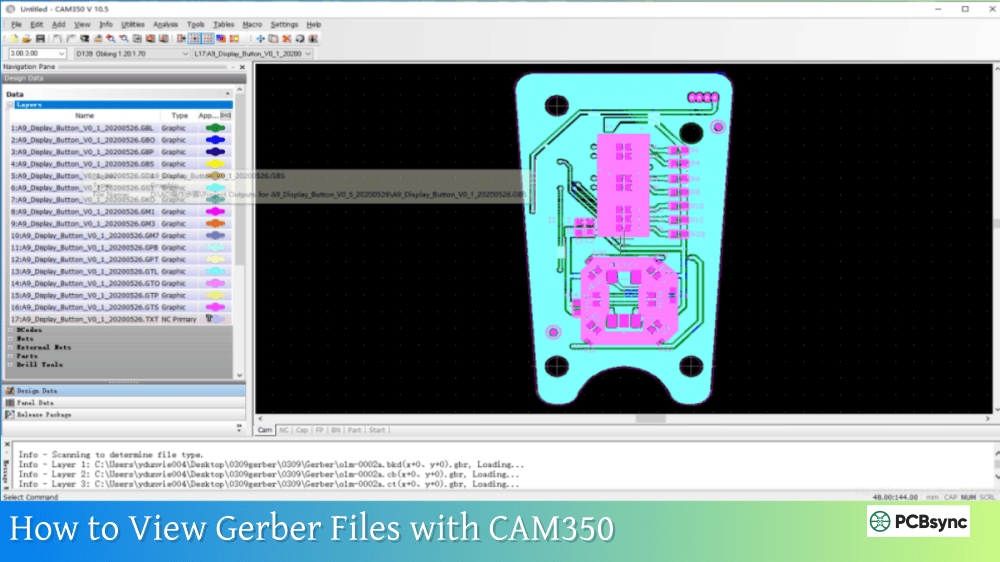
Yes, ODB++ is a widely-supported industry standard format that virtually all professional CAM systems can import. CR-8000’s ODB++ export follows the standard specification, ensuring compatibility with systems like Frontline Genesis, CAM350, Ucamco Integr8tor, and others. The format includes complete fabrication and assembly data in a single package, reducing the potential for data interpretation errors compared to traditional Gerber file sets. Always verify with your specific manufacturer that they accept ODB++ if you have not previously submitted in this format.
Best Practices for CR-8000 ODB++ Export
Following consistent practices ensures reliable manufacturing output.
Before Export
Complete all design modifications and freeze the design. Run comprehensive DRC including manufacturing rules if using ADM. Verify layer stackup configuration matches your fabrication specification. Confirm component attributes are complete for assembly data.
During Export
Select appropriate output format (ODB++ or IPC-2581) based on manufacturer requirements. Use TGZ compression for easy distribution. Include full net and component data unless specifically excluded. Verify layer mapping matches your design intent.
After Export
Verify output using ODB++ Viewer before releasing to manufacturing. Compare layer count and board dimensions against design. Check that critical nets appear correctly in the netlist data. Archive ODB++ output alongside your CR-8000 project files for traceability.
Zuken CR-8000’s integrated approach to ODB++ export provides a streamlined path from design to manufacturing, with the shared database between Design Force and DFM Elements ensuring data integrity throughout the process. The combination of direct export capability and comprehensive verification options makes CR-8000 well-suited for enterprise manufacturing workflows requiring reliable, intelligent manufacturing data packages.
Inquire: Call 0086-755-23203480, or reach out via the form below/your sales contact to discuss our design, manufacturing, and assembly capabilities.
Quote: Email your PCB files to Sales@pcbsync.com (Preferred for large files) or submit online. We will contact you promptly. Please ensure your email is correct.
Notes: For PCB fabrication, we require PCB design file in Gerber RS-274X format (most preferred), *.PCB/DDB (Protel, inform your program version) format or *.BRD (Eagle) format. For PCB assembly, we require PCB design file in above mentioned format, drilling file and BOM. Click to download BOM template To avoid file missing, please include all files into one folder and compress it into .zip or .rar format.