Inquire: Call 0086-755-23203480, or reach out via the form below/your sales contact to discuss our design, manufacturing, and assembly capabilities.
Quote: Email your PCB files to Sales@pcbsync.com (Preferred for large files) or submit online. We will contact you promptly. Please ensure your email is correct.
Notes: For PCB fabrication, we require PCB design file in Gerber RS-274X format (most preferred), *.PCB/DDB (Protel, inform your program version) format or *.BRD (Eagle) format. For PCB assembly, we require PCB design file in above mentioned format, drilling file and BOM. Click to download BOM template To avoid file missing, please include all files into one folder and compress it into .zip or .rar format.
How to Export ODB++ Files from Cadence Allegro: Complete Guide
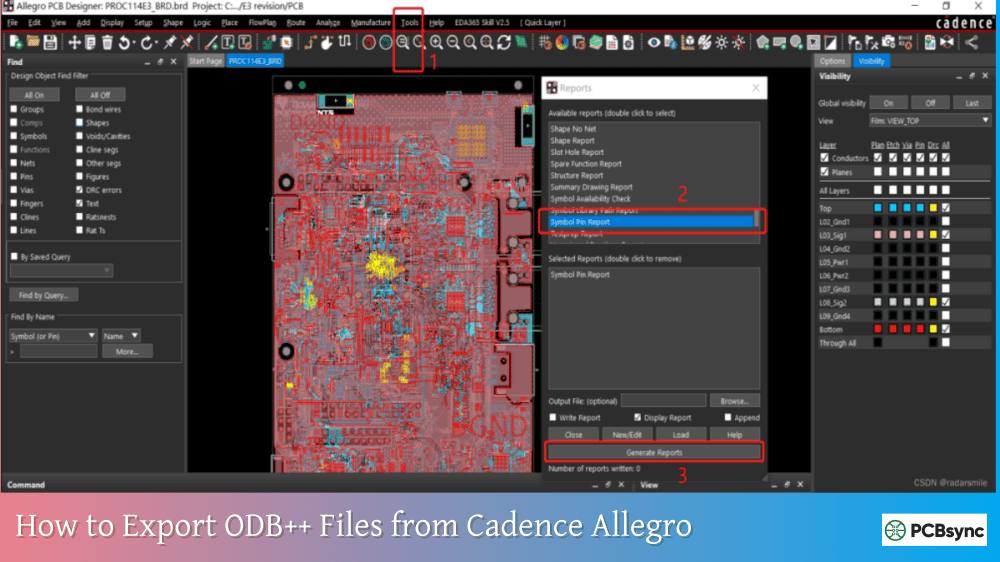
Exporting ODB++ files from Cadence Allegro requires the ODB++ Inside translator, a separate utility that integrates with Allegro to generate manufacturing-ready output. Unlike some PCB tools where ODB++ export is built directly into the software, Allegro uses this external translator approach, which gives you more control over the conversion process but adds an extra installation step that catches many engineers off guard.
After setting up ODB++ Inside across multiple Allegro installations and troubleshooting various export issues, I have found that understanding the translator architecture and configuration options prevents most problems before they occur. This guide covers everything from installation through advanced export options.
ODB++ Inside is a free translator developed by Siemens (formerly Mentor Graphics Valor division) that converts Cadence Allegro board files (.brd) to ODB++ format. The translator integrates directly into Allegro’s File menu, making exports straightforward once properly installed.
What ODB++ Inside Includes
Component
Function
BRD2ODB Translator
Converts Allegro .brd files to ODB++
ODB++ Viewer
Visual verification of exported data
Configuration Tools
Parameter customization
Command Line Interface
Batch processing support
The translator outputs ODB++ Version 7 or ODB++Design Version 8, both of which are compatible with modern CAM systems including Frontline Genesis and other manufacturing software.
Supported Allegro Versions
Allegro Version
Support Status
Version 11-16.x
Supported
Version 17.x
Supported
Version 23.10+
Native support available
Version 24.10+
Native support available
Recent Allegro versions (23.10 and later) include native ODB++ export capability, but the ODB++ Inside translator remains useful for older installations and provides additional configuration options.
Installing ODB++ Inside for Cadence Allegro
Before you can export ODB++ files, you must install the ODB++ Inside translator on your system.
Download Location
Download ODB++ Inside from the official ODB++ Design website:
Platform
Download Source
Windows 64-bit
odbplusplus.com/design/download
Linux
odbplusplus.com/design/download
The software is free but requires registration on the ODB++ Design website.
Installation Requirements
Requirement
Specification
Operating System
Windows 64-bit or Linux
Allegro Version
Version 11 or later
Admin Rights
Required for installation
Disk Space
Approximately 500MB
Important: Close all Cadence products before installing ODB++ Inside. Both applications use the Microsoft Visual C++ Redistributable package, and conflicts can occur if Allegro is running during installation.
Environment Variables
The installer creates these environment variables automatically:
Variable
Purpose
ALLEGRO_BRD2ODB
Points to ODB++ Inside installation directory
VALOR_DIR
System and configuration files location
VALOR_HOME
User work directory
VALOR_TMP
Temporary files location
On Windows, the installer typically sets ALLEGRO_BRD2ODB to a path like C:\valor\ODB++Inside. Verify this variable exists after installation by checking your system environment variables.
Step-by-Step ODB++ Export from Allegro
With ODB++ Inside properly installed, exporting from Allegro is straightforward.
Accessing the Export Function
Open your design in Cadence Allegro PCB Editor. Navigate to:
File → Export → ODB++ Inside
Or for newer versions:
File → Export → ODB++Design Inside
A dialog appears asking “Extract net impedance averages?” Select No unless you specifically need impedance data for signal integrity analysis.
Specifying File Options and Output Options
The main export dialog presents several configuration fields:
The output path should be a directory where you have write permissions. Avoid paths with spaces or non-ASCII characters, as these can cause export failures.
Selecting Export Options
Option
Output Contents
Use Case
Full
Complete fabrication and assembly data
Standard manufacturing submission
FAB
Fabrication data only
Board fabrication without assembly
ASSY
Assembly data only
Assembly house submission
Partial
User-selected layers and data
Custom requirements
For most manufacturing submissions, select Full to include all necessary data. The Partial option allows selective export of specific layers when you need to send only certain information.
Choosing Output Format
Format
Extension
Notes
Uncompressed
folder
Largest size, browsable structure
Tar gzip
.tgz
Preferred by most CAM software
Zip
.zip
Alternative compressed format
Select Tar gzip (.tgz) for best compatibility with CAM systems like Frontline Genesis. This format creates a single compressed file that manufacturers can import directly.
Running the Translation
Click Begin Translation or Next to start the export process. The translator:
The process typically completes in seconds to minutes depending on design complexity.
Understanding Export Parameters
ODB++ Inside provides numerous parameters for customizing the export. Access these through the “Show more options” checkbox in the export dialog.
Layer Configuration
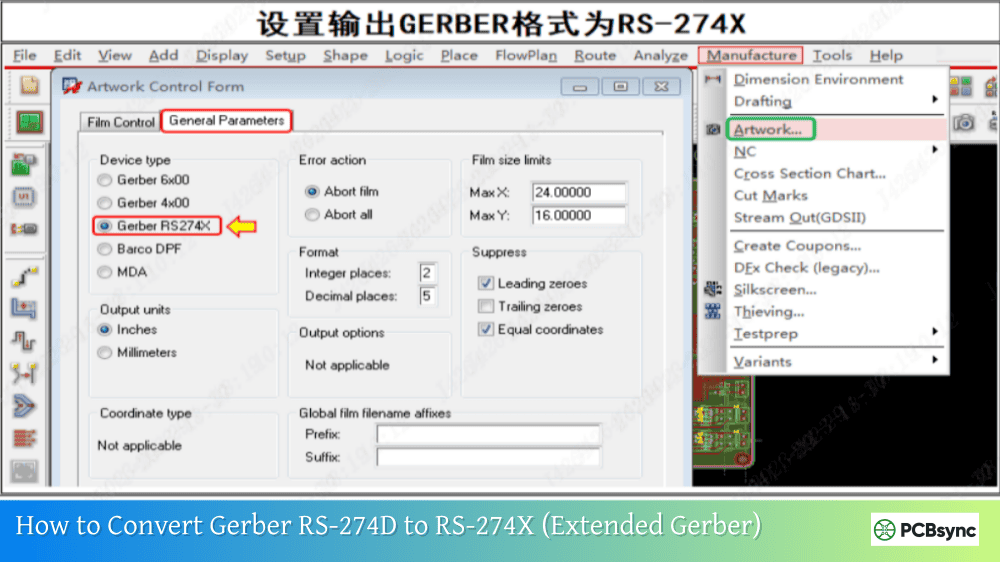
The translator reads layer information from Allegro’s Artwork Control Form. Before exporting, verify your artwork is properly configured:
Manufacture → Artwork (or Export → Gerber)
Ensure all layers needed for manufacturing appear in the artwork definition. The ODB++ translator uses this information to determine layer stackup and types.
Do I need to install ODB++ Inside separately from Allegro?
Yes, for most Allegro versions prior to 23.10, you must download and install ODB++ Inside as a separate application. The translator is free but requires registration on the ODB++ Design website. Newer Allegro versions (23.10 and later) include native ODB++ export capability, but many users still prefer ODB++ Inside for its additional configuration options and integrated viewer. Always close Allegro before installing to avoid conflicts with shared Visual C++ components.
What is the difference between ODB++ Version 7 and ODB++Design Version 8?
ODB++ Version 7 is the traditional format supported by most CAM systems worldwide. ODB++Design Version 8 is an enhanced version with additional capabilities for modern manufacturing workflows. Both formats are compatible with Frontline Genesis and other major CAM tools. The translator no longer supports the older Version 6 format to ensure manufacturers receive current, fully-featured data. For most manufacturing submissions, either version works correctly.
Why does my export fail with path-related errors?
ODB++ Inside has strict requirements for file paths. The output path must not contain spaces, non-ASCII characters, or exceed 64 characters for entity names. Additionally, you must have write permissions for the output directory. If you encounter “Unable to open output file” errors, try exporting to a simple path like C:\odboutput and ensure you have administrator rights on the system.
Can I export only specific layers instead of the complete design?
Yes, select the Partial export option in the Export Options field. This opens additional dialogs where you can select specific layers to include in the output. You can also use the FAB option to export only fabrication data (no assembly information) or ASSY to export only assembly data. For most manufacturing submissions, use the Full option to include everything needed for both fabrication and assembly.
How do I verify the ODB++ output before sending to manufacturing?
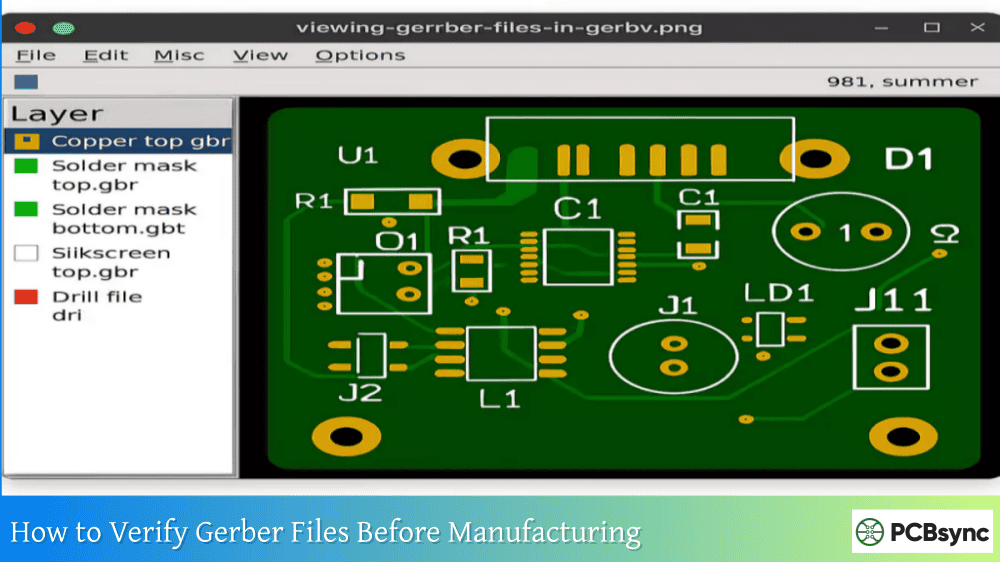
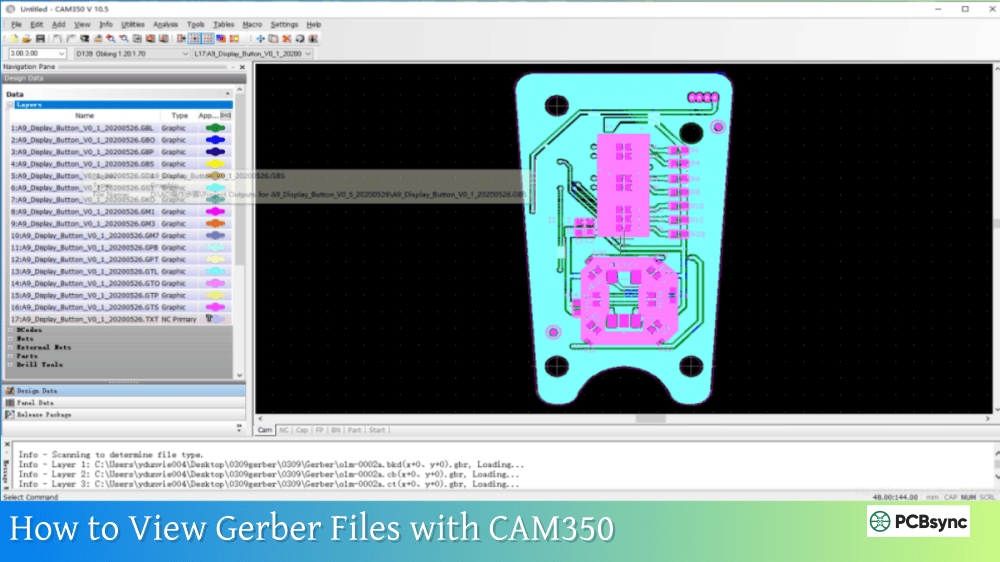
ODB++ Inside includes an integrated ODB++ Viewer that opens automatically after successful export. Use this viewer to inspect layer data, verify component placement, check the board outline, and validate net connectivity. Compare the layer count, component count, and board dimensions against your original design. If you need additional verification, you can import the ODB++ file into CAM software like CAM350 or Frontline InCAM for more detailed DFM analysis.
Editing the Matrix File
The matrix file controls how layers are mapped and ordered in the ODB++ output. In some cases, you may need to edit this file before translation to correct layer assignments.
The translator reads layer information from the films_<product_model>.out file generated during extraction. If layers appear mixed or incorrectly typed, edit the matrix before completing the translation.
Accessing the Matrix Editor
Click Edit Matrix in the ODB++ Inside dialog to modify layer assignments. The editor displays all extracted layers and allows you to change their properties. Save changes before proceeding with translation.
ODB++ Export for Specific Manufacturers
Different manufacturers may have specific ODB++ requirements.
MacroFab accepts ODB++ directly and uses the embedded component data for assembly. However, Manufacturer Part Numbers (MPNs) must be supplied in a separate spreadsheet since ODB++ does not include this purchasing information.
General Manufacturer Guidelines
Aspect
Recommendation
Archive format
TGZ preferred over ZIP
Naming convention
Use project name and revision
Layer verification
Review in viewer before sending
Documentation
Include fabrication notes
Always confirm specific requirements with your manufacturer before submitting ODB++ files, as some may have particular preferences for export options or additional documentation needs.
Best Practices for ODB++ Export
Following consistent practices ensures reliable exports every time.
Before Export
Configure your Artwork Control Form with all manufacturing layers properly defined. Run DRC to verify design integrity. Ensure no orphaned net properties exist from previous design iterations.
During Export
Use descriptive product model names that identify the project and revision. Select Tar gzip format for best CAM compatibility. Review additional parameters only when manufacturer requirements dictate changes from defaults.
After Export
Verify output in ODB++ Viewer before delivery. Confirm layer count and board dimensions match your design. Archive the ODB++ output alongside your Allegro source files for future reference.
Exporting ODB++ files from Cadence Allegro becomes straightforward once you have ODB++ Inside properly installed and understand the export options. The integrated viewer provides immediate verification, and the compressed output format works directly with virtually all modern CAM systems.
Inquire: Call 0086-755-23203480, or reach out via the form below/your sales contact to discuss our design, manufacturing, and assembly capabilities.
Quote: Email your PCB files to Sales@pcbsync.com (Preferred for large files) or submit online. We will contact you promptly. Please ensure your email is correct.
Notes: For PCB fabrication, we require PCB design file in Gerber RS-274X format (most preferred), *.PCB/DDB (Protel, inform your program version) format or *.BRD (Eagle) format. For PCB assembly, we require PCB design file in above mentioned format, drilling file and BOM. Click to download BOM template To avoid file missing, please include all files into one folder and compress it into .zip or .rar format.