Inquire: Call 0086-755-23203480, or reach out via the form below/your sales contact to discuss our design, manufacturing, and assembly capabilities.
Quote: Email your PCB files to Sales@pcbsync.com (Preferred for large files) or submit online. We will contact you promptly. Please ensure your email is correct.
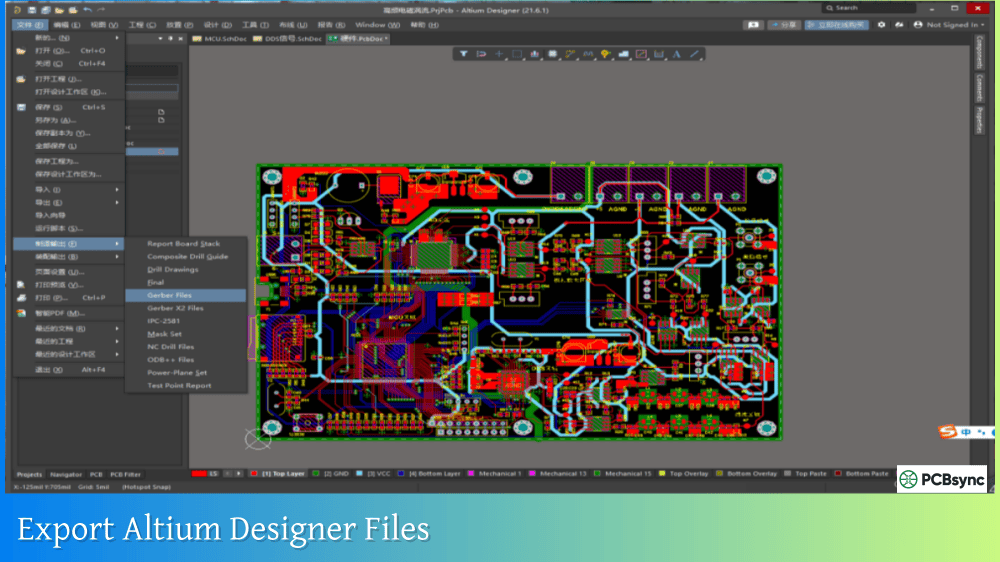
Notes: For PCB fabrication, we require PCB design file in Gerber RS-274X format (most preferred), *.PCB/DDB (Protel, inform your program version) format or *.BRD (Eagle) format. For PCB assembly, we require PCB design file in above mentioned format, drilling file and BOM. Click to download BOM template To avoid file missing, please include all files into one folder and compress it into .zip or .rar format.
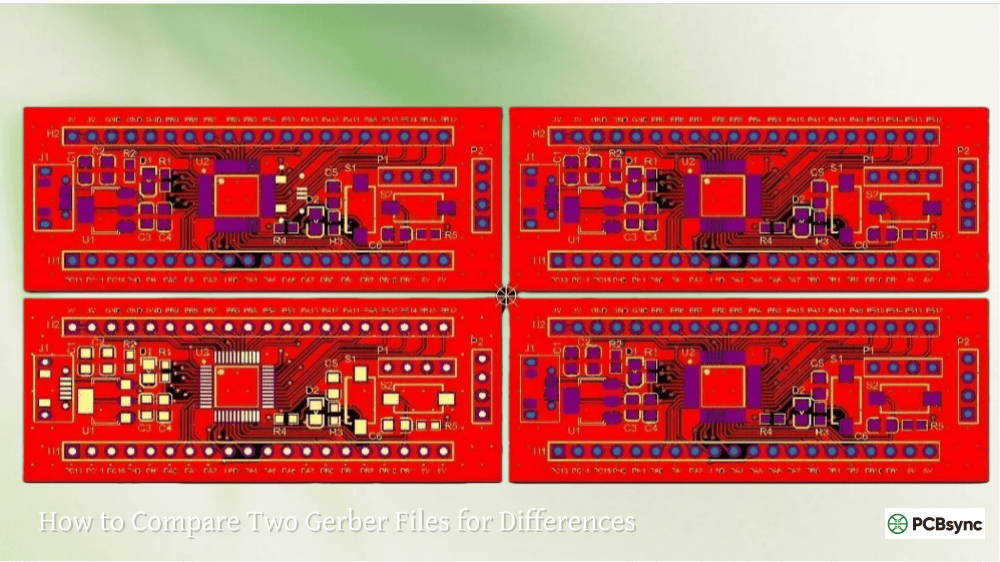
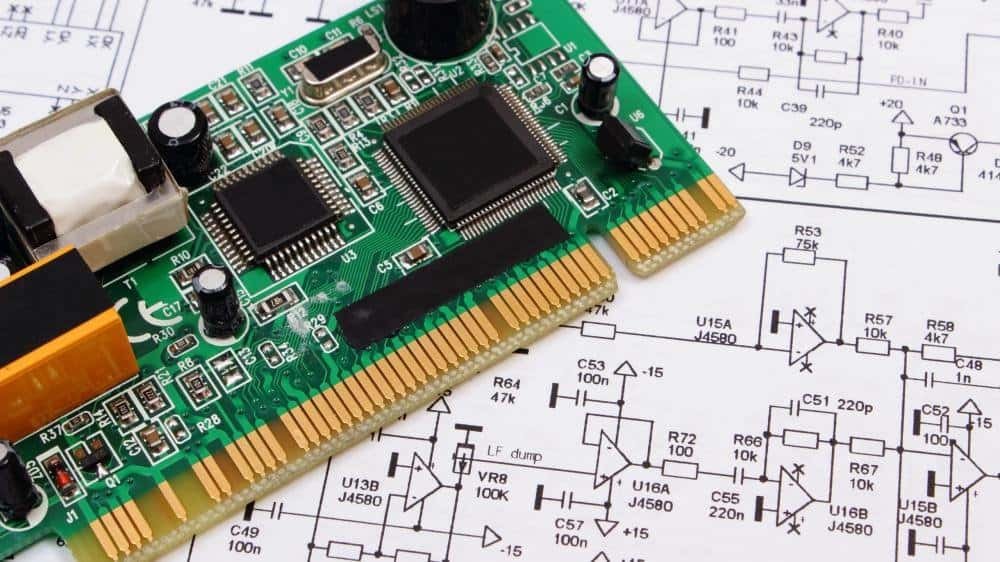
Every PCB engineer eventually faces this scenario: you need to share your board design with someone who doesn’t have CAM software. Maybe it’s a project manager reviewing the layout, a customer who wants to see what they’re paying for, or a colleague in mechanical engineering who needs to check clearances. Gerber files are great for manufacturing, but they’re not exactly universal. That’s where PDF comes in. This guide covers everything you need to know about how to convert Gerber to PDF, including the best tools, step-by-step methods, and tips for getting professional results.
Before diving into the how, let’s address the why. Gerber files are the standard format for PCB fabrication data, containing precise information about copper layers, solder masks, silkscreen, and drill holes. But they require specialized CAM software to view, which not everyone has access to.
PDF (Portable Document Format) solves this problem elegantly. Anyone with a computer, tablet, or smartphone can open a PDF. The format preserves vector graphics quality, prints at any scale, and works across all operating systems.
Converting your Gerber files to PDF format offers several practical advantages:
Benefit
Description
Universal accessibility
Opens on any device without special software
Vector quality preserved
Scales to any size without pixelation
Multi-layer support
Combine layers into single document
Annotation capability
Add notes, dimensions, and callouts
Print accuracy
Maintains 1:1 scale for physical prints
Easy sharing
Email or upload to any file sharing service
Archival format
Long-term storage without software dependencies
Understanding Gerber and PDF Formats
To convert Gerber to PDF effectively, it helps to understand what makes these formats similar and different.
Gerber Format Basics
Gerber files use vector commands to describe PCB features. The format is essentially a series of instructions telling a photoplotter where to draw lines, flash pads, and fill areas. Modern RS-274X (Extended Gerber) files include embedded aperture definitions, making them self-contained.
Gerber Characteristic
Description
File type
ASCII text with vector commands
Coordinates
X-Y positions in inches or mm
Apertures
Shape definitions (round, rectangle, etc.)
D-codes
Commands for draw, move, flash
Layer representation
One file per layer typically
Common extensions
.gbr, .ger, .gtl, .gbl, .gto, .gbo
PDF Format Basics
PDF also uses vector graphics, which is why Gerber-to-PDF conversion works so well. The coordinate systems and drawing commands are conceptually similar. Both formats describe where to draw lines and shapes, just with different syntax.
PDF Characteristic
Description
File type
Binary with embedded vector/raster data
Coordinates
Points relative to page origin
Graphics
Lines, curves, fills, text
Layers
Supports multiple layers in single file
Scalability
Infinite zoom without quality loss
Compression
Reduces file size while preserving quality
Methods to Convert Gerber to PDF
There are several approaches to converting Gerber files to PDF, ranging from free command-line tools to professional CAM software. The best method depends on your needs: single conversions, batch processing, or integration with existing workflows.
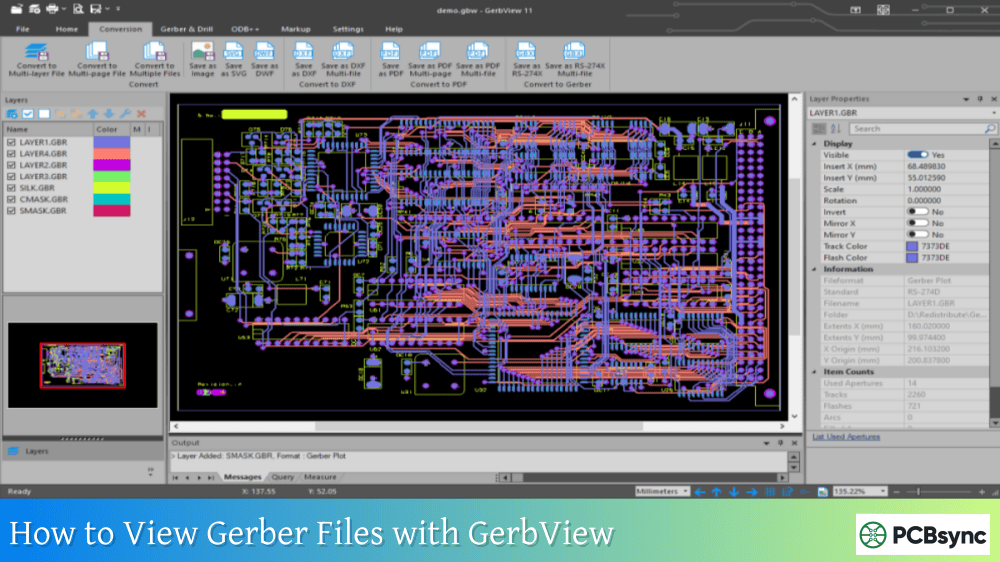
Method 1: Using GerbView (Commercial)
GerbView by Software Companions is one of the most popular tools for Gerber-to-PDF conversion. It supports both RS-274D and RS-274X formats and offers extensive conversion options.
Step-by-Step Process:
Download and install GerbView (30-day free trial available)
Launch GerbView and go to File → Import → Gerber
Select the Gerber files you want to convert
All layers load into the workspace with individual visibility controls
Go to File → Export → PDF
Configure output settings:
Single multi-layered PDF (layers as PDF layers)
Multi-page PDF (one layer per page)
Individual PDF files (one per layer)
Set page size, scale, and color options
Click Export to generate the PDF
GerbView Feature
Description
Multi-layer PDF
Preserves layer structure in PDF
Custom colors
Assign colors to each layer
Transparency
Control layer opacity
Scale options
1:1, fit to page, or custom
Bookmarks
PDF bookmarks for each layer
Batch processing
Convert multiple jobs at once
Method 2: Using Gerber2PDF (Free/Open Source)
Gerber2PDF is a free command-line tool that converts Gerber files to PDF while preserving vector quality. It’s perfect for automation and scripting.
Installation:
Download from SourceForge or GitHub. The tool runs on Windows, Linux, and macOS.
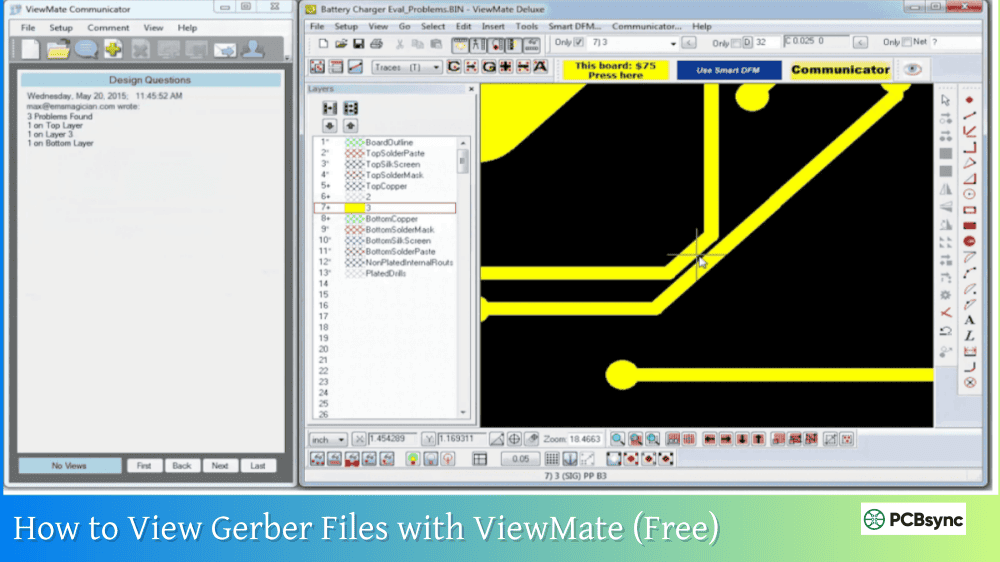
ViewMate by PentaLogix is a free Gerber viewer that has been an industry standard for over 35 years. While it doesn’t directly export PDF, you can print to PDF using any PDF printer driver.
Step-by-Step Process:
Download ViewMate from pentalogix.com (free registration required)
Install and launch the application
Go to File → Import → Gerber
Select your Gerber files
Arrange layer visibility and colors as desired
Go to File → Print
Select a PDF printer (Microsoft Print to PDF, Adobe PDF, etc.)
HQDFM (High Quality DFM) is a free tool from NextPCB that includes Gerber viewing and PDF export functionality, along with design rule checking.
Step-by-Step Process:
Download HQDFM from NextPCB website
Install and launch the application
Import your Gerber files
Click File in the upper left corner
Select Export PDF
Configure page settings and layer selection
Save the PDF file
This tool is particularly useful because it combines PDF export with DFM analysis, letting you catch manufacturing issues while preparing documentation.
Method 5: Using CAM350 (Professional)
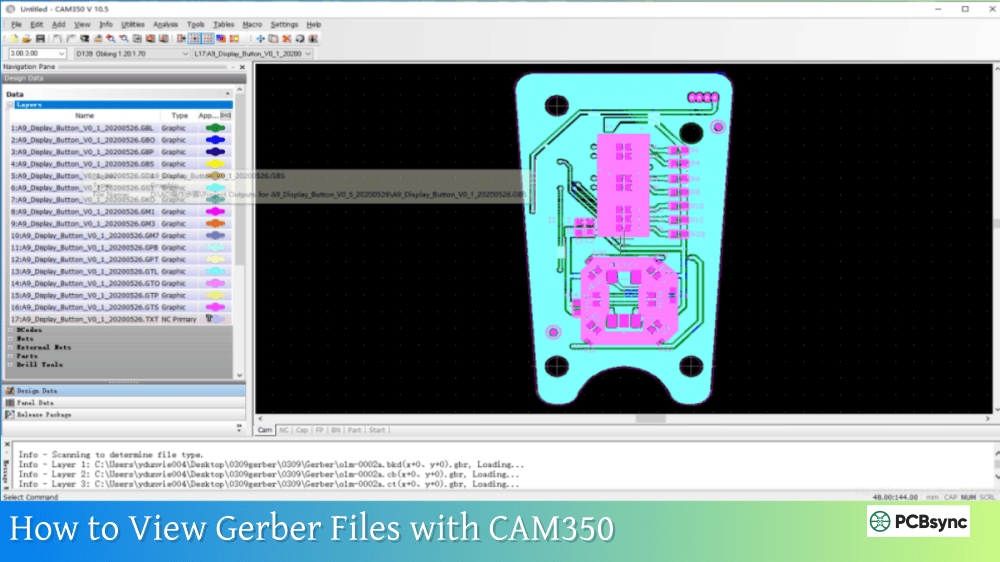
CAM350 by DownStream Technologies is professional CAM software used in PCB manufacturing. If you have access to it, PDF export is straightforward.
Step-by-Step Process:
Import Gerber files into CAM350
Go to File → Print or File → Export → PDF
Select PDF as the output format
Choose layers to include
Configure page size and scale
Save the PDF
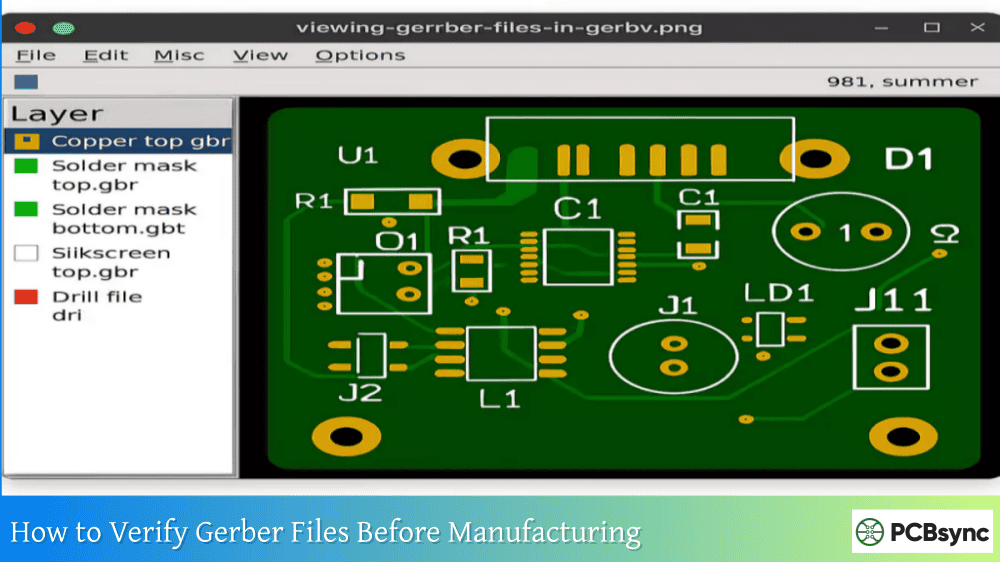
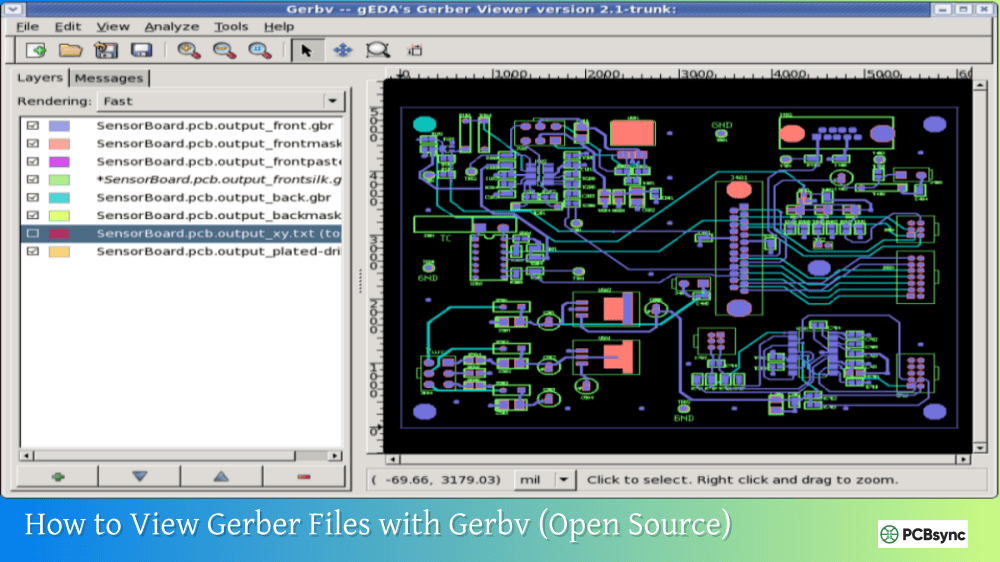
Method 6: Using Gerbv (Free/Open Source)
Gerbv is an open-source Gerber viewer available for Windows, Linux, and macOS. It supports PDF export through its File menu.
Step-by-Step Process:
Download Gerbv from gerbv.github.io
Open your Gerber files (File → Open Layer(s))
Adjust layer colors and visibility
Go to File → Export → PDF
Configure export settings
Save the PDF
Gerbv Feature
Description
Platform
Windows, Linux, macOS
License
Free and open source (GPL)
Gerber support
RS-274X only
Drill support
Excellon format
Export formats
PDF, PNG, SVG, PS
Method 7: Online Conversion Tools
Several online services offer Gerber-to-PDF conversion without installing software. These are convenient for quick one-off conversions but may not be suitable for confidential designs.
Online Service
Features
PCBWay Online Viewer
Free viewer with print capability
JLCPCB Gerber Viewer
Free online preview
GerbLook
Free online rendering
pdfFiller
Direct Gerber-to-PDF conversion
Caution: When using online converters, consider that your design data is uploaded to third-party servers. For sensitive or proprietary designs, use offline tools instead.
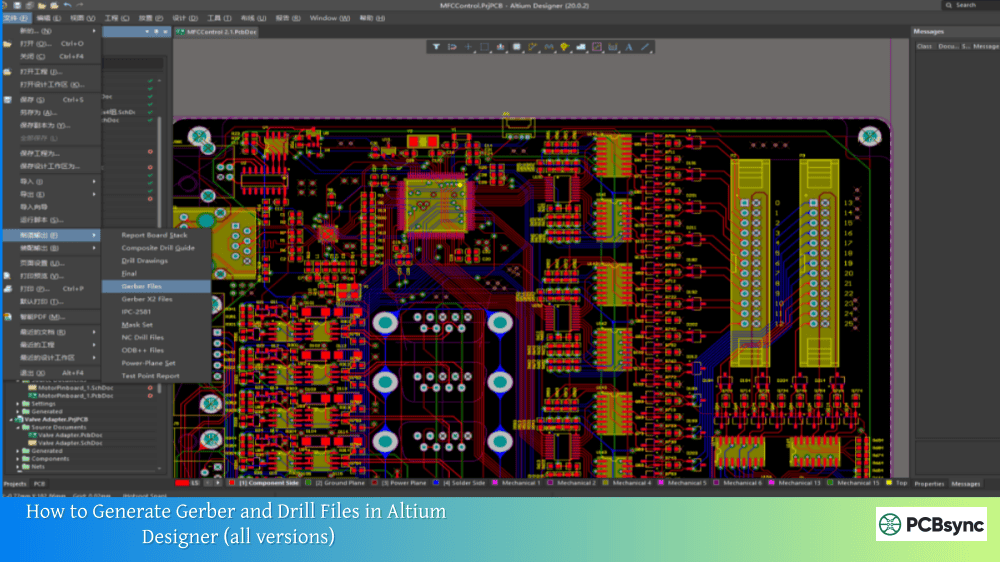
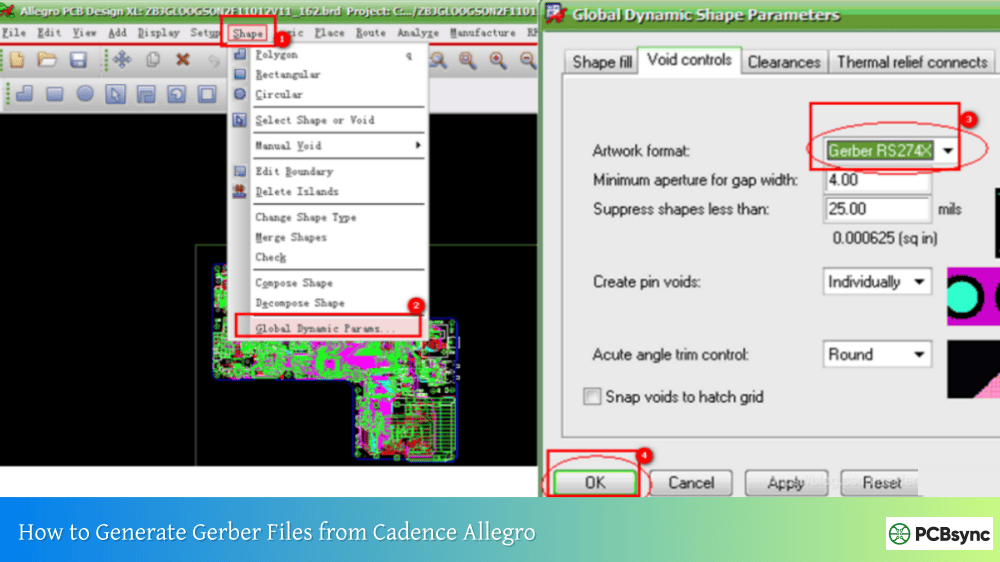
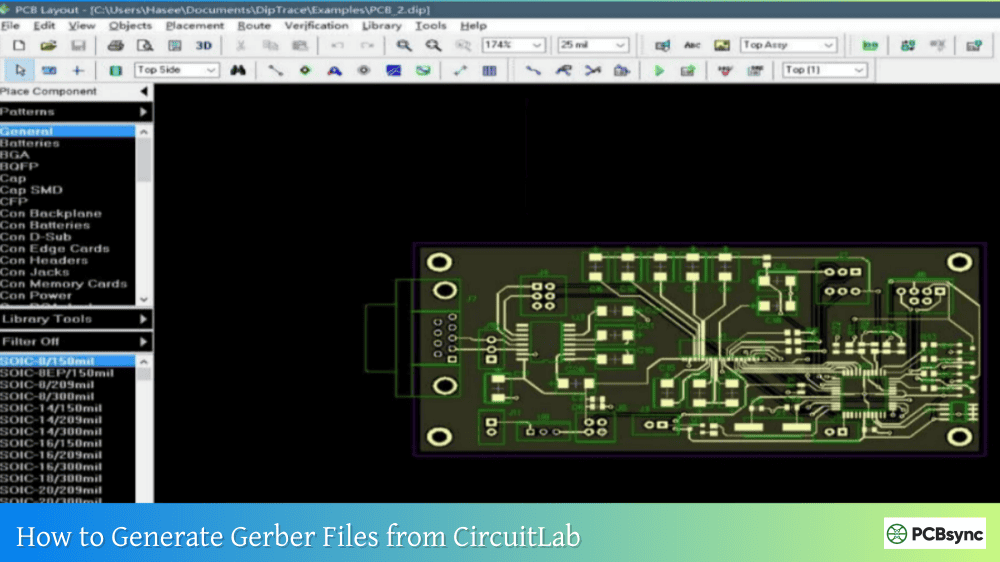
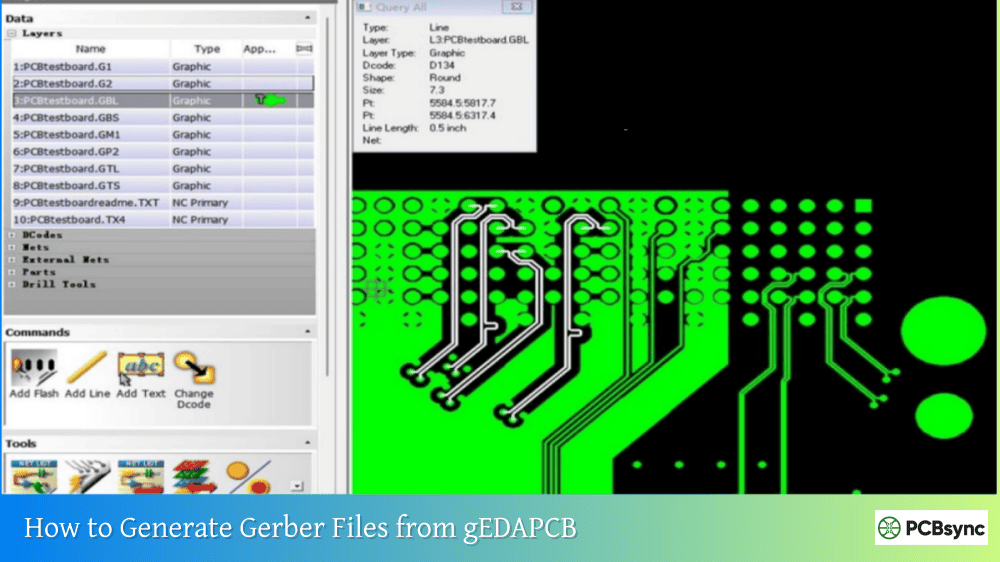
Read more How to convert PCB Files in different Design software:
Most PCB projects include multiple Gerber files representing different layers. When converting to PDF, you have several options for organizing these layers.
Multi-Layer PDF (Recommended for Design Review)
A multi-layer PDF places all Gerber layers into a single PDF file where each PCB layer becomes a PDF layer. Viewers can toggle layer visibility, making this ideal for design reviews.
Benefits:
Single file contains entire design
Toggle layers on/off in PDF viewer
See layer interactions
Reduce file count
How to Create in GerbView:
Load all Gerber layers
Export to PDF
Select “Create layered PDF” option
Each Gerber layer becomes a named PDF layer
Multi-Page PDF (Good for Documentation)
A multi-page PDF places each Gerber layer on its own page within a single PDF file. This works well for documentation packages and printing individual layers.
Benefits:
Easy navigation with page thumbnails
Print individual pages/layers
Clear separation between layers
Works in all PDF viewers
How to Create: Most conversion tools offer a “one layer per page” option. In Gerber2PDF, omit the -combine flag.
Individual PDF Files (For Maximum Flexibility)
Creating separate PDF files for each layer provides maximum flexibility but results in more files to manage.
When to Use:
Sending specific layers to different recipients
Including in automated documentation systems
Creating layer-specific inspection documents
Best Practices for Gerber to PDF Conversion
After years of converting Gerber files to PDF for various purposes, I’ve developed some practices that consistently produce good results.
Choose the Right Scale
Purpose
Recommended Scale
Screen review
Fit to page
1:1 printing
100% (actual size)
Documentation
Fit with margins
Large boards
Multiple pages (poster mode)
Use Appropriate Colors
Different colors help distinguish layers when viewing combined layouts.
Don’t forget to include drill files when creating PDF documentation. Drill holes are critical for verifying via placement and component mounting holes.
Add Annotations When Needed
Many PDF creation tools allow adding text annotations, dimensions, and callouts. Use these for:
Revision notes
Special manufacturing instructions
Dimension callouts for mechanical interfaces
Reference designator highlights
Troubleshooting Common Conversion Issues
Problem: Layers Appear at Wrong Scale
Cause: Coordinate unit mismatch between Gerber and conversion software
Solution: Check that the conversion tool is set to the correct units (inches or millimeters). Most modern Gerber files specify units in the header, but older files may need manual configuration.
Problem: Missing or Incorrect Apertures
Cause: RS-274D files without embedded apertures or corrupted aperture data
Solution: Ensure you’re using RS-274X files. If working with RS-274D, load the aperture table before conversion.
Problem: PDF Shows Only Outlines (No Fills)
Cause: Some converters handle polygon fills differently
Solution: Try the -strokes2fills option in Gerber2PDF, or check fill settings in your conversion software.
Problem: File Size Too Large
Cause: High-resolution rasterization or unoptimized output
Solution:
Use vector output instead of raster
Reduce DPI for raster elements
Enable PDF compression
Simplify complex polygons if possible
Problem: Colors Don’t Match Expectations
Cause: RGB vs CMYK color space issues or transparency settings
Solution: Configure color space in export settings. Use CMYK for print-intended documents and RGB for screen viewing.
Resources and Download Links
Free Software
Tool
Download Link
Platform
Gerber2PDF
sourceforge.net/projects/gerber2pdf
Windows, Linux, macOS
Gerbv
gerbv.github.io
Windows, Linux, macOS
ViewMate
pentalogix.com
Windows
HQDFM
nextpcb.com
Windows
KiCad GerbView
kicad.org
Windows, Linux, macOS
Commercial Software (Free Trials Available)
Tool
Website
Trial Period
GerbView
gerbview.com
30 days
ViewMate Pro
pentalogix.com
Demo available
CAM350
downstreamtech.com
Contact vendor
Online Viewers
Service
URL
Ucamco Reference Viewer
ucamco.com
PCBWay Viewer
pcbway.com
JLCPCB Viewer
jlcpcb.com
GerbLook
gerblook.org
Frequently Asked Questions
Can I convert PDF back to Gerber?
Yes, but with limitations. Tools like GerbView can convert PDF to Gerber, but only if the PDF contains vector graphics (not scanned images). The conversion may not perfectly recreate the original Gerber data, especially for complex designs. It’s always better to keep your original Gerber files.
Does converting Gerber to PDF lose any data?
For visualization purposes, no. The PDF will accurately represent what the Gerber file describes. However, PDF is an image format, not a manufacturing format. You cannot use a PDF to manufacture a PCB, and manufacturing-specific metadata (like aperture definitions and D-codes) isn’t preserved in a usable form.
What’s the best free tool to convert Gerber to PDF?
For most users, Gerber2PDF offers the best combination of quality, features, and ease of use. It preserves vector graphics, supports multi-layer and multi-page output, and runs on all major operating systems. ViewMate is excellent if you prefer a graphical interface and can use print-to-PDF.
Can I print the PDF at actual size for toner transfer?
Yes, this is a common use case for hobbyists. Set the print scale to 100% (actual size) and disable any “fit to page” options in both the conversion software and your PDF viewer’s print dialog. Always verify dimensions with a ruler before committing to the etching process.
How do I include drill holes in my Gerber to PDF conversion?
Drill files (Excellon format) must be converted separately or loaded alongside Gerber files. Most conversion tools support both formats. In GerbView and ViewMate, import drill files using the separate Drill import function, then include them in your PDF export. In Gerber2PDF, you may need to convert drill files to Gerber format first using the Drill2Gerber companion tool.
Conclusion
Converting Gerber to PDF bridges the gap between specialized manufacturing data and universal document sharing. Whether you’re preparing design reviews, creating documentation, or printing layers for DIY fabrication, the tools and techniques in this guide will help you get professional results.
For occasional conversions, free tools like Gerber2PDF, Gerbv, or ViewMate work excellently. For regular use or batch processing, consider GerbView or integrate Gerber2PDF into automated workflows using scripts.
The key is choosing the right output format for your purpose: multi-layer PDFs for interactive review, multi-page PDFs for documentation, and properly scaled single-page PDFs for printing. With the right approach, your PDF output will accurately represent your PCB design and serve its intended purpose effectively.
Inquire: Call 0086-755-23203480, or reach out via the form below/your sales contact to discuss our design, manufacturing, and assembly capabilities.
Quote: Email your PCB files to Sales@pcbsync.com (Preferred for large files) or submit online. We will contact you promptly. Please ensure your email is correct.
Notes: For PCB fabrication, we require PCB design file in Gerber RS-274X format (most preferred), *.PCB/DDB (Protel, inform your program version) format or *.BRD (Eagle) format. For PCB assembly, we require PCB design file in above mentioned format, drilling file and BOM. Click to download BOM template To avoid file missing, please include all files into one folder and compress it into .zip or .rar format.