Inquire: Call 0086-755-23203480, or reach out via the form below/your sales contact to discuss our design, manufacturing, and assembly capabilities.
Quote: Email your PCB files to Sales@pcbsync.com (Preferred for large files) or submit online. We will contact you promptly. Please ensure your email is correct.
Notes: For PCB fabrication, we require PCB design file in Gerber RS-274X format (most preferred), *.PCB/DDB (Protel, inform your program version) format or *.BRD (Eagle) format. For PCB assembly, we require PCB design file in above mentioned format, drilling file and BOM. Click to download BOM template To avoid file missing, please include all files into one folder and compress it into .zip or .rar format.
After spending countless hours testing, benchmarking, and building projects with various Raspberry Pi boards, I’ve seen engineers and hobbyists struggle with the same question: which model actually makes sense for their project? With over 20 different SKUs floating around, the decision paralysis is real.
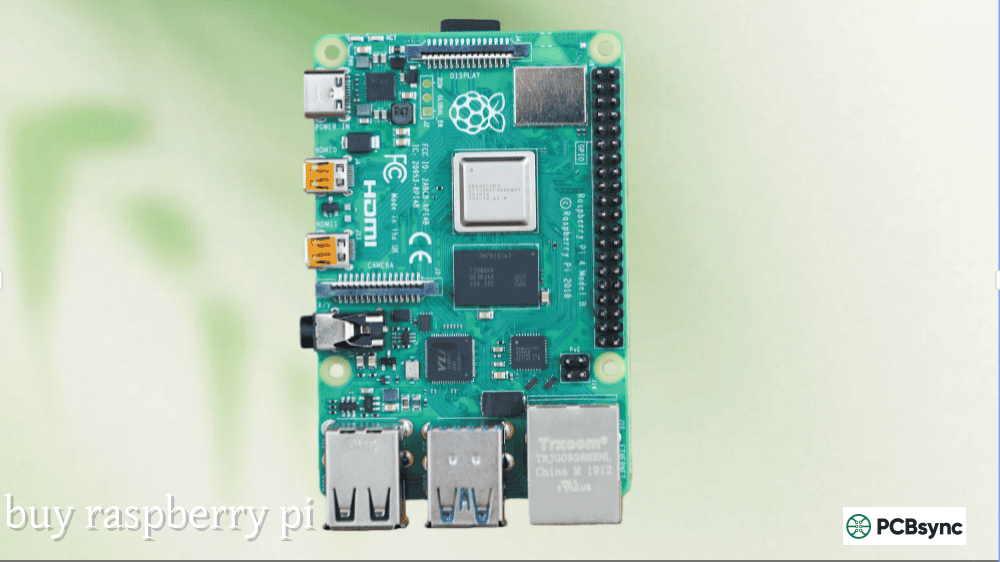
This raspberry pi buying guide cuts through the noise. Whether you’re building a home server, prototyping an IoT device, or setting up a retro gaming station, I’ll walk you through exactly which raspberry pi to buy based on real-world testing and practical experience.
Understanding the Current Raspberry Pi Lineup in 2026
The Raspberry Pi Foundation has been busy. We’ve got everything from the flagship Pi 5 series to compact Zero boards to all-in-one keyboard computers. Let me break down what’s actually available and worth considering.
The Flagship Series: Pi 5, Pi 500, and Pi 500+
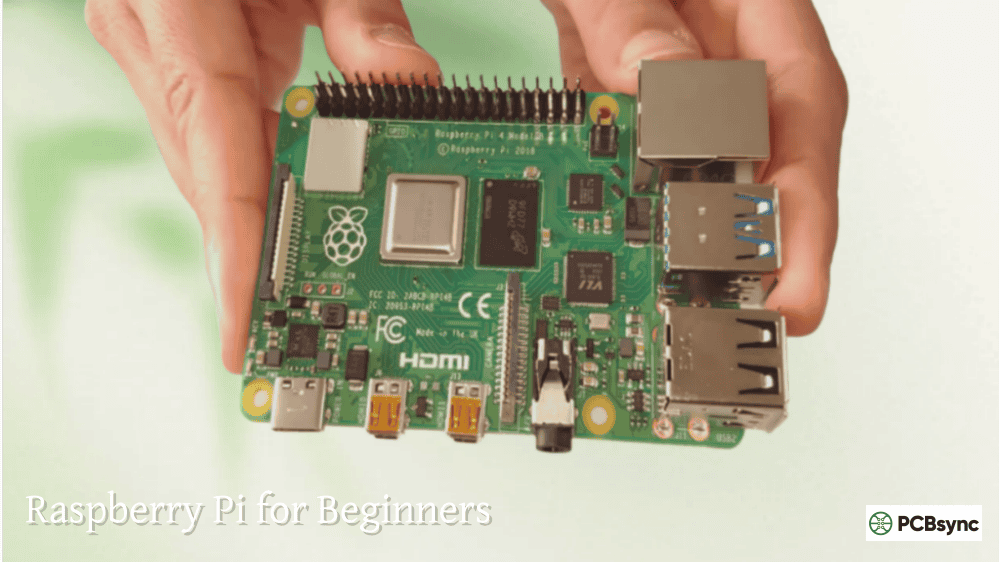
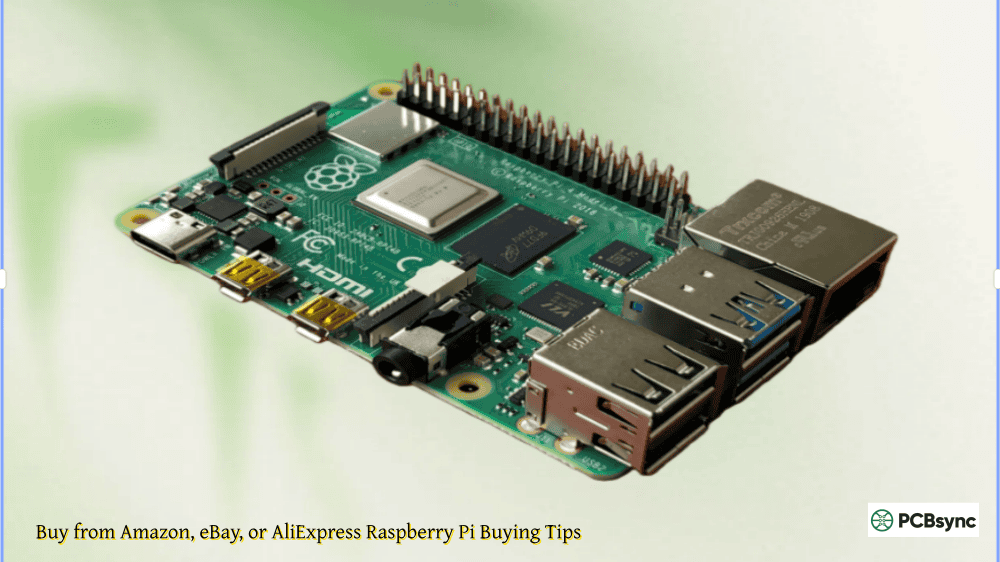
The flagship series represents the best raspberry pi options for most users who need raw performance. These boards run a full Linux operating system and pack enough processing muscle for demanding applications.
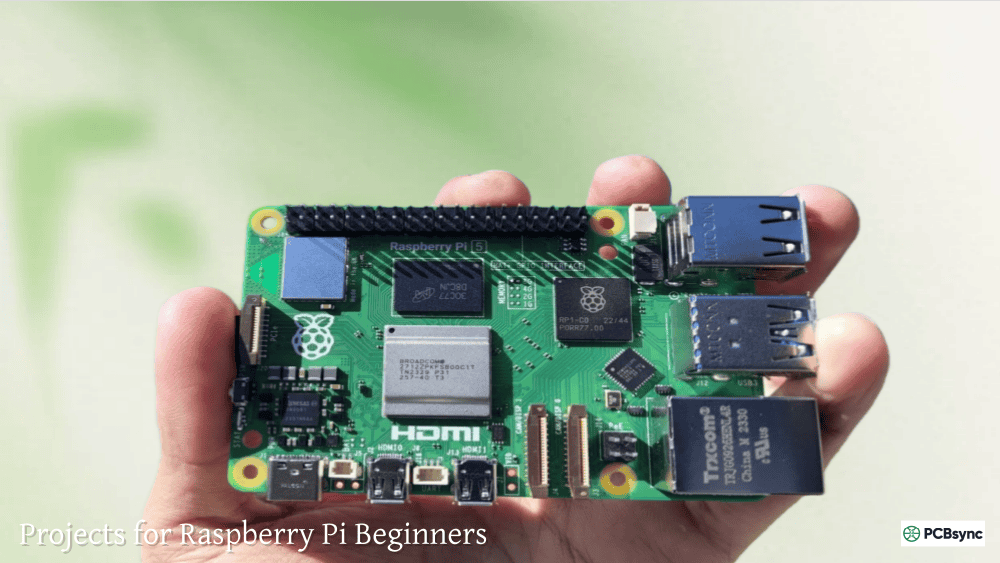
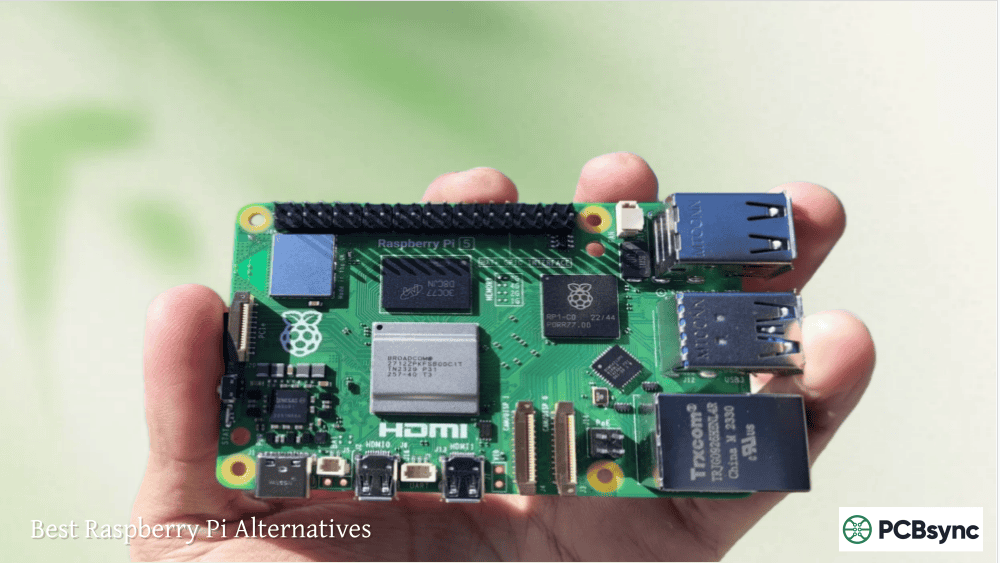
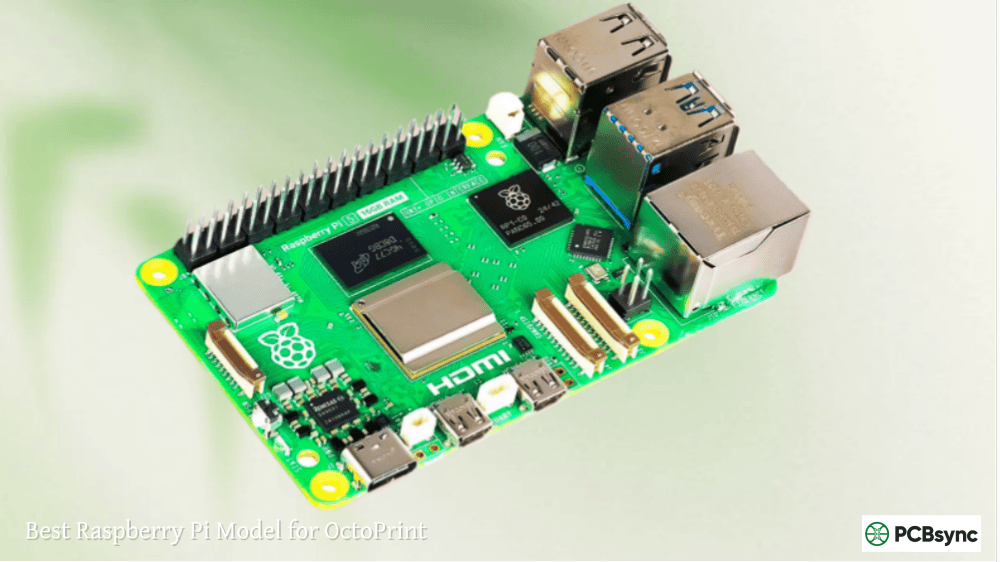
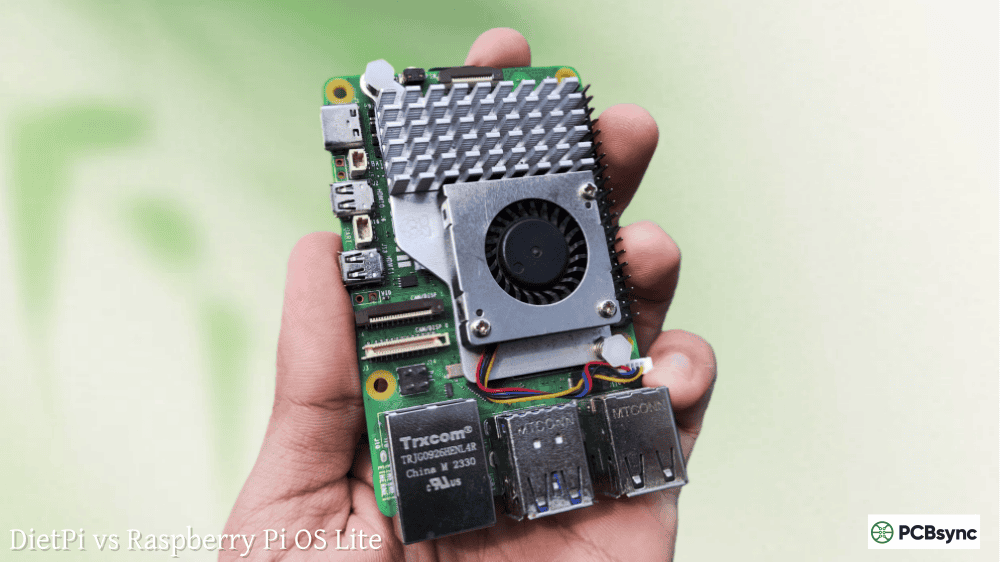
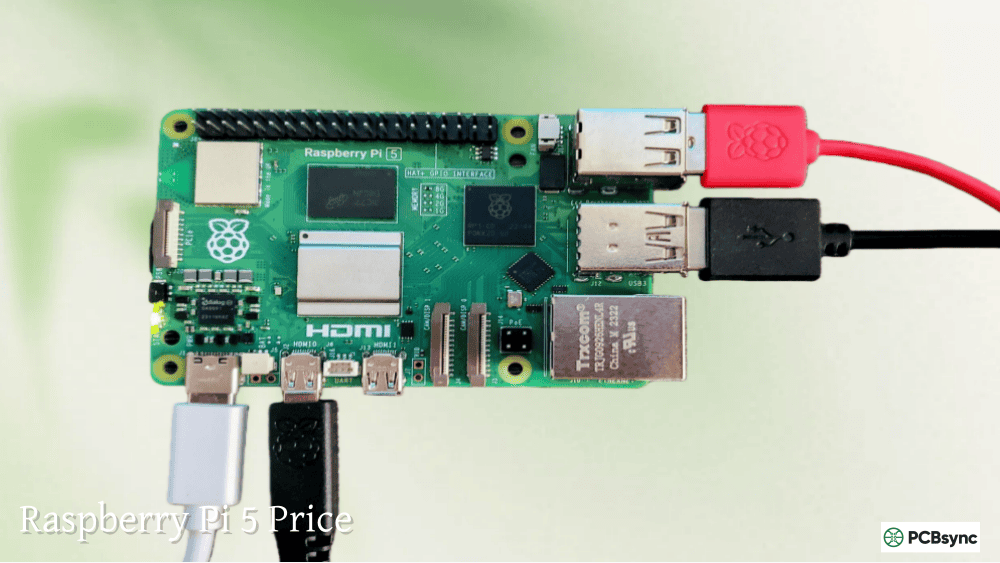
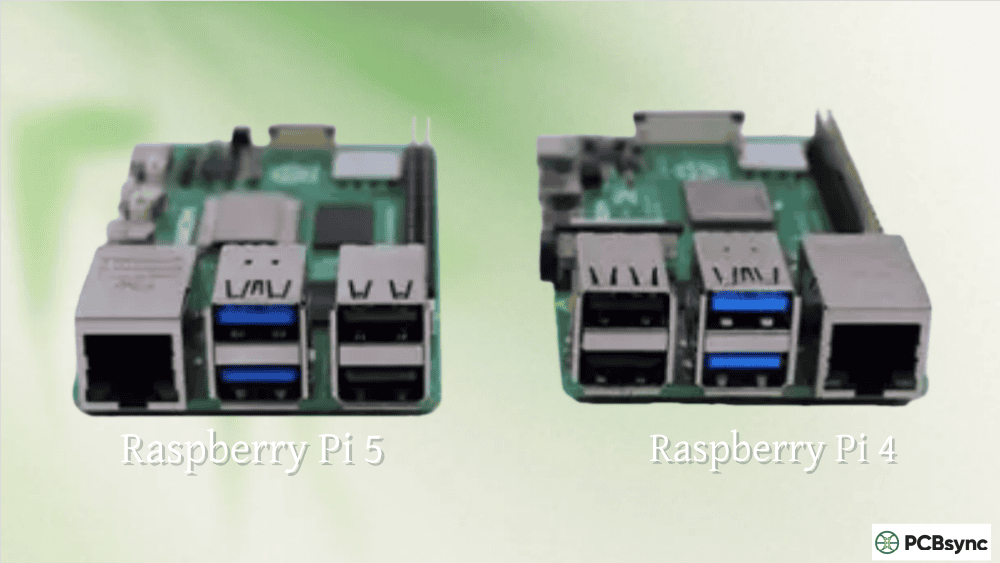
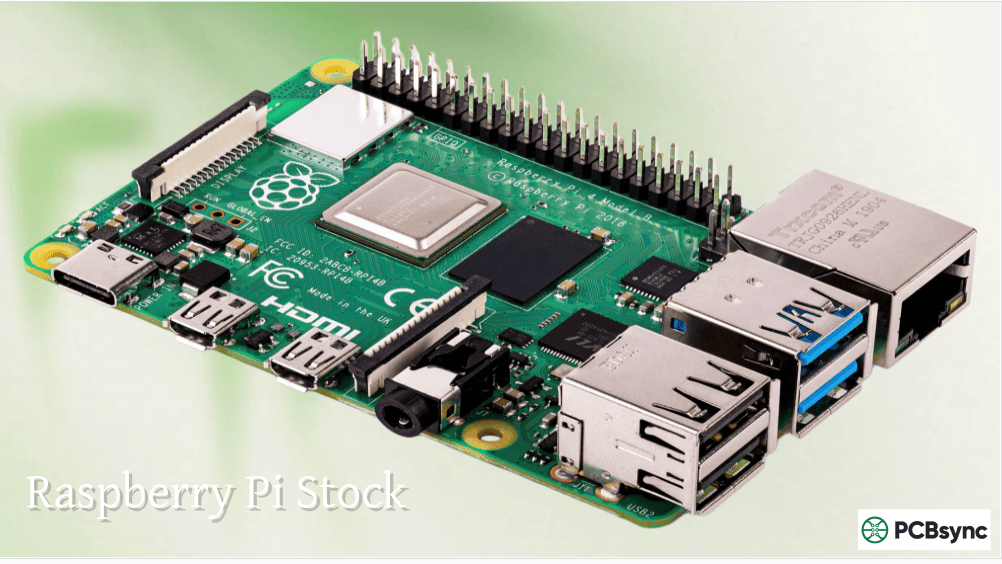
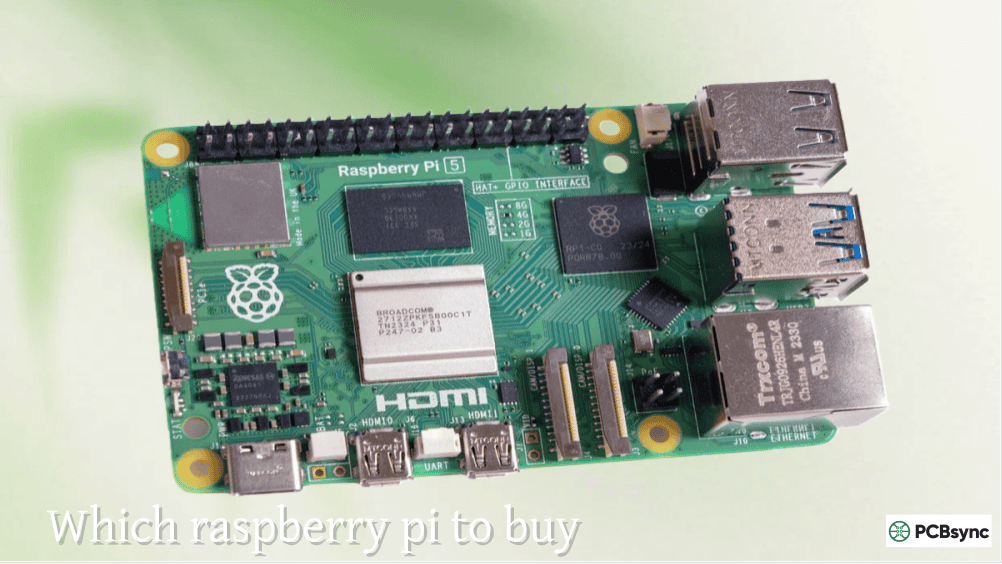
The Raspberry Pi 5 launched with the BCM2712 SoC featuring a quad-core Cortex-A76 processor clocked at 2.4GHz. That’s roughly 2-3x faster than the Pi 4 in real-world benchmarks. The newer D0 silicon revision brings improved power efficiency, which matters when you’re running 24/7 server applications.
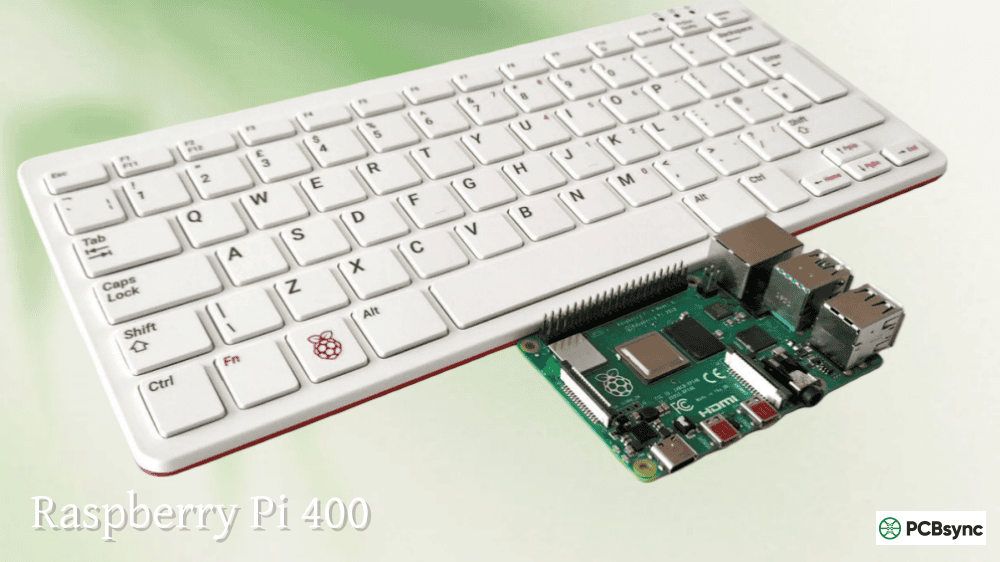
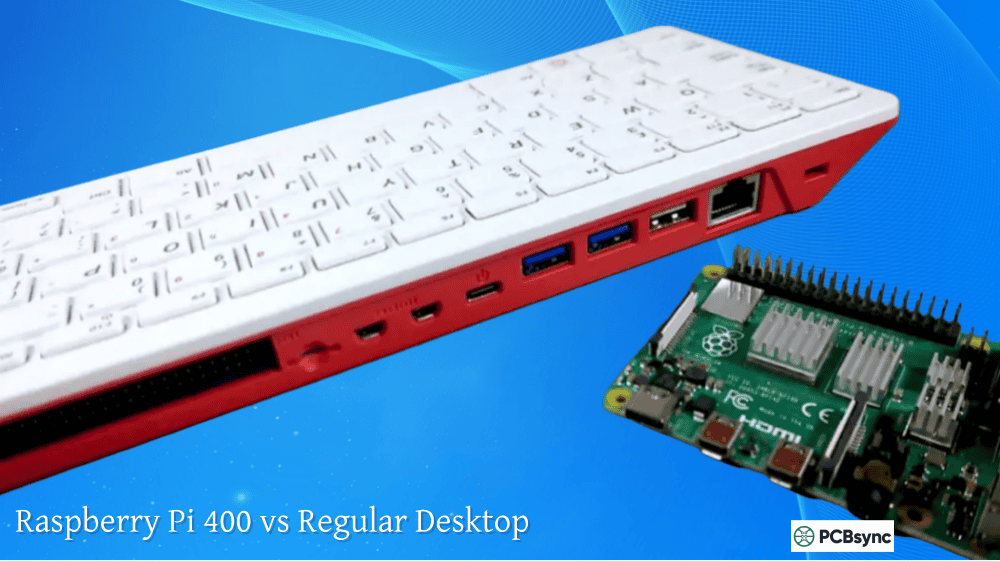
The Pi 500 takes everything from the Pi 5 and stuffs it into a keyboard chassis. At $90, it’s essentially an all-in-one computer reminiscent of 1980s machines like the Commodore 64. The aluminum heatsink covers the entire PCB, providing excellent passive cooling without any fan noise.
For power users, the Pi 500+ arrived in September 2025 at $200. It bumps RAM to 16GB, includes a 256GB NVMe SSD pre-installed, and features a mechanical RGB keyboard with Gateron Blue switches. If you want a complete desktop replacement out of the box, this is it.
Budget Options: Pi 4 and Pi Zero 2 W
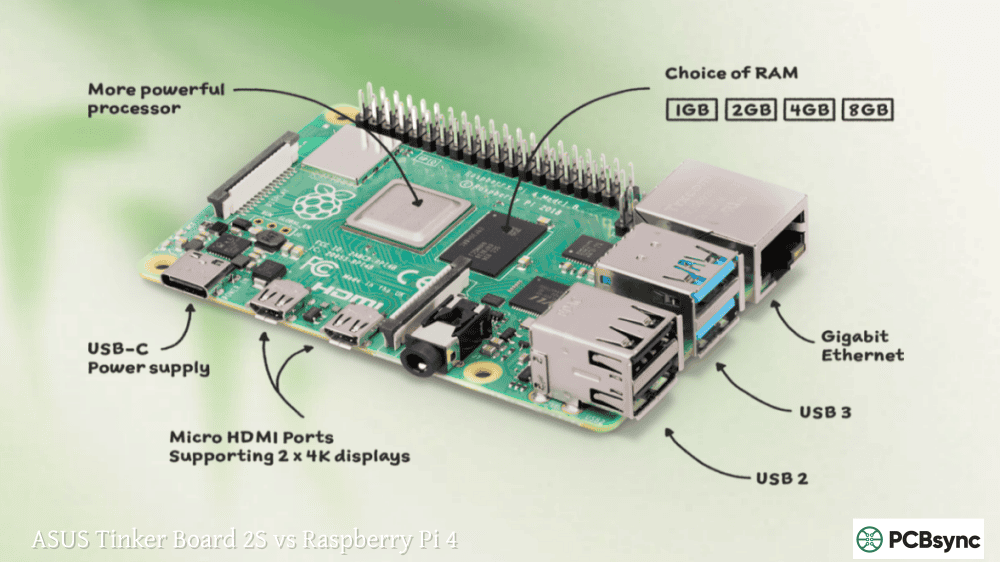
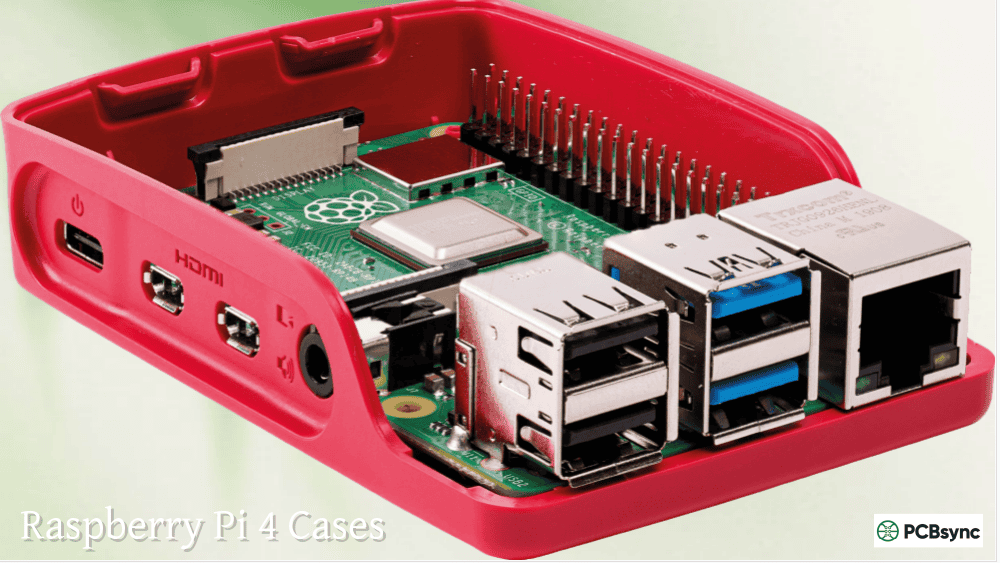
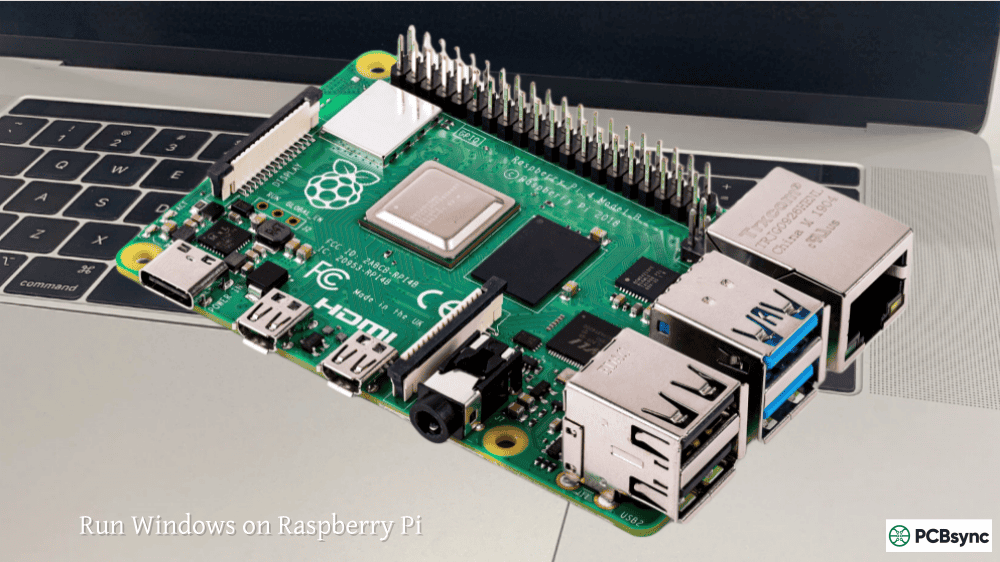
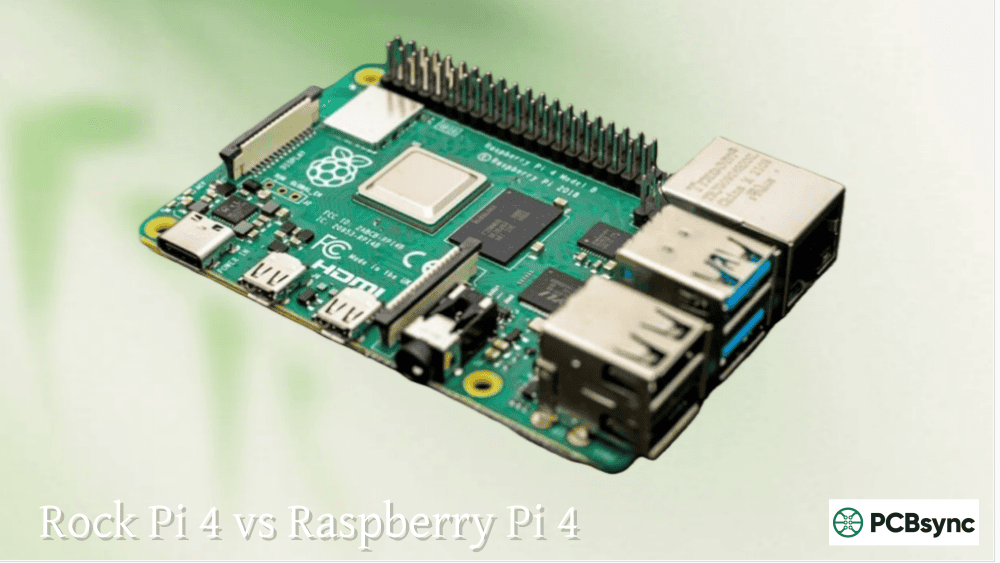
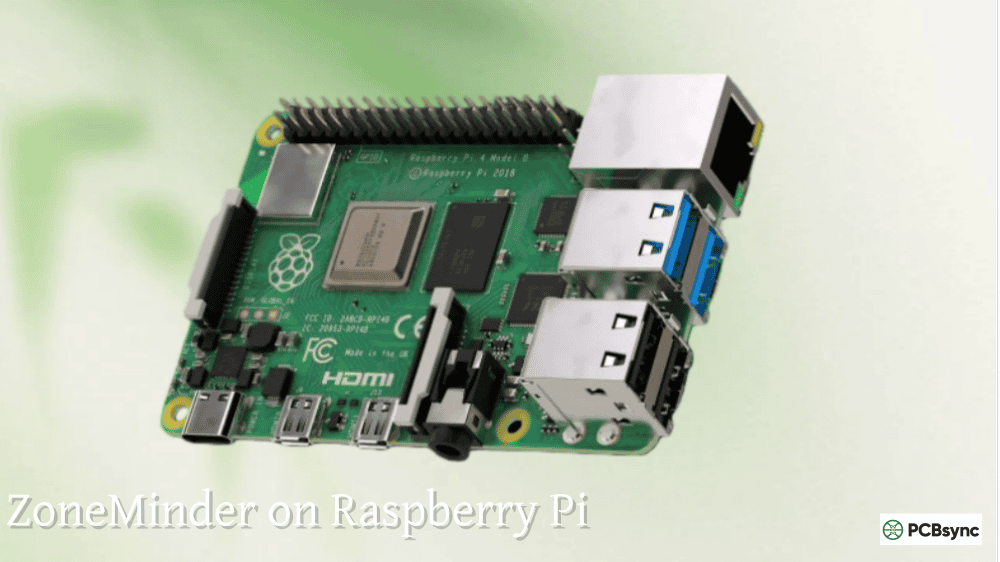
Not everyone needs flagship performance. The Pi 4 Model B remains in production with end-of-life scheduled for 2034. For simple servers, IoT projects, and learning purposes, the Pi 4 often makes more financial sense than jumping to the latest hardware.
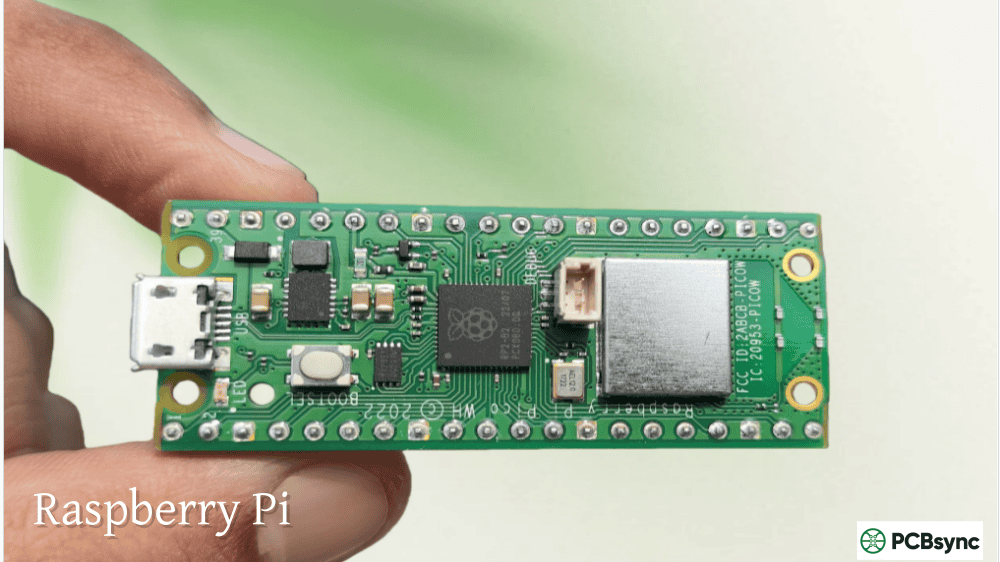
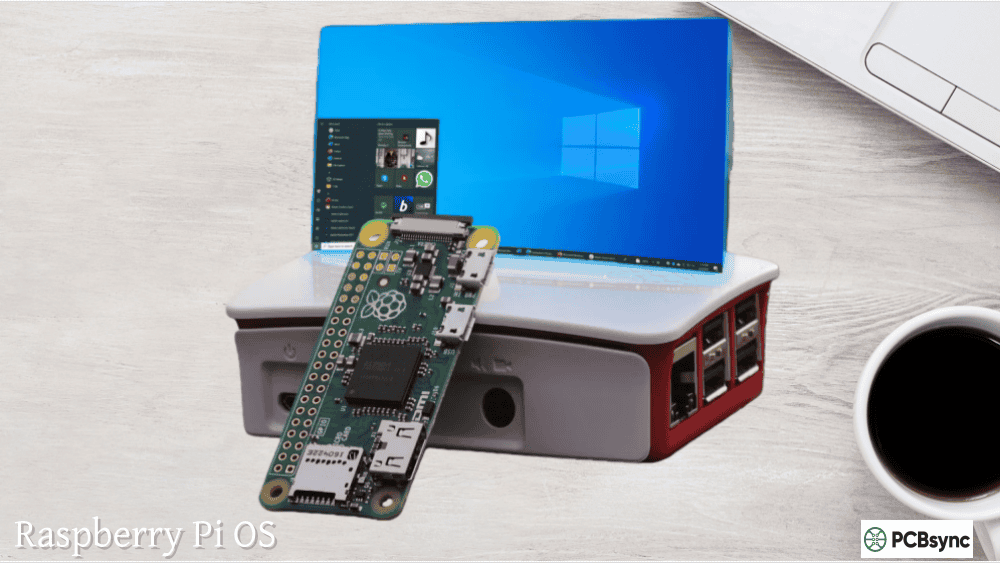
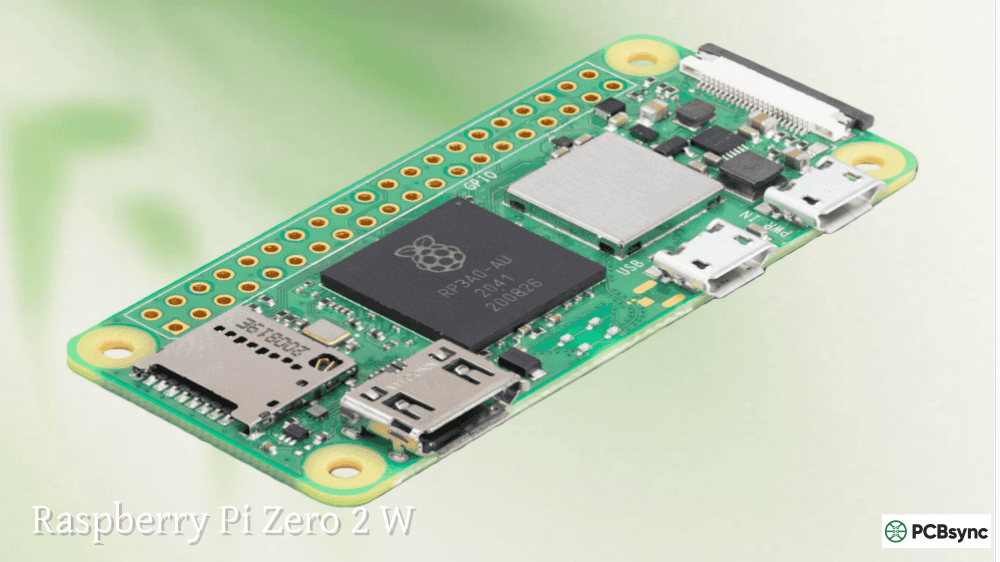
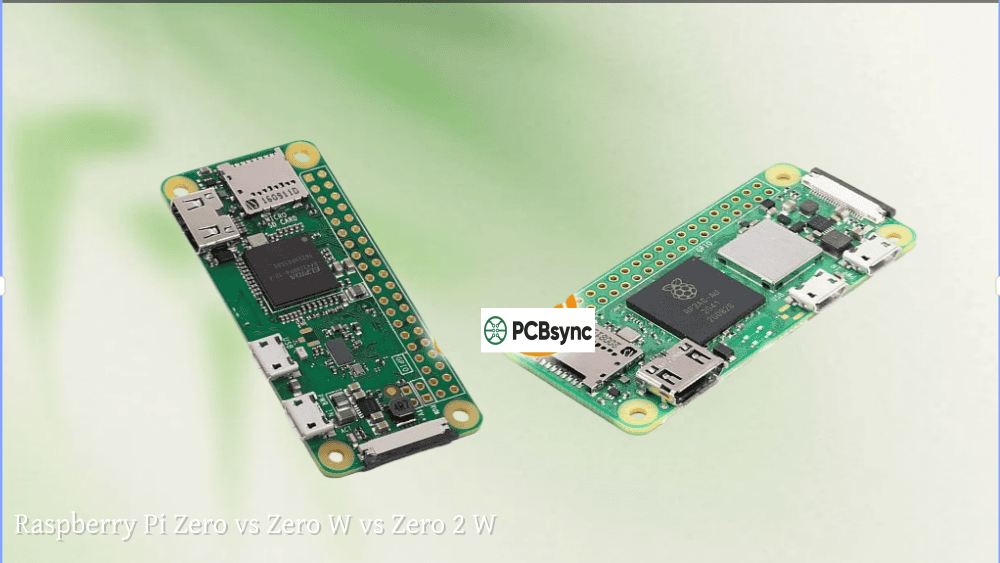
The Pi Zero 2 W fills the ultra-compact niche at around $15. Its quad-core Cortex-A53 processor handles basic tasks adequately while consuming minimal power. Perfect for embedded projects where space and power consumption matter more than raw speed.
Raspberry Pi Model Comparison Table
Here’s a side-by-side comparison of the current models worth considering:
Specification
Pi 5 (8GB)
Pi 4 (8GB)
Pi Zero 2 W
Pi 500
Pi 500+
Processor
Cortex-A76 2.4GHz
Cortex-A72 1.5GHz
Cortex-A53 1GHz
Cortex-A76 2.4GHz
Cortex-A76 2.4GHz
RAM
8GB
8GB
512MB
8GB
16GB
Storage
microSD/NVMe
microSD/USB
microSD
microSD
256GB NVMe
USB 3.0 Ports
2
2
0
2
2
Wi-Fi
802.11ac
802.11ac
802.11n
802.11ac
802.11ac
Ethernet
Gigabit
Gigabit
None
Gigabit
Gigabit
Power Requirement
5V/5A
5V/3A
5V/1.2A
27W
27W
Price (USD)
$80
$75
$15
$90
$200
Form Factor
Board
Board
Compact
Keyboard
Keyboard
Best For
Heavy workloads
General use
IoT/Embedded
Desktop
Desktop Pro
Price Breakdown for 2026
Understanding the complete cost helps with budgeting. Here’s what you’ll actually spend:
Model
Base Price
With Essential Accessories
Full Kit
Pi 5 2GB
$50
$85
$120
Pi 5 4GB
$60
$95
$130
Pi 5 8GB
$80
$115
$150
Pi 5 16GB
$120
$155
$190
Pi 4 1GB
$35
$70
$100
Pi 4 8GB
$75
$110
$145
Pi Zero 2 W
$15
$35
$55
Pi 500
$90
N/A
$120 (Desktop Kit)
Pi 500+
$200
N/A
$220 (Desktop Kit)
Essential accessories include power supply, case, and microSD card. Full kits add HDMI cables, mouse, and keyboard where applicable.
Best Raspberry Pi for Different Use Cases
Home Server and NAS Applications
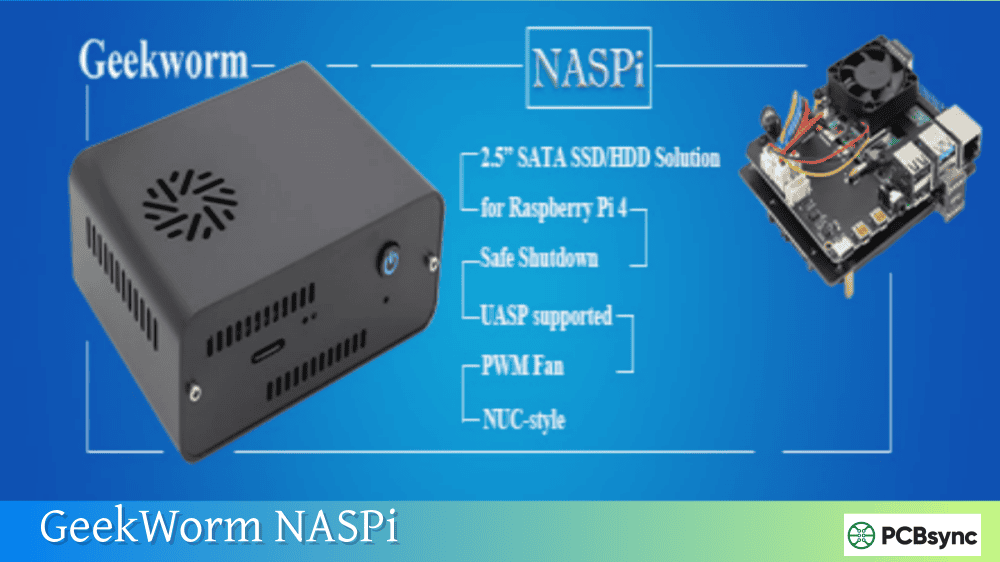
For running a home server, media center, or network-attached storage, the Pi 5 with 4GB or 8GB RAM delivers the best balance of performance and cost. The PCIe 2.0 slot supports NVMe SSDs via the M.2 HAT+, eliminating the SD card bottleneck that plagued earlier generations.
Real-world NAS performance on a Pi 5 with NVMe storage matches entry-level commercial NAS units. You’ll hit read speeds around 400MB/s on Gigabit Ethernet (limited by network bandwidth, not the drive).
If budget matters more than speed, a Pi 4 with 4GB RAM running from a USB 3.0 SSD works fine for basic file serving and Plex media streaming at 1080p. Just don’t expect transcoding capability.
IoT and Embedded Projects
The Pi Zero 2 W dominates this category. At $15 with integrated Wi-Fi and Bluetooth, it handles sensor monitoring, smart home controllers, and lightweight data collection without breaking a sweat.
Power consumption stays under 1W during idle, making battery-powered projects feasible. The 512MB RAM limitation means you’ll want to stick with headless operation and avoid running a desktop environment.
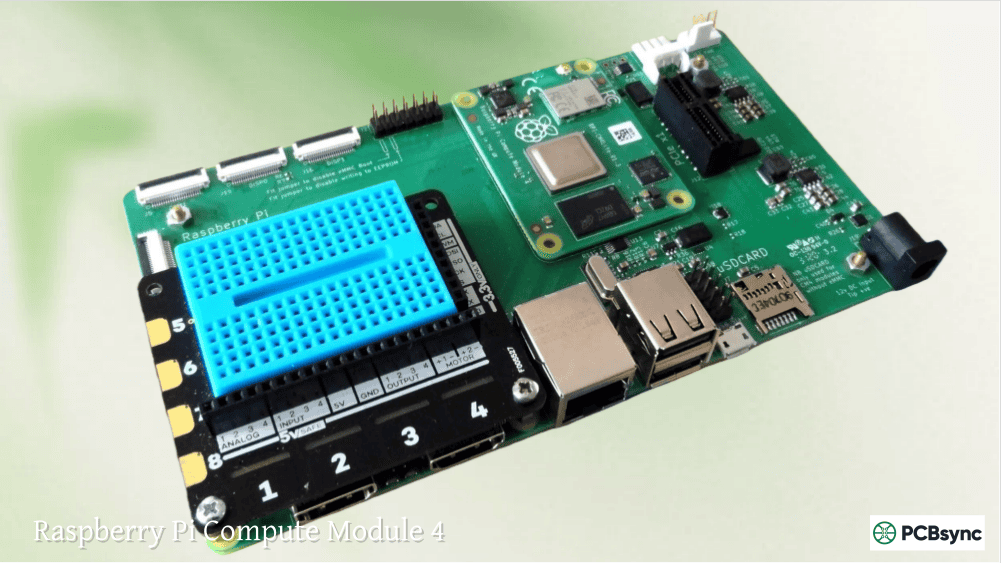
For industrial applications requiring more GPIO expansion or reliability, consider the Compute Module 4 or newer CM5. These slot into carrier boards designed for specific use cases.
Desktop Computing and Productivity
Here’s where the Pi 500 or Pi 500+ shine. The all-in-one form factor eliminates cable clutter, and the aluminum chassis acts as a massive heatsink. You can run the processor at full speed without throttling even during sustained workloads.
The Pi 500+ with 16GB RAM and NVMe storage handles general productivity work, web browsing with many tabs, and basic development tasks. It won’t replace a MacBook for heavy compilation jobs, but for Python scripting, web development, and document editing, it performs admirably.
One thing I’ve learned from actual use: the membrane keyboard on the standard Pi 500 feels adequate for occasional typing but falls short for extended sessions. The Pi 500+’s mechanical keyboard solves that problem entirely.
Retro Gaming and Emulation
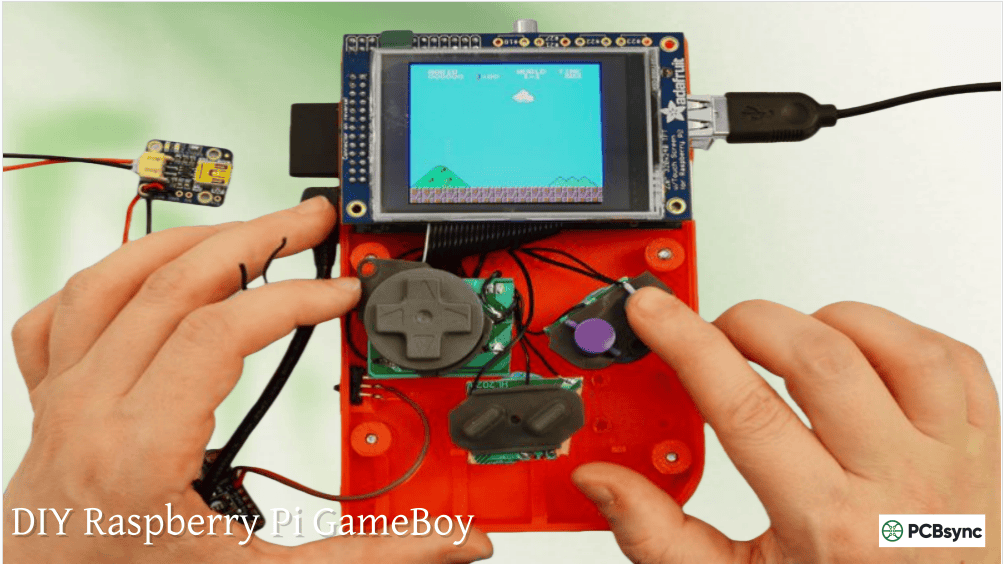
For retro gaming, almost any modern Pi works. The Pi 4 with 2GB RAM handles everything up to N64 and PlayStation emulation. The Pi 5’s extra horsepower makes PSP, Dreamcast, and some GameCube titles playable.
If you’re building a dedicated retro gaming console, the Pi 400 (older keyboard version) at clearance prices offers excellent value. Same processor as the Pi 4, already in a compact case, and typically cheaper than buying components separately.
Learning and Education
For students and beginners learning Linux, Python, or electronics, the Pi 4 with 2GB or 4GB RAM provides the best value. The extensive documentation, community support, and backwards compatibility with older tutorials make the learning curve manageable.
Avoid the temptation to start with a Zero for learning purposes. The limited RAM creates frustration when running a desktop environment, and the lack of full-size USB ports complicates connecting peripherals.
Essential Accessories You’ll Need
Power Supply
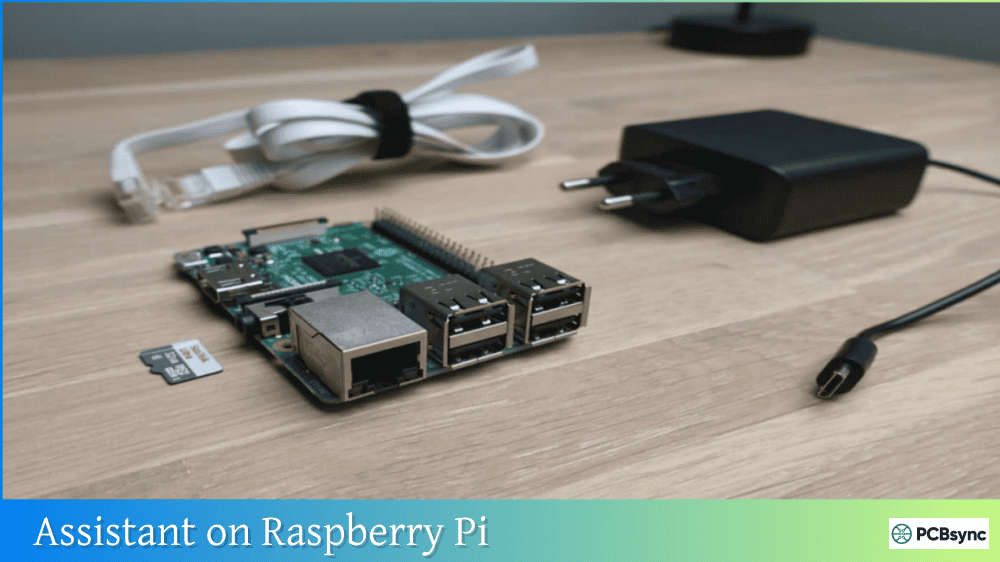
The Pi 5 and Pi 500 series require a 27W USB-C power supply (5V/5A). Using underpowered supplies causes throttling and random crashes. The official Raspberry Pi power supply costs around $12 and eliminates guesswork.
For the Pi 4, a quality 15W supply (5V/3A) works fine. The Pi Zero 2 W runs happily on any 5V/1.2A micro-USB charger you have lying around.
Storage: MicroSD vs NVMe
Recent benchmarks from bret.dk show the official Raspberry Pi SD cards (64GB and larger) unlock “Command Queuing,” delivering up to 3x faster random write speeds compared to standard cards. The 32GB variant doesn’t include this feature, so skip it.
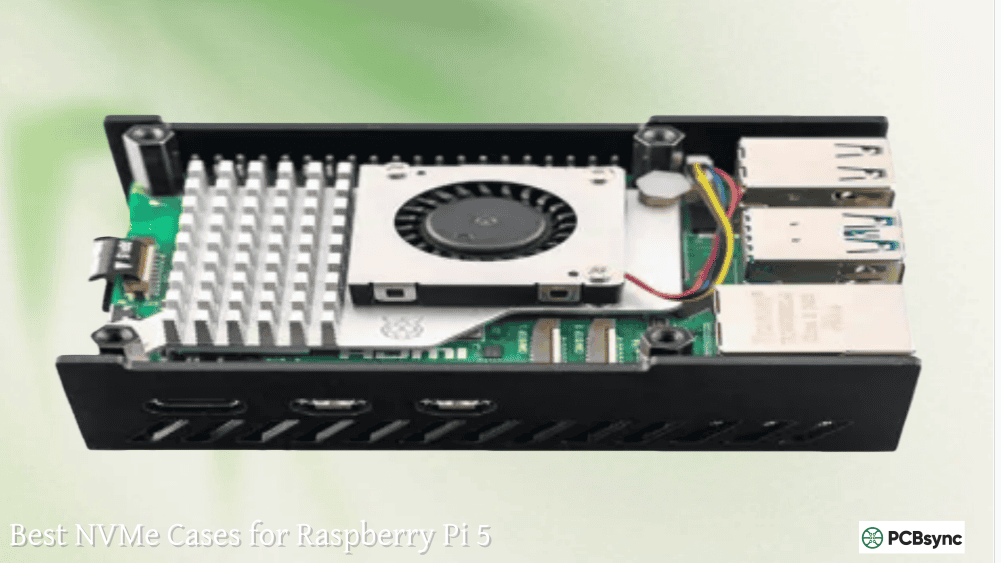
For the Pi 5, seriously consider the M.2 HAT+ and an NVMe SSD. The difference in responsiveness is dramatic. Boot times drop from 30+ seconds to under 10, and application launches feel instant rather than sluggish.
Cooling Solutions
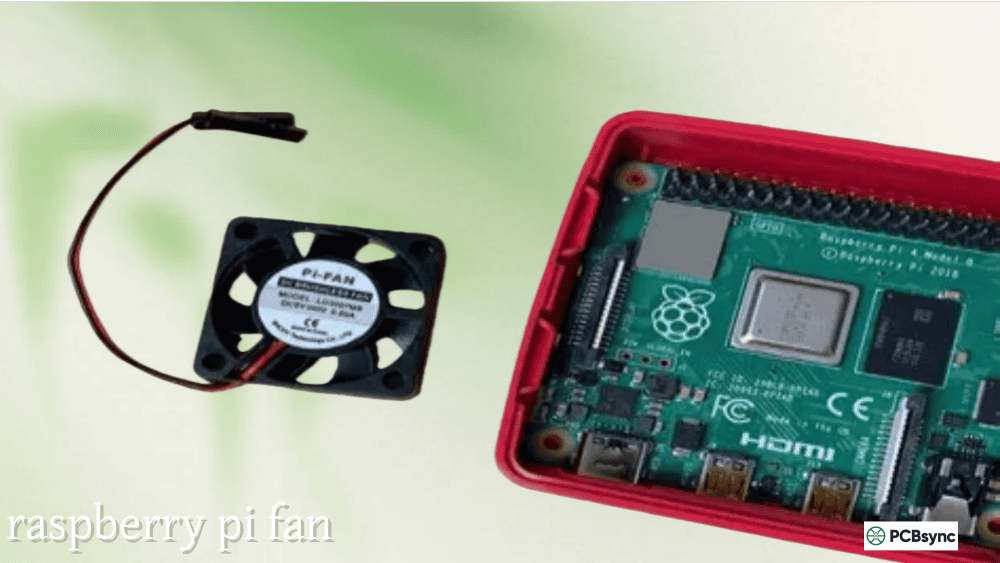
The Pi 5 runs hot. An active cooler is mandatory for sustained workloads. The official Active Cooler clips directly onto the board and keeps temperatures well below throttling thresholds. Budget around $5-10 for this essential accessory.
The Pi 4 can survive with passive cooling in most scenarios, though a small heatsink helps during summer months or in enclosed spaces.
Which Raspberry Pi Should You Actually Buy?
Let me give you the straightforward recommendation based on years of testing:
Best overall choice: Raspberry Pi 5 with 4GB RAM at $60. It handles 90% of use cases with room to spare, costs only $10-25 more than equivalent Pi 4 configurations, and benefits from the PCIe expansion slot for future NVMe upgrades.
Best value: Raspberry Pi 4 with 4GB RAM at $55 (if you find it on sale). Still capable hardware with massive community support and lower accessory costs.
Best for compact projects: Raspberry Pi Zero 2 W at $15. Nothing else competes at this size and price point for headless applications.
Best desktop experience: Raspberry Pi 500+ at $200. The 16GB RAM, NVMe storage, and mechanical keyboard deliver a complete desktop system without the hassle of sourcing individual components.
Best for tight budgets: Raspberry Pi 4 with 2GB RAM at $45. Adequate for servers, learning projects, and lightweight desktop use. Just don’t expect multitasking with dozens of browser tabs.
Common Mistakes to Avoid
Buying the wrong power supply: This causes 80% of “my Pi keeps crashing” forum posts. Use the official supply or something rated for the correct amperage.
Skipping the case: Exposed boards collect dust, suffer accidental shorts, and look unprofessional. Even a basic $5 case protects your investment.
Going overboard on RAM: Unless you’re running Kubernetes clusters or heavy databases, 4GB covers most needs. The 8GB and 16GB variants exist for specific use cases, not general computing.
Ignoring heat management: The Pi 5 especially needs active cooling. A $5 cooler prevents throttling and extends component lifespan.
Using old SD cards: That random card from your camera drawer will work but perform terribly. Budget for a quality A2-rated card or jump straight to NVMe storage.
Useful Resources and Downloads
Here are the official resources I reference constantly:
Resource
URL
Purpose
Raspberry Pi Imager
raspberrypi.com/software
OS installation tool
Raspberry Pi OS
raspberrypi.com/software/operating-systems
Official operating system downloads
Pi Documentation
raspberrypi.com/documentation
Hardware and software guides
GPIO Pinout
pinout.xyz
Interactive pinout reference
Community Forums
forums.raspberrypi.com
Troubleshooting and project ideas
For microSD card benchmarks and storage recommendations, check bret.dk’s comprehensive testing database updated regularly with new cards.
Frequently Asked Questions About Buying a Raspberry Pi
Is the Raspberry Pi 5 worth the extra cost over the Pi 4?
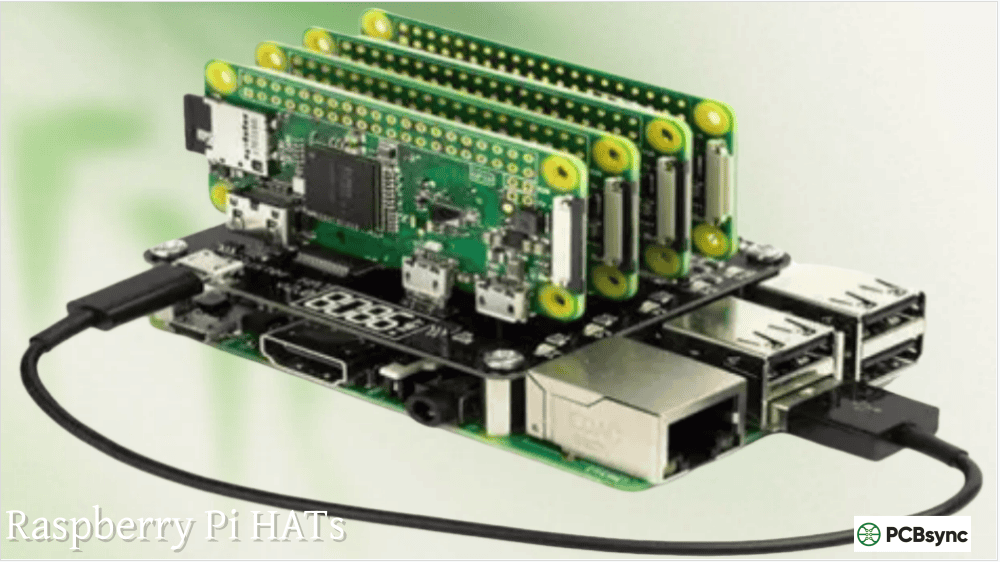
For new projects started in 2026, yes. The 2-3x performance improvement, PCIe support for NVMe storage, and better thermal management justify the modest price premium. The Pi 4 makes sense primarily when you find it at a significant discount or need compatibility with specific HATs designed for the older form factor.
Can I use a Raspberry Pi Zero 2 W as a desktop computer?
Technically yes, but I wouldn’t recommend it. The 512MB RAM struggles with modern web browsers, and the single-core ARM11 architecture (upgraded to quad-core Cortex-A53 in the Zero 2 W) still lags behind when running graphical applications. Use the Zero series for headless, embedded applications where its compact size and low power consumption shine.
How long will Raspberry Pi models remain in production?
The Raspberry Pi Foundation commits to long production runs. The Pi 4 is confirmed until at least 2034. The Pi 500 will remain in production until January 2034 minimum. This longevity makes Raspberry Pi attractive for commercial and industrial applications where parts availability matters.
Should I buy a starter kit or components separately?
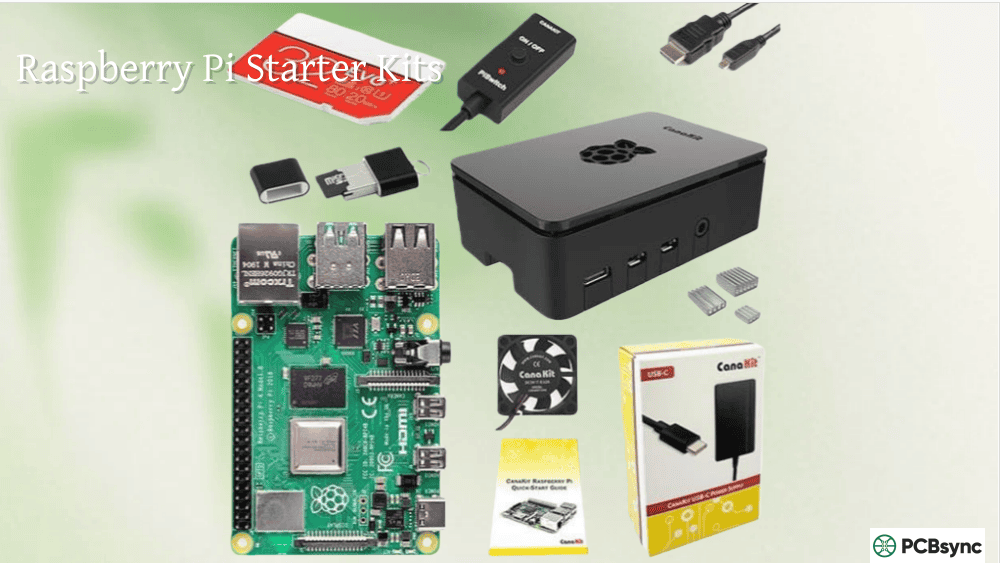
For beginners, starter kits from reputable vendors like CanaKit simplify the process and often cost less than buying components individually. Experienced users benefit from selecting specific components: a particular case design, preferred power supply brand, or higher-quality SD card than kits typically include.
What’s the difference between Raspberry Pi 500 and Pi 500+?
The Pi 500 ($90) includes 8GB RAM and microSD storage with a membrane keyboard. The Pi 500+ ($200) upgrades to 16GB RAM, a pre-installed 256GB NVMe SSD, and a mechanical RGB keyboard with hot-swappable switches. If you plan to use the device as a primary desktop, the Pi 500+ delivers a significantly better experience despite costing twice as much.
Final Thoughts
Choosing which raspberry pi to buy comes down to matching the board’s capabilities to your actual needs. Overspending on features you won’t use wastes money; underestimating requirements leads to frustration and replacement purchases.
The best raspberry pi for most people in 2026 is the Pi 5 with 4GB RAM. It hits the sweet spot of price, performance, and future-proofing. Add an NVMe HAT and SSD if responsiveness matters to you.
For specific applications like embedded IoT, the Zero 2 W wins on compactness and power efficiency. For complete desktop systems without assembly hassle, the Pi 500 series delivers everything in one package.
Whatever you choose, remember that the Raspberry Pi ecosystem’s real value lies in community support, extensive documentation, and the thousands of projects you can learn from. The hardware matters, but it’s the software and community that make these little computers so valuable for learning and building.
Inquire: Call 0086-755-23203480, or reach out via the form below/your sales contact to discuss our design, manufacturing, and assembly capabilities.
Quote: Email your PCB files to Sales@pcbsync.com (Preferred for large files) or submit online. We will contact you promptly. Please ensure your email is correct.
Notes: For PCB fabrication, we require PCB design file in Gerber RS-274X format (most preferred), *.PCB/DDB (Protel, inform your program version) format or *.BRD (Eagle) format. For PCB assembly, we require PCB design file in above mentioned format, drilling file and BOM. Click to download BOM template To avoid file missing, please include all files into one folder and compress it into .zip or .rar format.