Inquire: Call 0086-755-23203480, or reach out via the form below/your sales contact to discuss our design, manufacturing, and assembly capabilities.
Quote: Email your PCB files to Sales@pcbsync.com (Preferred for large files) or submit online. We will contact you promptly. Please ensure your email is correct.
Notes: For PCB fabrication, we require PCB design file in Gerber RS-274X format (most preferred), *.PCB/DDB (Protel, inform your program version) format or *.BRD (Eagle) format. For PCB assembly, we require PCB design file in above mentioned format, drilling file and BOM. Click to download BOM template To avoid file missing, please include all files into one folder and compress it into .zip or .rar format.
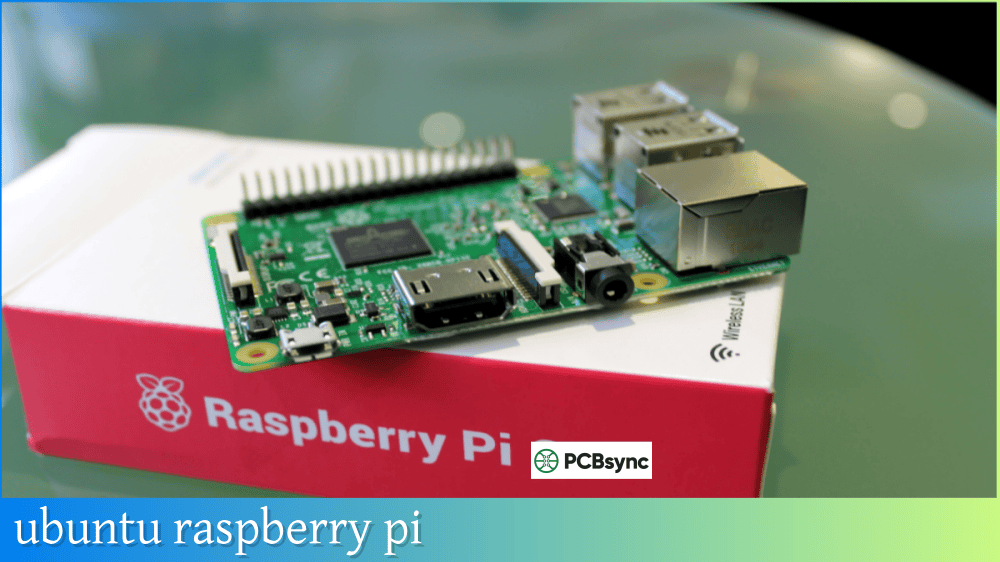
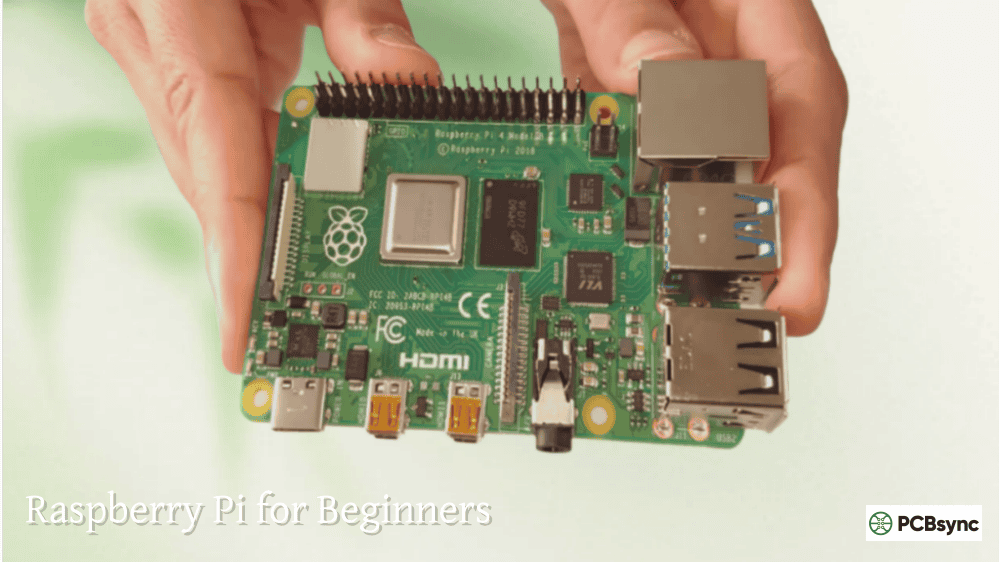
Running Ubuntu on a Raspberry Pi opens up possibilities that go far beyond the standard Raspberry Pi OS. After deploying dozens of Pi-based systems for industrial monitoring and home automation projects, I’ve found Ubuntu’s extensive package ecosystem and familiar environment make it an excellent choice for both development workstations and production servers.
This guide covers everything you need to install Ubuntu raspberry pi systems—whether you want a full desktop experience, a headless server, or the lightweight Ubuntu MATE raspberry pi desktop environment.
Before diving into installation, let’s address why you might want Ubuntu in the first place.
Key Advantages of Ubuntu Raspberry Pi
Advantage
Description
Package Freshness
Ubuntu typically has more recent software versions than Debian-based Raspberry Pi OS
LTS Support
5-year standard support, extendable to 12 years with Ubuntu Pro
Enterprise Familiarity
Same environment used on millions of servers worldwide
Snap Packages
Access to thousands of containerized applications
ARM64 Optimization
Better performance on 64-bit capable Pi models
ROS Compatibility
Native support for Robot Operating System (important for robotics projects)
The trade-off is resource consumption. Ubuntu Desktop with GNOME requires more RAM than Raspberry Pi OS, which is why I typically recommend at least 4GB RAM for desktop usage.
Ubuntu Versions for Raspberry Pi Explained
Ubuntu offers several versions optimized for the Raspberry Pi. Understanding the differences helps you choose the right one.
Ubuntu Desktop vs Server vs MATE
Version
GUI
RAM Requirement
Best For
Ubuntu Desktop
GNOME
4GB+
Desktop computing, development workstations
Ubuntu Server
None (CLI only)
1GB+
Web servers, IoT hubs, headless applications
Ubuntu MATE
MATE
2GB+
Lightweight desktop, older Pi models
Ubuntu Core
None
512MB+
IoT devices, embedded systems
Ubuntu Desktop provides the full GNOME desktop experience. It’s the heaviest option but offers the most complete desktop environment.
Ubuntu Server is the lightweight choice for headless operation. No GUI means more resources available for your actual applications.
Ubuntu MATE raspberry pi uses the MATE desktop environment, a continuation of GNOME 2. It’s significantly lighter than full Ubuntu Desktop while still providing a complete graphical interface. This makes it ideal for Pi 3 models or Pi 4 units with 2GB RAM.
Raspberry Pi Model Compatibility
Pi Model
Ubuntu Desktop
Ubuntu Server
Ubuntu MATE
Pi 5 (all RAM)
Recommended
Full Support
Full Support
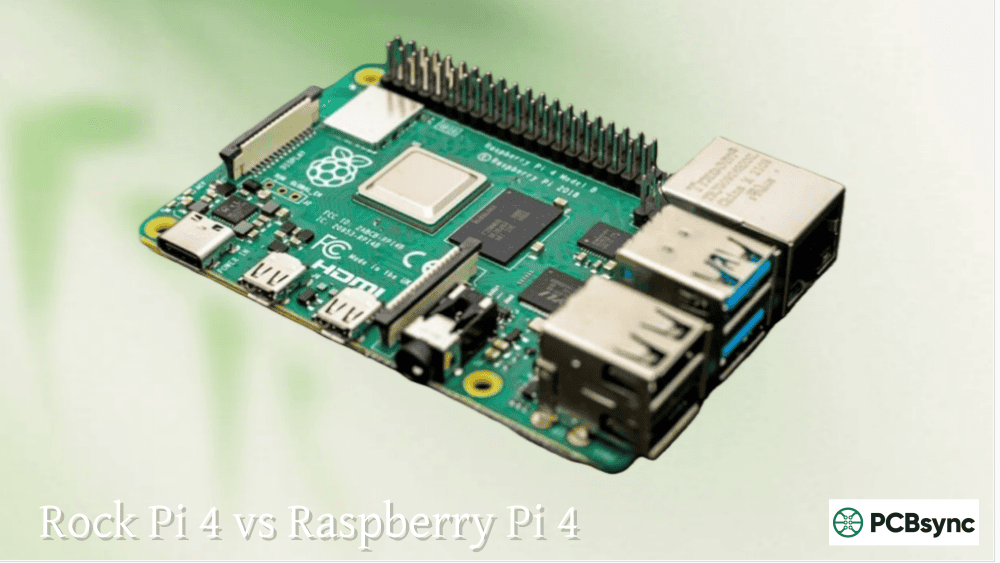
Pi 4 (4GB/8GB)
Full Support
Full Support
Full Support
Pi 4 (2GB)
Marginal
Full Support
Recommended
Pi 3 / 3B+
Not Recommended
Full Support
Full Support
Pi 2 v1.2
No
Full Support
32-bit only
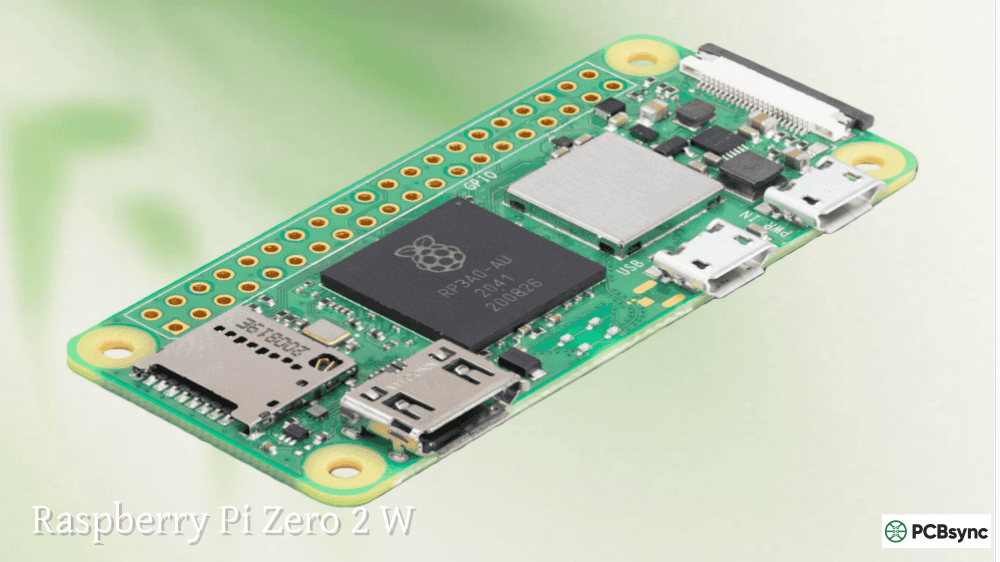
Pi Zero 2 W
No
Full Support
Limited
Requirements Before Installation
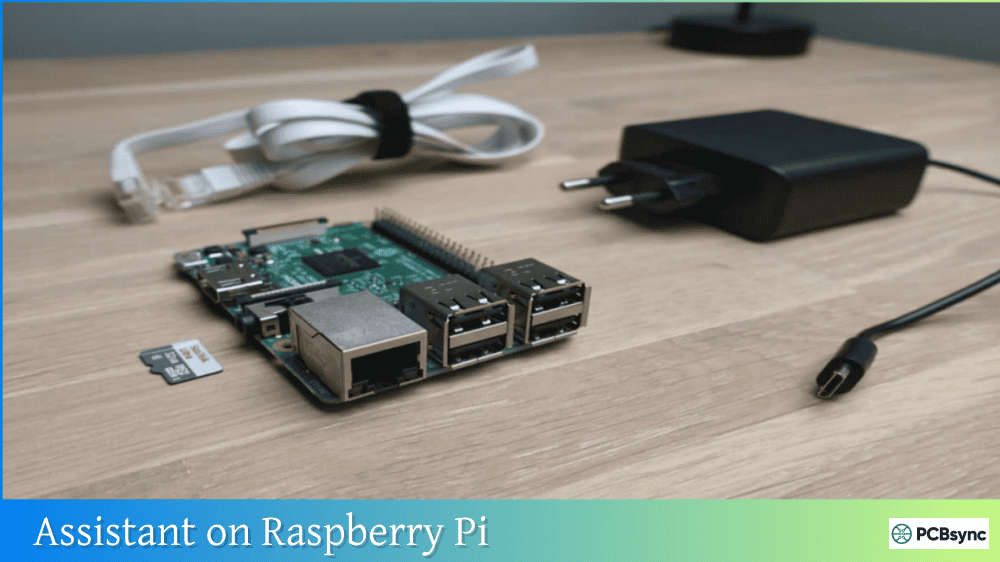
Gather these items before starting:
Item
Specification
Notes
MicroSD Card
16GB+ (32GB recommended)
Class 10 or A1 rated for better performance
Power Supply
5V/3A for Pi 4, 5V/5A for Pi 5
Official supplies recommended
Card Reader
USB
Required to flash the SD card
Ethernet Cable
Optional
Faster than WiFi for initial setup
HDMI Cable
Micro-HDMI for Pi 4/5
Required for desktop installation
Keyboard/Mouse
USB
For initial configuration
Installing Ubuntu Server on Raspberry Pi
Let’s start with Ubuntu Server since it’s the most versatile option—you can always add a desktop environment later.
Step 1: Download and Launch Raspberry Pi Imager
Raspberry Pi Imager is the easiest way to flash Ubuntu to your SD card. Download it from raspberrypi.com/software for Windows, Mac, or Linux.
Step 2: Select Ubuntu Server
Open Raspberry Pi Imager
Click “Choose Device” and select your Pi model
Click “Choose OS”
Navigate to “Other general-purpose OS” > “Ubuntu”
Select “Ubuntu Server 24.04 LTS (64-bit)” or the latest LTS version
Step 3: Configure Pre-Boot Settings
This step is crucial for headless setup. Click the gear icon or press Ctrl+Shift+X to access advanced options:
Essential settings to configure:
Set hostname (e.g., “pi-server”)
Create username and password
Enable SSH with password authentication
Configure WiFi credentials (SSID and password)
Set locale and timezone
These settings get baked into the image, allowing SSH access on first boot without connecting a monitor.
Step 4: Flash and Boot
Click “Choose Storage” and select your SD card
Click “Write” and confirm
Wait for the write and verification process
Safely eject the SD card
Insert into your Pi and connect power
Step 5: First SSH Connection
Wait 2-3 minutes for initial boot, then connect via SSH:
ssh username@hostname.local
Or use the IP address from your router’s DHCP table:
Unlike Server, Desktop presents a graphical setup wizard on first boot:
Connect HDMI, keyboard, and mouse before powering on
Select language and keyboard layout
Connect to WiFi network
Choose timezone
Create user account with password
Wait for initial configuration (5-10 minutes)
Performance Optimization for Desktop
Ubuntu Desktop with GNOME can feel sluggish on the Pi. These tweaks help:
Reduce animations:
gsettings set org.gnome.desktop.interface enable-animations false
Disable unnecessary services:
sudo systemctl disable cups
sudo systemctl disable bluetooth # if not needed
Enable ZRAM for better memory management:
sudo apt install zram-tools
Installing Ubuntu MATE on Raspberry Pi
Ubuntu MATE raspberry pi offers the best balance between functionality and performance. The MATE desktop environment uses significantly less RAM than GNOME while providing a complete, familiar interface.
Why Choose Ubuntu MATE Raspberry Pi?
Feature
Ubuntu Desktop
Ubuntu MATE
Desktop Environment
GNOME
MATE (GNOME 2 fork)
Idle RAM Usage
~800MB
~400MB
CPU Load (idle)
Higher
Lower
Customization
Moderate
Extensive
Look & Feel
Modern
Classic
MATE runs smoothly on Pi 4 with 2GB RAM and even works acceptably on Pi 3 models—something GNOME cannot claim.
Method 1: Direct Image Installation
Visit ubuntu-mate.org/raspberry-pi/ and download the Raspberry Pi image
Choose 32-bit (armhf) or 64-bit (arm64) based on your needs
Open Raspberry Pi Imager
Click “Choose OS” > “Use custom”
Select the downloaded Ubuntu MATE image
Flash to SD card
Boot and complete the setup wizard
Method 2: Install MATE on Ubuntu Server
If you already have Ubuntu Server running, you can add MATE:
sudo apt update
sudo apt install ubuntu-mate-desktop
This installs over 1,000 packages and takes considerable time. When prompted, select “lightdm” as the display manager for best MATE compatibility.
After installation:
sudo reboot
You’ll be greeted by a graphical login screen.
Ubuntu MATE Post-Installation Setup
Update the system:
sudo apt update && sudo apt upgrade -y
Install Software Boutique for easy app management—it comes pre-installed on the dedicated image but not when installing MATE on Server.
Enable SSH for remote access:
sudo apt install openssh-server
sudo systemctl enable ssh
sudo systemctl start ssh
Alternative Desktop Environments
If Ubuntu MATE doesn’t suit your needs, Ubuntu Server provides a foundation for any desktop:
Desktop
Install Command
RAM Usage
Notes
XFCE
sudo apt install xubuntu-desktop
~300MB
Lightest full desktop
LXDE
sudo apt install lubuntu-desktop
~250MB
Similar to Raspberry Pi OS
KDE Plasma
sudo apt install kubuntu-desktop
~600MB
Feature-rich, customizable
GNOME
sudo apt install ubuntu-desktop
~800MB
Full Ubuntu experience
For Pi 3 or 2GB Pi 4 models, XFCE or LXDE are better choices than MATE or GNOME.
Booting Ubuntu from USB/SSD
SD cards are convenient but slow and prone to wear. USB boot dramatically improves performance and reliability.
Performance Comparison
Storage
Sequential Read
Sequential Write
Reliability
SD Card (A1)
40-100 MB/s
30-60 MB/s
Fair
USB 3.0 SSD
300-450 MB/s
300-400 MB/s
Excellent
NVMe (Pi 5)
400-900 MB/s
400-800 MB/s
Excellent
USB Boot Setup
Pi 4 and Pi 5 support USB boot out of the box (newer Pi 4 models ship with USB boot enabled by default).
Flash Ubuntu to your USB drive using Raspberry Pi Imager
Remove any SD card from the Pi
Connect the USB drive to a USB 3.0 port (blue)
Power on—the Pi boots from USB
For older Pi 4 units, you may need to update the EEPROM bootloader first:
sudo rpi-eeprom-update -a
Essential Post-Installation Configuration
Regardless of which Ubuntu version you installed, these configurations improve your experience.
Set Up a Static IP Address
For servers, consistent IP addressing is essential. Edit /etc/netplan/01-netcfg.yaml:
Yes, but with limitations. Ubuntu Server runs well on Pi 3 models. For desktop usage, Ubuntu MATE raspberry pi is your best option as it’s lighter than Ubuntu Desktop with GNOME. Full Ubuntu Desktop is not recommended for Pi 3 due to insufficient RAM and slower CPU performance.
Which is better for Raspberry Pi: Ubuntu or Raspberry Pi OS?
It depends on your use case. Raspberry Pi OS is more optimized for the hardware and uses fewer resources. Ubuntu raspberry pi is better when you need access to more recent software packages, require compatibility with Ubuntu-based tools (like ROS for robotics), or want consistency with other Ubuntu servers in your infrastructure.
How much RAM does Ubuntu need on Raspberry Pi?
Ubuntu Server works with as little as 1GB RAM. Ubuntu MATE raspberry pi requires minimum 2GB RAM but performs better with 4GB. Ubuntu Desktop with GNOME requires 4GB minimum and performs best with 8GB. For comfortable desktop usage, I recommend 4GB or more regardless of desktop environment.
Can I switch from Raspberry Pi OS to Ubuntu without losing data?
No, installing Ubuntu requires completely reflashing your SD card, which erases all existing data. Back up any important files before switching operating systems. You could potentially mount your old SD card via USB after installing Ubuntu to retrieve files.
Is Ubuntu MATE still supported for Raspberry Pi?
Yes, Ubuntu MATE continues to support Raspberry Pi with official images for Pi 2, 3, and 4 models. The MATE team releases updated images alongside major Ubuntu releases. However, Raspberry Pi 5 support is still being developed—check the official Ubuntu MATE website for the latest compatibility information.
Troubleshooting Common Ubuntu Raspberry Pi Issues
Even with careful installation, problems occasionally arise. Here are solutions to the most common issues.
Ubuntu Won’t Boot
Symptom
Cause
Solution
No display output
Incompatible image
Verify you downloaded the correct image for your Pi model
Rainbow screen
Corrupt boot files
Re-flash the SD card with verification enabled
Kernel panic
Bad SD card
Try a different SD card, preferably name-brand
Boot loops
Power issues
Use official power supply, check cable quality
WiFi Not Connecting on First Boot
If you configured WiFi in Raspberry Pi Imager but can’t connect:
Check that the network-config file in the boot partition has correct formatting (YAML is whitespace-sensitive)
Verify country code matches your region
Ensure SSID and password have no typos
For hidden networks, additional configuration is required
Connect via Ethernet temporarily, then fix WiFi configuration:
sudo nano /etc/netplan/50-cloud-init.yaml
High CPU Temperature
Ubuntu can push the Pi harder than Raspberry Pi OS. Monitor temperature with:
vcgencmd measure_temp
If temperatures exceed 80°C, consider active cooling or reducing CPU governor aggressiveness.
Popular Use Cases for Ubuntu Raspberry Pi
Understanding common deployments helps you optimize your setup.
Ubuntu MATE raspberry pi excels as a development environment. The full APT repository gives you access to compilers, interpreters, and IDEs unavailable in Raspberry Pi OS repositories.
For ROS (Robot Operating System) development, Ubuntu is essentially required—ROS 1 only officially supports Ubuntu.
Final Thoughts
Installing Ubuntu raspberry pi transforms the little single-board computer into a capable Linux workstation or server. For headless deployments, Ubuntu Server provides a rock-solid foundation with excellent ARM64 support. For desktop usage on 4GB+ models, standard Ubuntu Desktop delivers the full experience. And for users wanting a responsive desktop on lower-spec hardware, Ubuntu MATE raspberry pi remains the sweet spot.
The key is matching your Ubuntu version to your hardware and use case. Start with Ubuntu Server for maximum flexibility—you can always add a desktop environment later without starting over.
Inquire: Call 0086-755-23203480, or reach out via the form below/your sales contact to discuss our design, manufacturing, and assembly capabilities.
Quote: Email your PCB files to Sales@pcbsync.com (Preferred for large files) or submit online. We will contact you promptly. Please ensure your email is correct.
Notes: For PCB fabrication, we require PCB design file in Gerber RS-274X format (most preferred), *.PCB/DDB (Protel, inform your program version) format or *.BRD (Eagle) format. For PCB assembly, we require PCB design file in above mentioned format, drilling file and BOM. Click to download BOM template To avoid file missing, please include all files into one folder and compress it into .zip or .rar format.