Inquire: Call 0086-755-23203480, or reach out via the form below/your sales contact to discuss our design, manufacturing, and assembly capabilities.
Quote: Email your PCB files to Sales@pcbsync.com (Preferred for large files) or submit online. We will contact you promptly. Please ensure your email is correct.
Notes: For PCB fabrication, we require PCB design file in Gerber RS-274X format (most preferred), *.PCB/DDB (Protel, inform your program version) format or *.BRD (Eagle) format. For PCB assembly, we require PCB design file in above mentioned format, drilling file and BOM. Click to download BOM template To avoid file missing, please include all files into one folder and compress it into .zip or .rar format.
Running your own raspberry pi vpn server is one of the most practical projects you can build. Instead of trusting third-party VPN providers with your data, you control everything—the server, the encryption, and who gets access.
I’ve been running a wireguard raspberry pi setup for over two years now. It handles secure access to my home network, lets me use my own internet connection while traveling, and protects my traffic on public WiFi. The whole thing runs 24/7 on a $35 computer drawing less power than a light bulb.
This guide covers both WireGuard and OpenVPN, helping you choose the right protocol and set up your own Raspberry Pi VPN server from scratch.
Before diving into setup, let’s understand why a raspberry pi vpn makes sense.
Benefits of Self-Hosted VPN
Benefit
Explanation
Privacy
Your data never touches third-party servers
Remote Access
Reach your home network from anywhere
No Subscriptions
One-time hardware cost, no monthly fees
Full Control
You decide encryption, logging, and access
Secure Public WiFi
Browse safely on untrusted networks
Bypass Geo-Restrictions
Access content through your home IP
Commercial VPN services promise privacy, but you’re still trusting their infrastructure. With your own server, trust is eliminated—you know exactly what’s happening with your data.
Common Use Cases
Use Case
Description
Remote Home Access
Access files, cameras, and smart home devices from anywhere
Secure Browsing
Encrypt traffic on hotel, airport, or coffee shop WiFi
IoT Security
Manage smart devices without exposing them to the internet
Small Business
Provide employees secure remote access without enterprise costs
Development
Test applications against your home network environment
WireGuard vs OpenVPN: Which Should You Choose?
The two leading VPN protocols each have distinct advantages.
Protocol Comparison
Feature
WireGuard
OpenVPN
First Release
2016
2001
Codebase
~4,000 lines
~70,000+ lines
Connection Speed
Under 100ms
Several seconds
Throughput (Pi 4)
~400 Mbps
~40-80 Mbps
CPU Usage
Very low (8-15%)
High (45-60%)
Battery Impact (mobile)
Minimal
Significant
Protocol
UDP only
UDP or TCP
Configuration
Simple
Complex
Firewall Bypass
Limited
Excellent (TCP/443)
Performance Benchmarks on Raspberry Pi
Real-world testing reveals dramatic differences:
Metric
WireGuard
OpenVPN
Download Speed (Pi 4)
350-400 Mbps
40-80 Mbps
Upload Speed (Pi 4)
350-400 Mbps
35-70 Mbps
Latency Overhead
+1-3ms
+8-12ms
Connection Time
<100ms
2-10 seconds
Pi 4 CPU Usage
10-15%
25-60%
When to Choose WireGuard
WireGuard is the better choice for most raspberry pi vpn deployments:
Maximum speed and minimum latency
Mobile devices (better battery life, faster roaming)
Gaming or real-time applications
Resource-constrained hardware
Simpler configuration and maintenance
When to Choose OpenVPN
OpenVPN still makes sense in specific scenarios:
Need to bypass restrictive firewalls (TCP over port 443)
Require FIPS compliance or specific regulatory requirements
Legacy client compatibility requirements
Need TCP fallback for unreliable networks
Existing OpenVPN infrastructure
My recommendation: For new wireguard raspberry pi installations, choose WireGuard unless you have specific requirements that demand OpenVPN.
Hardware Requirements
Your Raspberry Pi model affects VPN performance significantly.
Raspberry Pi Model Comparison for VPN
Pi Model
WireGuard Speed
OpenVPN Speed
Recommended
Pi 5 (8GB)
500+ Mbps
100+ Mbps
Best option
Pi 5 (4GB)
500+ Mbps
100+ Mbps
Excellent
Pi 4 (4GB)
350-400 Mbps
40-80 Mbps
Great value
Pi 4 (2GB)
350-400 Mbps
40-80 Mbps
Sufficient
Pi 3 B+
100-150 Mbps
25-40 Mbps
Basic use
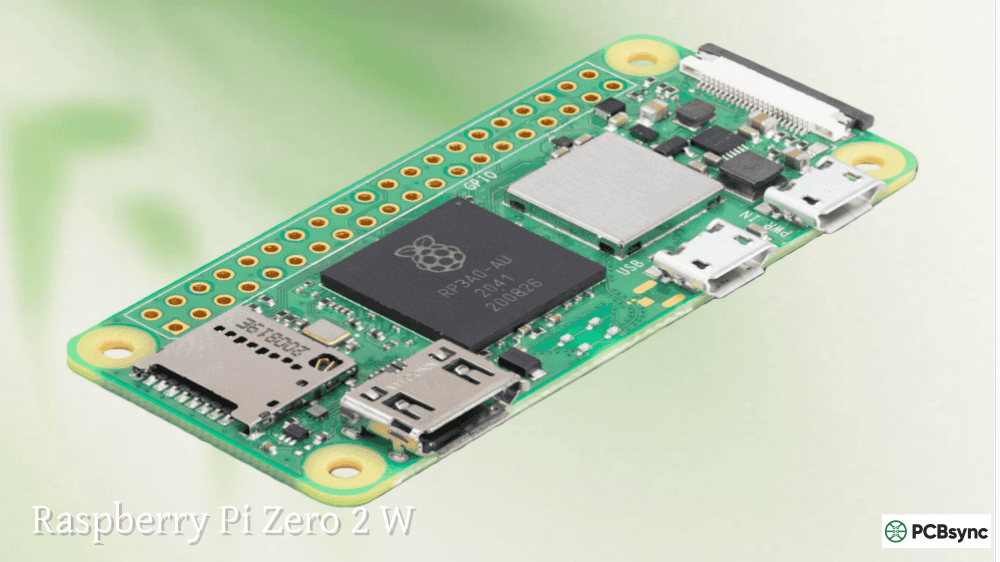
Pi Zero 2 W
50-80 Mbps
15-25 Mbps
Minimal
Complete Hardware List
Component
Minimum
Recommended
Raspberry Pi
Pi 3 B+
Pi 4 (4GB) or Pi 5
Storage
8GB microSD
32GB+ high-endurance SD or SSD
Power Supply
5V/2.5A (Pi 3)
Official 5V/3A (Pi 4/5)
Network
WiFi
Gigabit Ethernet
Case
Any
Heatsink case for 24/7 operation
Important: Use wired Ethernet for your VPN server. WiFi introduces latency and reduces reliability for always-on services.
Prerequisites and Preparation
Before installing, complete these preparation steps.
Network Requirements
Requirement
Details
Static IP (internal)
Assign fixed IP to your Pi via DHCP reservation or static config
Port Forwarding
Forward UDP 51820 (WireGuard) or UDP 1194 (OpenVPN) to your Pi
Public IP or DDNS
Know your public IP or set up dynamic DNS (DuckDNS, No-IP)
Configuration files are stored in /home/pi/configs/. Transfer via SCP:
scp pi@your-pi-ip:~/configs/clientname.conf ./
Client Apps
Platform
App
iOS
WireGuard (App Store)
Android
WireGuard (Play Store)
Windows
WireGuard for Windows
macOS
WireGuard for macOS
Linux
wireguard-tools package
Installing OpenVPN with PiVPN
If you need OpenVPN instead, PiVPN supports both protocols.
OpenVPN Installation
Run the same installer:
curl -L https://install.pivpn.io | bash
When prompted, select OpenVPN instead of WireGuard.
OpenVPN-Specific Configuration
Setting
Recommendation
Port
1194 (default) or 443 for firewall bypass
Protocol
UDP for speed, TCP for reliability
Encryption
AES-256-GCM
Key Size
4096-bit
Creating OpenVPN Profiles
pivpn add
The process is identical to WireGuard. Profiles use .ovpn extension.
Router Configuration: Port Forwarding
Your router must forward VPN traffic to the Raspberry Pi.
Port Forwarding Settings
Protocol
Port
Destination
WireGuard
UDP 51820
Pi’s internal IP
OpenVPN
UDP 1194
Pi’s internal IP
Access your router’s administration interface (typically 192.168.1.1 or 192.168.0.1) and find the port forwarding section. Create a rule forwarding the appropriate port to your Pi.
Dynamic DNS Setup
If your ISP assigns dynamic public IPs, set up DDNS:
Create account at DuckDNS, No-IP, or similar service
Choose a subdomain (e.g., myhomevpn.duckdns.org)
Install update script on your Pi
Use the domain name in client configurations
Split Tunnel vs Full Tunnel
Understanding tunnel types helps optimize your VPN usage.
Tunnel Types Explained
Type
Traffic Routed
Best For
Full Tunnel
All traffic through VPN
Maximum privacy, public WiFi
Split Tunnel
Only home network traffic
Remote access, better speed
Configuring Split Tunnel (WireGuard)
Edit the client configuration file:
# Full tunnel (default)
AllowedIPs = 0.0.0.0/0
# Split tunnel (home network only)
AllowedIPs = 192.168.1.0/24, 10.6.0.0/24
Change 192.168.1.0/24 to match your home network subnet. Add the VPN subnet (default 10.6.0.0/24) if clients need to communicate with each other.
Protect your raspberry pi vpn with proper security measures.
Essential Security Steps
Step
Command/Action
Keep system updated
sudo apt update && sudo apt upgrade
Enable firewall
sudo ufw allow 51820/udp && sudo ufw enable
Disable password SSH
Use key-based authentication only
Enable fail2ban
Protects against brute force
Regular backups
pivpn -bk creates config backup
Firewall Configuration
sudo ufw allow 22/tcp # SSH
sudo ufw allow 51820/udp # WireGuard
sudo ufw enable
PiVPN Management Commands
PiVPN provides simple commands for ongoing management.
Common Commands
Command
Function
pivpn add
Create new client profile
pivpn -c
Show connected clients
pivpn -l
List all client profiles
pivpn -qr clientname
Generate QR code for mobile
pivpn revoke
Remove client access
pivpn -d
Debug/diagnose issues
pivpn -bk
Backup configuration
pivpn -u
Uninstall PiVPN
Troubleshooting Common Issues
Connection Problems
Issue
Solution
Can’t connect from outside
Verify port forwarding, check public IP
Connected but no internet
Check DNS settings, verify routing
Slow speeds
Use Ethernet, check Pi resources
Frequent disconnections
Add PersistentKeepalive to config
QR code not scanning
Try pivpn -qr -a256 for better format
Diagnostic Steps
# Check WireGuard status
sudo wg show
# View active connections
pivpn -c
# Run PiVPN diagnostics
pivpn -d
# Check service status
sudo systemctl status wg-quick@wg0
Advanced Configuration: Pi-hole Integration
Combine your VPN with Pi-hole for network-wide ad blocking.
If Pi-hole is installed on the same Pi or network, PiVPN can detect it during installation. Otherwise, configure manually:
Note your Pi-hole’s IP address
During PiVPN setup, choose “Custom” DNS
Enter your Pi-hole IP as the DNS server
Now all VPN traffic gets filtered through Pi-hole, blocking ads and trackers even when you’re away from home.
Useful Resources
Official Downloads and Documentation
Resource
URL
PiVPN Project
pivpn.io
PiVPN Documentation
docs.pivpn.io
WireGuard Official
wireguard.com
WireGuard Apps
wireguard.com/install
OpenVPN
openvpn.net
Dynamic DNS Services
Service
URL
DuckDNS
duckdns.org
No-IP
noip.com
Dynu
dynu.com
Community Support
Platform
URL
PiVPN GitHub
github.com/pivpn/pivpn
Reddit r/raspberry_pi
reddit.com/r/raspberry_pi
Raspberry Pi Forums
forums.raspberrypi.com
Frequently Asked Questions
How fast is a Raspberry Pi VPN server?
Speed depends on your Pi model and chosen protocol. A wireguard raspberry pi setup on Pi 4 achieves 350-400 Mbps—fast enough to saturate most home internet connections. OpenVPN is significantly slower at 40-80 Mbps on the same hardware. The Pi 5 pushes these numbers even higher. For most users, the Pi’s VPN throughput exceeds their internet speed, making it a non-issue.
Is running my own VPN legal?
Running a personal VPN server is completely legal in most countries. You’re simply encrypting your own traffic and routing it through your home network. However, what you do through the VPN must still comply with local laws. Some countries restrict VPN usage entirely—check local regulations if you’re unsure.
Can I access my VPN from anywhere in the world?
Yes, as long as you have internet connectivity and your home network is online. Configure port forwarding on your router, use a static IP or dynamic DNS service, and you can connect from anywhere. Some countries and networks block VPN protocols—in those cases, OpenVPN over TCP port 443 may help bypass restrictions.
How much does it cost to run a Raspberry Pi VPN 24/7?
A Raspberry Pi 4 draws about 3-4 watts at idle with VPN services running. At typical electricity rates ($0.12/kWh), that’s roughly $3-4 per year in electricity costs. Add the one-time hardware cost of $50-100 for the Pi and accessories, and you have an extremely cost-effective VPN solution compared to $5-15/month commercial services.
Should I use WireGuard or OpenVPN for my first VPN server?
For new installations, choose WireGuard. It’s faster (3-10x throughput), uses less CPU, connects almost instantly, and is simpler to configure. OpenVPN makes sense only if you need TCP transport to bypass restrictive firewalls, have existing OpenVPN infrastructure, or require specific compliance features. WireGuard has matured significantly since its Linux kernel inclusion in 2020 and is now the recommended choice.
Conclusion
Building a raspberry pi vpn server puts you in control of your online privacy. Whether you choose wireguard raspberry pi for maximum performance or OpenVPN for specific compatibility needs, PiVPN makes the setup straightforward.
The investment is minimal—a $35-55 Raspberry Pi, a few hours of setup time, and you have a secure gateway to your home network from anywhere in the world. No subscriptions, no trusting third parties with your data, and no compromises on speed.
Start with WireGuard using PiVPN, set up port forwarding, and create your first client profile. Within an hour, you’ll have secure remote access that rivals enterprise VPN solutions at a fraction of the cost.
Your home network, accessible from anywhere, protected by encryption you control.
Inquire: Call 0086-755-23203480, or reach out via the form below/your sales contact to discuss our design, manufacturing, and assembly capabilities.
Quote: Email your PCB files to Sales@pcbsync.com (Preferred for large files) or submit online. We will contact you promptly. Please ensure your email is correct.
Notes: For PCB fabrication, we require PCB design file in Gerber RS-274X format (most preferred), *.PCB/DDB (Protel, inform your program version) format or *.BRD (Eagle) format. For PCB assembly, we require PCB design file in above mentioned format, drilling file and BOM. Click to download BOM template To avoid file missing, please include all files into one folder and compress it into .zip or .rar format.