Inquire: Call 0086-755-23203480, or reach out via the form below/your sales contact to discuss our design, manufacturing, and assembly capabilities.
Quote: Email your PCB files to Sales@pcbsync.com (Preferred for large files) or submit online. We will contact you promptly. Please ensure your email is correct.
Notes: For PCB fabrication, we require PCB design file in Gerber RS-274X format (most preferred), *.PCB/DDB (Protel, inform your program version) format or *.BRD (Eagle) format. For PCB assembly, we require PCB design file in above mentioned format, drilling file and BOM. Click to download BOM template To avoid file missing, please include all files into one folder and compress it into .zip or .rar format.
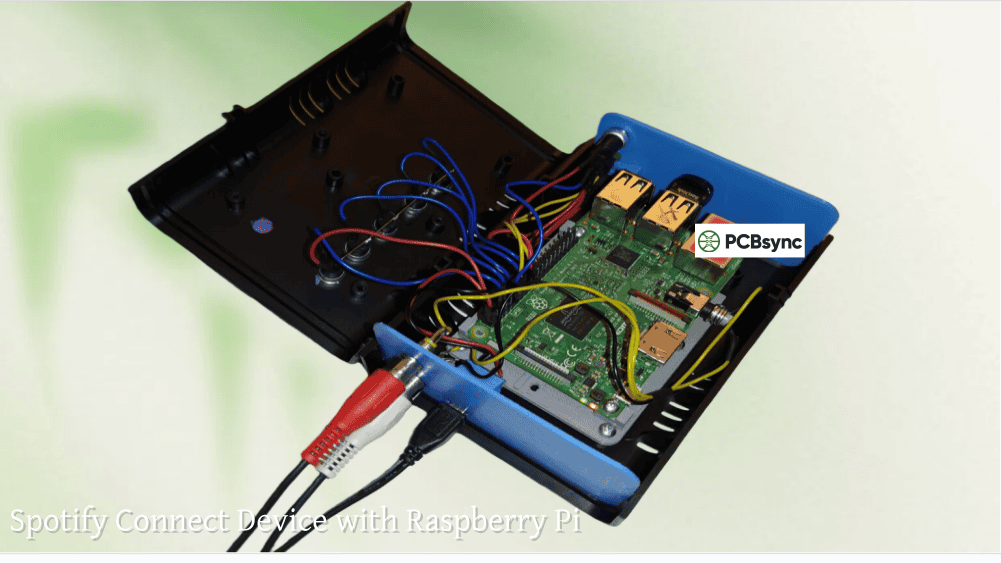
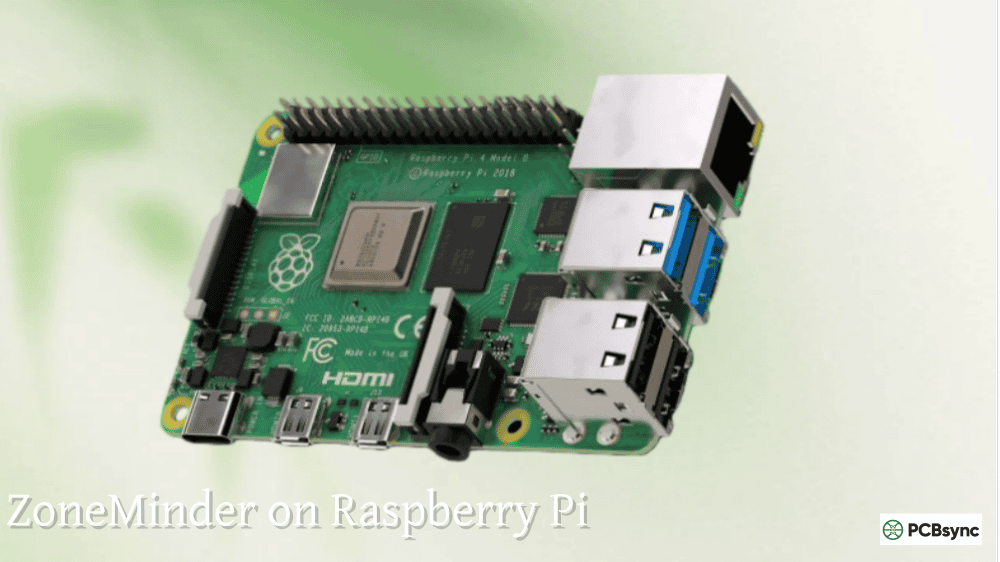
Turning a Raspberry Pi into a dedicated Spotify Connect receiver is one of the most satisfying audio projects you can build. For under $50, you get a streaming device that rivals commercial solutions costing three times as much.
I’ve been running raspberry pi spotify setups in three rooms for over a year now. The combination of low power consumption, flexible audio outputs, and seamless Spotify integration makes this project incredibly practical. Control everything from your phone while music plays through any speaker you choose.
This guide walks you through building your own spotify connect pi device, from basic setups using the built-in audio jack to audiophile configurations with dedicated DAC boards.
Spotify Connect lets you use your phone, tablet, or computer as a remote control while audio plays on a separate device. Your phone doesn’t stream the music—it just tells the receiving device what to play.
Spotify Connect Advantages
Benefit
Description
Phone becomes remote
Your phone controls playback but doesn’t stream audio
Saves battery
Audio streams directly to Pi, not through your phone
Seamless handoff
Switch control between devices without interrupting music
Network streaming
Works anywhere on your home network
Multi-room potential
Deploy multiple Pis throughout your home
Important: Spotify Connect requires a Spotify Premium subscription. Free accounts cannot use this feature.
Hardware Requirements
Raspberry Pi Model Selection
Any modern Pi works, but some models are better suited for dedicated audio.
Pi Model
Suitability
Notes
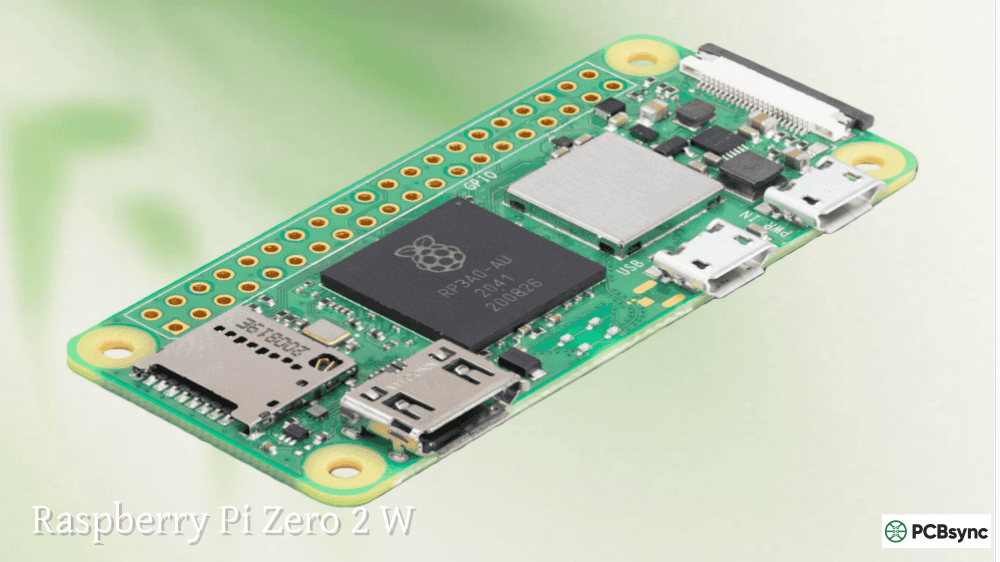
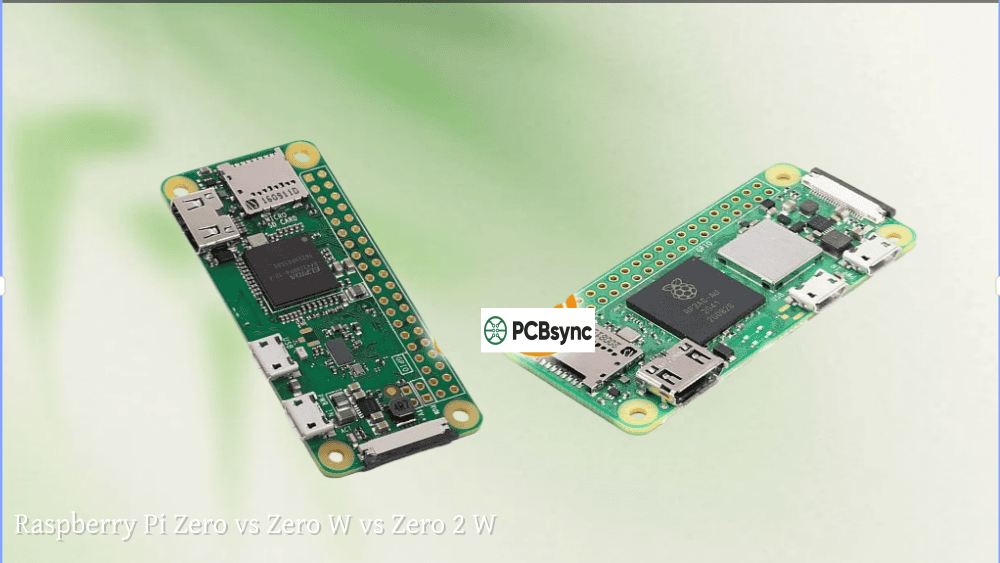
Pi Zero 2 W
Excellent
Compact, low power, perfect for hidden installs
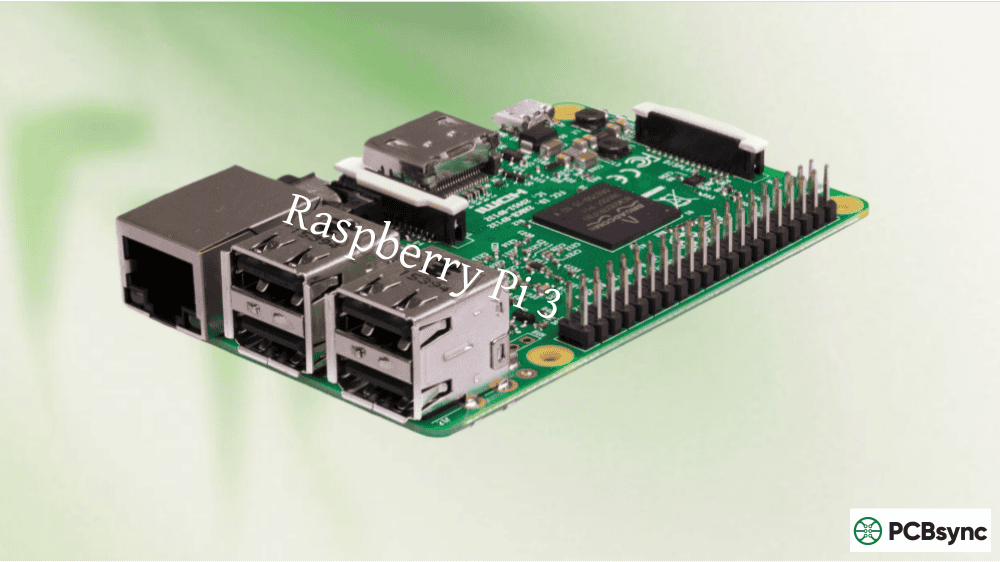
Pi 3B/3B+
Excellent
Great balance of power and availability
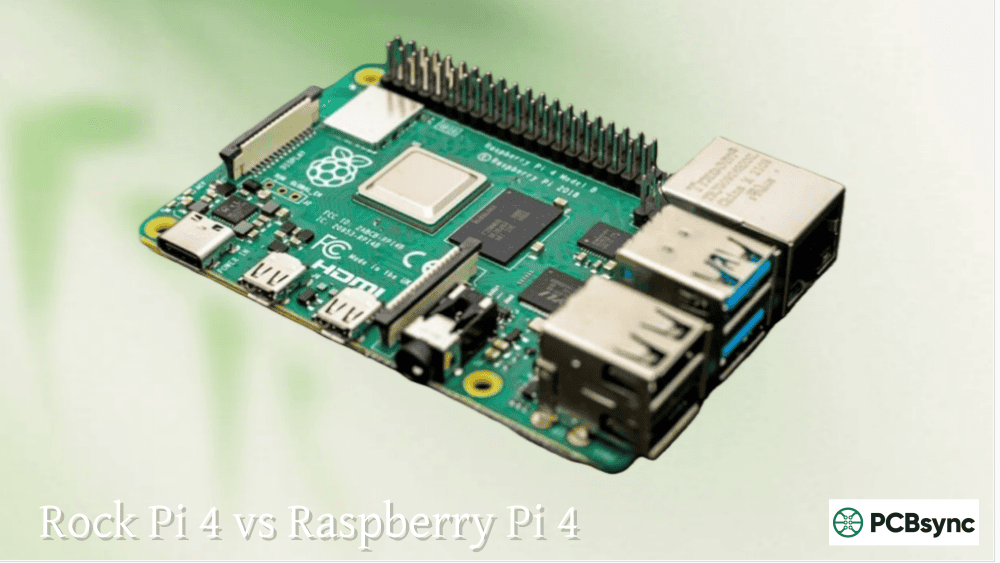
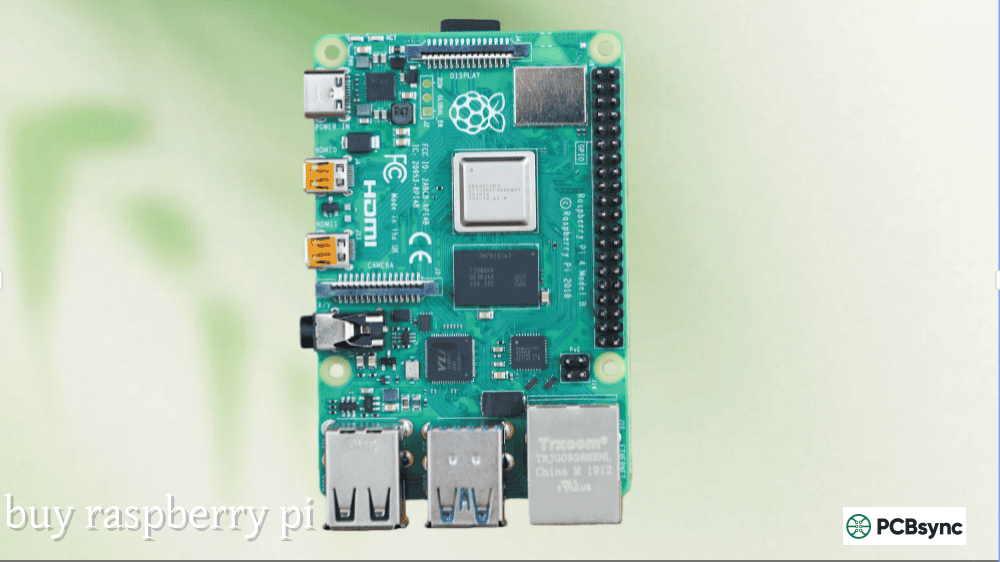
Pi 4B (2GB)
Excellent
More than enough for audio streaming
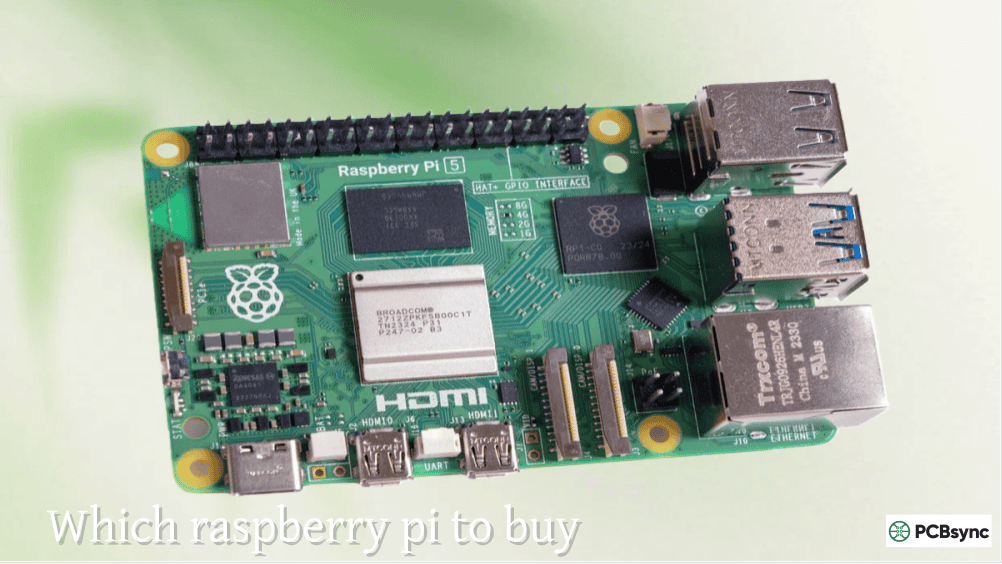
Pi 5
Overkill
Works fine but unnecessary for audio-only
For a dedicated raspberry pi spotify device, the Pi Zero 2 W or Pi 3B+ offers the best value. The Pi 4 works perfectly but consumes more power for a task that doesn’t need its processing capabilities.
Complete Hardware List
Component
Basic Setup
Audiophile Setup
Raspberry Pi
Pi Zero 2 W or Pi 3B+
Pi 3B+ or Pi 4
Power Supply
5V/2.5A adapter
Quality 5V/3A supply
MicroSD Card
8GB minimum
16GB+ high-endurance
Audio Output
3.5mm jack (built-in)
DAC HAT board
Speakers
Any powered speakers
Quality bookshelf speakers + amp
Case
Basic enclosure
Case compatible with DAC HAT
Audio Output Options
Output Method
Quality
Best For
3.5mm headphone jack
Basic
Testing, casual listening
HDMI audio
Good
Connecting to TV/receiver
USB DAC
Very Good
Improved quality without HAT
I2S DAC HAT
Excellent
Best audio quality
Software Options for Spotify Connect Pi
Several software solutions enable spotify connect pi functionality. Here’s how they compare.
Software Comparison
Software
Complexity
Features
Best For
Raspotify
Very Easy
Spotify Connect only
Dedicated streaming
Volumio
Easy
Multi-source, web UI
Full music system
moOde Audio
Moderate
Audiophile features
Serious listening
HiFiBerryOS
Easy
HiFiBerry integration
HiFiBerry DAC users
spotifyd
Moderate
Lightweight daemon
Advanced users
For most users, Raspotify offers the simplest path to a working raspberry pi spotify setup.
Raspotify Installation Guide
Raspotify uses librespot, an open-source Spotify Connect client, and packages everything for easy Raspberry Pi installation.
Step 1: Prepare Your Raspberry Pi
Start with a fresh Raspberry Pi OS Lite installation. The desktop version works but wastes resources for a headless audio device.
This script installs Raspotify and all dependencies, configures the service to start automatically, and enables your Pi as a Spotify Connect device immediately.
Step 3: Verify Installation
Check that Raspotify is running:
sudo systemctl status raspotify
You should see “active (running)” in the output.
Step 4: Connect from Spotify
Open Spotify on your phone or computer. Tap the device icon (speaker symbol) and your Raspberry Pi should appear in the list as “raspotify” followed by your hostname.
Select it, play music, and audio streams through your Pi’s audio output.
Raspotify works immediately after installation, but customization improves the experience.
Editing Configuration
Open the configuration file:
sudo nano /etc/raspotify/conf
Key Configuration Options
Option
Purpose
Values
LIBRESPOT_NAME
Device name in Spotify
Any text string
LIBRESPOT_BITRATE
Audio quality
96, 160, 320
LIBRESPOT_DEVICE
Audio output device
ALSA device name
LIBRESPOT_INITIAL_VOLUME
Starting volume
0-100
Example Configuration
LIBRESPOT_NAME=”Living Room Pi”
LIBRESPOT_BITRATE=”320″
LIBRESPOT_INITIAL_VOLUME=”50″
After editing, restart the service:
sudo systemctl restart raspotify
Improving Audio Quality with DAC HATs
The Raspberry Pi’s built-in audio is functional but limited. A dedicated DAC (Digital-to-Analog Converter) dramatically improves sound quality.
Popular DAC HAT Options
DAC Board
Price Range
Output Type
Notes
HiFiBerry DAC+ Standard
$30-35
RCA
Great entry point
HiFiBerry DAC2 Pro
$45-50
RCA
Audiophile quality
IQaudio DAC Pro
$40-45
RCA
Excellent value
HiFiBerry Amp2
$55-60
Speaker wire
Built-in amplifier
JustBoom DAC HAT
$35-40
RCA
Good mid-range option
DAC HAT Installation
Power off your Raspberry Pi
Attach the DAC HAT to the GPIO pins
Boot the Pi and edit /boot/firmware/config.txt
Add the appropriate device tree overlay
For HiFiBerry DAC+:
dtoverlay=hifiberry-dacplus
Disable onboard audio:
dtparam=audio=off
Reboot and configure Raspotify to use the DAC
Configuring Raspotify for DAC
Find your DAC’s ALSA device name:
aplay -l
Add to Raspotify configuration:
LIBRESPOT_DEVICE=”hw:sndrpihifiberry”
Adjust the device name to match your specific DAC.
Multi-Room Audio Setup
Deploy multiple raspberry pi spotify devices throughout your home for whole-house audio.
Multi-Room Architecture
Room
Pi Model
Audio Setup
Living Room
Pi 4 + DAC2 Pro
High-end speakers
Kitchen
Pi Zero 2 W
Small powered speakers
Bedroom
Pi 3B+ + Amp2
Bookshelf speakers
Garage
Pi Zero 2 W
Weatherproof speaker
Each Pi appears as a separate Spotify Connect device, allowing independent control or grouped playback through Spotify’s built-in grouping feature.
Power Considerations
Setup
Power Consumption
Pi Zero 2 W + 3.5mm
~1W
Pi 3B+ + USB DAC
~3W
Pi 4 + DAC HAT
~4W
Pi + Amp HAT (idle)
~5W
These devices can run 24/7 with negligible electricity costs—typically $2-5 per year each.
Alternative: Complete Audio Distribution Systems
For users wanting more than just Spotify, consider full audio operating systems.
Volumio
Volumio provides a web interface supporting Spotify Connect, local files, internet radio, and more.
Feature
Included
Spotify Connect
Yes (Premium required)
Web Interface
Yes
Local Files
Yes
Internet Radio
Yes
Airplay
Plugin available
moOde Audio Player
moOde targets audiophiles with advanced features:
Feature
Included
Spotify Connect
Yes
High-res Audio
Up to 32-bit/384kHz
DSP/EQ
Built-in
CamillaDSP
Supported
UPnP/DLNA
Yes
HiFiBerryOS
If using HiFiBerry DAC hardware, their custom OS provides seamless integration with built-in Spotify Connect support.
Troubleshooting Common Issues
Device Not Appearing in Spotify
Issue
Solution
Different networks
Ensure phone and Pi are on same WiFi
Service not running
Run sudo systemctl restart raspotify
Firewall blocking
Check router firewall settings
Multiple accounts
Ensure same Spotify account on both devices
No Audio Output
Issue
Solution
Wrong output selected
Check ALSA configuration
Volume too low
Check both Raspotify and system volume
DAC not detected
Verify config.txt overlay settings
Muted output
Run alsamixer and unmute
Audio Cutting Out
Issue
Solution
WiFi interference
Use Ethernet or 5GHz WiFi
Buffer underruns
Increase buffer size in config
Network congestion
Prioritize Pi traffic on router
Useful Resources
Official Resources
Resource
URL
Raspotify GitHub
github.com/dtcooper/raspotify
Raspotify Wiki
github.com/dtcooper/raspotify/wiki
HiFiBerry Documentation
hifiberry.com/docs
Volumio
volumio.com
moOde Audio
moodeaudio.org
DAC HAT Manufacturers
Manufacturer
Website
HiFiBerry
hifiberry.com
IQaudio (Raspberry Pi)
raspberrypi.com/products
JustBoom
justboom.co
Allo
allo.com
Frequently Asked Questions
Does Raspberry Pi Spotify Connect work with free Spotify accounts?
No, Spotify Connect requires a Spotify Premium subscription. This is a Spotify limitation, not a Raspotify restriction. Free accounts cannot use the Connect feature on any device, including commercial Spotify Connect speakers. The Premium subscription costs around $10-12/month and enables Connect across all your devices.
Which Raspberry Pi model is best for Spotify streaming?
For dedicated spotify connect pi use, the Raspberry Pi 3B+ or Pi Zero 2 W offer the best value. Audio streaming requires minimal processing power—even the Zero 2 W handles it effortlessly. The Pi 4 works perfectly but consumes more power and generates more heat for a task that doesn’t need the extra capability. Save the Pi 4 for multi-purpose setups running additional services.
Do I need a DAC HAT for good audio quality?
Not necessarily. The built-in 3.5mm jack works for casual listening and testing. However, a DAC HAT significantly improves audio quality for serious listening. The raspberry pi spotify experience with a $30-50 DAC HAT rivals commercial streamers costing $200+. If you’re connecting to quality speakers or a good amplifier, the DAC upgrade is worthwhile.
Can I use Bluetooth speakers with Raspotify?
Yes, though it adds complexity. You’ll need to pair your Bluetooth speaker with the Pi and configure ALSA to route audio through Bluetooth. However, using a wired connection (3.5mm, USB DAC, or DAC HAT) provides more reliable performance. Bluetooth introduces potential latency and connection stability issues that wired solutions avoid.
How many Spotify Connect devices can I run simultaneously?
Spotify allows playback on one device at a time per account. However, you can switch between devices instantly using the Spotify app. For true simultaneous multi-room audio, create a Spotify Group from devices within the app, or consider a family plan with multiple accounts for independent playback in different rooms.
Conclusion
Building a raspberry pi spotify device delivers exceptional value. A basic setup costs under $50 and provides streaming quality matching commercial solutions at three times the price.
Start with Raspotify on whatever Pi you have available. The single-command installation gets you streaming within minutes. As your appreciation grows, upgrade with a DAC HAT for audiophile-quality sound.
The spotify connect pi combination proves that excellent audio doesn’t require expensive equipment—just thoughtful implementation and the right software. Your old speakers are about to get a serious upgrade.
Inquire: Call 0086-755-23203480, or reach out via the form below/your sales contact to discuss our design, manufacturing, and assembly capabilities.
Quote: Email your PCB files to Sales@pcbsync.com (Preferred for large files) or submit online. We will contact you promptly. Please ensure your email is correct.
Notes: For PCB fabrication, we require PCB design file in Gerber RS-274X format (most preferred), *.PCB/DDB (Protel, inform your program version) format or *.BRD (Eagle) format. For PCB assembly, we require PCB design file in above mentioned format, drilling file and BOM. Click to download BOM template To avoid file missing, please include all files into one folder and compress it into .zip or .rar format.