Inquire: Call 0086-755-23203480, or reach out via the form below/your sales contact to discuss our design, manufacturing, and assembly capabilities.
Quote: Email your PCB files to Sales@pcbsync.com (Preferred for large files) or submit online. We will contact you promptly. Please ensure your email is correct.
Notes: For PCB fabrication, we require PCB design file in Gerber RS-274X format (most preferred), *.PCB/DDB (Protel, inform your program version) format or *.BRD (Eagle) format. For PCB assembly, we require PCB design file in above mentioned format, drilling file and BOM. Click to download BOM template To avoid file missing, please include all files into one folder and compress it into .zip or .rar format.
Can You Run Windows on Raspberry Pi? Here’s What Actually Works
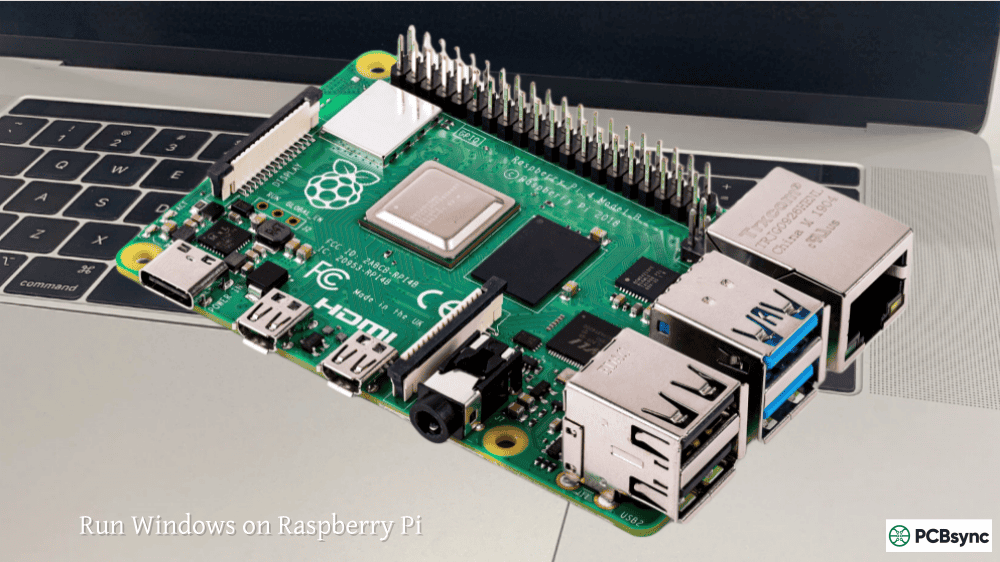
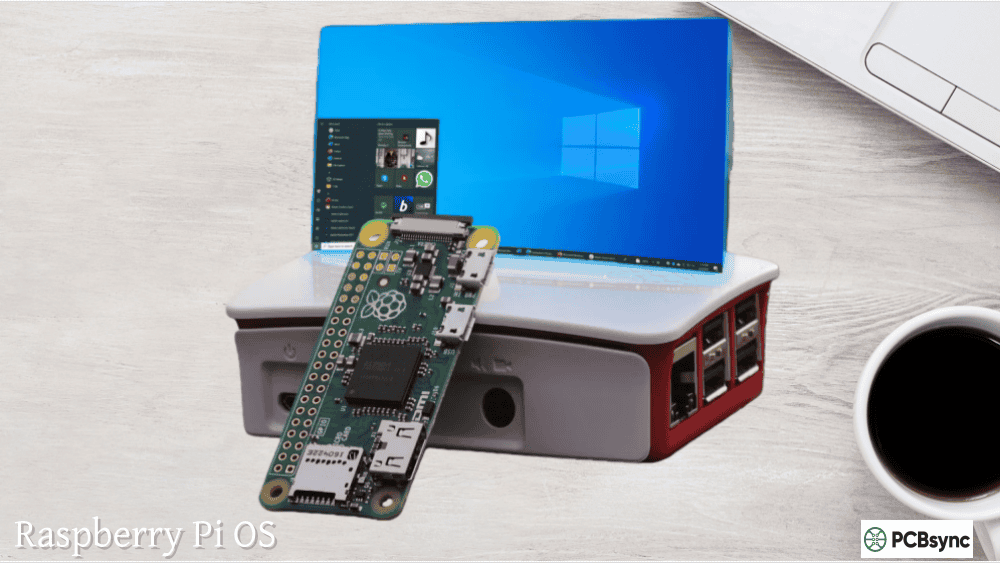
The question comes up constantly in maker communities: can you actually run windows raspberry pi systems? The short answer is yes—but the full answer involves understanding what works, what doesn’t, and whether it’s worth the effort.
After experimenting with various Windows installations on multiple Raspberry Pi models, I can give you the real-world breakdown. This isn’t Microsoft’s officially supported territory, but talented developers have made it possible to run windows 11 raspberry pi setups that actually function.
Let’s set expectations clearly before diving in. Running raspberry pi windows is possible, but it’s fundamentally different from your desktop experience.
What You’re Actually Installing
Aspect
Reality
Windows Version
ARM64 (not standard x86-64)
Official Support
None from Microsoft
Performance
Noticeably slower than Pi OS
Driver Support
Limited, community-developed
Use Case
Experimentation, learning, light tasks
Windows raspberry pi installations use the ARM64 version of Windows—the same architecture found in devices like the Surface Pro X. This isn’t the standard Windows you download from Microsoft’s website. The entire experience relies on community-built tools and custom firmware.
Why Would You Want This?
Despite limitations, there are legitimate reasons to pursue a windows 11 raspberry pi setup:
Reason
Explanation
Familiarity
You prefer Windows interface over Linux
ARM Development
Testing ARM64 Windows applications
Education
Learning about UEFI, ARM architecture, OS internals
Proof of Concept
Demonstrating Windows on unconventional hardware
Specific Software
Running Windows-only applications unavailable on Linux
Which Raspberry Pi Models Support Windows?
Not all Pi models handle Windows equally. Here’s what you can expect from each:
Pi Model
Windows Support
RAM
Practical Usability
Pi 5 (8GB)
Best option
8GB
Usable for light tasks
Pi 5 (4GB)
Good
4GB
Functional but slower
Pi 4 (8GB)
Solid
8GB
Reasonable performance
Pi 4 (4GB)
Acceptable
4GB
Slow but works
Pi 4 (2GB)
Marginal
2GB
Very sluggish
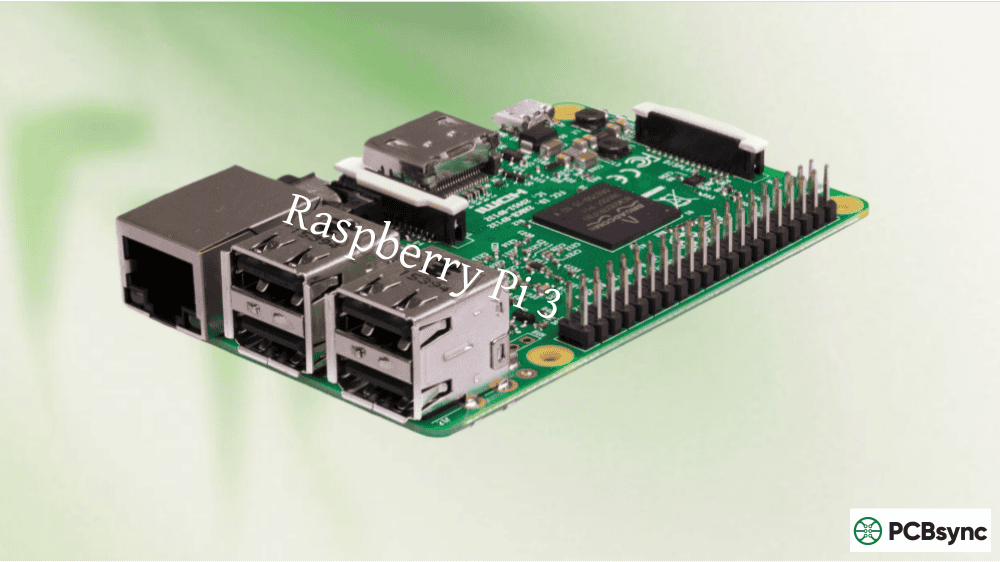
Pi 3 B+
Limited
1GB
Barely functional
Pi 5 (2GB/16GB)
Not working
–
Firmware incompatibility
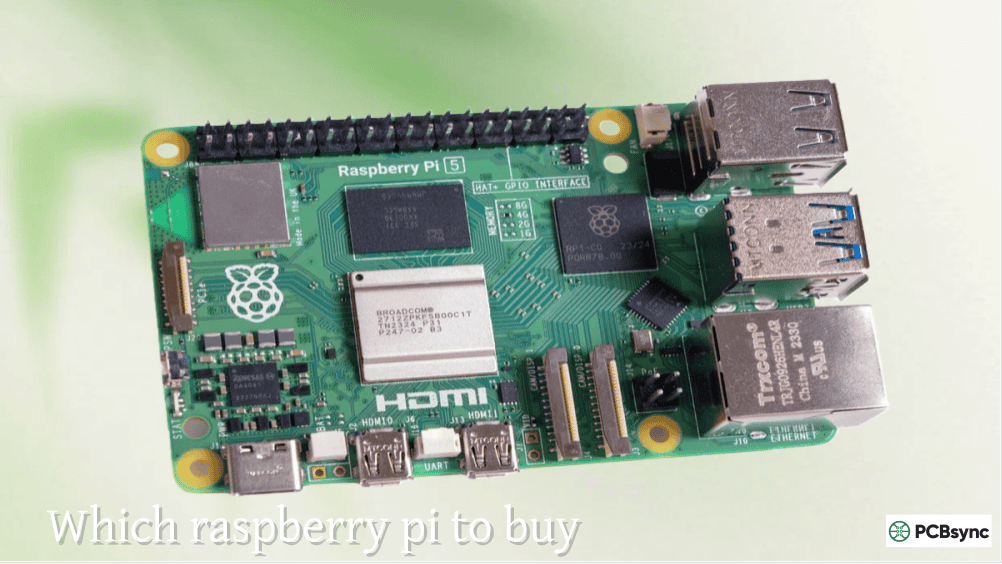
Important note: At the time of writing, the Raspberry Pi 5 2GB and 16GB models have firmware changes that broke compatibility with the custom UEFI required for Windows. The 4GB and 8GB Pi 5 models work fine.
Hardware Requirements
For a functional windows raspberry pi experience, you need:
Component
Minimum
Recommended
Pi Model
Pi 4 (4GB)
Pi 5 (8GB)
Storage
32GB microSD
64GB+ USB SSD
Power Supply
Official 15W
Official 27W (Pi 5)
Network
USB Ethernet adapter
Required for setup
Display
HDMI monitor
Any HDMI display
Critical: Onboard WiFi has no Windows ARM drivers. You must use USB Ethernet or phone tethering for network connectivity.
Installation Methods: What Actually Works
Two primary methods exist for installing Windows on Raspberry Pi.
Method 1: WoR Flasher (Recommended)
Windows on Raspberry (WoR) Flasher automates the entire process. It downloads Windows, prepares drivers, and creates a bootable image.
WoR Flasher can run on:
Windows PC
Linux PC
Raspberry Pi OS itself
The process takes 30-60 minutes depending on internet speed and storage device.
Method 2: Manual Installation
For advanced users, manual installation offers more control but requires:
Downloading Windows ARM64 ISO separately
Manually preparing UEFI firmware
Configuring drivers after installation
Most users should stick with WoR Flasher.
Step-by-Step Windows 11 Raspberry Pi Installation
Here’s the practical process for getting Windows running on your Pi.
Prerequisites
Raspberry Pi 4 (4GB+) or Pi 5 (4GB/8GB)
USB SSD (strongly recommended over SD card)
Separate microSD card for Pi 5 UEFI firmware
USB keyboard and mouse
HDMI monitor
USB Ethernet adapter or phone with tethering
Installation Process
Step 1: Download WoR Flasher
Get WoR Flasher from the official repository. Run it on your computer or directly on Raspberry Pi OS.
Step 2: Select Windows Version
Choose Windows 11 ARM64. For Pi 4, specific older builds work more reliably than the latest versions. Build 22631.2715 is often recommended for Pi 4 stability.
Step 3: Choose Storage Device
Select your USB SSD or microSD card. USB SSD provides dramatically better performance.
Step 4: Flash the Image
WoR downloads Windows, prepares drivers, and creates the bootable image. This takes 15-45 minutes.
Step 5: Pi 5 Additional Step
For Raspberry Pi 5 only:
Download UEFI firmware from the WoR Pi 5 GitHub
Format a separate microSD card as FAT32
Copy UEFI files to the microSD
This microSD must remain in the Pi permanently
Step 6: First Boot
Insert storage into your Pi and power on. Initial boot takes 4-5 minutes on Pi 4, under 2 minutes on Pi 5.
Step 7: Complete Setup
Follow Windows setup prompts. When asked to connect to network, use your USB Ethernet adapter. To bypass Microsoft account requirement, press Shift+F10 and type OOBE\BYPASSNRO to enable local account creation.
Performance Expectations
Let’s be honest about what windows 11 raspberry pi performance actually looks like.
Real-World Performance Comparison
Task
Pi 5 (8GB)
Pi 4 (8GB)
Pi 4 (4GB)
Boot Time
~90 seconds
~4-5 minutes
~5+ minutes
Web Browsing
Usable (limited tabs)
Slow
Very slow
Office Apps
Functional
Sluggish
Barely usable
File Management
Reasonable
Acceptable
Slow
Heavy Software
Won’t run
Won’t run
Won’t run
What Works
Basic web browsing (Edge runs reasonably)
Microsoft Office (light use)
File management
Remote Desktop client
Simple productivity tasks
ARM-native Windows applications
What Doesn’t Work
Feature
Status
Onboard WiFi
No drivers
Bluetooth
No drivers
GPIO Access
Not exposed in Windows
HDMI Audio
Not working
Hardware acceleration
Limited
Gaming
Not practical
Video editing
Not practical
Alternative: Running Windows in a Virtual Machine
A newer approach avoids many bare-metal limitations: running Windows 11 inside a Linux virtual machine using BVM (Botspot Virtual Machine).
BVM Advantages
Advantage
Explanation
Network Works
Uses Linux networking stack
Better Integration
Access Pi OS alongside Windows
Easier Setup
Simpler installation process
GPU Acceleration
Better graphics performance
Dual Use
Switch between Pi OS and Windows
BVM runs Windows 11 ARM inside QEMU/KVM on Raspberry Pi OS 64-bit. Performance is surprisingly good on Pi 5 with 8GB RAM, and you don’t lose access to Pi OS features.
For many users, this virtual machine approach is more practical than bare-metal installation.
Is Windows on Raspberry Pi officially supported by Microsoft?
No. Microsoft does not officially support running Windows on Raspberry Pi. The windows raspberry pi experience relies entirely on community-developed tools, custom UEFI firmware, and unofficial driver packages. Microsoft’s Windows ARM64 is designed for devices like Surface Pro X, not single-board computers. Use this for experimentation and learning, not production systems.
Which Raspberry Pi model is best for Windows 11?
The Raspberry Pi 5 with 8GB RAM provides the best windows 11 raspberry pi experience. It offers faster boot times (under 2 minutes vs 4-5 minutes on Pi 4), better application responsiveness, and more usable multitasking. The 4GB Pi 5 and 8GB Pi 4 are acceptable alternatives. Avoid the Pi 4 2GB model—it’s painfully slow with Windows.
Why doesn’t WiFi work on Windows Raspberry Pi?
The Raspberry Pi’s onboard WiFi chip lacks Windows ARM drivers. No one has developed drivers for the Broadcom wireless hardware that works with Windows ARM64. You must use a USB-to-Ethernet adapter, an Ethernet cable, or USB tethering from a smartphone for network connectivity. Some USB WiFi adapters with generic Windows ARM drivers may work, but results vary.
Can I run regular Windows programs on Raspberry Pi?
You can run Windows ARM64 applications natively, and Windows includes x86/x64 emulation for traditional programs. However, emulation adds significant overhead on already limited hardware. Simple applications work, but complex software (Photoshop, heavy IDEs, games) will either crash or run unacceptably slow. Stick to lightweight, ARM-native applications when possible.
Should I use Windows or Linux on my Raspberry Pi?
For most users, Raspberry Pi OS or another Linux distribution is the better choice. Linux runs faster, has full hardware support, and is designed for the Pi’s architecture. Windows raspberry pi setups are best for specific use cases: learning about ARM architecture, testing Windows ARM applications, or running Windows-only software unavailable on Linux. If you just want a functional computer, stick with Linux.
Troubleshooting Common Issues
Windows on Raspberry Pi has predictable failure points. Here’s how to solve them.
Boot Problems
Issue
Cause
Solution
ACPI BIOS Error (Pi 5)
Wrong device selection in WoR
Select “Pi 2/3” not “Pi 4/400”
No boot at all
Corrupt flash
Reflash storage with WoR
Stuck on Windows logo
Slow storage
Use USB SSD, not SD card
Black screen after logo
HDMI handshake
Try different HDMI port/cable
Post-Installation Issues
Issue
Solution
No network
Use USB Ethernet adapter or phone tethering
No sound
Use 3.5mm audio jack, not HDMI
Freezing
Close unused apps, add virtual memory
Very slow performance
Upgrade to Pi 5 or use SSD storage
Licensing Considerations
Before installing Windows on your Raspberry Pi, understand the licensing situation.
Microsoft allows Windows ARM64 Insider Preview downloads for development and testing purposes. However, running Windows on unsupported hardware exists in a legal gray area. You’re not violating any laws, but you also won’t receive official support.
For personal experimentation and learning, this is generally accepted within the community. For commercial or production use, consider the implications carefully.
Final Verdict: Is Windows on Raspberry Pi Worth It?
Running windows raspberry pi systems is absolutely possible and genuinely impressive as a technical achievement. Seeing the Windows 11 Start menu on a board the size of a credit card is undeniably cool.
But let’s be practical: for everyday computing, Raspberry Pi OS runs circles around Windows on the same hardware. Windows on Pi makes sense for:
Educational exploration
ARM Windows development testing
Running specific Windows-only applications
Technical curiosity and tinkering
If you need a productive mini computer, install Raspberry Pi OS. If you want to experiment and don’t mind slower performance, give windows 11 raspberry pi a try. The BVM virtual machine approach offers a nice middle ground—run Windows when needed while keeping full Linux functionality.
The community has done remarkable work making this possible. Just go in with realistic expectations, and you might be surprised at what that little Pi can do.
Inquire: Call 0086-755-23203480, or reach out via the form below/your sales contact to discuss our design, manufacturing, and assembly capabilities.
Quote: Email your PCB files to Sales@pcbsync.com (Preferred for large files) or submit online. We will contact you promptly. Please ensure your email is correct.
Notes: For PCB fabrication, we require PCB design file in Gerber RS-274X format (most preferred), *.PCB/DDB (Protel, inform your program version) format or *.BRD (Eagle) format. For PCB assembly, we require PCB design file in above mentioned format, drilling file and BOM. Click to download BOM template To avoid file missing, please include all files into one folder and compress it into .zip or .rar format.