Inquire: Call 0086-755-23203480, or reach out via the form below/your sales contact to discuss our design, manufacturing, and assembly capabilities.
Quote: Email your PCB files to Sales@pcbsync.com (Preferred for large files) or submit online. We will contact you promptly. Please ensure your email is correct.
Notes: For PCB fabrication, we require PCB design file in Gerber RS-274X format (most preferred), *.PCB/DDB (Protel, inform your program version) format or *.BRD (Eagle) format. For PCB assembly, we require PCB design file in above mentioned format, drilling file and BOM. Click to download BOM template To avoid file missing, please include all files into one folder and compress it into .zip or .rar format.
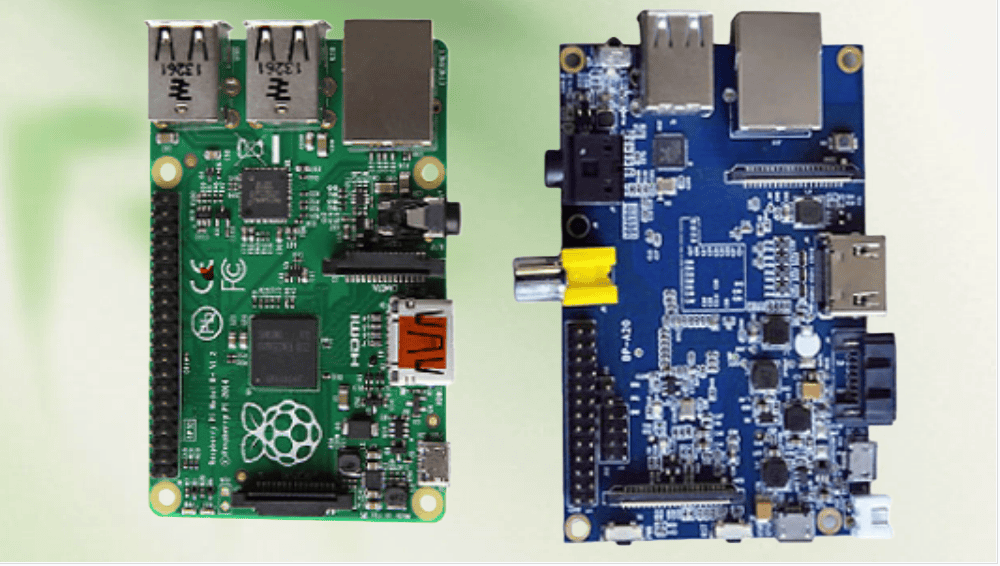
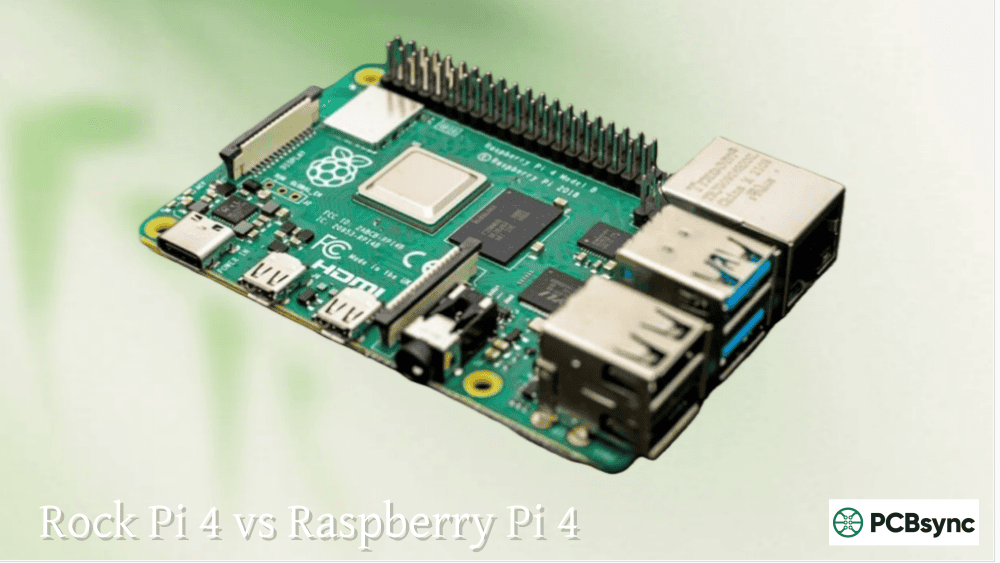
The Rock Pi 4 from Radxa has established itself as one of the most compelling Raspberry Pi alternatives on the market. Both boards share nearly identical form factors and GPIO layouts, making them seemingly interchangeable. But under the hood, these single board computers take fundamentally different approaches to performance, storage, and power delivery.
After working with both platforms across multiple projects—from media centers to embedded controllers—I’ve developed clear opinions on where each board excels. This comparison breaks down the real-world differences between the Rock Pi 4 and Raspberry Pi 4 to help you choose the right board for your specific needs.
The processor comparison reveals interesting architectural differences that impact real-world performance.
Radxa Rock Pi 4 CPU Architecture
The Rockchip RK3399 uses a big.LITTLE configuration with two high-performance Cortex-A72 cores clocked at 2.0GHz paired with four efficiency Cortex-A53 cores at 1.5GHz. This hexa-core design excels at mixed workloads—the A72 cores handle demanding tasks while A53 cores manage background processes efficiently.
In benchmark testing, the RK3399’s A72 cores running at 2.0GHz deliver approximately 20% higher single-threaded performance compared to the BCM2711’s A72 cores at 1.5GHz. The clock speed advantage translates directly to faster application response times and quicker compilation.
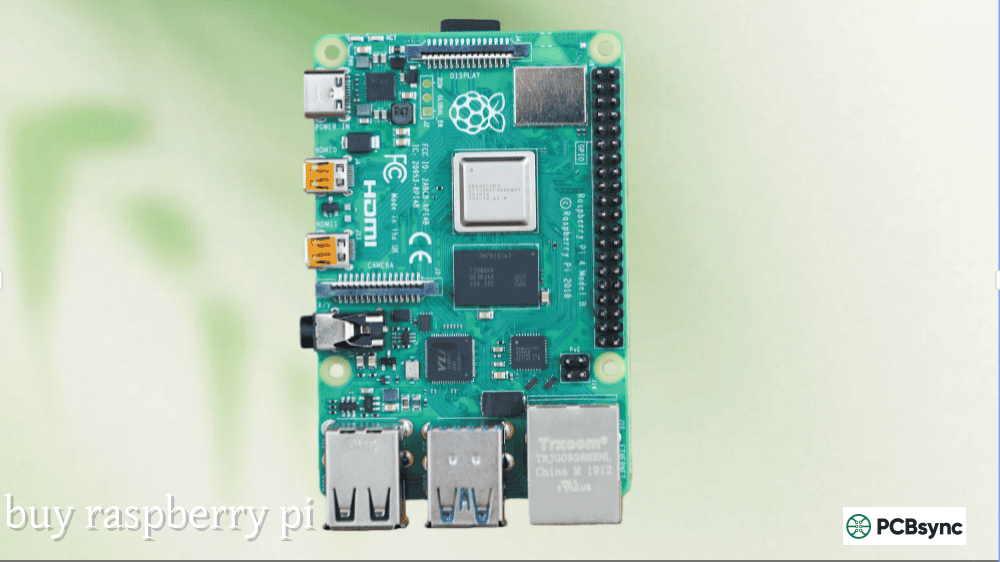
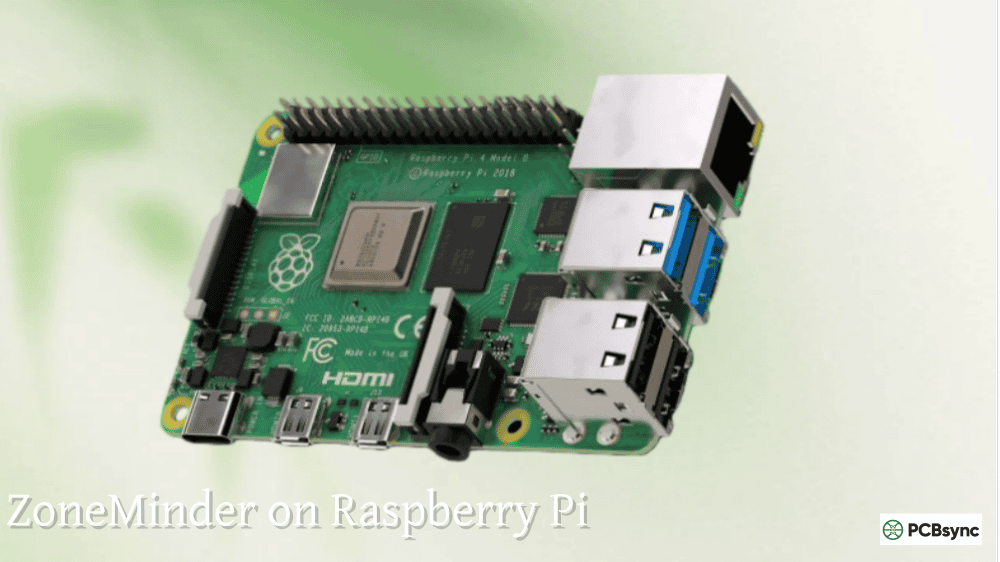
Raspberry Pi 4 CPU Architecture
The Broadcom BCM2711 features four Cortex-A72 cores running at 1.5GHz (overclockable to 1.8GHz or higher with adequate cooling). While it lacks dedicated efficiency cores, having four full-performance cores provides better multi-threaded throughput for CPU-bound tasks like video encoding or compilation.
CPU Benchmark Comparison
Benchmark
Rock Pi 4 (4GB)
Raspberry Pi 4 (4GB)
Sysbench (single-core)
~1,450 events/sec
~1,200 events/sec
Sysbench (multi-core)
~4,800 events/sec
~4,600 events/sec
7-Zip Compression
4,100 MIPS
3,800 MIPS
Dhrystone 2.1
15,200 DMIPS
12,500 DMIPS
The Rock Pi 4 leads in single-threaded benchmarks due to its higher clock speed, while multi-threaded performance is closer since the Pi 4’s four A72 cores balance against the Rock Pi’s two A72 plus four A53 configuration.
GPU and Graphics Capabilities
Graphics performance differs significantly between these boards, affecting media playback, gaming, and hardware-accelerated computing.
Mali-T860 MP4 on Rock Pi 4
The Mali-T860 MP4 GPU in the RK3399 supports modern graphics APIs including OpenGL ES 3.2, Vulkan 1.0, and OpenCL 1.2. Running at 600MHz with four shader cores, it delivers solid performance for 3D graphics and GPU-accelerated computing tasks.
For retro gaming emulation, the Mali-T860 handles Dreamcast, PSP, and N64 emulation smoothly—systems that struggle on the Raspberry Pi 4. OpenCL support enables GPU computing for image processing and parallel workloads.
VideoCore VI on Raspberry Pi 4
The VideoCore VI GPU excels at video decode/encode operations with native hardware support for H.265 (4K60), H.264, and VP9. However, its OpenGL ES implementation tops out at 3.1, and there’s no Vulkan support. The GPU clock runs at 500MHz, lower than the Mali-T860’s 600MHz.
Where the VideoCore VI shines is power efficiency and video codec support. Hardware video acceleration is well-optimized in Raspberry Pi OS, making the Pi 4 excellent for media center applications using Kodi or similar software.
Graphics API Support Comparison
Feature
Rock Pi 4
Raspberry Pi 4
OpenGL ES
3.2
3.1
Vulkan
1.0
Not supported
OpenCL
1.2
Not supported
H.265 Decode
Yes (4K60)
Yes (4K60)
H.264 Encode
Yes
Yes
VP9 Decode
Yes
Yes
Storage Options: Where Rock Pi 4 Dominates
Storage flexibility represents the Rock Pi 4’s most significant advantage over the Raspberry Pi 4.
Radxa Rock Pi 4 Storage Architecture
The Rock Pi 4 offers three storage interfaces:
microSD Card: Standard SD slot supporting cards up to 128GB, suitable for basic installations and testing.
eMMC Socket: Compatible with Radxa’s eMMC 5.1 modules (8GB to 128GB). eMMC storage delivers 150MB/s sequential reads and 100MB/s writes—roughly 3-5x faster than typical microSD cards. The improved random I/O performance makes the system noticeably more responsive.
M.2 NVMe SSD: The M.2 slot accepts NVMe SSDs up to 2TB, enabling storage speeds of 1,500+ MB/s. This transforms the Rock Pi 4 into a capable file server or development machine with storage performance approaching desktop computers.
Raspberry Pi 4 Storage Limitations
The Raspberry Pi 4 relies exclusively on microSD storage without native alternatives. While USB 3.0 booting is possible (and recommended for serious use), it requires additional adapters and configuration.
The Pi 4’s microSD interface runs at approximately 40MB/s—improved from previous generations but still a bottleneck for I/O-intensive applications. Database operations, compilation, and large file transfers feel sluggish compared to eMMC or NVMe storage.
Storage Speed Comparison
Storage Type
Sequential Read
Sequential Write
Random 4K
Rock Pi 4 (eMMC 5.1)
150 MB/s
100 MB/s
8,000 IOPS
Rock Pi 4 (NVMe SSD)
1,500+ MB/s
1,000+ MB/s
100,000+ IOPS
Pi 4 (microSD Class 10)
40 MB/s
20 MB/s
1,500 IOPS
Pi 4 (USB 3.0 SSD)
350 MB/s
300 MB/s
40,000 IOPS
Power Supply and Thermal Management
Both boards use USB-C for power, but the implementation differs substantially.
Rock Pi 4 Power Flexibility
The Rock Pi 4 supports USB Power Delivery (PD) and Qualcomm Quick Charge 3.0. This means you can power it with virtually any modern USB-C charger—smartphone chargers, laptop chargers, or power banks with PD support all work correctly.
The RK3399 runs warmer than the BCM2711, requiring active cooling for sustained workloads. The processor on the Rock Pi 4 sits on the bottom of the PCB, which complicates heatsink mounting but allows heat to dissipate away from other components.
Raspberry Pi 4 Power Requirements
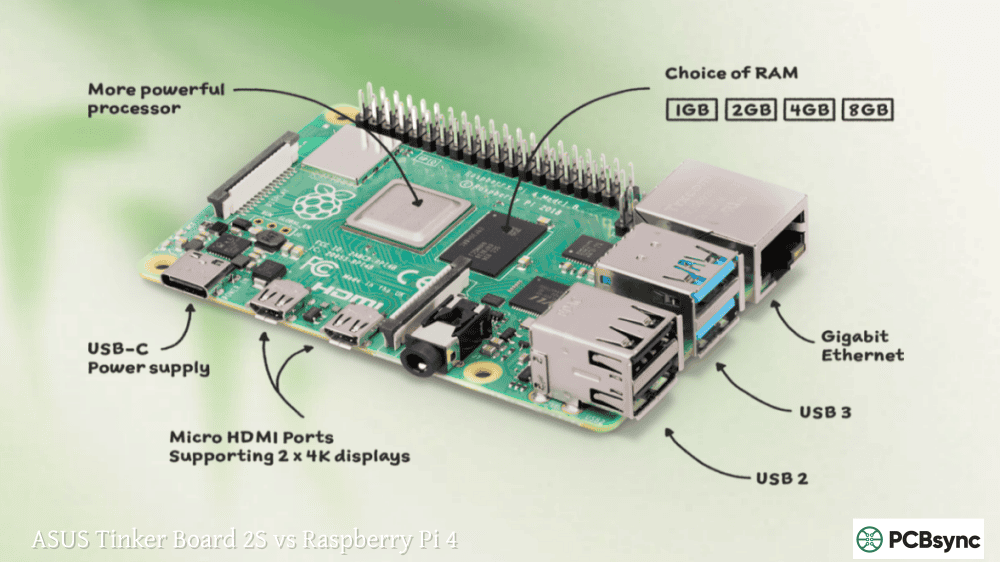
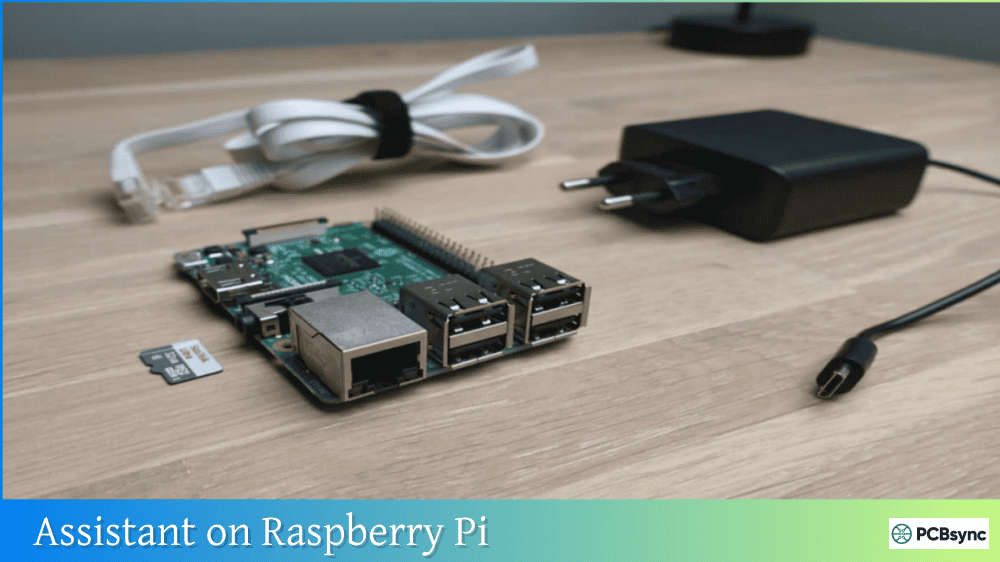
The Raspberry Pi 4 requires a simple 5V/3A power supply without PD negotiation. Early Pi 4 boards had a USB-C implementation bug that caused issues with e-marked cables, though this was fixed in later revisions.
The BCM2711 generally runs cooler than the RK3399 at equivalent workloads, though the Pi 4 still throttles under sustained load without additional cooling. The processor location on top of the PCB simplifies heatsink installation.
Radxa provides official Debian and Ubuntu images, with Android support for media center applications. The community maintains Armbian builds that often provide better stability than official images.
The RK3399 platform benefits from years of development across multiple boards (NanoPC-T4, RockPro64, Orange Pi RK3399), creating a broad software compatibility base. However, documentation can be scattered, and troubleshooting sometimes requires searching multiple forums and wikis.
Raspberry Pi 4 Software Ecosystem
The Raspberry Pi Foundation’s software support remains unmatched. Raspberry Pi OS receives regular updates with thorough testing, and the official documentation covers virtually every use case. When something doesn’t work, answers exist in forums, Stack Exchange, and countless tutorials.
Third-party operating system support is extensive: Ubuntu, Manjaro, LibreELEC, RetroPie, and dozens of others maintain active Pi 4 releases. The 8GB RAM option—unavailable on Rock Pi 4—enables running heavier desktop distributions comfortably.
Both boards offer similar connectivity but with notable differences.
Networking Performance
The Rock Pi 4’s Gigabit Ethernet connects directly to the RK3399’s internal bus, delivering true gigabit throughput (~940 Mbps). The Raspberry Pi 4 also achieves full gigabit speeds—a major improvement over the Pi 3’s USB-constrained networking.
WiFi performance is comparable, with both boards supporting 802.11ac dual-band wireless. The Rock Pi 4’s external antenna connector can improve range in challenging RF environments.
USB Configuration
The Rock Pi 4 provides one USB 3.0 host port and one USB 3.0 OTG port (which can function as device or host), plus two USB 2.0 ports. The OTG capability enables gadget mode for applications like USB mass storage or serial console emulation.
The Raspberry Pi 4 offers two USB 3.0 and two USB 2.0 ports, all configured as host-only. For most applications, the Pi’s configuration provides more flexibility for connecting peripherals.
GPIO Compatibility
Both boards feature 40-pin GPIO headers with compatible pinouts. Most Raspberry Pi HATs work on the Rock Pi 4 without modification, though software drivers may require adjustments. The Rock Pi 4 adds an onboard RTC (real-time clock) with battery backup—useful for data logging and time-sensitive applications.
Pricing and Value Analysis
Understanding the true cost requires considering complete setups, not just board prices.
Rock Pi 4 Total Cost of Ownership
Component
Price
Rock Pi 4B (4GB)
$75
32GB eMMC Module
$20
Heatsink + Fan
$10
Case
$15
USB-C PD Power Supply
$15
Total
$135
Raspberry Pi 4 Total Cost of Ownership
Component
Price
Raspberry Pi 4 (4GB)
$55
32GB microSD Card
$10
Heatsink + Fan
$8
Case
$10
Official Power Supply
$8
Total
$91
The Raspberry Pi 4 setup costs approximately $44 less for comparable configurations. However, the Rock Pi 4’s eMMC and NVMe options provide dramatically better storage performance that may justify the premium for I/O-intensive applications.
Useful Resources for Rock Pi 4 and Raspberry Pi 4
Here are essential resources for working with both platforms:
Radxa Rock Pi 4 Resources:
Official Wiki: https://wiki.radxa.com/Rockpi4
Rock Pi Downloads: https://wiki.radxa.com/Rockpi4/downloads
Radxa Community Forum: https://forum.radxa.com/
Armbian for Rock Pi 4: https://www.armbian.com/rockpi4/
In CPU benchmarks, the Rock Pi 4 delivers approximately 15-20% higher single-threaded performance due to its 2.0GHz A72 cores versus the Pi 4’s 1.5GHz cores. Multi-threaded performance is closer since the Pi 4 has four A72 cores while the Rock Pi 4 has only two. For storage-intensive tasks, the Rock Pi 4’s eMMC and NVMe support provides dramatically better I/O performance that often matters more than raw CPU speed.
Can I use Raspberry Pi cases and accessories with the Rock Pi 4?
The Rock Pi 4 matches the Raspberry Pi’s 85mm x 54mm footprint, and most accessories physically fit. However, the RK3399 processor sits on the bottom of the Rock Pi 4’s PCB (opposite from the Pi), which means heatsinks designed for the Pi won’t align correctly. GPIO HATs generally work physically, but software drivers may require modification. Cases need evaluation individually—port locations differ slightly between boards.
Which board is better for a media center or Kodi setup?
Both boards handle 4K video playback well, but the Raspberry Pi 4 offers better out-of-box media center support. LibreELEC and OSMC provide polished, well-tested Pi 4 images with full hardware video acceleration. The Rock Pi 4 can run LibreELEC, but configuration requires more effort. However, if you want to store media locally, the Rock Pi 4’s NVMe support enables building a media center with fast internal storage rather than relying on network shares.
Does the Rock Pi 4 support the 8GB RAM option like the Raspberry Pi 4?
No. The Rock Pi 4 maxes out at 4GB LPDDR4 RAM. If your application requires more memory—running virtual machines, compiling large projects, or desktop use with many browser tabs—the Raspberry Pi 4’s 8GB option provides an advantage the Rock Pi 4 cannot match. For most embedded applications, IoT projects, and servers, 4GB is sufficient.
Which board should I choose for a NAS or file server project?
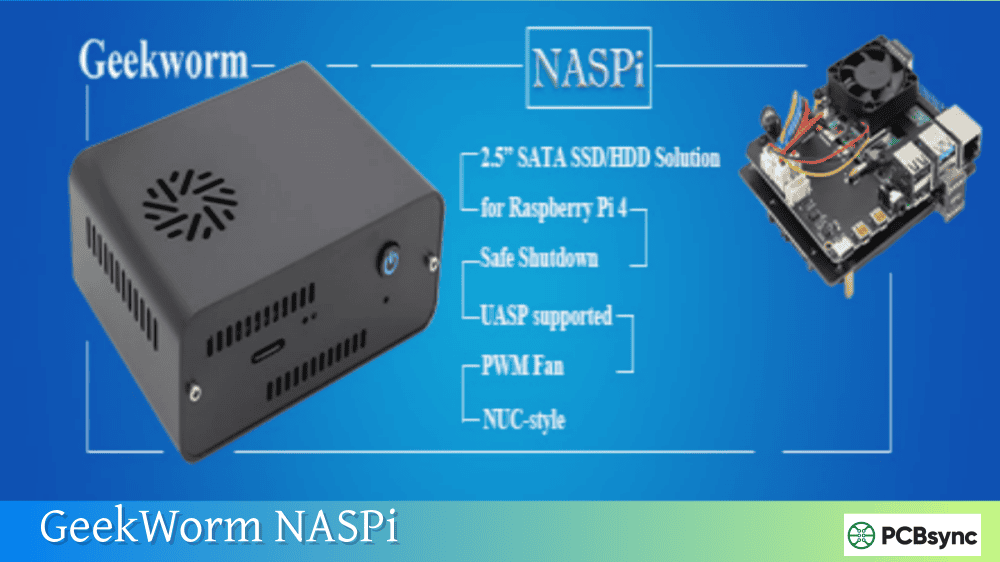
The Rock Pi 4 is generally better for storage-focused projects due to its native M.2 NVMe support and eMMC socket. You can boot from fast eMMC while using an NVMe SSD for data storage, achieving performance impossible on the Raspberry Pi 4 without USB adapters. The Pi 4 can work as a NAS using USB 3.0 attached storage, but USB overhead reduces maximum throughput compared to the Rock Pi 4’s direct PCIe connection to NVMe storage.
Conclusion: Choosing Between Rock Pi 4 and Raspberry Pi 4
The Radxa Rock Pi 4 and Raspberry Pi 4 serve different priorities despite their similar form factors.
Software ecosystem and community support matter most
You need 8GB RAM
Budget is the primary constraint
You want the easiest setup experience
Media center use with well-tested software is the goal
For experienced users comfortable with Linux troubleshooting, the Rock Pi 4’s hardware advantages—particularly storage flexibility—make it worth the premium for appropriate projects. For beginners or projects where software maturity matters more than hardware specifications, the Raspberry Pi 4 remains the safer choice with its unmatched community support and documentation.
Both boards represent excellent value in the single board computer market. Your specific project requirements should guide the decision rather than brand loyalty to either platform.
Inquire: Call 0086-755-23203480, or reach out via the form below/your sales contact to discuss our design, manufacturing, and assembly capabilities.
Quote: Email your PCB files to Sales@pcbsync.com (Preferred for large files) or submit online. We will contact you promptly. Please ensure your email is correct.
Notes: For PCB fabrication, we require PCB design file in Gerber RS-274X format (most preferred), *.PCB/DDB (Protel, inform your program version) format or *.BRD (Eagle) format. For PCB assembly, we require PCB design file in above mentioned format, drilling file and BOM. Click to download BOM template To avoid file missing, please include all files into one folder and compress it into .zip or .rar format.