Inquire: Call 0086-755-23203480, or reach out via the form below/your sales contact to discuss our design, manufacturing, and assembly capabilities.
Quote: Email your PCB files to Sales@pcbsync.com (Preferred for large files) or submit online. We will contact you promptly. Please ensure your email is correct.
Notes: For PCB fabrication, we require PCB design file in Gerber RS-274X format (most preferred), *.PCB/DDB (Protel, inform your program version) format or *.BRD (Eagle) format. For PCB assembly, we require PCB design file in above mentioned format, drilling file and BOM. Click to download BOM template To avoid file missing, please include all files into one folder and compress it into .zip or .rar format.
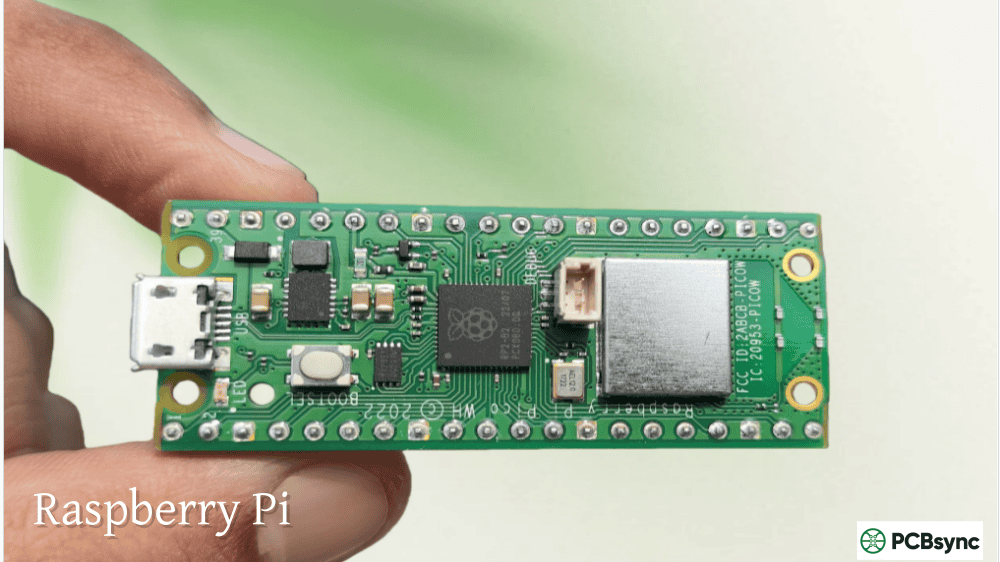
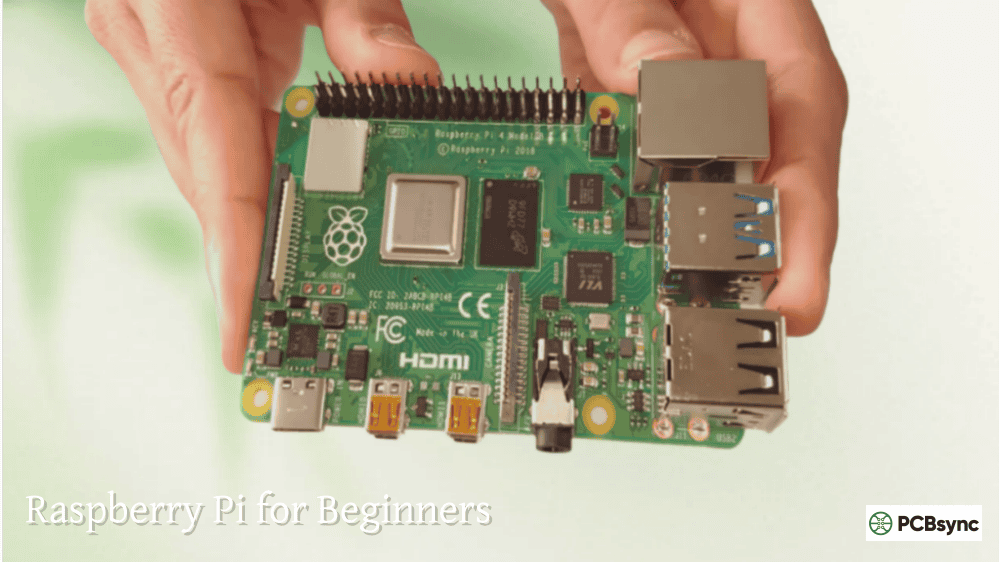
The Raspberry Pi Zero 2 W has earned its spot as the go-to single-board computer for embedded projects where space and power efficiency matter. After spending considerable time integrating this tiny board into various PCB designs and IoT deployments, I can confidently say it punches well above its weight class. Whether you’re building a network-wide ad blocker, a retro gaming handheld, or a compact surveillance system, the Pi Zero 2 W delivers quad-core performance in a footprint smaller than a stick of gum.
This comprehensive guide covers everything from technical specifications to real-world project applications. We’ll examine why the raspberry pi zero 2 w remains relevant in 2025 and help you determine if it’s the right choice for your next build.
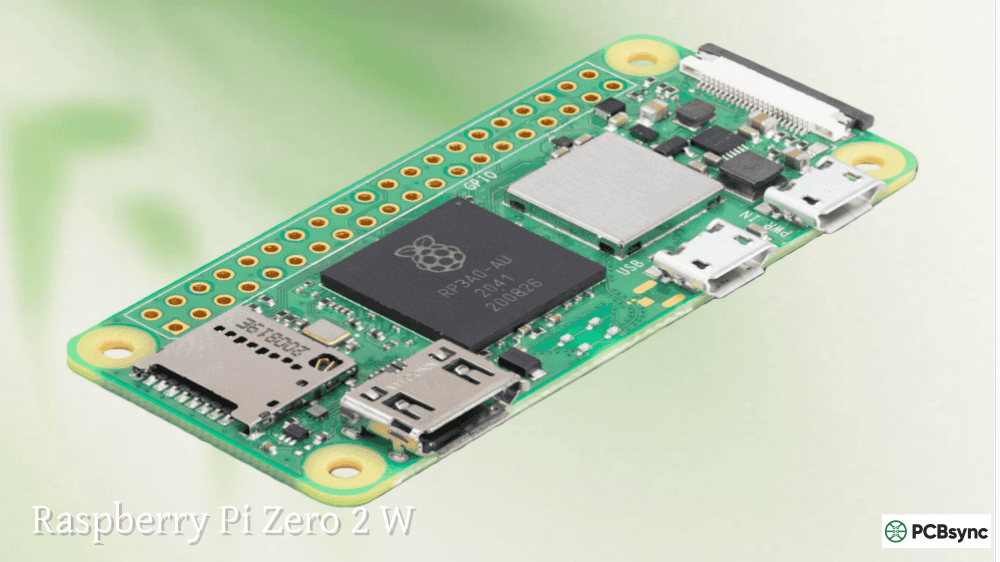
The Raspberry Pi Zero 2 W represents the second major revision of the Zero family, launched in October 2021. At its core sits the RP3A0, a custom system-in-package (SiP) designed entirely by Raspberry Pi’s UK-based engineering team. This clever packaging integrates the Broadcom BCM2710A1 die (the same silicon found in the Raspberry Pi 3) with 512MB of LPDDR2 SDRAM into a single compact module.
What makes the pi zero 2 w particularly impressive from a board design standpoint is how the engineering team maintained backward compatibility with the original Zero’s form factor while delivering approximately five times the multi-threaded performance. The board measures just 65mm x 30mm and weighs around 10 grams, making it ideal for weight-sensitive applications like drones or wearable devices.
Raspberry Pi Zero 2 W Technical Specifications
Understanding the hardware specifications helps you assess whether the raspberry zero 2 w fits your project requirements. Here’s what you’re working with under the hood:
Core Hardware Specifications Table
Component
Specification
Processor
Broadcom BCM2710A1, quad-core ARM Cortex-A53 @ 1GHz
RAM
512MB LPDDR2 SDRAM
Wireless
2.4GHz 802.11 b/g/n Wi-Fi
Bluetooth
Bluetooth 4.2 with BLE support
GPU
VideoCore IV
Video Output
Mini HDMI (up to 1080p)
USB
1x Micro USB 2.0 OTG
Power Input
5V via Micro USB
GPIO
40-pin HAT-compatible header (unpopulated)
Storage
MicroSD card slot
Camera
CSI-2 connector (requires adapter cable)
Dimensions
65mm x 30mm x 5mm
Weight
~10g
Power Consumption Comparison
State
Pi Zero W
Pi Zero 2 W
Idle
~260mA
~280mA
Under Load
~370mA
~580mA
Peak Power Draw
~1.7W
~3W
The increased power draw under load reflects those additional three CPU cores doing their work. For battery-powered projects, factor this into your power budget calculations.
Performance: How Fast Is the Pi Zero 2 W?
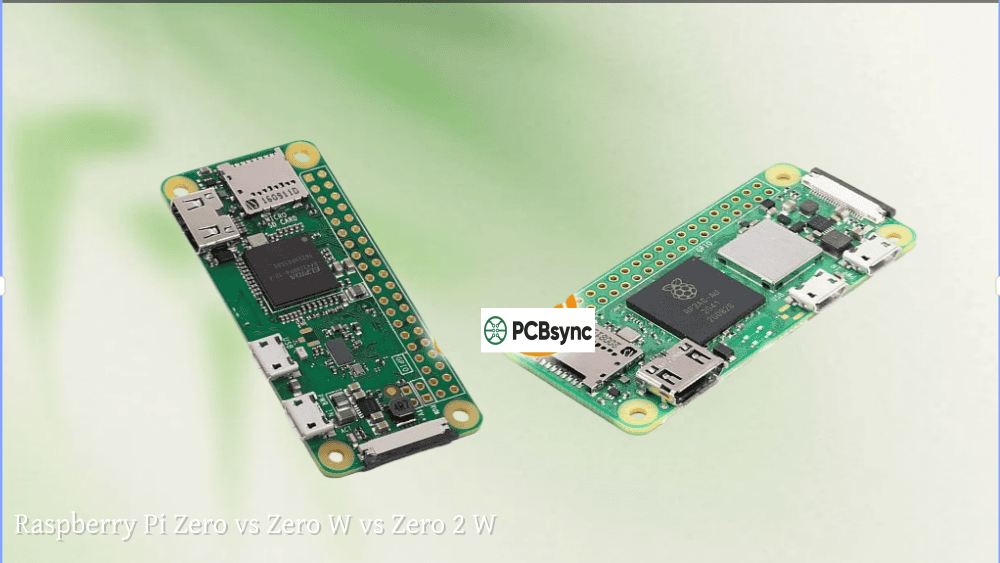
The jump from the original Zero W to the raspberry pi zero 2 w represents one of the most significant performance leaps in the Zero family’s history. The original Zero W used a single-core ARM1176JZF-S processor, essentially the same silicon from the very first Raspberry Pi back in 2012. The Zero 2 W brings quad-core 64-bit processing to this compact form factor.
In benchmark testing, the pi zero 2 w delivers approximately 40% better single-threaded performance and five times the multi-threaded performance compared to its predecessor. Boot times dropped significantly, and the desktop environment actually feels usable for light tasks. I’ve successfully compiled code, run web servers, and managed multiple background services simultaneously without the system grinding to a halt.
That said, the 512MB RAM limitation remains the primary bottleneck. Web browsing with multiple tabs will exhaust available memory quickly. YouTube playback is technically possible but far from smooth. For desktop replacement tasks, the Pi 4 or Pi 5 makes more sense. The Zero 2 W excels as a dedicated appliance running specific services rather than a general-purpose computer.
Key Features That Matter for Project Design
Wireless Connectivity
The integrated 2.4GHz Wi-Fi and Bluetooth 4.2 module eliminates the need for external dongles in most IoT applications. The pre-certified wireless module means you won’t need to worry about FCC certification for personal projects, though commercial products using modified antennas would require recertification.
One limitation worth noting: the raspberry zero 2 w lacks 5GHz Wi-Fi support. In congested 2.4GHz environments like apartment buildings, you might experience interference. For most embedded applications, though, the built-in wireless works reliably.
GPIO Header
The 40-pin GPIO header maintains full compatibility with HATs designed for larger Pi models. However, the header ships unpopulated to maintain the slim profile and reduce costs. You’ll need to solder your own header pins or purchase a pre-soldered variant (often labeled as Pi Zero 2 WH).
CSI Camera Connector
The smaller CSI connector requires an adapter cable to use standard Raspberry Pi camera modules. This adds minimal cost but does mean one more cable to manage in tight enclosures.
Raspberry Pi Zero 2 W vs Zero W vs Pi 4: Which Should You Choose?
Selecting the right Pi model depends entirely on your project requirements. Here’s how the boards compare:
Power efficiency matters but performance is needed
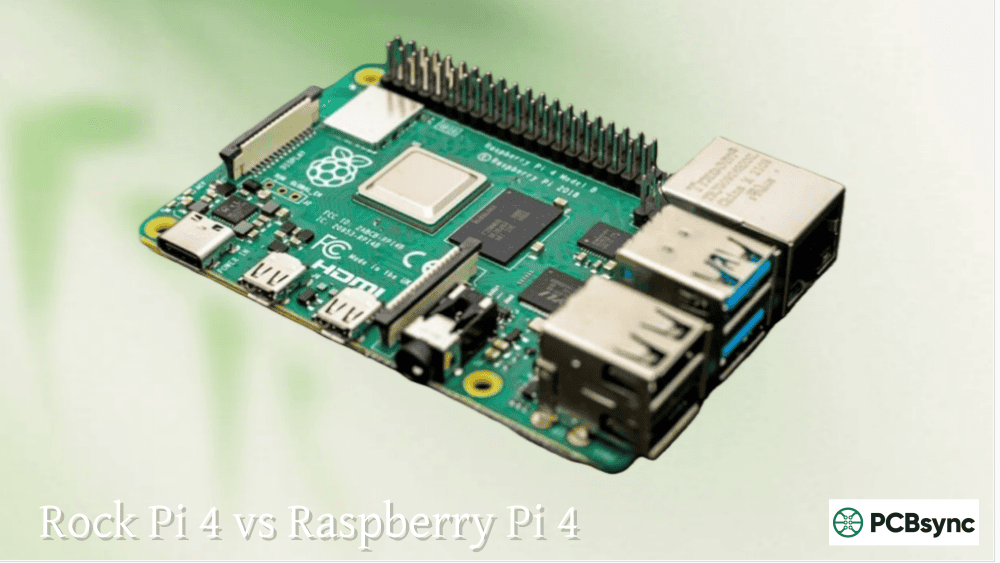
Choose Pi 4 Model B ($35+) when:
Desktop usage is required
More than 512MB RAM is needed
Gigabit Ethernet connectivity is essential
Running memory-intensive applications
Multiple USB peripherals required
Best Projects for the Raspberry Pi Zero 2 W
Based on extensive testing and community feedback, these applications showcase where the raspberry pi zero 2 w truly shines:
Network-Wide Ad Blocking with Pi-hole
Pi-hole runs exceptionally well on the Zero 2 W. The lightweight DNS filtering software barely taxes the quad-core processor, and the board can power itself directly from many router USB ports. Power draw stays around 0.5W for this always-on application, significantly lower than running Pi-hole on a Pi 4.
Retro Gaming Handhelds
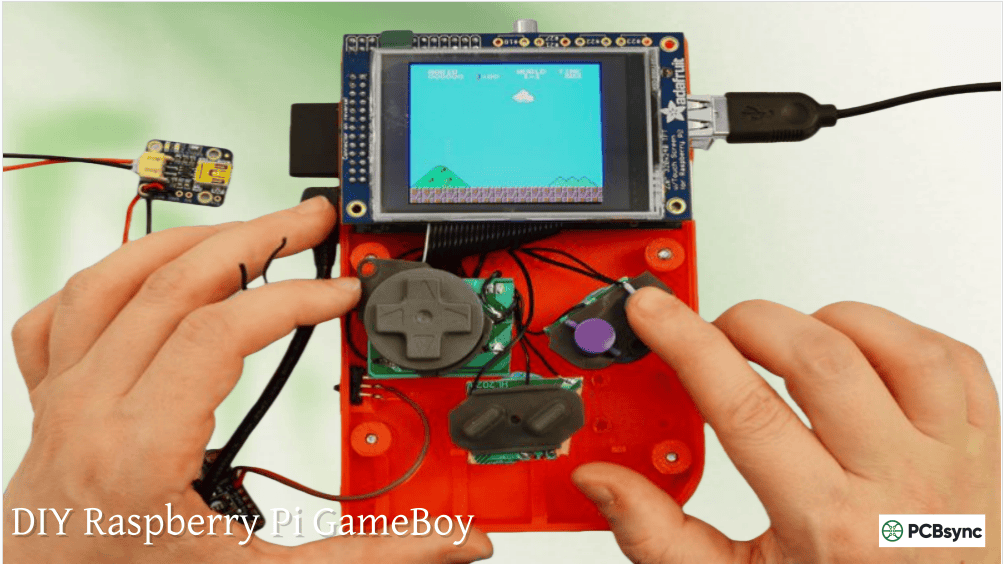
The compact size makes the pi zero 2 w perfect for handheld gaming projects like the GPI Case. The quad-core processor handles 16-bit emulation smoothly, and some users report acceptable PlayStation 1 performance. The Nintendo 64 only had 4MB of RAM, so 512MB provides plenty of headroom for retro gaming.
IoT Sensors and Home Automation
Running Home Assistant core services or custom sensor networks works well within the Zero 2 W’s capabilities. The low power draw means solar-powered deployments become practical.
Wireless Audio Streaming
Flash moOde OS onto the Zero 2 W, connect a USB DAC, and you’ve got a compact wireless audio bridge that transforms any speaker system into a Bluetooth-enabled setup.
Security Cameras
Pair the board with a Pi Camera Module and MotionEyeOS for a compact surveillance system. The quad-core processor handles video encoding without the stuttering common on the original Zero.
Lightweight Web Servers
Hosting static websites, personal wikis, or lightweight Flask applications works smoothly. Don’t expect to run heavy PHP applications, but simple services run fine.
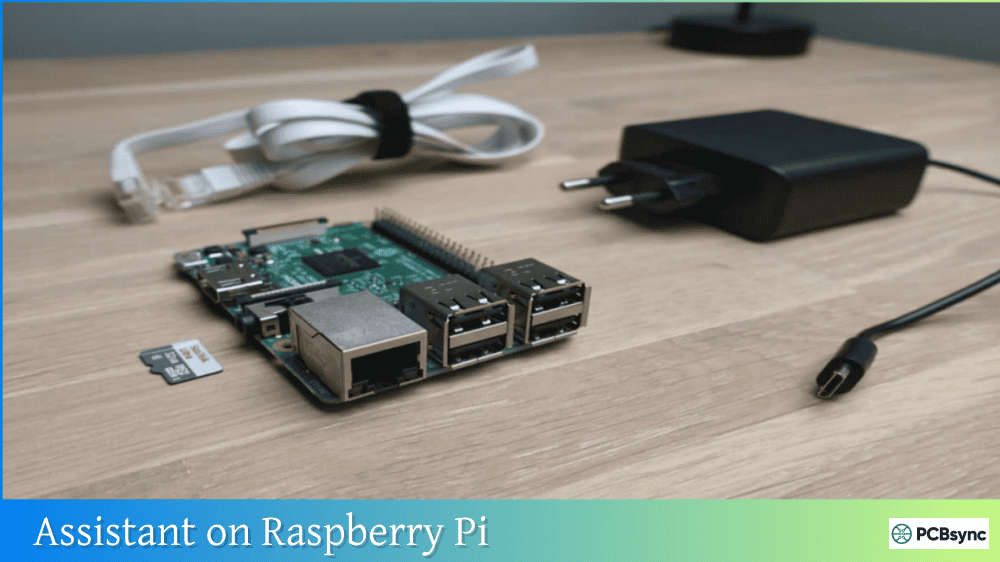
Before powering up your raspberry zero 2 w, you’ll need these accessories:
Required Accessories
Accessory
Purpose
Approximate Cost
MicroSD Card (16GB+)
Operating system and storage
$8-15
5V 2.5A Power Supply
Board power (Micro USB)
$8-10
Mini HDMI to HDMI Adapter/Cable
Display connection
$5-8
Micro USB OTG Adapter
USB peripherals
$3-5
Recommended Accessories
Accessory
Purpose
Approximate Cost
GPIO Header
HAT and sensor connections
$2-3
Heatsink
Thermal management under load
$3-5
Case
Physical protection
$5-15
CSI Camera Adapter Cable
Camera module connection
$3-5
Setting Up Your Raspberry Pi Zero 2 W
The setup process follows standard Raspberry Pi procedures:
Download Raspberry Pi Imager from the official website
Insert your microSD card into your computer
Select Raspberry Pi OS (Lite recommended for headless setups)
Configure Wi-Fi credentials and enable SSH in the imager settings
Write the image to the SD card
Insert the SD card into your Zero 2 W
Connect power and wait for boot
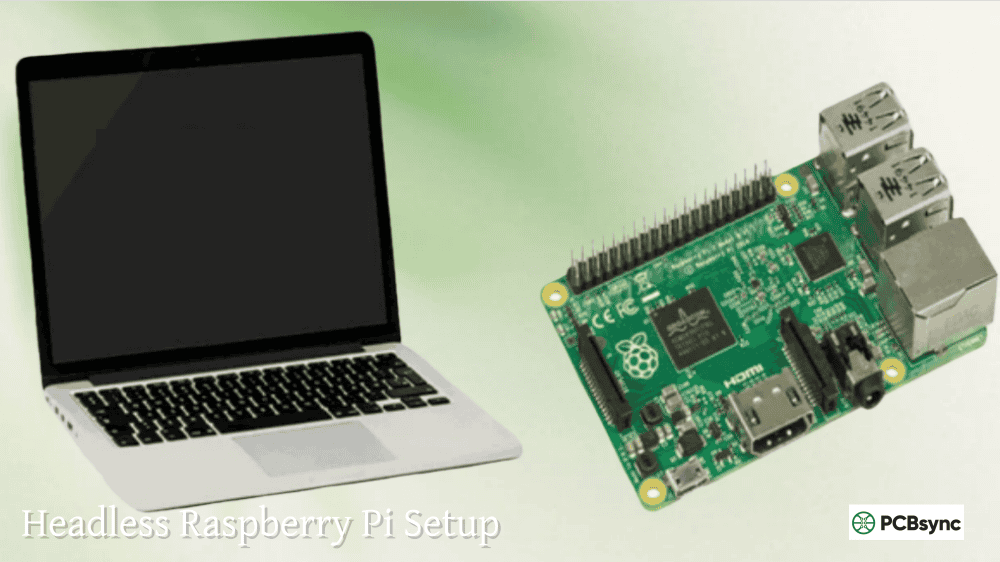
For headless operation, configuring Wi-Fi and SSH before first boot eliminates the need for display and keyboard connections entirely. The pi zero 2 w works well as a completely headless device accessed purely over the network.
Limitations and Considerations
Understanding the constraints helps you avoid frustration:
RAM limitations: The 512MB cannot be upgraded. Memory-intensive applications will struggle or crash.
Single USB port: Without a hub, you can connect only one USB peripheral. Plan your accessories accordingly.
2.4GHz Wi-Fi only: In congested wireless environments, consider whether 5GHz connectivity is necessary.
Micro USB power and data: No USB-C convenience, which some find dated but ensures case compatibility.
No Ethernet: Wired networking requires a USB adapter, consuming your only USB port.
Thermals: Under sustained load, the board reaches 70°C+ without cooling. A heatsink is recommended for enclosed applications.
Where to Buy and Current Pricing
The raspberry pi zero 2 w carries a $15 USD MSRP. Actual pricing varies by region due to taxes and shipping. Authorized resellers typically offer the best pricing and genuine boards:
Authorized Retailers
Retailer
Region
Notes
Raspberry Pi Official Store
UK/Global
Direct from manufacturer
The Pi Hut
UK/EU
Excellent accessory selection
SparkFun
USA
Quality starter kits available
Vilros
USA
Comprehensive bundles
Adafruit
USA
Extensive tutorials and guides
Purchase limits (typically one per customer) may apply due to supply constraints. Starter kits bundling the board with essential accessories often provide better value than purchasing components separately.
Useful Resources and Downloads
Official Documentation
Raspberry Pi OS Download: raspberrypi.com/software
Pi Zero 2 W Product Brief (PDF): datasheets.raspberrypi.com
GPIO Pinout Reference: pinout.xyz
Raspberry Pi Documentation: raspberrypi.com/documentation
Official Raspberry Pi Forums: forums.raspberrypi.com
Reddit r/raspberry_pi community
Instructables Raspberry Pi projects
Hackster.io project database
Frequently Asked Questions
Can the Raspberry Pi Zero 2 W run as a desktop computer?
Technically yes, but practically it’s not recommended for regular use. The 512MB RAM creates significant bottlenecks when running desktop applications. Web browsers frequently crash or freeze on memory-intensive sites. The pi zero 2 w performs best as a headless device running specific services rather than a general-purpose desktop.
Does the Pi Zero 2 W fit in original Pi Zero cases?
Most Pi Zero cases accommodate the Zero 2 W since the board maintains identical dimensions (65mm x 30mm). However, some cases designed for the original Zero may have clearance issues with the wireless module shield. The official Raspberry Pi Zero case fits the Zero 2 W perfectly. Third-party cases like Pimoroni’s Pibow may require updated versions designed specifically for the Zero 2 W.
Can I overclock the Raspberry Pi Zero 2 W?
Yes, overclocking is possible through the config.txt file. The BCM2710A1 can reach 1.3GHz or higher with adequate cooling. However, without a heatsink or active cooling, the board will thermal throttle under sustained load. The stock 1GHz frequency was chosen specifically for thermal stability in the compact form factor.
What’s the difference between Pi Zero 2 W and Pi Zero 2 WH?
The “H” designation indicates a pre-soldered GPIO header. The Pi Zero 2 W ships with an unpopulated header to minimize costs and maintain the slimmest possible profile. If you plan to connect HATs or sensors, the WH variant saves you from soldering. Otherwise, the boards are identical.
Is 512MB RAM enough for my project?
For single-purpose applications like Pi-hole, retro gaming, or IoT sensors, 512MB is sufficient. Running multiple services simultaneously, web browsing, or video streaming will quickly exhaust available memory. If your project requires more than basic resource usage, consider the Pi 4 with 2GB, 4GB, or 8GB RAM options.
Final Thoughts
The Raspberry Pi Zero 2 W fills a specific niche exceptionally well. It’s not trying to replace your desktop or compete with the Pi 5 on raw performance. Instead, it delivers genuine quad-core computing in an incredibly compact, power-efficient package at a price point that makes experimentation accessible.
For embedded projects, IoT deployments, and dedicated appliances where size and power consumption matter, the raspberry zero 2 w remains an excellent choice heading into 2025. The form factor compatibility with original Zero accessories protects your existing investment while the performance upgrade opens possibilities that were previously impractical on the single-core predecessor.
If you need more RAM or desktop capability, look at the Pi 4 or Pi 5. But for that sweet spot of compact size, wireless connectivity, and reasonable performance at $15, the pi zero 2 w continues to deliver outstanding value.
Inquire: Call 0086-755-23203480, or reach out via the form below/your sales contact to discuss our design, manufacturing, and assembly capabilities.
Quote: Email your PCB files to Sales@pcbsync.com (Preferred for large files) or submit online. We will contact you promptly. Please ensure your email is correct.
Notes: For PCB fabrication, we require PCB design file in Gerber RS-274X format (most preferred), *.PCB/DDB (Protel, inform your program version) format or *.BRD (Eagle) format. For PCB assembly, we require PCB design file in above mentioned format, drilling file and BOM. Click to download BOM template To avoid file missing, please include all files into one folder and compress it into .zip or .rar format.