Inquire: Call 0086-755-23203480, or reach out via the form below/your sales contact to discuss our design, manufacturing, and assembly capabilities.
Quote: Email your PCB files to Sales@pcbsync.com (Preferred for large files) or submit online. We will contact you promptly. Please ensure your email is correct.
Notes: For PCB fabrication, we require PCB design file in Gerber RS-274X format (most preferred), *.PCB/DDB (Protel, inform your program version) format or *.BRD (Eagle) format. For PCB assembly, we require PCB design file in above mentioned format, drilling file and BOM. Click to download BOM template To avoid file missing, please include all files into one folder and compress it into .zip or .rar format.
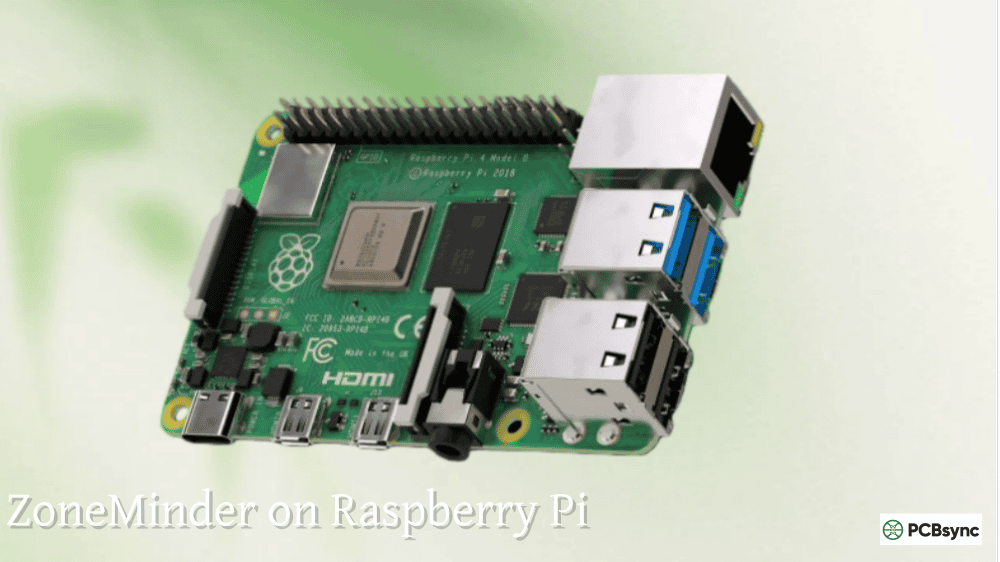
Building a raspberry pi rack mount system transformed how I manage home lab infrastructure. What started as a handful of Pis scattered across my desk evolved into a clean, professional pi rack installation that handles DNS, media streaming, home automation, and development workloads. If you’re tired of cable spaghetti and want to deploy a proper raspberry pi server infrastructure, this guide walks you through everything I’ve learned.
A rack-mounted Pi cluster isn’t just about aesthetics—though it certainly looks impressive. Proper rack mounting improves airflow management, simplifies maintenance, centralizes power distribution, and makes your setup scalable. Whether you’re building a Kubernetes cluster, a media server farm, or an IoT gateway array, rack mounting is the professional approach.
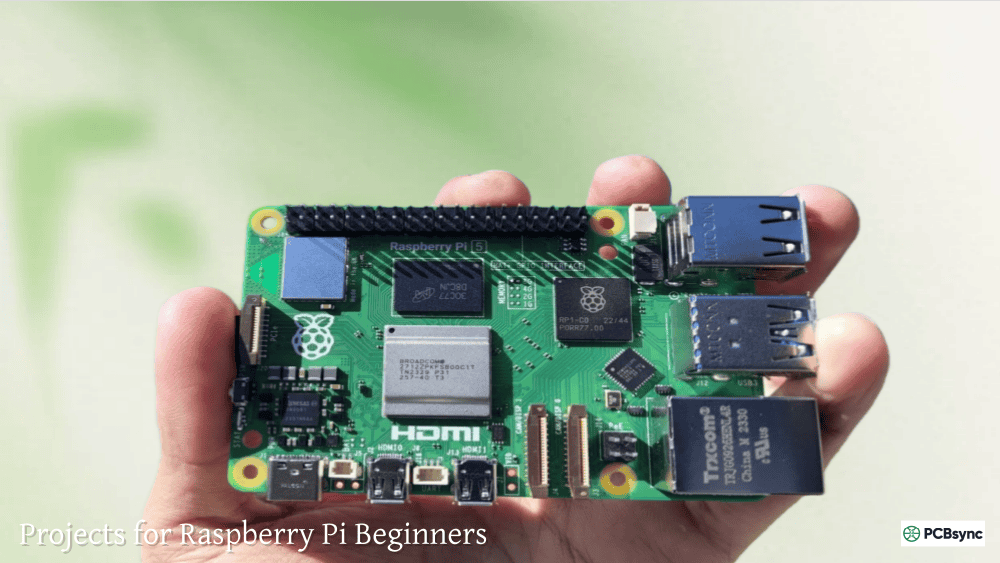
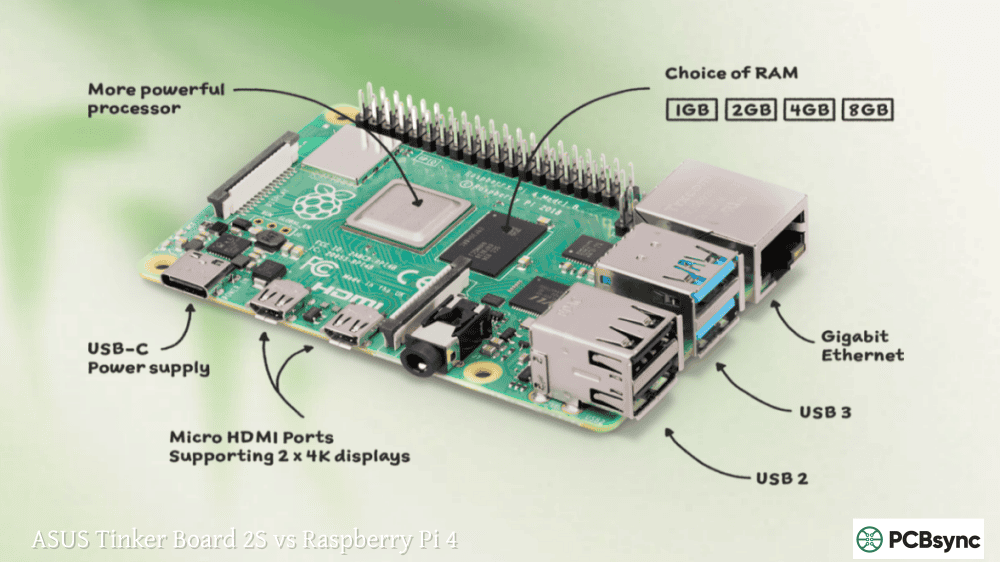
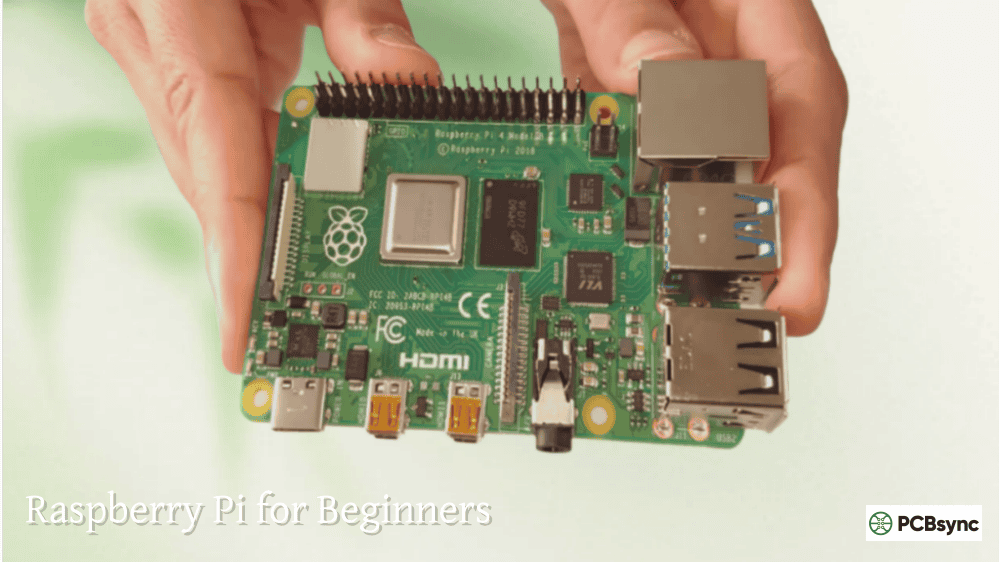
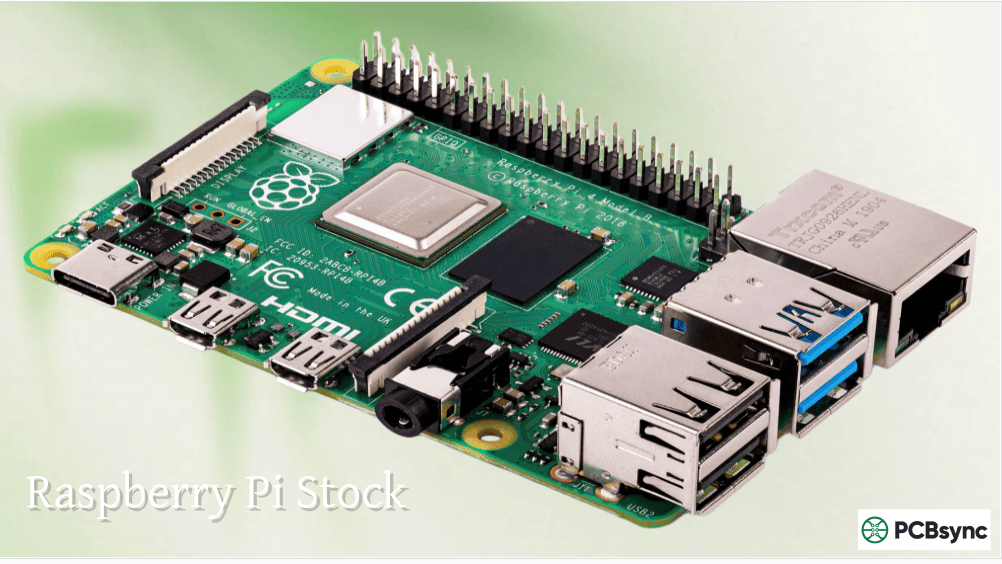
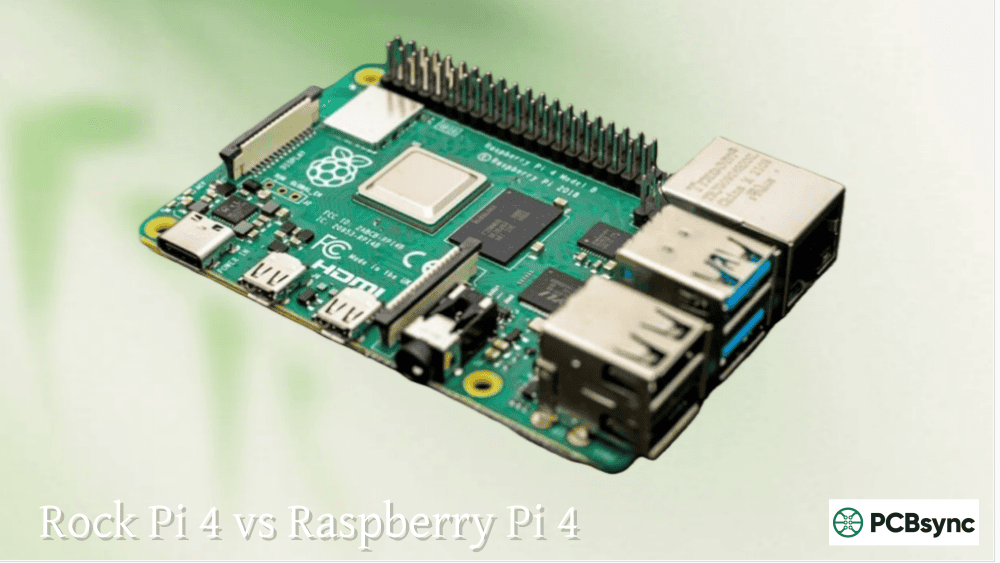
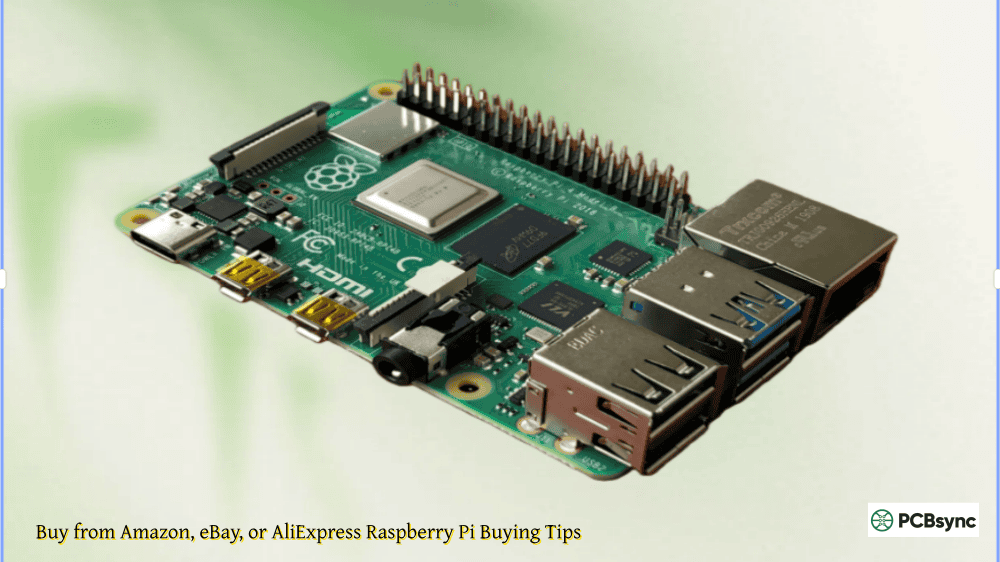
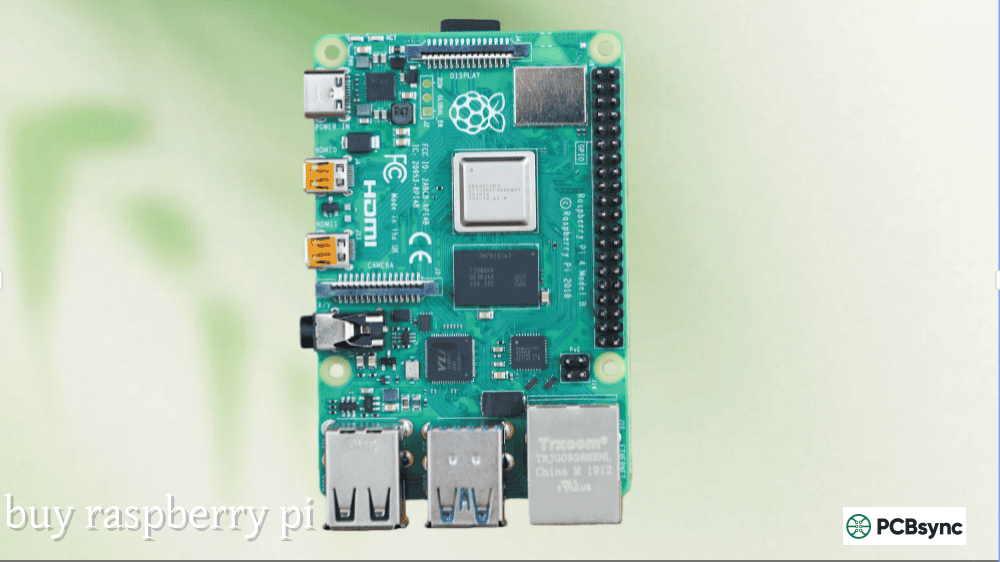
The Raspberry Pi has evolved from an educational tool to a legitimate server platform. The Pi 4’s quad-core Cortex-A72, up to 8GB RAM, and Gigabit Ethernet make it capable of real workloads. But when you start deploying multiple units, organization becomes critical.
Benefits of Rack Mounting Your Pi Cluster
Thermal Management: Rack mounting enables proper airflow planning. Instead of random placement with inconsistent cooling, you can implement systematic front-to-back airflow with case fans or rack-mount fan units.
Cable Management: A pi rack setup centralizes all your networking and power cables. Patch panels, cable management arms, and proper routing eliminate the mess that comes with desktop deployment.
Scalability: Standard 19-inch rack mounting means you can start with 4 Pis and scale to 40 without redesigning your infrastructure. Each unit slides in and out for maintenance.
Professional Appearance: For home labs, small businesses, or demonstration environments, a proper raspberry pi rack mount installation looks professional and inspires confidence.
Physical Security: Rack enclosures can be locked, protecting your infrastructure from curious hands, accidental disconnection, or unauthorized access.
Planning Your Raspberry Pi Server Rack
Determining Your Requirements
Before purchasing hardware, answer these questions:
Question
Consideration
Impact
How many Pis initially?
Starting count
Rack unit size, power budget
Maximum expansion?
Future growth
Rack depth, power capacity
Where will it live?
Location
Full rack vs. wall mount vs. desktop
What cooling is available?
Ambient conditions
Active vs. passive cooling
What’s the power budget?
Electrical capacity
PSU sizing, circuit requirements
What’s the network topology?
Connectivity needs
Switch selection, cabling
Calculating Power Requirements
Power planning is where many raspberry pi server builds go wrong. Each Pi 4 under load draws approximately 6-7W, but USB peripherals, NVMe drives, and HATs add significantly to this.
Configuration
Typical Draw
Peak Draw
Pi 4 (idle)
2.7W
3.5W
Pi 4 (loaded)
6.4W
7.6W
Pi 4 + NVMe SSD
8-10W
12W
Pi 4 + USB HDD
9-12W
15W
Pi 4 + HAT + peripherals
10-15W
18W
For a 12-node cluster with NVMe storage, budget 150W continuous with 200W peak capacity. Add 20% headroom for safety, and you’re looking at a 240W power supply minimum.
Raspberry Pi Rack Mount Hardware Options
Commercial Pi Rack Solutions
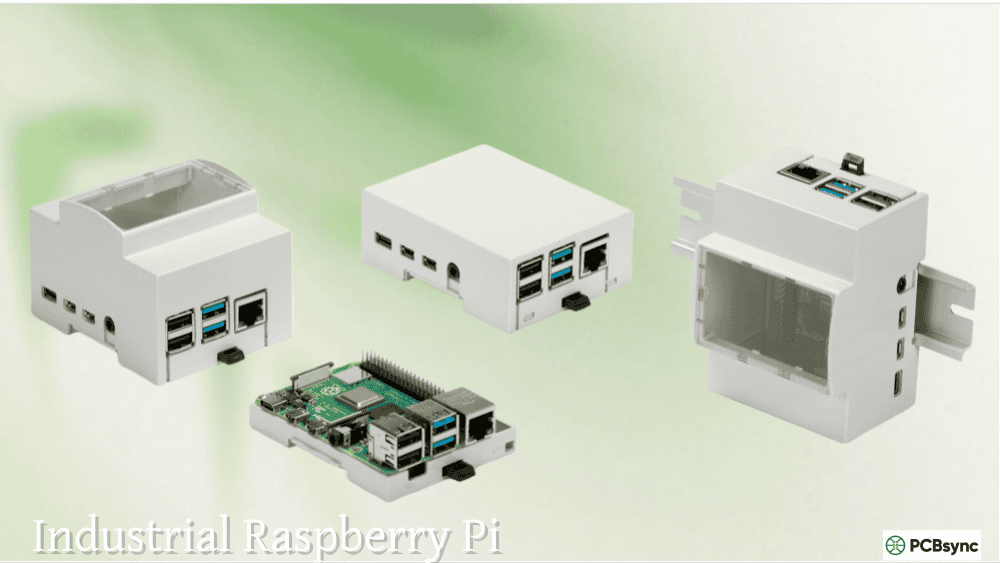
Several manufacturers produce purpose-built raspberry pi rack mount enclosures. Here’s how the major options compare:
Product
Capacity
Rack Units
Cooling
Power Distribution
Price Range
UCTRONICS Pi Rack
1-4 Pis
1U
Passive + optional fans
External PSU
$30-50
GeekPi Rack Mount
4 Pis
1U
Integrated 40mm fans
External PSU
$45-60
Pico Cluster 5H
5 Pis
2U
High-airflow fans
Integrated PSU
$150-200
MiniNodes Carrier
5 Pis
1U
Passive
PoE or external
$100-150
Turing Pi 2
4 CM4s
Mini-ITX/Rack
Board-level cooling
ATX PSU
$200-250
DIY Rack Mount Approaches
Building your own pi rack enclosure offers customization at lower cost. Common approaches include:
3D Printed Rack Ears: Design or download rack ear adapters that mount standard Pi cases into 19-inch racks. This works well for small deployments where you want to use existing cases.
Aluminum Extrusion Builds: 2020 or 2040 aluminum extrusion creates sturdy, customizable rack-mount frames. Add acrylic or sheet metal panels for a professional finish.
Blank Panel Modification: Purchase 1U or 2U vented blank panels and mount Pis directly using standoffs. Simple, effective, and inexpensive.
Server Chassis Conversion: Repurpose old 1U server chassis, removing the original motherboard and mounting Pi units on custom brackets.
The Compute Module 4 Alternative
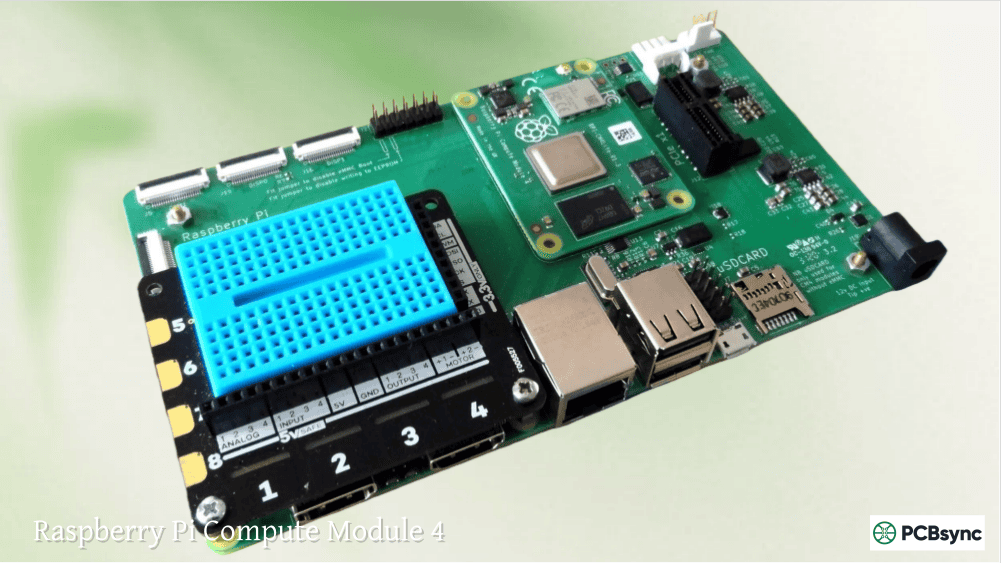
For high-density deployments, the Compute Module 4 (CM4) offers advantages over standard Pi 4 boards. Carrier boards like the Turing Pi 2 pack multiple CM4 modules onto a single board with shared networking and power.
Approach
Density per 1U
Complexity
Cost per Node
Best For
Standard Pi 4
4-6 nodes
Low
$55-95
General purpose
CM4 + Turing Pi 2
4 nodes
Medium
$75-120
Kubernetes, clustering
CM4 + Custom carrier
6-8 nodes
High
$60-100
Maximum density
Essential Components for Your Pi Rack Build
Network Infrastructure
Your raspberry pi server cluster needs proper networking. For rack deployment, I recommend:
Managed Gigabit Switch: A managed switch enables VLANs, port monitoring, and traffic prioritization. For a Pi cluster, 8-24 port switches in 1U form factor work well.
Patch Panel: A 24-port Cat6 patch panel provides clean cable termination and makes reconfiguration painless.
Short Patch Cables: Use 6-inch to 12-inch patch cables within the rack. Long cables create unnecessary bulk and airflow obstruction.
Component
Recommendation
Purpose
Switch
16-port managed Gigabit
Core networking
Patch Panel
24-port Cat6a
Cable termination
Patch Cables
Cat6 slim, 6-12 inch
Internal connections
Uplink Cable
Cat6a, appropriate length
Rack to main network
Power Distribution
Centralized power distribution is essential for any raspberry pi rack mount installation. Options include:
USB Power Hubs: High-quality USB power hubs with per-port current monitoring work for small clusters. Look for hubs with 3A+ per port capability.
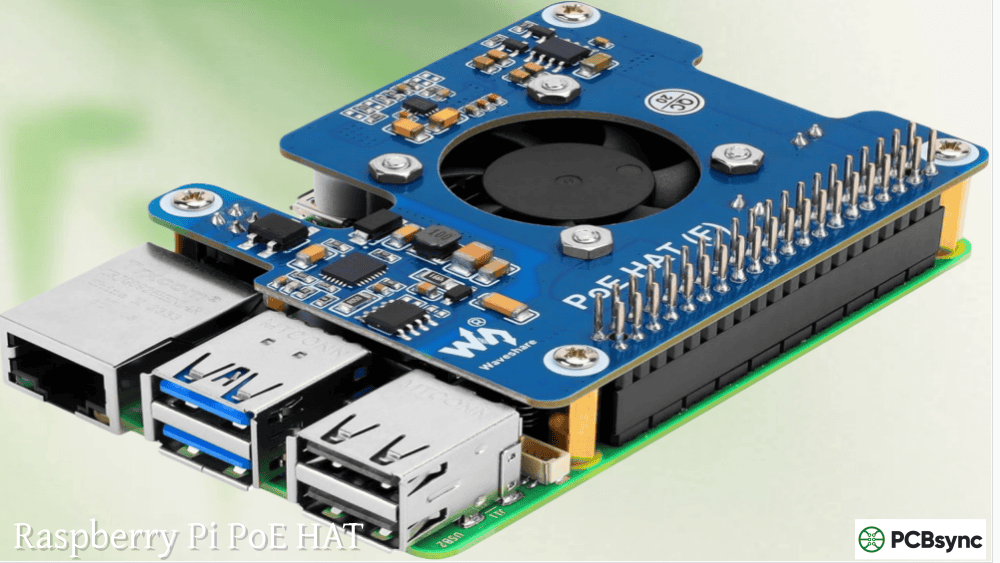
PoE (Power over Ethernet): With PoE HATs, you can power Pis through network cables, eliminating separate power wiring. Requires a PoE switch or injectors.
Custom Power Distribution Board: For larger clusters, custom PCBs with buck converters from a central 12V or 48V supply offer efficiency and monitoring capabilities.
Meanwell or Server PSU: Industrial power supplies provide reliable, high-current 5V output with proper overload protection.
Rack-mounted equipment runs warmer than open-air deployments due to component density. Plan cooling accordingly.
Rack Fan Units: 1U fan units mount at the top or bottom of your rack, pulling air through the entire enclosure.
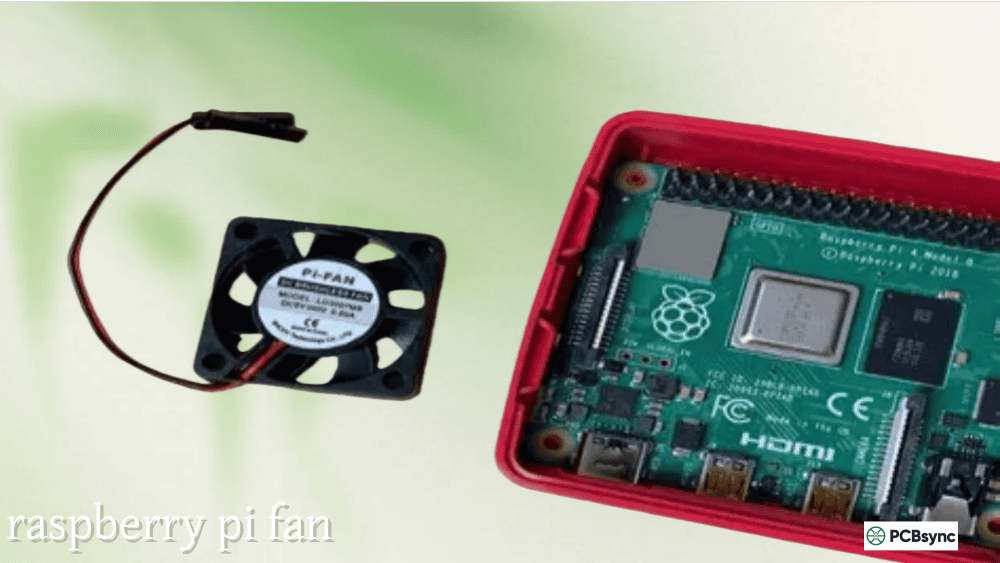
Case-Level Fans: Each Pi mount can include small 30-40mm fans for direct cooling.
Thermal Monitoring: Deploy temperature sensors and automate fan speed based on actual thermal conditions.
For a raspberry pi server generating 60-100W total heat load, a single 1U rack fan unit providing 100+ CFM maintains safe temperatures in most environments.
Mount your rack or install rack rails in your chosen location. Ensure adequate ventilation space—minimum 6 inches clearance at front and rear.
Install network infrastructure first: Mount your switch at the top or middle of the rack, install patch panel below it, run uplink to your main network.
Add power distribution: Mount your PDU or power distribution solution. Test all outlets before connecting any Pis.
Install cooling: Mount rack fans with proper orientation. Standard convention is front-to-back airflow with exhaust at the rear.
Phase 2: Pi Unit Preparation
Before rack mounting, prepare each Pi:
Flash operating system to SD cards or NVMe drives. Use Raspberry Pi Imager with SSH and WiFi pre-configured.
Apply thermal solution: Install heatsinks or thermal pads appropriate for your rack mount case.
Assign static IPs or DHCP reservations for each node to ensure consistent addressing.
Label everything: Each Pi, power cable, and network cable should be labeled. Trust me on this.
Phase 3: Rack Installation
Mount Pi units in your rack mount enclosure. Secure all standoffs and verify boards are firmly seated.
Connect power to each Pi. Verify power indicator LEDs before proceeding.
Connect networking: Run patch cables from each Pi to your patch panel, then from panel to switch.
Verify connectivity: SSH into each Pi to confirm network access and proper operation.
Burn-in testing: Run stress tests for 24-48 hours while monitoring temperatures. Address any thermal issues before production deployment.
Phase 4: Software Configuration
With hardware complete, configure your raspberry pi server cluster:
The simplest approach connects all Pis to a single switch and subnet. This works for small clusters but limits security and traffic isolation.
VLAN-Segmented Network
For production raspberry pi rack mount deployments, VLANs separate management traffic, application traffic, and storage traffic:
VLAN
Purpose
Subnet Example
VLAN 10
Management/SSH
10.10.10.0/24
VLAN 20
Application traffic
10.10.20.0/24
VLAN 30
Storage/NFS
10.10.30.0/24
VLAN 40
IoT/Isolated
10.10.40.0/24
High-Availability Considerations
For mission-critical raspberry pi server applications, consider:
Dual Network Paths: USB Ethernet adapters provide secondary network interfaces for redundancy.
Bonded Connections: LACP bonding aggregates bandwidth and provides failover on supported switches.
Dedicated Management Network: Out-of-band management through a separate switch ensures access even when application networks fail.
Useful Resources for Raspberry Pi Rack Builds
Hardware and Components
Resource
Description
Type
UCTRONICS Amazon Store
Commercial Pi rack solutions
Product
Turing Pi Official
CM4 cluster boards
Product
Thingiverse Pi Rack Collection
3D printable rack mounts
Community
MiniNodes
Pi cluster hardware
Product
Software and Configuration
Resource
Description
URL Reference
K3s Lightweight Kubernetes
Cluster orchestration
k3s.io
Ansible Pi Cluster Playbooks
Automation scripts
GitHub community
Pi Cluster Documentation
Official clustering guide
raspberrypi.com
Prometheus Pi Exporters
Monitoring stack
prometheus.io
Community and Learning
Resource
Description
Platform
r/raspberry_pi
Community builds and advice
Reddit
r/homelab
Rack mounting discussions
Reddit
Jeff Geerling’s Pi Projects
Detailed build guides
YouTube/Blog
NetworkChuck Pi Cluster
Tutorial series
YouTube
Frequently Asked Questions About Raspberry Pi Rack Mount Setups
How many Raspberry Pis can fit in a 1U rack mount?
A standard 1U raspberry pi rack mount enclosure accommodates 4-6 standard Pi 4 boards depending on design. With Compute Module 4 carrier boards like the Turing Pi 2, you can fit 4 CM4 modules in less than 1U. For maximum density, custom carrier boards can achieve 6-8 nodes per rack unit, though cooling becomes challenging at these densities.
Is a Raspberry Pi rack server practical for production use?
Yes, a properly designed raspberry pi server cluster handles production workloads effectively for appropriate use cases. Pi clusters excel at distributed computing, container orchestration (Kubernetes), network services (DNS, DHCP, VPN), home automation hubs, and development/testing environments. They’re not suitable for high-performance databases, heavy virtualization, or workloads requiring x86 compatibility.
What power supply do I need for a Pi rack cluster?
Calculate total power by multiplying your peak per-node consumption by node count, then add 25% headroom. A typical 8-node pi rack with NVMe storage needs approximately 100W peak draw, so a 125-150W supply provides adequate margin. Quality matters more than wattage—use server-grade or industrial supplies with proper current regulation rather than cheap consumer adapters.
Should I use PoE or USB power for rack-mounted Pis?
PoE (Power over Ethernet) is cleaner for raspberry pi rack mount installations since it eliminates separate power cables, but it costs more upfront (PoE HATs plus PoE switch). USB power distribution is less expensive and simpler but creates cable density. For clusters of 8+ nodes or professional installations, PoE’s cable reduction usually justifies the added cost.
How do I cool a rack-mounted Pi cluster effectively?
Effective cooling for a raspberry pi server rack combines case-level heatsinks with rack-level airflow. Install heatsinks or small fans on each Pi, then add a 1U rack fan unit (80-120CFM) to pull air through the enclosure. Monitor temperatures with vcgencmd measure_temp on each node and adjust fan speeds accordingly. In my 12-node rack, a single AC Infinity rack fan keeps all nodes under 55°C at full load.
Final Thoughts on Building Your Pi Rack
Building a raspberry pi rack mount system is one of the most satisfying home lab projects I’ve undertaken. The combination of low power consumption, adequate performance, and that satisfying “real datacenter” aesthetic makes Pi clusters uniquely appealing.
Start small—a 4-node pi rack teaches you everything about clustering, networking, and thermal management without excessive investment. As your skills and requirements grow, scaling to larger deployments is straightforward when you’ve built proper infrastructure from the start.
The key lessons from my builds: invest in quality power distribution, never underestimate cooling requirements, label everything obsessively, and document your configuration. A well-built raspberry pi server cluster will run reliably for years with minimal maintenance, quietly handling whatever workloads you throw at it.
Whether you’re learning Kubernetes, building a media empire, or just want the satisfaction of a proper rack installation, Pi cluster computing offers an accessible entry point to serious infrastructure. Start planning your rack build today—your future self will thank you for the clean cables and organized deployment.
Inquire: Call 0086-755-23203480, or reach out via the form below/your sales contact to discuss our design, manufacturing, and assembly capabilities.
Quote: Email your PCB files to Sales@pcbsync.com (Preferred for large files) or submit online. We will contact you promptly. Please ensure your email is correct.
Notes: For PCB fabrication, we require PCB design file in Gerber RS-274X format (most preferred), *.PCB/DDB (Protel, inform your program version) format or *.BRD (Eagle) format. For PCB assembly, we require PCB design file in above mentioned format, drilling file and BOM. Click to download BOM template To avoid file missing, please include all files into one folder and compress it into .zip or .rar format.