Inquire: Call 0086-755-23203480, or reach out via the form below/your sales contact to discuss our design, manufacturing, and assembly capabilities.
Quote: Email your PCB files to Sales@pcbsync.com (Preferred for large files) or submit online. We will contact you promptly. Please ensure your email is correct.
Notes: For PCB fabrication, we require PCB design file in Gerber RS-274X format (most preferred), *.PCB/DDB (Protel, inform your program version) format or *.BRD (Eagle) format. For PCB assembly, we require PCB design file in above mentioned format, drilling file and BOM. Click to download BOM template To avoid file missing, please include all files into one folder and compress it into .zip or .rar format.
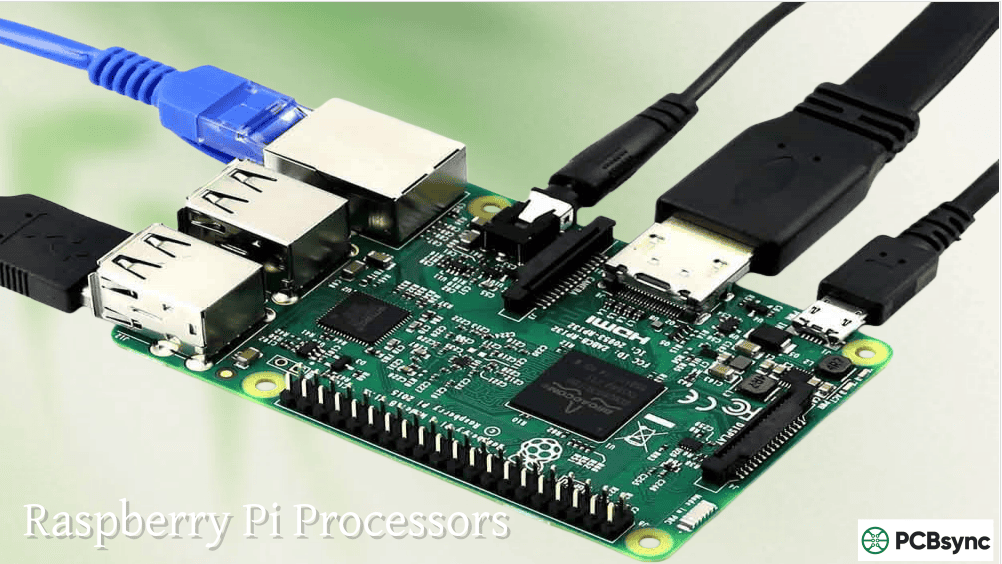
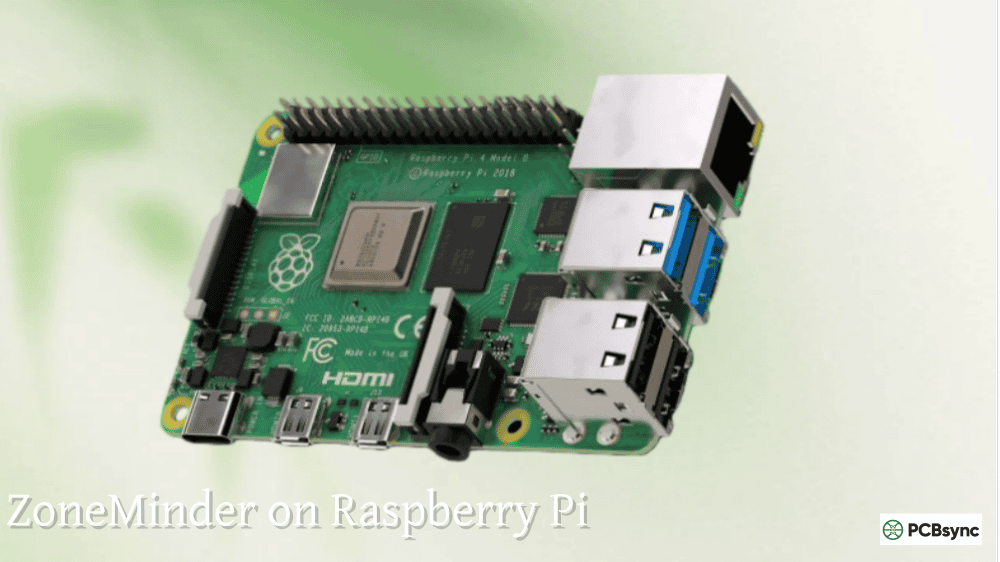
If you’ve ever designed a custom carrier board or debugged a Raspberry Pi project at 2 AM, you know that understanding the underlying raspberry pi processor architecture isn’t just academic—it’s essential. As someone who’s spent years working with these SoCs on the bench, I want to walk you through everything you need to know about the BCM2711, BCM2837, and their predecessors.
Why the Raspberry Pi Processor Matters for Your Projects
The heart of every Raspberry Pi is its Broadcom System-on-Chip (SoC). When you’re selecting a Pi for an embedded application, industrial controller, or edge computing project, the processor determines your thermal budget, power consumption, and computational headroom. Getting this wrong means redesigning your enclosure, rethinking your power supply, or worse—starting over entirely.
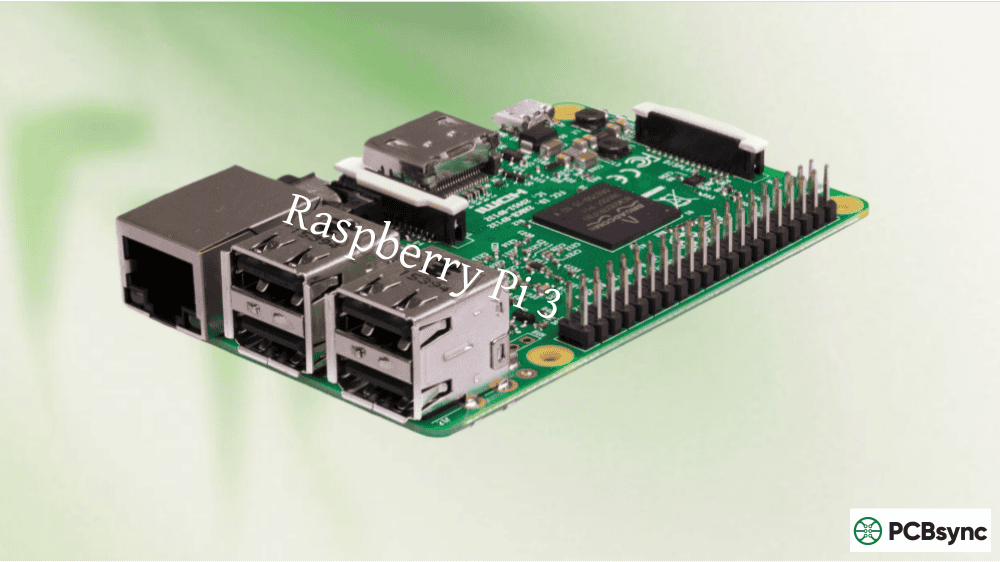
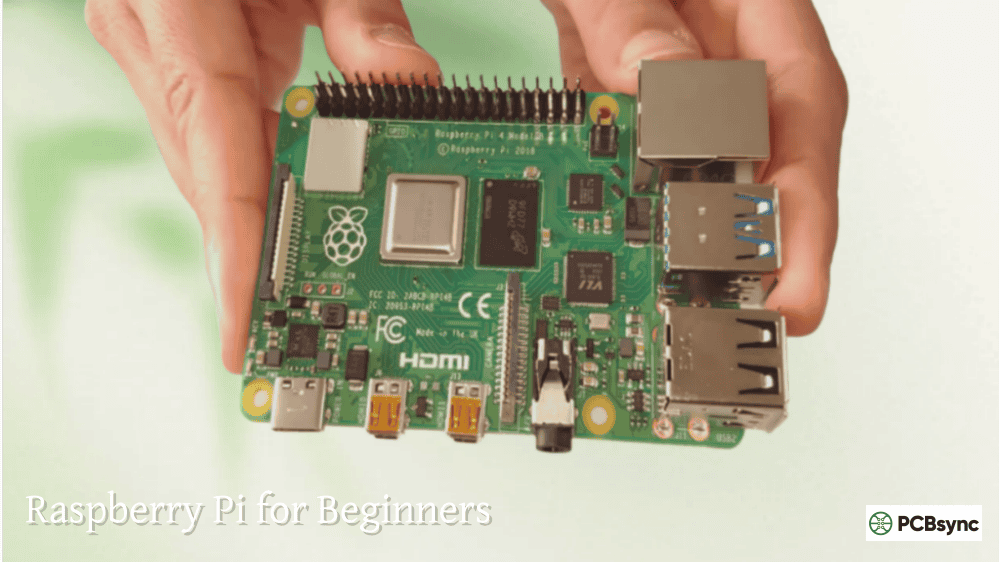
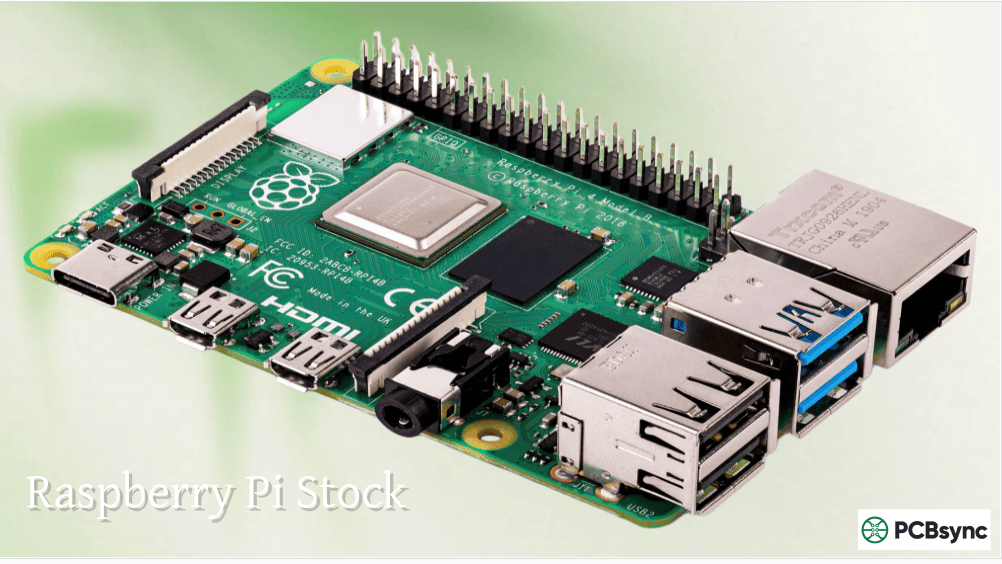
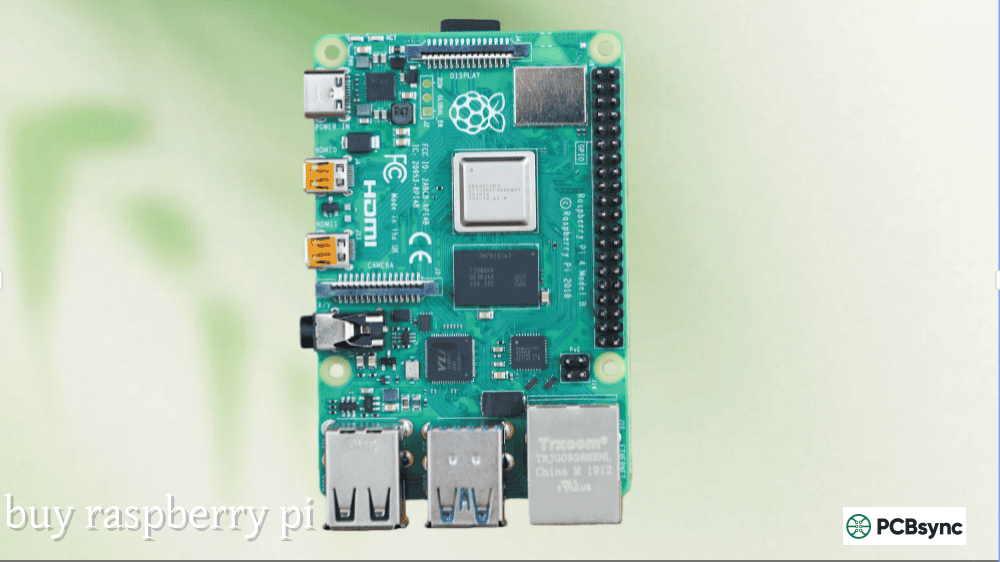
The two most common processors you’ll encounter in production environments today are the BCM2837 (found in the Pi 3 series) and the BCM2711 (powering the Pi 4 and Compute Module 4). Each has distinct characteristics that affect everything from boot time to long-term reliability.
BCM2837: The Workhorse That Defined Modern Pi
BCM2837 Technical Overview
The BCM2837 marked Broadcom’s first 64-bit ARM processor for the Raspberry Pi lineup. Released in 2016 with the Pi 3 Model B, this chip finally gave hobbyists and professionals alike a legitimate computing platform.
From a PCB design standpoint, the BCM2837 presents some interesting challenges. The chip runs hot—really hot under sustained load. I’ve measured junction temperatures exceeding 80°C in poorly ventilated enclosures, which explains why thermal throttling complaints dominated the Pi forums for years.
The BCM2837’s reliability has made it a staple in industrial applications where the Pi 4’s extra horsepower isn’t necessary. I’ve deployed dozens of BCM2837-based systems for data logging, protocol conversion, and simple HMI applications. The processor handles Python scripts, Node-RED flows, and lightweight databases without breaking a sweat.
Where the BCM2837 struggles is video encoding, machine learning inference, and any application requiring sustained multi-threaded performance. The 40nm process simply can’t dissipate heat fast enough for demanding workloads.
BCM2711: The Performance Leap We Needed
BCM2711 Architecture Deep Dive
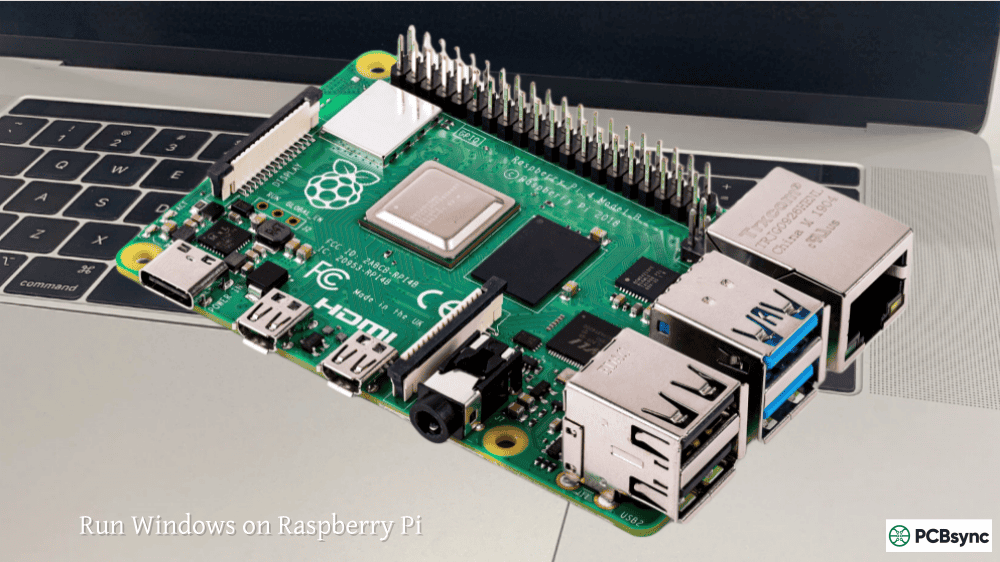
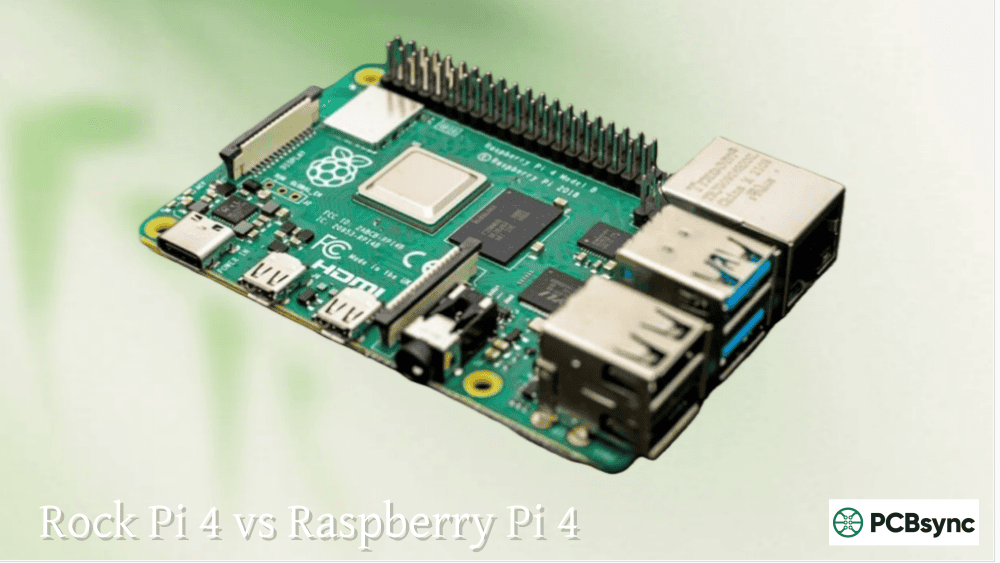
When Broadcom released the BCM2711 in 2019, it represented more than an incremental upgrade—it was a fundamental rethinking of what a raspberry pi processor could achieve. The jump to Cortex-A72 cores and a 28nm process node delivered roughly three times the performance of its predecessor.
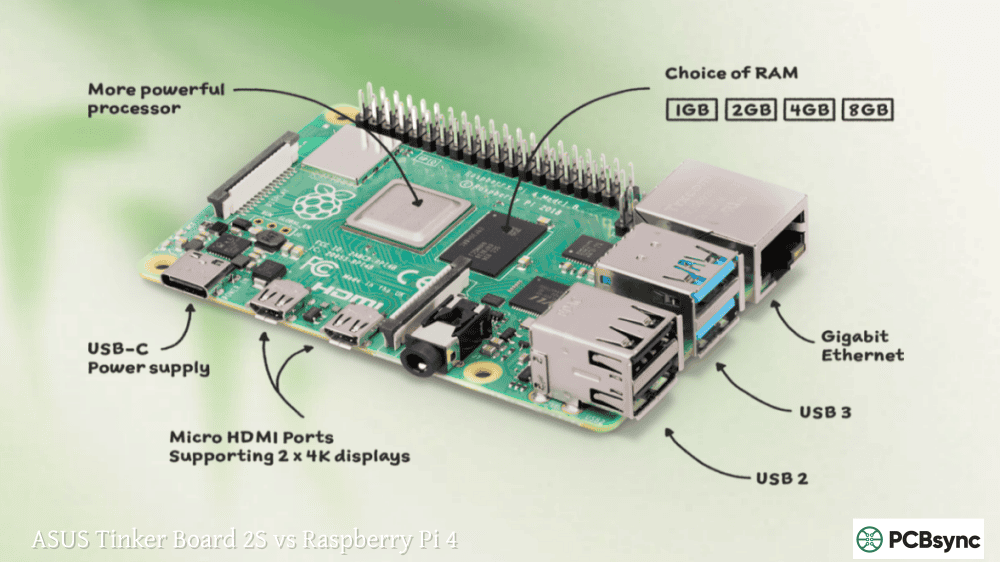
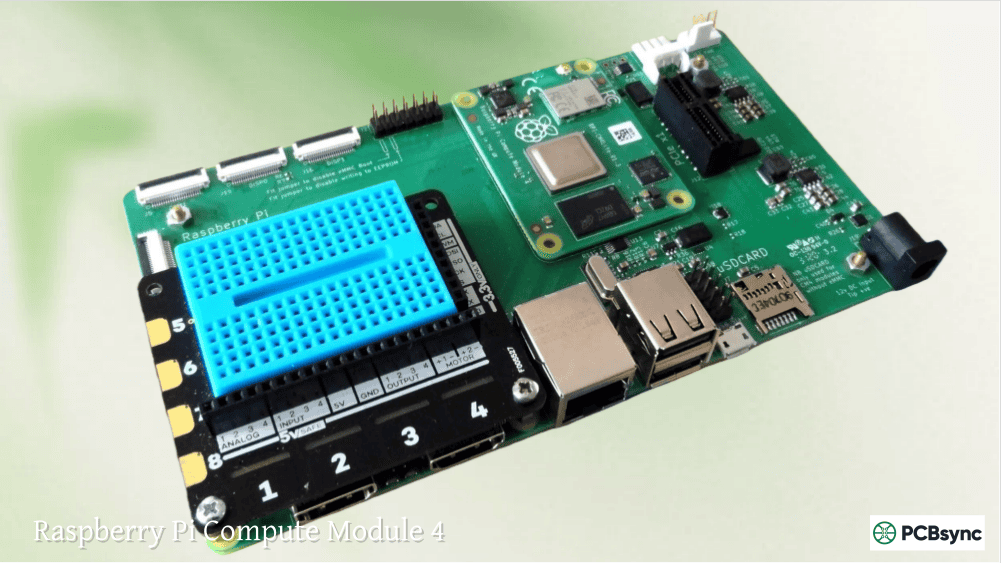
For embedded designers, the BCM2711 finally made the Raspberry Pi viable for applications previously requiring more expensive industrial SBCs. Native Gigabit Ethernet (with its own dedicated bus), USB 3.0 support, and PCIe connectivity opened doors that were firmly closed before.
BCM2711 Technical Specifications
Specification
BCM2711 Details
CPU Architecture
ARM Cortex-A72 (64-bit)
Core Count
4 cores
Clock Speed
1.5 GHz (1.8 GHz with overvoltage)
Manufacturing Process
28nm
GPU
VideoCore VI @ 500 MHz
Memory Support
LPDDR4 (up to 8GB)
PCIe
1x PCIe 2.0 lane
USB
2x USB 3.0, 2x USB 2.0
BCM2711 Performance Characteristics
The performance difference between the BCM2711 and BCM2837 isn’t just about clock speeds. The Cortex-A72’s out-of-order execution pipeline and improved branch prediction deliver significantly better IPC (instructions per clock). In my benchmarks, compiling the Linux kernel takes roughly 40% less time on BCM2711 compared to BCM2837 at equivalent clock rates.
Memory bandwidth also improved dramatically. The move to LPDDR4 and a wider memory bus means the BCM2711 doesn’t bottleneck on memory-intensive applications the way earlier processors did. This matters enormously for image processing, database operations, and any workload that touches large datasets.
BCM2711 vs BCM2837: Head-to-Head Comparison
Comprehensive Processor Comparison Table
Feature
BCM2837
BCM2711
Improvement
CPU Cores
Cortex-A53 x4
Cortex-A72 x4
~3x IPC
Base Clock
1.2-1.4 GHz
1.5 GHz
+7-25%
Process Node
40nm
28nm
Better efficiency
Max RAM
1GB
8GB
8x capacity
Ethernet
USB 2.0 based
Native Gigabit
True 1Gbps
USB 3.0
No
Yes
5Gbps capable
H.265 Decode
No
Yes
4K60 support
PCIe
No
Yes (1 lane)
NVMe, etc.
Typical TDP
4-5W
6-7W
Modest increase
Choosing Between BCM2837 and BCM2711
Your choice between these processors should be driven by specific project requirements rather than specs on paper. Here’s my practical guidance after deploying both in production environments.
Choose BCM2837 (Pi 3 series) when:
Power budget is extremely tight (battery applications)
Thermal dissipation is severely constrained
Your software stack is already validated on this platform
Cost per unit matters more than performance
The application is I/O-bound rather than CPU-bound
Choose BCM2711 (Pi 4 / CM4) when:
Network throughput above 300 Mbps is required
You need USB 3.0 for storage or peripherals
Memory requirements exceed 1GB
Video decoding or display beyond 1080p is needed
Future-proofing justifies the additional cost
Evolution of Raspberry Pi Processors
The Complete Broadcom SoC Lineup
Model
Processor
Year
Architecture
Key Advancement
Pi 1
BCM2835
2012
ARM1176JZF-S
First Pi processor
Pi 2
BCM2836
2015
Cortex-A7
First quad-core
Pi 3
BCM2837
2016
Cortex-A53
First 64-bit
Pi 3B+
BCM2837B0
2018
Cortex-A53
Metal heat spreader
Pi 4
BCM2711
2019
Cortex-A72
PCIe, USB 3.0
Pi 5
BCM2712
2023
Cortex-A76
16nm, 2.4GHz
BCM2712 and the Future
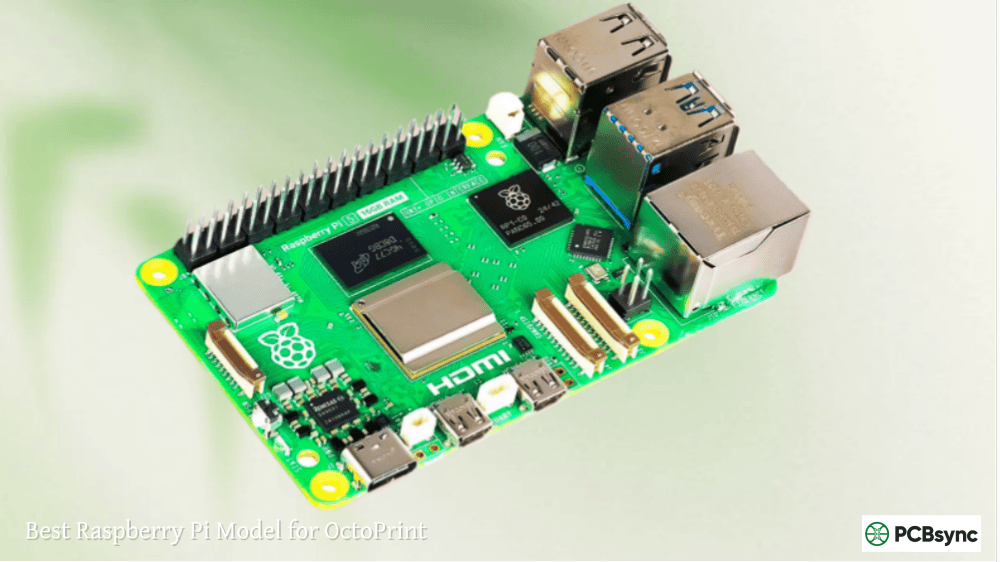
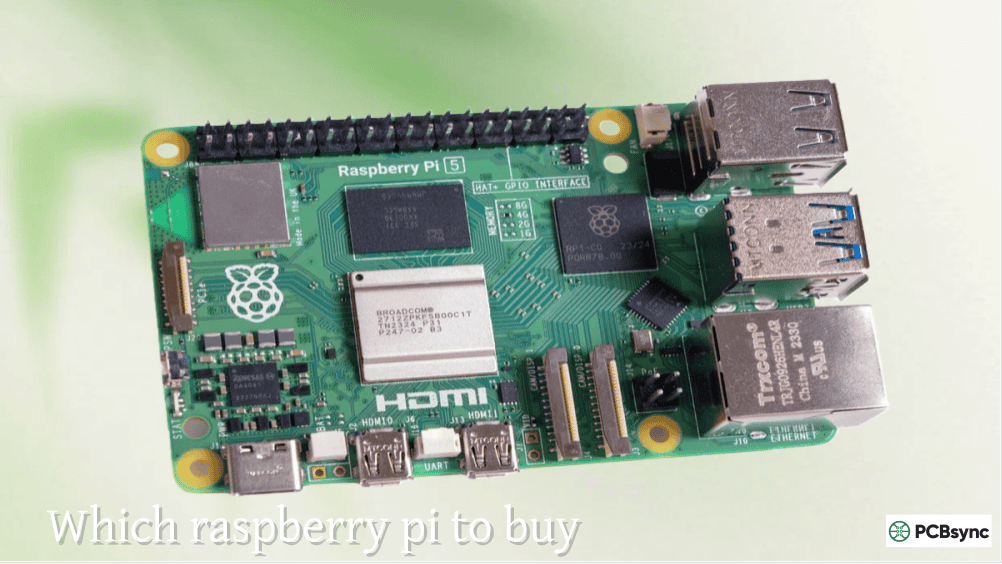
The newest raspberry pi processor, the BCM2712, pushes performance even further with Cortex-A76 cores and a 16nm process. However, for many industrial and embedded applications, the BCM2711 remains the sweet spot—offering proven reliability, extensive software support, and readily available Compute Modules.
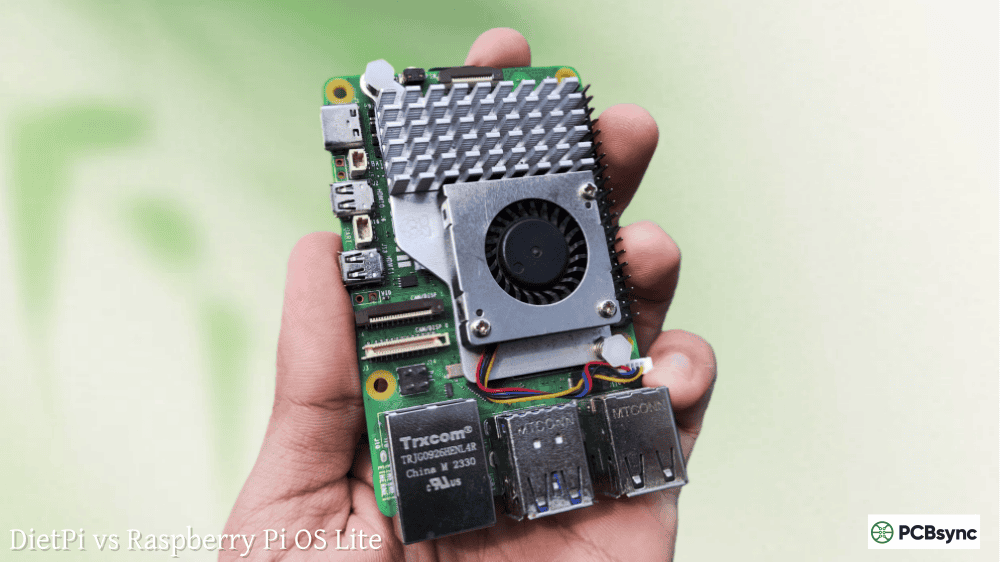
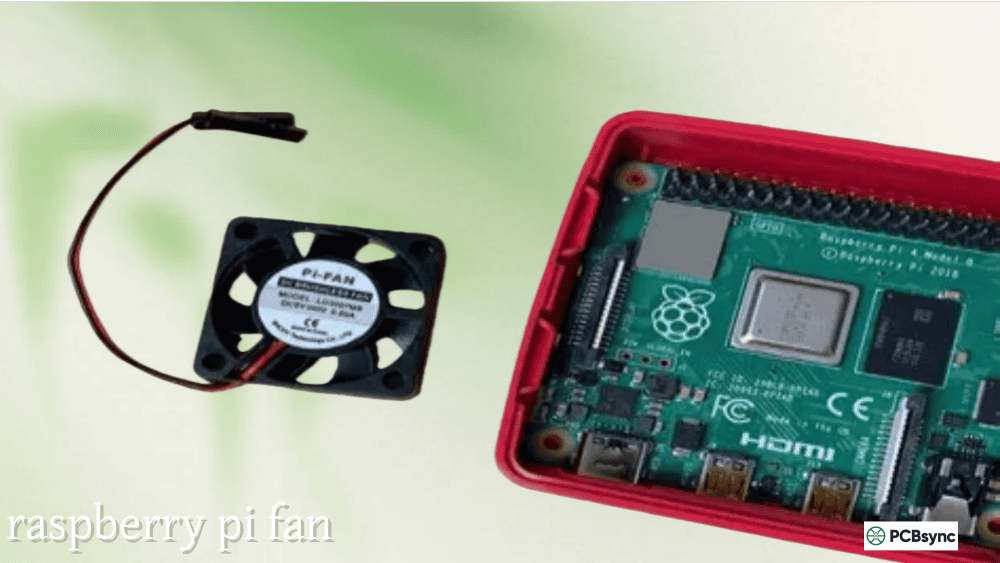
Both the BCM2837 and BCM2711 require careful thermal planning. The BCM2711’s heat spreader helps, but don’t rely on it alone for enclosed applications. My rule of thumb: budget for active cooling if sustained loads exceed 50% CPU utilization, or if ambient temperature exceeds 35°C.
Thermal interface materials matter more than most engineers realize. A proper thermal pad between the processor and your heatsink can reduce junction temperature by 10-15°C compared to air gaps or cheap thermal paste.
Power Supply Design
The BCM2711’s higher performance comes with increased power demands. While the processor itself is reasonably efficient, the supporting peripherals (especially USB 3.0 devices) can push total system draw above 3A. Design your power path for 5.1V at 3A minimum, with proper bulk capacitance near the SoC.
Useful Resources for Raspberry Pi Processor Development
Official Documentation and Datasheets
Resource
Description
Link Type
BCM2711 Datasheet
Official peripheral documentation
Broadcom/RPi Foundation
BCM2837 ARM Peripherals
Memory-mapped register reference
RPi Foundation GitHub
Raspberry Pi Hardware Documentation
Schematics, mechanical drawings
raspberrypi.com/documentation
Compute Module 4 Datasheet
CM4 integration guide
raspberrypi.com
Linux Kernel Source
bcm2711/bcm2837 device trees
github.com/raspberrypi/linux
Development Tools
Raspberry Pi Imager: Official tool for SD card preparation
rpi-eeprom: Bootloader update utility for BCM2711
vcgencmd: Command-line tool for processor monitoring and configuration
stress-ng: Essential for thermal and stability testing
Frequently Asked Questions About Raspberry Pi Processors
What is the main difference between BCM2711 and BCM2837?
The BCM2711 uses ARM Cortex-A72 cores while the BCM2837 uses Cortex-A53 cores. This architectural difference, combined with the BCM2711’s 28nm process (vs 40nm), delivers approximately three times better performance. The BCM2711 also adds native Gigabit Ethernet, USB 3.0, and PCIe support that the BCM2837 lacks entirely.
Can I run 64-bit operating systems on BCM2837?
Yes, the BCM2837 fully supports 64-bit ARM operating systems. Both Raspberry Pi OS and Ubuntu offer 64-bit images compatible with BCM2837-based Pi 3 models. However, memory limitations (1GB maximum) may make 32-bit more practical for memory-constrained applications.
How hot does the BCM2711 processor get under load?
Without active cooling, the BCM2711 can reach 80-85°C under sustained full load, triggering thermal throttling at 85°C. With proper heatsinking, expect 60-70°C under load. Active cooling (small fan) typically keeps temperatures below 50°C even during stress testing.
Is the BCM2711 suitable for industrial applications?
The BCM2711 and its Compute Module 4 variant are increasingly used in industrial applications. The processor operates reliably within its specified temperature range (-20°C to 85°C for industrial CM4 variants). Long-term availability commitments from the Raspberry Pi Foundation make it viable for production designs.
Which Raspberry Pi processor should I choose for machine learning?
For edge ML inference, the BCM2711 significantly outperforms the BCM2837 due to its Cortex-A72 cores and higher memory bandwidth. The 4GB or 8GB RAM variants are recommended for TensorFlow Lite or PyTorch inference workloads. For training or heavy inference, consider pairing with external accelerators via USB 3.0 or PCIe.
Wrapping Up
Understanding the nuances between the BCM2711, BCM2837, and other Broadcom SoCs isn’t just about reading datasheets—it’s about knowing how these chips behave in real enclosures, under real loads, running real applications. The raspberry pi processor ecosystem has matured remarkably since 2012, and today’s options give engineers legitimate choices for production embedded systems.
Whether you’re designing a custom carrier board, selecting a platform for a new product, or optimizing an existing deployment, the processor choice fundamentally shapes your project’s success. Take time to understand these chips, prototype thoroughly, and don’t underestimate thermal management. Your future self—debugging at 2 AM—will thank you.
Inquire: Call 0086-755-23203480, or reach out via the form below/your sales contact to discuss our design, manufacturing, and assembly capabilities.
Quote: Email your PCB files to Sales@pcbsync.com (Preferred for large files) or submit online. We will contact you promptly. Please ensure your email is correct.
Notes: For PCB fabrication, we require PCB design file in Gerber RS-274X format (most preferred), *.PCB/DDB (Protel, inform your program version) format or *.BRD (Eagle) format. For PCB assembly, we require PCB design file in above mentioned format, drilling file and BOM. Click to download BOM template To avoid file missing, please include all files into one folder and compress it into .zip or .rar format.