Inquire: Call 0086-755-23203480, or reach out via the form below/your sales contact to discuss our design, manufacturing, and assembly capabilities.
Quote: Email your PCB files to Sales@pcbsync.com (Preferred for large files) or submit online. We will contact you promptly. Please ensure your email is correct.
Notes: For PCB fabrication, we require PCB design file in Gerber RS-274X format (most preferred), *.PCB/DDB (Protel, inform your program version) format or *.BRD (Eagle) format. For PCB assembly, we require PCB design file in above mentioned format, drilling file and BOM. Click to download BOM template To avoid file missing, please include all files into one folder and compress it into .zip or .rar format.
Getting your first Raspberry Pi up and running can feel overwhelming when you’re staring at a bare board and a blank microSD card. After configuring hundreds of these boards for various embedded projects, I can tell you that the process has become remarkably straightforward. This guide walks you through everything from understanding what Raspberry Pi OS actually is to completing your first boot and beyond.
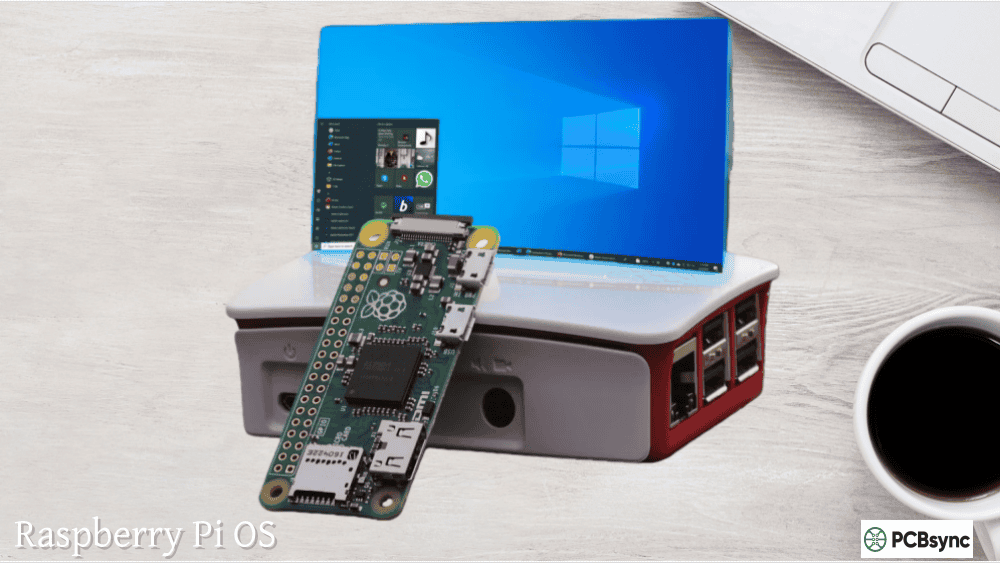
Raspberry Pi OS is the official operating system developed specifically for Raspberry Pi single-board computers. Originally called Raspbian—a portmanteau of “Raspberry Pi” and “Debian”—it was rebranded in 2020 but remains fundamentally the same Linux distribution optimized for Pi hardware.
The operating system is built on Debian Linux and designed to be lightweight, stable, and beginner-friendly. Whether you’re building a home server, learning to code, or creating an embedded control system, Raspberry Pi OS provides everything you need out of the box.
Key Features of Raspberry Pi OS
Feature
Description
Based On
Debian Linux (currently Bookworm/Debian 12)
Desktop Environment
Wayfire (Wayland) on Pi 4/5, Openbox (X11) on older models
Pre-installed Software
Chromium, VLC, Python, Scratch, LibreOffice
Architecture Support
32-bit and 64-bit ARM
Storage Requirement
16GB minimum (Lite), 32GB recommended (Desktop)
Understanding Raspberry Pi OS Versions
Before downloading anything, you need to understand the different versions available. This choice matters more than most beginners realize.
Raspberry Pi OS with Desktop vs Lite
Raspberry Pi OS with Desktop includes a full graphical interface. Choose this if you plan to connect a monitor and use your Pi like a traditional computer. The “with recommended software” variant adds educational tools, productivity applications, and development environments.
Raspberry Pi OS Lite is a minimal command-line only installation. Perfect for headless servers, IoT devices, and projects where every megabyte of RAM matters. I use Lite for 90% of my embedded projects because it boots faster and consumes fewer resources.
32-bit vs 64-bit: Which Should You Choose?
This decision depends on your hardware and use case.
Pi Model
32-bit Support
64-bit Support
Recommendation
Pi Zero / Zero W
Yes
No
32-bit only
Pi Zero 2 W
Yes
Yes
64-bit if RAM allows
Pi 2
Yes
No
32-bit only
Pi 3 / 3B+
Yes
Yes
64-bit recommended
Pi 4 (all RAM)
Yes
Yes
64-bit recommended
Pi 5 (all RAM)
32-bit userland
64-bit kernel required
64-bit recommended
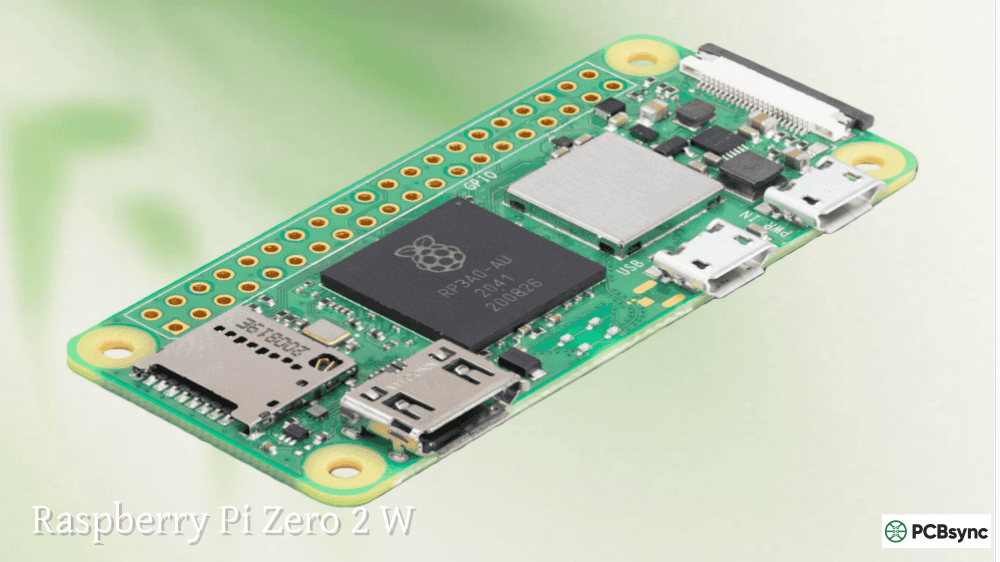
The general rule: if your Pi has 2GB or more RAM and supports 64-bit, go with 64-bit. You’ll get roughly 10-30% better performance in CPU-intensive tasks. For low-RAM devices like the Zero 2 W, 32-bit uses slightly less memory, which can matter when you’re working with only 512MB.
Bookworm vs Bullseye vs Legacy
Bookworm (Debian 12) is the current release, featuring the modern Wayland display system on Pi 4 and Pi 5. It’s actively maintained with full bug fixes and security updates.
Bullseye (Debian 11) is now legacy status. It still receives security updates but no new features. Use it only if specific software requires X11 or you’re running older Pi models.
Buster and older releases should generally be avoided unless you have very specific legacy requirements.
NOOBS Raspberry Pi: The Old Way vs Raspberry Pi Imager
When the Raspberry Pi first launched, installing an operating system required technical knowledge about disk imaging. NOOBS (New Out Of Box Software) was created to simplify this by providing an on-device installer that could set up multiple operating systems.
What Was NOOBS Raspberry Pi?
NOOBS Raspberry Pi was an installation manager that came pre-loaded with several operating systems. You’d copy NOOBS files to an SD card, boot your Pi, and select which OS to install from a graphical menu. It was fantastic for beginners because it didn’t require any imaging software on your computer.
Key features of NOOBS raspberry pi included:
Pre-loaded operating systems for offline installation
Ability to install multiple OSes on one SD card
Recovery mode for reinstalling without starting over
Simple point-and-click interface on the Pi itself
Why Raspberry Pi Imager Replaced NOOBS
The Raspberry Pi Foundation now recommends Raspberry Pi Imager instead of NOOBS for good reason. Imager is faster, more reliable, and allows pre-configuration of settings like WiFi and SSH before first boot.
Feature
NOOBS
Raspberry Pi Imager
Installation Speed
Slower (two-step process)
Faster (direct write)
Pre-boot Configuration
No
Yes (WiFi, SSH, username)
Internet Required
Optional
Optional
Multiple OS Support
Yes
No (single OS per card)
Platform
Pi-based
Windows, Mac, Linux
Current Status
Legacy
Actively developed
For most users in 2025, Raspberry Pi Imager is the better choice. NOOBS still works if you specifically need its multi-boot capabilities or offline installation, but the Foundation has stopped actively developing it.
Step-by-Step Raspberry Pi OS Installation
Let’s get your Pi running. This process takes about 15-20 minutes from start to first boot.
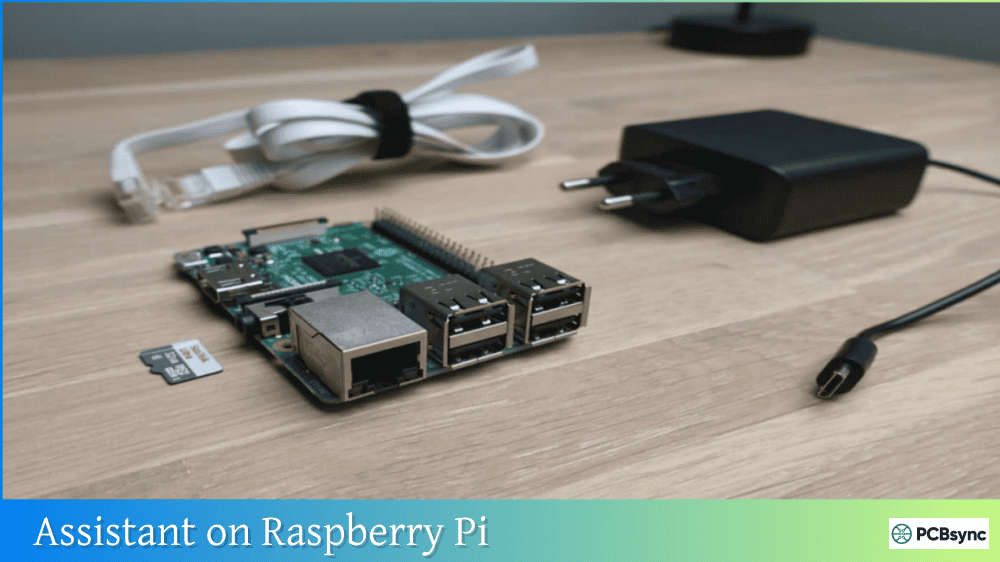
What You Need
Item
Purpose
Recommendation
MicroSD Card
Boot storage
32GB+ Class 10 or A1 rated
Card Reader
Write OS to card
USB 3.0 for faster imaging
Power Supply
Power your Pi
Official 5V/5A for Pi 5, 5V/3A for Pi 4
Computer
Run Raspberry Pi Imager
Windows, Mac, or Linux
Installing with Raspberry Pi Imager
Step 1: Download and Install Raspberry Pi Imager
Visit raspberrypi.com/software and download the version for your operating system. The installer is about 20MB and runs on Windows, macOS, and Linux (including Raspberry Pi OS itself).
Step 2: Launch Imager and Select Your Device
Open Raspberry Pi Imager and click “Choose Device.” Select your exact Pi model from the list. This ensures Imager shows compatible operating systems.
Step 3: Choose Your Operating System
Click “Choose OS” and select Raspberry Pi OS. The recommended version for your device appears at the top. For most users, “Raspberry Pi OS (64-bit)” is the right choice.
Options available:
Raspberry Pi OS (64-bit) — Full desktop with recommended software
Raspberry Pi OS (32-bit) — For older or low-RAM devices
Raspberry Pi OS Lite (64-bit) — Command-line only
Other specific-purpose OS options
Step 4: Insert and Select Your SD Card
Insert your microSD card into your computer’s card reader. Click “Choose Storage” and select the card. Double-check the device size to avoid accidentally wiping the wrong drive.
Step 5: Configure OS Customization Settings
This is crucial. Click “Next” and when prompted, select “Edit Settings” to access OS customization.
In the General tab, configure:
Hostname (unique name for your Pi on the network)
Username and password (required since April 2022)
WiFi credentials (SSID and password)
Locale settings (timezone, keyboard layout)
In the Services tab:
Enable SSH for remote access
Choose password or public-key authentication
Step 6: Write the Image
Click “Save” then “Yes” to apply customization. Click “Yes” again to confirm you want to write. The process takes 5-15 minutes depending on your card speed. Imager will verify the write afterward.
Step 7: First Boot
Safely eject the card, insert it into your Pi, and connect power. The first boot takes longer than subsequent boots (2-5 minutes) as the system expands the filesystem and applies your configuration.
Headless Raspberry Pi OS Setup
Running your Pi without a monitor is called “headless” operation. It’s ideal for servers, IoT devices, and remote projects.
Pre-Configuring SSH and WiFi
If you used Raspberry Pi Imager’s customization settings, SSH and WiFi are already configured. Otherwise, you can manually enable them:
Enable SSH: Create an empty file named ssh (no extension) in the boot partition of your SD card.
Configure WiFi: Create a file named wpa_supplicant.conf in the boot partition with:
Note: On Bookworm with Wayland, VNC works differently than on older releases. The 64-bit version works well, but 32-bit may have compatibility issues.
Set Up a Static IP Address
For servers and consistent remote access, configure a static IP through your router’s DHCP reservation feature using your Pi’s MAC address. This is more reliable than configuring static IP on the Pi itself.
Troubleshooting Common Raspberry Pi OS Issues
Even with careful setup, things occasionally go wrong. Here are solutions to the most common problems.
Pi Won’t Boot (No Green LED Activity)
Symptom
Likely Cause
Solution
Red LED only
SD card not detected
Re-image card, try different card
No LEDs
Power issue
Check power supply, try different cable
Rainbow screen stuck
Corrupt boot files
Re-image the SD card
Lightning bolt icon
Insufficient power
Use official power supply
Can’t Connect via SSH
Verify SSH is enabled (check for ssh file in boot partition)
Confirm Pi is on your network (check router’s connected devices)
Ensure you’re using the correct username (not “pi” unless you set it)
Try IP address instead of hostname
WiFi Not Connecting
Verify country code is set correctly in Imager or wpa_supplicant.conf
Check SSID and password for typos
Ensure your network isn’t hidden (requires additional config)
For 5GHz networks, verify your Pi model supports it
Slow Performance
Check temperature with vcgencmd measure_temp (throttling occurs above 80°C)
Verify adequate power supply
Consider using an SSD instead of SD card
Check for runaway processes with htop
Backing Up Your Raspberry Pi OS Installation
Once you’ve configured everything perfectly, create a backup before making further changes. There’s nothing worse than losing hours of configuration to a corrupted SD card.
Creating a Full System Image
On Linux or Mac, use dd to create a bit-perfect copy:
Replace /dev/sdX with your SD card device. The resulting image can be written back to any same-size-or-larger SD card using Raspberry Pi Imager’s “Use custom” option.
Using PiShrink for Smaller Backups
Full images are often larger than necessary. PiShrink compresses your backup by removing empty space:
The shrunk image can be restored to any card large enough to hold the actual used space.
Backup Best Practices
Frequency
What to Back Up
Method
Before major changes
Full image
dd + PiShrink
Weekly
Config files
rsync to remote
Daily (servers)
Data directories
Automated scripts
Security Hardening Your Raspberry Pi OS
Default configurations prioritize ease of use over security. For production deployments or internet-facing services, additional hardening is essential.
Essential Security Steps
Change default credentials immediately. If you created a user during imaging, you’re already ahead. Never leave the default raspberry password in place.
Update regularly. Set up unattended security updates:
sudo apt install unattended-upgrades
sudo dpkg-reconfigure unattended-upgrades
Disable root SSH login. Edit /etc/ssh/sshd_config and set:
PermitRootLogin no
Use SSH key authentication instead of passwords. Generate keys on your computer and copy the public key to your Pi:
ssh-copy-id username@raspberrypi.local
Then disable password authentication in sshd_config:
PasswordAuthentication no
Install and configure a firewall. UFW provides simple firewall management:
sudo apt install ufw
sudo ufw allow ssh
sudo ufw enable
Add rules for other services as needed before enabling.
Useful Resources and Downloads
Official Resources
Resource
URL
Purpose
Raspberry Pi Imager
raspberrypi.com/software
OS installation tool
Official Documentation
raspberrypi.com/documentation
Comprehensive guides
OS Downloads
raspberrypi.com/software/operating-systems
Direct image downloads
Hardware Datasheets
datasheets.raspberrypi.com
Technical specifications
Community Resources
Resource
URL
Purpose
Raspberry Pi Forums
forums.raspberrypi.com
Official community support
Reddit r/raspberry_pi
reddit.com/r/raspberry_pi
Community discussions
Pi My Life Up
pimylifeup.com
Project tutorials
GitHub Raspberry Pi
github.com/raspberrypi
Source code and tools
Alternative Installation Tools
If Raspberry Pi Imager doesn’t work for your situation:
balenaEtcher — Cross-platform, very reliable
Win32 Disk Imager — Windows classic, no frills
dd — Command-line tool for Linux/Mac power users
Frequently Asked Questions
What is the difference between Raspbian and Raspberry Pi OS?
Raspbian and Raspberry Pi OS are the same operating system. Raspbian was the original name, reflecting its Debian Linux foundation. In 2020, the Raspberry Pi Foundation rebranded it to Raspberry Pi OS to better reflect that it’s the official operating system for Pi hardware. The underlying software remains fundamentally the same Debian-based distribution optimized for Raspberry Pi.
Is NOOBS Raspberry Pi still available?
Yes, NOOBS raspberry pi is still available for download from the Raspberry Pi website, but it’s no longer actively developed or recommended. Raspberry Pi Imager has replaced NOOBS as the preferred installation method because it’s faster, allows pre-boot configuration, and doesn’t require the two-step installation process. NOOBS remains useful for specific scenarios like multi-boot setups or offline installations.
Should I use 32-bit or 64-bit Raspberry Pi OS?
For Raspberry Pi 3, 4, or 5 with 2GB or more RAM, use 64-bit. You’ll get 10-30% better performance in CPU-intensive tasks. For Pi Zero, Zero W, Pi 2, or any model with less than 2GB RAM, use 32-bit as it uses slightly less memory. The Pi 5 requires a 64-bit kernel but can run 32-bit applications.
How do I enable SSH on Raspberry Pi OS without a monitor?
Enable SSH during the imaging process using Raspberry Pi Imager’s customization settings (click “Edit Settings” after selecting your SD card). Alternatively, after imaging, mount the SD card on your computer and create an empty file named ssh (no extension) in the boot partition. The Pi will automatically enable SSH on first boot.
Why won’t my Raspberry Pi boot after installing the OS?
The most common causes are a corrupted SD card image, incompatible SD card, or insufficient power. First, re-image the SD card using Raspberry Pi Imager with verification enabled. If that fails, try a different SD card (preferably a name-brand Class 10 or A1 rated card). Ensure you’re using an adequate power supply—the official supplies are recommended. A red LED without green LED activity typically indicates the SD card isn’t being read.
Wrapping Up
Setting up Raspberry Pi OS has evolved significantly from the early days of manual disk imaging and NOOBS installers. With Raspberry Pi Imager handling the heavy lifting and allowing pre-boot configuration, you can go from unboxing to running projects in under 30 minutes.
The key takeaways: use 64-bit Raspberry Pi OS on supported hardware, take advantage of Imager’s customization settings to configure SSH and WiFi before first boot, and always update your system before installing additional software. With these fundamentals down, you’re ready to tackle whatever project brought you to the Pi in the first place.
Bonus: Alternative Storage Options
While microSD cards remain the default boot medium, newer Pi models support faster alternatives worth considering.
Booting from USB/SSD
Raspberry Pi 4 and Pi 5 can boot directly from USB storage without an SD card. This provides several advantages:
Storage Type
Read Speed
Write Speed
Reliability
Cost
SD Card (A1)
40-100 MB/s
30-60 MB/s
Fair
Low
USB SSD
300-500 MB/s
300-400 MB/s
Excellent
Medium
NVMe (Pi 5)
400-900 MB/s
400-800 MB/s
Excellent
Medium-High
For server applications or heavy database workloads, SSD storage dramatically improves performance and longevity. SD cards can wear out relatively quickly under constant write operations.
Setting Up USB Boot
Update your Pi’s bootloader using sudo rpi-eeprom-update -a
Use Raspberry Pi Imager to write the OS to your USB drive
Remove the SD card and connect your USB drive
Power on—the Pi boots from USB
For Pi 5 with NVMe, you’ll need an M.2 HAT+ or similar adapter to connect the drive to the PCIe interface.
Alternative Operating Systems
Raspberry Pi OS isn’t your only option. Depending on your project, alternatives might serve you better.
Popular Alternatives
OS
Best For
Based On
Ubuntu Server
Cloud-native deployments
Debian
LibreELEC
Media center (Kodi)
OpenELEC
RetroPie
Retro gaming
Raspberry Pi OS
Home Assistant
Smart home hub
Custom Linux
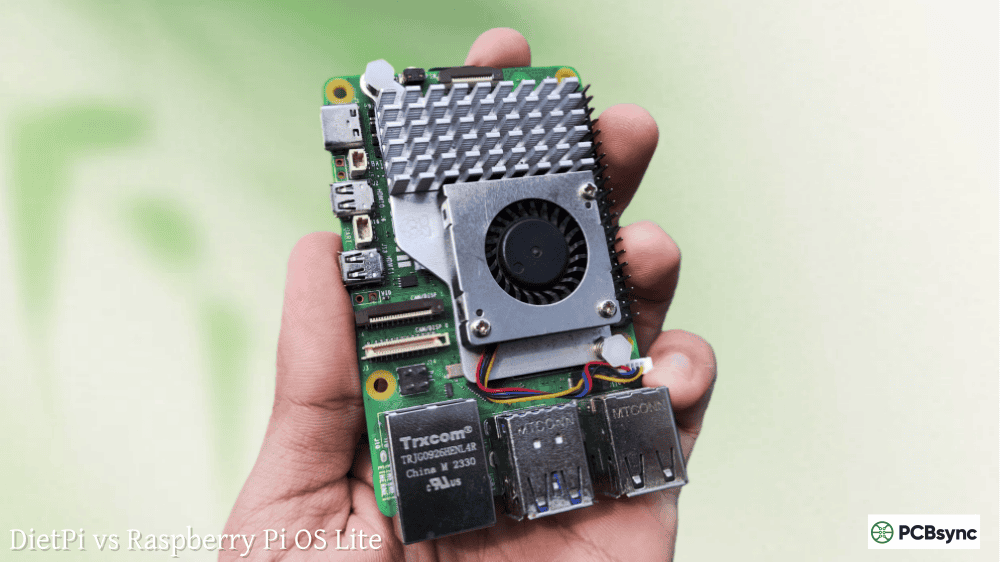
DietPi
Minimal footprint
Debian
All of these can be installed using Raspberry Pi Imager by selecting “Other general-purpose OS” or “Other specific-purpose OS” from the operating system menu.
When to Choose Alternatives
Choose an alternative OS when:
Your project specifically requires Ubuntu packages or ecosystem
You’re building a dedicated media center or gaming system
You need the absolute minimal resource footprint
Specific software only supports certain distributions
For general learning, development, and most projects, Raspberry Pi OS remains the best choice due to its hardware optimization and extensive documentation.
Inquire: Call 0086-755-23203480, or reach out via the form below/your sales contact to discuss our design, manufacturing, and assembly capabilities.
Quote: Email your PCB files to Sales@pcbsync.com (Preferred for large files) or submit online. We will contact you promptly. Please ensure your email is correct.
Notes: For PCB fabrication, we require PCB design file in Gerber RS-274X format (most preferred), *.PCB/DDB (Protel, inform your program version) format or *.BRD (Eagle) format. For PCB assembly, we require PCB design file in above mentioned format, drilling file and BOM. Click to download BOM template To avoid file missing, please include all files into one folder and compress it into .zip or .rar format.