Inquire: Call 0086-755-23203480, or reach out via the form below/your sales contact to discuss our design, manufacturing, and assembly capabilities.
Quote: Email your PCB files to Sales@pcbsync.com (Preferred for large files) or submit online. We will contact you promptly. Please ensure your email is correct.
Notes: For PCB fabrication, we require PCB design file in Gerber RS-274X format (most preferred), *.PCB/DDB (Protel, inform your program version) format or *.BRD (Eagle) format. For PCB assembly, we require PCB design file in above mentioned format, drilling file and BOM. Click to download BOM template To avoid file missing, please include all files into one folder and compress it into .zip or .rar format.
The first time I watched my hallway lights turn on automatically as I walked through at 2 AM, triggered by a motion sensor I’d configured myself, I understood why people get hooked on home assistant projects. There’s something deeply satisfying about building automation systems that actually work, especially when you’ve created them from scratch on a smart home raspberry pi setup.
Starting with Home Assistant can feel overwhelming. The platform supports over 3,000 integrations, countless add-ons, and seemingly infinite automation possibilities. Where do you begin? This guide cuts through the noise with ten practical home assistant projects specifically chosen for beginners, each building skills you’ll use as your system grows.
Why Start with a Raspberry Pi for Smart Home Projects?
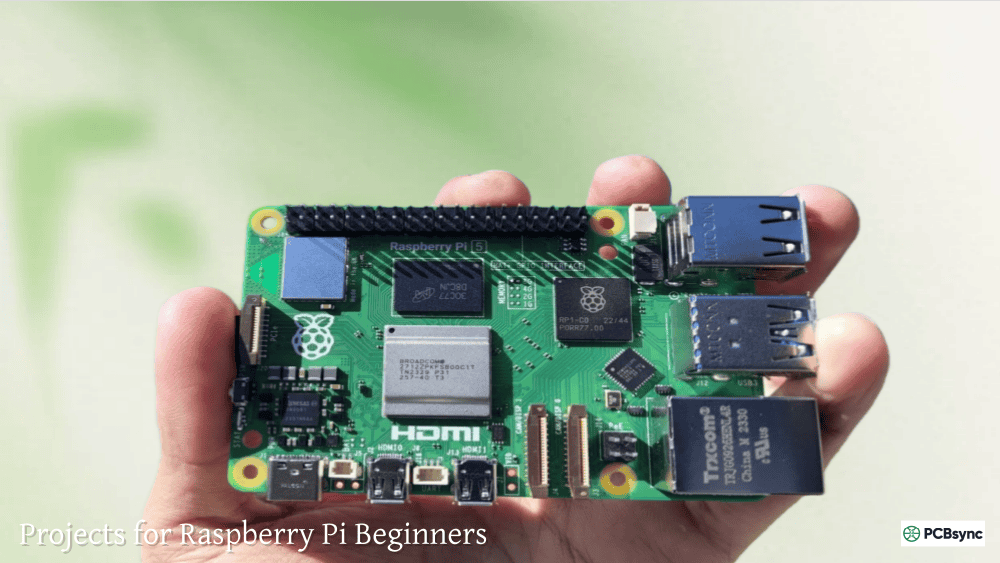
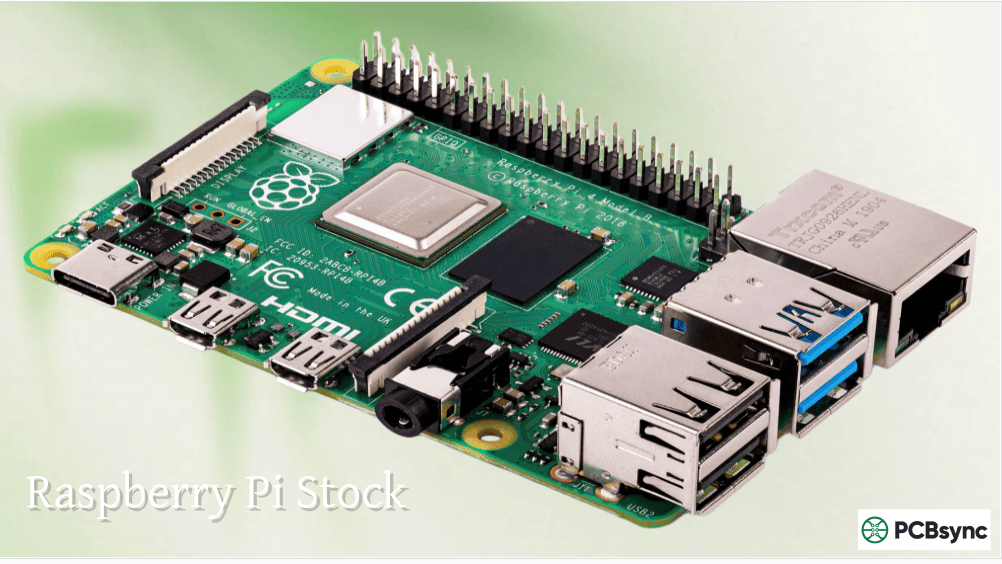
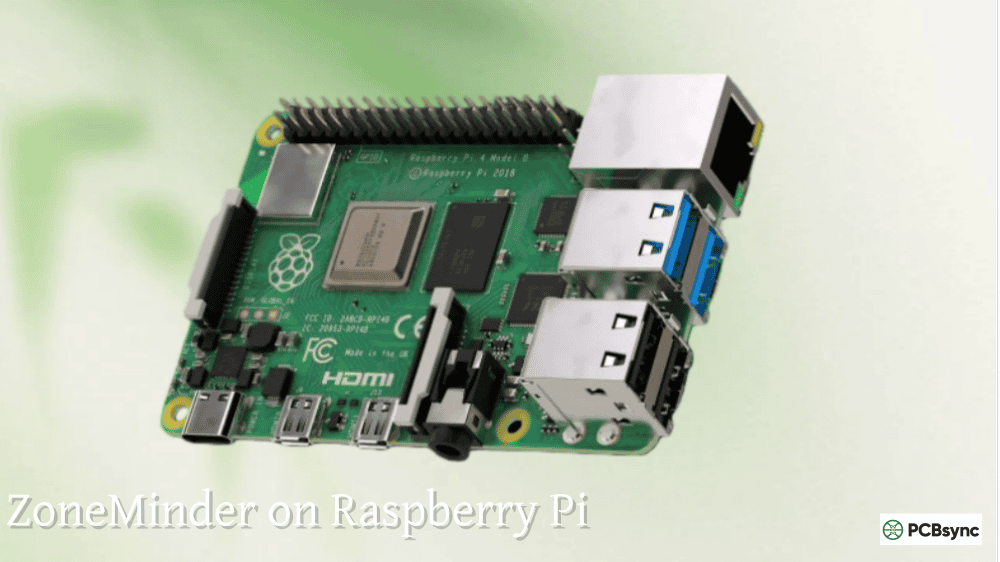
The Raspberry Pi offers the perfect entry point for smart home raspberry pi projects. Unlike commercial hubs that lock you into specific ecosystems, a Pi running Home Assistant gives you complete control over your data and devices while costing a fraction of proprietary alternatives.
Advantage
Description
Low Cost
Complete setup under $100
Local Processing
No cloud dependency
Privacy
Your data stays home
Flexibility
Works with virtually any smart device
Learning
Develop real technical skills
Community
Massive support network
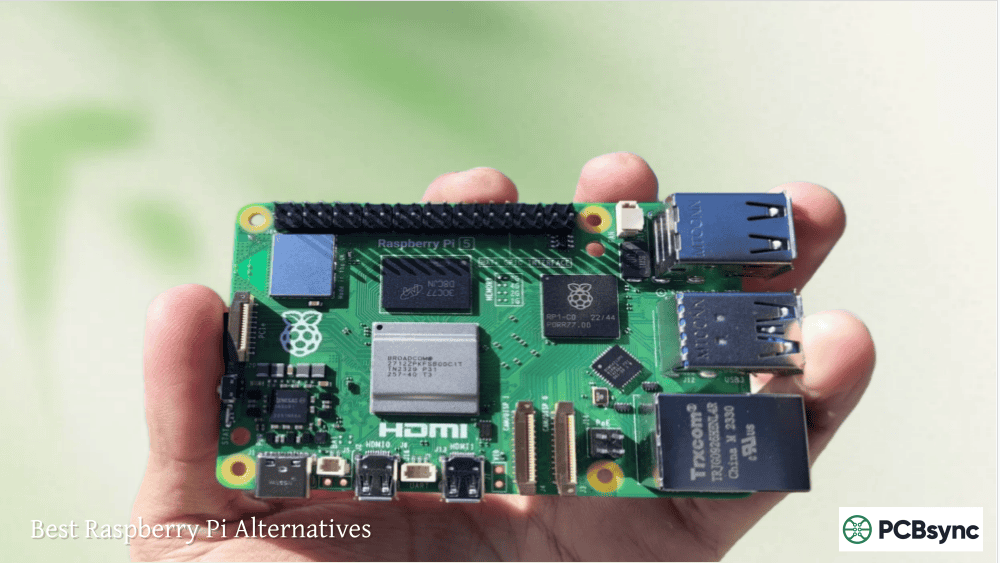
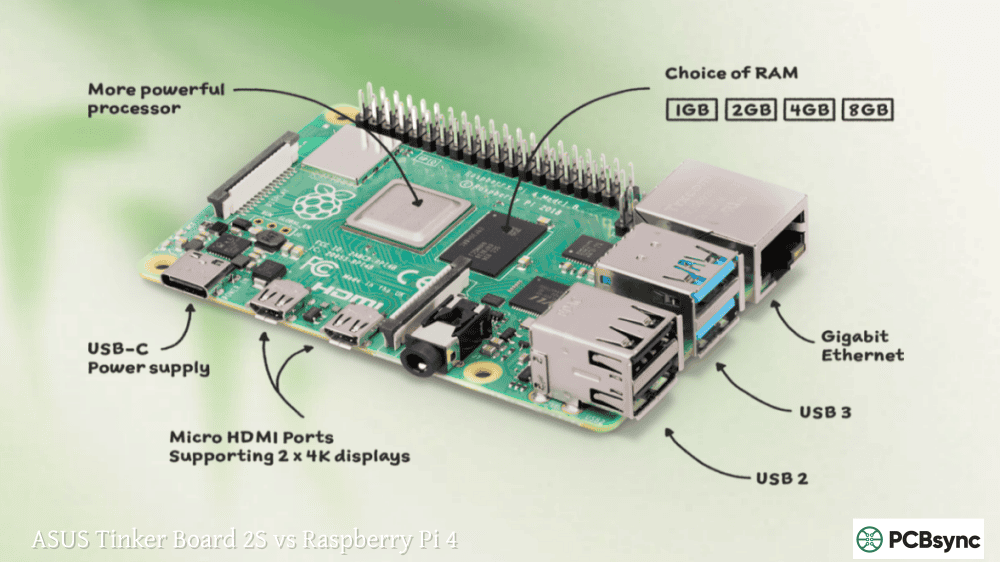
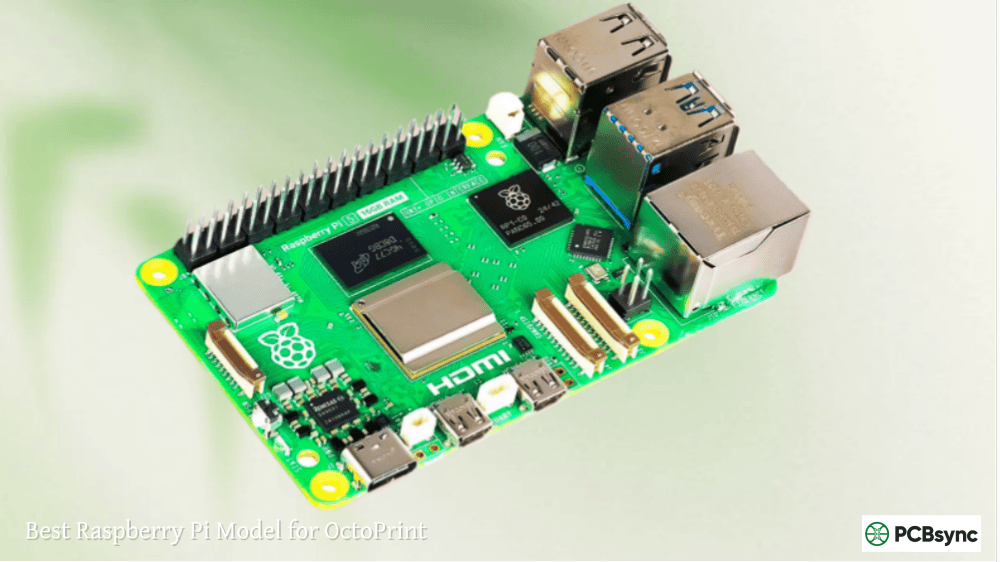
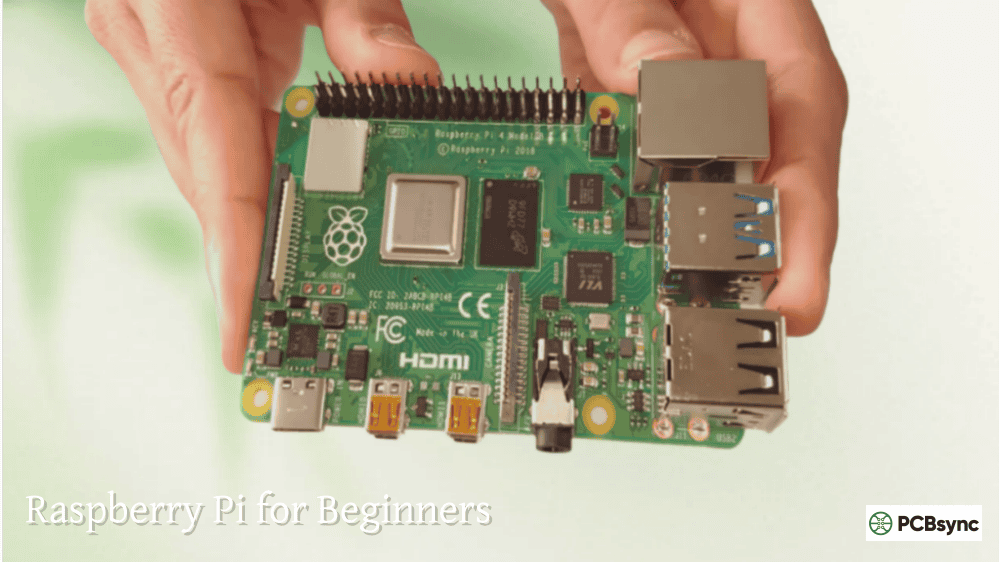
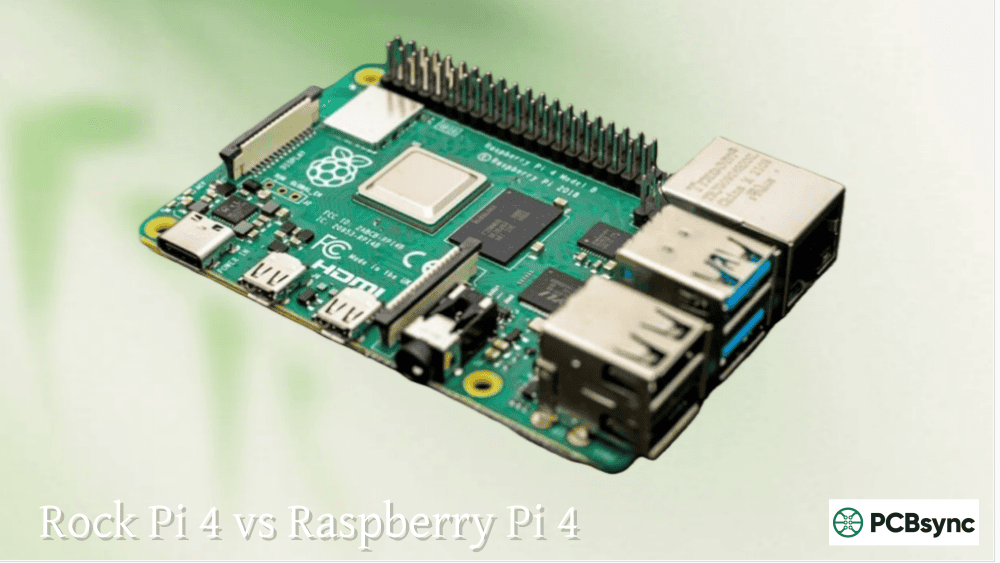
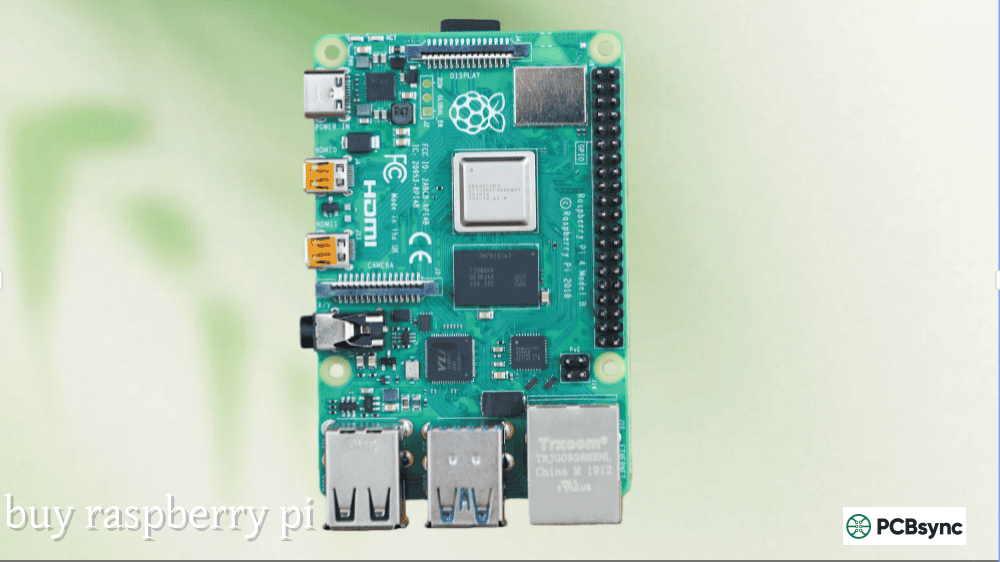
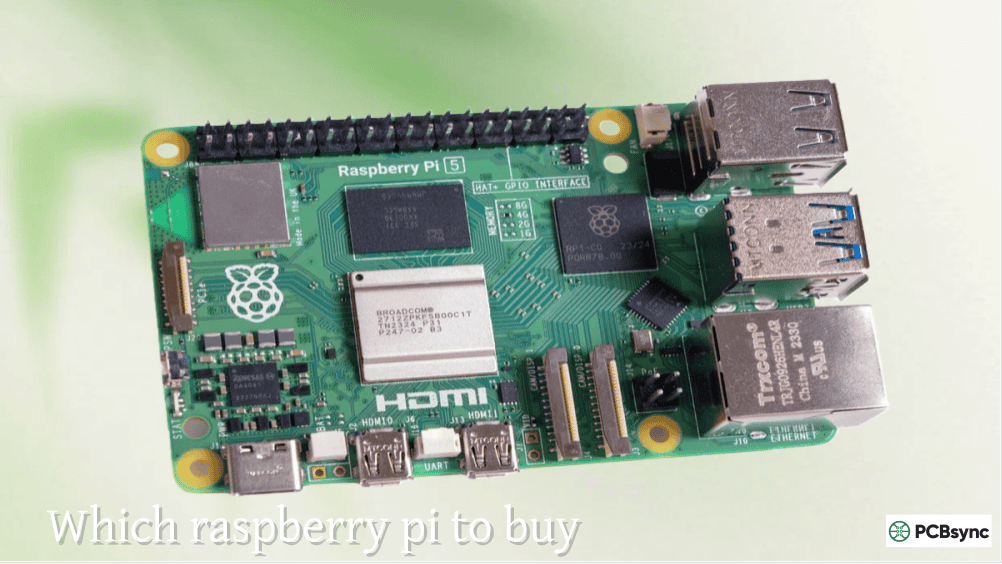
A Raspberry Pi 4 with 2GB RAM handles most beginner home assistant projects comfortably. As your system grows, the Pi 5 offers headroom for advanced automations and multiple add-ons.
Project 1: Motion-Activated Smart Lighting
Motion-activated lighting remains the quintessential beginner project because it delivers immediate, visible results while teaching fundamental automation concepts.
What You Need
Component
Approximate Cost
Purpose
Zigbee Motion Sensor
$15-25
Detect movement
Smart Bulb or Switch
$10-20
Control lighting
Zigbee Coordinator
$30-50
Connect devices to HA
How It Works
The motion sensor detects movement and sends a signal to Home Assistant. Your automation triggers the light to turn on, then turns it off after a configurable timeout when motion stops. Simple conditions prevent lights from activating during daytime.
Key Learning Points
This project teaches the core automation structure: trigger (motion detected), condition (sun is below horizon), and action (turn on light). Every complex automation you’ll ever build follows this same pattern.
Practical Expansion Ideas
Expansion
Difficulty
Benefit
Add brightness based on time
Easy
Dim lights late at night
Include multiple sensors
Medium
Cover larger areas
Integrate with presence detection
Medium
Different behaviors by person
Project 2: Temperature and Humidity Monitoring
Environmental monitoring provides constant, useful data while introducing sensor integration concepts essential for advanced home assistant projects.
Hardware Options
Sensor Type
Cost
Accuracy
Best For
Zigbee Aqara Sensor
$15-20
±0.3°C
Wireless simplicity
ESP32 + DHT22
$5-8
±0.5°C
DIY and learning
ESP32 + BME280
$8-12
±0.1°C
Higher accuracy
Building with ESPHome
ESPHome transforms inexpensive ESP32 microcontrollers into custom smart sensors using simple YAML configuration files. No traditional programming required. You define what sensors connect where, and ESPHome handles the rest.
A complete temperature/humidity sensor costs under $8 in parts and reports data to Home Assistant in real-time. These become building blocks for climate control automations later.
Automation Examples
Automation
Trigger
Action
Comfort alert
Temperature exceeds 78°F
Send notification
Humidity control
Humidity above 60%
Turn on dehumidifier
Freeze warning
Temperature drops below 35°F
Alert and enable heaters
Project 3: Door and Window Contact Sensors
Security monitoring starts with knowing what’s open and what’s closed. Contact sensors provide this awareness while enabling numerous practical automations.
Sensor Options Comparison
Type
Power
Range
Price
Best For
Zigbee Contact
Battery (2+ years)
30+ meters
$12-18
Most users
Z-Wave Contact
Battery (1-2 years)
50+ meters
$25-35
Larger homes
ESP32 Wired
USB power
WiFi range
$3-5
DIY enthusiasts
Practical Automations
Door sensors unlock surprisingly useful automations beyond basic security:
Scenario
Trigger
Action
Entry lighting
Front door opens
Turn on entryway lights
HVAC efficiency
Window opens
Pause AC in that zone
Security alert
Door opens while away
Send push notification
Garage reminder
Garage door open 30 min
Alert to close
Integration Tips
Contact sensors work best with other home assistant projects. Combine door sensors with motion detection and phone presence to build context-aware automations that understand whether someone is arriving or leaving.
Project 4: Smart Plug Energy Monitoring
Smart plugs with energy monitoring transform ordinary devices into smart appliances while providing valuable consumption data.
Recommended Devices
Device
Protocol
Energy Monitoring
Price
Sonoff S31 ZB
Zigbee
Yes
$12-15
TP-Link Kasa KP115
WiFi
Yes
$15-18
Shelly Plug S
WiFi
Yes
$20-25
Beginner-Friendly Automations
Energy monitoring plugs excel at detecting appliance states without additional sensors:
Appliance
Detection Method
Automation
Washing Machine
Power drops below 5W
Notify cycle complete
Coffee Maker
Power above 800W
Track morning routine
Space Heater
Any power draw
Safety timeout after 2 hours
Gaming Console
Power state change
Log usage time
Energy Dashboard Integration
Home Assistant’s built-in Energy Dashboard visualizes consumption data from these plugs. After a few weeks, you’ll identify energy hogs and wasteful patterns. Many users recoup the cost of their entire smart home raspberry pi setup through reduced energy bills.
Project 5: Presence Detection System
Knowing who’s home and who’s away enables powerful context-aware automations. This project combines multiple detection methods for reliable results.
Detection Method Comparison
Method
Reliability
Speed
Privacy Impact
Phone App GPS
High
1-5 min
Medium
WiFi Device Tracking
Medium
Instant
Low
Bluetooth Proximity
High
Instant
Low
PIR Motion Sensors
Medium
Instant
None
mmWave Presence
Very High
Instant
None
Building a Reliable System
Single detection methods fail. Phones die, WiFi disconnects, and motion sensors miss stationary people. The solution combines multiple approaches:
Component
Purpose
Fallback
Home Assistant App
Primary away detection
WiFi tracking
ESP32 Bluetooth Proxy
Room-level presence
Motion sensor
PIR Motion Sensor
Activity confirmation
mmWave sensor
Automation Examples
Scenario
Detection
Action
Last person leaves
All phones away for 5 min
Enable away mode, set thermostat
First person arrives
Phone enters home zone
Disable alarm, turn on lights
Room occupied
Motion + no motion timeout
Adjust room climate
Project 6: Water Leak Detection
Water damage causes more insurance claims than fire and theft combined. Simple leak sensors provide peace of mind and potential insurance discounts.
Where to Place Sensors
Location
Priority
Why
Under water heater
Critical
Common failure point
Beneath kitchen sink
High
Supply line connections
Behind washing machine
High
Hose failures
Near sump pump
High
Overflow detection
Under bathroom sinks
Medium
Supply and drain leaks
Sensor Options
Type
Price
Battery Life
Response Time
Aqara Water Leak
$15-18
2+ years
Instant
Govee WiFi Sensor
$12-15
2 years
2-3 seconds
ESP32 + Probe
$3-5
N/A (wired)
Instant
Critical Automation Setup
Water leak automations should be aggressive:
Trigger
Immediate Action
Follow-up Action
Any leak detected
Critical push notification
Repeat every 5 min until acknowledged
Leak + smart valve
Close main water shutoff
Notify and log event
Project 7: Garage Door Control and Monitoring
Garage door integration solves the universal “did I close the garage?” problem while adding convenient automation possibilities.
Integration Methods
Method
Cost
Difficulty
Features
Ratgdo (local)
$30-40
Easy
Full control, local
MyQ Integration
Free (existing)
Easy
Cloud dependent
ESP32 + Reed Switch
$10-15
Medium
DIY, fully local
Zigbee Contact + Relay
$25-35
Medium
No cloud
Essential Automations
Automation
Trigger
Action
Forget-to-close alert
Door open 30 min after sunset
Send notification
Auto-close
All phones leave home zone
Close garage door
Arrival open
Phone enters home zone + car in garage
Open garage door
Night check
Bedtime routine activates
Close if open, confirm closed
Safety Considerations
Garage door automations require careful implementation. Never auto-open without multiple confirmations. Add delays before closing and ensure clear notification before any automatic closure to prevent injury or vehicle damage.
Project 8: Media Control Dashboard
Controlling media devices from Home Assistant consolidates remote controls and enables room-aware entertainment automations.
Supported Devices
Device Type
Integration
Local Control
Roku
Built-in
Yes
Apple TV
Built-in
Yes
Chromecast
Built-in
Yes
Sonos
Built-in
Yes
Samsung TV
Built-in
Partial
LG TV
Built-in
Yes
Dashboard Creation
Home Assistant’s Lovelace dashboards display media players with playback controls, volume adjustment, and source selection. A tablet mounted on the wall becomes a dedicated control center for your entire entertainment system.
Practical Automations
Scenario
Trigger
Action
Movie mode
Roku starts playing
Dim lights to 20%
Pause on phone
Phone call incoming
Pause active media
Bedtime
Time-based + bedroom motion
Lower volume gradually
Morning routine
First motion in kitchen
Play news briefing on speaker
Project 9: Voice Assistant Integration
Voice control transforms how you interact with your smart home raspberry pi system. Home Assistant supports both cloud and fully local voice processing.
Voice Platform Options
Platform
Privacy
Setup Difficulty
Response Speed
Alexa
Cloud
Easy
Fast
Google Assistant
Cloud
Easy
Fast
Local Voice (Whisper+Piper)
Fully Private
Medium
Medium
Siri (via HomeKit)
Moderate
Medium
Fast
Local Voice Assistant Setup
For privacy-focused users, Home Assistant’s local voice stack eliminates cloud dependency:
Add-on
Function
Resource Usage
Whisper
Speech-to-text
Medium-High
Piper
Text-to-speech
Low
openWakeWord
Wake word detection
Low
The Raspberry Pi 5 handles local voice processing adequately. The Pi 4 can struggle with simultaneous voice and other intensive tasks.
This culminating project combines previous skills to create a custom multi-sensor device that displays data on a small screen.
Hardware Requirements
Component
Purpose
Cost
ESP32 Development Board
Main controller
$5-8
SSD1306 OLED Display
Data display
$4-6
DHT22 or BME280
Temperature/Humidity
$3-8
PIR Sensor (optional)
Motion detection
$1-2
Enclosure
Protection
$5-10
Total
$18-34
Project Overview
This device monitors environmental conditions, displays current readings on a small OLED screen, and reports everything to Home Assistant. It combines temperature monitoring, motion detection, and visual feedback in a single custom device.
Skills Applied
Skill
From Project
ESPHome configuration
Temperature monitoring
Sensor integration
Multiple projects
Display management
New skill
Automation triggers
Motion lighting
Dashboard integration
Media control
Expansion Possibilities
Once comfortable with basic ESPHome, possibilities expand dramatically:
Advanced Feature
Difficulty
Air quality monitoring (CO2, VOC)
Medium
Vibration sensor for appliances
Easy
Water flow monitoring
Medium
Soil moisture for plants
Easy
Custom light controller
Medium
Useful Resources for Home Assistant Projects
Resource
URL
Description
Home Assistant
home-assistant.io
Official documentation and guides
ESPHome
esphome.io
Sensor creation documentation
Home Assistant Community
community.home-assistant.io
Forums for questions and sharing
HACS
hacs.xyz
Community store for custom integrations
Everything Smart Home
YouTube channel
Project tutorials
Smart Home Junkie
YouTube channel
Beginner-friendly guides
The Hook Up
YouTube channel
Advanced tutorials
Zigbee Device Database
zigbee.blakadder.com
Device compatibility list
ESPHome Devices
esphome-devices.com
Pre-made ESPHome configurations
Frequently Asked Questions
How much does a complete Home Assistant setup cost?
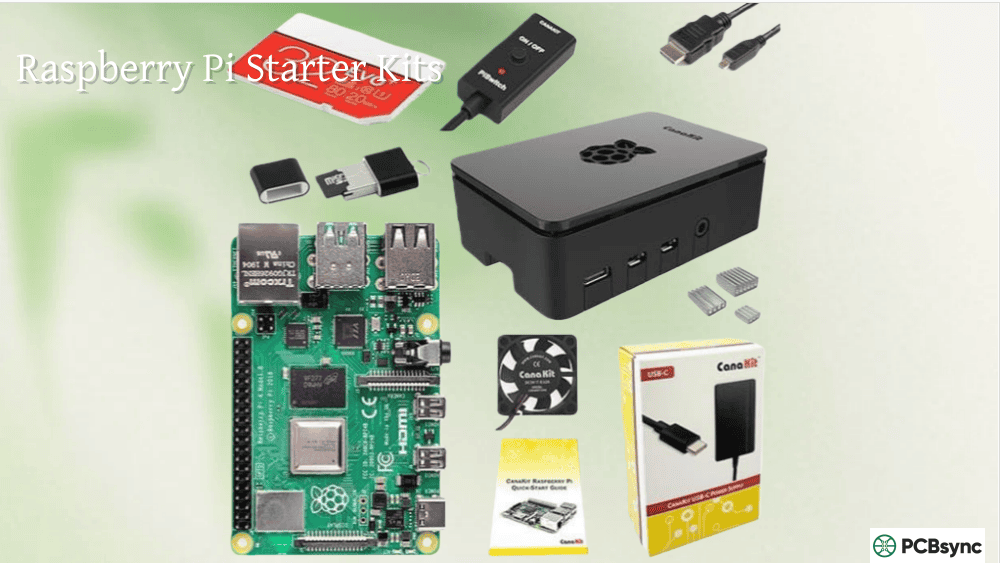
A functional smart home raspberry pi system starts around $100-150 for the Raspberry Pi, power supply, storage, and case. A Zigbee coordinator adds $30-50, and your first batch of sensors and devices typically runs $50-100. You can start smaller with WiFi devices that don’t require a coordinator, but Zigbee offers better battery life and reliability for sensors. Most beginners spend $200-300 for a solid foundation that supports dozens of future home assistant projects.
Do I need programming experience to build these projects?
No programming experience is required for most home assistant projects. Home Assistant’s visual automation editor handles common scenarios without code. ESPHome uses YAML configuration files that describe what you want rather than traditional programming. That said, understanding basic concepts like variables, conditions, and logic helps you troubleshoot and customize. Many users develop these skills naturally as they build projects.
Which project should I start with as a complete beginner?
Start with motion-activated lighting (Project 1) because it provides immediate, visible feedback while teaching core concepts. You’ll understand triggers, conditions, and actions by the time your hallway lights respond to your movement. From there, temperature monitoring (Project 2) adds sensor integration skills, and presence detection (Project 5) introduces more complex multi-source automation. Each project builds on previous knowledge.
Can I run Home Assistant and other services on the same Raspberry Pi?
Home Assistant OS is designed to run as the sole service on your Pi for best performance and reliability. While you can run Home Assistant Container alongside other Docker services, this adds complexity and potential conflicts. For beginners, the recommended approach is dedicating your Pi to Home Assistant. If you need other services like Pi-hole, consider a second Pi or a small Docker host. The stability benefits outweigh the hardware cost.
How do I recover if something breaks in my automation?
Home Assistant includes comprehensive backup and restore functionality. Enable automatic backups (the Google Drive Backup add-on works great) before making changes. If an automation causes problems, you can disable it from the UI without access to configuration files. For more serious issues, you can restore from backup in under 30 minutes. The key is maintaining regular backups, testing changes incrementally, and keeping notes about what you’ve configured and why.
Start Building Your Smart Home Today
These ten home assistant projects provide a structured path from complete beginner to capable smart home builder. Each project teaches specific skills while delivering practical automation benefits you’ll actually use daily.
The beauty of a smart home raspberry pi setup is that it grows with you. Start with motion-activated lights this weekend. Next month, add temperature monitoring. By year’s end, you might have dozens of devices working together in ways you never imagined possible.
Don’t wait for the perfect setup or complete understanding before beginning. The best way to learn Home Assistant is to build something, see it work, and iterate from there. Your future self will thank you for starting today.
Suggested Meta Descriptions:
Option 1 (155 characters): Discover 10 beginner-friendly home assistant projects for your smart home raspberry pi. From motion lighting to custom sensors, start building automations today.
Option 2 (153 characters): Learn the best home assistant projects for Raspberry Pi beginners. Step-by-step guides for motion sensors, energy monitoring, and voice control integration.
Option 3 (149 characters): Build your smart home raspberry pi with these 10 practical Home Assistant projects. Perfect for beginners wanting real automation skills and results.
Inquire: Call 0086-755-23203480, or reach out via the form below/your sales contact to discuss our design, manufacturing, and assembly capabilities.
Quote: Email your PCB files to Sales@pcbsync.com (Preferred for large files) or submit online. We will contact you promptly. Please ensure your email is correct.
Notes: For PCB fabrication, we require PCB design file in Gerber RS-274X format (most preferred), *.PCB/DDB (Protel, inform your program version) format or *.BRD (Eagle) format. For PCB assembly, we require PCB design file in above mentioned format, drilling file and BOM. Click to download BOM template To avoid file missing, please include all files into one folder and compress it into .zip or .rar format.