Inquire: Call 0086-755-23203480, or reach out via the form below/your sales contact to discuss our design, manufacturing, and assembly capabilities.
Quote: Email your PCB files to Sales@pcbsync.com (Preferred for large files) or submit online. We will contact you promptly. Please ensure your email is correct.
Notes: For PCB fabrication, we require PCB design file in Gerber RS-274X format (most preferred), *.PCB/DDB (Protel, inform your program version) format or *.BRD (Eagle) format. For PCB assembly, we require PCB design file in above mentioned format, drilling file and BOM. Click to download BOM template To avoid file missing, please include all files into one folder and compress it into .zip or .rar format.
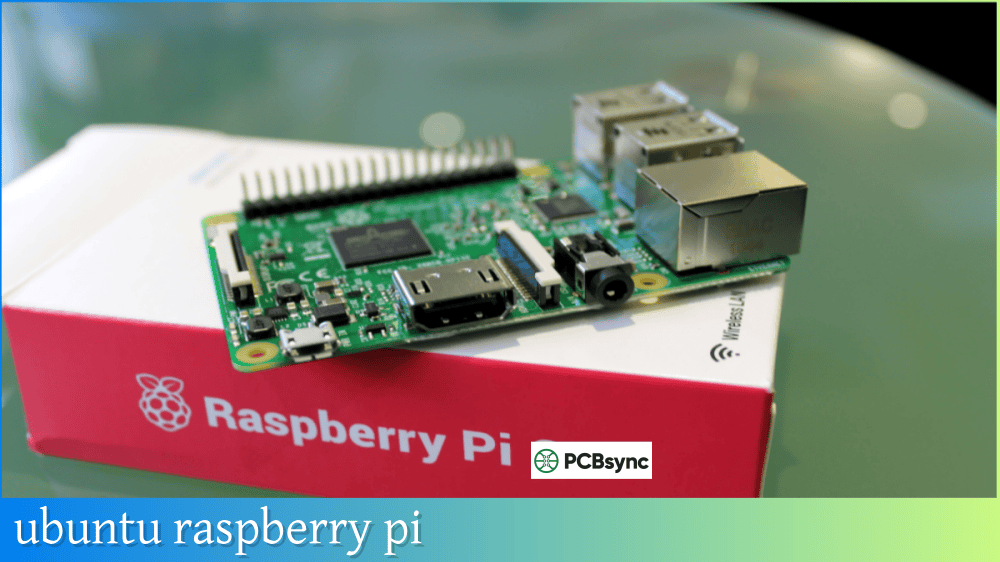
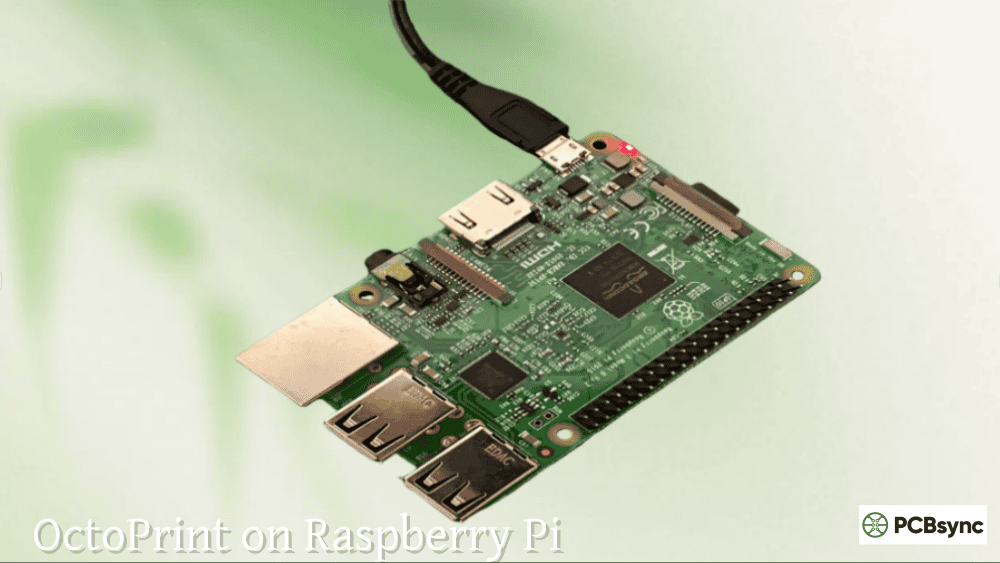
Running octoprint raspberry pi transformed how I manage 3D prints. No more shuffling SD cards between computer and printer, no more wondering if that 12-hour print is still running, and no more walking across the shop just to check temperatures. Everything happens through a web browser from any device on my network.
This comprehensive octoprint setup guide covers everything from hardware selection through advanced plugins, helping you turn any 3D printer with a USB port into a smart, connected machine.
If you’ve been manually transferring files and babysitting prints, prepare for a significant quality-of-life upgrade. OctoPrint makes 3D printing genuinely enjoyable rather than tedious.
OctoPrint is free, open-source software that turns your Raspberry Pi into a powerful print server for your 3D printer. Created and maintained by Gina Häußge, it provides web-based control and monitoring for virtually any 3D printer with a USB connection.
Core OctoPrint Features
Feature
Description
Web Interface
Control your printer from any browser
File Management
Upload, organize, and print G-code wirelessly
Temperature Control
Monitor and adjust hotend/bed temps
Live Monitoring
Watch prints via webcam streaming
Timelapse Creation
Automatically record print timelapses
G-code Terminal
Send commands directly to printer
Plugin System
Extend functionality with 400+ plugins
Slicer Integration
Print directly from Cura, PrusaSlicer, etc.
Print History
Track completed prints with statistics
Access Control
User management with different permission levels
Printer Compatibility
OctoPrint works with nearly every FDM 3D printer on the market:
Brand
Compatible Models
Creality
Ender 3/5 series, CR-10 series, CR-6 SE
Prusa
MK3S+, Mini+, MK4 (also has native PrusaLink)
Anycubic
Kobra series, Vyper, Mega series
Artillery
Sidewinder X1/X2, Genius
Elegoo
Neptune series
Sovol
SV06, SV07 series
OctoPi vs OctoPrint
These terms often cause confusion:
Term
What It Is
OctoPrint
The software application itself
OctoPi
Pre-configured Raspberry Pi OS image with OctoPrint installed
OctoPi is the recommended installation method—it includes OctoPrint plus webcam streaming software, network configuration, and other optimizations specifically for Raspberry Pi.
Hardware Requirements
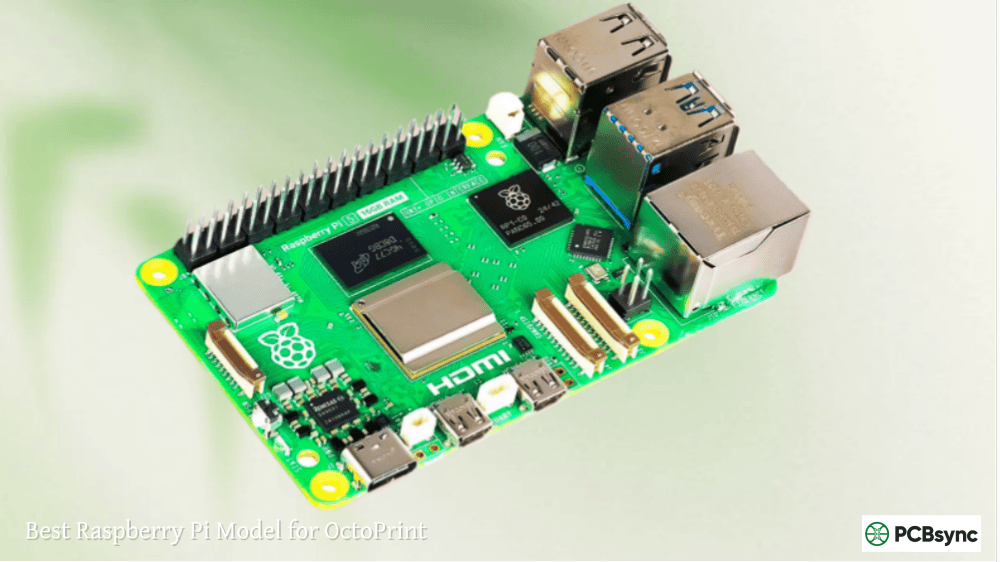
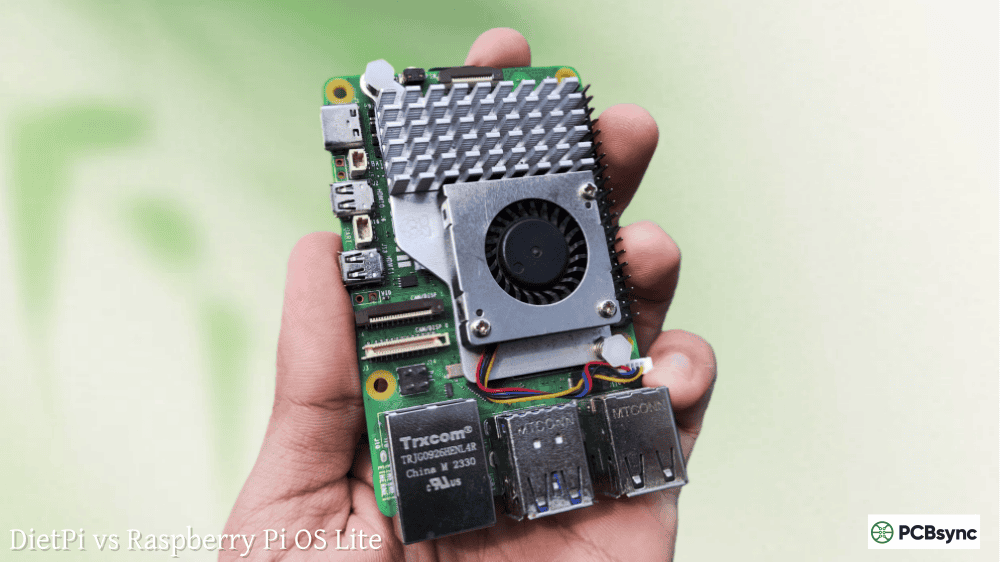
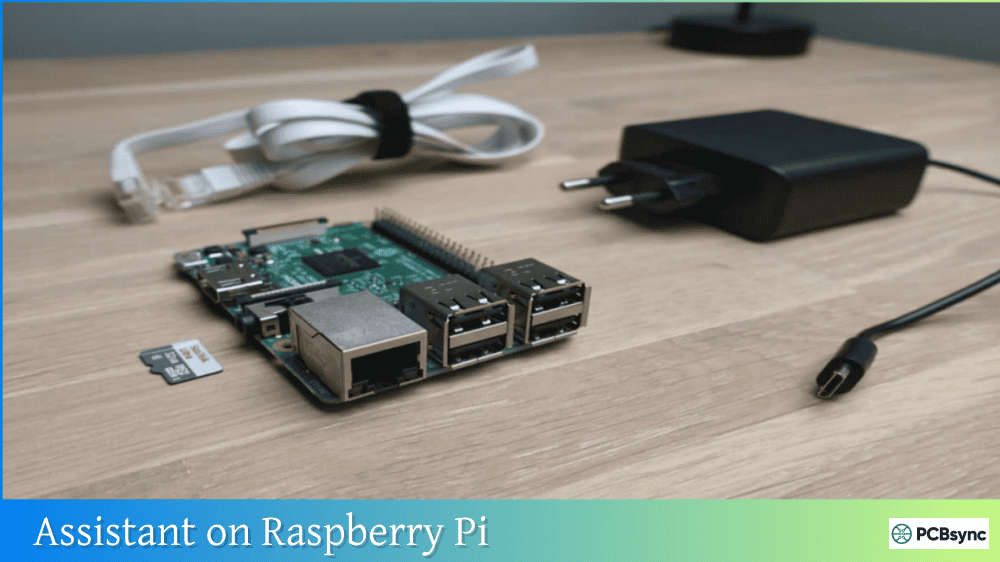
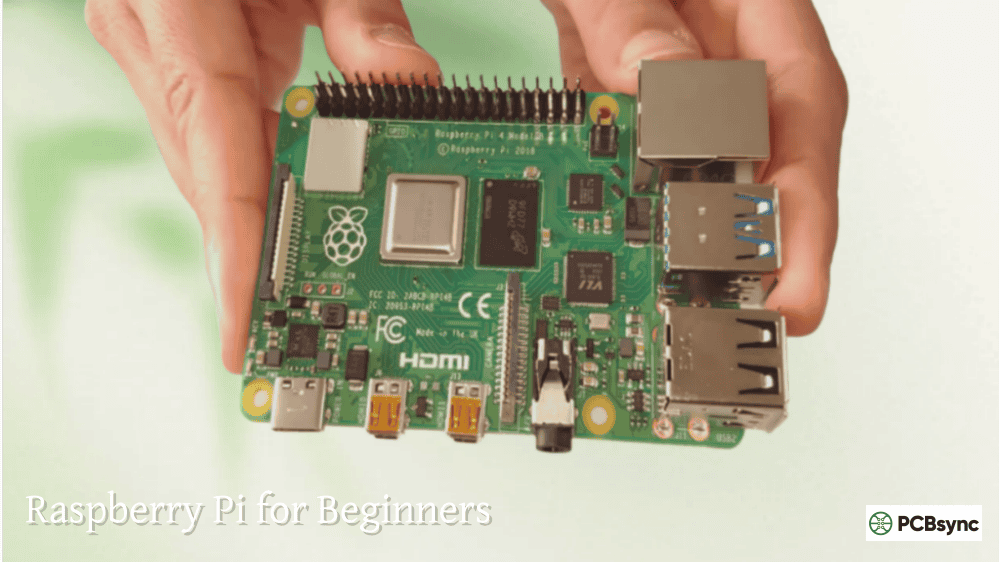
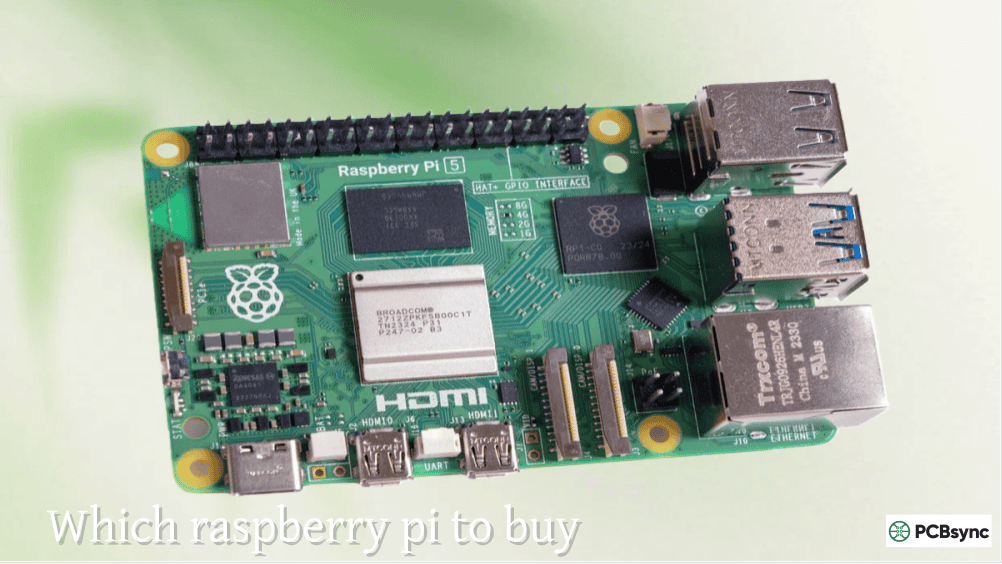
Choosing the right hardware ensures smooth operation and prevents print failures caused by an underpowered system.
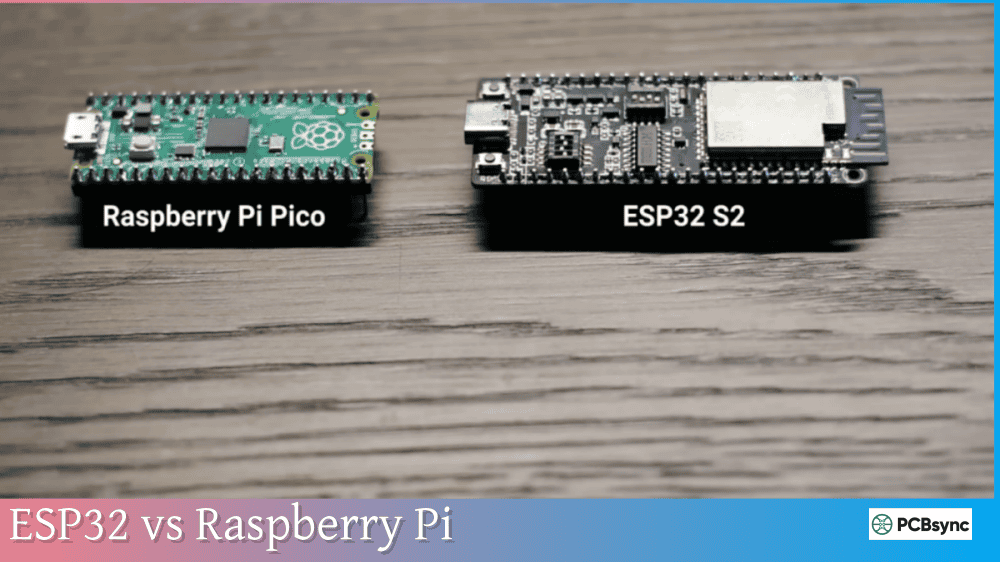
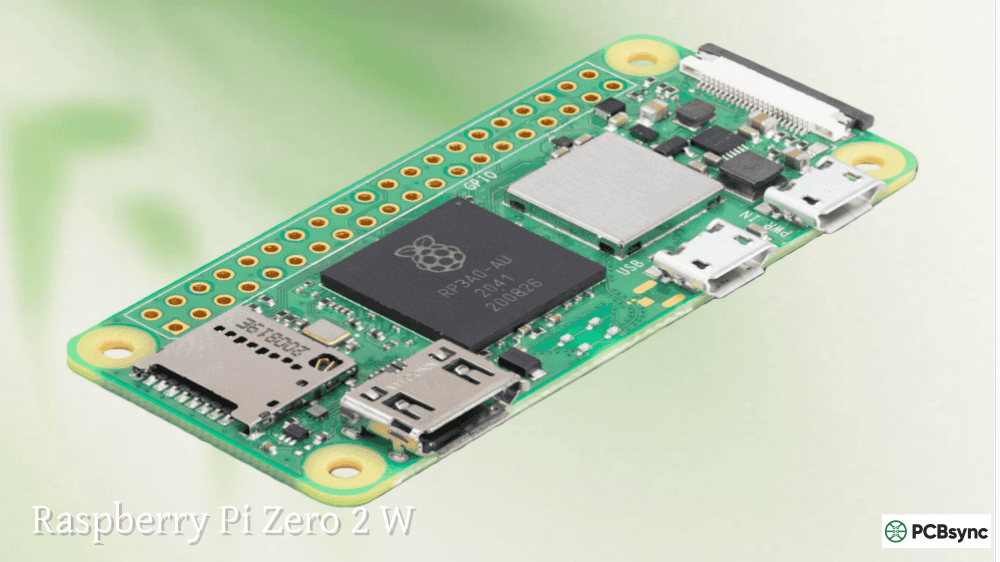
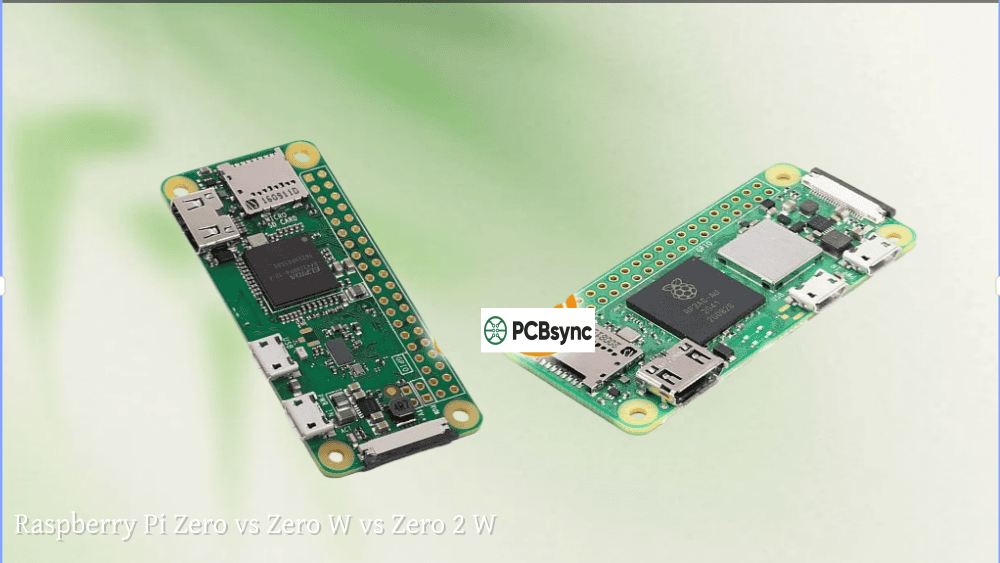
Important: The Raspberry Pi Zero and Zero W are explicitly not recommended. Users consistently report performance issues causing print failures, especially when WiFi bandwidth is utilized.
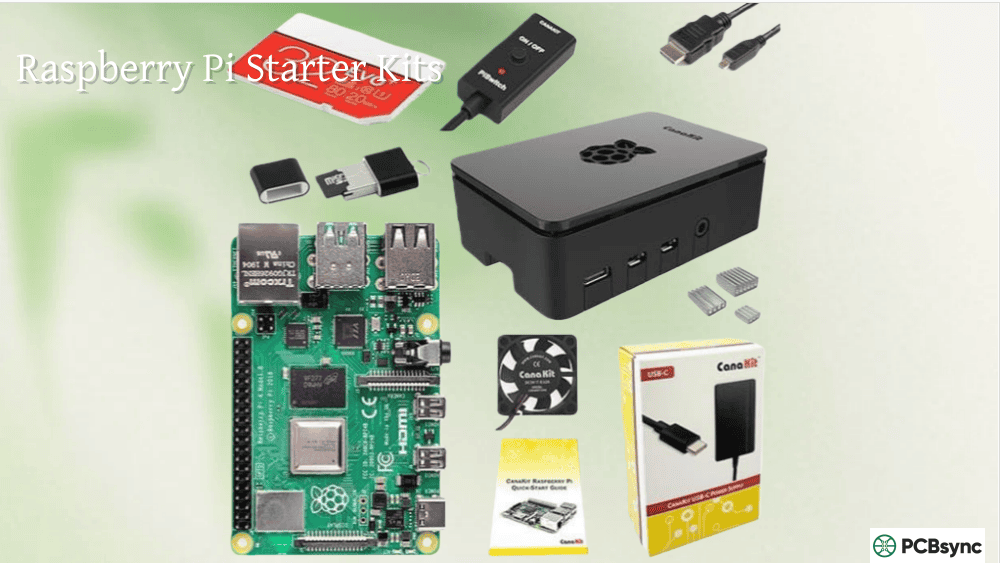
Complete Hardware List
Component
Minimum
Recommended
Raspberry Pi
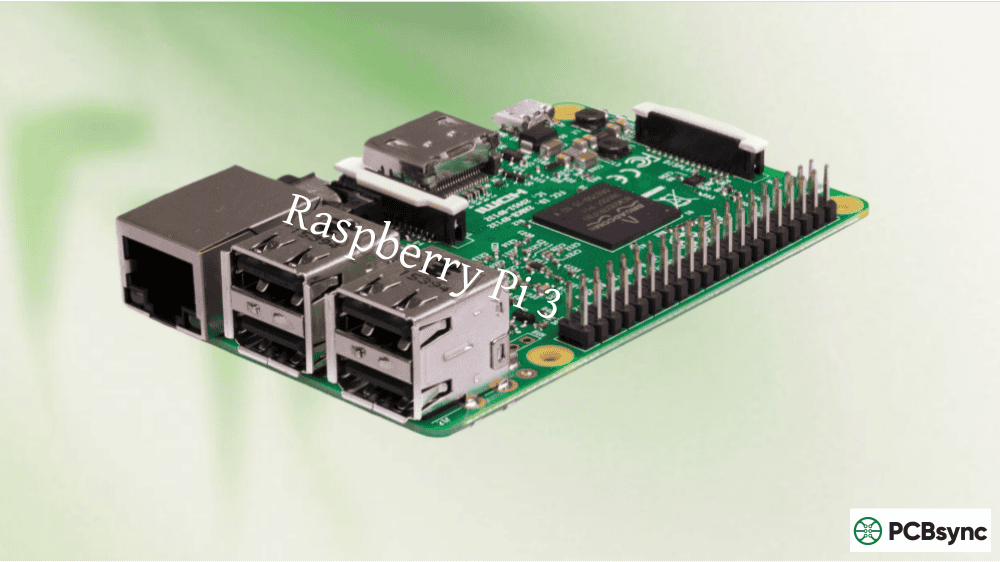
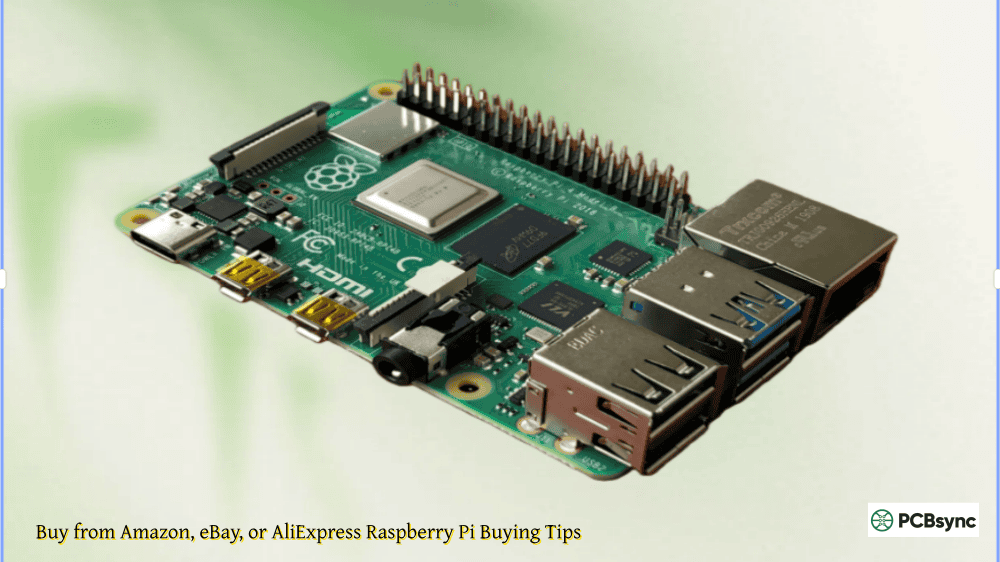
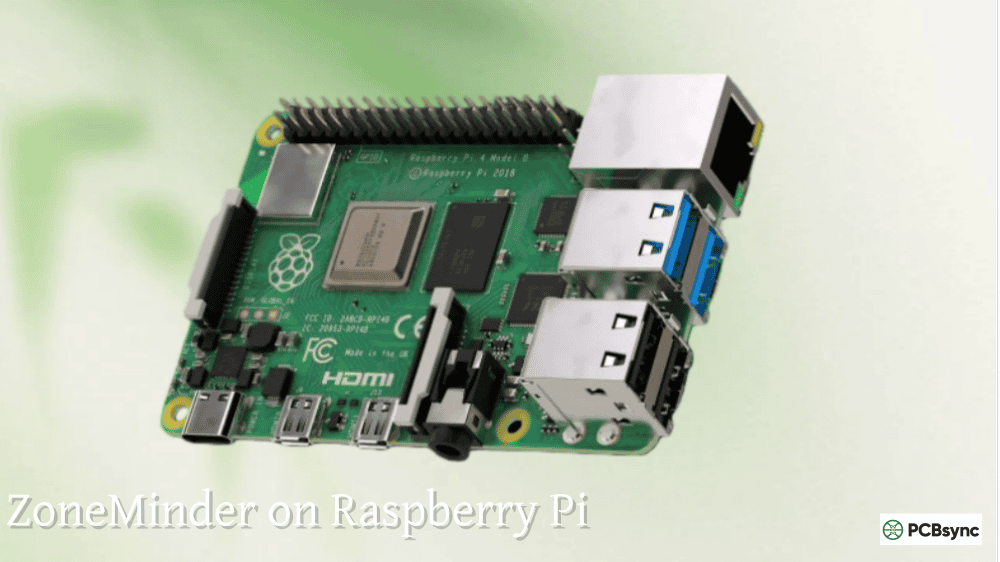
Pi 3B+
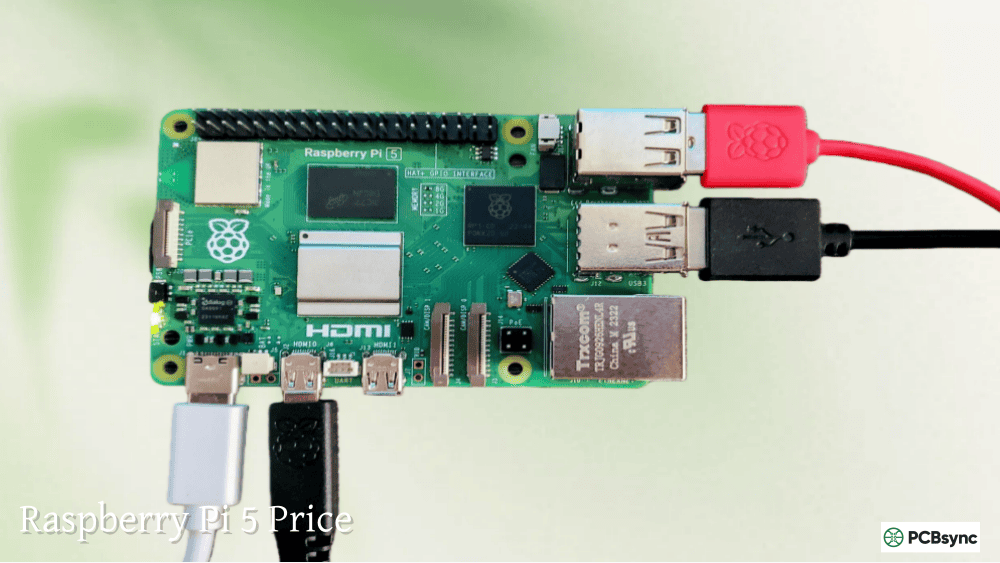
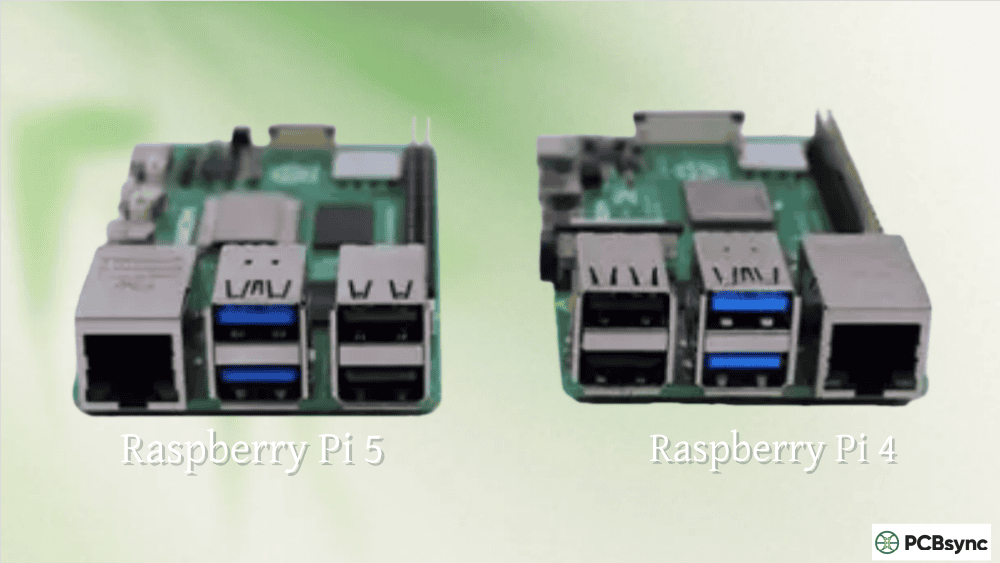
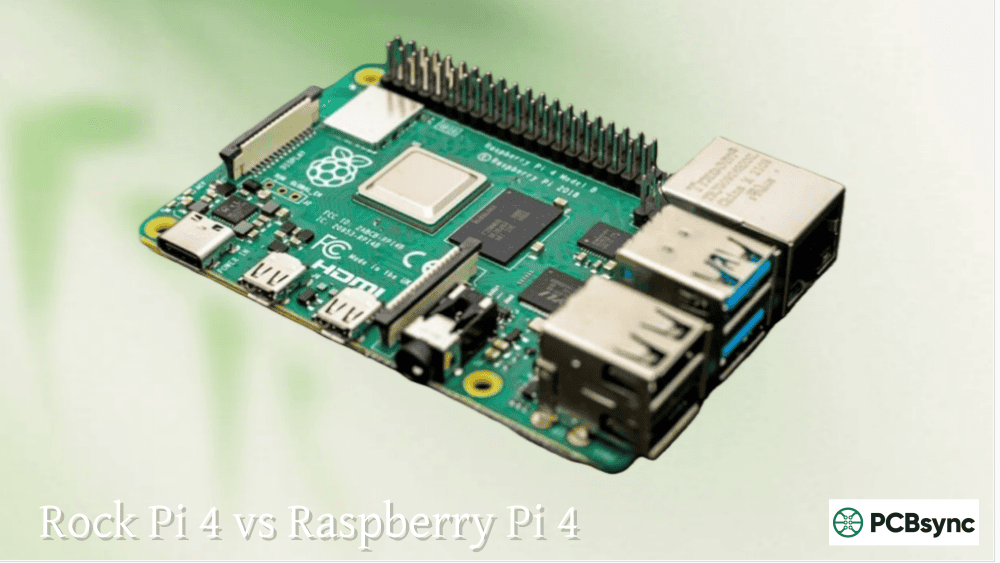
Pi 4B (4GB) or Pi 5
MicroSD Card
8GB Class 10
32GB+ high-endurance
Power Supply
5V/2.5A
Official 5V/3A (Pi 4/5)
USB Cable
Type varies by printer
High-quality shielded cable
Webcam
Optional
Logitech C270 or Pi Camera
Case
Basic
Printed mount for printer
Webcam Options for OctoPrint
Monitoring prints visually is one of OctoPrint’s killer features.
Camera Type
Pros
Cons
Price Range
Raspberry Pi Camera V2
Native support, compact
Fixed focus
$25-30
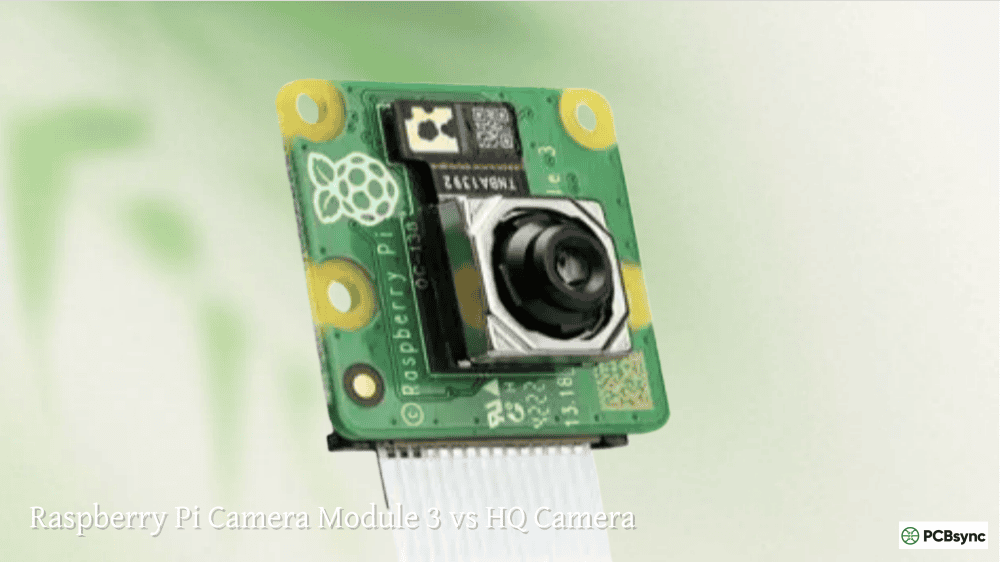
Pi Camera HQ
Excellent quality, interchangeable lenses
Expensive, large
$50-75
Logitech C270
Affordable, good quality, autofocus
Larger, USB bandwidth
$20-30
Logitech C920/C922
HD quality, great autofocus
Overkill for most
$70-100
USB Endoscope
Nozzle-view capability
Narrow view
$10-20
Tip: The Logitech C270 offers the best balance of price and quality for most octoprint raspberry pi setups. The Pi Camera works great if you want a compact, cable-free solution.
OctoPrint Setup: Step-by-Step Installation
The octoprint setup process using OctoPi is straightforward. Follow these steps carefully.
Step 1: Download and Install Raspberry Pi Imager
Get the official Raspberry Pi Imager from raspberrypi.com/software. It’s available for Windows, macOS, and Linux.
Step 2: Flash OctoPi to SD Card
Insert your microSD card into your computer
Open Raspberry Pi Imager
Click “Choose OS”
Navigate to: Other Specific Purpose OS → 3D printing → OctoPi
Select the stable version
Click “Choose Storage” and select your SD card
Step 3: Configure Settings (Critical)
Before writing, click the gear icon or press Ctrl+Shift+X to access advanced settings:
WiFi Configuration:
Enable “Configure wireless LAN”
Enter your network SSID and password
Set your WiFi country
System Settings:
Change hostname (default: octopi)
Set username to “pi” (required for OctoPrint)
Create a strong password
Enable SSH (recommended)
Locale:
Set timezone
Set keyboard layout
Step 4: Write Image
Click “Write” and wait for the process to complete. This takes 5-10 minutes depending on your SD card speed.
Step 5: First Boot
Insert the SD card into your Raspberry Pi
Connect your Pi to your 3D printer via USB
Connect power to the Pi
Wait 2-3 minutes for initial boot
Step 6: Access OctoPrint
Open a web browser and navigate to:
http://octopi.local (if your network supports mDNS)
Or use your Pi’s IP address: http://[IP-ADDRESS]
Find your Pi’s IP address through your router’s admin panel or network scanner.
Step 7: Complete Setup Wizard
The first-time setup wizard guides you through:
Access Control: Create username and password for OctoPrint (different from Pi system login)
Print a camera mount appropriate for your printer. Popular options on Thingiverse include:
Articulating camera arms
Bed-mounted mounts for overhead view
Frame-mounted brackets
Nozzle-cam borescope holders
Essential OctoPrint Plugins
The plugin ecosystem transforms OctoPrint from useful to indispensable. Here are must-have additions.
Installing Plugins
Click the wrench icon (Settings)
Select “Plugin Manager”
Click “+ Get More”
Search for plugins by name
Click “Install” and restart when prompted
Must-Have Plugins
Plugin
Function
Octolapse
Professional stabilized timelapses
Obico (formerly Spaghetti Detective)
AI print failure detection
OctoEverywhere
Free remote access from anywhere
Bed Level Visualizer
Visual bed mesh display
PrintTimeGenius
Accurate print time estimates
Themeify
Customize OctoPrint appearance
DisplayLayerProgress
Show layer info on printer display
FilamentManager
Track filament usage and inventory
Timelapse Plugins Compared
Plugin
Complexity
Quality
Resource Usage
Built-in Timelapse
Simple
Basic
Low
Octolapse
Advanced
Excellent
Higher
Timelapse+
Moderate
Very Good
Moderate
Octolapse creates stunning stabilized timelapses where the print appears to grow from the bed without visible print head movement. It requires careful configuration but produces professional results.
Remote Access Plugins
Plugin
Features
Cost
OctoEverywhere
Remote access, AI detection, notifications
Free tier available
Obico
AI failure detection, remote access
Free tier available
AstroPrint
Cloud slicing, remote control
Free tier available
These plugins provide secure remote access without exposing your Pi directly to the internet—much safer than port forwarding.
Slicer Integration
Connect your slicer directly to OctoPrint for seamless workflow.
Getting Your API Key
In OctoPrint, click your username (top right)
Select “User Settings”
Find or generate an API key
Copy and save this key
Cura Integration
Open Cura → Marketplace
Search for “OctoPrint Connection”
Install the plugin and restart Cura
Go to Settings → Printer → Manage Printers
Select your printer → Connect OctoPrint
Enter your OctoPrint URL and API key
PrusaSlicer Integration
Open PrusaSlicer → Printer Settings
Set “Host Type” to OctoPrint
Enter hostname (e.g., octopi.local)
Enter your API key
Test the connection
Now you can click “Send to Printer” directly from your slicer.
Advanced Configuration
Performance Optimization
For smooth operation, especially with plugins and webcam:
Optimization
Benefit
Use high-endurance SD card
Prevents corruption
Boot from USB SSD
Faster, more reliable
Disable unused plugins
Reduces CPU load
Lower webcam resolution
Reduces bandwidth
Use Ethernet instead of WiFi
More stable connection
Safe Remote Printing
Never leave 3D printers completely unattended. That said, OctoPrint improves safety through:
Yes, OctoPrint works with virtually any 3D printer that has a USB port for communication. This includes popular brands like Creality (Ender series), Prusa, Anycubic, Artillery, and many others. The printer must support standard G-code commands over serial connection. Some printers with proprietary firmware or no USB port won’t work, but these are rare exceptions.
How much does OctoPrint cost?
OctoPrint is completely free and open-source software. The only costs are hardware: a Raspberry Pi ($35-80), power supply ($10-15), SD card ($10-15), and optionally a webcam ($20-30). Total investment is typically $75-150 depending on components chosen. There are no subscriptions or ongoing fees for the core software, though some remote access plugins offer premium tiers.
Will OctoPrint slow down my prints or cause artifacts?
With recommended hardware (Raspberry Pi 3B+ or newer), OctoPrint should not affect print quality. Performance issues typically occur with underpowered hardware like the Pi Zero or when running too many plugins simultaneously. The Pi 4 handles OctoPrint, webcam streaming, and multiple plugins without affecting print quality. Use high-quality USB cables and adequate power supplies to prevent issues.
Can I control multiple printers with one OctoPrint instance?
No, a single OctoPrint instance controls one printer. However, you can run multiple OctoPrint instances on one Raspberry Pi using Docker, or use dedicated Pis for each printer. Many users prefer the latter approach for simplicity and reliability. Plugins like OctoFarm can provide a unified dashboard to monitor multiple OctoPrint instances across your print farm.
Is it safe to leave prints running with OctoPrint?
OctoPrint improves monitoring capabilities but doesn’t make unattended printing completely safe. 3D printers have hot components that can cause fires if something goes wrong. OctoPrint helps by providing remote monitoring, temperature alerts, and integration with AI failure detection plugins like Obico that can automatically pause prints when problems are detected. Always ensure your printer has proper thermal runaway protection, and consider adding a smoke detector and smart power plug for additional safety.
Taking Your OctoPrint Setup Further
Once your basic octoprint setup is running smoothly, consider these advanced projects:
TouchScreen Interface
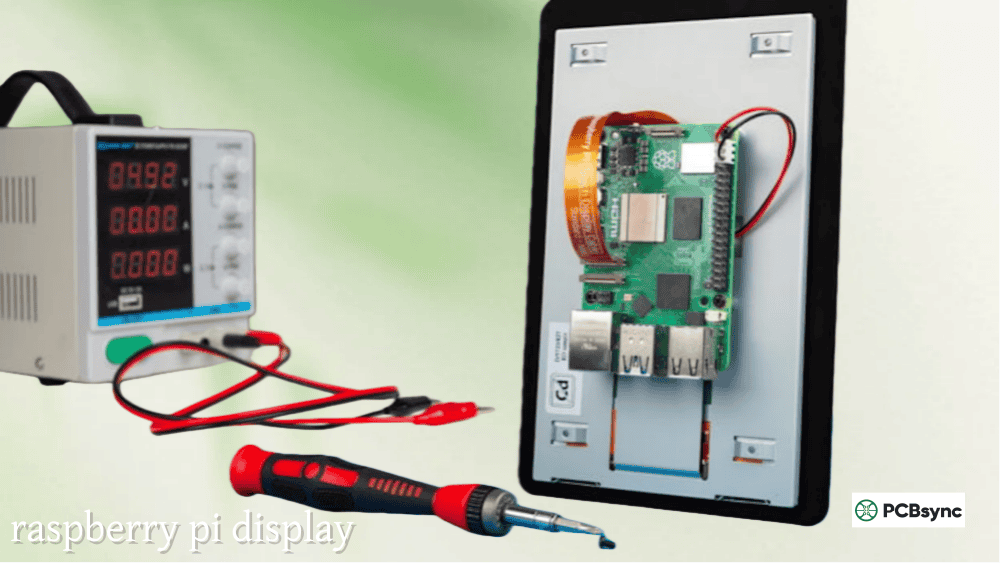
Add a small touchscreen directly to your printer using OctoDash plugin. This provides local control without needing a separate device, perfect for quick adjustments.
Enclosure Monitoring
Add temperature and humidity sensors inside your printer enclosure. Plugins like Enclosure provide environmental monitoring and can control fans, heaters, and lighting.
Multi-Material Integration
If you have an MMU or similar multi-material system, plugins exist to manage filament changes and track which materials are loaded.
Print Farm Management
Running multiple printers? OctoFarm provides centralized management of multiple OctoPrint instances, showing status, queuing jobs, and monitoring all printers from one dashboard.
Maintenance and Best Practices
Keeping your octoprint raspberry pi system running smoothly requires occasional maintenance.
Regular Updates
OctoPrint releases updates regularly with bug fixes and new features:
Check for updates in Settings → Software Update
Review changelog before updating
Create a backup before major updates
Update one component at a time
Restart OctoPrint after updates
SD Card Health
MicroSD cards have limited write cycles. Extend their life:
Practice
Benefit
Use high-endurance cards
Designed for constant writes
Minimize logging
Reduces write operations
Consider USB SSD boot
Eliminates SD card wear
Monitor with tools
Detect issues early
Security Considerations
Protect your OctoPrint installation:
Security Measure
Implementation
Strong passwords
Use unique, complex passwords
Keep software updated
Regular security patches
Avoid port forwarding
Use VPN or remote access plugins
Enable access control
Never disable authentication
Review plugin permissions
Only install trusted plugins
Printer Safety Integration
OctoPrint enhances safety but requires proper configuration:
Enable thermal runaway protection in printer firmware
Set temperature limits in OctoPrint
Configure emergency stop functionality
Test cancel/pause commands before relying on them
Consider PSUControl plugin for power management
Conclusion
Setting up octoprint raspberry pi is one of the best investments you can make in your 3D printing workflow. The combination of wireless file transfer, remote monitoring, webcam streaming, and the extensive plugin ecosystem transforms any basic printer into a modern, connected machine.
The initial octoprint setup takes about an hour, but the time saved on every subsequent print makes it worthwhile within the first week. No more SD card shuffling, no more wondering about print status, and no more missed failures that waste hours of time and filament.
Start with the basic installation and a simple webcam. As you become comfortable, explore plugins like Octolapse for stunning timelapses or Obico for AI-powered failure detection. The OctoPrint community is incredibly helpful, and the plugin repository contains solutions for almost any feature you might want.
Your 3D printer is about to get a serious upgrade. Connect that Raspberry Pi and start printing smarter.
Inquire: Call 0086-755-23203480, or reach out via the form below/your sales contact to discuss our design, manufacturing, and assembly capabilities.
Quote: Email your PCB files to Sales@pcbsync.com (Preferred for large files) or submit online. We will contact you promptly. Please ensure your email is correct.
Notes: For PCB fabrication, we require PCB design file in Gerber RS-274X format (most preferred), *.PCB/DDB (Protel, inform your program version) format or *.BRD (Eagle) format. For PCB assembly, we require PCB design file in above mentioned format, drilling file and BOM. Click to download BOM template To avoid file missing, please include all files into one folder and compress it into .zip or .rar format.