Inquire: Call 0086-755-23203480, or reach out via the form below/your sales contact to discuss our design, manufacturing, and assembly capabilities.
Quote: Email your PCB files to Sales@pcbsync.com (Preferred for large files) or submit online. We will contact you promptly. Please ensure your email is correct.
Notes: For PCB fabrication, we require PCB design file in Gerber RS-274X format (most preferred), *.PCB/DDB (Protel, inform your program version) format or *.BRD (Eagle) format. For PCB assembly, we require PCB design file in above mentioned format, drilling file and BOM. Click to download BOM template To avoid file missing, please include all files into one folder and compress it into .zip or .rar format.
After the third package went missing from my porch last summer, I finally decided to build a proper surveillance system. Commercial cameras from Ring or Nest work fine, but they come with monthly fees, cloud dependency, and privacy concerns about who else might be watching. A motioneye raspberry pi setup solved all of that, giving me complete control over my footage while costing less than a single commercial camera.
MotionEye transforms any Raspberry Pi into a full-featured network video recorder with motion detection, scheduled recording, and a web-based interface accessible from any browser. Whether you need one camera watching your front door or a multi-camera network covering your entire property, this open-source solution delivers professional surveillance capabilities without ongoing subscriptions.
Understanding the difference between MotionEye and MotionEyeOS matters before starting your raspberry pi security camera project.
Component
Description
Best For
MotionEye
Web interface for the Motion daemon
Installing on existing Raspberry Pi OS
MotionEyeOS
Complete operating system with MotionEye pre-installed
Dedicated surveillance camera
Motion
Underlying motion detection engine
Advanced users, command-line setups
MotionEyeOS is a lightweight Linux distribution designed specifically for surveillance. Flash it to an SD card, boot your Pi, and you have a working camera system within minutes. The tradeoff is that your Pi becomes a dedicated camera device.
MotionEye (the software) can be installed on Raspberry Pi OS alongside other services. This flexibility lets you run additional applications on the same Pi, though setup requires more steps.
Important note: MotionEyeOS development has slowed significantly. For new projects, installing MotionEye on Raspberry Pi OS (Bookworm) provides better compatibility with newer cameras and ongoing updates.
Hardware Requirements for Your Raspberry Pi Security Camera
Recommended Raspberry Pi Models
Model
Performance
Power Draw
Best Use Case
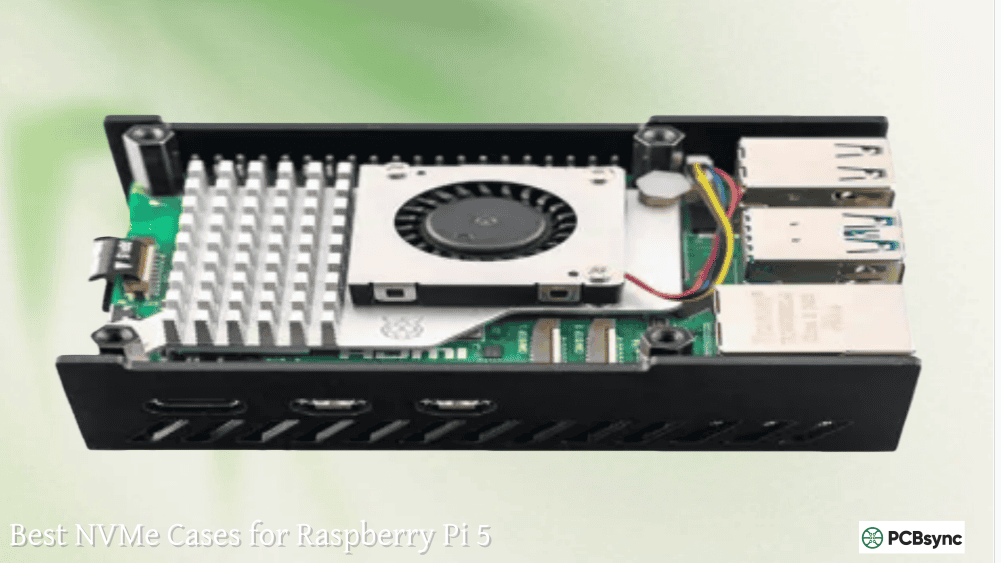
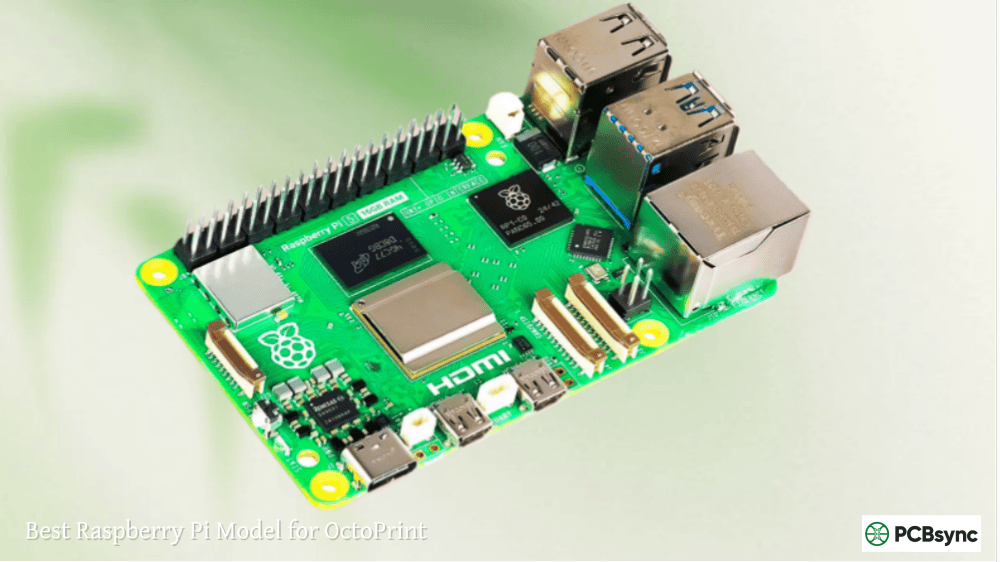
Raspberry Pi 5
Excellent
~5W idle
Multi-camera hub, AI detection
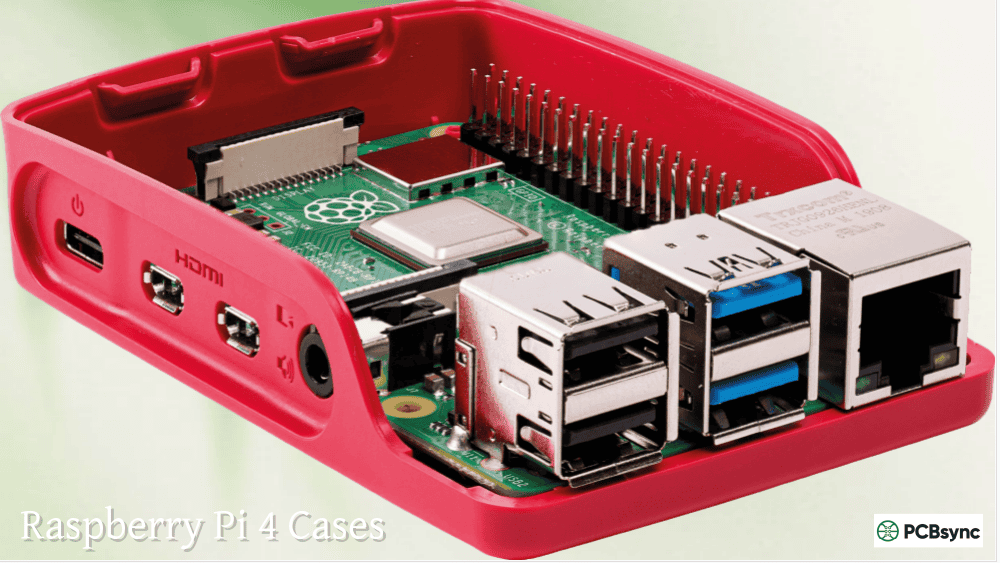
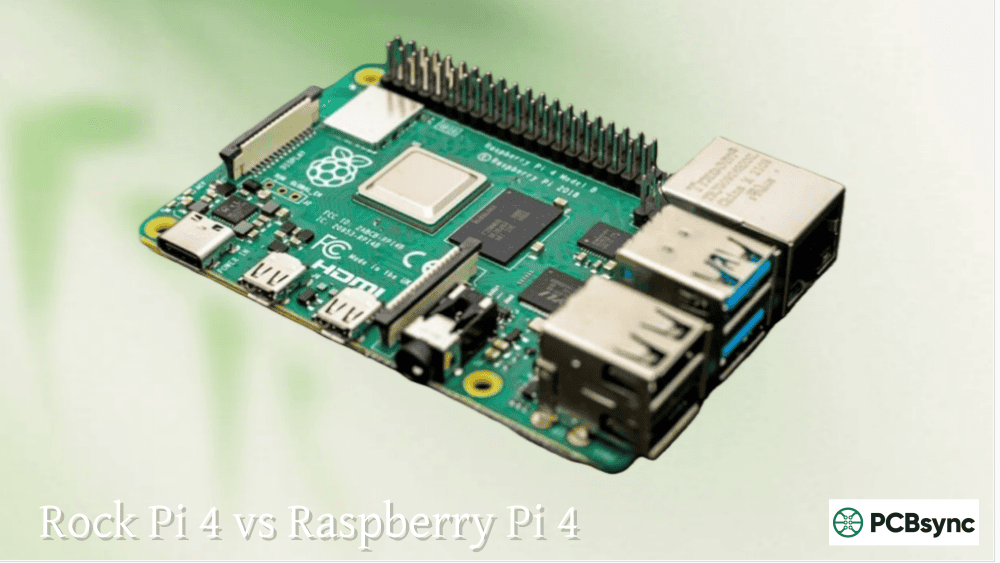
Raspberry Pi 4 (2GB+)
Very Good
~3W idle
Main surveillance hub
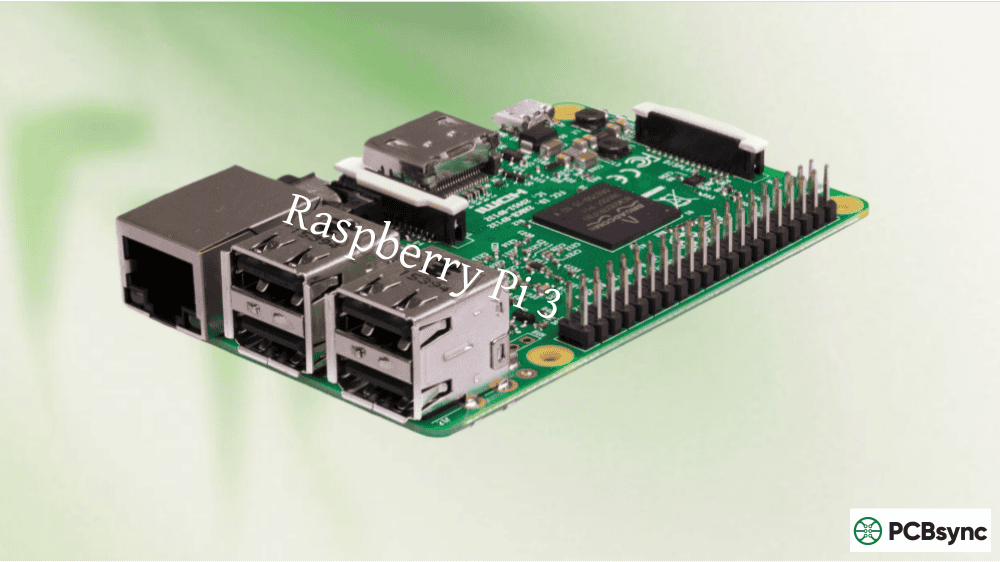
Raspberry Pi 3B+
Good
~2.5W idle
Single camera, budget builds
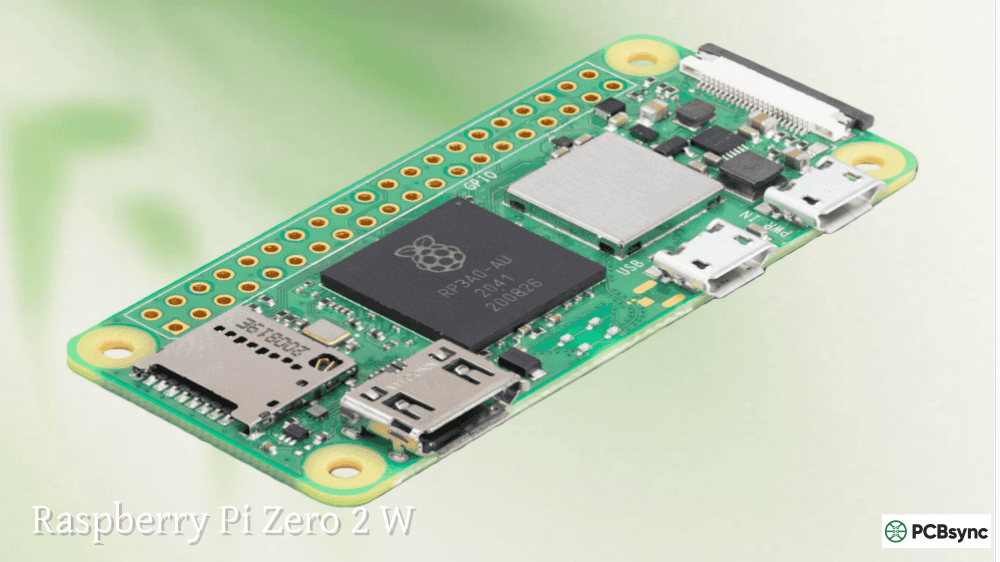
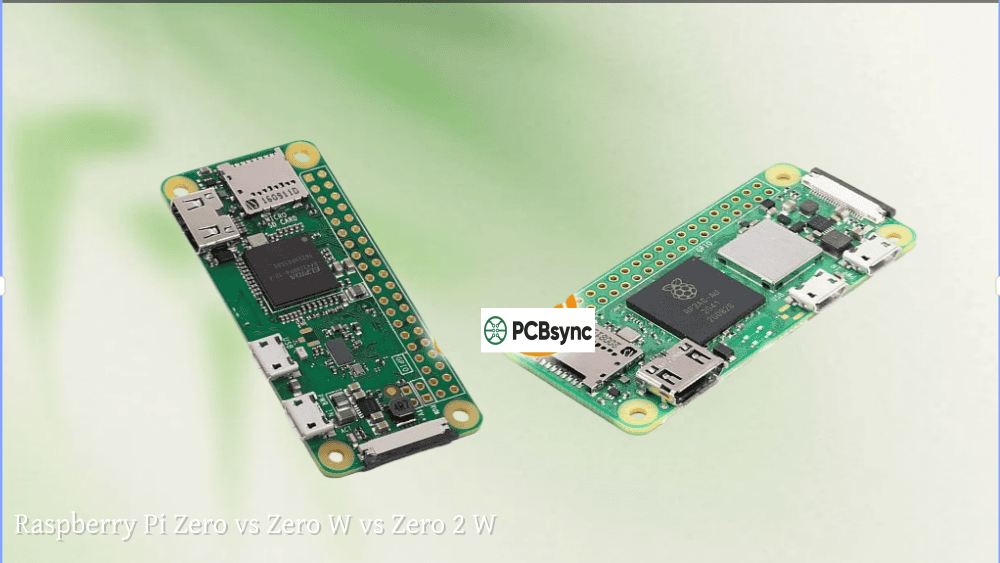
Raspberry Pi Zero 2 W
Adequate
~0.5W idle
Remote single camera
Raspberry Pi Zero W
Limited
~0.4W idle
Basic single camera
The Pi Zero W and Zero 2 W work well for individual cameras placed around your property, while a Pi 4 or 5 serves best as a central hub aggregating multiple camera feeds.
Camera Module Compatibility
Camera
Resolution
Features
MotionEye Compatibility
Camera Module V2
8MP (1080p video)
Fixed focus
Excellent
Camera Module V3
12MP (1080p video)
Autofocus, HDR
Requires libcamera workaround
NoIR Camera V2
8MP
No IR filter (night vision)
Excellent
NoIR Camera V3
12MP
Autofocus, no IR filter
Requires libcamera workaround
USB Webcam
Varies
Plug and play
Good (V4L2 compatible)
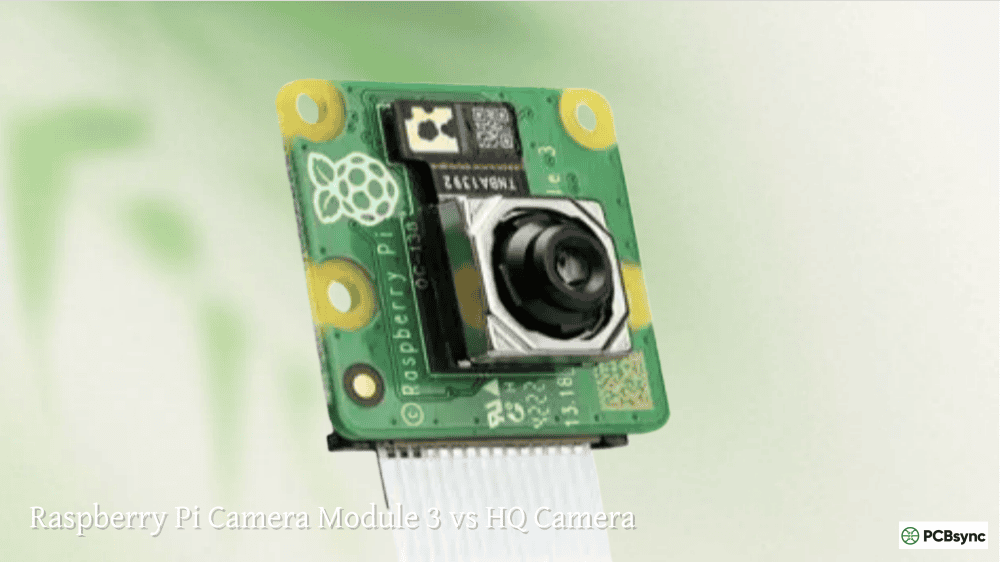
Camera Module V3 Warning: The newer Camera Module V3 uses libcamera instead of the legacy camera stack. This requires additional configuration steps on Raspberry Pi OS Bookworm. Camera Module V2 remains the easiest option for motioneye raspberry pi builds.
Additional Components
Component
Purpose
Recommended
MicroSD Card
OS and configuration
16GB minimum, 32GB+ recommended
External Storage
Video recording
USB drive or NAS for long-term storage
Power Supply
Stable power
Official Pi power supply (3A for Pi 4/5)
Case
Protection
Weatherproof for outdoor use
IR LEDs
Night vision
If using NoIR camera
Installing MotionEye on Raspberry Pi OS
This method works on Raspberry Pi OS Bookworm and provides the most up-to-date experience.
Step 1: Prepare Your Raspberry Pi
Flash Raspberry Pi OS Lite (64-bit recommended for Pi 4/5) using Raspberry Pi Imager. Configure WiFi and SSH during the flashing process for headless setup.
Default settings prioritize compatibility over quality. Adjust these for better results:
Setting
Default
Recommended
Resolution
640×480
1280×720 or 1920×1080
Frame Rate
2 fps
10-15 fps
Video Streaming
Fast Network Camera
Best Quality
Streaming Quality
75%
85-90%
Higher settings increase CPU usage. Monitor system temperature and adjust accordingly.
Motion Detection Configuration
Fine-tune detection to reduce false positives:
Setting
Purpose
Suggested Value
Frame Change Threshold
Pixel change sensitivity
1500-3000
Light Switch Detection
Ignore sudden light changes
50-75%
Despeckle Filter
Remove noise
EedDl
Minimum Motion Frames
Frames needed to trigger
3-5
Gap
Seconds between events
30-60
The despeckle filter (EedDl) significantly reduces false triggers from camera noise, especially in low light.
Mask Areas
Create masks to ignore areas with constant motion (trees, busy roads):
Go to Motion Detection settings
Click “Edit Mask”
Draw black areas over zones to ignore
Save the mask
Storage Configuration
Storage Option
Pros
Cons
SD Card
Simple setup
Limited space, wear concerns
USB Drive
More space, faster writes
Additional hardware
Network Share (SMB/NFS)
Centralized storage
Network dependency
Cloud (Google Drive/Dropbox)
Off-site backup
Upload bandwidth, privacy
For long-term recording, external USB storage or network shares prevent SD card wear and provide adequate space.
Configure storage retention under Still Images and Movies settings:
Setting
Recommended
Preserve Pictures
7-30 days
Preserve Movies
7-14 days
Building a Multi-Camera Network
The real power of motioneye raspberry pi setups emerges when combining multiple cameras.
Architecture Options
Setup
Description
Best For
Standalone cameras
Each Pi runs MotionEye independently
Small deployments (1-2 cameras)
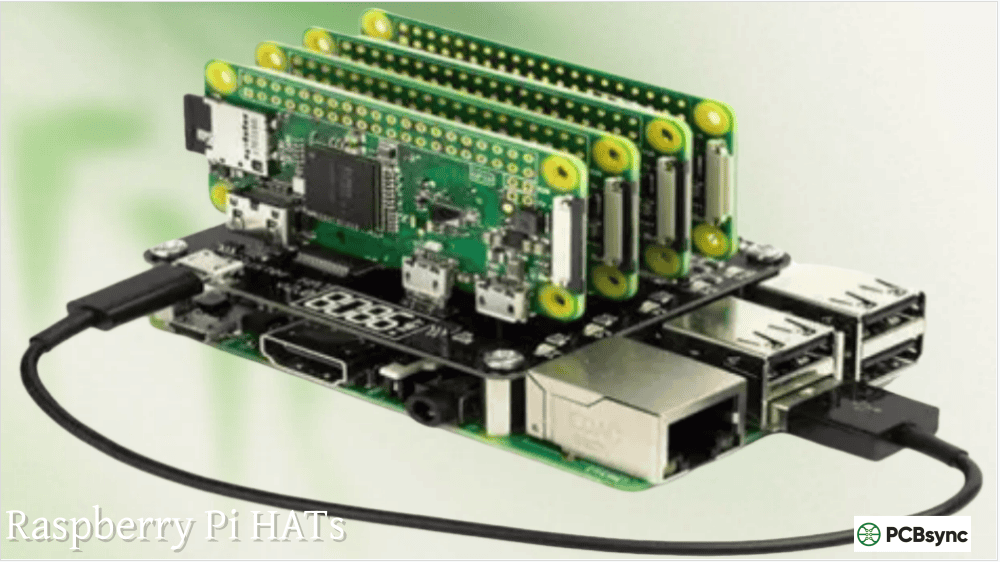
Hub + camera nodes
Central Pi aggregates multiple camera feeds
Medium deployments (3-8 cameras)
Hub + IP cameras
Central Pi manages commercial IP cameras
Larger deployments
Setting Up Camera Nodes
On each remote Pi Zero W/2W running MotionEye, enable streaming:
Go to Video Streaming
Enable “Streaming URL”
Note the URL (http://pi-ip:8081)
Configuring the Hub
On your central Pi 4/5:
Add Camera → Network Camera
Enter the streaming URL from each node
Configure recording and detection on the hub
This architecture offloads video capture to distributed nodes while centralizing storage and management.
Network Performance Tips
Tip
Benefit
Use wired Ethernet for hub
Reliable, high bandwidth
Place nodes on 5GHz WiFi
Less interference than 2.4GHz
Reduce streaming resolution for remote view
Saves bandwidth
Record at full resolution locally
Best quality archives
Remote Access and Security
Securing Your System
Security Measure
Implementation
Change default passwords
First priority!
Enable HTTPS
Configure reverse proxy (Nginx)
Use VPN for remote access
Tailscale, WireGuard
Firewall
Block port 8765 from internet
Never expose MotionEye directly to the internet. The web interface uses basic authentication that’s vulnerable to brute force attacks.
Remote Access Options
Method
Security
Ease of Setup
VPN (Tailscale)
Excellent
Easy
VPN (WireGuard)
Excellent
Moderate
Reverse proxy + HTTPS
Good
Complex
Port forwarding
Poor (not recommended)
Easy
Tailscale provides the simplest secure remote access. Install it on your Pi and your phone/laptop, and access MotionEye via the Tailscale IP address.
Alternative Software Options
If MotionEye doesn’t meet your needs, consider these alternatives:
Software
Strengths
Weaknesses
Frigate
AI object detection, NVR features
Requires more powerful hardware
ZoneMinder
Mature, feature-rich
Complex setup, resource heavy
Motion
Lightweight, scriptable
No web UI (command line)
motionplus
Active development, Pi 5 support
Newer, smaller community
Shinobi
Modern UI, multi-user
More complex than MotionEye
For AI-powered detection (person vs. motion), Frigate with a Coral TPU accelerator represents the current state-of-the-art for home surveillance.
Useful Resources
Resource
URL
Description
MotionEye GitHub
github.com/motioneye-project/motioneye
Source code, issues, releases
MotionEyeOS Wiki
github.com/motioneye-project/motioneyeos/wiki
Official documentation
Motion Project
motion-project.github.io
Underlying motion detection engine
Pi Camera Documentation
picamera.readthedocs.io
Camera module guides
Raspberry Pi Forums
forums.raspberrypi.com
Community support
DroneBot Workshop Guide
dronebotworkshop.com/motioneyeos-raspberry-pi
Detailed tutorial
Frequently Asked Questions
Does MotionEye work with Raspberry Pi 5?
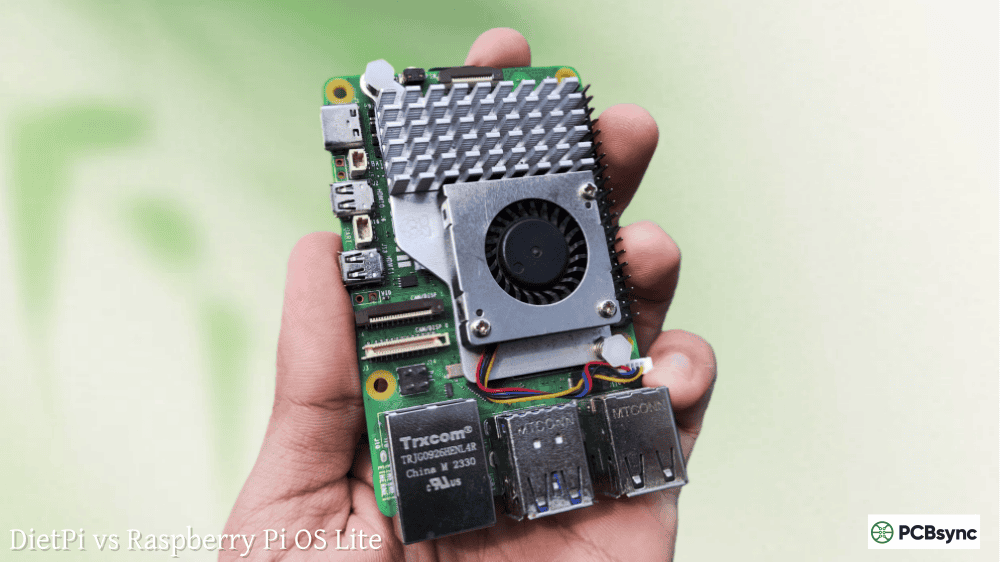
MotionEye can work on Raspberry Pi 5, but requires additional configuration. The Pi 5 uses a different camera connector and lacks some hardware encoding features of the Pi 4. Users have reported success installing MotionEye on DietPi for Pi 5, or using Motion/motionplus directly. For the smoothest experience, Raspberry Pi 4 remains the recommended platform for motioneye raspberry pi builds.
Why isn’t my Camera Module V3 detected?
Camera Module V3 uses the libcamera stack instead of the legacy MMAL interface that MotionEye expects. The solution involves installing the libcamera-v4l2 compatibility layer and modifying the MotionEye service to use libcamerify. This workaround works on Raspberry Pi OS Bookworm. Alternatively, Camera Module V2 works without additional configuration.
How much storage do I need for recording?
Storage requirements depend on resolution, frame rate, and recording mode. Here are rough estimates for continuous recording:
Resolution
Frame Rate
Storage per Day
640×480
5 fps
~2-4 GB
1280×720
10 fps
~8-15 GB
1920×1080
15 fps
~20-40 GB
Motion-triggered recording uses significantly less space, typically 1-5 GB per day depending on activity level.
Can I view my cameras remotely on my phone?
Yes, but not by exposing MotionEye directly to the internet. The secure approach uses a VPN like Tailscale. Install Tailscale on your Pi and your phone, then access MotionEye via the Tailscale IP address. This works from anywhere with internet access while keeping your system secure. The MotionEye web interface is mobile-responsive and works in any smartphone browser.
How do I reduce false motion alerts?
False alerts typically come from lighting changes, camera noise, or moving objects like trees. Solutions include: enabling the despeckle filter (EedDl) in motion.conf, increasing the frame change threshold (try 2000-3000), using mask areas to block regions with constant motion, and enabling light switch detection to ignore sudden brightness changes. Position cameras to avoid direct sunlight and reflective surfaces.
Building Your Complete Surveillance System
A raspberry pi security camera system built with MotionEye provides capabilities that rival commercial systems costing hundreds of dollars. Your footage stays on your hardware, there are no monthly fees, and you control every aspect of the system.
Start with a single camera to learn the interface, then expand as needed. A Pi Zero 2 W with Camera Module V2 makes an excellent first project, costing under $50 total. Once you’re comfortable, add more cameras, set up a central hub, and configure remote access.
The open-source nature of MotionEye means you’re not locked into any ecosystem. If your needs change, your hardware works with alternative software. That flexibility, combined with the satisfaction of building your own system, makes motioneye raspberry pi projects worthwhile for anyone serious about home security.
Suggested Meta Descriptions:
Option 1 (154 characters): Build a DIY raspberry pi security camera with MotionEye OS. Complete setup guide covering installation, motion detection, multi-camera networks, and remote access.
Option 2 (152 characters): MotionEye Raspberry Pi tutorial for building your own surveillance system. Step-by-step installation, camera configuration, and security best practices.
Option 3 (149 characters): Create a motioneye raspberry pi security camera system without monthly fees. Hardware guide, software setup, motion detection, and storage options.
Inquire: Call 0086-755-23203480, or reach out via the form below/your sales contact to discuss our design, manufacturing, and assembly capabilities.
Quote: Email your PCB files to Sales@pcbsync.com (Preferred for large files) or submit online. We will contact you promptly. Please ensure your email is correct.
Notes: For PCB fabrication, we require PCB design file in Gerber RS-274X format (most preferred), *.PCB/DDB (Protel, inform your program version) format or *.BRD (Eagle) format. For PCB assembly, we require PCB design file in above mentioned format, drilling file and BOM. Click to download BOM template To avoid file missing, please include all files into one folder and compress it into .zip or .rar format.