Inquire: Call 0086-755-23203480, or reach out via the form below/your sales contact to discuss our design, manufacturing, and assembly capabilities.
Quote: Email your PCB files to Sales@pcbsync.com (Preferred for large files) or submit online. We will contact you promptly. Please ensure your email is correct.
Notes: For PCB fabrication, we require PCB design file in Gerber RS-274X format (most preferred), *.PCB/DDB (Protel, inform your program version) format or *.BRD (Eagle) format. For PCB assembly, we require PCB design file in above mentioned format, drilling file and BOM. Click to download BOM template To avoid file missing, please include all files into one folder and compress it into .zip or .rar format.
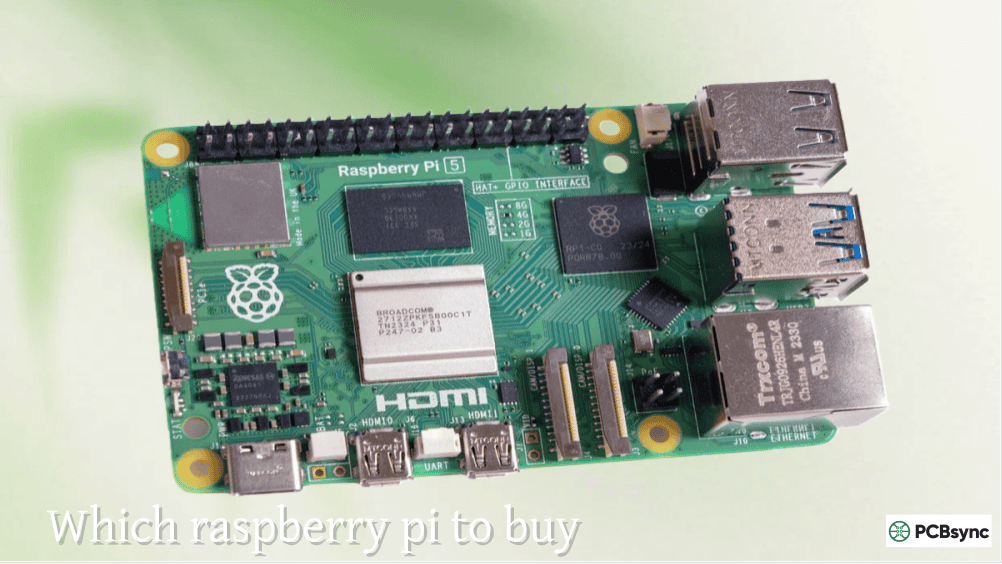
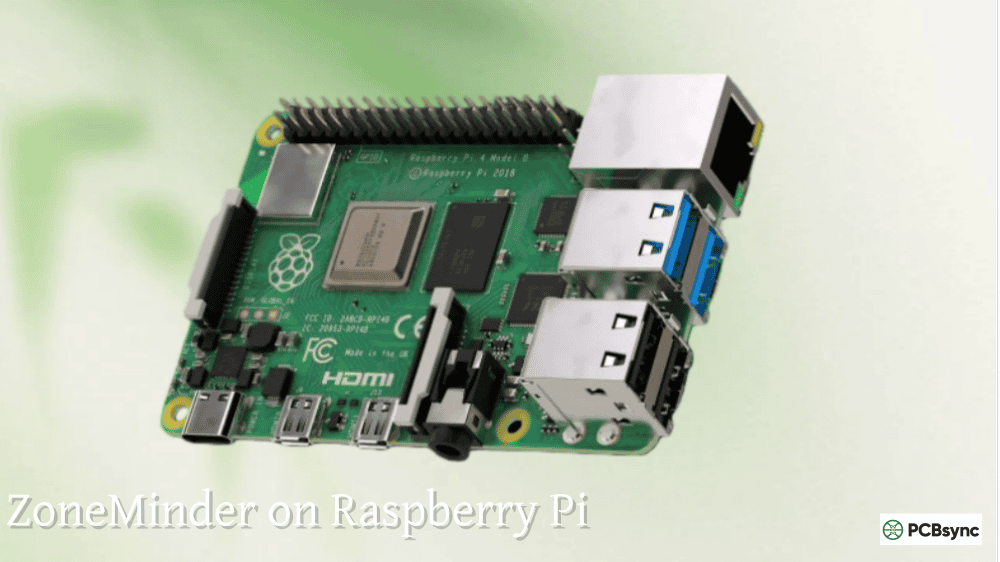
Turning a Raspberry Pi into a home media center is one of the most popular projects out there, and for good reason. These tiny boards are silent, energy-efficient, and powerful enough to handle 4K video playback. But here’s where most beginners get stuck: choosing between LibreELEC raspberry pi, OSMC, or installing Kodi raspberry pi directly on the standard OS.
After building media centers for my living room, workshop, and even a few for friends, I’ve tested all three approaches extensively. This guide breaks down the real differences and helps you pick the right solution for your setup.
Understanding the Relationship Between Kodi, LibreELEC, and OSMC
Before comparing these options, let’s clarify what each one actually is—because the terminology confuses a lot of people.
Kodi is the media center application itself. Originally called XBMC (Xbox Media Center), it’s open-source software that provides an intuitive TV-friendly interface for playing movies, music, photos, and streaming content. Kodi runs on virtually any platform: Windows, Mac, Linux, Android, and yes, Raspberry Pi.
LibreELEC and OSMC are operating systems that run Kodi. Think of them as complete packages—minimal operating systems designed specifically to boot directly into Kodi. They’re both “Just Enough OS” (JeOS) distributions, meaning they contain only what’s necessary to run Kodi and nothing more.
Quick Comparison Table
Feature
LibreELEC
OSMC
Kodi on Raspberry Pi OS
Base System
Custom Linux (minimal)
Debian Linux
Full Raspberry Pi OS
Boot Target
Direct to Kodi
Direct to Kodi
Desktop (Kodi as app)
RAM Usage
~150-200MB
~250-350MB
~400-600MB
Boot Time
15-25 seconds
25-40 seconds
45-90 seconds
Customization
Limited (Kodi only)
Moderate (apt-get access)
Full (complete OS)
SSH Access
Optional
Yes (full terminal)
Yes (full terminal)
Additional Software
Via Kodi add-ons only
Via apt-get + Kodi
Via apt-get + Kodi
LibreELEC Raspberry Pi: The Dedicated Approach
LibreELEC (Libre Embedded Linux Entertainment Center) was forked from OpenELEC in 2016 when the original project’s development slowed. Today, it’s the most popular dedicated Kodi distribution for Raspberry Pi—and for good reason.
Why LibreELEC Stands Out
The philosophy behind LibreELEC is simple: include just enough operating system to run Kodi, and nothing else. This results in an incredibly lightweight, fast, and stable system.
Key advantages of LibreELEC raspberry pi:
Advantage
Details
Fastest Boot Time
15-25 seconds from power-on to Kodi interface
Lowest Resource Usage
~150MB RAM at idle
Automatic Updates
Built-in update mechanism for seamless upgrades
Hardware Support
First to support new Pi models (Pi 5 supported since LibreELEC 12)
Stability
Minimal system means fewer potential failure points
4K/HDR Support
Full support on Pi 4 and Pi 5
LibreELEC Raspberry Pi Compatibility
Pi Model
Support Status
Recommended Version
Raspberry Pi 5
Full Support
LibreELEC 12.x (aarch64)
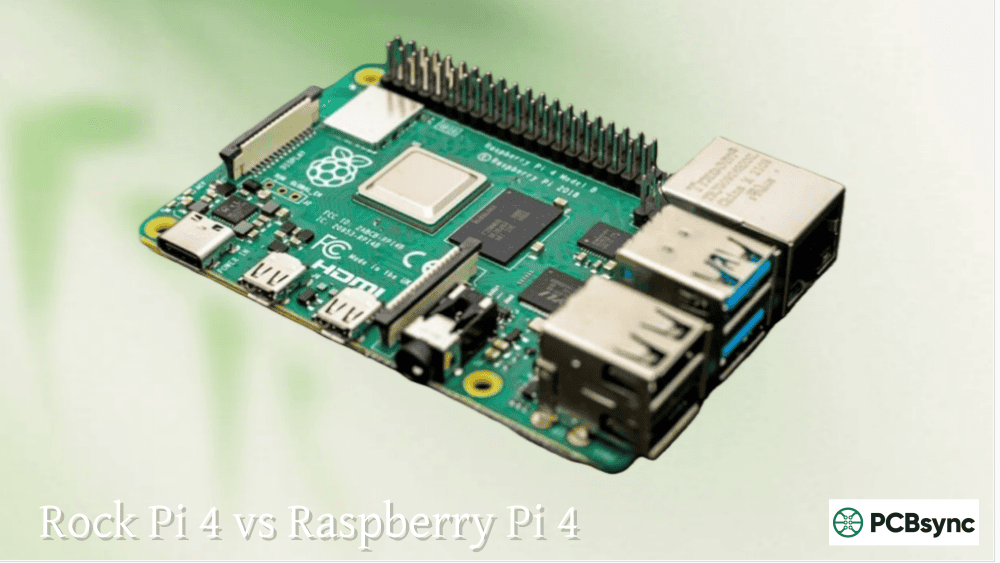
Raspberry Pi 4/400
Full Support
LibreELEC 12.x (aarch64)
Raspberry Pi 3/3B+
Full Support
LibreELEC 12.x (arm)
Raspberry Pi 2
Full Support
LibreELEC 12.x (arm)
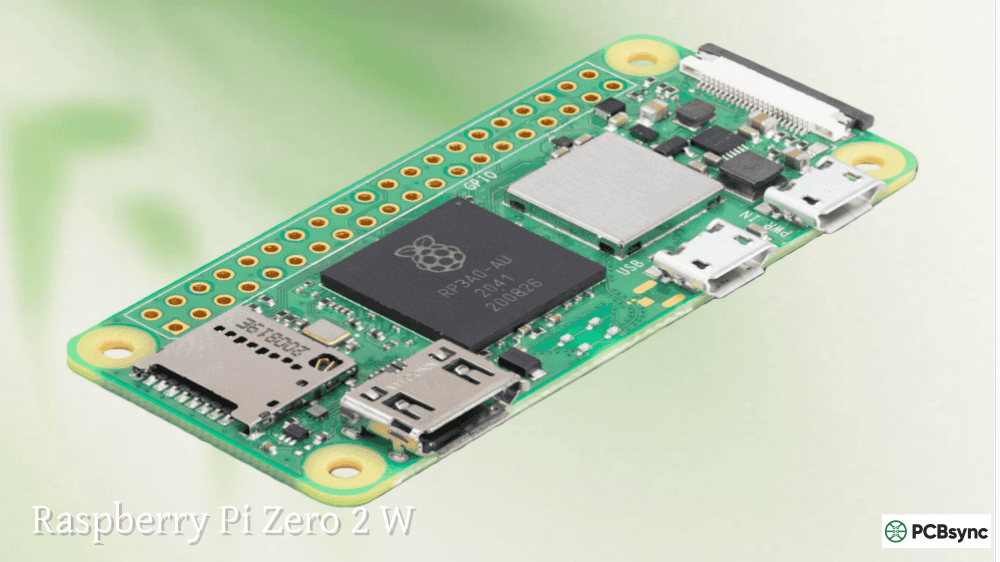
Raspberry Pi Zero 2 W
Full Support
LibreELEC 12.x (arm)
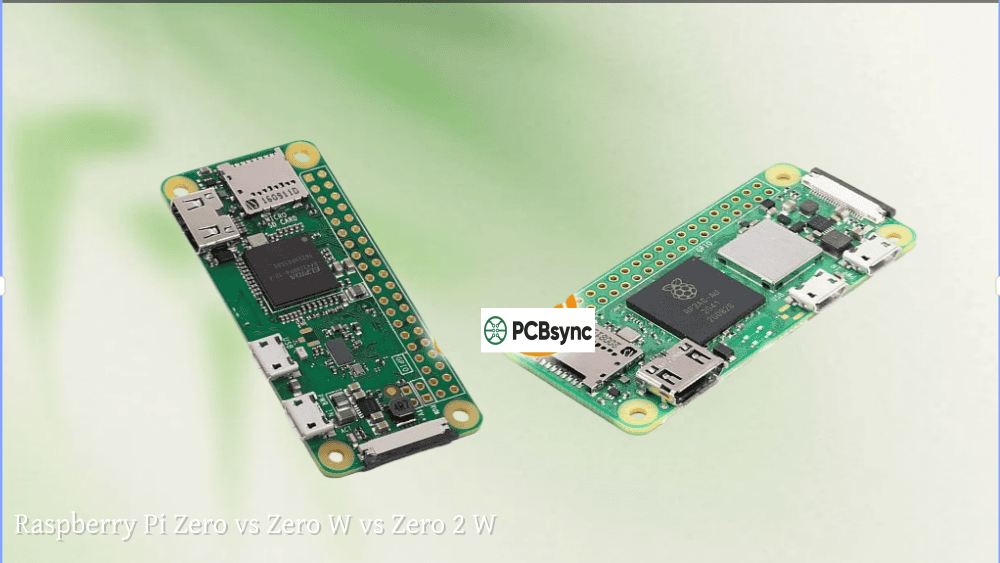
Raspberry Pi Zero/1
Limited
LibreELEC 9.x (older)
LibreELEC Limitations
The minimalist approach has trade-offs. You cannot install additional Linux software outside of Kodi add-ons. Want to run a web server, file sharing, or home automation alongside your media center? LibreELEC won’t allow it.
SSH access is available but limited in usefulness since the underlying system provides only the bare minimum. The filesystem is largely read-only by design.
OSMC: The Flexible Alternative
OSMC (Open Source Media Center) takes a different approach. Created by Sam Nazarko—who previously developed Raspbmc—OSMC is built on Debian Linux, giving you a full operating system underneath Kodi.
OSMC shines when you want your Pi to do more than just media playback:
Run a Samba file server alongside Kodi
Host a web interface for remote management
Set up home automation services
Install Docker containers
Use the Pi as a general-purpose Linux machine
OSMC Current Limitations
At the time of writing, OSMC doesn’t officially support Raspberry Pi 5. The OSMC team is working on it, but if you have a Pi 5, LibreELEC is currently your best option.
OSMC also consumes more resources than LibreELEC—roughly 100-150MB more RAM at idle. On modern Pi 4 or Pi 5 models with 4GB+ RAM, this is negligible. On older models or 2GB variants, it can matter.
OSMC Raspberry Pi Compatibility
Pi Model
Support Status
Raspberry Pi 5
In Development
Raspberry Pi 4/400
Full Support
Raspberry Pi 3/3B+
Full Support
Raspberry Pi 2
Full Support
Raspberry Pi Zero/Zero W
Full Support
Kodi on Raspberry Pi OS: Maximum Flexibility
The third option is installing Kodi directly on standard Raspberry Pi OS. This gives you complete control but requires more setup and ongoing maintenance.
Installing Kodi Raspberry Pi on Standard OS
Kodi is available in the official Raspberry Pi repositories:
This approach means Kodi runs as an application rather than being the entire operating system. You keep the full Raspberry Pi OS desktop environment alongside Kodi.
Pros and Cons of Kodi on Raspberry Pi OS
Pros
Cons
Full desktop environment
Slower boot to Kodi
Maximum software flexibility
Higher resource usage
Easy to switch between Kodi and desktop
More manual configuration
Access to all Pi software
Less optimized for media playback
Good for multi-purpose Pi
Requires more maintenance
This option makes sense if your Pi serves multiple purposes—maybe it’s also your retro gaming machine (RetroPie), development workstation, or learning platform. Running Kodi as one application among many keeps your options open.
Head-to-Head Performance Comparison
Real-world performance matters more than specifications. Here’s what I measured on a Raspberry Pi 4 (4GB):
Boot Time Comparison
System
Cold Boot to Kodi UI
LibreELEC 12.x
~18 seconds
OSMC
~32 seconds
Raspberry Pi OS + Kodi
~75 seconds
Memory Usage (Idle, Kodi Running)
System
RAM Usage
LibreELEC
~180MB
OSMC
~290MB
Raspberry Pi OS + Kodi
~520MB
Video Playback Performance
All three handle 1080p content without issues on any Pi 3 or newer. For 4K content:
Content Type
LibreELEC
OSMC
Pi OS + Kodi
4K H.264
Smooth (Pi 4/5)
Smooth (Pi 4)
Smooth (Pi 4/5)
4K HEVC
Smooth (Pi 4/5)
Smooth (Pi 4)
Smooth (Pi 4/5)
4K HDR
Supported (Pi 4/5)
Supported (Pi 4)
Limited
Installation Guide: Getting Started
Regardless of which system you choose, installation follows a similar pattern using Raspberry Pi Imager.
Installing LibreELEC Raspberry Pi
Download Raspberry Pi Imager from raspberrypi.com/software
Click “Choose OS” → “Media player OS” → “LibreELEC”
Select the version matching your Pi model
Choose your SD card and write
Insert SD card into Pi and boot
Alternatively, download the latest image directly from libreelec.tv/downloads/raspberry/ and flash using “Use custom” in Imager.
Installing OSMC
Visit osmc.tv/download
Download the OSMC installer for your computer
Run the installer and follow the wizard
Select Raspberry Pi as your device
Write to SD card and boot
Installing Kodi on Raspberry Pi OS
Flash standard Raspberry Pi OS using Imager
Boot and complete initial setup
Open terminal and run:
sudo apt update
sudo apt install kodi
Launch Kodi from the applications menu or run kodi in terminal
Essential Kodi Add-ons for Raspberry Pi
Once your media center is running, these add-ons enhance the experience:
After years of testing, my recommendation breaks down like this:
Choose LibreELEC raspberry pi if:
You want a dedicated media center (nothing else)
Fast boot times matter to you
You have a Raspberry Pi 5
You prefer the simplest, most stable option
You don’t need to run additional software
Choose OSMC if:
You want to run additional services alongside Kodi
You prefer the OSMC interface design
You’re comfortable with Linux and want terminal access
You might add file sharing or home automation later
You have a Pi 4 or older (Pi 5 support pending)
Choose Kodi on Raspberry Pi OS if:
Your Pi serves multiple purposes
You want a full desktop environment available
You’re experimenting and learning Linux
You run RetroPie or other software too
Maximum flexibility matters more than performance
For most users building a dedicated media center, LibreELEC raspberry pi is the best choice. It’s the fastest, lightest, and most frequently updated option with excellent Raspberry Pi hardware support.
Frequently Asked Questions
What is the difference between LibreELEC and Kodi?
Kodi is the media center software application that provides the interface for playing media. LibreELEC is a complete operating system built specifically to run Kodi. When you install LibreELEC raspberry pi, you get a minimal Linux system that boots directly into Kodi—no desktop environment, no extra software, just Kodi ready to use.
Can I install Netflix on LibreELEC or OSMC?
Yes, but it requires additional setup. Netflix works through the unofficial Netflix add-on which needs the Widevine DRM library. On LibreELEC, you can install the Widevine library using the Inputstream Helper add-on from the Kodinerds repository. The process is similar on OSMC. Note that this is unofficial and may occasionally break when Netflix updates their service.
Which is better for Raspberry Pi 5: LibreELEC or OSMC?
Currently, LibreELEC is the better choice for Raspberry Pi 5 because it has full official support since LibreELEC 12. OSMC is still working on Pi 5 support. LibreELEC 12.x provides 4K HDR playback, hardware acceleration, and optimal performance on the Pi 5’s improved hardware.
Can I run both OSMC and LibreELEC on the same Raspberry Pi?
Not simultaneously, but you can dual-boot using tools like PINN (an enhanced version of NOOBS). This lets you install multiple operating systems on one SD card and choose which to boot at startup. However, most users find it simpler to pick one system and stick with it, or use different SD cards for different setups.
How much storage do I need for a Kodi Raspberry Pi media center?
For the operating system alone, an 8GB SD card is sufficient for LibreELEC or OSMC. However, if you plan to store media locally, you’ll want much more. I recommend a 32GB SD card minimum for the OS plus some add-ons, then use a USB external drive or network storage (NAS) for your actual media files. This keeps your boot drive fast and reliable while providing ample storage for content.
Final Thoughts
Building a kodi raspberry pi media center is genuinely one of the best Pi projects for beginners and experienced users alike. The combination of low cost, silent operation, and impressive 4K playback capability makes it hard to beat.
For most people, LibreELEC offers the ideal balance of simplicity and performance. Flash the image, boot up, and you’re watching content within minutes. OSMC remains an excellent choice if you value flexibility and want that full Debian foundation underneath. And installing Kodi on standard Raspberry Pi OS makes sense when your Pi wears multiple hats.
Whichever path you choose, you’ll end up with a capable media center that rivals commercial streaming boxes costing several times more.
Remote Control Options for Your Media Center
A media center isn’t complete without a good remote control solution. Here are the options that work with all three systems:
HDMI-CEC (Consumer Electronics Control)
If your TV supports HDMI-CEC (most modern TVs do), you can control Kodi using your TV’s standard remote. The Pi receives commands through the HDMI connection—no additional hardware needed.
Enable CEC in Kodi settings under “System” → “Input” → “Peripherals” → “CEC Adapter.”
Smartphone Apps
App
Platform
Features
Kore
Android
Official Kodi remote, free
Yatse
Android
Advanced features, premium option
Official Kodi Remote
iOS
Basic remote functionality
Sybu
iOS
Full-featured alternative
Dedicated Remotes
For the best experience, consider a dedicated remote like the FLIRC USB receiver paired with any infrared remote, or a mini wireless keyboard with touchpad for searching and text entry.
Troubleshooting Common Issues
Video Stuttering or Buffering
Cause
Solution
Insufficient power
Use official 5V/3A (Pi 4) or 5V/5A (Pi 5) power supply
Slow SD card
Upgrade to Class 10 / A1 rated card or use USB SSD
Network issues
Use Ethernet instead of WiFi for streaming
Incorrect settings
Enable hardware acceleration in Kodi video settings
No Audio Output
Check Settings → System → Audio → Audio output device
For HDMI: Select “ALSA: bcm2835 HDMI” or similar
For 3.5mm jack: Select “ALSA: bcm2835 Headphones”
Verify TV/receiver isn’t muted
Black Screen After Boot
This often indicates an HDMI handshake issue. Try:
Connecting HDMI before powering the Pi
Using a different HDMI cable (especially for 4K)
Adding hdmi_force_hotplug=1 to config.txt
Hardware Recommendations
The best media center experience comes from matching hardware to your needs:
Component
Budget
Recommended
Premium
Pi Model
Pi 3B+
Pi 4 (4GB)
Pi 5 (8GB)
Storage
32GB SD
64GB SD
USB SSD
Case
Passive
Heatsink case
Active cooling
Power Supply
Generic 3A
Official PSU
Official PSU
Resolution
1080p
1080p/4K
4K HDR
For 4K content, a Pi 4 or Pi 5 is essential. The Pi 3 handles 1080p content excellently but lacks the horsepower for 4K playback.
Inquire: Call 0086-755-23203480, or reach out via the form below/your sales contact to discuss our design, manufacturing, and assembly capabilities.
Quote: Email your PCB files to Sales@pcbsync.com (Preferred for large files) or submit online. We will contact you promptly. Please ensure your email is correct.
Notes: For PCB fabrication, we require PCB design file in Gerber RS-274X format (most preferred), *.PCB/DDB (Protel, inform your program version) format or *.BRD (Eagle) format. For PCB assembly, we require PCB design file in above mentioned format, drilling file and BOM. Click to download BOM template To avoid file missing, please include all files into one folder and compress it into .zip or .rar format.