Inquire: Call 0086-755-23203480, or reach out via the form below/your sales contact to discuss our design, manufacturing, and assembly capabilities.
Quote: Email your PCB files to Sales@pcbsync.com (Preferred for large files) or submit online. We will contact you promptly. Please ensure your email is correct.
Notes: For PCB fabrication, we require PCB design file in Gerber RS-274X format (most preferred), *.PCB/DDB (Protel, inform your program version) format or *.BRD (Eagle) format. For PCB assembly, we require PCB design file in above mentioned format, drilling file and BOM. Click to download BOM template To avoid file missing, please include all files into one folder and compress it into .zip or .rar format.
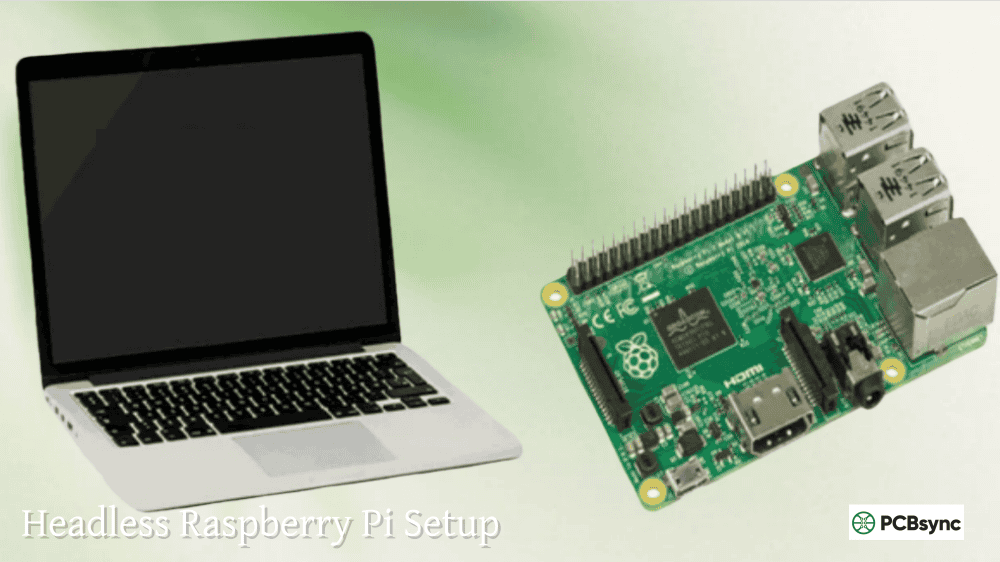
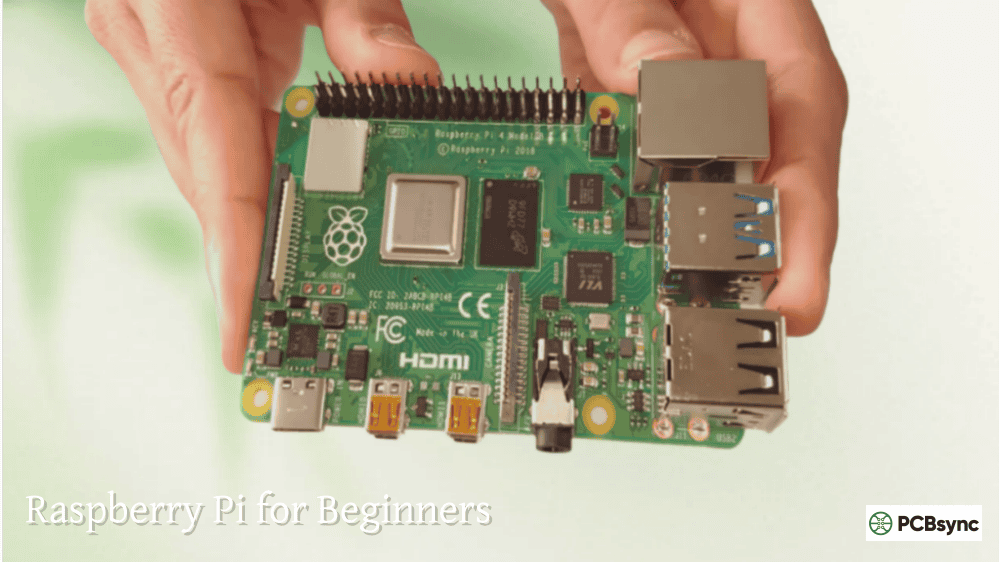
Running a Raspberry Pi without a monitor might sound counterintuitive to newcomers, but for anyone who’s deployed embedded systems in production environments, it’s the standard approach. As someone who has spent years working with single-board computers in industrial automation and IoT projects, I can tell you that a headless Raspberry Pi setup is often cleaner, more practical, and perfectly suited for most real-world applications.
In this guide, I’ll walk you through everything you need to configure your Raspberry Pi without monitor access, from initial SD card preparation to establishing remote connections via SSH and VNC.
A headless Raspberry Pi is simply a Pi running without any display, keyboard, or mouse attached. Instead of physical peripherals, you control it remotely through your main computer over the network. This approach is incredibly popular for servers, network-attached storage devices, home automation controllers, 3D printer management systems, and countless IoT projects.
The advantages are substantial: reduced cost since you don’t need dedicated peripherals, smaller footprint allowing deployment in tight spaces, lower power consumption, and the convenience of managing your Pi from anywhere on your network.
Hardware Requirements for Headless Setup
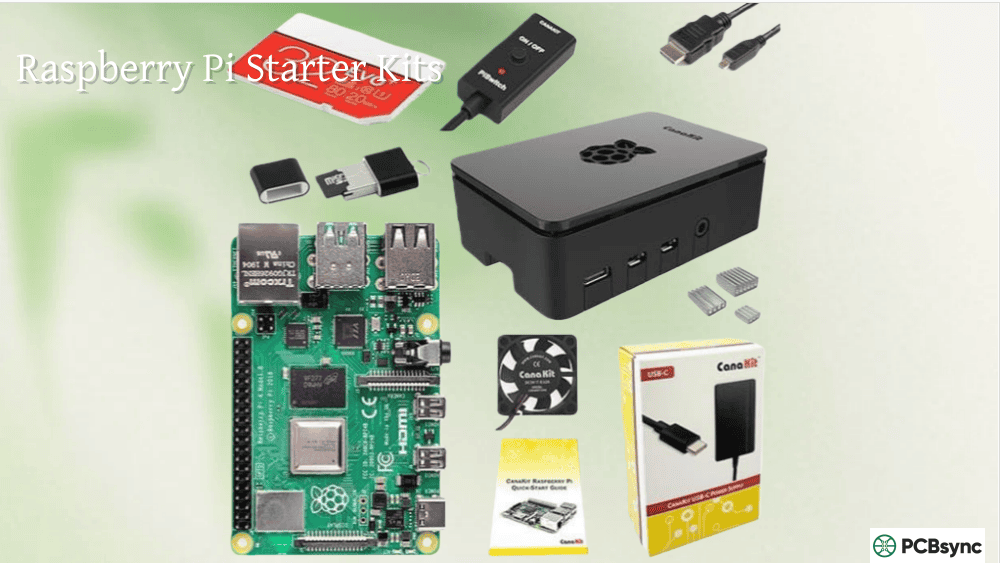
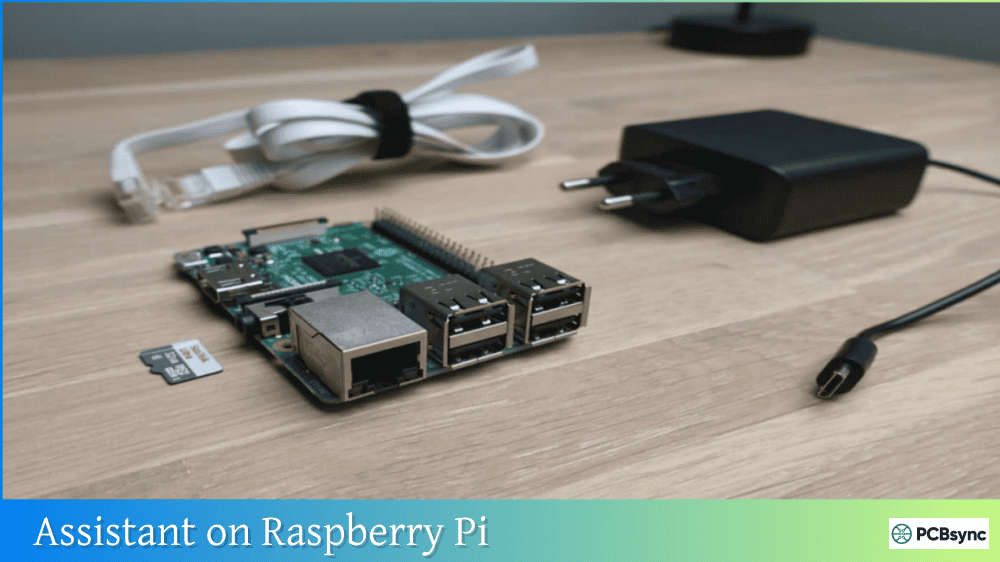
Before diving into configuration, let’s clarify what you actually need. The good news is that the requirements are minimal.
Component
Required
Notes
Raspberry Pi (any model)
Yes
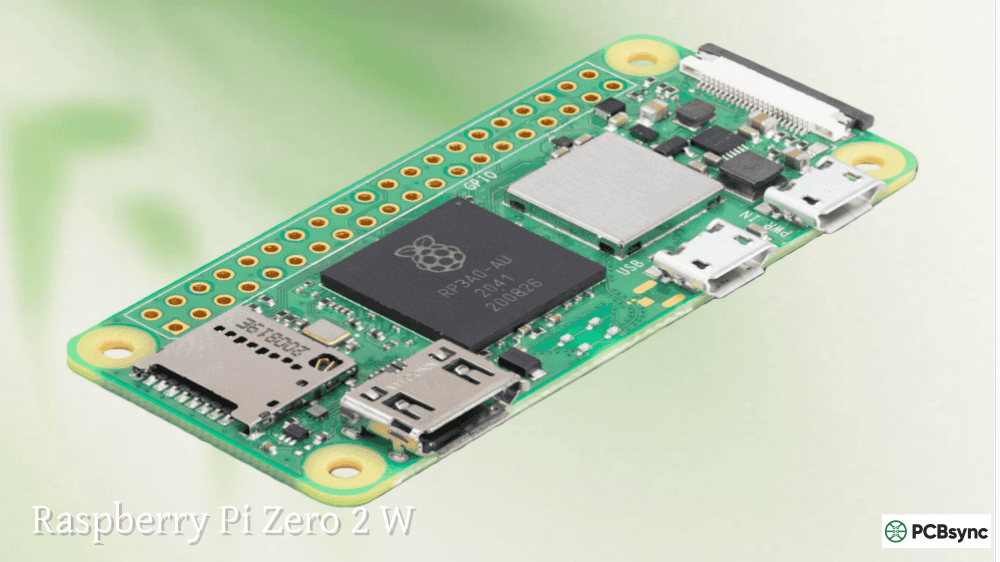
Pi 3, 4, 5, or Zero W recommended for built-in WiFi
MicroSD Card
Yes
Minimum 8GB, 16GB+ recommended
Power Supply
Yes
5V/3A for Pi 4/5, 5V/2.5A for older models
Ethernet Cable
Optional
Alternative to WiFi for initial setup
WiFi Adapter
Optional
Only if your Pi lacks built-in WiFi
Computer with SD Card Reader
Yes
For flashing the OS image
Notice what’s NOT on that list: no monitor, no keyboard, no mouse. That’s the whole point.
Step 1: Download and Install Raspberry Pi Imager
The Raspberry Pi Foundation provides an official imaging tool that dramatically simplifies headless configuration. Gone are the days of manually creating configuration files on boot partitions. The Raspberry Pi Imager handles everything through a clean graphical interface.
Download the Raspberry Pi Imager from the official website (raspberrypi.com/software) for your operating system. Installation is straightforward on Windows, macOS, and Linux.
Supported Platforms
Operating System
Installation Method
Windows
Download .exe installer
macOS
Download .dmg image
Ubuntu/Debian
sudo apt install rpi-imager or download .deb
Step 2: Configure OS Customization Settings
This is where the magic happens for a Raspberry Pi without monitor setup. Insert your microSD card into your computer and launch Raspberry Pi Imager.
Selecting the Operating System
Click “Choose OS” and select your preferred system. For headless deployments, I typically recommend:
Raspberry Pi OS Lite (64-bit) – No desktop environment, purely command-line. Perfect for servers and projects where you’ll interact only through SSH. Uses fewer resources and boots faster.
Raspberry Pi OS with Desktop – Includes the graphical interface. Choose this if you plan to access the desktop remotely via VNC for tasks requiring a GUI.
Accessing Advanced Options
After selecting your OS and storage device, click “Next.” When prompted about OS customization, select “Edit Settings” to access the advanced configuration menu. Alternatively, you can access these settings by pressing Ctrl+Shift+X (or Cmd+Shift+X on Mac).
Critical Settings for Headless Operation
Configure these settings before writing the image:
General Tab:
Setting
Recommended Value
Purpose
Hostname
Custom name (e.g., piserver)
Identifies your Pi on the network
Username
Your choice
Login credential
Password
Strong password
Security for SSH access
WiFi SSID
Your network name
Connects to your wireless network
WiFi Password
Network password
WiFi authentication
WiFi Country
Your 2-letter code (US, GB, etc.)
Regulatory compliance
Timezone
Your local timezone
System clock
Keyboard Layout
Your layout
Locale settings
Services Tab:
Enable SSH and choose password authentication. This is essential – without SSH enabled, you have no way to access your headless Pi remotely on first boot.
Step 3: Write the Image and Boot
Click “Write” to flash the configured image to your SD card. This process takes several minutes depending on your card speed and the OS size.
Once complete, safely eject the SD card, insert it into your Raspberry Pi, and connect power. The first boot takes longer than subsequent boots – the Pi needs to expand the filesystem, configure settings, and connect to your network. Give it 2-5 minutes.
Step 4: Finding Your Raspberry Pi on the Network
With no monitor attached, you need to discover your Pi’s IP address to connect. Several methods work reliably.
Method 1: Using Hostname (Simplest)
If your network supports mDNS (most modern routers do), you can connect using the hostname you configured:
ssh username@hostname.local
For example, if you set hostname to “piserver” and username to “pi”:
ssh pi@piserver.local
Method 2: Router Admin Panel
Log into your router’s administration interface (typically 192.168.1.1 or 192.168.0.1) and look for connected devices. Your Pi will appear with its hostname.
Method 3: Network Scanning
Using nmap or similar tools, scan your network subnet:
nmap -sn 192.168.1.0/24
Look for entries with “Raspberry Pi” in the description or MAC addresses starting with B8:27:EB or DC:A6:32 (Raspberry Pi MAC prefixes).
Method 4: Using arp Command
On Windows, macOS, or Linux:
arp -a
Cross-reference the results with known devices to identify your Pi.
Step 5: Connecting via SSH
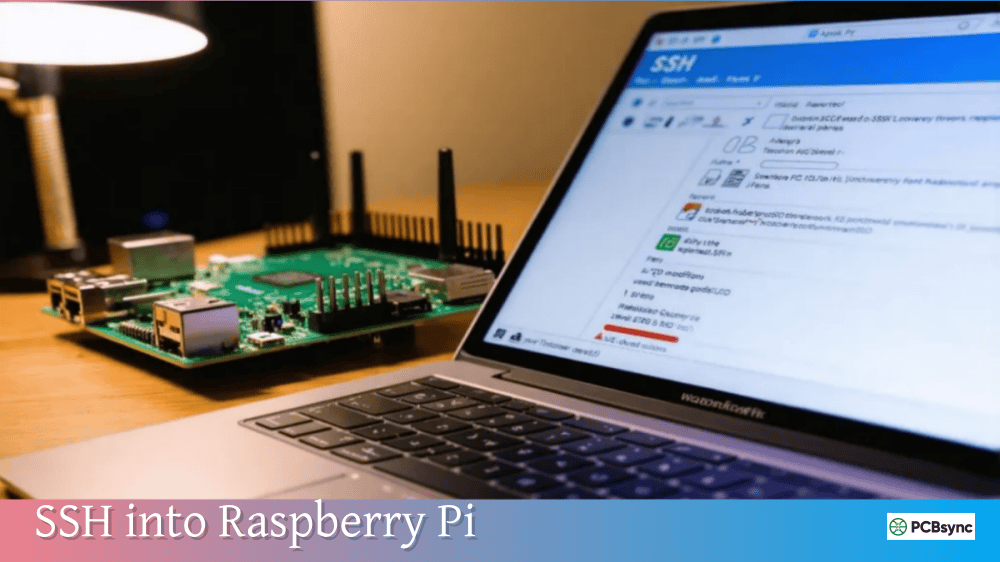
SSH (Secure Shell) provides command-line access to your headless Raspberry Pi. It’s secure, lightweight, and sufficient for most administrative tasks.
SSH Clients by Platform
Platform
Recommended Client
Notes
Windows 10/11
Built-in OpenSSH or PuTTY
OpenSSH available in PowerShell
macOS
Terminal (built-in)
Native SSH support
Linux
Terminal (built-in)
Native SSH support
Mobile
Termius, JuiceSSH
Cross-platform apps
Making Your First Connection
Open your terminal or SSH client and connect:
ssh username@ip_address
Accept the security fingerprint when prompted (first connection only), then enter your password.
Upon successful connection, you’ll see the Raspberry Pi command prompt. Congratulations – you’re now controlling your headless Pi remotely.
Initial Security Steps
Immediately after first login, perform these essential security measures:
sudo apt update && sudo apt upgrade -y
sudo raspi-config
Use raspi-config to verify settings and make any additional configuration changes.
Step 6: Enabling VNC for Remote Desktop Access
While SSH is perfect for command-line work, some tasks require a graphical interface. VNC (Virtual Network Computing) lets you access your Pi’s desktop remotely.
Enabling VNC Server
Connect via SSH and run:
sudo raspi-config
Navigate to: Interface Options → VNC → Enable
Reboot when prompted:
sudo reboot
Setting Headless Resolution
Without a monitor, the Pi doesn’t know what resolution to use. Set a default resolution for VNC:
sudo raspi-config
Navigate to: Display Options → VNC Resolution
Select an appropriate resolution (1920×1080 works well for most displays).
VNC Client Options
Client
Platform
Notes
TigerVNC
Windows, macOS, Linux
Open source, recommended for Pi OS Bookworm
RealVNC Viewer
All platforms
Works with older Pi OS versions
VNC Viewer (Chrome)
Browser
Cross-platform convenience
Connect using your Pi’s IP address. Enter credentials when prompted.
Raspberry Pi Foundation now offers Raspberry Pi Connect, a cloud-based service that simplifies remote access. It works through any web browser without requiring manual network configuration, port forwarding, or VPN setup.
Enable it through raspi-config or install directly:
sudo apt install rpi-connect
Follow the setup wizard to link your device to your Raspberry Pi account.
Common Headless Raspberry Pi Use Cases
A headless configuration enables numerous practical applications:
Application
Description
Recommended Pi Model
Pi-hole
Network-wide ad blocking
Pi Zero 2 W, Pi 3/4/5
Home Assistant
Home automation hub
Pi 4 (2GB+), Pi 5
OctoPrint
3D printer management
Pi 3/4/5, Pi Zero 2 W
NAS Server
Network storage
Pi 4 (4GB+), Pi 5
Media Server
Plex, Jellyfin
Pi 4 (4GB+), Pi 5
IoT Gateway
Sensor data collection
Any model with networking
VPN Server
WireGuard, OpenVPN
Pi 4, Pi 5
Troubleshooting Headless Setup Issues
Even with careful preparation, issues occasionally arise. Here are solutions to common problems.
Cannot Find Pi on Network
Verify WiFi credentials are correct (case-sensitive)
Ensure you set the correct WiFi country code
Try Ethernet connection for initial setup
Wait longer – first boot can take 5+ minutes
Re-flash the SD card and double-check settings
SSH Connection Refused
Confirm SSH was enabled in Imager settings
Verify username and password are correct (no default pi/raspberry anymore)
Check that the Pi obtained an IP address
Firewall might be blocking port 22
VNC Shows Black Screen or Error
Set a forced resolution in raspi-config
For Pi OS Bookworm, use TigerVNC client instead of RealVNC
Ensure VNC server is enabled and running
Reboot after enabling VNC
WiFi Not Connecting
Verify SSID and password (no typos)
Check 5GHz vs 2.4GHz compatibility (Pi 3B only supports 2.4GHz)
Ensure correct country code is set
Position Pi closer to router during initial setup
Useful Resources and Downloads
Here are essential resources for headless Raspberry Pi deployment:
Official Downloads:
Raspberry Pi Imager: https://www.raspberrypi.com/software/
Raspberry Pi OS Images: https://www.raspberrypi.com/software/operating-systems/
Can I set up a Raspberry Pi without ever connecting a monitor?
Absolutely. Using Raspberry Pi Imager’s advanced options, you can pre-configure SSH, WiFi credentials, username, and password before first boot. The Pi will connect to your network automatically, allowing you to access it remotely via SSH without any physical peripherals attached.
Does headless mode work with all Raspberry Pi models?
Yes, headless setup works with any Raspberry Pi model that has network connectivity. For WiFi-based headless setup, you’ll need a model with built-in WiFi (Pi 3, 4, 5, Zero W/2W) or an external WiFi adapter. All models support headless operation via Ethernet.
How do I access the desktop on a headless Raspberry Pi?
Enable VNC server through raspi-config over SSH, set a headless resolution, and connect using a VNC client like TigerVNC. For easier access without network configuration, Raspberry Pi Connect provides browser-based remote desktop through their cloud service.
What happens if I forget my headless Raspberry Pi’s password?
Without physical access to a monitor, you’ll need to mount the SD card on another computer and either edit configuration files or re-flash the image with new credentials using Raspberry Pi Imager. This is why using a strong but memorable password is important for headless deployments.
Is headless Raspberry Pi suitable for beginners?
Yes, especially with modern tools like Raspberry Pi Imager. The process is actually simpler than traditional setup since you configure everything before first boot. For projects like Pi-hole, Home Assistant, or media servers, headless is the natural choice and provides valuable experience with remote Linux administration.
Final Thoughts
A headless Raspberry Pi setup is practical, efficient, and often the best approach for dedicated projects. The initial configuration might seem intimidating, but once your Pi is running headlessly, you’ll appreciate the simplicity of managing it remotely. No cable clutter, no dedicated peripherals, just a tiny computer quietly doing its job.
Whether you’re building a home server, automating your house, or deploying IoT sensors, mastering headless setup opens up countless possibilities. The Raspberry Pi Imager has made this process remarkably straightforward – what once required manual file editing now takes just a few clicks.
Start simple with SSH access, add VNC if you need graphical control, and explore Raspberry Pi Connect for convenient remote access from anywhere. Your Pi doesn’t need a monitor to be incredibly useful.
Inquire: Call 0086-755-23203480, or reach out via the form below/your sales contact to discuss our design, manufacturing, and assembly capabilities.
Quote: Email your PCB files to Sales@pcbsync.com (Preferred for large files) or submit online. We will contact you promptly. Please ensure your email is correct.
Notes: For PCB fabrication, we require PCB design file in Gerber RS-274X format (most preferred), *.PCB/DDB (Protel, inform your program version) format or *.BRD (Eagle) format. For PCB assembly, we require PCB design file in above mentioned format, drilling file and BOM. Click to download BOM template To avoid file missing, please include all files into one folder and compress it into .zip or .rar format.