Inquire: Call 0086-755-23203480, or reach out via the form below/your sales contact to discuss our design, manufacturing, and assembly capabilities.
Quote: Email your PCB files to Sales@pcbsync.com (Preferred for large files) or submit online. We will contact you promptly. Please ensure your email is correct.
Notes: For PCB fabrication, we require PCB design file in Gerber RS-274X format (most preferred), *.PCB/DDB (Protel, inform your program version) format or *.BRD (Eagle) format. For PCB assembly, we require PCB design file in above mentioned format, drilling file and BOM. Click to download BOM template To avoid file missing, please include all files into one folder and compress it into .zip or .rar format.
The ESP32 vs Raspberry Pi debate comes up constantly in IoT development circles. Both platforms dominate the maker and professional embedded space, but they serve fundamentally different purposes. Choosing the wrong one can mean redesigning your entire project months down the line.
After designing dozens of IoT products using both platforms, I’ve learned that this isn’t really an apples-to-apples comparison. The ESP32 is a microcontroller optimized for wireless connectivity and low power operation. The Raspberry Pi is a single-board computer running a full Linux operating system. Understanding this distinction is the first step toward making the right choice for your IoT project.
Before diving into specifications, you need to understand what each platform actually is.
The ESP32 is a system-on-chip (SoC) developed by Espressif Systems. It runs custom firmware directly on the hardware without an operating system layer. When you power it on, your code starts executing within milliseconds. This bare-metal approach gives you direct hardware access and predictable timing behavior.
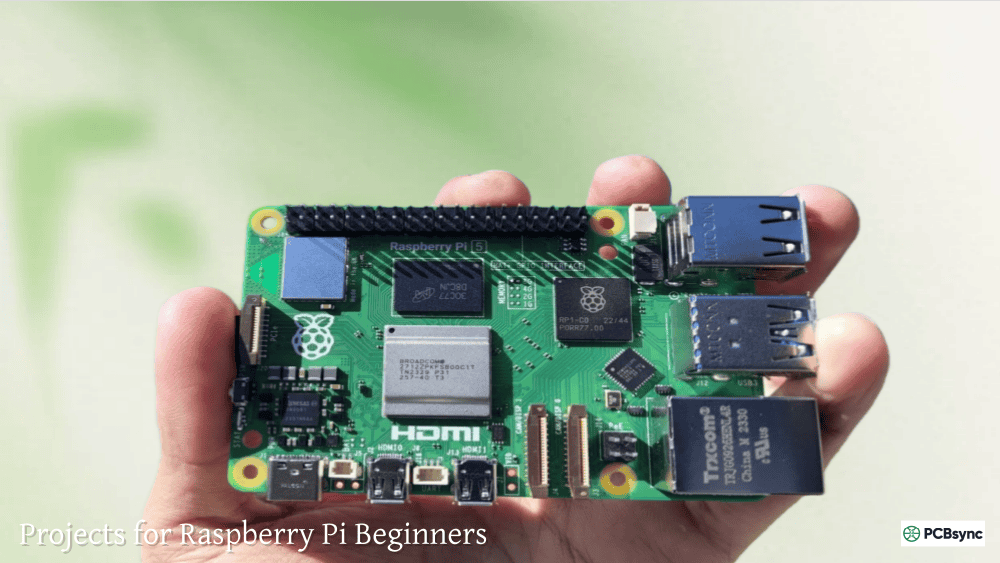
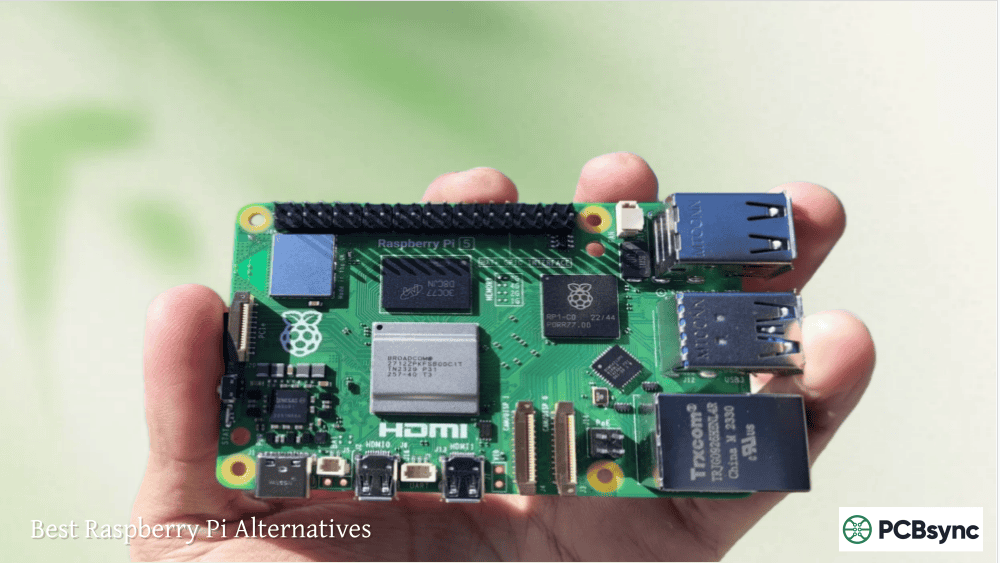
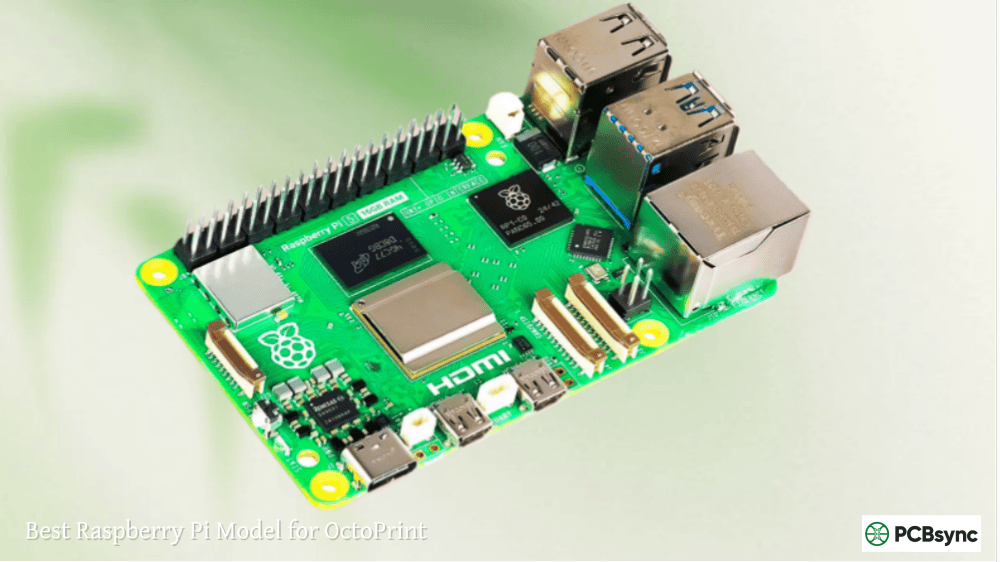
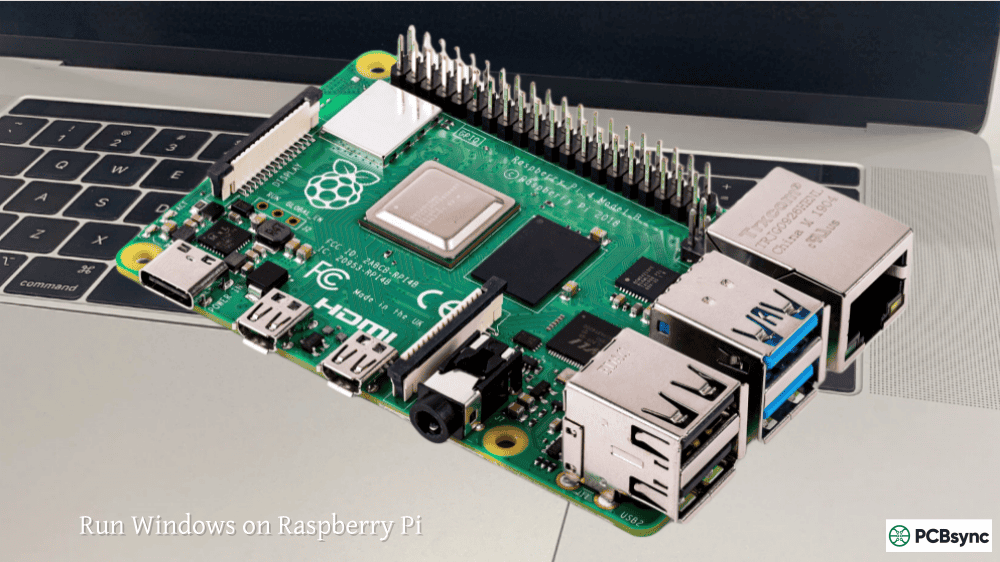
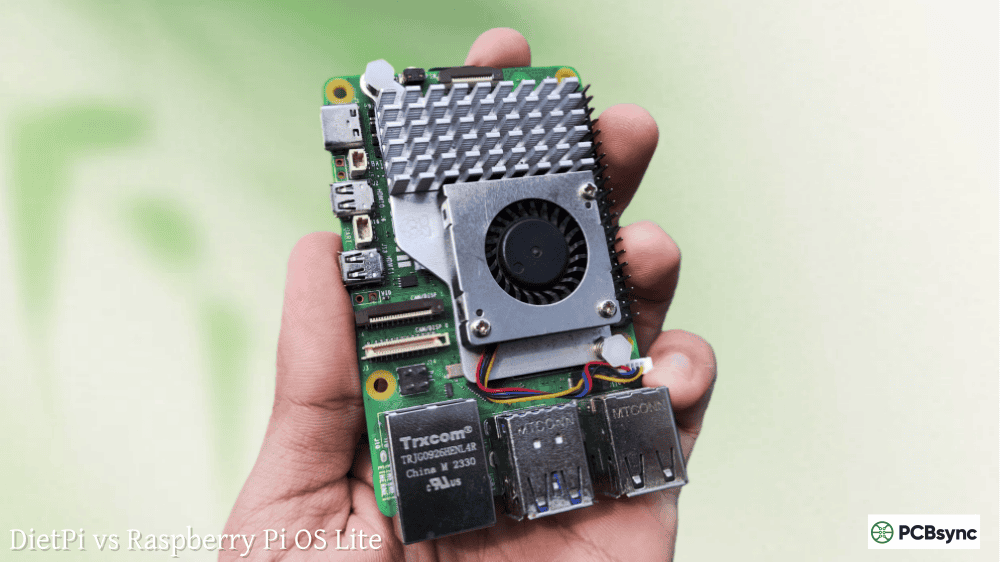
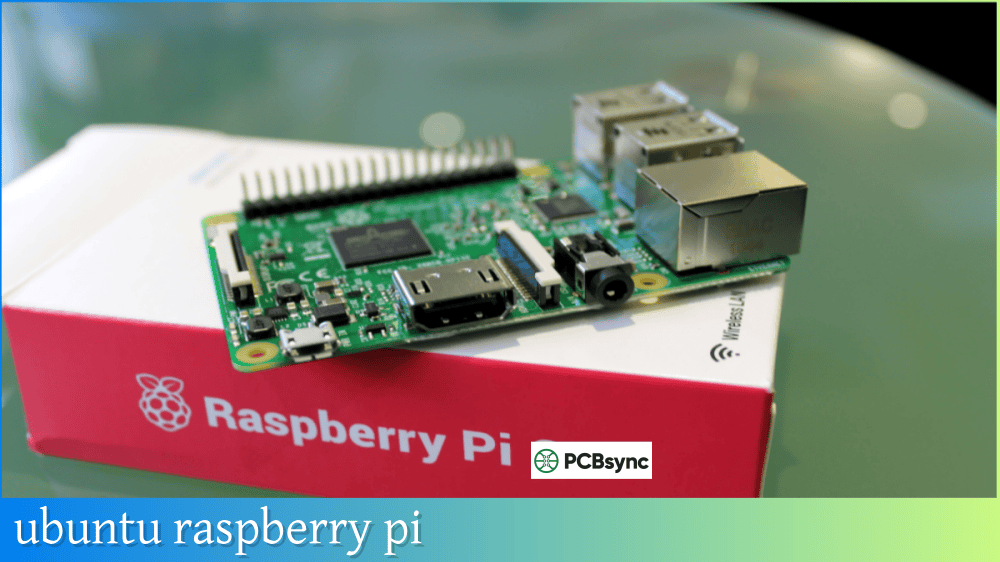
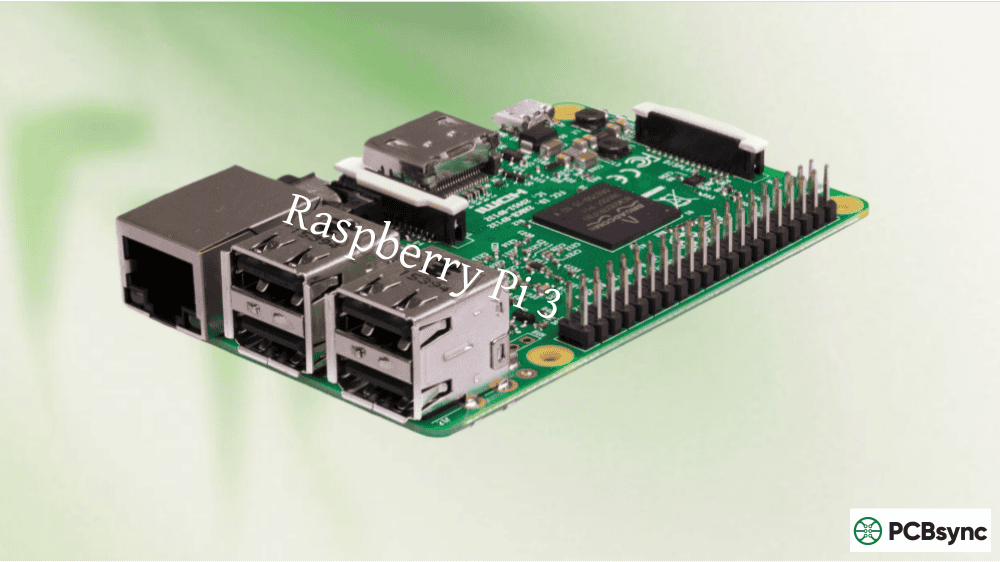
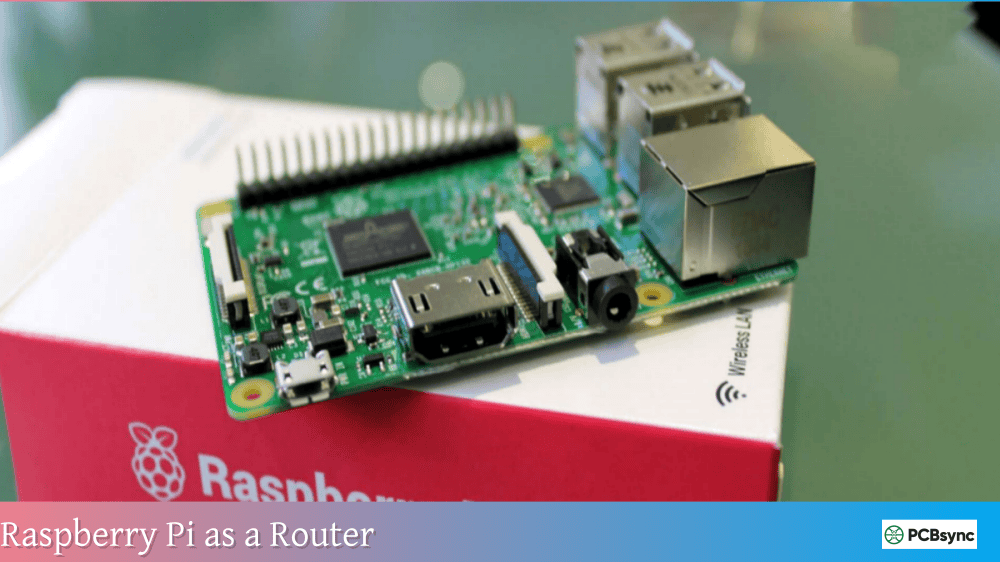
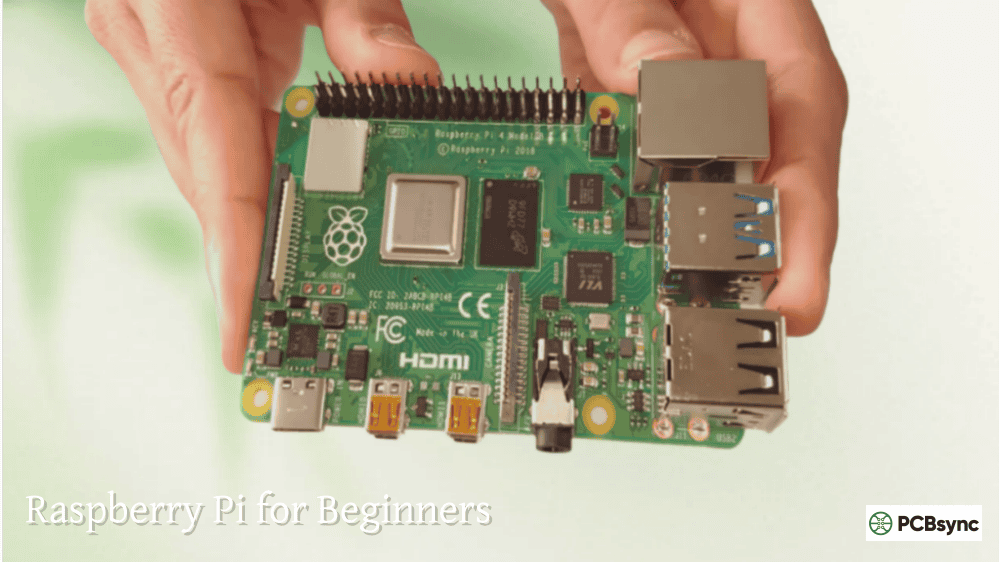
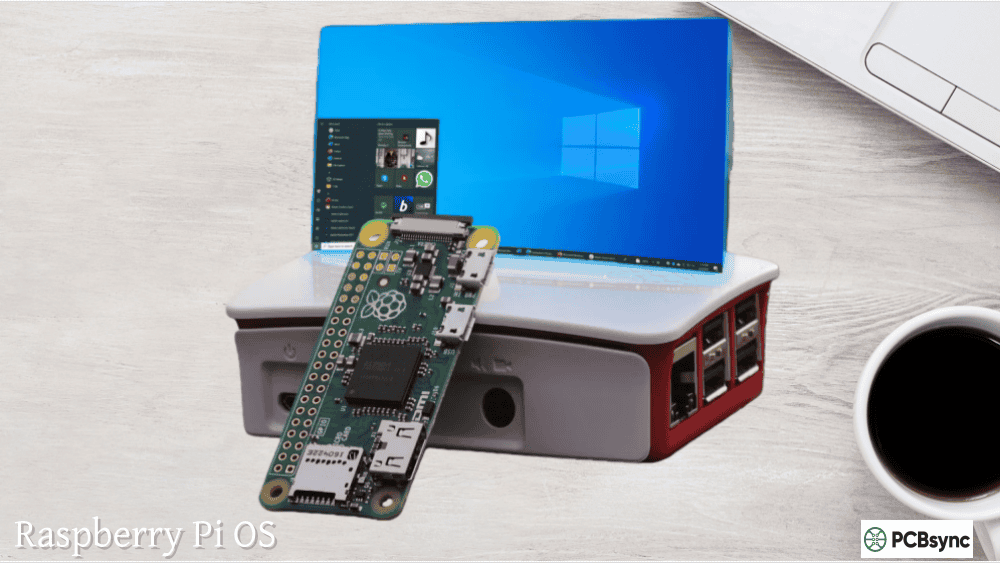
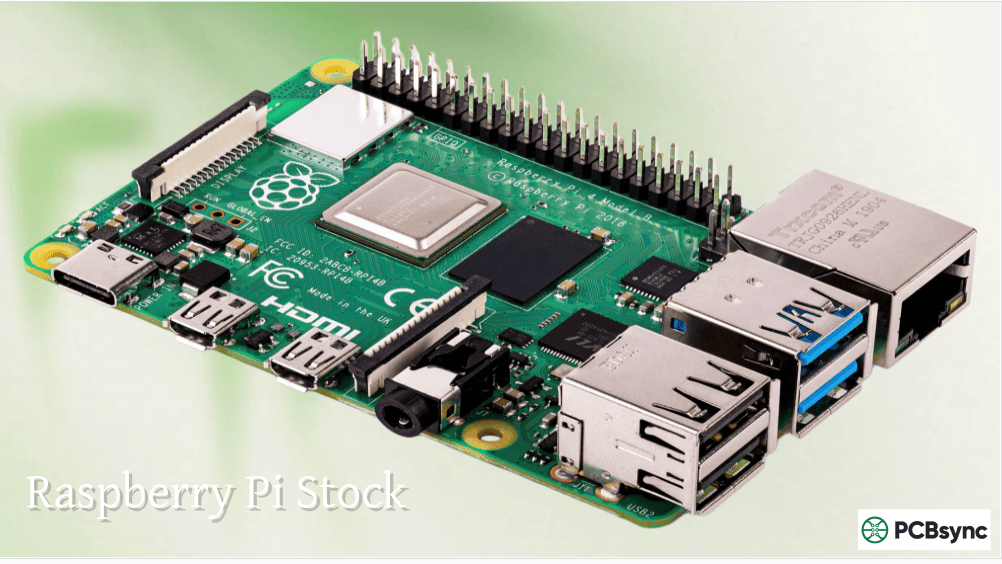
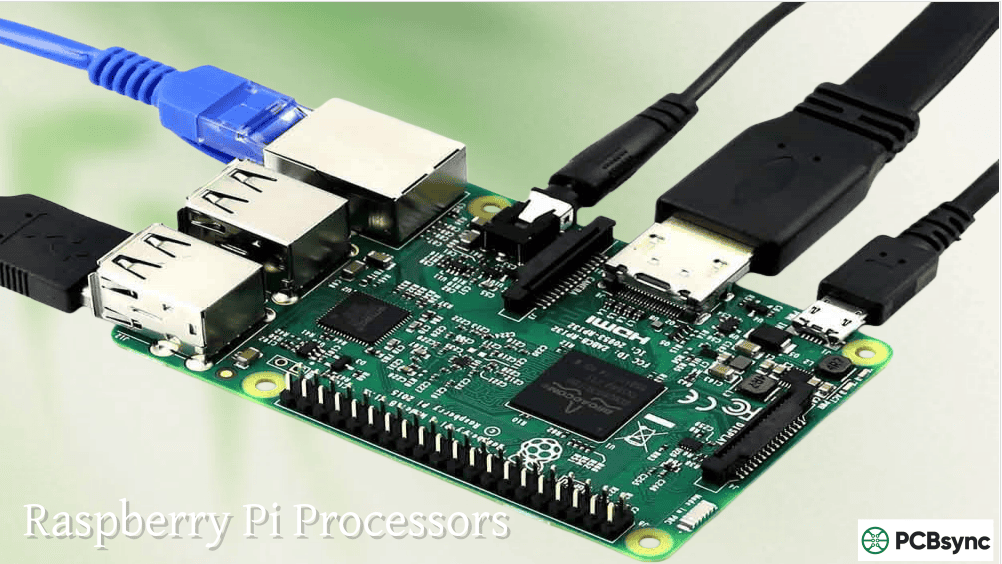
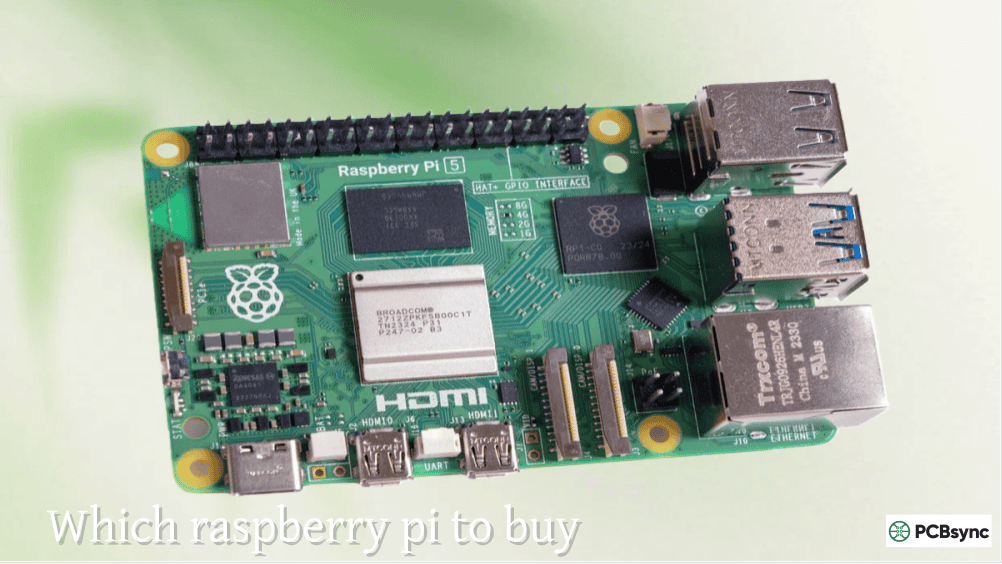
The Raspberry Pi is a complete computer. It boots an operating system (typically Raspberry Pi OS), manages processes, handles memory allocation, and runs your application as one of many concurrent tasks. This adds complexity but also enables capabilities that microcontrollers simply cannot match.
This fundamental architecture difference drives most of the practical distinctions between these platforms.
ESP32 and Raspberry Pi Technical Specifications
Let’s examine the hardware specifications that matter most for IoT applications.
ESP32 Core Specifications
The ESP32 uses a dual-core Tensilica Xtensa LX6 processor running at up to 240 MHz. While this sounds modest compared to desktop processors, it’s more than sufficient for most embedded tasks. The dual-core design lets you dedicate one core to wireless communication while the other handles your application logic.
Specification
ESP32 (Standard)
ESP32-S3
ESP32-C3
CPU
Dual-core LX6 @ 240MHz
Dual-core LX7 @ 240MHz
Single-core RISC-V @ 160MHz
RAM
520 KB SRAM
512 KB SRAM + 8MB PSRAM option
400 KB SRAM
Flash
4-16 MB
4-16 MB
4 MB
Wi-Fi
802.11 b/g/n
802.11 b/g/n
802.11 b/g/n
Bluetooth
Classic + BLE 4.2
BLE 5.0
BLE 5.0
GPIO pins
34
45
22
ADC channels
18 (12-bit)
20 (12-bit)
6 (12-bit)
Price range
$3-10
$4-12
$2-6
The ESP32 family has expanded significantly. The S3 variant adds AI acceleration for edge computing, while the C3 uses an open-source RISC-V core for cost-sensitive applications.
Raspberry Pi Core Specifications
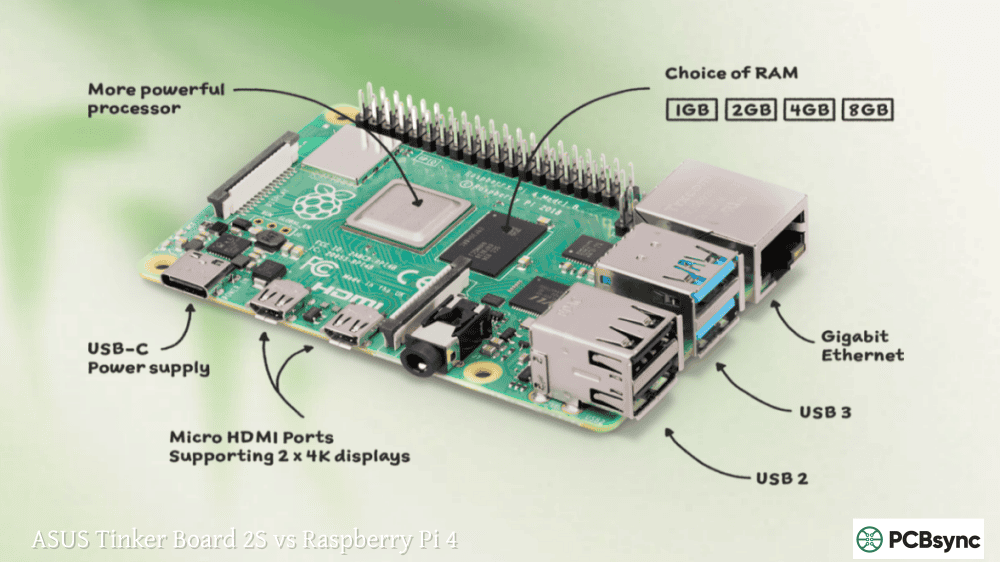
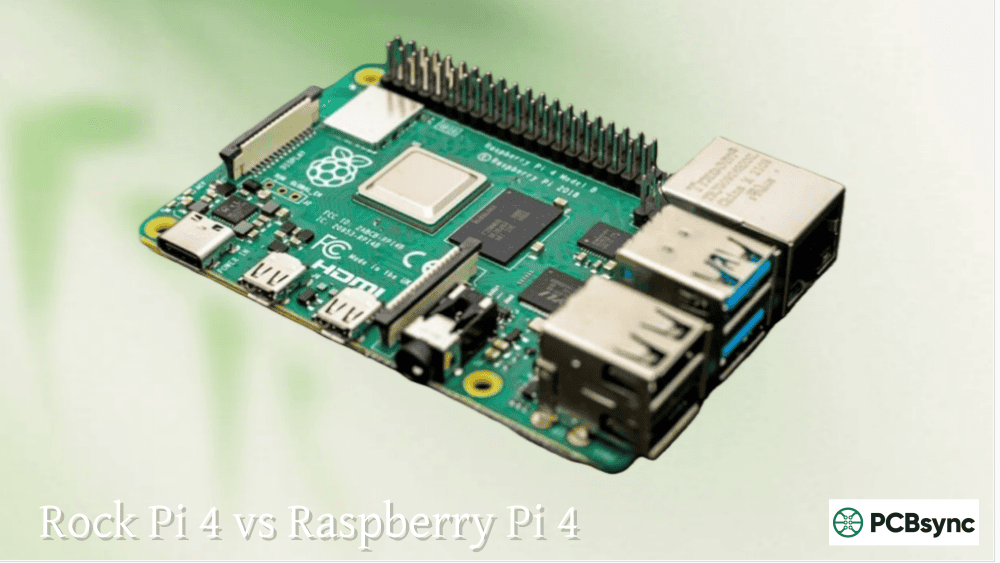
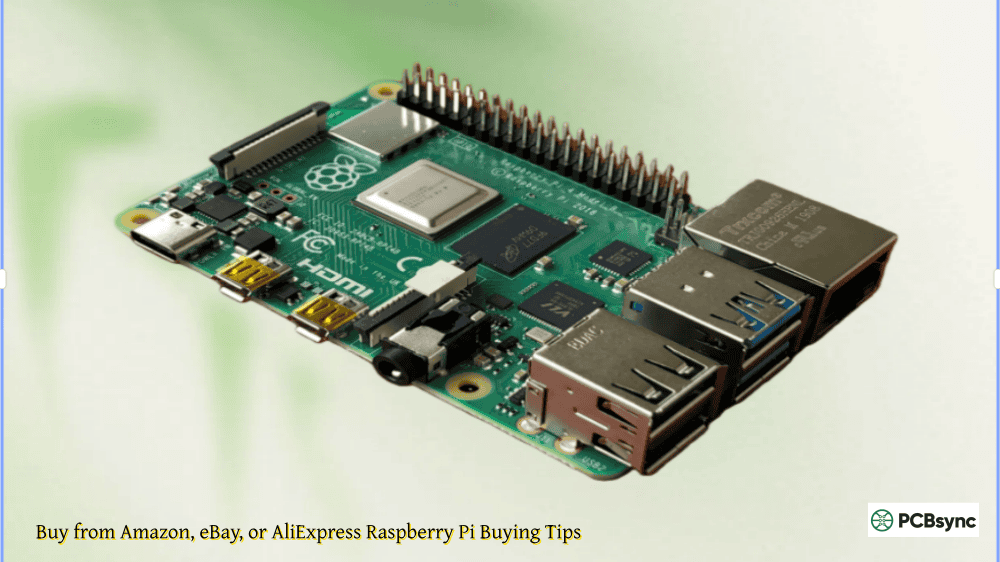
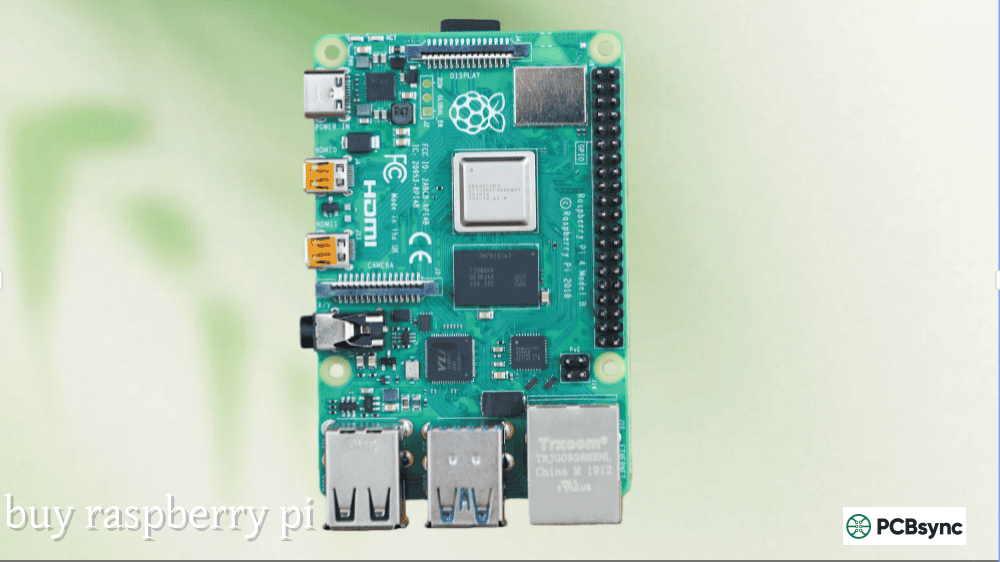
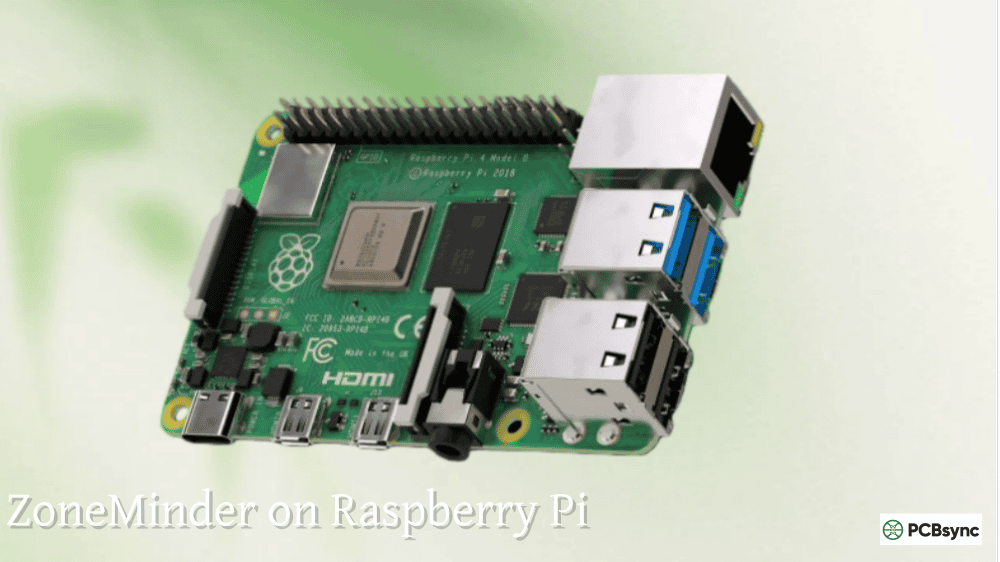
The Raspberry Pi 4 and newer models pack serious computing power into a small form factor.
Specification
Raspberry Pi 4
Raspberry Pi 5
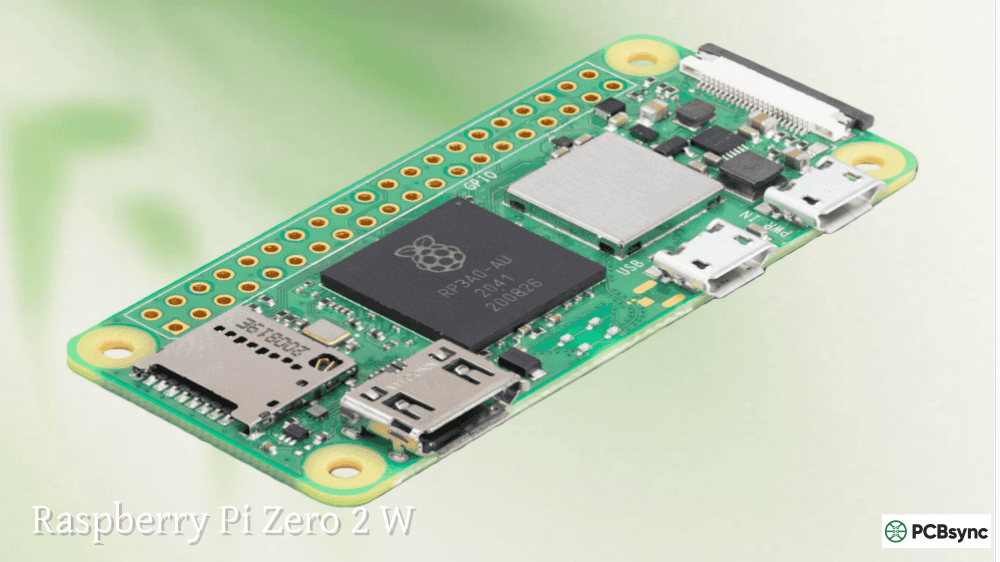
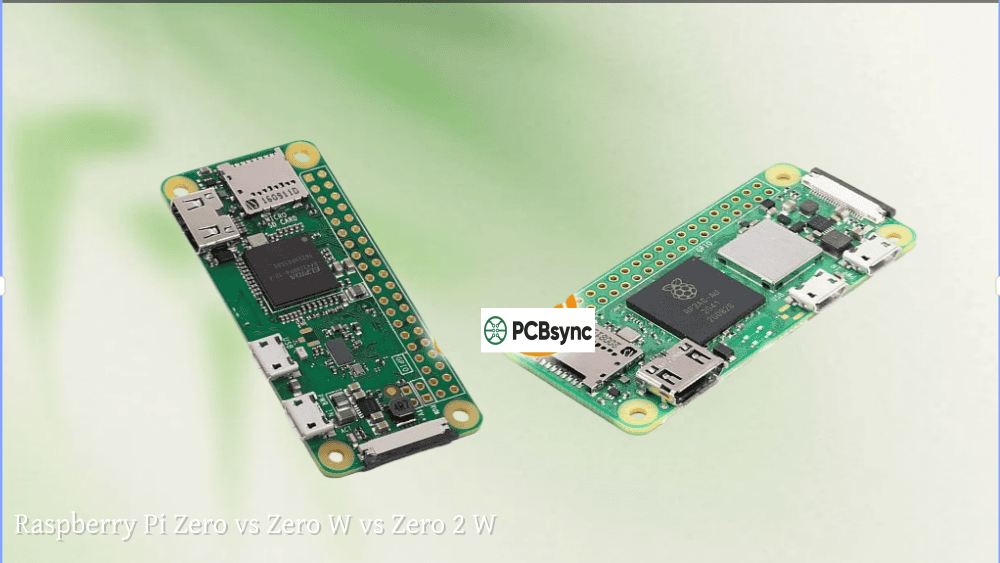
Raspberry Pi Zero 2 W
CPU
Quad-core Cortex-A72 @ 1.5GHz
Quad-core Cortex-A76 @ 2.4GHz
Quad-core Cortex-A53 @ 1GHz
RAM
2/4/8 GB
4/8 GB
512 MB
Storage
microSD / USB
microSD / USB / NVMe
microSD
Wi-Fi
802.11ac dual-band
802.11ac dual-band
802.11 b/g/n
Bluetooth
BLE 5.0
BLE 5.0
BLE 4.2
USB ports
2x USB 3.0, 2x USB 2.0
2x USB 3.0, 2x USB 2.0
1x micro USB
Video output
Dual micro HDMI
Dual micro HDMI
Mini HDMI
Price range
$35-75
$60-80
$15
The Pi Zero 2 W deserves special attention for IoT applications. At $15, it offers quad-core processing with built-in wireless—bridging the gap between microcontrollers and full-sized Pi boards.
Power Consumption: Critical for IoT Deployment
Power consumption often determines whether a project is viable for battery or solar-powered deployment. This is where the ESP32 Raspberry Pi comparison becomes stark.
ESP32 Power Characteristics
The ESP32 was designed from the ground up for low-power IoT applications. It supports multiple power modes that let you trade performance for battery life.
Power Mode
Current Draw
Wake-up Time
Use Case
Active (Wi-Fi TX)
160-260 mA
N/A
Data transmission
Active (CPU only)
20-68 mA
N/A
Processing
Modem sleep
3-20 mA
Instant
Waiting for data
Light sleep
0.8 mA
~1 ms
Periodic wake
Deep sleep
10-150 µA
~5 ms
Long intervals
Hibernation
2.5 µA
~5 ms
RTC wake only
A well-designed ESP32 sensor node can run for 12-24 months on AA batteries by spending most of its time in deep sleep and waking periodically to transmit data.
Raspberry Pi Power Characteristics
The Raspberry Pi, being a full computer, requires substantially more power.
Model
Idle
Typical Load
Maximum
Raspberry Pi 4 (4GB)
600 mA
1000 mA
1250 mA
Raspberry Pi 5
800 mA
1200 mA
2000 mA
Raspberry Pi Zero 2 W
100 mA
200 mA
400 mA
Even the efficient Pi Zero 2 W draws 100mA at idle—that’s 10,000 times more than an ESP32 in deep sleep. For always-on, mains-powered applications this doesn’t matter. For battery-powered deployments, it’s often a dealbreaker.
Connectivity Options for IoT Applications
Both platforms offer wireless connectivity, but the implementation details differ significantly.
Built-in Wireless Capabilities
Feature
ESP32
Raspberry Pi 4/5
Wi-Fi standard
802.11 b/g/n (2.4GHz)
802.11ac (2.4GHz + 5GHz)
Bluetooth
Classic + BLE
BLE only
ESP-NOW
Yes (proprietary mesh)
No
External antenna option
Many variants available
Limited options
Simultaneous Wi-Fi + BLE
Yes
Yes
The ESP32’s support for Bluetooth Classic is valuable for audio streaming applications. Its proprietary ESP-NOW protocol enables low-latency, low-power device-to-device communication without Wi-Fi infrastructure—useful for sensor networks and remote controls.
Expandable Connectivity
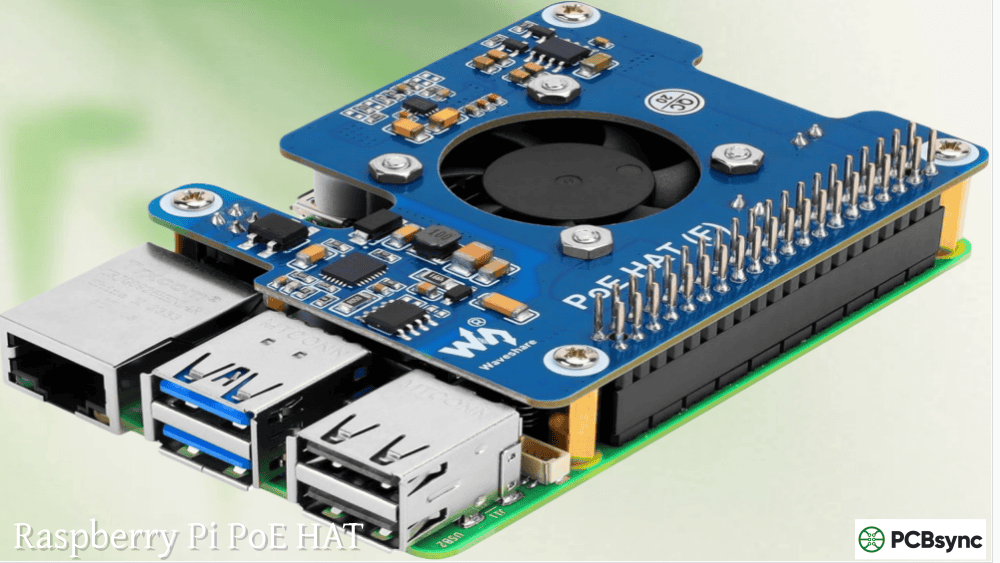
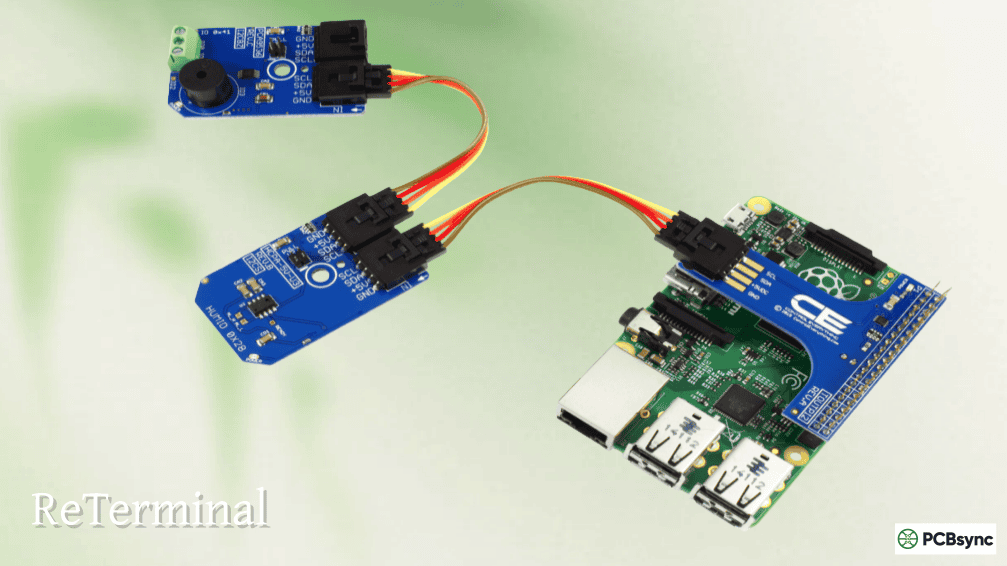
The Raspberry Pi’s USB ports and HAT (Hardware Attached on Top) ecosystem enable connectivity options that would require significant additional circuitry on an ESP32:
Ethernet (built-in on Pi 4/5, or via USB adapter)
Cellular modems (4G/5G via USB)
LoRa modules
Zigbee/Z-Wave coordinators
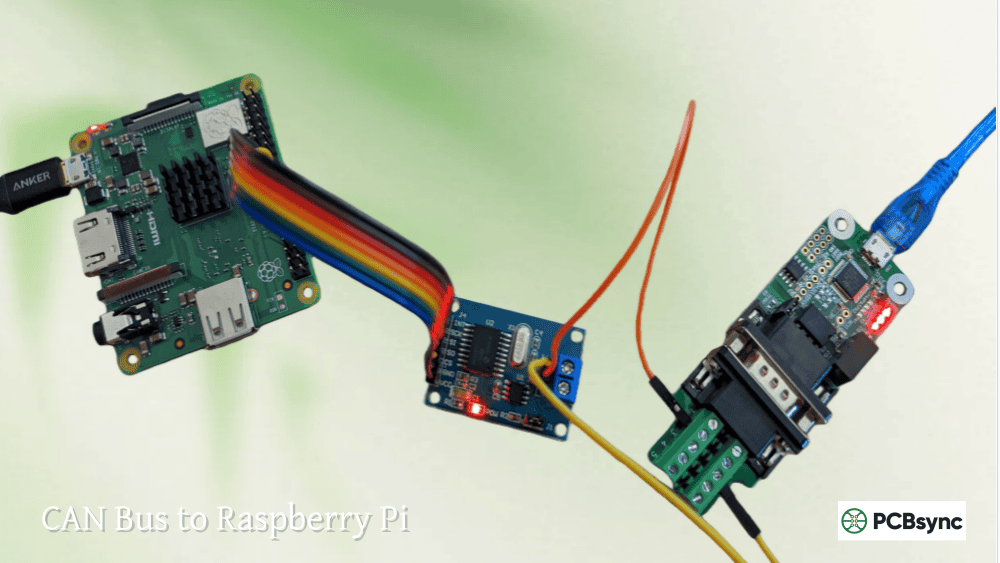
CAN bus interfaces
Real-Time Performance and Sensor Integration
IoT devices often need to respond to events with precise timing. This is where the microcontroller architecture shines.
ESP32 Real-Time Advantages
The ESP32 provides direct GPIO access with deterministic timing. When a sensor triggers an interrupt, your code executes within microseconds. There’s no operating system scheduler deciding when your process gets CPU time.
Key real-time features include:
Hardware PWM with nanosecond resolution
Two built-in 12-bit ADCs with configurable sampling rates
I2S for high-fidelity audio input/output
RMT (Remote Control Transceiver) for precise timing protocols
Dedicated ULP (Ultra-Low Power) coprocessor for background monitoring
Raspberry Pi Real-Time Limitations
Linux is not a real-time operating system. While you can interface with sensors via the GPIO pins, timing is not guaranteed. The kernel might pause your process to handle network packets, update the display, or run a background service.
For many IoT applications, this doesn’t matter. Reading a temperature sensor every few seconds doesn’t require microsecond precision. But for applications like motor control, audio processing, or high-speed data acquisition, the Pi’s timing jitter becomes problematic.
Workarounds exist—you can run a real-time kernel patch or offload timing-critical tasks to a Pico or Arduino connected via USB—but these add complexity.
Development Environment and Programming
Your development experience will differ substantially between these platforms.
ESP32 Development Options
Framework
Language
Best For
ESP-IDF
C/C++
Production firmware, full feature access
Arduino
C++
Rapid prototyping, library ecosystem
MicroPython
Python
Education, quick scripts
PlatformIO
C/C++
Professional development workflow
ESPHome
YAML
Home automation integration
The Arduino framework makes ESP32 development accessible to beginners while ESP-IDF provides full control for production applications. The learning curve is steeper than Raspberry Pi development, but you gain precise control over every aspect of the hardware.
Raspberry Pi Development Options
The Raspberry Pi runs standard Linux, which means you can use virtually any programming language and development tool. Most developers use Python due to the excellent GPIO libraries and rapid development cycle.
Approach
Best For
Python + RPi.GPIO
General GPIO projects
Python + gpiozero
Beginner-friendly interface
Node-RED
Visual flow-based IoT programming
C/C++ + WiringPi
Performance-critical applications
Docker containers
Microservices architecture
The ability to SSH into a Pi, edit code with vim or VS Code, and run standard Linux tools is incredibly productive for certain workflows.
IoT Comparison: Choosing the Right Platform
Based on hundreds of real-world projects, here’s when to choose each platform.
Choose ESP32 When You Need
Battery-powered operation: If your device needs to run on batteries for weeks or months, the ESP32’s sleep modes are essential.
Cost-sensitive mass production: At $3-6 per unit, ESP32 modules enable affordable product deployments. A project requiring 100 sensor nodes would cost $300-600 in ESP32s versus $3,500+ in Raspberry Pis.
Real-time sensor response: Applications requiring precise timing—motor control, audio processing, high-speed data logging—benefit from direct hardware access.
Simple, focused functionality: Devices that perform one task well (smart plugs, environmental sensors, remote controls) don’t need a full operating system.
Compact form factor: The ESP32 module measures roughly 25x18mm. It fits places a Raspberry Pi cannot.
Choose Raspberry Pi When You Need
Complex data processing: Machine learning inference, computer vision, video encoding—tasks that benefit from gigabytes of RAM and multi-core processing.
Rich user interfaces: Projects requiring HDMI displays, USB peripherals, or graphical interfaces.
Standard software stacks: Running Node.js servers, Python web frameworks, databases, or Docker containers.
Rapid prototyping: When development speed matters more than power efficiency, the Pi’s familiar Linux environment accelerates iteration.
Gateway/hub functionality: Aggregating data from multiple sensors, protocol translation, or serving as a local server.
Can ESP32 and Raspberry Pi work together in the same project?
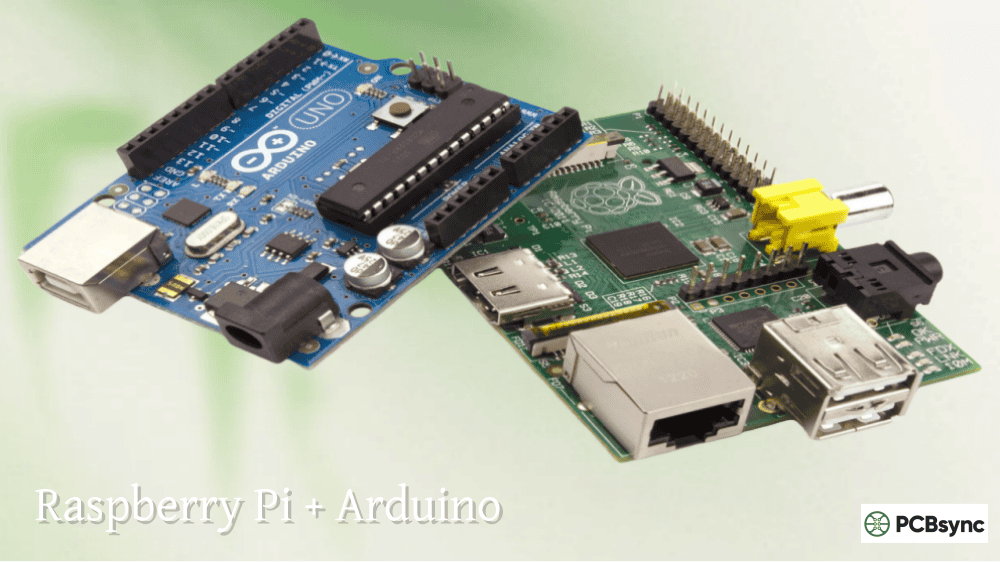
Absolutely. A common architecture uses ESP32 modules as low-power sensor nodes that communicate with a Raspberry Pi gateway. The ESP32s handle data collection in remote or battery-powered locations, while the Pi aggregates data, runs analytics, and connects to cloud services. This hybrid approach leverages the strengths of both platforms.
Which platform is better for beginners learning IoT development?
For complete beginners, the Raspberry Pi offers a gentler learning curve because you can use familiar tools like Python and access a full desktop environment. However, if you’re specifically interested in embedded systems and want to understand how microcontrollers work, starting with ESP32 and Arduino teaches fundamental concepts that transfer to professional embedded development.
How do ESP32 and Raspberry Pi compare for commercial IoT products?
The ESP32 dominates commercial IoT products where cost, power consumption, and reliability matter. Many smart home devices, wearables, and industrial sensors use ESP32 or similar microcontrollers. The Raspberry Pi is more common in prototyping, one-off installations, and applications requiring complex software stacks. For mass production, the ESP32’s lower BOM cost and simpler supply chain (no SD cards, power supplies, or cases) make it more practical.
What about the Raspberry Pi Pico as an alternative to ESP32?
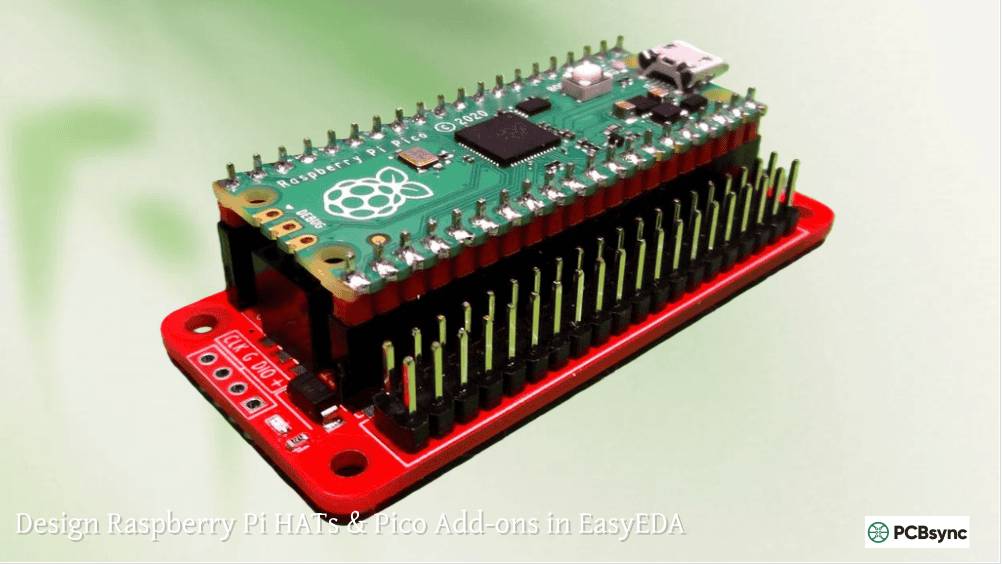
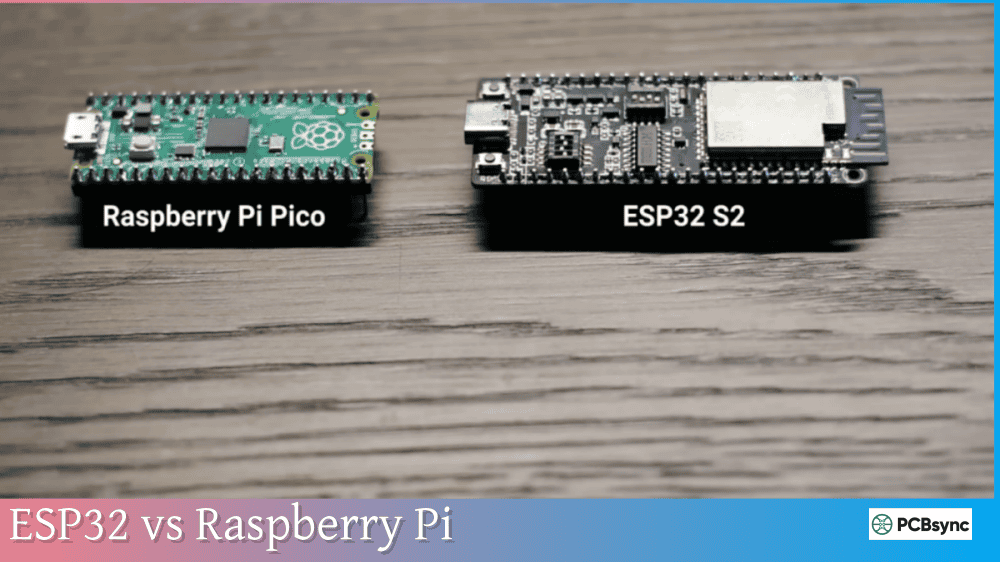
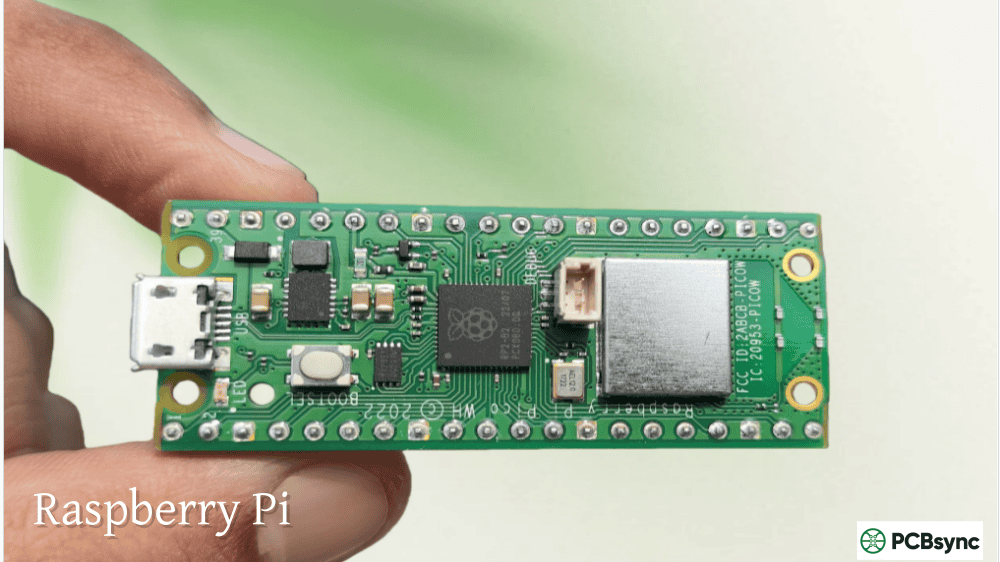
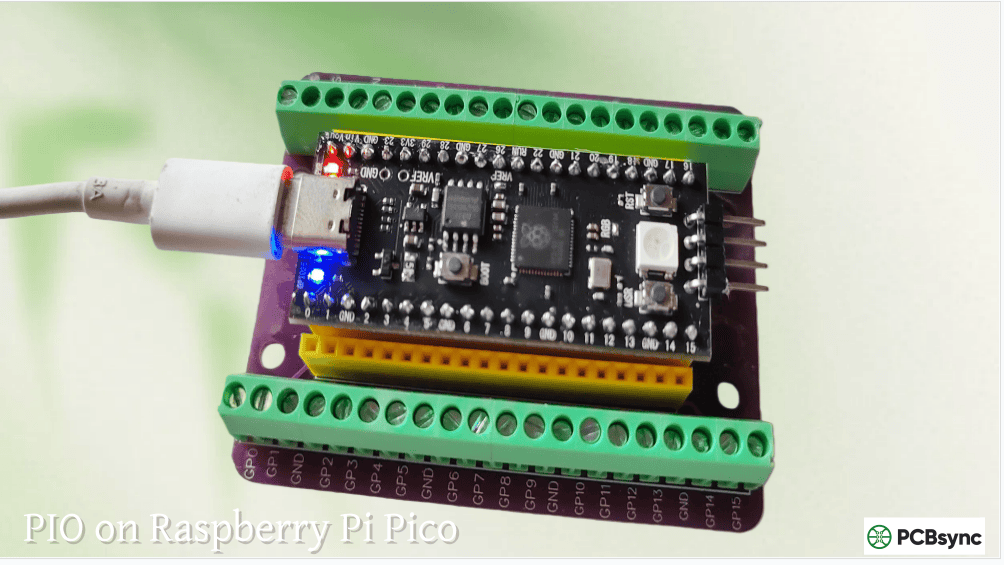
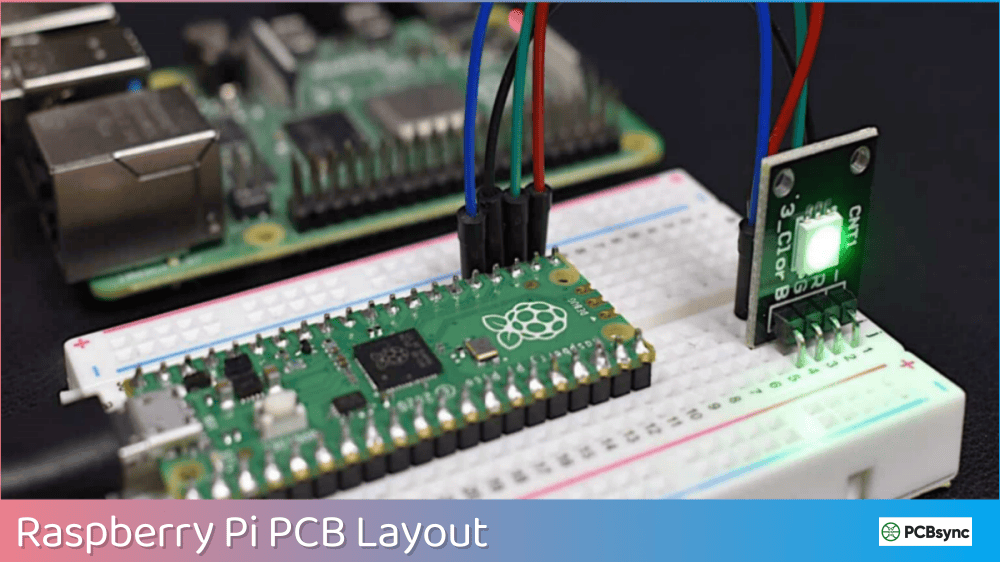
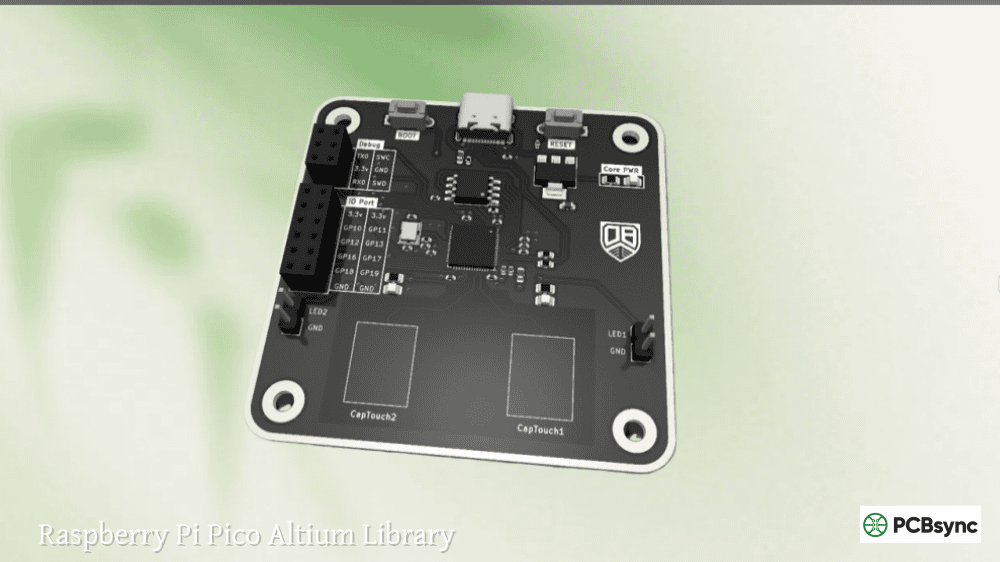
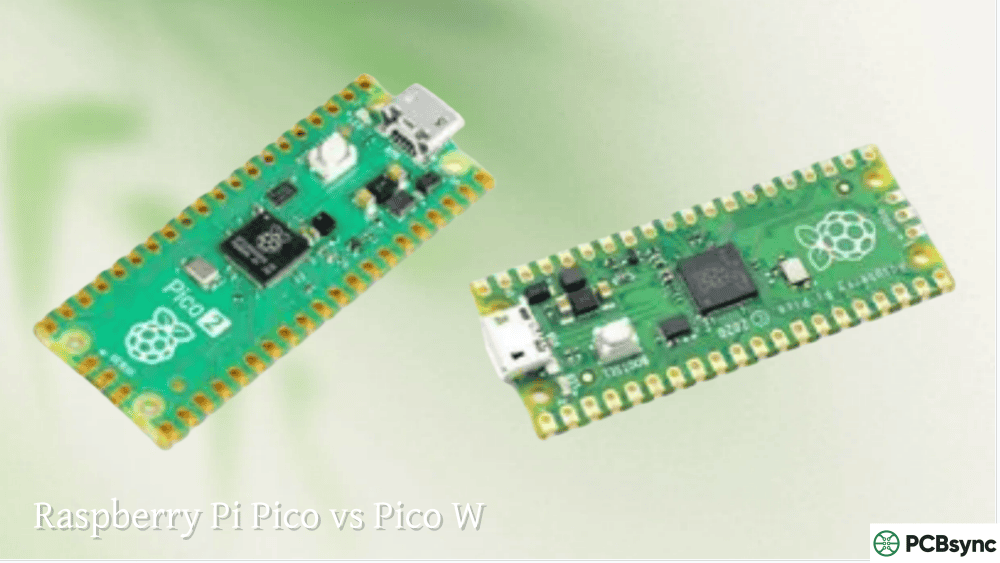
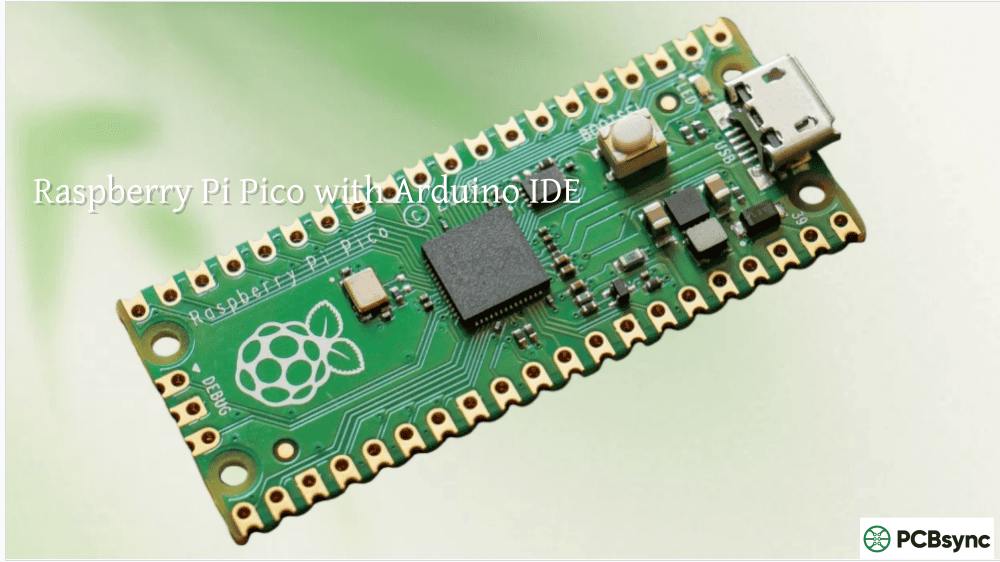
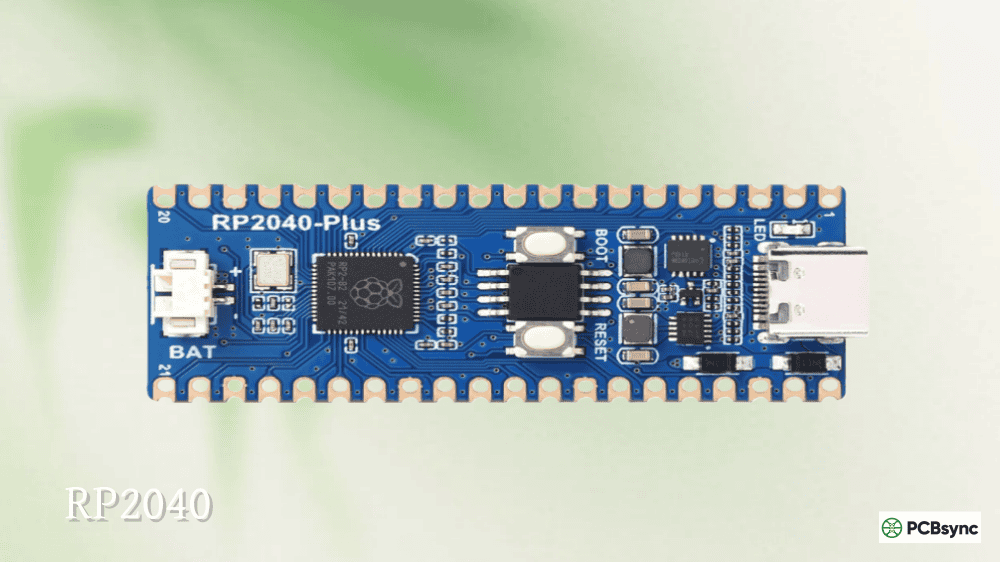
The Raspberry Pi Pico and Pico W are microcontrollers like the ESP32, not single-board computers like the Pi 4/5. The Pico W offers Wi-Fi at a lower price point than many ESP32 modules, with excellent documentation and the unique PIO (Programmable I/O) subsystem. However, the ESP32 ecosystem is more mature for IoT applications, with better Bluetooth support, more sleep mode options, and a larger library collection. Choose Pico W for projects emphasizing precise timing or educational contexts; choose ESP32 for typical IoT deployments.
How reliable are ESP32 and Raspberry Pi for long-term deployment?
Both platforms can run reliably for years with proper design. ESP32 devices, lacking an operating system and SD card, have fewer failure points—they’re essentially solid-state. Raspberry Pi deployments often fail due to SD card corruption from power loss or improper shutdown. Using read-only filesystem configurations, quality SD cards, and proper power management dramatically improves Pi reliability for unattended operation.
Making Your Decision
The ESP32 vs Raspberry Pi choice ultimately depends on your project requirements. If you need a battery-powered, cost-effective device that interfaces directly with sensors and communicates wirelessly, the ESP32 is almost certainly the right choice. If you need a full computing platform with extensive software capabilities, video output, and USB connectivity, the Raspberry Pi makes more sense.
Many successful IoT systems use both. The platforms complement each other rather than compete directly. Understanding their strengths and limitations lets you architect systems that leverage each platform’s advantages while avoiding their weaknesses.
Start with your requirements: power source, processing needs, connectivity requirements, form factor constraints, and budget. The right choice will become clear once you’ve honestly assessed what your project actually needs versus what might be nice to have.
Inquire: Call 0086-755-23203480, or reach out via the form below/your sales contact to discuss our design, manufacturing, and assembly capabilities.
Quote: Email your PCB files to Sales@pcbsync.com (Preferred for large files) or submit online. We will contact you promptly. Please ensure your email is correct.
Notes: For PCB fabrication, we require PCB design file in Gerber RS-274X format (most preferred), *.PCB/DDB (Protel, inform your program version) format or *.BRD (Eagle) format. For PCB assembly, we require PCB design file in above mentioned format, drilling file and BOM. Click to download BOM template To avoid file missing, please include all files into one folder and compress it into .zip or .rar format.