Inquire: Call 0086-755-23203480, or reach out via the form below/your sales contact to discuss our design, manufacturing, and assembly capabilities.
Quote: Email your PCB files to Sales@pcbsync.com (Preferred for large files) or submit online. We will contact you promptly. Please ensure your email is correct.
Notes: For PCB fabrication, we require PCB design file in Gerber RS-274X format (most preferred), *.PCB/DDB (Protel, inform your program version) format or *.BRD (Eagle) format. For PCB assembly, we require PCB design file in above mentioned format, drilling file and BOM. Click to download BOM template To avoid file missing, please include all files into one folder and compress it into .zip or .rar format.
Choosing the right home automation platform can feel overwhelming. After running both domoticz raspberry pi setups and Home Assistant installations across multiple projects, I’ve developed strong opinions about when each platform makes sense.
This home automation comparison breaks down the real differences between these two popular open-source platforms. Whether you’re building your first smart home or migrating from another system, understanding the trade-offs helps you make the right choice for your situation.
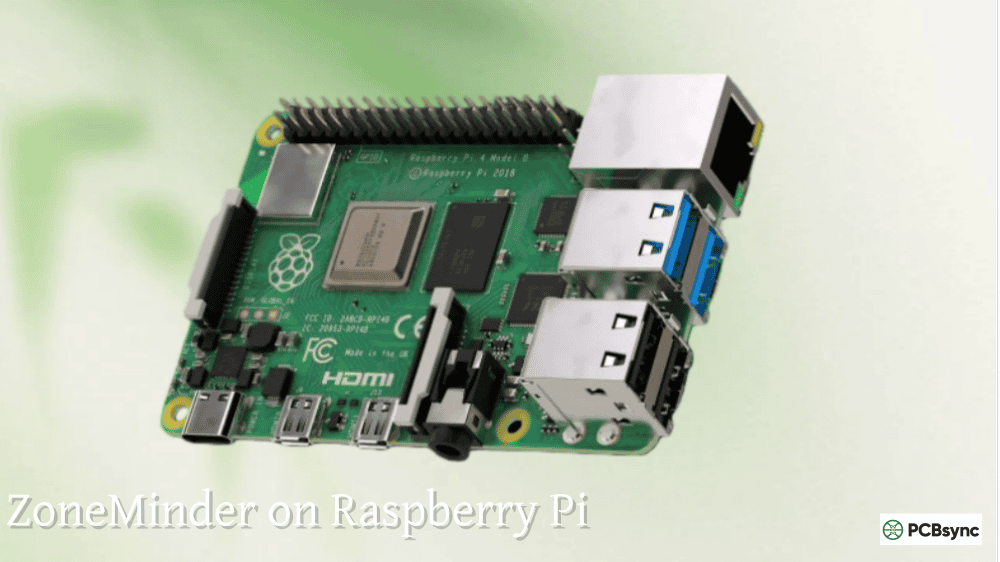
Both platforms run beautifully on a Raspberry Pi, making affordable home automation accessible to everyone. But the similarities end there.
Before diving into details, let’s understand what each platform brings to the table.
Domoticz at a Glance
Domoticz is a lightweight, open-source home automation system written in C++. First released in 2012, it focuses on simplicity and efficiency. The platform runs on minimal hardware—some users even run it on routers with just 64MB of RAM.
Attribute
Domoticz
First Release
2012
Language
C++
License
Open Source (GPLv3)
Primary Focus
Lightweight, stable
Default Port
8080
Home Assistant at a Glance
Home Assistant is a Python-based platform that started in 2013. It prioritizes local control and privacy while offering extensive integration capabilities. The platform has grown rapidly, becoming the most popular open-source home automation solution.
Attribute
Home Assistant
First Release
2013
Language
Python
License
Apache 2.0
Primary Focus
Integrations, flexibility
Default Port
8123
Head-to-Head Home Automation Comparison
Let’s compare these platforms across the factors that matter most.
Device Integrations
The number of supported devices often determines whether a platform works for your setup.
Platform
Official Integrations
Community Add-ons
Update Frequency
Home Assistant
2,500+
1,000+ (HACS)
Weekly
Domoticz
200+
100+ plugins
Monthly
Home Assistant dominates in sheer integration count. Its rapid development cycle means new devices get support quickly—often within days of release. The Home Assistant Community Store (HACS) adds another layer of community-contributed integrations.
Domoticz takes a different approach. While the integration count is lower, the existing integrations tend to be stable and well-tested. The slower development pace means fewer breaking changes between updates.
Protocol Support
Both platforms support major smart home protocols, though implementation varies.
Protocol
Domoticz
Home Assistant
Zigbee
Via Zigbee2MQTT
Native + Zigbee2MQTT
Z-Wave
Via ZwaveJS2MQTT
Native + ZwaveJS
MQTT
Excellent
Excellent
Matter
Limited
Full support
433MHz RF
Excellent
Via RFXCOM
1-Wire
Native GPIO support
Via add-ons
Domoticz shines with legacy protocols like 433MHz RF and direct GPIO access—particularly useful for domoticz raspberry pi installations. Home Assistant leads with newer standards like Matter and Thread.
User Interface
The interface is where opinions diverge sharply.
Aspect
Domoticz
Home Assistant
Design
Functional, dated
Modern, polished
Mobile App
Third-party
Official iOS/Android
Customization
Limited
Extensive (dashboards)
Learning Curve
Lower
Higher
Domoticz’s interface works well but looks dated compared to modern alternatives. Some users appreciate its straightforward design—everything is accessible without digging through menus. Others find it cluttered.
Home Assistant offers a modern, responsive interface with extensive customization through Lovelace dashboards. The official mobile apps provide native experiences that many users prefer. However, creating the perfect dashboard requires significant time investment.
Automation Capabilities
Automation is the heart of any smart home platform.
Domoticz Automation:
Blockly visual programming
Lua scripting
dzVents (event-based scripting)
Python scripts
Home Assistant Automation:
Visual automation editor
YAML configuration
Python scripts
Node-RED integration
Extensive templating
Feature
Domoticz
Home Assistant
Visual Editor
Blockly
Automation UI
Scripting Languages
Lua, Python, dzVents
YAML, Python
Triggers
Basic
Extensive
Conditions
Good
Excellent
Templates
Limited
Jinja2 (powerful)
Home Assistant provides more sophisticated automation options, including complex conditions, templates, and external service integration. You can trigger automations based on weather forecasts, calendar events, or even machine learning predictions.
Domoticz keeps automation simpler. The Blockly visual editor works well for basic scenarios, while dzVents offers more power for advanced users. Many find Domoticz’s approach easier to understand initially.
Installation and Setup on Raspberry Pi
Both platforms install easily on Raspberry Pi, though the processes differ.
Domoticz Raspberry Pi Installation
Domoticz installs with a single command on Raspberry Pi OS:
curl -sSL install.domoticz.com | sudo bash
The installation wizard walks through port configuration, HTTPS settings, and installation location.
Requirement
Domoticz
Minimum Pi
Pi 2 (Pi 3B+ recommended)
RAM
512MB minimum
Storage
4GB minimum
OS
Raspberry Pi OS Lite
Docker installation is also available and often recommended for easier updates and isolation.
Home Assistant Raspberry Pi Installation
Home Assistant offers multiple installation methods:
Method
Best For
Home Assistant OS
Dedicated Pi, easiest
Home Assistant Container
Existing Pi OS installation
Home Assistant Core
Advanced users
Home Assistant Supervised
Full features on existing OS
For a dedicated domoticz raspberry pi alternative, Home Assistant OS provides the smoothest experience. Flash the image using Raspberry Pi Imager, boot, and access the web interface.
Requirement
Home Assistant
Minimum Pi
Pi 3B+ (Pi 4 recommended)
RAM
2GB minimum (4GB recommended)
Storage
32GB minimum
OS
Home Assistant OS or Pi OS
Home Assistant requires more resources than Domoticz. While it runs on a Pi 3B+, performance improves significantly on Pi 4 or Pi 5.
Resource Usage and Performance
If you’re running on older hardware, resource consumption matters.
Metric
Domoticz
Home Assistant
RAM Usage (idle)
~50-100MB
~300-500MB
CPU Usage (idle)
~1-2%
~5-10%
Startup Time
~10-20 seconds
~2-5 minutes
Storage (base)
~200MB
~2GB
Domoticz’s C++ architecture delivers exceptional efficiency. Users have reported running it on devices with just 64MB RAM—impossible with Home Assistant. For resource-constrained domoticz raspberry pi setups, this efficiency matters.
Home Assistant’s Python foundation requires more resources but provides greater flexibility. On a modern Pi 4 or Pi 5, the performance difference becomes negligible for typical home use.
Both platforms benefit from active communities, though they differ in size and character.
Aspect
Domoticz
Home Assistant
Forum Activity
Moderate
Very High
GitHub Stars
~3,400
~73,000+
Documentation
Good
Excellent
Video Tutorials
Limited
Extensive
Commercial Support
No
Nabu Casa ($6.50/mo)
Home Assistant’s community dwarfs Domoticz by almost every metric. Finding tutorials, troubleshooting help, and integration guides is significantly easier. The paid Nabu Casa subscription provides cloud access and voice assistant integration while supporting development.
Domoticz’s smaller community is notably helpful and experienced. Forum responses often come from long-time users who’ve solved similar problems. The documentation covers essential topics well, though less comprehensively than Home Assistant’s.
When to Choose Domoticz
Domoticz makes sense for specific scenarios:
Scenario
Why Domoticz
Limited hardware
Runs on minimal resources
433MHz/RF devices
Excellent native support
Stability priority
Slower, more stable releases
Simple requirements
Less complexity to manage
Existing Lua skills
Native scripting support
Direct GPIO access
Better Pi hardware integration
If you value stability over cutting-edge features, Domoticz delivers. The platform changes slowly, meaning automations that work today will likely work unchanged for years.
When to Choose Home Assistant
Home Assistant excels in different scenarios:
Scenario
Why Home Assistant
Many integrations needed
2,500+ official integrations
Modern interface
Polished, responsive UI
Complex automations
Powerful scripting and templates
Voice assistant integration
Excellent Alexa/Google support
Active development
Weekly updates, new features
Strong community
Extensive tutorials and support
If you want the latest smart home features and don’t mind occasional updates, Home Assistant provides the richest experience.
Useful Resources
Domoticz Resources
Resource
URL
Official Website
domoticz.com
Documentation Wiki
wiki.domoticz.com
Forum
forum.domoticz.com
GitHub
github.com/domoticz/domoticz
Docker Image
hub.docker.com/r/domoticz/domoticz
Home Assistant Resources
Resource
URL
Official Website
home-assistant.io
Documentation
home-assistant.io/docs
Community Forum
community.home-assistant.io
GitHub
github.com/home-assistant
HACS
hacs.xyz
Nabu Casa
nabucasa.com
Frequently Asked Questions
Can I migrate from Domoticz to Home Assistant?
Yes, migration is possible but not automatic. Home Assistant has a Domoticz integration that can read devices from an existing Domoticz installation, allowing gradual migration. You’ll need to recreate automations manually, as the scripting languages differ completely. Many users run both systems simultaneously during transition.
Which platform is better for beginners?
For absolute beginners, Home Assistant offers a smoother experience despite its complexity. The modern interface, extensive documentation, and YouTube tutorials make learning easier. Domoticz is simpler once you understand it, but the dated interface and smaller community can make initial setup more challenging.
Does Domoticz work with Alexa and Google Home?
Yes, but with limitations. Domoticz lacks official voice assistant integrations. Users typically bridge through services like MQTT, Home Assistant, or custom solutions. Home Assistant provides native, well-maintained integrations with both Alexa and Google Home, making voice control significantly easier to implement.
Which platform is more stable?
Domoticz prioritizes stability over features. Updates are less frequent, and breaking changes are rare. Home Assistant updates weekly, occasionally introducing bugs or breaking existing automations. For critical home systems (security, heating), Domoticz’s stability appeals to many users. Home Assistant users can mitigate risk by waiting before updating.
Can both platforms run on the same Raspberry Pi?
Technically yes, using Docker containers. However, this isn’t recommended for typical use. Each platform works best with dedicated resources. If you want to evaluate both, run them on separate Pi units or use virtual machines. Some advanced users run Home Assistant as primary with Domoticz handling specific protocols like 433MHz RF.
Final Verdict
This home automation comparison reveals two genuinely different philosophies rather than a clear winner.
Choose Domoticz if:
Resource efficiency matters (older Pi models, limited RAM)
You use 433MHz RF or legacy protocols extensively
Stability trumps features in your priorities
Your automation needs are straightforward
You prefer a slower, more predictable update cycle
Choose Home Assistant if:
You need broad device compatibility
Modern interface and mobile apps matter
Complex automations are planned
Community support and tutorials help your learning style
You want voice assistant integration
For most new smart home builders in 2026, Home Assistant provides a more complete package. The ecosystem, community, and ongoing development make it the safer long-term choice.
However, Domoticz remains excellent for specific use cases—particularly resource-constrained domoticz raspberry pi installations or users prioritizing stability. The platform continues active development and serves its community well.
The best platform is the one that meets your specific needs. Both are free to try, so consider testing each before committing your smart home infrastructure.
Inquire: Call 0086-755-23203480, or reach out via the form below/your sales contact to discuss our design, manufacturing, and assembly capabilities.
Quote: Email your PCB files to Sales@pcbsync.com (Preferred for large files) or submit online. We will contact you promptly. Please ensure your email is correct.
Notes: For PCB fabrication, we require PCB design file in Gerber RS-274X format (most preferred), *.PCB/DDB (Protel, inform your program version) format or *.BRD (Eagle) format. For PCB assembly, we require PCB design file in above mentioned format, drilling file and BOM. Click to download BOM template To avoid file missing, please include all files into one folder and compress it into .zip or .rar format.