Inquire: Call 0086-755-23203480, or reach out via the form below/your sales contact to discuss our design, manufacturing, and assembly capabilities.
Quote: Email your PCB files to Sales@pcbsync.com (Preferred for large files) or submit online. We will contact you promptly. Please ensure your email is correct.
Notes: For PCB fabrication, we require PCB design file in Gerber RS-274X format (most preferred), *.PCB/DDB (Protel, inform your program version) format or *.BRD (Eagle) format. For PCB assembly, we require PCB design file in above mentioned format, drilling file and BOM. Click to download BOM template To avoid file missing, please include all files into one folder and compress it into .zip or .rar format.
Docker on Raspberry Pi: Complete Container Setup Guide
Running docker raspberry pi setups has transformed how I deploy applications across industrial monitoring systems and home lab environments. After years of manually configuring services, managing dependencies, and troubleshooting version conflicts, containers eliminated entire categories of problems from my workflow.
This guide walks through installing Docker, understanding essential commands, deploying your first containers, and managing raspberry pi containers with Portainer’s web interface. Whether you’re hosting a home media server, running IoT applications, or building a development environment, Docker simplifies everything.
Docker packages applications with all their dependencies into self-contained units called containers. Unlike virtual machines, containers share the host operating system’s kernel, making them remarkably lightweight. This efficiency matters enormously on resource-constrained devices like the Raspberry Pi.
Benefits of Containerization on Pi
The traditional method of installing applications directly on your Pi works fine until you need multiple services with conflicting dependencies. Python 3.8 for one application, Python 3.11 for another, different library versions, incompatible configurations. The mess compounds over time.
Containers isolate each application completely. Every container includes exactly what it needs, nothing more. Updating one service cannot break another. Rolling back failed updates takes seconds instead of hours. Migrating entire application stacks to new hardware becomes a simple file copy operation.
Traditional Installation
Docker Containers
Dependencies conflict between applications
Each container has isolated dependencies
Updates can break existing services
Containers remain independent
Difficult to replicate across devices
Identical deployment everywhere
Complex backup and restore
Simple volume backup
Manual service configuration
Predefined configurations in images
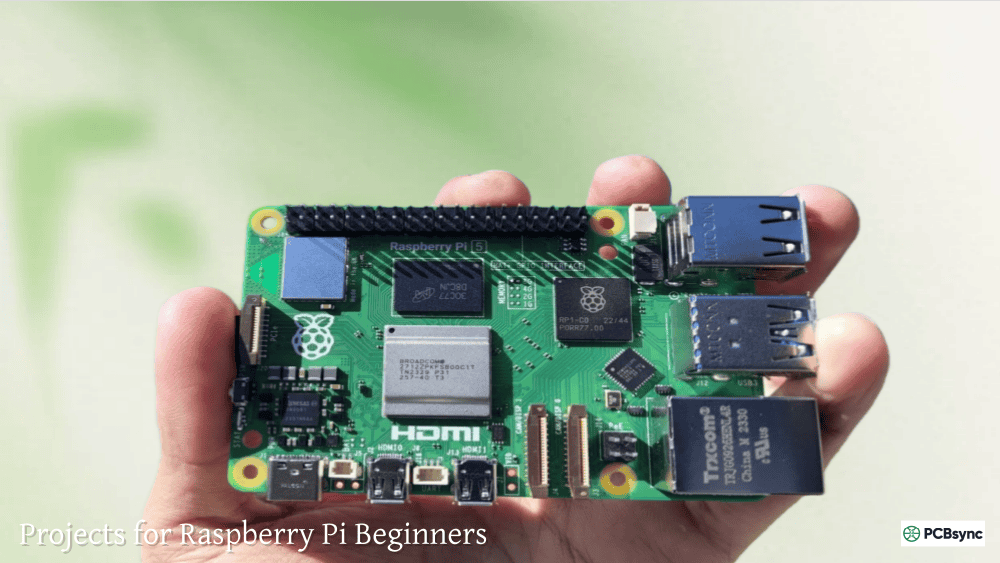
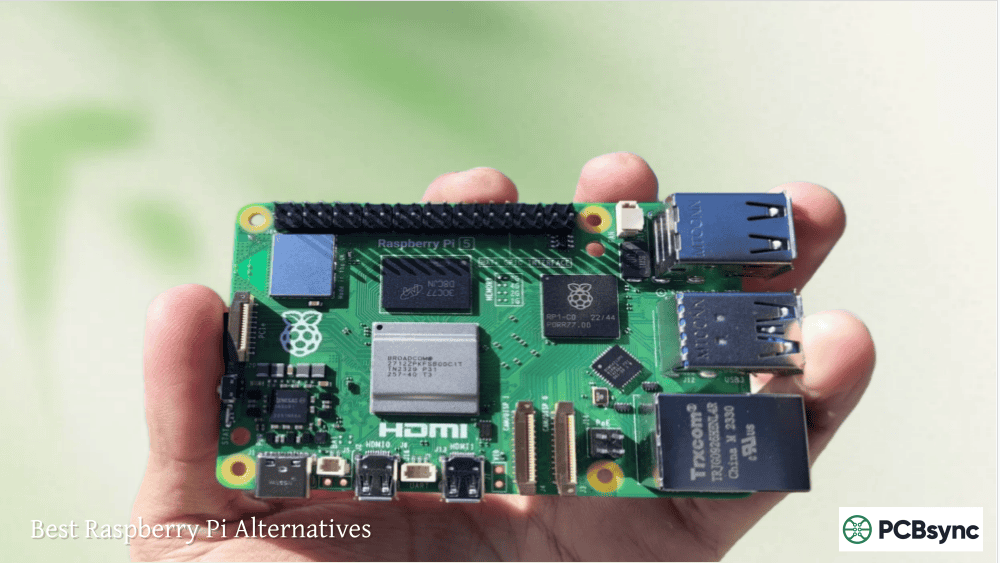
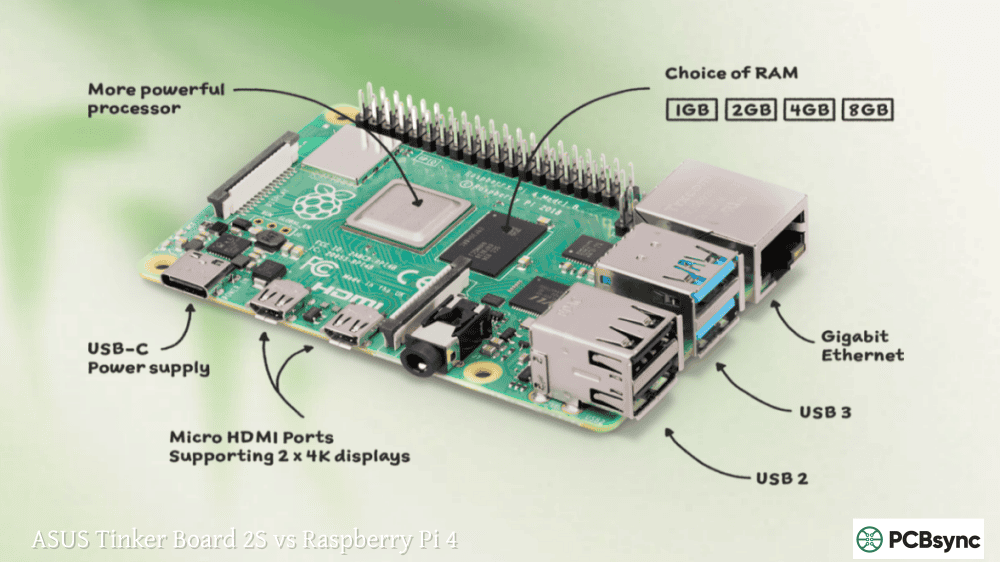
Raspberry Pi Model Recommendations
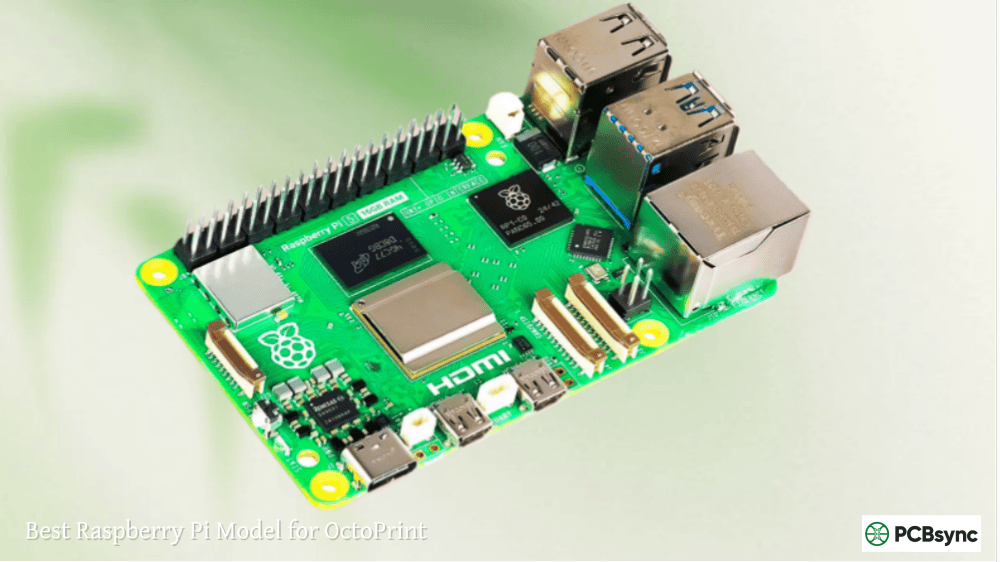
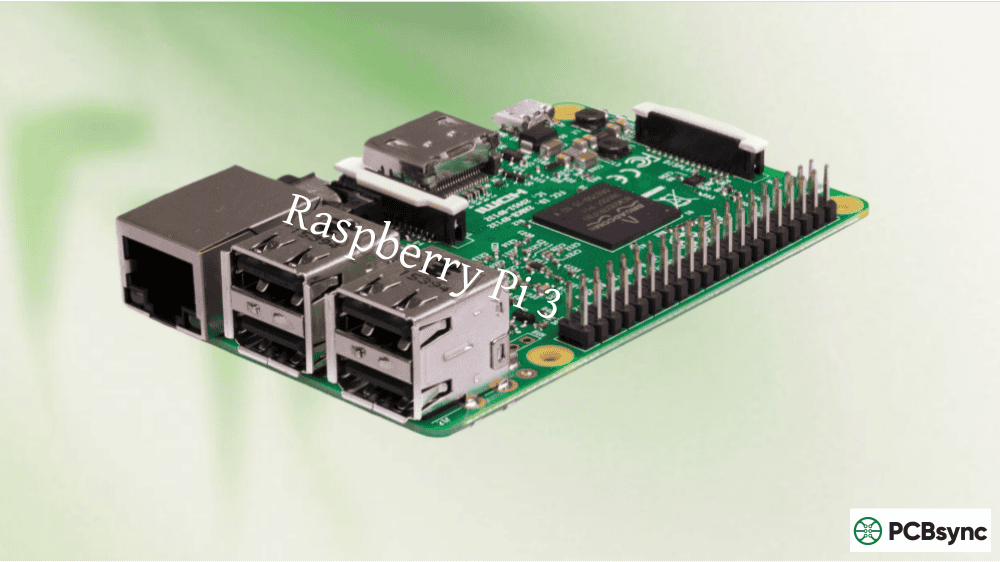
Not all Pi models handle Docker equally well. The additional overhead of containerization requires adequate resources:
Model
RAM
Docker Suitability
Notes
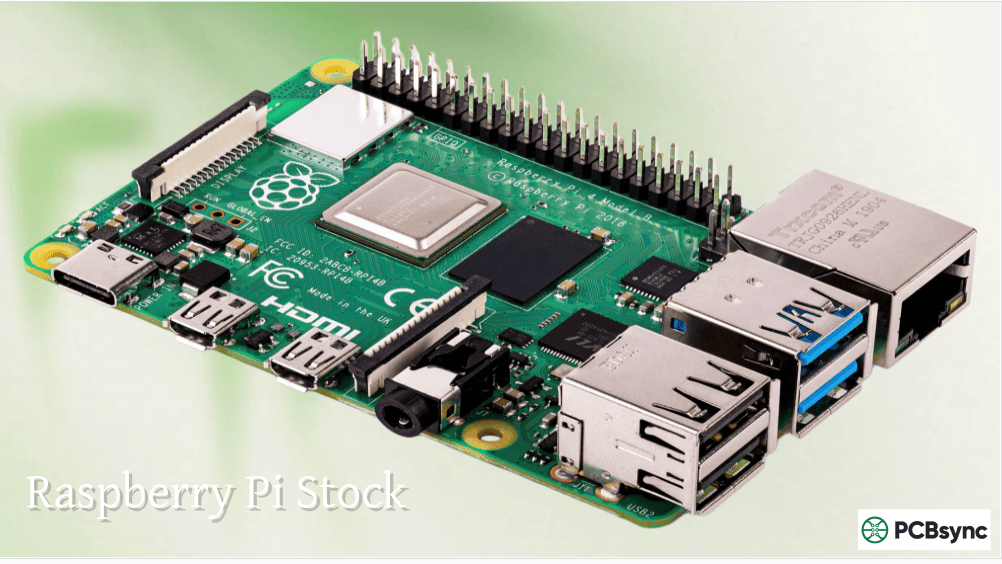
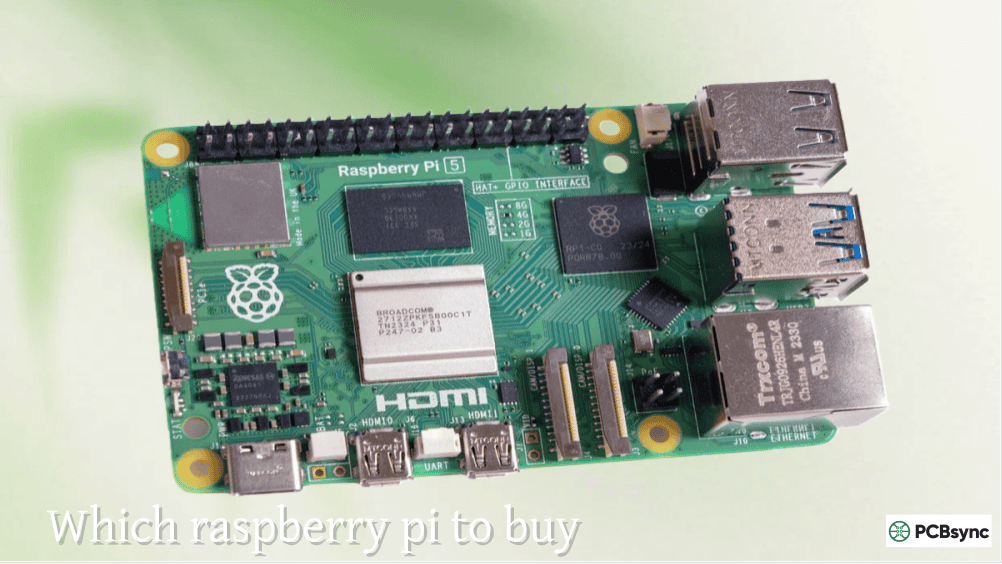
Pi 5
4-8GB
Excellent
Best performance, recommended
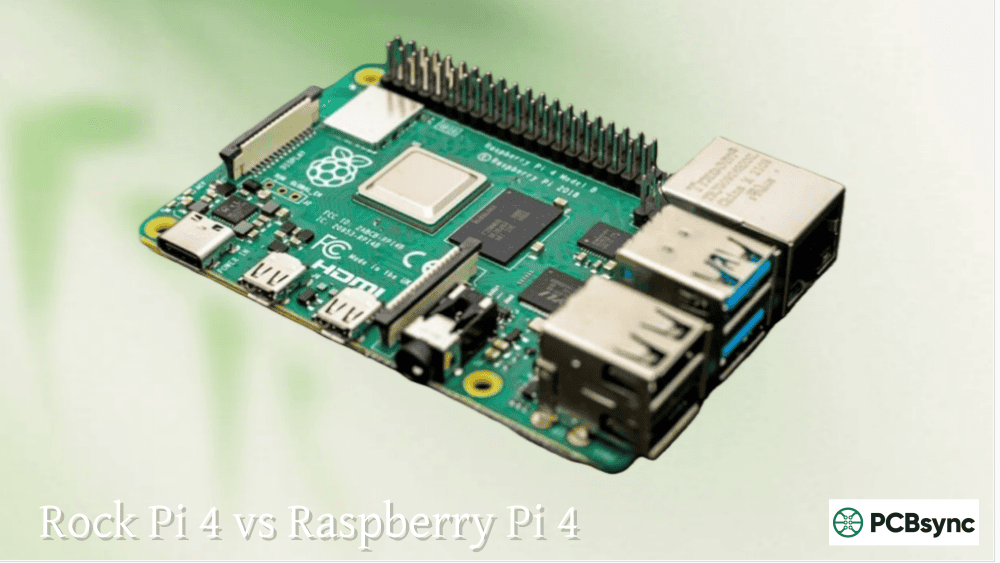
Pi 4
2-8GB
Very Good
4GB minimum recommended
Pi 3B+
1GB
Limited
Runs few lightweight containers
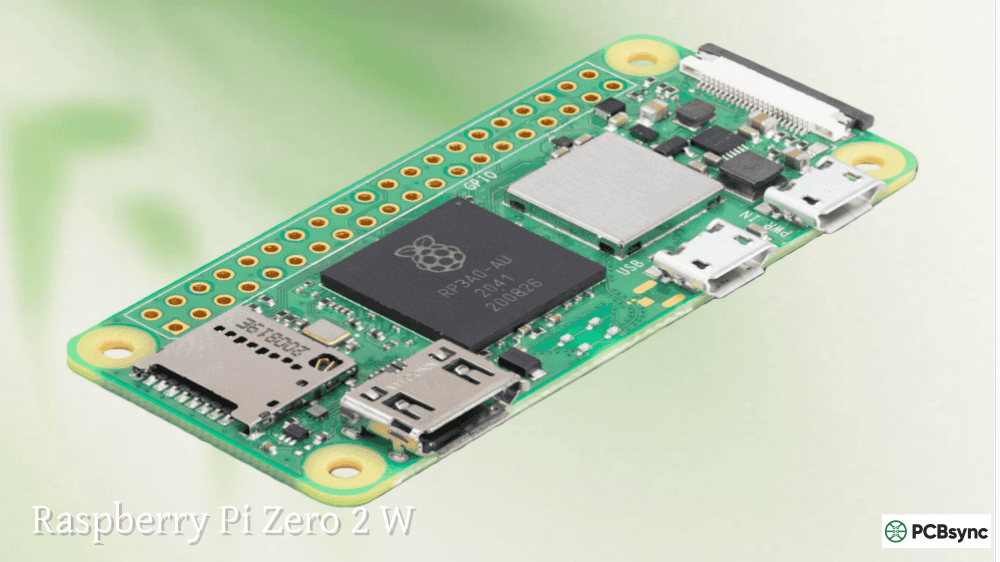
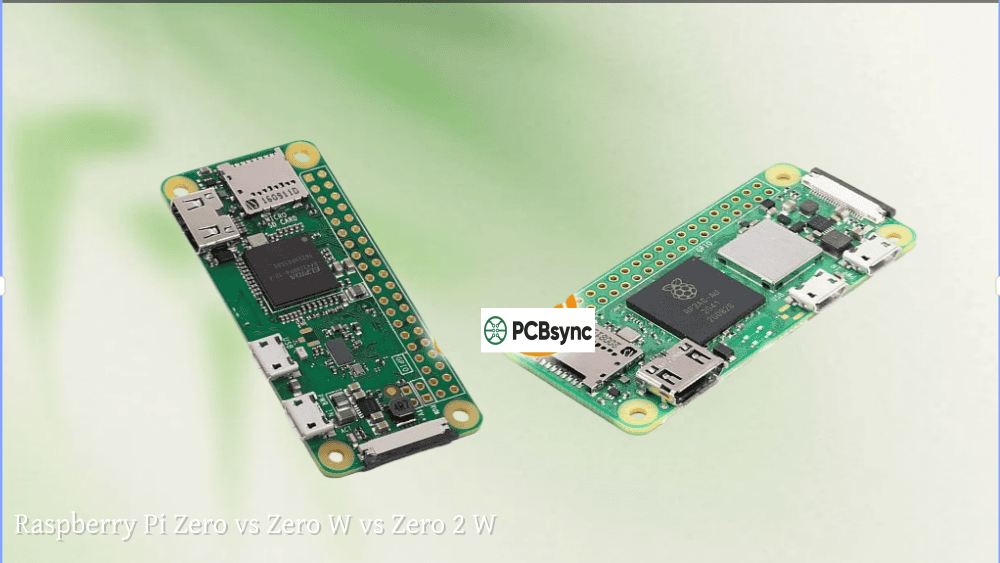
Pi Zero 2 W
512MB
Marginal
Only single small containers
Pi Zero/1
512MB
Not Supported
ARMv6 incompatible
For serious container workloads, the Raspberry Pi 4 with 4GB RAM or Pi 5 with 4-8GB provides the best experience. The extra memory allows running multiple containers simultaneously without swap thrashing.
Prerequisites and Preparation
Before installing Docker, ensure your system is properly configured.
System Requirements
Your Raspberry Pi needs 64-bit Raspberry Pi OS for optimal Docker compatibility. While 32-bit installations work, 64-bit provides better performance and broader image availability.
Update your system packages first:
sudo apt update
sudo apt upgrade -y
This ensures you have the latest security patches and package lists before adding Docker repositories.
Storage Considerations
Docker images and containers consume significant storage. The default microSD card fills quickly with multiple containers. Consider these storage strategies:
Storage Type
Capacity
Docker Use Case
microSD
32GB
Testing only
microSD
64GB+
Light usage, few containers
USB SSD
128GB+
Recommended for production
NVMe (Pi 5)
256GB+
Best performance
For production deployments, moving Docker’s storage directory to an external SSD dramatically improves performance and extends microSD lifespan.
Installing Docker on Raspberry Pi
Docker provides an official convenience script that handles installation automatically. This method works across all supported Raspberry Pi OS versions.
Quick Installation Method
Download and execute the official Docker installation script:
The script automatically detects your architecture (ARM64 or ARM32), configures repositories, installs dependencies, and sets up Docker Engine. Installation typically completes within 2-3 minutes.
Post-Installation Configuration
Add your user to the Docker group to run commands without sudo:
sudo usermod -aG docker $USER
Log out and back in (or reboot) for group membership to take effect:
sudo reboot
Enable Docker to start automatically at boot:
sudo systemctl enable docker
Verifying the Installation
Confirm Docker installed correctly:
docker –version
docker run hello-world
The hello-world container downloads and runs, confirming Docker functions properly. You should see a confirmation message explaining how Docker processed the request.
Essential Docker Commands
Understanding core Docker commands enables effective container management from the command line.
Image Management Commands
Command
Description
Example
docker pull
Download image
docker pull nginx
docker images
List local images
docker images
docker rmi
Remove image
docker rmi nginx
docker search
Find images on Hub
docker search wordpress
Container Management Commands
Command
Description
Example
docker run
Create and start container
docker run -d nginx
docker ps
List running containers
docker ps
docker ps -a
List all containers
docker ps -a
docker stop
Stop container
docker stop container_id
docker start
Start stopped container
docker start container_id
docker rm
Remove container
docker rm container_id
docker logs
View container logs
docker logs container_id
docker exec
Run command in container
docker exec -it container_id bash
Common Run Options
The docker run command accepts numerous options:
docker run -d \
–name webserver \
-p 8080:80 \
-v /home/pi/website:/usr/share/nginx/html \
–restart unless-stopped \
nginx
This command creates a container named “webserver” from the nginx image, maps port 8080 on the host to port 80 in the container, mounts a local directory as the web content folder, configures automatic restart on failure, and runs detached in the background.
Understanding ARM Architecture Compatibility
Raspberry Pi uses ARM processors, not the x86/x64 architecture common in desktop computers. This distinction critically impacts which Docker images work on your Pi.
Finding Compatible Images
When browsing Docker Hub, filter for ARM-compatible images. Look for tags including arm64, arm, linux/arm64/v8, or explicit Raspberry Pi support.
Image Tag
Architecture
Pi Compatibility
latest
Often x86 only
Check before pulling
arm64
ARM 64-bit
Pi 3/4/5 (64-bit OS)
arm
ARM 32-bit
Pi 2/3/4 (32-bit OS)
linux/arm64/v8
ARM 64-bit
Pi 3/4/5 (64-bit OS)
Attempting to run x86 images produces “exec format error” messages. Always verify architecture compatibility before pulling images.
Popular ARM-Compatible Images
Many official images now include multi-architecture support:
Application
Image
Notes
Nginx
nginx:latest
Multi-arch
MariaDB
mariadb:latest
Multi-arch
PostgreSQL
postgres:latest
Multi-arch
Home Assistant
homeassistant/home-assistant
ARM native
Pi-hole
pihole/pihole
ARM optimized
Portainer
portainer/portainer-ce
Multi-arch
Node-RED
nodered/node-red
Multi-arch
Grafana
grafana/grafana
Multi-arch
Docker Compose for Multi-Container Applications
Docker Compose defines multi-container applications in YAML configuration files, simplifying deployment of complex service stacks.
Installing Docker Compose
Modern Docker installations include Compose as a plugin. Verify installation:
docker compose version
If not present, install the plugin:
sudo apt install docker-compose-plugin
Example Docker Compose File
Create a file named docker-compose.yml:
version: ‘3.8’
services:
web:
image: nginx:latest
ports:
– “80:80”
volumes:
– ./html:/usr/share/nginx/html
restart: unless-stopped
database:
image: mariadb:latest
environment:
MYSQL_ROOT_PASSWORD: secretpassword
MYSQL_DATABASE: myapp
volumes:
– db_data:/var/lib/mysql
restart: unless-stopped
volumes:
db_data:
Managing Compose Stacks
Start the entire stack:
docker compose up -d
Stop all services:
docker compose down
View logs from all containers:
docker compose logs -f
Compose handles container networking automatically, allowing services to communicate using their service names as hostnames.
Portainer provides a web-based interface for managing Docker containers, eliminating command-line complexity for routine operations.
Deploying Portainer
Create a volume for Portainer data persistence:
docker volume create portainer_data
Deploy the Portainer container:
docker run -d \
–name portainer \
–restart always \
-p 9443:9443 \
-p 9000:9000 \
-v /var/run/docker.sock:/var/run/docker.sock \
-v portainer_data:/data \
portainer/portainer-ce:latest
Accessing Portainer
Open a web browser and navigate to https://your-pi-ip:9443. Create an admin account when prompted (minimum 12 characters). Select “Get Started” to manage your local Docker environment.
Portainer’s dashboard displays running containers, resource usage, images, volumes, and networks. You can start, stop, restart, and delete containers with simple button clicks.
Persistent Data with Docker Volumes
Containers are ephemeral by design. Data stored inside containers disappears when containers are removed. Volumes preserve data independently of container lifecycle.
Volume Types
Type
Syntax
Use Case
Named Volume
-v mydata:/app/data
Database storage, config files
Bind Mount
-v /home/pi/data:/app/data
Development, shared files
tmpfs
–tmpfs /app/cache
Temporary data, sensitive info
Best Practices for Data Persistence
Store important data outside containers using named volumes or bind mounts. Named volumes offer better portability and are managed entirely by Docker. Bind mounts provide easier access to files from the host system.
Example creating and using a named volume:
docker volume create app_data
docker run -d -v app_data:/data myapp
Useful Resources and Downloads
Resource
URL
Description
Docker Hub
hub.docker.com
Official image repository
Docker Documentation
docs.docker.com
Complete reference
Portainer Documentation
docs.portainer.io
Web UI management
LinuxServer.io
linuxserver.io
ARM-optimized images
Raspberry Pi Documentation
raspberrypi.com/documentation
Official Pi guides
Awesome Docker
github.com/veggiemonk/awesome-docker
Curated resources
Troubleshooting Common Issues
Permission Denied Errors
If Docker commands fail with permission errors, verify group membership:
groups $USER
If “docker” doesn’t appear, re-run the usermod command and reboot.
Container Won’t Start
Check container logs for error messages:
docker logs container_name
Common causes include port conflicts, missing volumes, and incorrect environment variables.
Low Disk Space
Remove unused images and containers:
docker system prune -a
This removes all stopped containers, unused networks, dangling images, and build cache.
Performance Issues
Monitor resource usage:
docker stats
Consider reducing concurrent containers or upgrading to hardware with more RAM.
Frequently Asked Questions
Can I run any Docker image on Raspberry Pi?
No, only images compiled for ARM architecture work on Raspberry Pi. Most popular images now support multiple architectures (multi-arch), automatically providing the correct version for your platform. However, many specialized or older images only support x86. Always verify ARM compatibility before attempting to run images.
How much RAM do I need for Docker on Raspberry Pi?
For comfortable operation with multiple containers, 4GB RAM is the practical minimum. The Raspberry Pi 4 with 4GB or 8GB, or the Pi 5 with 4GB or 8GB, handles Docker workloads well. With only 2GB RAM, expect limitations on simultaneous container count and potential swap usage affecting performance.
Will Docker wear out my SD card faster?
Yes, container operations generate significant disk writes that accelerate SD card degradation. For production use, boot from a USB SSD instead of microSD. This improves both performance and longevity. At minimum, move Docker’s data directory to external storage while keeping the OS on SD card.
Can I use Docker Swarm on Raspberry Pi for clustering?
Yes, Docker Swarm works on Raspberry Pi, allowing multiple Pi boards to form a cluster. This enables distributed workloads, redundancy, and load balancing across devices. The Pi 4 or Pi 5 provides adequate resources for Swarm manager nodes, while older models can serve as worker nodes.
How do I update containers to newer versions?
Pull the updated image, stop the existing container, remove it, and create a new container with the same configuration. For Docker Compose stacks, simply run docker compose pull followed by docker compose up -d. Consider using Watchtower for automated container updates if appropriate for your use case.
Next Steps with Docker on Raspberry Pi
With Docker running on your Pi, explore hosting practical applications. Pi-hole blocks network-wide advertisements. Home Assistant automates smart home devices. Nextcloud provides private cloud storage. Plex or Jellyfin serves media to your devices.
The docker raspberry pi combination creates a versatile platform capable of running production services on minimal hardware. Start with simple containers, progress to multi-container stacks with Compose, and eventually explore clustering with Docker Swarm or Kubernetes for distributed workloads.
Container technology continues evolving rapidly, with raspberry pi containers gaining better support and more optimized images regularly. The skills developed managing Docker on a Pi transfer directly to professional DevOps environments, making it an excellent learning platform alongside its practical utility.
Inquire: Call 0086-755-23203480, or reach out via the form below/your sales contact to discuss our design, manufacturing, and assembly capabilities.
Quote: Email your PCB files to Sales@pcbsync.com (Preferred for large files) or submit online. We will contact you promptly. Please ensure your email is correct.
Notes: For PCB fabrication, we require PCB design file in Gerber RS-274X format (most preferred), *.PCB/DDB (Protel, inform your program version) format or *.BRD (Eagle) format. For PCB assembly, we require PCB design file in above mentioned format, drilling file and BOM. Click to download BOM template To avoid file missing, please include all files into one folder and compress it into .zip or .rar format.