Inquire: Call 0086-755-23203480, or reach out via the form below/your sales contact to discuss our design, manufacturing, and assembly capabilities.
Quote: Email your PCB files to Sales@pcbsync.com (Preferred for large files) or submit online. We will contact you promptly. Please ensure your email is correct.
Notes: For PCB fabrication, we require PCB design file in Gerber RS-274X format (most preferred), *.PCB/DDB (Protel, inform your program version) format or *.BRD (Eagle) format. For PCB assembly, we require PCB design file in above mentioned format, drilling file and BOM. Click to download BOM template To avoid file missing, please include all files into one folder and compress it into .zip or .rar format.
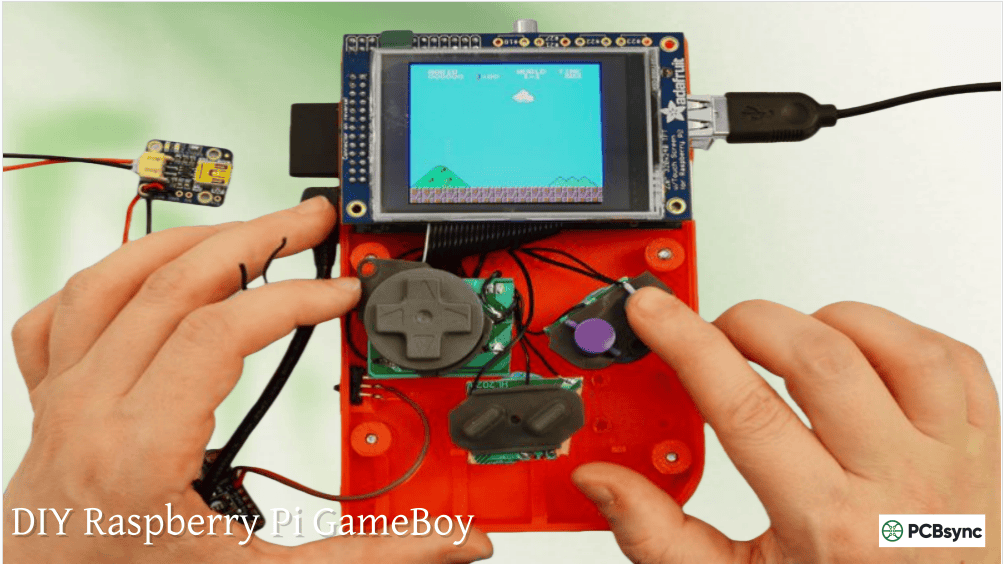
My first encounter with a raspberry pi gameboy happened at a maker meetup when someone pulled out what looked exactly like an original Nintendo GameBoy from 1989. Then they started playing PlayStation games on it. That moment sparked a multi-month journey into the world of handheld Pi builds that I’m sharing here.
Building your own handheld pi gaming device combines the nostalgia of classic portable gaming with modern emulation capabilities. Whether you choose a commercial kit like the gpi case or build from scratch with custom PCBs and 3D-printed enclosures, the end result is a pocket-sized retro gaming machine that plays thousands of classic titles.
The original Nintendo GameBoy sold over 118 million units worldwide because portable gaming captured something special. Today’s raspberry pi gameboy projects capture that same magic while adding capabilities the original designers never imagined.
Advantages Over Commercial Retro Handhelds
Feature
Raspberry Pi GameBoy
Commercial Handhelds
Customization
Complete control
Limited options
Emulator Support
Extensive, regularly updated
Fixed at manufacture
Repairability
Full component access
Often proprietary
Cost
$70-200 depending on build
$50-300+
Learning Value
Significant
None
Community Support
Massive Pi community
Varies by brand
A Raspberry Pi based handheld runs RetroPie, Recalbox, Batocera, or Lakka, giving you access to constantly improving emulators. When developers optimize an emulator, your device benefits immediately. Commercial handhelds remain frozen at their firmware version unless manufacturers release updates.
Choosing Your Build Path
Three main approaches exist for creating a handheld pi gaming device, each with different skill requirements and outcomes.
Commercial Kits: The GPi Case Family
The gpi case from RetroFlag revolutionized Raspberry Pi handheld gaming by providing a complete, solderless solution that resembles the original GameBoy DMG.
Kit
Compatible Pi
Display
Resolution
Battery
Price
GPi Case (Original)
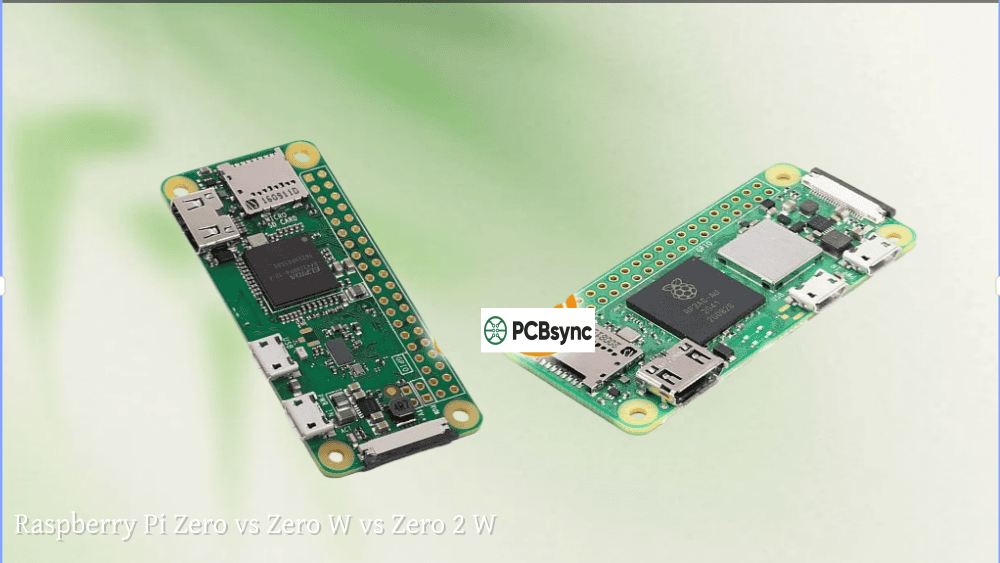
Pi Zero/Zero W/Zero 2 W
2.8″ IPS
320×240
3× AA
~$70
GPi Case 2
Compute Module 4
3.0″ IPS
640×480
4000mAh Li-ion
~$120-150
PiBoy DMG
Pi Zero/3B+/4
3.5″ IPS
640×480
4500mAh
$119-179
PiBoy DMGx
Pi 5
3.5″ IPS
640×480
Built-in
~$150
The original gpi case requires zero soldering. You insert a Pi Zero into a cartridge-shaped housing, connect the pogo pins to the GPIO header, and slide it into the main unit. Assembly takes under 30 minutes for complete beginners.
Semi-DIY Kits: Partial Assembly Required
Several manufacturers offer kits that require more hands-on work but provide greater flexibility.
Kit
Skill Level
Soldering Required
Assembly Time
Waveshare Game HAT
Beginner
No
30 minutes
PiGRRL 2
Intermediate
Yes
2-4 hours
Adafruit PiGRRL Zero
Intermediate
Yes
3-5 hours
GamePi43
Beginner
No
1 hour
The Waveshare Game HAT sandwiches a full-sized Raspberry Pi between plastic layers with a 480×320 display and analog stick. It lacks the elegant design of dedicated cases but accepts Pi 2, 3, or 4 boards for maximum flexibility.
Full DIY: Building From Scratch
The most challenging but rewarding path involves sourcing individual components and building a completely custom raspberry pi gameboy.
Building from scratch requires soldering skills, understanding of GPIO pin mapping, and patience for troubleshooting. The reward is a completely personalized device that matches your exact specifications.
Selecting the Right Raspberry Pi Model
The Pi model you choose determines which games your handheld pi can play smoothly.
Raspberry Pi Performance by System
Console/System
Pi Zero/Zero W
Pi Zero 2 W
Pi 3B+
Pi 4
Pi 5
NES
Excellent
Excellent
Excellent
Excellent
Excellent
Game Boy/Color
Excellent
Excellent
Excellent
Excellent
Excellent
SNES
Good
Excellent
Excellent
Excellent
Excellent
Sega Genesis
Good
Excellent
Excellent
Excellent
Excellent
Game Boy Advance
Good
Excellent
Excellent
Excellent
Excellent
PlayStation 1
Poor
Good
Excellent
Excellent
Excellent
Nintendo 64
Unplayable
Poor
Good
Very Good
Excellent
Dreamcast
Unplayable
Unplayable
Poor
Good
Very Good
PSP
Unplayable
Unplayable
Poor
Good
Very Good
PlayStation 2
Unplayable
Unplayable
Unplayable
Poor
Experimental
Model Recommendations by Use Case
For 8-bit and 16-bit Gaming (NES, SNES, Genesis, Game Boy)
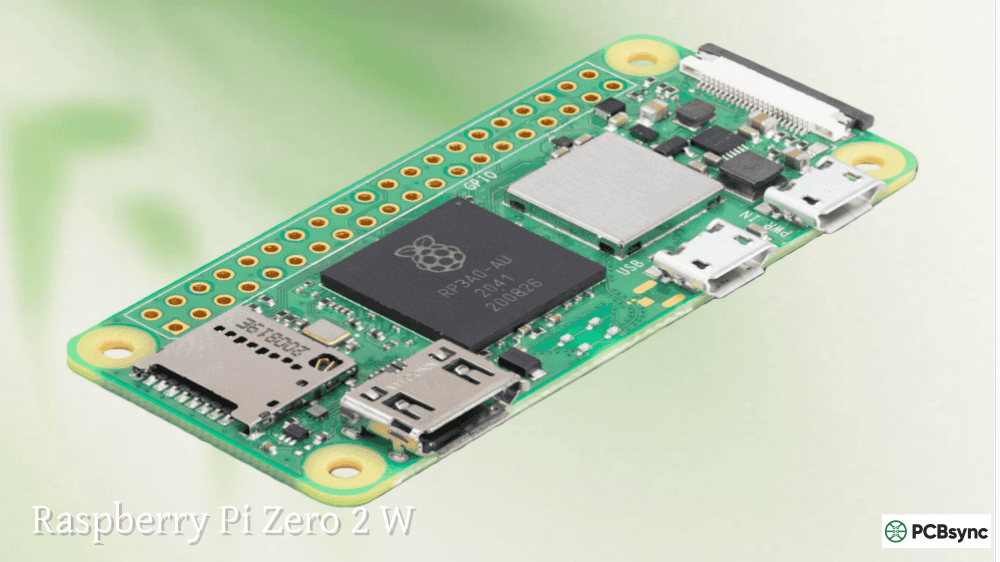
The Raspberry Pi Zero 2 W offers the best balance for classic gaming. Its quad-core processor handles everything through the 16-bit era flawlessly while maintaining the compact size essential for gpi case compatibility. The built-in WiFi enables wireless ROM transfers and firmware updates.
For PlayStation 1 and Light N64 Gaming
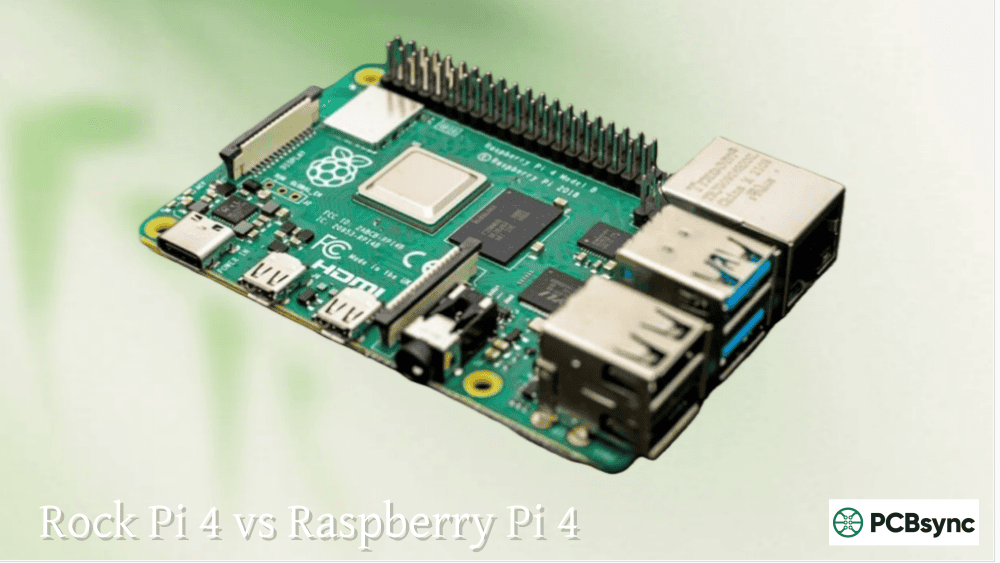
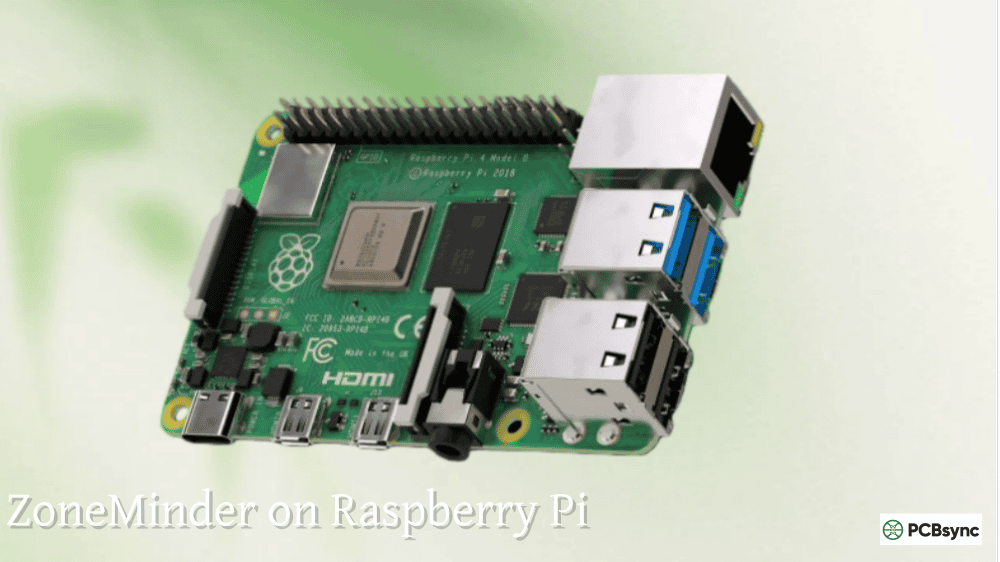
The Raspberry Pi 3B+ or Pi 4 (2GB) provides enough power for smooth PlayStation 1 emulation and many N64 titles. Most fighting games, platformers, and RPGs run perfectly. Some demanding N64 games like GoldenEye or Perfect Dark require additional optimization.
For Maximum Compatibility
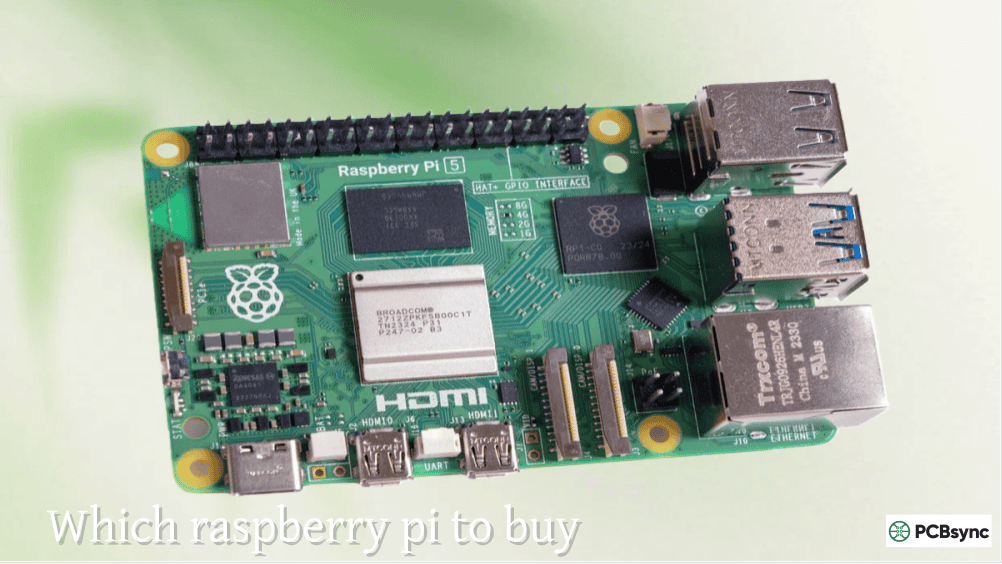
The Raspberry Pi 5 pushes handheld emulation further than ever. Nintendo 64 runs flawlessly, Dreamcast becomes genuinely playable, and even some lighter PlayStation 2 games function with experimental emulators. The main challenge is fitting Pi 5’s larger form factor and higher power requirements into a portable design.
Software Options for Your Raspberry Pi GameBoy
Four major operating systems power raspberry pi gameboy builds, each with distinct advantages.
RetroPie vs Recalbox vs Batocera vs Lakka
Feature
RetroPie
Recalbox
Batocera
Lakka
Ease of Setup
Moderate
Easy
Easy
Moderate
Customization
Extensive
Limited
Moderate
Extensive
Emulator Count
Most
Moderate
Moderate
Most
Community Size
Largest
Medium
Growing
Medium
Kodi Integration
Yes
Yes
Yes
No
Shader Support
Full
Limited
Full
Full
Documentation
Extensive
Good
Good
Good
GPi Case Support
With patch
With patch
Native (GPi 2)
With patch
RetroPie remains the most popular choice due to its massive community, extensive documentation, and maximum flexibility. Every emulator tweak, shader option, and configuration parameter is accessible. The downside is complexity, particularly for beginners who just want to play games.
Recalbox prioritizes simplicity. Initial setup takes minutes rather than hours, and controller configuration happens automatically for popular gamepads. The trade-off is fewer advanced options.
Batocera evolved from Recalbox with improved performance and broader hardware support. For GPi Case 2 users, Batocera provides the smoothest experience with native support requiring minimal patching.
Lakka uses the RetroArch interface directly, offering the most authentic RetroArch experience. It’s excellent for users who want maximum control over emulator cores.
Building Your First Raspberry Pi GameBoy
This walkthrough covers the gpi case assembly, the most beginner-friendly path to a working handheld pi.
What You’ll Need
Item
Notes
GPi Case kit
Main enclosure and electronics
Raspberry Pi Zero W or Zero 2 W
Zero 2 W recommended
microSD Card (16GB+)
Class 10 or faster
AA Batteries (3×) or USB power
Rechargeable AAs recommended
Computer with SD card reader
For flashing OS
Small Phillips screwdriver
Included with kit
Step 1: Flash RetroPie to Your SD Card
Download RetroPie for Raspberry Pi Zero/1 from the official website. Use Raspberry Pi Imager or balenaEtcher to write the image to your microSD card.
Before ejecting the card, enable WiFi by creating a file named wifikeyfile.txt in the boot partition:
ssid=”YourNetworkName”
psk=”YourPassword”
Step 2: Apply the GPi Case Patch
The gpi case uses GPIO for display output instead of HDMI, requiring a configuration patch.
Download the GPi_Case_patch from RetroFlag’s website. Copy the entire GPi_Case_patch folder to the root of your SD card. On Windows, run install_patch.bat from within the folder. On Mac/Linux, the patch applies automatically on first boot.
Step 3: Assemble the Cartridge
Open the cartridge housing and place your Raspberry Pi Zero into position. The micro USB ports should align with the openings in the cartridge shell. Secure the Pi with the four brass screws using the included screwdriver.
Attach the I/O conversion board, ensuring the pogo pins (spring-loaded connectors) align with the Pi’s GPIO header. This connection requires no soldering. Insert the ribbon cable into the retainer clip, then close the cartridge and secure with the small silver screws.
Step 4: First Boot and Configuration
Insert the cartridge into the main gpi case unit, add batteries, and flip the power switch. RetroPie boots to the EmulationStation interface after initial setup.
Configure your controls when prompted. The GPi Case registers as an Xbox 360 controller. Press and hold any button to skip inputs that don’t exist (like analog sticks). Allow RetroPie to set Select as the hotkey for exiting games.
Step 5: Enable Safe Shutdown
Inside the battery compartment, locate the safe shutdown switch and flip it to ON. This allows the power switch to safely shut down the system rather than cutting power abruptly, protecting your SD card and save files.
Step 6: Transfer ROMs
With WiFi configured, access your raspberry pi gameboy over the network. On Windows, navigate to \\retropie\roms in File Explorer. Mac users can use Finder’s “Connect to Server” function with smb://retropie.
Copy ROM files to the appropriate folders:
Folder
System
gb
Game Boy
gbc
Game Boy Color
gba
Game Boy Advance
nes
Nintendo Entertainment System
snes
Super Nintendo
megadrive
Sega Genesis/Mega Drive
psx
PlayStation 1
n64
Nintendo 64
Restart EmulationStation or reboot to see your games.
Getting the best performance from your raspberry pi gameboy requires understanding a few key optimizations.
Display Settings
For the GPi Case’s 320×240 screen, configure emulators to output at native resolution when possible. Game Boy, Game Boy Color, and NES games look crisp at integer scales. SNES and Genesis games benefit from bilinear filtering at this resolution.
Overclocking the Pi Zero 2 W
Edit /boot/config.txt to add:
arm_freq=1200
over_voltage=4
gpu_freq=400
This modest overclock improves PlayStation 1 performance noticeably. Monitor temperatures and revert if you experience instability.
Per-Game Emulator Selection
RetroPie allows selecting different emulator cores per game. For N64, try these cores in order of compatibility:
Core
Best For
Mupen64Plus-Next
Most games, best accuracy
lr-parallel-n64
Lower-end games, better speed
Mupen64Plus
Alternative for problem games
Audio Optimization
If audio stutters, increase the audio buffer in RetroArch settings. Navigate to Settings → Audio → Output → Audio Latency and increase from 64ms to 96ms or 128ms.
Advanced Builds: Beyond the Basics
Once comfortable with basic builds, several advanced projects await.
HDMI Output Docking
The GPi Case 2 and PiBoy DMG support optional docking stations with HDMI output. This transforms your handheld pi into a home console when desired, connecting to any TV.
Analog Stick Addition
The Raspberry Pi lacks native analog input support. Adding analog sticks requires either a USB controller encoder (like the Teensy) or an ADC (analog-to-digital converter) chip connected via I2C or SPI. The PiBoy DMG includes this functionality built-in.
Custom 3D Printed Cases
Thingiverse and Printables host hundreds of raspberry pi gameboy case designs. Popular options include Game Boy Advance SP style clamshell designs, vertical handhelds, and completely original form factors.
Useful Resources
Resource
URL
Description
RetroPie
retropie.org.uk
Official RetroPie documentation and downloads
RetroFlag
retroflag.com
GPi Case manufacturer, patches and support
Batocera
batocera.org
Batocera OS downloads and wiki
Recalbox
recalbox.com
Recalbox OS and documentation
Lakka
lakka.tv
Lakka OS downloads
Experimental Pi
experimentalpi.com
PiBoy DMG manufacturer
Raspberry Pi Imager
raspberrypi.com/software
Official imaging tool
Thingiverse
thingiverse.com
3D printable case designs
Frequently Asked Questions
What’s the difference between the GPi Case and GPi Case 2?
The original gpi case uses Raspberry Pi Zero boards with a 320×240 display and runs on AA batteries. The GPi Case 2 upgraded to the Raspberry Pi Compute Module 4, providing full Pi 4 performance with a 640×480 screen and built-in rechargeable battery. The original handles 8-bit and 16-bit games perfectly but struggles with PlayStation 1 and N64. The GPi Case 2 plays PlayStation 1, N64, and even Dreamcast games smoothly but costs nearly twice as much.
Can I play Nintendo DS or 3DS games on a Raspberry Pi GameBoy?
Nintendo DS emulation exists for Raspberry Pi but requires a touchscreen for many games since the DS featured dual screens with touch input. Some games that don’t require touch can work with button mapping. Nintendo 3DS emulation remains beyond current Raspberry Pi capabilities due to the system’s complexity and stereoscopic 3D requirements. For portable DS gaming, dedicated DS emulation handhelds or actual DS hardware remain better options.
How long does the battery last on a Raspberry Pi handheld?
Battery life varies significantly by build. The original GPi Case runs 3-5 hours on fresh AA batteries but drains expensive disposables quickly. Using rechargeable NiMH batteries reduces runtime to 2-4 hours due to lower voltage. The GPi Case 2’s 4000mAh lithium battery provides 4-6 hours depending on screen brightness and game complexity. The PiBoy DMG’s 4500mAh battery typically delivers 3-5 hours with the more power-hungry Pi 4 inside.
Is it legal to download ROMs for games I own?
Legally, downloading ROMs from the internet violates copyright even for games you own. The technically legal approach involves creating personal backups from cartridges or discs you own using specialized hardware like the Retrode or custom dumping tools. Practically speaking, millions of people download ROMs, but this remains a legal gray area. Many retro gaming enthusiasts recommend purchasing original games when possible and supporting official re-releases like Nintendo Switch Online’s classic game libraries.
Why won’t my N64 games run smoothly on my Raspberry Pi GameBoy?
Nintendo 64 emulation is demanding because the N64 used unusual hardware architecture that’s difficult to emulate accurately. On Pi Zero boards, N64 is essentially unplayable. On Pi 3B+ and Pi 4, many games run well but require optimization. Try these steps: use the lr-mupen64plus-next core first, enable FrameSkip if needed, reduce internal resolution to native 320×240, and for specific problematic games, search the RetroPie forums for game-specific settings. The Raspberry Pi 5 finally provides smooth N64 emulation for nearly all titles.
The Joy of Portable Retro Gaming
Building a raspberry pi gameboy connects you to both computing history and gaming nostalgia simultaneously. The process teaches practical skills in electronics, Linux administration, and problem-solving while producing a genuinely useful device.
My own gpi case travels everywhere. It’s been on planes, in waiting rooms, and probably spent too many hours keeping me company during long meetings. The thousands of classic games available mean there’s always something new to discover, from beloved childhood favorites to hidden gems that never made it to Western markets.
Whether you choose a plug-and-play kit or dive into a full custom build, the handheld pi community welcomes newcomers with extensive documentation, active forums, and genuine enthusiasm for helping others succeed. Start simple, learn the basics, and expand your skills over time. Before long, you might find yourself designing custom PCBs for your perfect portable gaming device.
Suggested Meta Descriptions:
Option 1 (154 characters): Build your own raspberry pi gameboy with our complete guide. Compare GPi Case kits, learn DIY builds, and discover which Pi model runs your favorite games.
Option 2 (152 characters): Create a handheld pi gaming console with this comprehensive guide. GPi case setup, emulator compatibility, and step-by-step assembly instructions included.
Option 3 (149 characters): DIY raspberry pi gameboy guide covering commercial kits and scratch builds. Learn which games run on each Pi model plus complete RetroPie setup walkthrough.
Inquire: Call 0086-755-23203480, or reach out via the form below/your sales contact to discuss our design, manufacturing, and assembly capabilities.
Quote: Email your PCB files to Sales@pcbsync.com (Preferred for large files) or submit online. We will contact you promptly. Please ensure your email is correct.
Notes: For PCB fabrication, we require PCB design file in Gerber RS-274X format (most preferred), *.PCB/DDB (Protel, inform your program version) format or *.BRD (Eagle) format. For PCB assembly, we require PCB design file in above mentioned format, drilling file and BOM. Click to download BOM template To avoid file missing, please include all files into one folder and compress it into .zip or .rar format.