Inquire: Call 0086-755-23203480, or reach out via the form below/your sales contact to discuss our design, manufacturing, and assembly capabilities.
Quote: Email your PCB files to Sales@pcbsync.com (Preferred for large files) or submit online. We will contact you promptly. Please ensure your email is correct.
Notes: For PCB fabrication, we require PCB design file in Gerber RS-274X format (most preferred), *.PCB/DDB (Protel, inform your program version) format or *.BRD (Eagle) format. For PCB assembly, we require PCB design file in above mentioned format, drilling file and BOM. Click to download BOM template To avoid file missing, please include all files into one folder and compress it into .zip or .rar format.
The raspberry pi cyberdeck has become the ultimate expression of maker culture meets cyberpunk aesthetics. These handcrafted portable computers blend 1980s sci-fi styling with modern single-board computing, creating machines that look ripped from a William Gibson novel while running contemporary Linux distributions.
I built my first diy cyberdeck three years ago after seeing builds posted on Reddit. What started as a weekend project consumed six months of iteration, three complete redesigns, and more 3D printer filament than I care to admit. The result sits on my workbench today—a chunky, industrial-looking machine with a mechanical keyboard, 7-inch display, and enough ports to interface with any embedded system I encounter professionally.
This guide distills everything I learned into a practical roadmap for building your own Raspberry Pi cyberdeck.
A cyberdeck originated in cyberpunk fiction, particularly William Gibson’s “Neuromancer” trilogy published in the 1980s. In those stories, cyberdecks were portable computers used by hackers to jack into cyberspace. The aesthetic combined chunky industrial design with exposed components and utilitarian interfaces.
Modern diy cyberdeck builds translate that fictional aesthetic into functional hardware. Unlike sleek commercial laptops designed to disappear, cyberdecks celebrate their mechanical nature. Exposed screws, visible wiring, industrial enclosures, and mechanical keyboards define the genre.
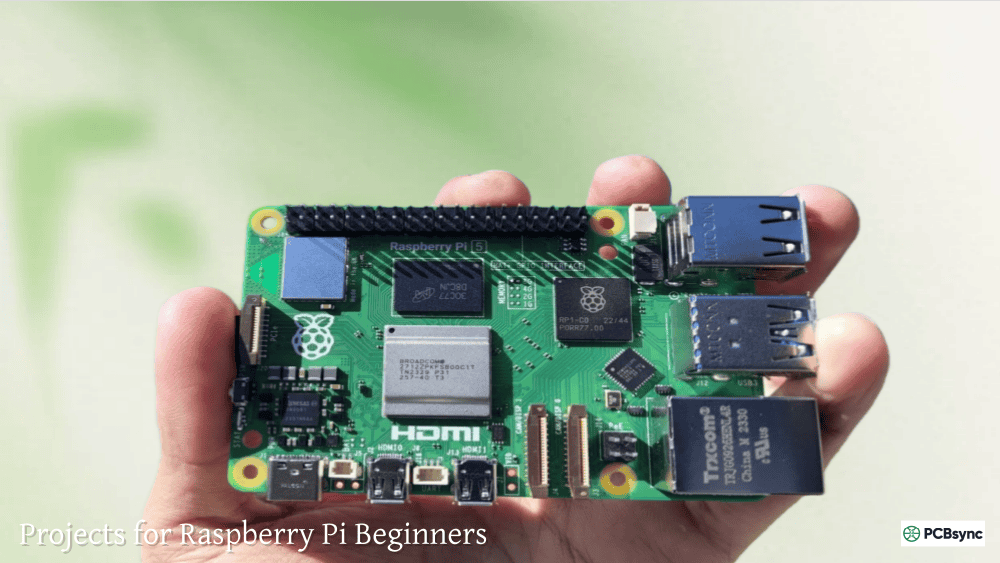
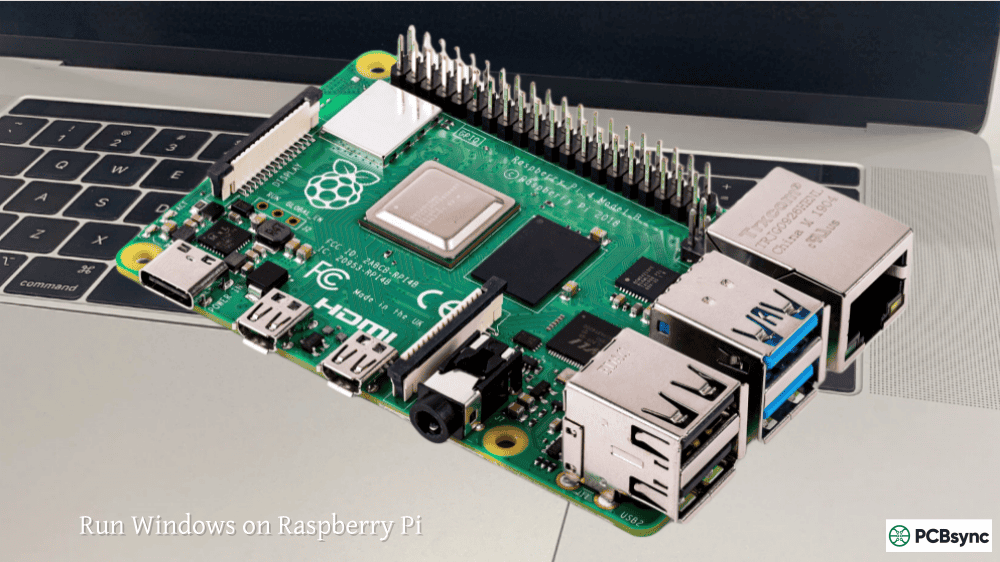
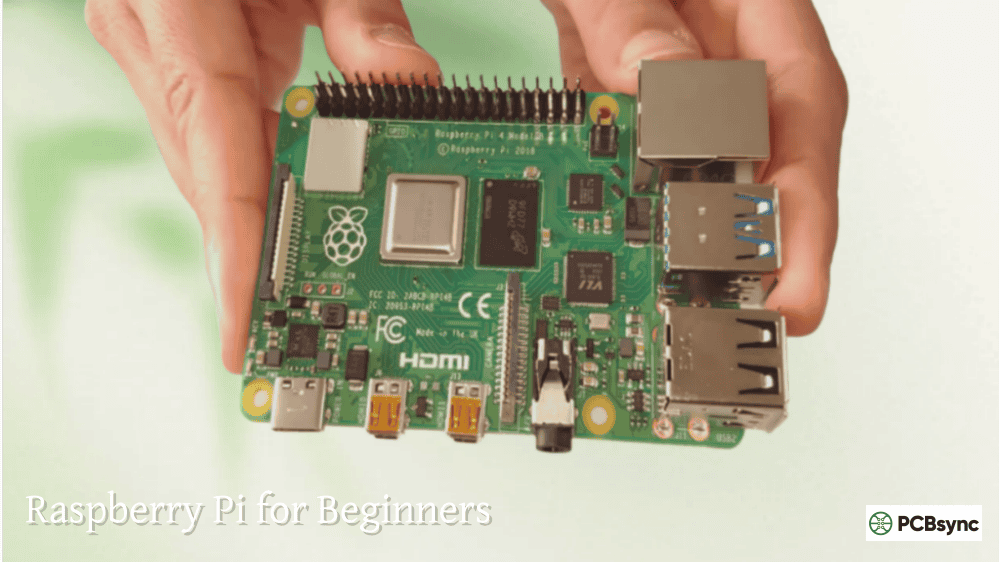
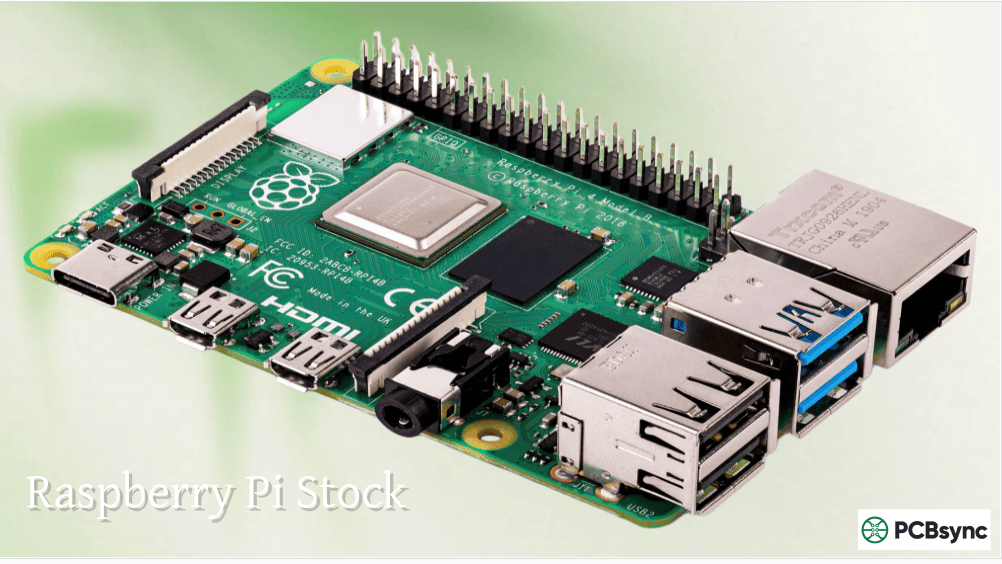
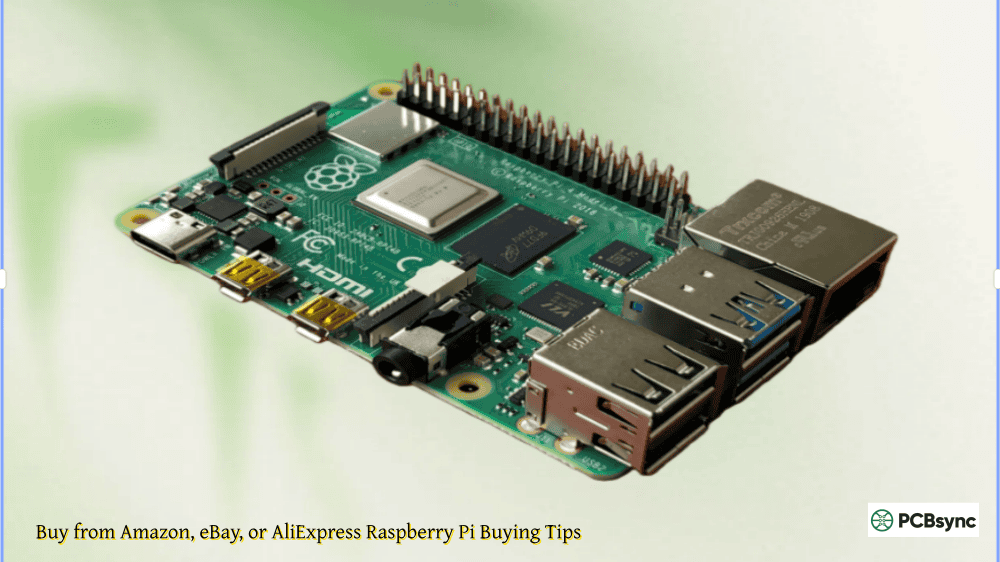
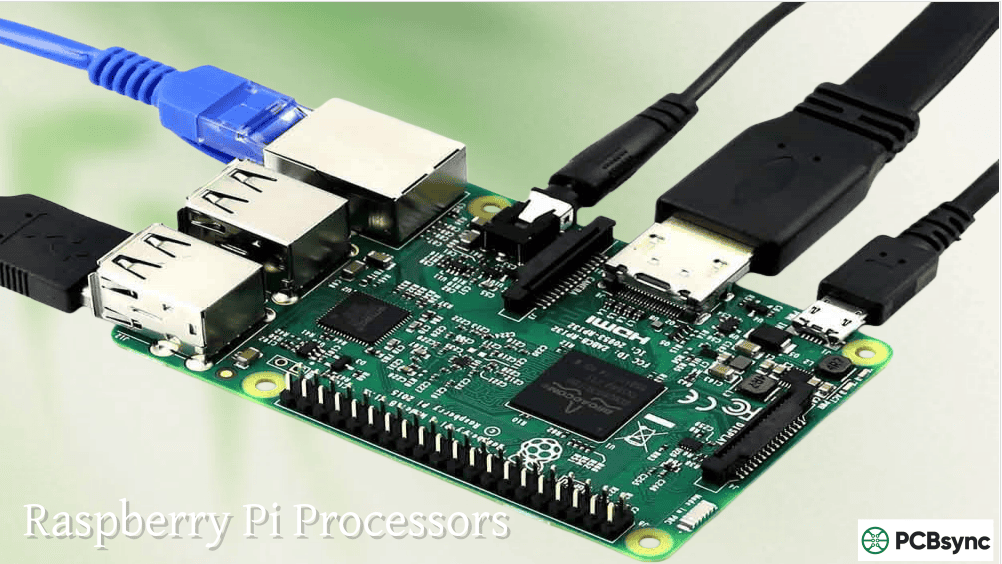
The raspberry pi cyberdeck specifically uses Raspberry Pi single-board computers as the computing core. The Pi’s compact size, GPIO accessibility, and Linux compatibility make it ideal for cyberdeck projects. Most builds also incorporate custom keyboards, rugged displays, and battery systems—transforming the diminutive Pi into a self-contained portable workstation.
Cyberdeck vs Traditional Laptop
Understanding the distinction helps clarify design goals:
Aspect
Commercial Laptop
Raspberry Pi Cyberdeck
Design Philosophy
Minimalist, invisible
Industrial, expressive
Repairability
Limited, proprietary
Fully repairable, modular
Customization
None
Unlimited
Performance
High
Modest
Battery Life
8-15 hours
3-8 hours typical
Aesthetics
Corporate
Cyberpunk/retro-futuristic
Cost
$500-2000+
$200-600
Build Time
None (purchased)
20-100+ hours
Cyberdecks sacrifice raw performance and polish for personality and hackability. They’re not laptop replacements—they’re statement pieces that happen to compute.
Why Build a DIY Cyberdeck?
Beyond the obvious “because it looks awesome” answer, several practical motivations drive diy cyberdeck construction.
The Educational Journey
Building a cyberdeck teaches skills across multiple disciplines. You’ll learn 3D modeling for enclosures, basic electronics for power systems, Linux administration for software configuration, and mechanical design for keyboard integration. Few projects offer such diverse learning opportunities.
Practical Field Computing
Some builders create cyberdecks for genuine utility. Penetration testers appreciate the inconspicuous nature of unusual hardware. Field technicians value rugged construction that survives industrial environments. Network administrators build diagnostic decks with integrated testing equipment.
Creative Expression
The cyberdeck community values originality. Every build reflects its creator’s aesthetic preferences, technical priorities, and fabrication capabilities. Your cyberdeck becomes a portfolio piece demonstrating design and execution skills.
Community Belonging
The cyberdeck community on Reddit (r/cyberDeck), Discord servers, and forums provides exceptional support. Builders share designs, troubleshoot problems, and celebrate completed projects. Few maker communities match this enthusiasm and helpfulness.
Essential Components for Your Raspberry Pi Cyberdeck
Every raspberry pi cyberdeck requires these core components, though implementations vary dramatically between builds.
Computing Core Selection
The Raspberry Pi model significantly impacts your build:
Pi Model
Pros
Cons
Best For
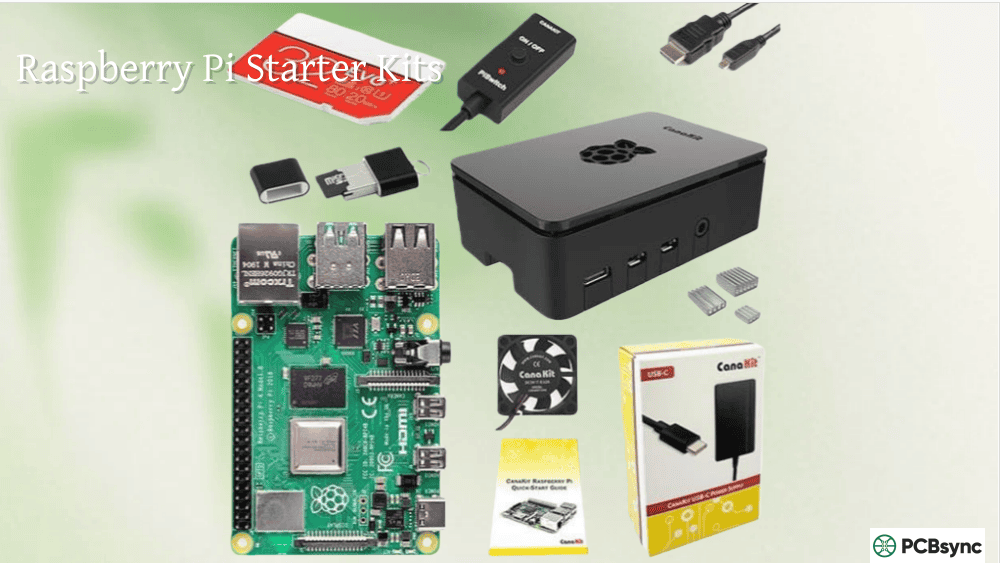
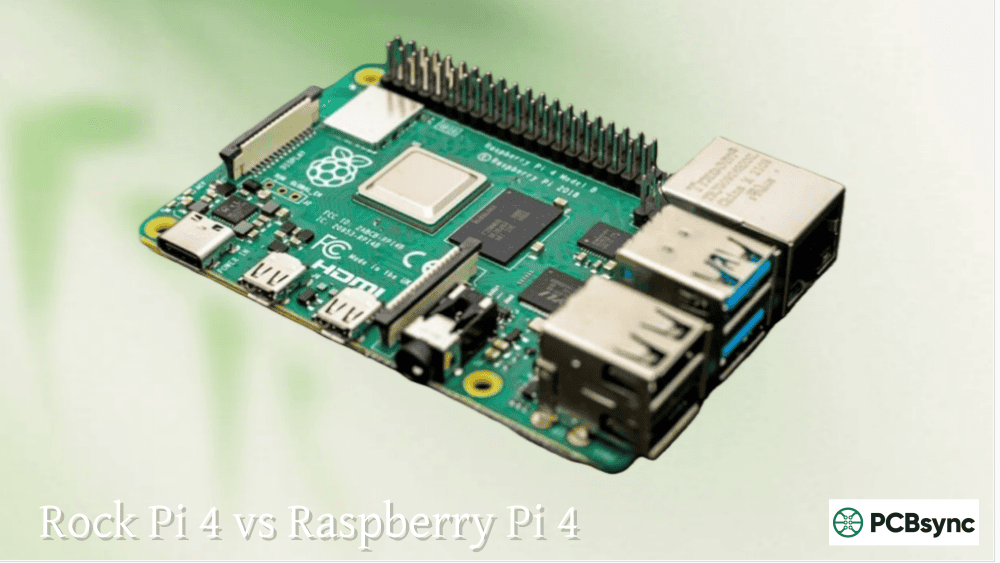
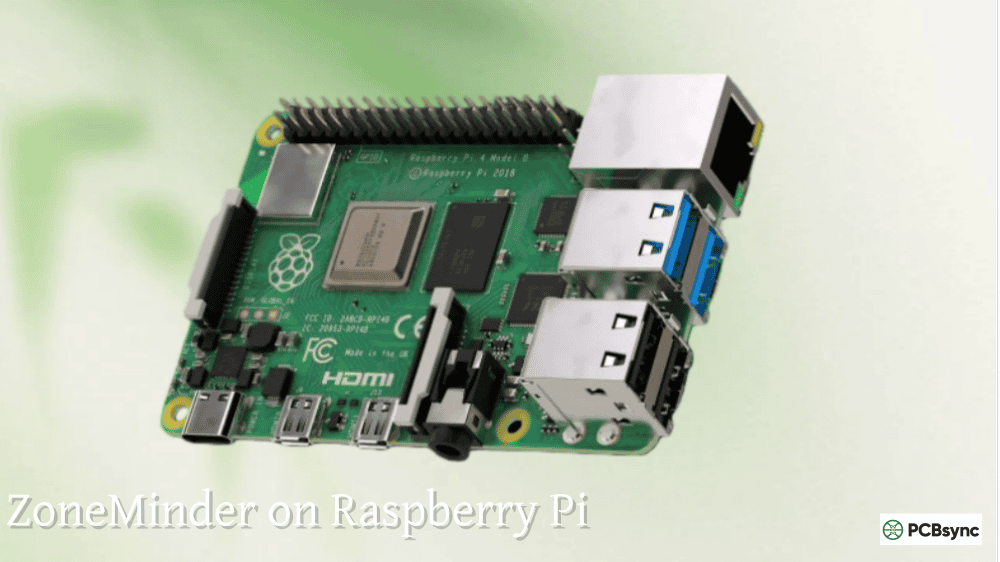
Pi 4B (4GB)
Good performance, mature ecosystem
Power hungry, runs hot
General purpose builds
Pi 4B (8GB)
Maximum RAM, multitasking
Higher cost, same thermal issues
Development workstations
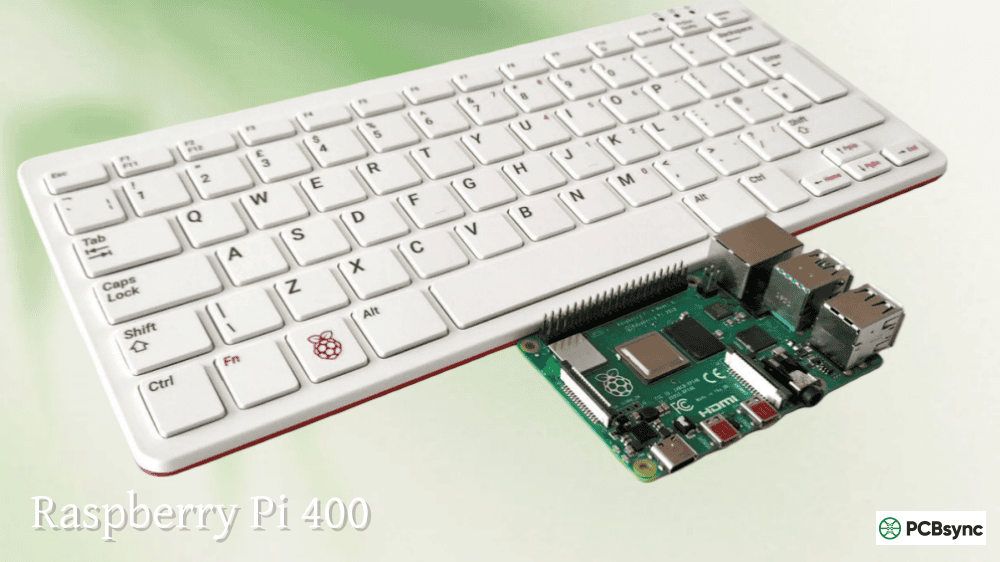
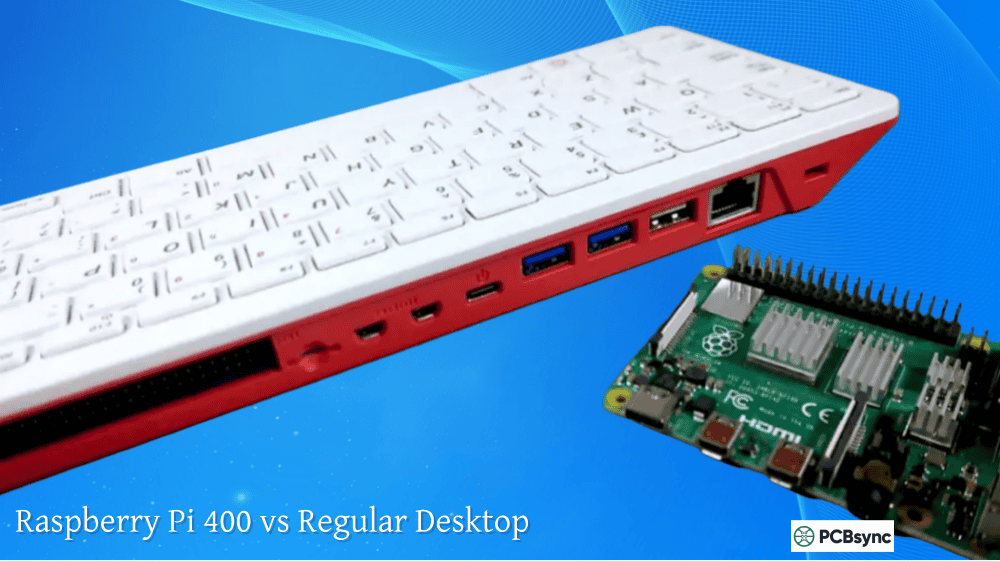
Pi 400
Integrated keyboard, good thermals
Fixed form factor, keyboard limitations
Keyboard-first designs
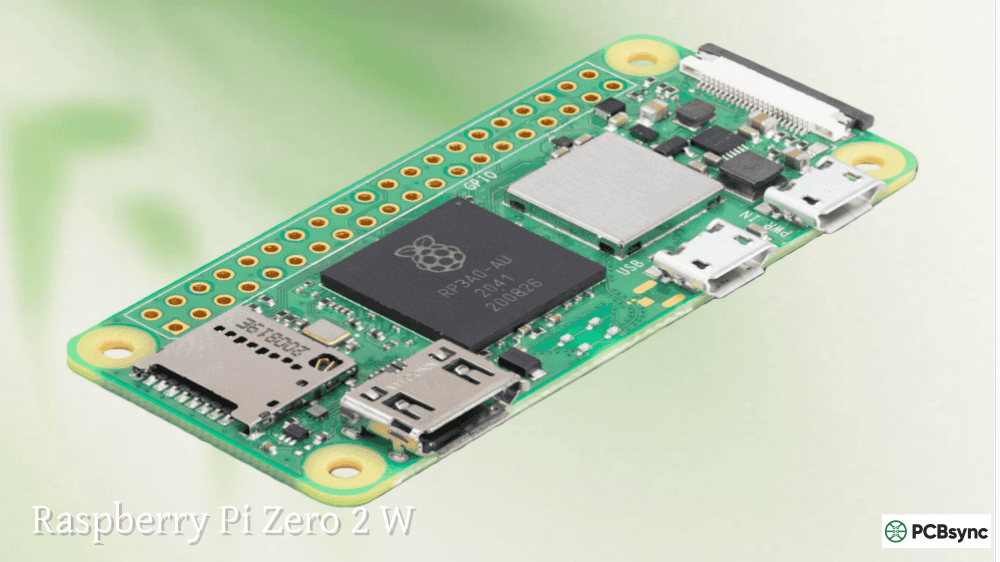
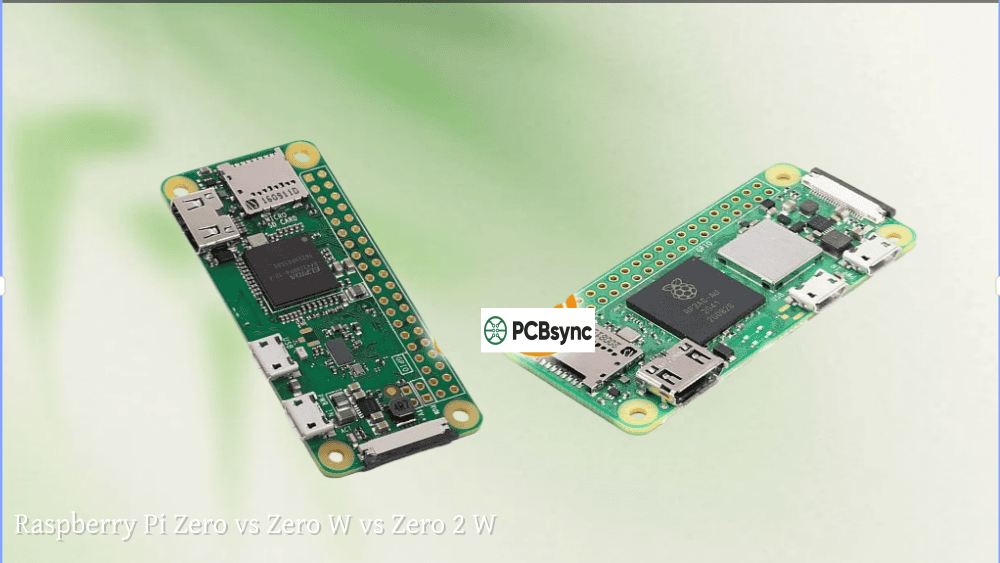
Pi Zero 2 W
Tiny, low power
Limited performance, fewer ports
Ultra-compact builds
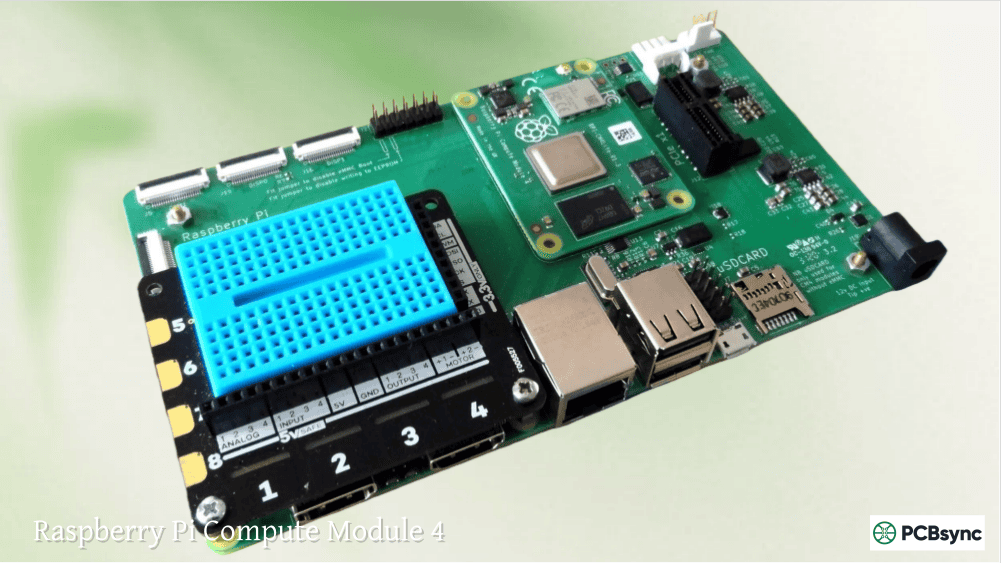
Compute Module 4
Compact, flexible carrier design
Requires custom carrier board
Advanced builders
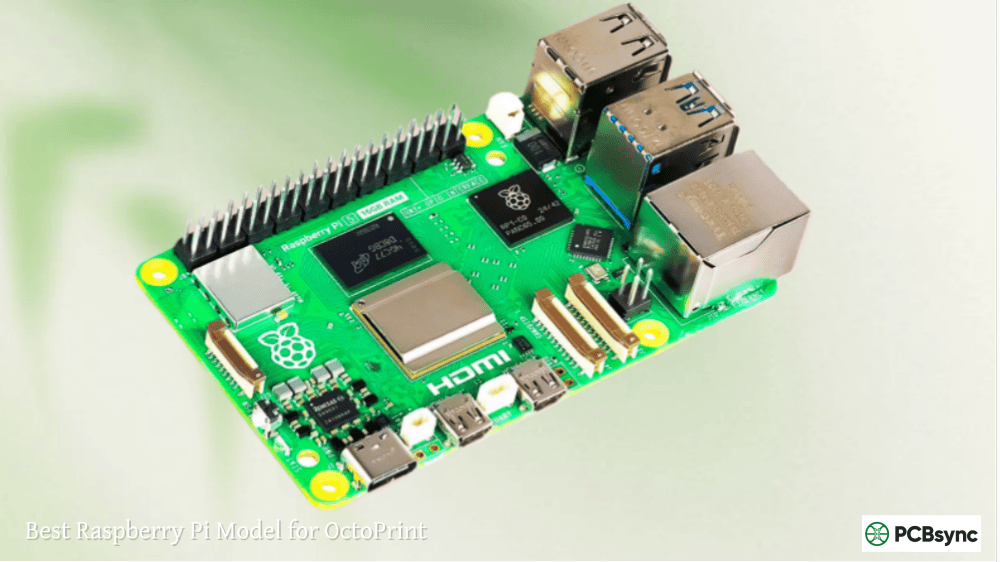
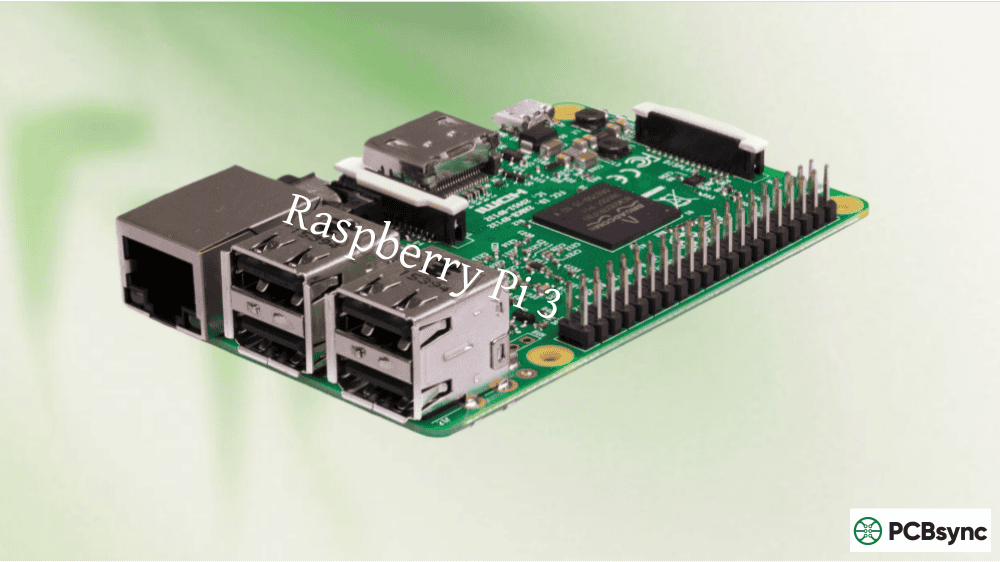
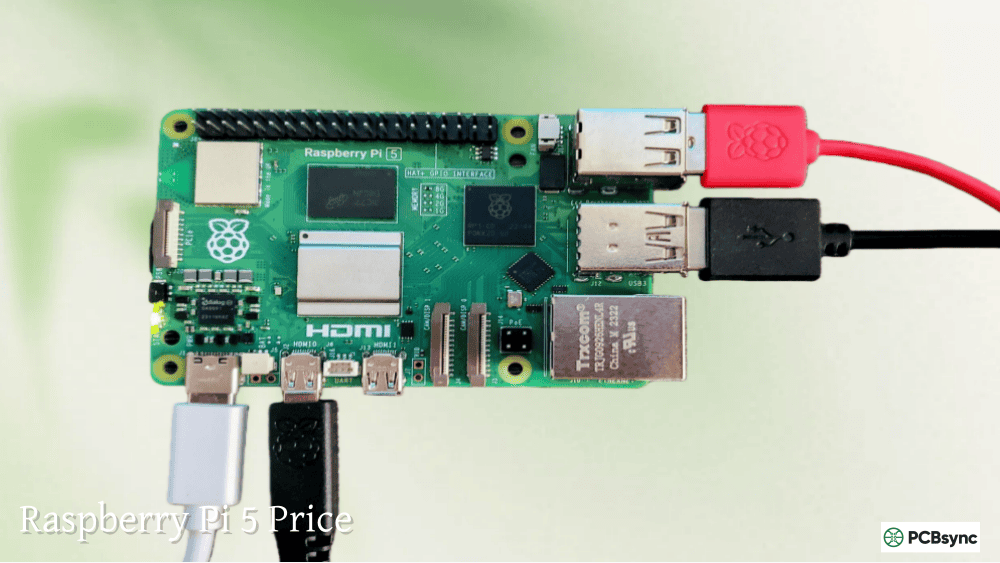
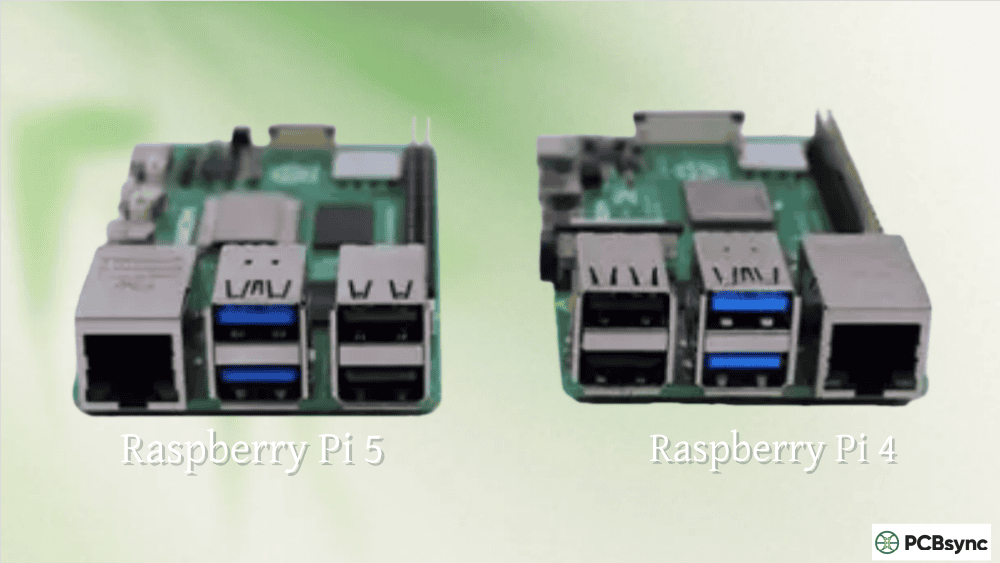
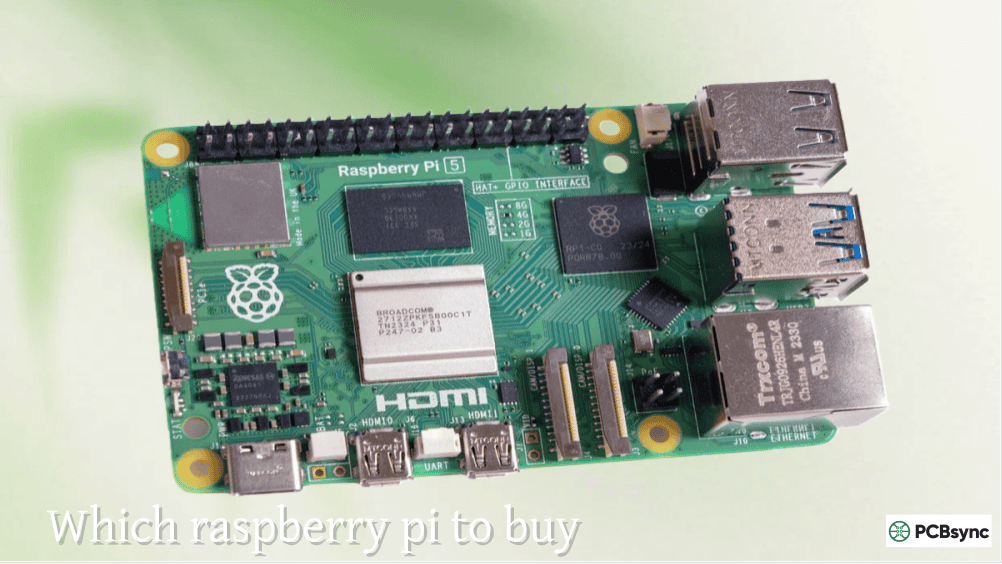
Pi 5
Excellent performance
New, higher power draw, thermals
Performance-focused builds
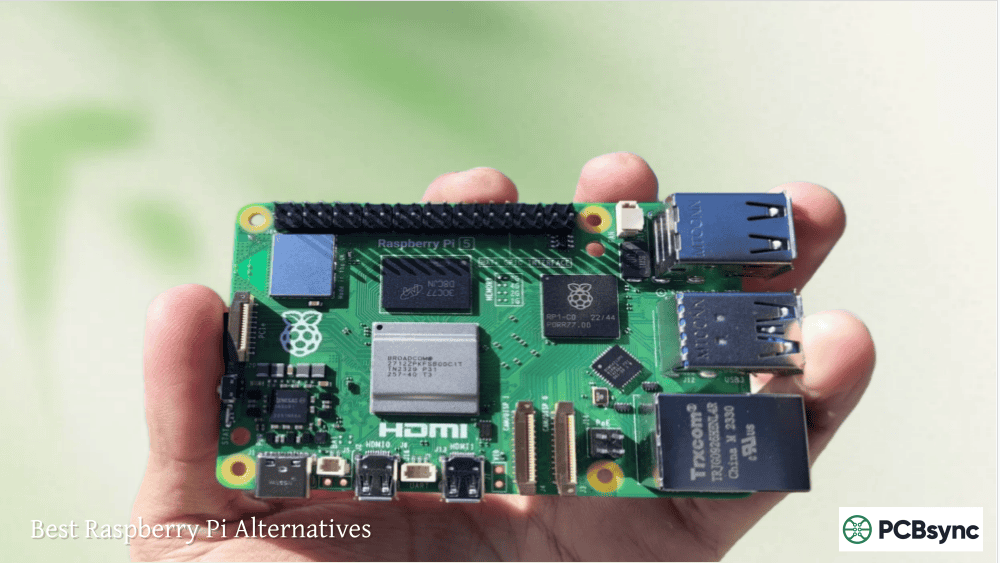
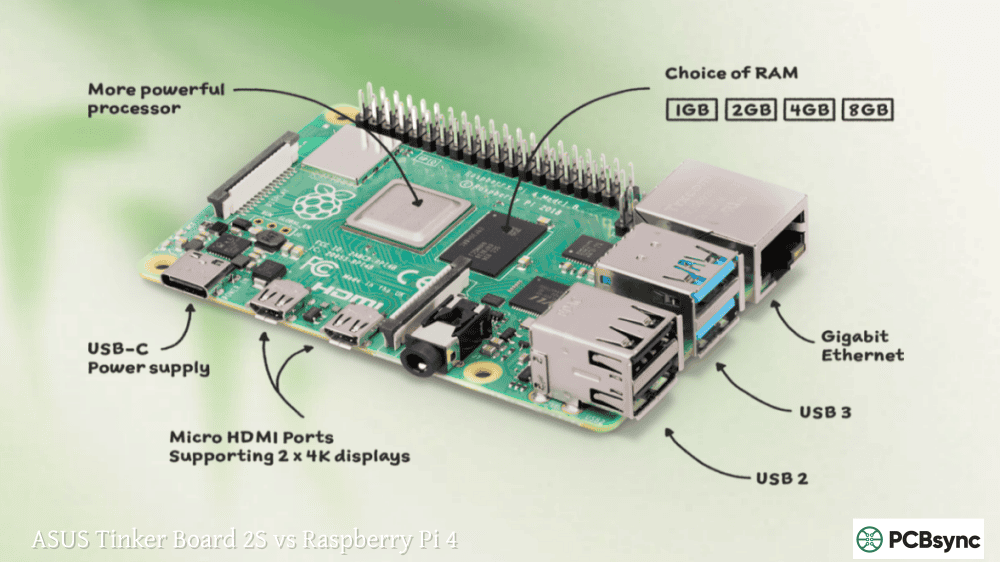
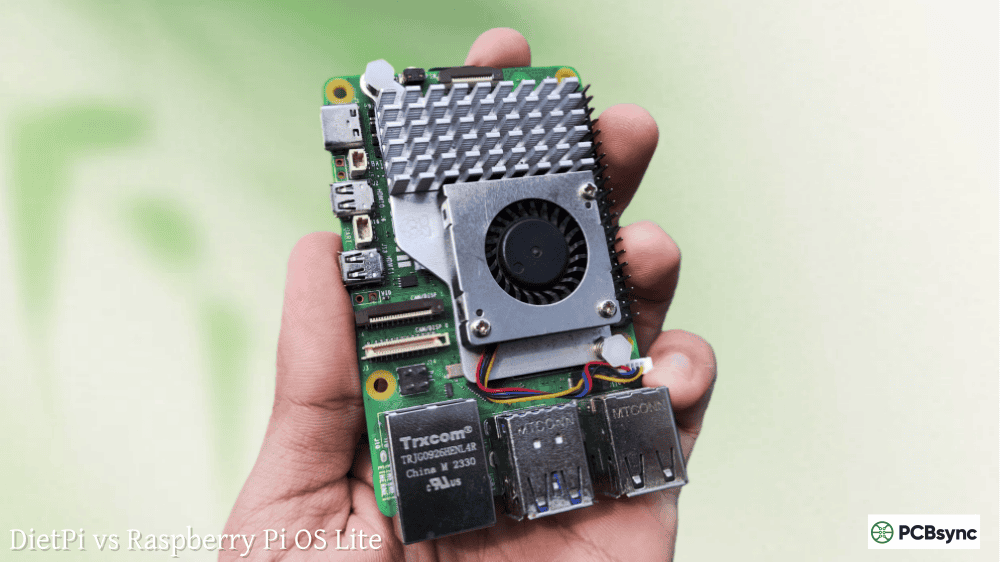
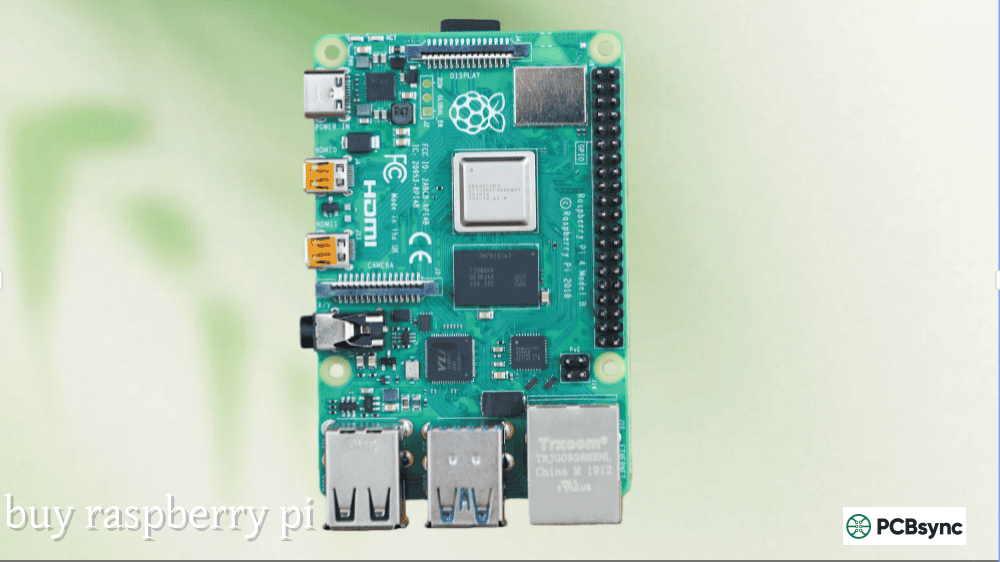
Most builders choose the Pi 4B (4GB) for its balance of capability, cost, and community support. The Pi 5 offers compelling performance improvements but draws more power and generates more heat—important considerations for battery-powered portable devices.
Display Options
Your display choice defines the cyberdeck’s character more than any other component.
Display Type
Size Range
Resolution
Interface
Notes
HDMI LCD
5-10 inches
800×480 to 1920×1080
HDMI
Most common choice
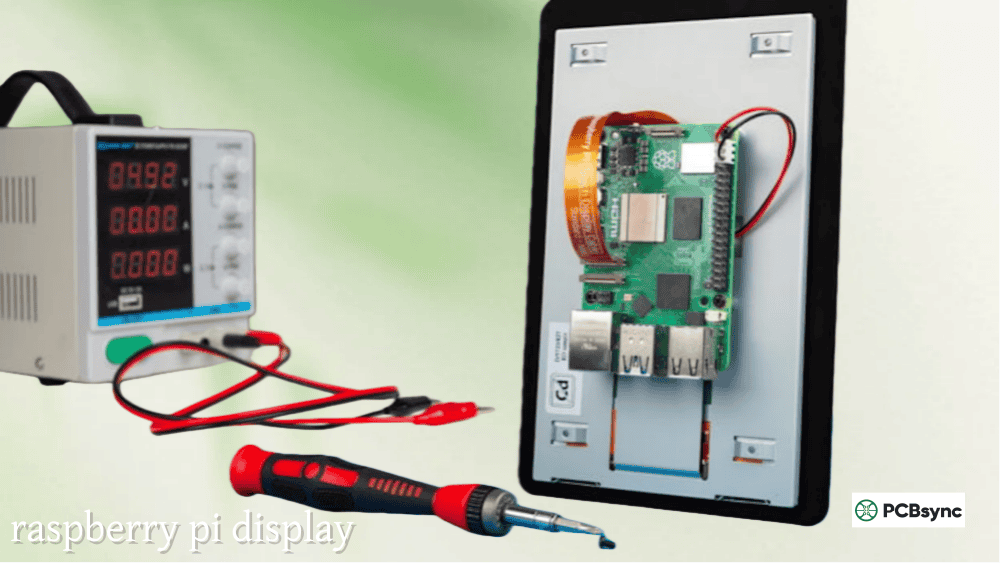
DSI Touchscreen
7 inches
800×480
DSI ribbon
Official Pi display, space efficient
Composite
3.5-5 inches
320×240 to 480×320
Composite
Retro aesthetic, low resolution
E-Ink
4-7 inches
Various
SPI/I2C
Extreme battery life, slow refresh
OLED
1-3 inches
128×64 to 256×64
I2C/SPI
Status displays, low power
For primary displays, 7-inch panels at 1024×600 or higher provide usable screen real estate without excessive power consumption. The official Pi touchscreen works well but limits resolution. Third-party HDMI displays offer more options.
Some builders incorporate secondary displays for system monitoring—small OLEDs showing CPU temperature, battery level, or network status add functional flair.
Keyboard Selection
The keyboard makes or breaks cyberdeck usability. Options span from salvaged laptop keyboards to custom mechanical builds.
Mechanical Keyboards: 40% and 60% layouts fit cyberdeck enclosures while offering genuine typing comfort. Ortholinear layouts (like Planck) suit the aesthetic particularly well. Budget $50-150 for a compact mechanical keyboard.
Membrane Keyboards: Cheaper and thinner but less satisfying to type on. The Rii mini keyboards popular in media center builds work functionally but feel cheap.
Laptop Keyboard Salvage: Harvesting keyboards from broken laptops requires matrix decoding and custom controller firmware. The challenge appeals to advanced builders seeking authentic retro aesthetics.
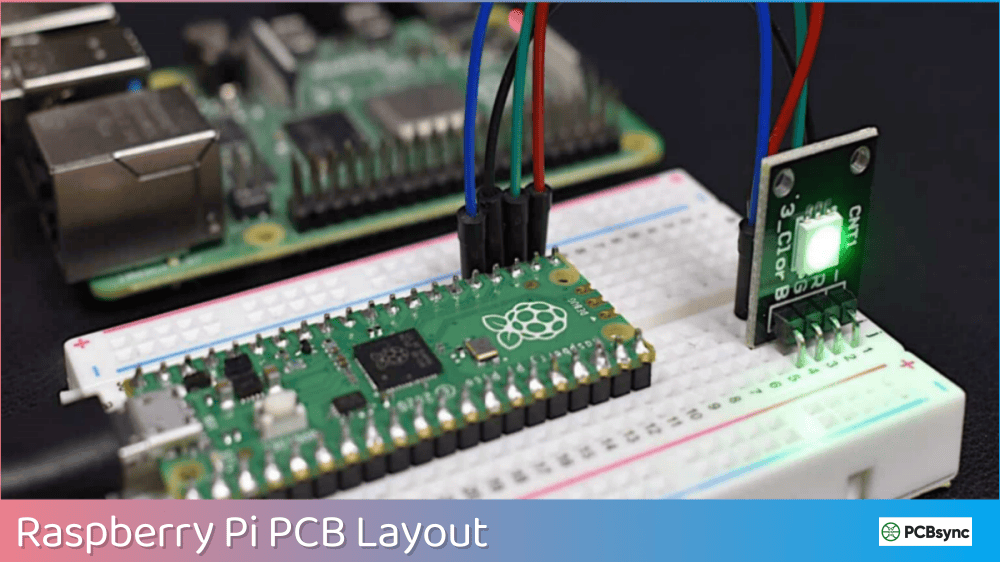
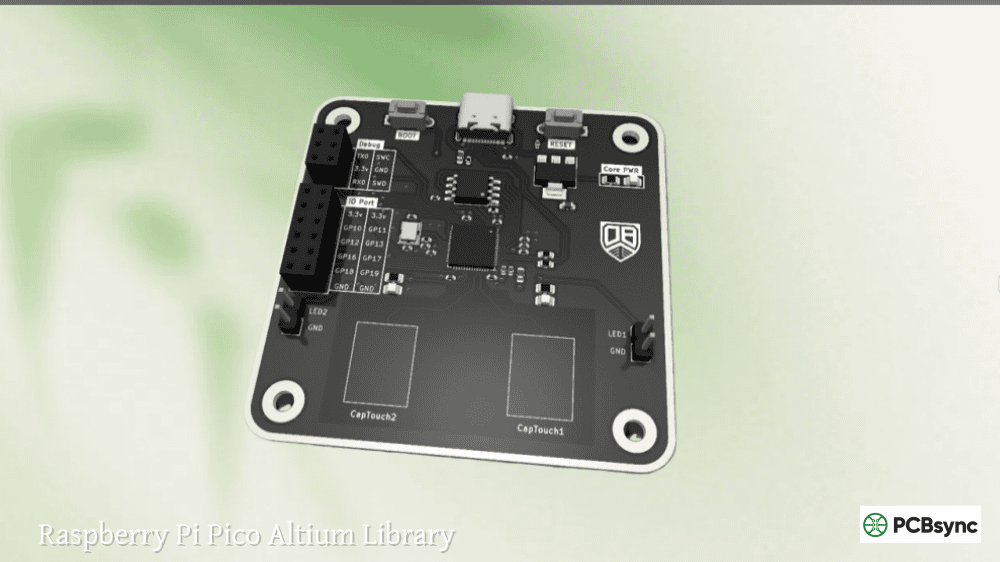
Custom PCB Keyboards: Designing your own keyboard PCB offers maximum customization. Hand-wired builds using Pro Micro or Pi Pico controllers avoid custom PCB costs while providing mechanical switch goodness.
Power System Design
Portable cyberdecks require thoughtful power engineering. The Pi 4 draws 3-7 watts depending on workload; displays add 2-5 watts; keyboards and peripherals contribute additional load.
Power Solution
Capacity
Pros
Cons
USB Power Bank
10,000-26,800 mAh
Simple, safe, replaceable
Bulky, no integration
18650 Battery Pack
4-8 cells
High capacity, swappable cells
Requires BMS, charging circuit
LiPo Pouch Cells
3,000-10,000 mAh
Thin, lightweight
Requires protection, fire risk
RC LiPo Packs
2,200-5,000 mAh
High discharge capability
Less safe, requires care
For most builders, quality USB power banks provide the safest starting point. Look for banks supporting USB Power Delivery and passthrough charging. The Anker PowerCore series and similar quality brands work reliably.
Custom LiPo solutions offer better integration but demand respect for lithium battery safety. Include proper battery management systems (BMS), fusing, and thermal protection. Fires from mishandled lithium batteries have destroyed workshops—and worse.
Enclosure Approaches
The enclosure defines your cyberdeck’s visual identity. Common approaches include:
3D Printed Enclosures: Most popular for good reason. Design freedom is unlimited, iteration costs just time and filament. PETG offers better durability than PLA; ABS or ASA suit demanding environments.
Pelican-Style Cases: Modifying rugged utility cases creates inherently durable builds. The aesthetic skews military-industrial—perfect for certain cyberdeck visions.
Repurposed Electronics: Old oscilloscopes, portable televisions, and laboratory equipment provide shells with authentic retro character. Mechanical adaptation challenges vary dramatically.
Metal Fabrication: Bent sheet metal or CNC-machined aluminum creates professional results but requires specialized tools or expensive outsourcing.
Step-by-Step Cyberdeck Build Process
Building a raspberry pi cyberdeck follows this general sequence, though specific implementations vary.
Phase 1: Design and Planning
Spend time designing before cutting material. Consider these factors:
Ergonomics: Will you type on this machine? Where will your wrists rest? What viewing angle does the display need?
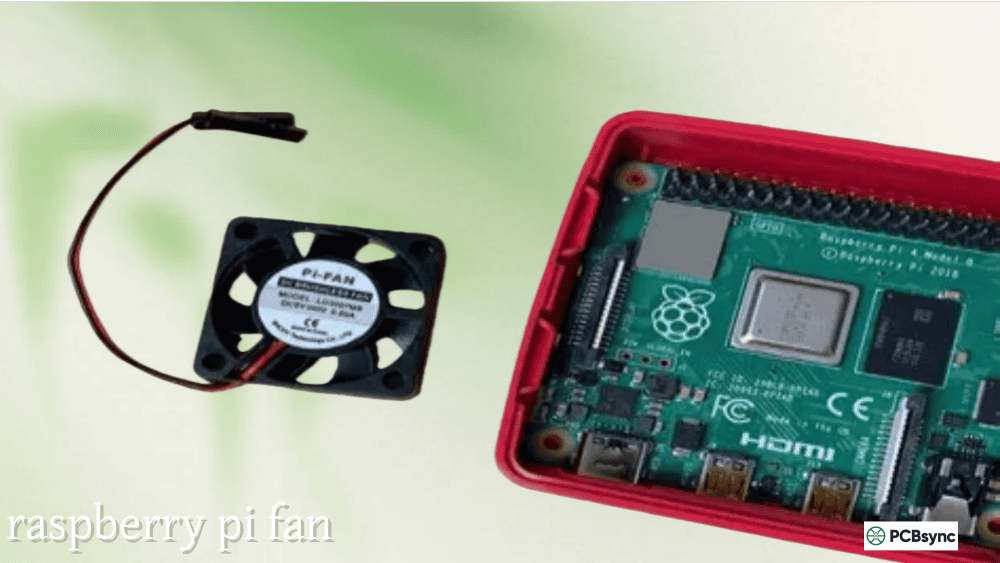
Thermal Management: The Pi generates heat. Plan ventilation paths or active cooling. Enclosed builds without airflow throttle performance.
Port Accessibility: Which ports need external access? USB, HDMI, Ethernet, GPIO? Plan cutouts accordingly.
Assembly Sequence: Can you actually assemble your design? Components installed first must remain accessible for maintenance.
Weight Distribution: Portable decks need balanced weight. Heavy batteries placed poorly create awkward handling.
Sketch concepts on paper before moving to CAD. Tools like Fusion 360, OnShape, or FreeCAD work for detailed modeling. Simple builds might need only measurements and cardboard mockups.
Phase 2: Component Acquisition
Source components before starting construction. Nothing halts progress like waiting for shipping.
Order extras of cheap components—you’ll lose some, break others, and discover needs mid-build.
Phase 3: Enclosure Fabrication
With design finalized and components in hand, fabricate your enclosure.
For 3D printed builds, print in sections manageable by your printer. Test-fit components with rough prints before committing to long, high-quality final prints. Budget 20-60+ hours of print time for typical cyberdeck enclosures.
Check dimensional accuracy early. Printers vary, and component datasheets sometimes lie. Cut access holes slightly undersized for filing to perfect fit.
Phase 4: Electronics Integration
Integrate electronics systematically:
Install the display and verify function with temporary wiring
Mount the Pi and connect to display
Integrate the keyboard and verify operation
Install the power system with appropriate protection
Add any secondary displays or status indicators
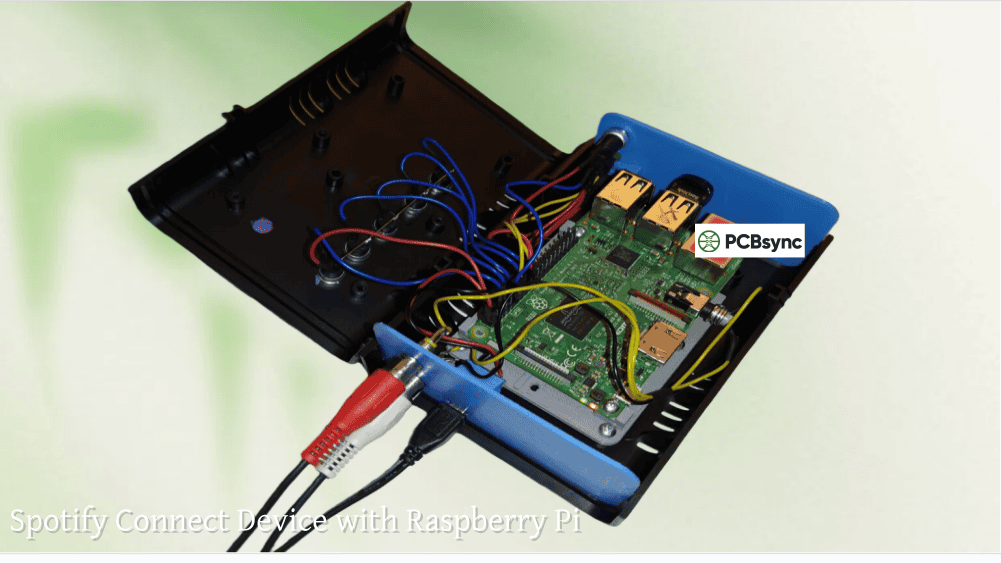
Route and secure all wiring
Install cooling solutions
Test at each stage. Discovering problems after full assembly means disassembling to fix them.
Phase 5: Software Configuration
With hardware complete, configure software:
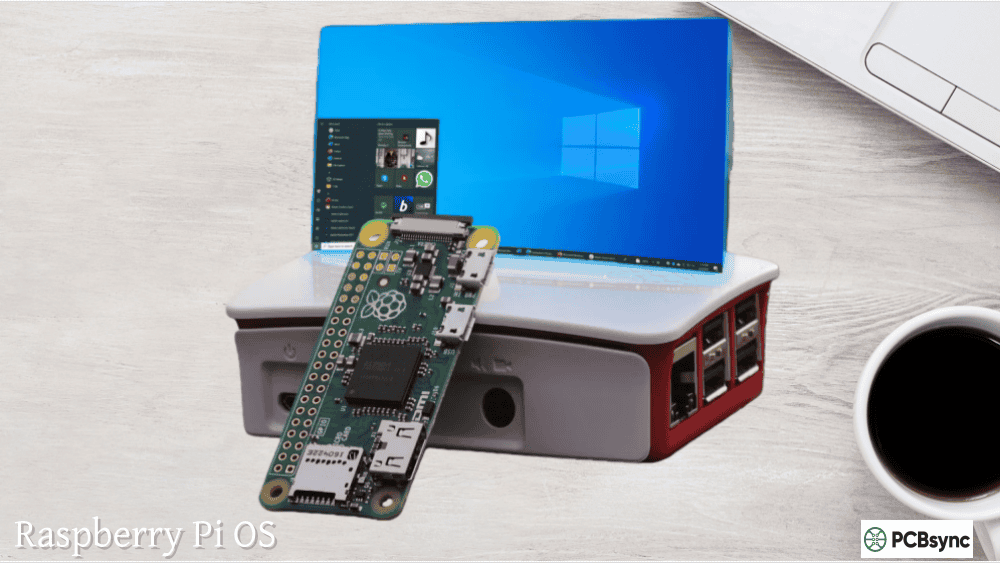
Base System: Install Raspberry Pi OS or your preferred distribution. The Lite version conserves resources if you’ll use a minimal window manager.
Display Configuration: Configure resolution, rotation, and scaling for your specific display. Edit /boot/config.txt for HDMI parameters.
Input Devices: Most USB keyboards work automatically. Custom matrix keyboards require QMK firmware and Linux configuration.
Power Management: Install battery monitoring tools if using smart battery systems. Configure low-battery shutdown scripts to protect SD cards from corruption.
Visual Customization: The cyberdeck aesthetic extends to software. Consider tiling window managers (i3, sway), retro terminal emulators (cool-retro-term), and cyberpunk-themed color schemes.
r/unixporn: https://www.reddit.com/r/unixporn/ – Linux desktop customization inspiration
Frequently Asked Questions About Raspberry Pi Cyberdecks
How much does it cost to build a raspberry pi cyberdeck?
Budget $200-600 for a complete raspberry pi cyberdeck build. Costs break down approximately as follows: Raspberry Pi ($35-80), display ($40-100), keyboard ($30-150), battery system ($30-80), enclosure materials ($30-100), and miscellaneous components ($30-100). Premium builds with custom mechanical keyboards, machined enclosures, or advanced features can exceed $1000. Start modestly—your first build teaches lessons that improve subsequent attempts.
How long does it take to build a diy cyberdeck?
First-time builders typically invest 40-100 hours across several weeks or months. Design and planning consume 10-20 hours. Enclosure fabrication (especially 3D printing) requires 15-40 hours. Electronics integration and troubleshooting take 10-25 hours. Software configuration adds 5-15 hours. Experienced builders with established designs complete builds faster, but iteration and customization extend timelines unpredictably. Don’t rush—enjoying the process matters more than finishing quickly.
What Raspberry Pi model works best for cyberdeck builds?
The Raspberry Pi 4B (4GB) remains the most popular choice for raspberry pi cyberdeck projects due to its balance of performance, power efficiency, and mature software support. The Pi 5 offers significantly better performance but draws more power and generates more heat—challenging for battery-powered portable builds. The Pi Zero 2 W suits ultra-compact designs where performance matters less than size. Choose based on your specific priorities: performance, battery life, thermal constraints, or budget.
Can I use a cyberdeck as my daily computer?
Realistically, a diy cyberdeck serves better as a secondary or specialized machine rather than a primary daily driver. The Pi’s processing power handles web browsing, document editing, coding, and terminal work adequately but struggles with demanding tasks. Battery life limits extended untethered sessions. The compact keyboards and displays compromise ergonomics compared to proper workstations. Many builders use cyberdecks for specific purposes—field diagnostics, travel computing, demonstrations, or simply enjoying a unique machine for appropriate tasks.
Do I need programming skills to build a cyberdeck?
Basic Linux command-line familiarity helps significantly, but deep programming knowledge isn’t required for standard builds. Installing Raspberry Pi OS and configuring displays requires following documentation, not writing code. Custom keyboard matrices need firmware configuration (typically modifying existing QMK templates rather than writing from scratch). Advanced features like battery monitoring scripts or custom status displays benefit from Python basics. The cyberdeck community shares solutions generously—most technical challenges have documented answers available.
Completing Your First Cyberdeck Build
The raspberry pi cyberdeck represents more than a computing device—it’s a creative statement, a learning journey, and an entry into a welcoming maker community. Your first build won’t be perfect, and that’s fine. The cyberpunk aesthetic embraces imperfection, visible repairs, and iterative improvement.
Start with a clear vision but remain flexible. Document your process for the community. Ask questions when stuck—experienced builders remember their own struggles and help generously. Most importantly, build something that makes you smile when you use it.
The retro-futuristic computing revolution happens one diy cyberdeck at a time. Your build contributes to a growing movement of makers rejecting disposable consumer electronics in favor of repairable, customizable, personal machines. That’s worth celebrating regardless of how your first attempt turns out.
Now stop reading and start building. Your cyberdeck awaits.
Inquire: Call 0086-755-23203480, or reach out via the form below/your sales contact to discuss our design, manufacturing, and assembly capabilities.
Quote: Email your PCB files to Sales@pcbsync.com (Preferred for large files) or submit online. We will contact you promptly. Please ensure your email is correct.
Notes: For PCB fabrication, we require PCB design file in Gerber RS-274X format (most preferred), *.PCB/DDB (Protel, inform your program version) format or *.BRD (Eagle) format. For PCB assembly, we require PCB design file in above mentioned format, drilling file and BOM. Click to download BOM template To avoid file missing, please include all files into one folder and compress it into .zip or .rar format.