Inquire: Call 0086-755-23203480, or reach out via the form below/your sales contact to discuss our design, manufacturing, and assembly capabilities.
Quote: Email your PCB files to Sales@pcbsync.com (Preferred for large files) or submit online. We will contact you promptly. Please ensure your email is correct.
Notes: For PCB fabrication, we require PCB design file in Gerber RS-274X format (most preferred), *.PCB/DDB (Protel, inform your program version) format or *.BRD (Eagle) format. For PCB assembly, we require PCB design file in above mentioned format, drilling file and BOM. Click to download BOM template To avoid file missing, please include all files into one folder and compress it into .zip or .rar format.
When I needed to add remote management to a headless server build last year, the pikvm comparison research led me down a rabbit hole. Both blikvm and PiKVM promise the same thing: hardware-level remote access to any computer regardless of operating system state. But the differences in hardware options, pricing, and software maturity matter more than marketing materials suggest.
This guide breaks down the real-world differences between blikvm and PiKVM based on hands-on experience and community feedback. Whether you’re building a home lab or managing production servers, understanding these trade-offs helps you choose the right IP-KVM for your specific needs.
Before diving into the pikvm comparison, let’s clarify what makes these devices different from remote desktop software. Both BliKVM and PiKVM are KVM-over-IP devices that capture HDMI video output while emulating USB keyboard and mouse input. This hardware-level approach means you can access BIOS/UEFI settings, boot from virtual media, and recover crashed systems that software solutions like TeamViewer cannot touch.
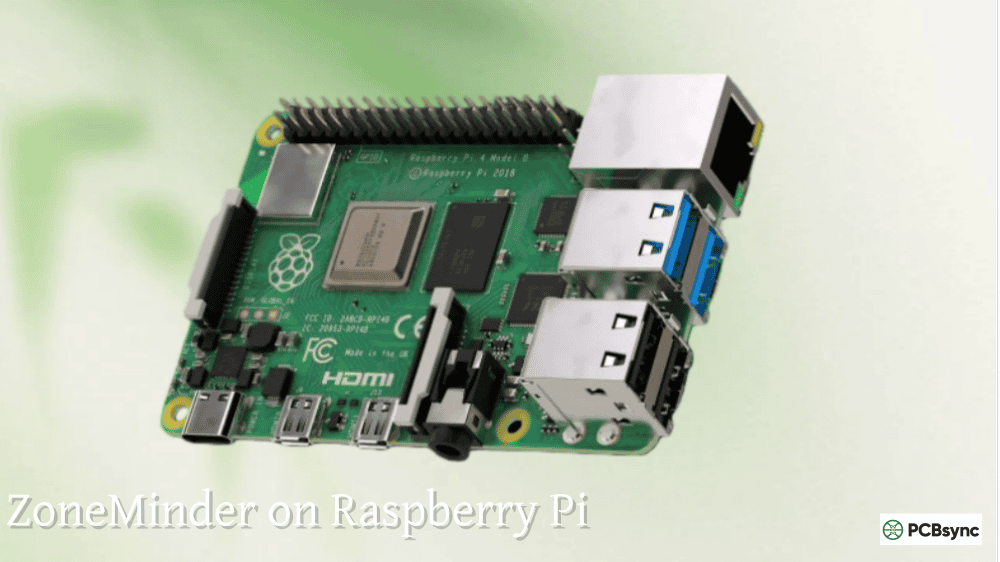
Both projects are open-source and built around Raspberry Pi hardware (with one BliKVM exception). The critical distinction: blikvm is primarily a hardware project that can run either its own software or PiKVM’s software stack, while PiKVM is both hardware and a mature software ecosystem.
Hardware Options Compared
BliKVM Hardware Lineup
BliKVM offers four distinct hardware versions, each targeting different installation scenarios.
The v2 PCIe stands out as the only IP-KVM solution that installs directly inside the target computer. This eliminates external cables and provides a cleaner installation for server rooms. Power comes via PoE or USB-C on the bracket, not the PCIe slot itself.
PiKVM Hardware Lineup
PiKVM focuses on polished, production-ready devices with comprehensive software support.
Model
Form Factor
Processor
Video Capture
Price
PiKVM V4 Mini
Standalone box
Raspberry Pi CM4
Custom (1920×1200@60Hz)
~$200
PiKVM V4 Plus
Standalone box
Raspberry Pi CM4
Custom (1920×1200@60Hz)
~$350
PiKVM V3 HAT
Pi HAT + case
Raspberry Pi 4
TC358743 (1080p50)
~$150-250
PiKVM DIY V2
Custom build
Pi 4/Zero 2 W
CSI or USB capture
~$60-150
The V4 series represents PiKVM’s current generation with higher resolution support (1920×1200 vs 1920×1080) and improved video encoding.
Detailed Feature Comparison
This pikvm comparison table highlights the functional differences that affect daily use.
Feature
BliKVM (v1/v2/v3)
BliKVM v4
PiKVM V4 Mini
PiKVM V4 Plus
Max Resolution
1080p@60Hz
1080p@60Hz
1920×1200@60Hz
1920×1200@60Hz
Video Encoding
H.264
H.264
H.264/WebRTC
H.264/WebRTC
HDMI Audio
Yes
Yes
Yes
Yes
ATX Control
Yes
Yes
Yes
Yes
Virtual Media
Yes
Yes
Yes
Yes
OLED Display
Yes
Yes (LCD)
Yes
Yes
PoE Support
v2 PCIe only
Yes
No
No
HDMI Passthrough
No
Yes
No
Yes
Real-Time Clock
Yes
Yes
Yes
Yes
Multi-host Switch
External
External
External
Built-in USB
LTE Modem Slot
No
No
No
Yes
Software Stack Differences
Here’s where the blikvm and PiKVM divergence becomes significant.
Aspect
BliKVM Software
PiKVM Software
Architecture
Front/backend separation
Monolithic Python
Language Support
Multiple languages
English-focused
Update Frequency
Moderate
Very active
Community Size
Smaller
Larger
Documentation
Good
Excellent
Security Audits
Limited
Some public reviews
Two-Factor Auth
Yes
Yes
VNC Support
Yes
Yes
API Access
Yes
Yes
Security researchers have noted that running PiKVM software on blikvm hardware often provides a more mature security posture. The PiKVM project has more eyes on the codebase and faster security patches.
Price and Value Analysis
The cost comparison reveals blikvm as the budget-friendly option in most configurations.
Configuration
BliKVM Total Cost
PiKVM Total Cost
Savings
Basic setup (board + CM4)
~$145-170
~$200 (V4 Mini)
$30-55
Full kit with accessories
~$150-180
~$200 (V4 Mini)
$20-50
Premium with passthrough
~$170 (v4)
~$350 (V4 Plus)
$180
PCIe internal mount
~$150
Not available
N/A
HAT for existing Pi 4
~$96
~$150
$54
Note that BliKVM prices often exclude the CM4 module ($45-75 depending on RAM/storage), while PiKVM V4 devices include the CM4.
Installation and Setup
BliKVM Setup Process
BliKVM offers flexibility in software choice during initial setup.
Step 1: Choose Your Software
Option
Recommendation
Notes
BliKVM Image
New users
Multi-language, simpler setup
PiKVM Image
Advanced users
Larger community, more features
Step 2: Flash and Configure
Both software options use similar flashing procedures with Raspberry Pi Imager or balenaEtcher. The blikvm documentation provides hardware-specific patches needed when running PiKVM software.
Step 3: Hardware Assembly
For v1 CM4 and v2 PCIe models, insert the CM4 module carefully aligning both connector rows. The v3 HAT mounts directly on a Raspberry Pi 4.
PiKVM Setup Process
PiKVM’s setup is more straightforward with tightly integrated hardware and software.
Step
Action
Time
1
Unbox and connect cables
5 minutes
2
Power on, wait for OLED IP display
2 minutes
3
Access web interface
1 minute
4
Change default passwords
2 minutes
5
Configure ATX (optional)
5 minutes
PiKVM’s advantage lies in the polished out-of-box experience. Everything works immediately without patching or configuration file editing.
Both solutions achieve approximately 100ms latency under optimal conditions. Real-world testing shows negligible difference between blikvm and PiKVM when using equivalent capture hardware.
Motherboard Compatibility
Both projects face similar BIOS/UEFI compatibility challenges with certain HP and Dell systems. The troubleshooting approaches (EDID emulators, USB configuration) work identically regardless of which solution you choose.
Long-term Support
PiKVM has a longer track record (project started 2020) and larger community. BliKVM is newer but actively developed with responsive maintainers. Both projects have Discord communities for support.
Useful Resources
Resource
URL
Description
BliKVM Documentation
wiki.blicube.com
Official setup guides
BliKVM GitHub
github.com/ThomasVon2021/blikvm
Source code and issues
BliKVM Store
AliExpress/Blicube
Purchase hardware
PiKVM Documentation
docs.pikvm.org
Official handbook
PiKVM GitHub
github.com/pikvm/pikvm
Source and image downloads
PiKVM Store
pikvm.org/products
Official hardware
BliKVM Discord
discord.gg/9Y374gUF6C
Community support
PiKVM Discord
discord.gg/bpmXfz5
Community support
Frequently Asked Questions
Can I run PiKVM software on BliKVM hardware?
Yes, and many users recommend this approach. BliKVM hardware is designed to be compatible with PiKVM software, though some configuration adjustments are needed for displays, fans, and other hardware-specific features. The BliKVM documentation includes guides for running PiKVM images on their hardware. This combination gives you BliKVM’s lower hardware cost with PiKVM’s more mature software ecosystem.
Which has better video quality?
PiKVM V4 devices support higher resolution (1920×1200@60Hz) compared to blikvm’s 1920×1080@60Hz maximum. For most server management tasks, this difference is negligible. Both achieve similar latency and image quality at 1080p. The real quality difference comes from network conditions and browser performance rather than the KVM hardware itself.
Is BliKVM v4 Allwinner a good choice?
The v4 Allwinner model eliminates Raspberry Pi CM4 dependency, which matters given CM4 availability fluctuations. It uses a different capture chip (MS2131 vs TC358743) and includes HDMI passthrough. However, the Allwinner platform has less community support than Pi-based solutions. Choose it if CM4 availability or PoE with passthrough is important to your deployment.
Can either solution control multiple computers?
Both support multi-computer control through external switches. PiKVM offers the official PiKVM Switch accessory that chains up to 5 units for 20-port capability. BliKVM works with third-party HDMI/USB switches. The PiKVM V4 Plus has built-in USB switching capability, while other models require external hardware for multi-host access.
Which is more secure for internet exposure?
Neither should be directly exposed to the internet without additional protection. Both support SSL/TLS encryption and two-factor authentication. Security researchers have given PiKVM’s codebase more scrutiny due to its larger deployment base. For internet access, both projects recommend using Tailscale VPN rather than port forwarding. If security is paramount and you choose blikvm hardware, consider running PiKVM software for its more extensively reviewed security implementation.
Making Your Decision
The pikvm comparison ultimately comes down to priorities. BliKVM wins on price and offers the unique PCIe form factor that PiKVM lacks. PiKVM wins on software maturity, documentation quality, and out-of-box polish.
For home labs and budget-conscious deployments, BliKVM v3 HAT or v1 CM4 running PiKVM software represents excellent value. For production environments where reliability and support matter more than saving $50-100, PiKVM V4 devices justify their premium.
Both solutions deliver the core promise: BIOS-level remote access that works when your server refuses to boot. Your network won’t care which brand of IP-KVM saved you a 2 AM datacenter trip.
Suggested Meta Descriptions:
Option 1 (155 characters): BliKVM vs PiKVM comparison guide covering hardware options, pricing, and features. Find the best IP-KVM solution for your home lab or server management needs.
Option 2 (152 characters): Complete pikvm comparison with BliKVM hardware and software differences. Learn which open-source KVM-over-IP solution fits your remote management budget.
Option 3 (148 characters): BliKVM or PiKVM? Compare prices, features, and use cases for both IP-KVM solutions. Detailed guide for choosing the right Raspberry Pi KVM hardware.
Inquire: Call 0086-755-23203480, or reach out via the form below/your sales contact to discuss our design, manufacturing, and assembly capabilities.
Quote: Email your PCB files to Sales@pcbsync.com (Preferred for large files) or submit online. We will contact you promptly. Please ensure your email is correct.
Notes: For PCB fabrication, we require PCB design file in Gerber RS-274X format (most preferred), *.PCB/DDB (Protel, inform your program version) format or *.BRD (Eagle) format. For PCB assembly, we require PCB design file in above mentioned format, drilling file and BOM. Click to download BOM template To avoid file missing, please include all files into one folder and compress it into .zip or .rar format.